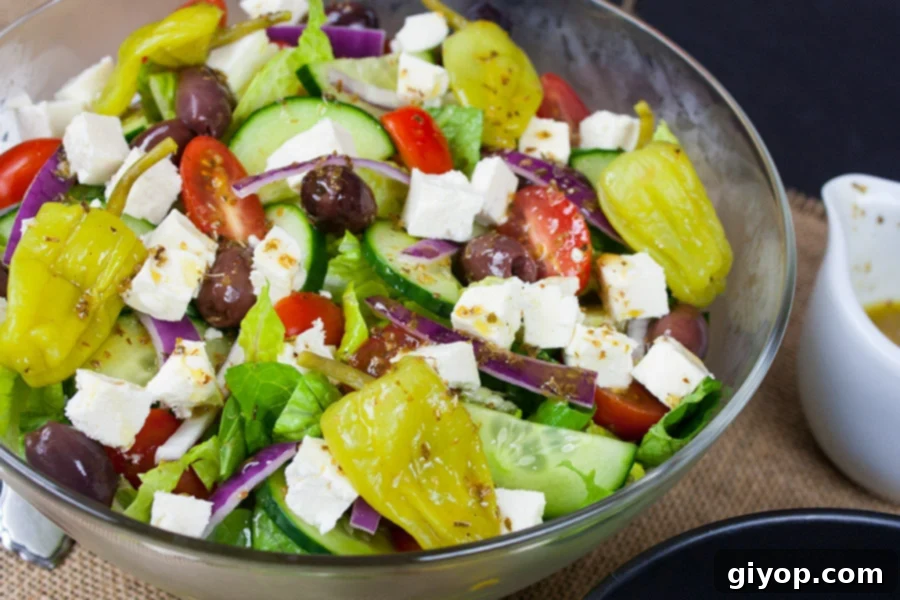
Transform your dinner table with a vibrant, flavorful homemade Greek salad that comes together in just 10 minutes. This crisp, fresh, and utterly delicious salad is a taste of the Mediterranean that’s guaranteed to impress!
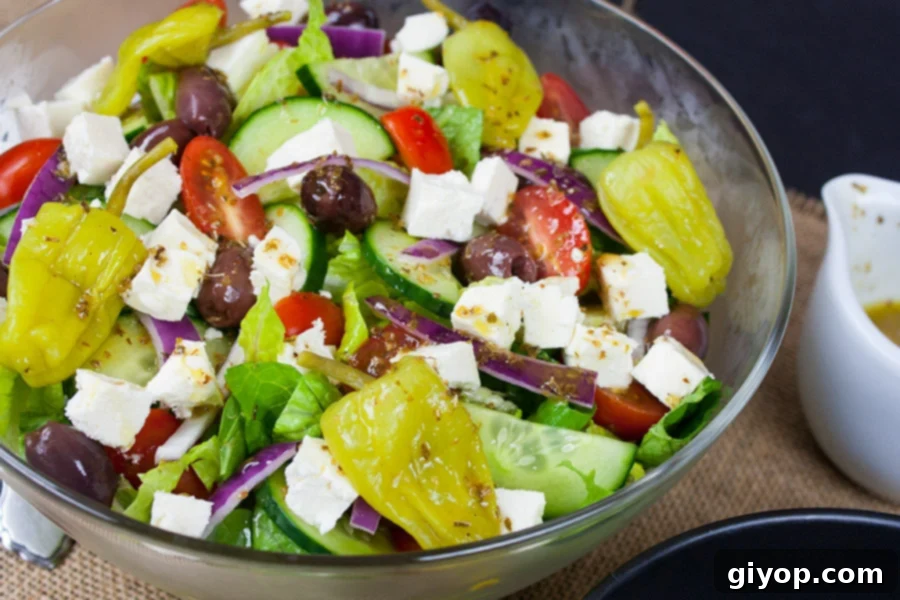
Why You’ll Love Making This Authentic Greek Salad at Home
Have you ever been disappointed by a Greek salad from a restaurant? Often, they arrive overdressed, limp, and lacking that fresh, punchy flavor you crave. That’s precisely why we started making our Greek salad at home, and we can confidently say it’s 100 times better than any restaurant version!
This easy Greek salad recipe is not only superior in taste and texture but also incredibly quick to prepare, getting a refreshing, wholesome meal on your table in record time. It’s a fantastic choice for a speedy weeknight dinner, a light lunch, or an impressive side dish for entertaining.
While a traditional Greek salad (horiatiki) typically features tomatoes, cucumbers, green bell peppers, red onions, Kalamata olives, and feta cheese, our homemade rendition introduces crisp romaine lettuce for an added layer of freshness and texture. We consciously skip the bell peppers in our version, focusing on the core, beloved flavors that define this Mediterranean classic. The beauty of a homemade salad lies in its customization – you control the quality of ingredients and the perfect balance of flavors.
If you’re a fan of fresh and vibrant salads, you might also enjoy exploring other delightful recipes like our Southwest Grilled Chicken Salad, the refreshing Arugula Fennel Salad, our wholesome Long Life Salad, and the classic Blue Cheese Wedge Salad.
Essential Ingredients for a Perfect Greek Salad (and Their Role!)
The secret to an outstanding Greek salad lies in the quality and freshness of its components. Here’s a breakdown of the simple yet powerful ingredients you’ll need:
- Extra Virgin Olive Oil: This is the cornerstone of any good Greek dressing. Invest in a high-quality, fruity extra virgin olive oil. Its rich, peppery notes will elevate the entire salad, acting as the perfect flavor carrier.
- Red Wine Vinegar and Fresh Lemon Juice: These two acidic elements are crucial for creating the dressing’s signature tangy, bright flavor profile. The lemon juice adds a zesty freshness that complements the vinegar beautifully.
- Fresh Garlic Cloves: For a more subtle yet profound garlic infusion, we recommend smashing the garlic cloves whole and letting them steep in the olive oil. This allows the garlic flavor to gently permeate the oil without overwhelming it. If you prefer a stronger garlic kick, minced garlic is also an option.
- Dried Oregano, Kosher Salt, and Black Pepper: These seasonings are essential for giving the dressing its classic, aromatic Greek character. Dried oregano, in particular, delivers that earthy, slightly bitter note synonymous with Mediterranean cuisine. Kosher salt and freshly ground black pepper bring out all the other flavors.
- Romaine Lettuce: While not always in traditional Horiatiki, crisp romaine lettuce provides a wonderful crunch and a refreshing base for our salad. Its sturdy leaves hold up well to the dressing.
- Grape Tomatoes: Sweet and juicy grape tomatoes burst with flavor. Halving them releases their delightful juices into the salad, contributing to the overall freshness.
- Crisp Cucumbers: English or mini cucumbers are ideal due to their thinner skins, fewer seeds, and sweeter taste. They add a refreshing, hydrating crunch to every bite.
- Kalamata Olives: These dark, briny, almond-shaped olives are a hallmark of Greek cuisine. Their rich, salty, slightly fruity flavor is irreplaceable and adds depth to the salad.
- Red Onion: Sliced thin, red onion provides a sharp, pungent bite that contrasts beautifully with the other ingredients. We’ll also share a tip to mellow its intensity if preferred.
- Feta Cheese: Authentic Greek feta, made from sheep’s or goat’s milk, offers a wonderfully salty, tangy, and crumbly texture. Whether diced into chunks or crumbled, it’s a non-negotiable ingredient that provides creamy richness and a distinctive flavor.
- Pepperoncini Peppers: These mild, slightly sweet, and tangy peppers add a delightful pop of flavor and a touch of color, enhancing the overall Mediterranean experience.
Crafting the Exquisite Greek Salad Dressing
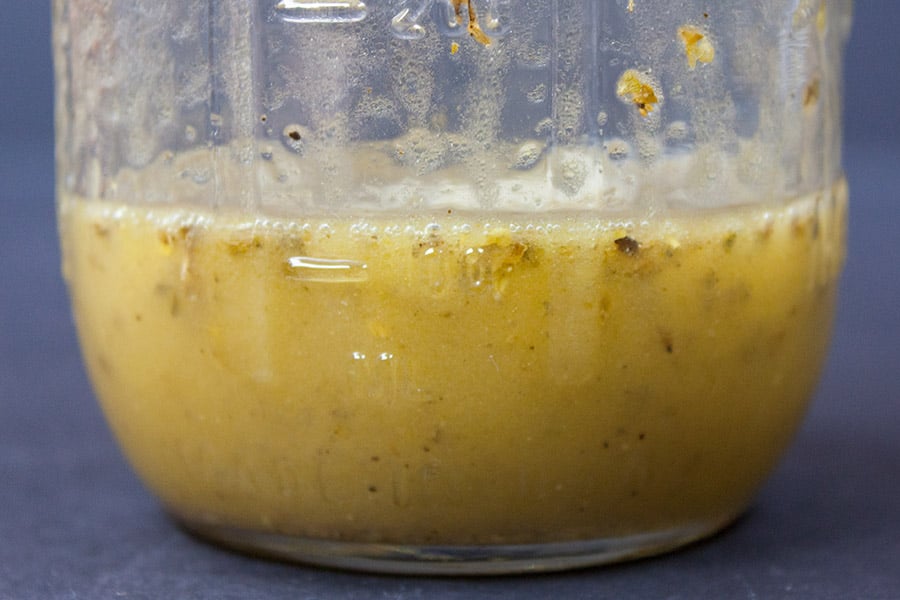
The heart of any exceptional Greek salad is its dressing. Making it fresh and allowing the flavors to meld is key to its success. We recommend preparing the dressing first, giving the ingredients time to infuse while you prepare the salad components.
To make the dressing, simply combine the extra virgin olive oil, red wine vinegar, fresh lemon juice, smashed garlic cloves, dried oregano, kosher salt, and black pepper in a small bowl or a jar with a tight-fitting lid. Whisk vigorously or shake the jar until all the ingredients are well combined and emulsified. Set this flavorful concoction aside, allowing the garlic and oregano to deepen their notes in the olive oil and vinegar mixture.
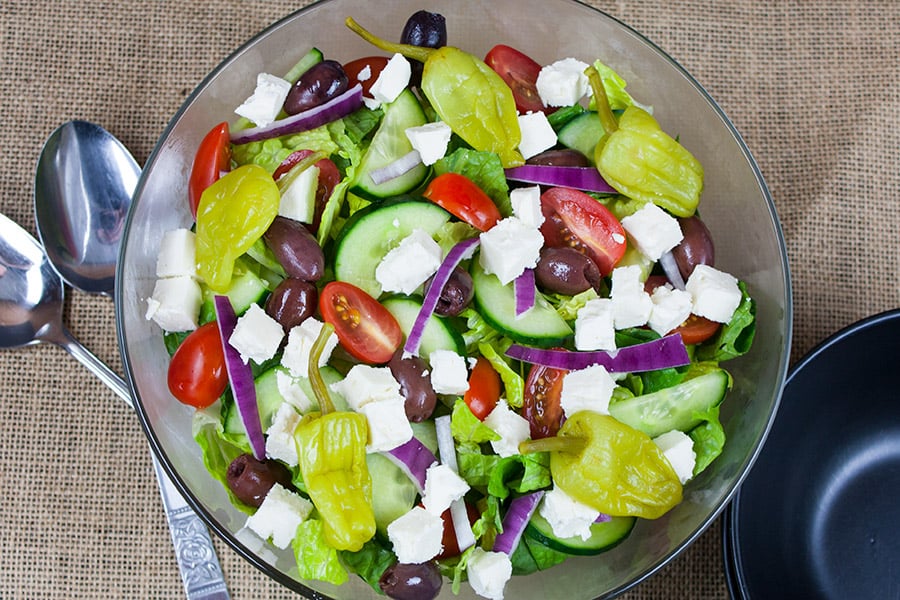
For an optimal serving experience, especially when catering to different preferences, I often prepare individual bowls for my family. This allows everyone to customize their salad with extra amounts of their favorite ingredients and omit anything they’re not keen on. Crucially, it also gives each person control over the amount of dressing, preventing a common pitfall: a drenched and soggy salad. No one enjoys a salad that has lost its crispness to an overly generous dressing!
A pro tip for keeping your salad as fresh and crisp as possible is to chill your serving bowls beforehand. A cold bowl will help maintain the cool temperature of the fresh salad greens and vegetables, ensuring every bite is refreshingly crisp.
NOTE
Red onions can have a very strong, pungent flavor that some find overpowering. If you prefer a milder onion taste in your Greek salad, try a simple trick: soak the thinly sliced red onion in a small amount of lemon juice or red wine vinegar for about 5 to 10 minutes before adding it to the salad. This brief soak helps to temper their sharpness, leaving them with a more subtle and pleasant flavor.
Assembling Your Fresh Homemade Greek Salad
With your dressing ready and your ingredients prepped, assembling this fresh homemade Greek salad is a breeze. The key is to handle the fresh produce gently to maintain its integrity and crunch.
Begin by roughly chopping the crisp romaine lettuce. Next, thinly slice your cucumbers and red onions. Halve the sweet grape tomatoes. For the feta cheese, you have the option to crumble it directly into the salad for a more integrated flavor or cut it into larger, satisfying chunks for distinct bursts of saltiness.
In your chilled large serving bowl, gently combine the roughly chopped romaine lettuce, halved grape tomatoes, thinly sliced cucumbers, prepared red onion, halved Kalamata olives, diced or crumbled feta cheese, and the vibrant pepperoncini peppers. Toss these ingredients lightly to ensure an even distribution of colors and textures.
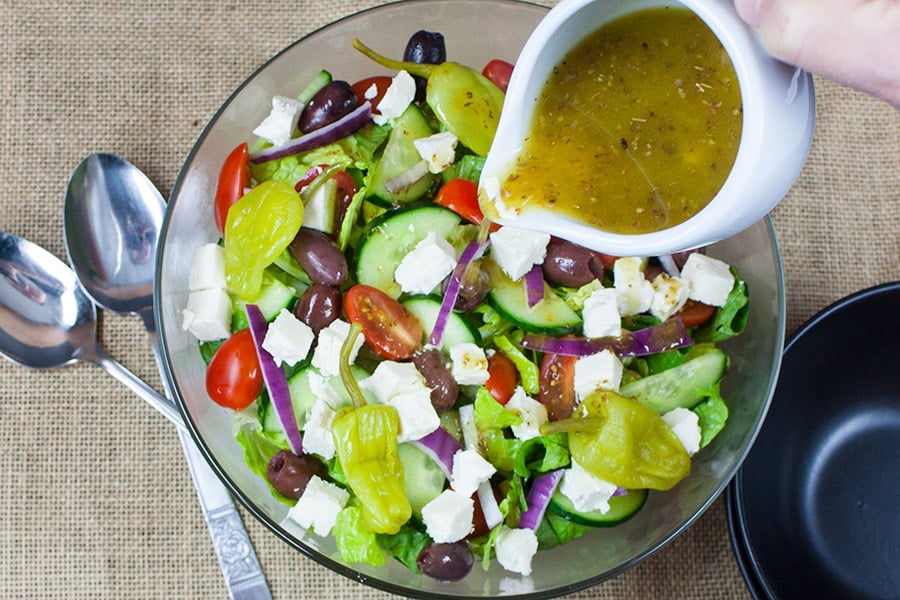
Once all your salad components are in the bowl, it’s time to dress it. Pour the desired amount of your freshly prepared Greek salad dressing over the ingredients. Toss gently but thoroughly, ensuring every piece of lettuce and vegetable is coated in the fragrant, tangy dressing. Taste and adjust seasoning with additional salt and pepper if necessary, keeping in mind the saltiness of the feta and olives. Serve immediately and savor the explosion of fresh, Mediterranean flavors!
This salad is substantial enough to be a satisfying meal on its own, especially when paired with a hearty side like our skillet bread for dipping into the delicious dressing. However, it also serves as an excellent, refreshing side dish to complement a variety of main courses.
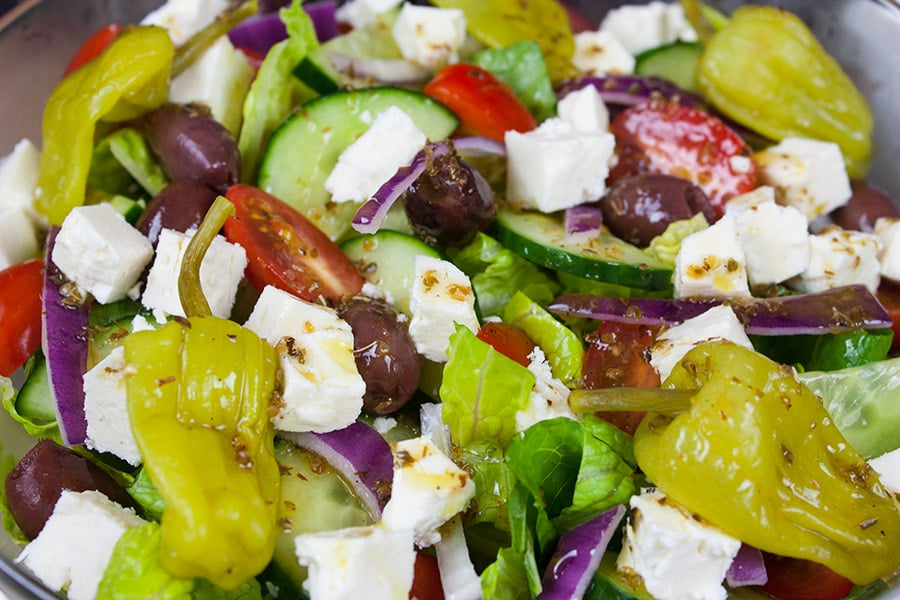
We promise you will fall in love with this salad! The homemade Greek salad dressing truly is the best you’ll ever taste, adding an unparalleled freshness and depth of flavor. It’s so versatile that we even love to use it as a delightful dressing for our pasta salads, proving its worth far beyond this classic recipe.
What to Serve Alongside Your Greek Salad
This Greek salad is incredibly versatile, making it a perfect light meal on its own or a fantastic accompaniment to almost any protein. Here are some delicious pairing suggestions:
- Grilled Meats: Serve it as a refreshing side with tender grilled pork tenderloin, juicy grilled chicken (especially chicken souvlaki or kebabs), or flavorful lamb chops.
- Seafood: Its bright flavors beautifully complement various seafood dishes, such as baked whole red snapper, pan-seared salmon, or grilled shrimp.
- Vegetarian Options: Pair it with hummus and pita bread, falafel, or a hearty lentil soup for a complete vegetarian meal.
- Pasta Dishes: Alongside a simple pasta with olive oil and herbs, this salad adds a fresh, tangy contrast.
Expert Tips for the Best Greek Salad
- Quality Olive Oil is Non-Negotiable: Since olive oil forms the base of your dressing and significantly contributes to the salad’s overall flavor, always opt for a high-quality extra virgin olive oil. It makes a noticeable difference.
- Chill Your Bowl: For an extra crisp salad experience, place your serving bowl in the refrigerator for 15-20 minutes before assembling. Cold surfaces help keep the greens and vegetables perfectly chilled and crunchy.
- Choose the Right Cucumbers: English cucumbers or mini cucumbers are often preferred over regular garden cucumbers. They contain fewer seeds, have a thinner, more tender skin (no need to peel!), and a subtly sweeter flavor.
- Kalamata Olives for Authentic Flavor: While black olives can be substituted, Kalamata olives are essential for that distinct, briny, slightly fruity flavor that defines a true Greek salad. They provide a depth that other olives simply can’t replicate.
- Mellow the Onion: If raw red onion is too strong for your palate, soak the sliced onions in cold water, lemon juice, or red wine vinegar for 10-15 minutes. This technique significantly reduces their pungency.
- Make it Creamy: For a richer, creamier dressing, whisk in 2 to 3 tablespoons of Greek yogurt. Remember to taste and adjust the salt and lemon juice, as the yogurt will change the balance of flavors.
- Transform it into a Meal: Elevate your Greek salad to a protein-packed main course by adding grilled chicken breast, shrimp, chickpeas, or even canned tuna.
- Fresh Herbs: For an added layer of freshness, consider sprinkling a handful of fresh chopped parsley or mint over the finished salad.
Frequently Asked Questions About Homemade Greek Salad
For the freshest and crispiest experience, this salad is best assembled right before serving. However, you can certainly do some prep work in advance. The dressing can be made up to 2 days ahead and stored in a sealed jar or container in the refrigerator. Remember to remove it about an hour before serving to allow the olive oil to return to its liquid state. All vegetables, except for the tomatoes, can be prepped (chopped, sliced) and stored in separate airtight containers in the fridge up to 1 day in advance. Tomatoes, however, retain their best flavor and texture when freshly prepped and unchilled.
It’s best to store your homemade Greek salad dressing in an airtight container or jar in the refrigerator. Due to the high content of extra virgin olive oil, the dressing will likely solidify when chilled. To bring it back to its liquid, pourable consistency, simply remove it from the fridge about an hour before you plan to use it and let it come to room temperature. If you’re in a hurry, you can gently warm the sealed container in a bowl of warm water for a few minutes until it liquefies.
The most authentic Greek salad, known as Horiatiki, traditionally includes ripe tomatoes, crisp cucumbers, green bell peppers, red onions, Kalamata olives, and a generous slab of feta cheese, often topped with dried oregano. It typically does not contain lettuce or other greens, distinguishing it from many Westernized versions. Our recipe incorporates romaine lettuce for added freshness and crunch.
Yes, absolutely! To make this Greek salad vegan, simply omit the feta cheese. The dressing itself is already vegan. You can substitute the feta with a plant-based feta alternative or add chickpeas for extra protein and texture to keep it satisfying.
Discover More Delicious and Healthy Recipes
Pesto Caprese Pasta Salad
Cucumber Radish Salad
Greek Pasta Salad Recipe
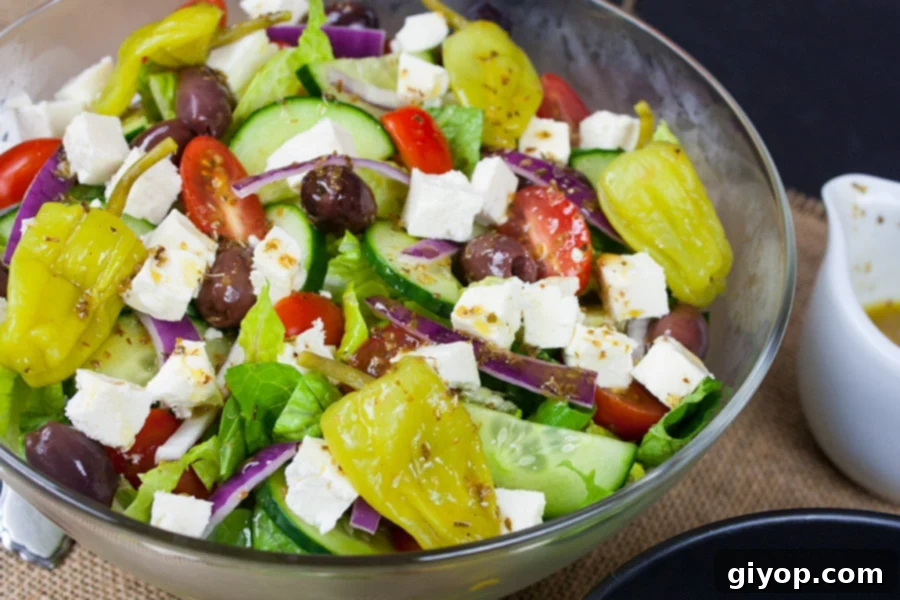
Homemade Greek Salad Recipe
Print
Pin
Rate
Ingredients
Dressing:
- 1/2 cup extra-virgin olive oil
- 1/4 cup red wine vinegar
- 1 lemon, juiced
- 2 cloves garlic, smashed with side of your knife then peeled
- 2 tsp. dried oregano leaves
- 1/2 tsp. kosher salt
- 1/4 tsp fresh ground black pepper
Salad:
- 1 large bunch romaine lettuce
- 4 oz grape tomatoes, halved
- 1 large cucumber
- 1/2 medium red onion
- 1/2 cup kalamata olives, halved
- 1/2 cup feta cheese, diced or crumbled
- 4 pepperoncini peppers
Instructions
Greek Dressing
- Combine all the ingredients in a small, air-tight jar and shake well to mix. Set aside.1/2 cup extra-virgin olive oil,
1/4 cup red wine vinegar,
1 lemon, juiced,
2 cloves garlic, smashed with side of your knife then peeled,
2 tsp. dried oregano leaves,
1/2 tsp. kosher salt,
1/4 tsp fresh ground black pepper
Salad
- Roughly chop the romaine lettuce and toss it into a large bowl. (I like to chill my bowl)1 large bunch romaine lettuce
- Slice the grape tomatoes in half and add it to the bowl with the lettuce, then half the cucumber and slice thinly, add to the bowl.4 oz grape tomatoes, halved,
1 large cucumber - Slice the onion into thin rings, then quarter, separating the layers before adding to the rest of the salad.1/2 medium red onion
- Slice the olives in half, dice or crumble feta cheese, add to the salad.1/2 cup kalamata olives, halved,
1/2 cup feta cheese, diced or crumbled - Pour the desired amount of the dressing over the salad and gently toss all the ingredients together. Add the peppers and serve immediately.4 pepperoncini peppers
Notes
Storing Leftover Dressing – It’s best to keep the dressing in the refrigerator. But because of the olive oil, it will solidify. So remove it from the fridge and allow it to come to room temperature. Or if you didn’t remember to remove it soon enough, set the glass container in a bowl of warm water.
Nutrition
|
Carbohydrates: 11g
|
Protein: 5g
|
Fat: 34g
|
Saturated Fat: 7g
|
Cholesterol: 17mg
|
Sodium: 719mg
|
Potassium: 305mg
|
Fiber: 4g
|
Sugar: 4g
|
Vitamin A: 1118IU
|
Vitamin C: 30mg
|
Calcium: 166mg
|
Iron: 2mg