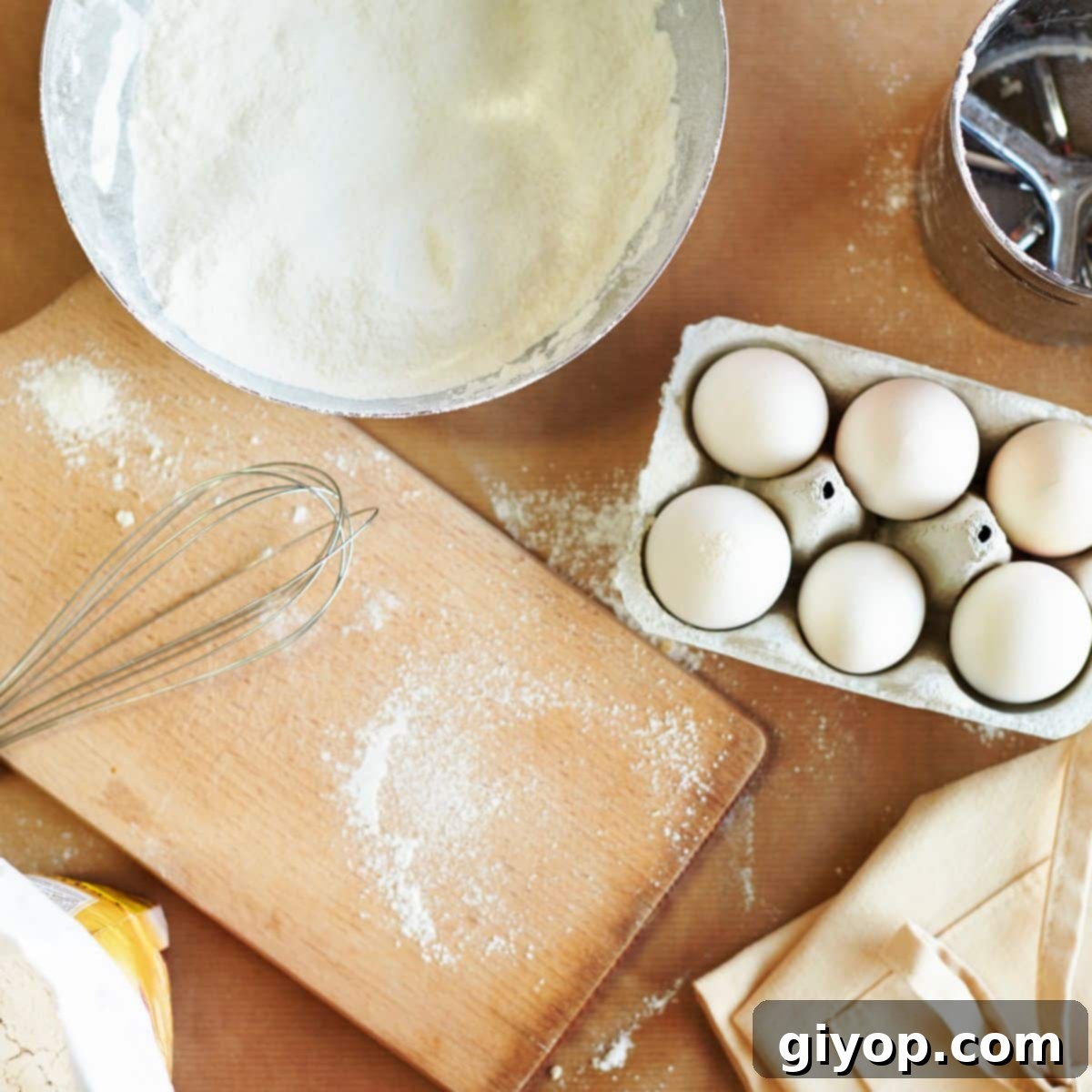
Eggs are often considered indispensable in baking, playing a multifaceted role in everything from light, airy muffins and chewy cookies to rich brownies, moist cakes, and hearty breads. They act as powerful leavening agents, providing lift and volume, while also contributing to the structure, binding ingredients together, and imparting richness, moisture, and a distinct flavor that elevates many baked goods. However, the good news for bakers is that eggs are not always a necessity. Whether you’re navigating dietary restrictions, managing allergies, embracing a vegan lifestyle, or simply found yourself in a pinch with an empty egg carton, a world of effective egg substitutes awaits. This comprehensive guide will explore the best egg alternatives, helping you achieve delicious results in all your baking endeavors.
There are numerous reasons why you might seek alternatives to eggs in your baking. Perhaps you adhere to a vegan diet or have specific religious dietary requirements. Maybe a family member has an egg allergy, making egg-free baking a necessity for their safety and enjoyment. Or, as many home bakers can attest, you might simply have run out of eggs at an inconvenient moment, or they’ve become scarce at the grocery store. Regardless of your motivation, a variety of reliable egg substitutes can help you create delectable treats without compromise. Let’s dive into some of the most popular and effective options.
Understanding the Role of Eggs in Baking
Before exploring substitutes, it’s helpful to understand what eggs actually do in a recipe. Eggs perform several critical functions that contribute to the texture, structure, and flavor of baked goods:
- Binding: Eggs help hold ingredients together, preventing baked goods from crumbling. The proteins in eggs coagulate when heated, creating a cohesive structure.
- Leavening: Whipped eggs incorporate air, and the moisture in eggs turns to steam during baking, which helps cakes, muffins, and soufflés rise and become light and airy.
- Moisture: Eggs add liquid to a batter, contributing to a moist and tender crumb.
- Richness and Flavor: The fat in egg yolks adds richness, a smooth texture, and contributes to the overall flavor profile.
- Structure: Egg proteins provide structure and stability, preventing baked goods from collapsing.
- Emulsification: Egg yolks contain lecithin, an emulsifier that helps blend fats and liquids, creating a smooth, uniform batter.
When choosing an egg substitute, consider which of these functions is most important for your specific recipe. Some substitutes excel at binding, while others are better for leavening or adding moisture.
1- Ripe Banana
Mashed ripe bananas are one of the most widely recognized and frequently used vegan egg replacements, particularly popular in home baking. Their natural pectin acts as a binder, while their moisture content helps keep baked goods tender. The riper the banana, the sweeter and more binding it becomes, making it an excellent choice for recipes where a slight banana flavor is welcome.
- Substitution Ratio: ¼ cup mashed ripe banana = 1 large egg
- Pros: This is an incredibly easy and accessible vegan egg replacement. Ripe bananas add natural sweetness and moisture, often allowing you to reduce the amount of added sugar in your recipe. They are also rich in nutrients like potassium.
- Cons: The most notable drawback is the definite banana flavor, which will be noticeable in your finished product. This can be a pro or con depending on the recipe and your preference. It can also make baked goods slightly denser than those made with eggs.
- Best for: Ripe bananas are ideal for recipes where their flavor complements the overall profile, such as banana bread (naturally!), cakes, cupcakes, muffins, brownies, and some cookie recipes. They work particularly well in dense, moist baked goods where their binding and moisture properties shine.
2- Applesauce
Unsweetened applesauce is another incredibly common and versatile egg substitute that many bakers keep on hand. Its high water content makes it excellent for adding moisture to baked goods, while the pectin naturally found in apples contributes to its binding capabilities. Always opt for unsweetened varieties to have better control over the sweetness of your final product.
- Substitution Ratio: ¼ cup unsweetened applesauce = 1 large egg
- Pros: Applesauce is widely available, easy to find in most grocery stores, and comes ready to use. It makes baked goods wonderfully moist and tender, and its subtle flavor is generally less intrusive than that of banana, especially when using unsweetened varieties. It also adds a touch of natural fiber.
- Cons: While less pronounced than banana, applesauce can still impart a faint apple flavor, and it might make your baked goods sweeter if you don’t adjust other sugars. It can also lead to a slightly chewier or denser texture, and it doesn’t offer the same leavening power as eggs. For lighter baked goods, you might want to combine it with a little baking soda for extra lift.
- Best for: Applesauce is perfect for cakes, cupcakes, muffins, quick breads, and brownies, where moisture is key. It performs well in recipes that are already fairly dense and don’t rely heavily on eggs for lift.
3- Flax Seeds
Ground flax seeds, when mixed with water, create a gel-like consistency commonly known as a “flax egg.” This is a fantastic plant-based binder, especially valued in vegan and gluten-free baking. The mucilage (soluble fiber) in flax seeds absorbs water and forms a viscous, egg-like substance that helps hold ingredients together effectively.
- Substitution Ratio: 1 tablespoon ground flax seeds + 3 tablespoons of water = 1 large egg
- Preparation Tip: For best results, mix the ground flax seeds with water (hot water can sometimes help it thicken faster) and let it sit for about 5 minutes until it forms a thick, gelatinous consistency. Always use freshly ground flax seeds for optimal binding and nutrient absorption.
- Pros: Flax eggs are an economical, plant-based, and highly effective binder. They are suitable for keto and low-carb diets and add beneficial omega-3 fatty acids and fiber to your baked goods. They impart a subtle, earthy, nutty flavor, which can be a desirable characteristic depending on the recipe.
- Cons: While great for binding, flax eggs don’t provide significant leavening, so recipes heavily reliant on egg for rise might turn out denser. Their earthy flavor might not be suitable for delicate or subtly flavored desserts. They are generally not recommended for recipes requiring more than 3 eggs or for very creamy, custard-like desserts such as pumpkin pie, as they can affect the texture. They can also add a slightly speckled appearance to lighter batters.
- Best for: Flax eggs are excellent for muffins, cookies, pancakes, quick breads, waffles, and some denser cakes where a good binding agent is needed. They are a staple in many vegan cookie and brownie recipes.
4- Chia Seeds
Much like flax seeds, ground chia seeds mixed with water create a “chia egg,” serving as an excellent vegan and gluten-free binding agent. Chia seeds are hydroscopic, meaning they absorb many times their weight in liquid, forming a gel that mimics the binding properties of an egg. They are also packed with nutrients like fiber and omega-3s.
- Substitution Ratio: 1 tablespoon ground chia seeds + 3 tablespoons of water = 1 large egg
- Preparation Tip: Combine ground chia seeds with water and let the mixture sit for about 5-10 minutes until it thickens into a gel-like consistency. Grinding them ensures a smoother texture in your baked goods, though whole chia seeds can also be used if a bit of texture is desired.
- Pros: Chia eggs are a fantastic binder, suitable for keto and low-carb diets, and they contribute valuable nutrients. Unlike flax seeds, chia seeds are generally milder in flavor and do not significantly impact the taste of your baked goods.
- Cons: Chia seeds add a distinctive texture and a slight crunch if used whole, which some people may not prefer. If you want to avoid visible specs, use white chia seeds or grind them very finely. Similar to flax eggs, they don’t provide leavening, so they are best in recipes that don’t rely on eggs for significant rise.
- Best for: Chia eggs are incredibly versatile and can be used in many of the same applications as flax eggs, including muffins, cookies, pancakes, quick breads, and various other baked goods that require a strong binder.
5- Baking Powder and Oil Combination
This clever combination utilizes pantry staples to create an effective leavening and moisturizing agent, particularly useful for recipes where the egg’s primary role is to provide lift. The baking powder reacts with the liquid in the recipe to create carbon dioxide, which helps the batter rise, while the oil adds richness and moisture.
- Substitution Ratio: 1 teaspoon vegetable oil + 2 tablespoons water + 2 teaspoons baking powder = 1 large egg
- Pros: This is a simple and accessible substitute using ingredients most people already have. It works exceptionally well in recipes where the egg primarily functions as a leavening agent, helping your baked goods achieve a light and fluffy texture. The oil also adds necessary moisture without altering flavor significantly.
- Cons: The main limitation is that this combination does not serve as a binding agent. Therefore, it is not suitable for recipes where eggs are crucial for holding the ingredients together or for emulsification. It also doesn’t add the same richness as an egg yolk.
- Best for: This substitute is best for recipes like rolls, cakes, pancakes, and muffins, where a good rise is desired, and there are other ingredients (like flour or starches) to provide sufficient binding.
6- Silken Tofu
Silken tofu, also known as soft tofu, is a fantastic egg substitute due to its creamy texture and neutral flavor. When blended, it becomes smooth and can act as an excellent binder and moisture provider in baked goods. It’s also rich in plant-based protein, making it a nutritious alternative.
- Substitution Ratio: ¼ cup silken tofu (pureed) = 1 large egg
- Preparation Tip: It is crucial to process silken tofu in a food processor or blender until it is completely smooth and creamy before adding it to your baking mixture. This ensures a consistent texture in your finished baked good, preventing any chunky bits.
- Pros: Silken tofu has an almost neutral flavor, meaning it won’t overpower the taste of your baked goods. It works exceptionally well as a binding agent and adds significant moisture, resulting in a very tender and sometimes dense crumb. It also contributes to a creamy texture, making it suitable for dairy-free recipes.
- Cons: Silken tofu does not provide leavening, so recipes heavily reliant on eggs for rise will need an additional leavening agent (like baking powder or soda). It can also make baked goods quite dense. Make sure to buy silken or soft tofu, as firm or extra-firm tofu will not yield the same creamy consistency.
- Best for: Silken tofu is ideal for rich and dense cakes, creamy cheesecakes (vegan versions), cookies, brownies, and custards where a binding and moistening agent is key. It’s also great for savory dishes like quiches or frittatas.
7- Carbonated Water
Unflavored carbonated water, also known as sparkling water or club soda, can act as a surprising and effective egg substitute, primarily for its leavening properties. The carbonation provides tiny bubbles that expand when heated, contributing to a light and airy texture in baked goods.
- Substitution Ratio: ¼ cup unflavored carbonated water = 1 large egg
- Pros: Carbonated water is an excellent leavening agent, helping to produce moist and airy muffins, cakes, and quick breads. It’s readily available, inexpensive, and completely flavorless, ensuring it won’t alter the taste of your recipe.
- Cons: The primary limitation of carbonated water is that it does not function as a binding agent. Therefore, it is best used in recipes where the primary role of the egg is leavening, and other ingredients provide sufficient structure. It should not be used in recipes that require significant binding or emulsification.
- Best for: This substitute shines in recipes like cookies, muffins, cakes, pancakes, and quick breads where a light, tender crumb and good rise are desired. It’s particularly effective in recipes that are already somewhat moist and have other binding components.
General Rules for Egg Substitute Success
While egg substitutes offer incredible flexibility, there are a few general guidelines to keep in mind for optimal results:
- Limit the Number of Substitutions: Egg substitutes generally perform best in recipes that call for 3 eggs or fewer. When a recipe requires a large number of eggs (4 or more), eggs often play a more complex structural role that is difficult to replicate with simple substitutes, potentially leading to a compromised texture.
- Recipe Type Matters: Some classic egg-heavy recipes, such as pound cakes, sponge cakes, angel food cakes, and churros, rely almost entirely on the unique properties of eggs for their characteristic texture and structure. While it’s possible to attempt substitutions, the results may not be as authentic or desirable in terms of rise, fluffiness, or chewiness. Experimentation is key, but manage your expectations for these specific types of baked goods.
- Consistent Measurement: When substituting, aim for consistency. A general guideline is to replace 1 large egg with approximately ¼ cup or 4 tablespoons of your chosen substitute. Precision in measurement can significantly impact the final texture of your baked goods.
- Consider the Egg’s Primary Role: Always think about what function the egg serves in the original recipe. Is it for binding, leavening, moisture, or richness? Choose a substitute that best mimics that specific function for the most successful outcome.
Egg Wash Substitute
An egg wash is typically brushed over baked goods to create a glossy, golden-brown finish and sometimes to help toppings adhere. Fortunately, there are many excellent vegan and dairy-free alternatives:
- Dairy or Plant-Based Milks and Cream: Milk (dairy or plant-based like almond, soy, oat), or cream (dairy or plant-based like coconut cream), works wonderfully. They provide a beautiful golden sheen and help with browning.
- Oils: A light brushing of neutral-flavored oil (like vegetable or canola) can also give a nice shine and help with browning.
- Syrups: Maple syrup or corn syrup can be used for a sweet, glossy finish, especially on sweet breads or pastries.
- Aquafaba: The liquid from canned chickpeas (aquafaba) can be lightly brushed on for a subtle gloss, particularly for savory items where you don’t want added sweetness.
All these options work just fine in providing that desirable glossy finish on baked goods.
Egg Substitute for Boxed Cake Mix
Even though most boxed cake mixes explicitly list 2 or 3 eggs as an ingredient, you can absolutely make them without eggs! The key is understanding that boxed mixes often already contain many leavening agents, so you primarily need to replace the egg’s moisture and binding properties.
- You can use any of the options listed above, such as applesauce, mashed banana, flax eggs, or chia eggs, typically ¼ cup per egg.
- Another excellent option for boxed cake mixes is yogurt (dairy or non-dairy), using about ¼ cup per egg. This adds moisture and a slight tang.
- To ensure the cake still rises well, especially if your chosen substitute doesn’t provide much leavening, adding about ½ teaspoon of baking powder per egg you’re replacing can significantly help achieve a good lift and airy texture.
- Additionally, replacing some of the water or milk in the box mix with a carbonated beverage (like sparkling water or even a clear soda) can provide extra lift and moisture without adding unwanted flavors.
Egg Substitute for Brownies
Brownies are a classic treat where eggs contribute to both structure and a fudgy texture. Luckily, many substitutes work beautifully to achieve delicious egg-free brownies, whether you prefer them chewy or dense.
- You can pretty much use any of the binding and moistening substitutes listed above like mashed bananas, unsweetened applesauce, flax eggs, or chia eggs. Each of these will replace one egg with ¼ cup of the substitute.
- Yogurt: Using ¼ cup of yogurt (dairy or non-dairy like soy or coconut yogurt) per egg is an excellent choice for brownies. It adds moisture and helps create a wonderfully fudgy texture.
- Buttermilk: Similarly, ¼ cup of buttermilk (dairy or plant-based, like almond milk curdled with lemon juice) per egg can be used. The acidity in buttermilk can react with baking soda (if present in the recipe) to provide some lift, in addition to adding moisture and a slight tang that complements the richness of brownies.
- Consider the desired texture: bananas or applesauce might make them slightly cakeier, while flax or chia eggs can contribute to a chewier, denser brownie.
Egg White Substitute
Replacing egg whites, especially when their whipping properties are crucial (like in meringues or soufflés), requires specific substitutes that can mimic their aeration and binding capabilities.
- Aquafaba: This is arguably the most revolutionary egg white substitute for vegan baking. Aquafaba, the viscous liquid drained from canned chickpeas (or the cooking liquid from homemade chickpeas), whips up just like egg whites to form stiff peaks. It’s truly remarkable for meringues, macarons, mousses, and other recipes requiring whipped egg whites. Approximately 2 tablespoons of aquafaba can replace 1 egg white. For best results, use chilled aquafaba and whip it vigorously with an electric mixer, often with a pinch of cream of tartar, until it forms stable peaks.
- Agar Powder: Agar-agar, a gelatinous substance derived from seaweed, can also be used to create an egg white substitute. To replace 1 egg white, mix 1 tablespoon of agar powder with 1 tablespoon of water. Whip this mixture vigorously and then chill it in the refrigerator. For a fluffier texture, you might need to whip and chill the mixture 2-3 times, similar to how gelatin is bloomed and whipped. This substitute works best for providing structure and some aeration, though it may not achieve the exact same delicate texture as aquafaba for very light applications like meringues.
Tips for Successful Egg-Free Baking
Venturing into egg-free baking can be incredibly rewarding, but a few general tips can help ensure your success:
- Precision is Key: Because eggs contribute specific amounts of liquid, fat, and protein, exact measurements of substitutes are more crucial than ever. Stick closely to the recommended ratios.
- Adjust Liquid Content: Some substitutes (like applesauce or mashed banana) add a lot of moisture. If your batter seems too wet, you might need to slightly reduce other liquids in the recipe or add a tablespoon or two of extra flour. Conversely, if using drier binders like flax or chia eggs, ensure enough moisture is present.
- Consider Additional Leavening: If your chosen egg substitute doesn’t provide significant lift (e.g., flax egg, silken tofu), you might need to add a small amount of baking powder or baking soda (especially if there’s an acidic ingredient like lemon juice or vinegar in the recipe) to ensure your baked goods rise properly.
- Don’t Overmix: Overmixing can develop gluten too much, leading to tough baked goods, especially when using certain egg substitutes that can make batters denser. Mix just until ingredients are combined.
- Check Doneness Carefully: Egg-free baked goods might look slightly different when done. Use the toothpick test, but also look for browning and springiness to the touch. They might take a few minutes longer or shorter to bake.
- Experiment and Take Notes: Every recipe is different, and every substitute has unique properties. Don’t be afraid to experiment. Keep a baking journal to note which substitutes worked best in which recipes and what adjustments you made.
When Not to Substitute Eggs (or When It’s Really Challenging)
While many recipes adapt well to egg substitutes, some dishes rely so heavily on the unique properties of eggs that replacing them becomes extremely challenging, if not impossible, without fundamentally changing the dish. These typically include:
- Custards and Crèmes: Dishes like crème brûlée, lemon curd, or traditional custards rely on egg yolks for their rich, creamy texture and setting properties. While vegan versions exist, they often use different primary ingredients (like coconut milk or cornstarch) rather than direct egg substitutes.
- Meringues and Soufflés: These delicate dishes depend entirely on the aeration and stability of whipped egg whites. While aquafaba can create excellent vegan meringues, it is a specific substitute for egg whites and might not perfectly replicate the nuance of an egg-based meringue.
- Angel Food Cake and Chiffon Cake: These cakes derive their incredible lightness and volume from a large number of whipped egg whites. Achieving the same airy texture with substitutes is very difficult.
- Some Delicate Pastries: Recipes where eggs provide both structure and a very specific texture, such as choux pastry for éclairs or cream puffs, can be tricky to replicate without eggs.
For these recipes, it’s often better to seek out recipes specifically developed to be egg-free rather than trying to adapt a traditional recipe with simple substitutes.
Conclusion
Baking without eggs opens up a world of possibilities for those with dietary restrictions, allergies, or anyone simply looking for versatile alternatives. From the natural sweetness and moisture of mashed bananas and applesauce to the binding power of flax and chia seeds, and the leavening magic of carbonated water, there’s a substitute for nearly every baking need. Understanding the specific role eggs play in your recipe is the first step to choosing the most effective alternative. Don’t be afraid to experiment, embrace the subtle differences, and enjoy the delicious results of your egg-free baking adventures!
📣 Related Recipes
- Not enough oregano? No worries, these Oregano Substitutes let you experiment while preserving the unique flavors of your recipe.
- My Cream of Chicken Soup Substitute takes less than 10 minutes and is very easy to make. A healthy alternative to your favorite store-bought can.
- Craving a crispy coating but out of breadcrumbs? Head over to our guide for creative Bread Crumbs substitutes, from nuts and seeds to crushed cereals. There’s a perfect alternative for any recipe!
- Tahini is a golden sesame seed paste that is a staple in Middle Eastern recipes. Here are some Tahini Substitutes to help you out if you run out of tahini or simply want to explore other options.