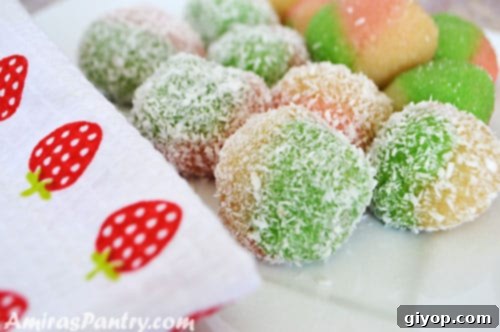
Discover the vibrant world of Tunisian confectionery with Kaber, exquisite almond balls that are as delightful to behold as they are to taste. In Tunisian dialect, “Kaber” is the plural of “kaboura” or “kabora,” meaning “ball.” So, Kaber are truly little edible spheres, but not just any kind – these are rich, nutty, and incredibly easy-to-make almond delicacies. A cherished traditional treat, Kaber captivate with their appealing colors and melt-in-your-mouth texture, making them a perfect addition to any celebration or a simple afternoon indulgence. Their simplicity belies a depth of flavor that speaks of generations of culinary heritage, offering a harmonious blend of sweet almonds and fragrant rose water.
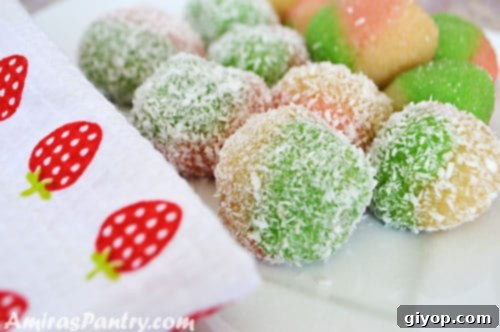
Tunisia, a country renowned for its rich culinary traditions, boasts a delightful array of sweets, and Kaber holds a special place among them. These no-bake almond confections are particularly popular during festive occasions, family gatherings, and holidays like Eid, where their vibrant hues add a touch of joy and elegance to any dessert spread. What makes Kaber truly remarkable is not just their delicious taste but also the ease with which they can be prepared, even for novice bakers. This guide will walk you through the process of creating these traditional Tunisian almond balls, ensuring a perfect batch every time, filled with authentic flavor and charm.
The Essence of Kaber: A Tunisian Delight
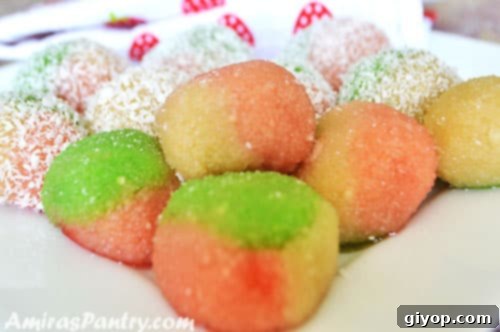
Kaber, or Tunisian almond balls, are more than just a dessert; they are a culinary expression of Tunisian hospitality and artistry. At their core, these sweets are crafted from a simple yet potent combination of finely ground almonds, sugar, and the quintessential aroma of rose water. The magic truly begins when these ingredients are transformed into a pliable dough, ready to be shaped and adorned with a spectrum of colors. Traditionally, red and green food colorings are used alongside the natural off-white of almonds to create a stunning, marbled effect that is both visually striking and incredibly inviting. Each bite offers a harmonious balance of almond richness and floral sweetness, a testament to the simplicity and elegance of North African sweets.
The beauty of Kaber lies in its unpretentious nature. Unlike many complex pastries, it requires no baking, making it an ideal choice for a quick yet impressive dessert. This aspect also contributes to its fresh, unbaked almond flavor, which is a true delight for almond enthusiasts. Whether you are familiar with Tunisian cuisine or embarking on a new culinary adventure, preparing Kaber is an enjoyable and rewarding experience that culminates in a batch of delectable, bite-sized treasures.
Ingredients for Authentic Tunisian Kaber
Crafting these traditional almond balls requires a few key ingredients, each playing a crucial role in achieving the desired flavor and texture. Quality ingredients are paramount to ensure the most authentic and delicious outcome.
- 1 cup (approximately 120-150g) Whole Almonds: For the best texture and flavor, starting with whole, unblanched almonds is recommended. While blanched almonds can save a step, the blanching process at home ensures freshness and easier peeling, leading to a smoother final product. Almonds provide the primary nutty flavor and a good source of healthy fats and protein.
- ½ cup (approximately 100g) Granulated Sugar: This provides the sweetness and helps in binding the almond dough. You can adjust the quantity based on your preference for sweetness. For a finer texture, superfine (caster) sugar can also be used.
- Rose Water (4.5-6 Tablespoons, or to taste): This is the soul of Kaber, imparting a distinctive floral aroma that is characteristic of many North African and Middle Eastern desserts. The amount needed can vary slightly depending on the moisture content of your ground almonds, so it’s essential to add it gradually. High-quality rose water will make a significant difference.
- Food Coloring (Red and Green): These add the signature vibrant colors to your Kaber, making them visually appealing. Gel food colorings tend to be more concentrated and produce richer colors without adding excess moisture, but liquid colorings work just as well.
- Hot Water (for blanching almonds): Only required if you are starting with whole, unblanched almonds. This helps soften the almond skins for easy removal.
- Optional Coatings: Granulated sugar, powdered sugar, or even toasted coconut flakes for rolling the finished balls.
Beyond these, a reliable food processor is an essential tool for grinding the almonds to the perfect consistency. Measuring cups and spoons, mixing bowls, and a flat surface for rolling will also be helpful in your preparation.
Step-by-Step Guide to Crafting Kaber Almond Balls
Creating these delightful Tunisian almond balls is a straightforward process that is both engaging and rewarding. Follow these steps carefully to ensure a perfect batch of Kaber.
1. Prepare the Almonds
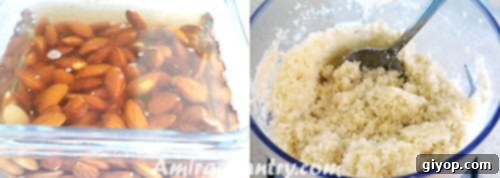
If you’re using whole, unblanched almonds, this initial step is crucial for achieving a smooth texture. Begin by placing your almonds in a heatproof bowl and pouring enough hot water over them to fully submerge them. Allow the almonds to soak for about 20-30 minutes. This process softens the skins, making them incredibly easy to peel. Once cooled enough to handle, simply pinch each almond between your thumb and forefinger; the skin should slip right off. After peeling, it’s vital to let the blanched almonds dry completely. You can spread them on a clean kitchen towel or baking sheet for several hours, or even overnight, to ensure all moisture evaporates. This prevents the almond paste from becoming too wet and difficult to work with. Once dry, they are ready for grinding.
2. Grind the Almonds and Mix with Sugar
Transfer the dried, blanched almonds to a food processor. Pulse them repeatedly until they are finely ground, resembling a coarse flour. Be careful not to over-process, as this can release too much oil and turn the almonds into a paste or butter. The goal is a fine, powdery consistency. Once ground, add the ½ cup of granulated sugar to the food processor and pulse a few more times to thoroughly combine the sugar with the almond meal. This ensures even sweetness throughout the mixture.
3. Divide, Flavor, and Color the Almond Dough
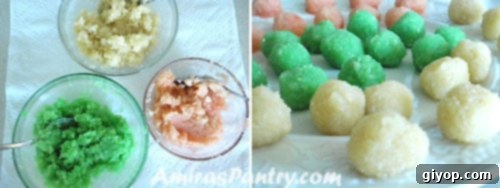
Transfer the almond and sugar mixture to a large mixing bowl. Now, divide this mixture into three roughly equal parts. Each part will represent a different color in your final Kaber.
For each part:
- First Part (Red): Add 1 tablespoon of rose water to this section. Begin to mix it in thoroughly with your hands. Gradually add an additional ½ tablespoon of rose water at a time, continuing to mix, until you achieve a pliable dough-like consistency. The dough should be soft enough to form into balls easily without crumbling, but not sticky. Once the consistency is right, add a few drops of red food coloring and knead until the color is evenly distributed and vibrant.
- Second Part (Green): Repeat the same process with the second part of the almond mixture. Add 1 tablespoon of rose water, mix, and gradually add more (about ½ tablespoon at a time) until the desired dough consistency is reached. Then, incorporate a few drops of green food coloring, kneading until the green color is uniform throughout.
- Third Part (Natural/White): For the third part, follow the same steps for adding rose water to achieve the perfect consistency. Leave this portion uncolored to retain its natural almond hue, which will beautifully contrast with the red and green.
The exact amount of rose water needed can vary, often ranging from 1.5 to 2 tablespoons per portion, depending on the humidity and how dry your almonds were. The key is to add it gradually and feel the dough. It took me approximately 1.5 tablespoons for each of the three portions to achieve the perfect consistency.
Forming and Finishing Your Kaber
This is where the artistry of Kaber truly shines, transforming the colored dough into beautiful, marbled spheres.
1. Create Individual Small Balls
From each of your colored dough portions (red, green, and natural), roll out approximately 10-12 very small balls. Each of these mini-balls should be less than half an inch in diameter, roughly the size of a small marble. Ensure they are uniform in size to create consistent final Kaber pieces. Lay them out on a clean surface or plate, keeping the colors separate for now.
2. Combine and Form Marbled Kaber
Now, take one small ball of each color – one red, one green, and one natural. Gently press these three small balls together. Once they are lightly fused, begin to roll them between the palms of your hands. As you roll, the colors will intertwine and marble together, forming a single, larger, beautifully multicolored ball. Continue rolling until the ball is smooth and perfectly rounded, about 1 to 1.5 inches in diameter. Repeat this process with the remaining small colored balls until all of your Kaber are formed.
3. Coat for the Final Touch
For the classic finish, roll each formed Kaber ball in granulated sugar or powdered sugar. Granulated sugar provides a beautiful sparkle and a slight textural crunch, while powdered sugar offers a softer, more delicate appearance and mouthfeel. You can prepare two separate bowls, one with each type of sugar, and coat some in each for variety. Gently press and roll the balls in the sugar until they are evenly coated on all sides. Arrange your finished Kaber on a serving platter.
Tips for Perfect Kaber Every Time
Achieving delicious and visually appealing Kaber is simple with a few helpful tips:
- Don’t Over-process Almonds: Pulsing in short bursts prevents the almonds from releasing too much oil and turning into butter, which can make your dough greasy and difficult to handle. Aim for a fine, flour-like consistency.
- Gradual Rose Water Addition: This is perhaps the most critical tip. The amount of rose water can vary based on almond moisture. Adding it slowly, a half tablespoon at a time, allows you to control the dough’s consistency perfectly. It should be pliable and moldable, not too wet or crumbly.
- Correct Dough Consistency: If your dough is too sticky, you can knead in a tiny bit more finely ground almonds or powdered sugar. If it’s too dry and crumbles, add a few more drops of rose water, mixing well until it comes together.
- Even Ball Sizes: For a professional look, try to make your small individual colored balls as uniform in size as possible. This helps in creating larger, evenly sized marbled Kaber.
- Proper Drying of Blanched Almonds: Ensuring the almonds are completely dry after blanching is essential. Any residual moisture can make the dough soft and less firm.
- Storage: Kaber can be stored in an airtight container at room temperature for several days, or in the refrigerator for up to a week. They are best enjoyed fresh, but their flavors can deepen slightly after a day.
Creative Variations and Serving Suggestions
While the traditional Kaber is a marvel in itself, there’s always room for personal touches and creative variations to make these delightful treats uniquely yours.
I confess, I’ve had my share of fun experimenting with these! Beyond the classic granulated or powdered sugar coating, I’ve rolled them in delicate coconut flakes, which adds another layer of texture and a tropical hint. For an extra special surprise, I even stuffed some with small chocolate kisses – a delightful secret center that makes each bite a double treat. However, it’s worth noting that the traditional Kaber are typically not filled and rely solely on the almond-rose water core and a simple sugar coating.
Here are a few more ideas for customization:
- Alternative Flavorings: Instead of or in addition to rose water, try orange blossom water for a different floral note. A tiny pinch of ground cardamom or vanilla extract can also add subtle complexity.
- Different Coatings: Experiment with finely chopped pistachios or walnuts for added crunch and flavor. A light dusting of cocoa powder can create a rich, dark contrast.
- Internal Fillings: For a truly decadent twist, consider adding a small piece of date paste, a candied cherry, or even a mini chocolate chip in the center before forming the larger ball.
- Natural Colorings: For those preferring natural options, a tiny amount of beetroot powder can yield a beautiful red/pink hue, while a pinch of matcha green tea powder could offer a more earthy green (though it will impart a slight tea flavor).
Kaber are perfect as a light dessert after a meal, alongside a cup of traditional Tunisian mint tea or rich Arabic coffee. They also make a stunning centerpiece on a dessert platter for special occasions, showcasing their vibrant colors and artisanal appeal. These easy-to-assemble and utterly delicious almond balls are sure to impress your guests and bring a taste of Tunisian tradition to your home. I truly hope you will try them!
Related Recipes
- Indulge in the ultimate chocolate-peanut butter treat with these rich and creamy buckeye balls. Made with a smooth peanut butter center coated in a layer of chocolate, these bite-sized treats are sure to be a hit.