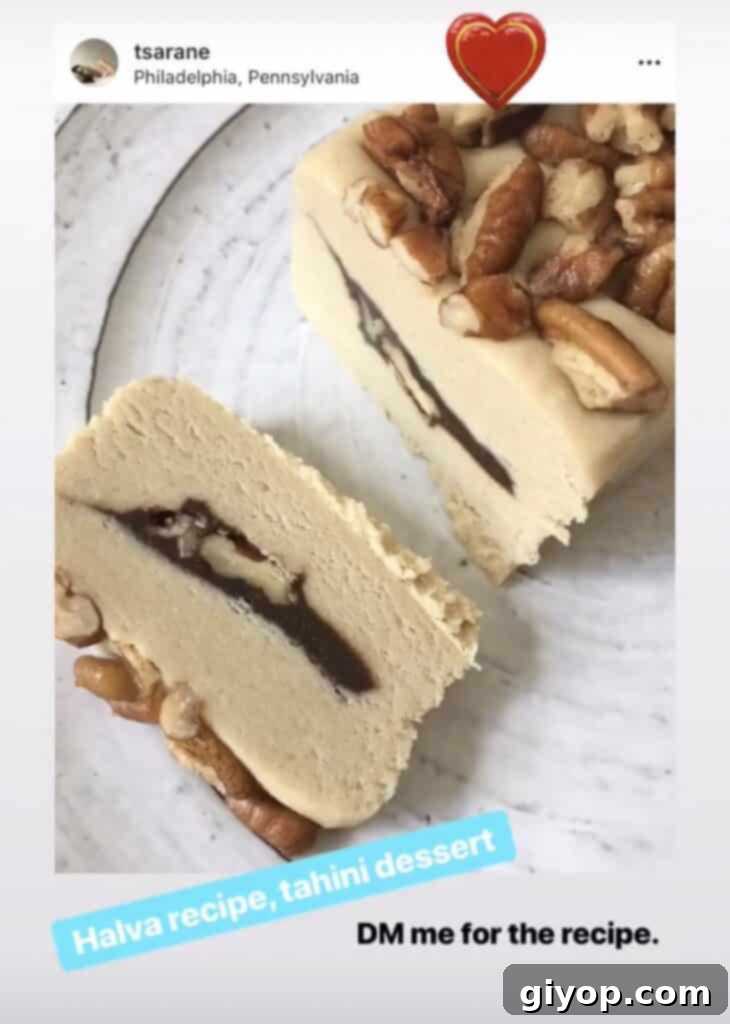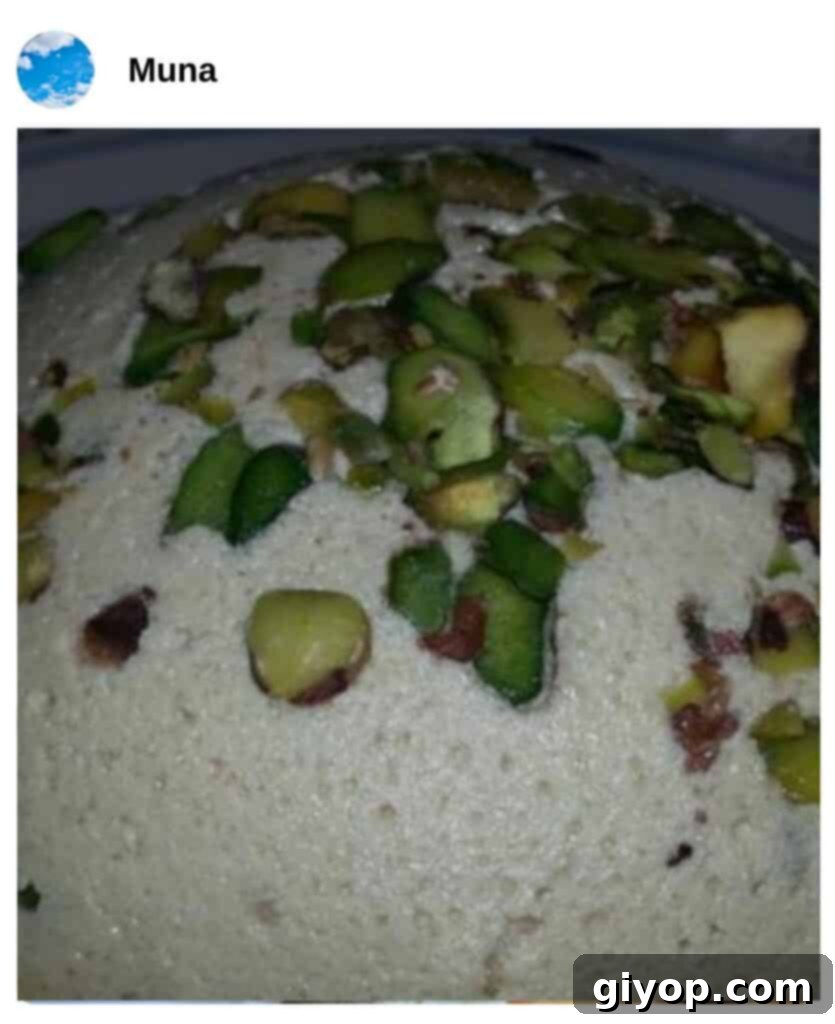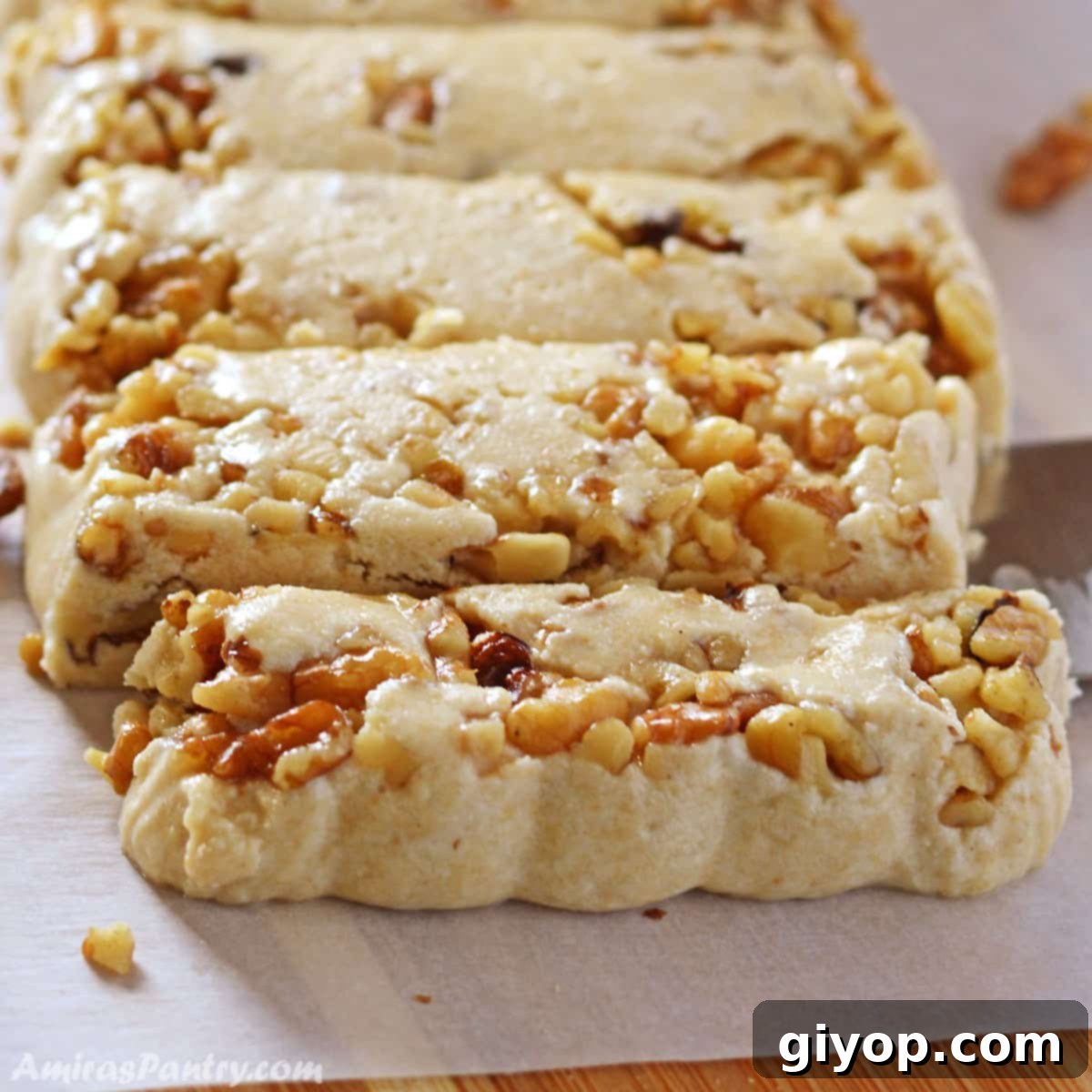
Welcome to the ultimate guide to making your very own Halva, a delightful and iconic Middle Eastern sweet that transcends simple dessert status. Often referred to as Halawa or Halwa, this confection is deeply rooted in culinary traditions across the Middle East, the Balkans, Central Asia, and beyond. In its most popular form, tahini halva, it’s a dense, crumbly, and intensely satisfying treat made primarily from sesame paste. But Halva is more than just a sweet; it’s a versatile ingredient that can be enjoyed in numerous ways. Stuff it into soft
pita pockets for a quick and energizing snack, crumble it over yogurt and fruit for a unique breakfast topping, or simply savor it straight from the container. This beloved sweet has a cherished place in many households, often enjoyed as a breakfast item, a midday pick-me-up, or a sweet finish to any meal.
The term “Halva” itself is an umbrella term, broadly referring to various dense, sweet confections. While this recipe focuses on the popular tahini-based halva, there are other delightful variations, such as flour halwa, which presents a different texture and flavor profile, yet holds a similar cultural significance. For many, including myself, Halva evokes nostalgic memories. Growing up, Halawa sandwiches were a staple for school lunches and breakfasts. My appreciation for this humble yet exquisite sweet deepened significantly during my college years, a sentiment shared by my father, who also considered it his favorite sandwich. It seems this love for Halva runs in the family; my middle child developed an obsession with it at the tender age of five!
Why This Recipe Works: The Easiest No-Cook Halva You’ll Ever Make
In a culinary landscape filled with complex recipes requiring specialized tools and techniques, this Halva recipe stands out for its remarkable simplicity and foolproof method. Unlike many online recipes that often necessitate the precise creation of a sugar syrup, meticulous temperature monitoring with a candy thermometer, or lengthy cooking processes, this particular approach eliminates all such complexities. This is a practical, straightforward, and incredibly easy Halva recipe that requires absolutely no cooking. You won’t need to hover over a stove or worry about reaching specific sugar stages.
The beauty of this recipe lies in its minimalist approach: just three core ingredients (plus optional flavorings and nuts) are combined in a single bowl. That’s it! No fancy equipment, no elaborate steps, just simple mixing to bring together a delicious and authentic Halva. This makes it perfect for beginners, busy individuals, or anyone looking for a quick yet impressive homemade treat. One of the most significant advantages of making Halva at home with this method is the complete control it offers over the final product’s sweetness. Store-bought Halva can often be overly sweet for some palates, but with this recipe, you can easily adjust the amount of confectioner’s sugar to suit your personal preference, creating a perfectly balanced sweet treat that tastes exactly how you like it. This level of customization ensures a truly enjoyable Halva experience every time.
Essential Ingredients for Perfect Tahini Halva
Crafting this delicious no-cook Tahini Halva requires just a few key ingredients, each playing a crucial role in achieving the characteristic flavor and texture. Here’s a closer look at what you’ll need:
-
Tahini Paste: This is, without a doubt, the star of our Tahini Halva. Tahini, a paste made from ground sesame seeds, provides the rich, nutty, and slightly bitter base flavor that defines this Middle Eastern delicacy. For the best results, use a high-quality, well-stirred tahini paste. Look for brands that are smooth and pourable, indicating a good consistency without separation. You can use either
homemade tahini or a reputable store-bought brand. Ensure it’s thoroughly mixed before adding to the recipe to avoid lumps and ensure an even distribution of flavor and texture. - Confectioner’s Sugar (Powdered Sugar): Also known as icing sugar, confectioner’s sugar is essential for achieving the smooth, melt-in-your-mouth texture of Halva. Its finely ground consistency blends seamlessly with the other ingredients, unlike regular granulated sugar, which would result in a gritty texture. Sifting the powdered sugar before use is highly recommended to eliminate any clumps and ensure a perfectly smooth mixture.
- Dry Milk Powder (Instant Dry Milk): This ingredient is vital for adding richness and helping the mixture bind together, forming a pliable dough-like consistency. It contributes to the dense, firm structure of the Halva. If you cannot find or prefer not to use dry milk, you will need to compensate with additional powdered sugar, though this can make the Halva excessively sweet. Some recipes suggest using roasted plain flour as a substitute, but this hasn’t been personally tested, so proceed with caution if experimenting.
-
Flavorings (Optional but Recommended): While classic Halva is delicious on its own, flavorings allow for wonderful customization.
- Vanilla Extract: A common and popular choice, vanilla extract adds a warm, aromatic sweetness that complements the tahini beautifully. You can also use a tiny pinch of vanilla powder.
- Rose Water: For a more traditional and fragrant touch, a few drops of rose water can elevate the Halva with its delicate floral notes.
- Almond Extract: This offers a rich, nutty aroma that pairs well with the sesame.
- Orange Blossom Water: Another classic Middle Eastern flavoring, orange blossom water provides a bright, citrusy, and aromatic twist.
-
Nuts and Add-ins (Optional): Incorporating nuts or dried fruits adds delightful texture and additional flavor dimensions.
- Pistachios: A very traditional choice, pistachios lend a beautiful green color and distinct crunch.
- Walnuts: Roughly chopped walnuts offer an earthy flavor and satisfying bite.
- Hazelnuts: These provide a rich, buttery crunch.
- Raisins: For a touch of natural sweetness and chewiness.
- Cocoa Powder: To create a delicious chocolate Halva variation.
- Vegetable Oil (for brushing): A small amount of any light-tasting vegetable oil is used to lightly grease your molding pan, ensuring the Halva releases easily once set.
Step-by-Step Guide: Crafting Your Homemade Tahini Halva
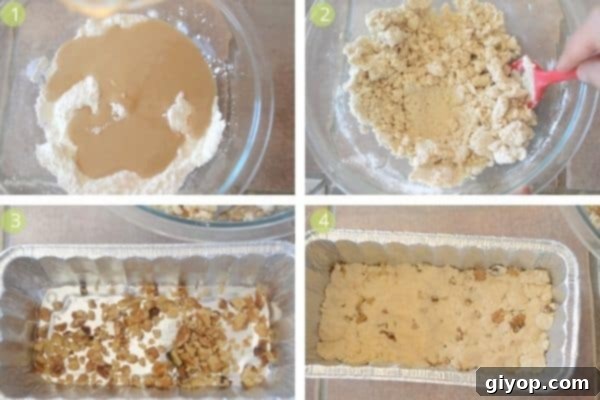
Follow these simple steps to create a perfect batch of no-cook Tahini Halva:
- Combine Dry Ingredients and Flavorings: In a large, deep mixing bowl, thoroughly combine the sifted confectioner’s sugar, dry milk powder, and your chosen flavor extract (e.g., vanilla extract or a few drops of rose water). Use a whisk or a fork to ensure these dry ingredients are well-distributed and free of lumps.
- Incorporate Tahini Paste: Pour the well-stirred tahini paste into the bowl with the dry ingredients. Begin mixing all the components together. Initially, the mixture will appear crumbly and sandy, almost like wet sand. Continue mixing, either with a sturdy spoon, a spatula, or your hands, until everything is very well combined and forms a uniform, cohesive mixture. At this point, you can perform a taste test to adjust the sweetness to your liking. If using nuts, gently fold them into the mixture now, ensuring they are evenly distributed.
- Prepare the Molding Pan: Lightly brush an aluminum loaf pan, or a silicone pan if you prefer, with a thin layer of vegetable oil. This step is crucial for easy release of the set Halva. If you are incorporating chopped nuts as a topping or bottom layer, sprinkle about half of your chosen chopped nuts evenly across the bottom of the greased pan.
- Mold the Halva Mixture: Scoop the entire Halva mixture into the prepared container. Using the palm of your hands or the back of a spoon, firmly press the mixture down to compact it. Ensure it’s tightly packed and molded into the shape of your container. This firm packing is key to achieving the dense, traditional Halva texture. If desired, sprinkle the remaining chopped nuts on top and press them gently into the surface of the Halawa.
- Set and Chill: Cover the container tightly with plastic wrap or a lid. Place the Halva in the refrigerator to set for at least 24 hours. Alternatively, you can let it set on the counter in a cool, dry place for the same duration. The chilling period is essential for the Halva to firm up adequately and maintain its molded shape, allowing for clean slices.
- Serve and Enjoy: Once firm, your homemade Halva is ready to be enjoyed! You can scoop it directly from the container to fill sandwiches, or invert the pan onto a piece of parchment paper, slice the entire block into desired portions, and serve.
Expert Tips for Crafting Perfect Homemade Halva
- Tahini Consistency is Key: Always ensure your tahini paste is well-stirred before measuring and adding it to the mixture. Tahini tends to separate, with oil rising to the top. A well-mixed paste will ensure a consistent texture in your Halva and prevent lumps. If your tahini is too thick, you might need a tiny bit more to achieve the right Halva consistency.
- Sift for Smoothness: It’s always a good practice to sift your confectioner’s sugar before incorporating it into the recipe. This removes any potential clumps and ensures a smoother, more homogenous Halva mixture, free from grainy textures.
-
Achieving the Right Mixture Texture: The ideal Halva mixture should resemble lightly wet sand – it should hold together when squeezed but still have a slightly crumbly appearance. It shouldn’t be too crumbly that it falls apart immediately, nor too doughy like bread dough.
- If your Halva is too crumbly: This indicates it needs more tahini. Take a small amount of the mixture and squeeze it in the palm of your hand. If it crumbles and doesn’t hold its shape for at least a couple of seconds, gradually add a very small amount (e.g., a tablespoon at a time) of tahini and mix again until the desired consistency is reached. Be careful not to add too much tahini, as it can overpower the flavor. Typically, one cup of tahini for the stated recipe quantities is sufficient.
- If your Halva is too sticky or oily: This usually means too much tahini has been added, or the tahini itself was very oily. You can try adding a tiny bit more dry milk or powdered sugar to absorb excess moisture, but proceed cautiously to avoid making it too sweet or dry.
- Understanding Texture Differences: Homemade tahini Halva generally has a softer, more yielding texture compared to its store-bought counterparts. This is largely because commercially manufactured Halva often utilizes a specific ingredient called “Erk Halawa” (or Soapwort root extract), which is not readily available to home cooks. This ingredient acts as a natural emulsifier and contributes to the characteristic crisp, flaky, and firmer texture found in mass-produced Halva. Don’t be concerned if your homemade version is softer; it’s a sign of its artisanal quality.
- Patience in Setting: Halva requires adequate time in the refrigerator to firm up properly and allow the flavors to meld. While it might be tempting to try it sooner, allowing it to chill for a full 24 hours is crucial for it to achieve its optimal dense, sliceable consistency.
- Alternatives for Dry Milk: If instant dry milk is unavailable or you prefer not to use it, you’ll need to increase the amount of powdered sugar to compensate for the missing dry volume. However, be aware that this often results in a significantly sweeter Halva, which may not appeal to everyone. Some have experimented with roasted plain flour as a substitute; if you choose this route, I recommend trying it with a small batch first to ensure you like the flavor and texture outcome, as this method hasn’t been personally verified.
- Customizing Sweetness: This recipe allows for easy adjustment of sweetness. If you prefer a less sweet Halva, you can slightly reduce the amount of confectioner’s sugar. Remember that tahini itself has a slightly bitter note, which is balanced by the sugar.
- Storage: Store your homemade Halva in an airtight container in the refrigerator. It will keep well for several weeks, if not longer. The flavors often deepen and become even more harmonious over time.
Exciting Variations to Customize Your Halva
The versatility of Halva allows for endless creative variations, adapting this traditional sweet to a wide range of tastes and preferences. Explore these ideas to make your Halva truly unique:
- Nutty Delights: While pistachios are the most classic and visually stunning addition to Halva, feel free to experiment with other nuts. I particularly enjoy making Halva with finely chopped walnuts or hazelnuts, which add a delightful crunch and earthy flavor. Almonds are another excellent choice. You can also mix different nuts for a complex texture and taste. Remember, nuts are optional; traditional Halva was often enjoyed plain.
- Indulgent Chocolate Halva: For a decadent twist, transform your classic Halva into a rich chocolate version. Simply add 2-3 tablespoons of unsweetened cocoa powder to the dry ingredients before mixing in the tahini. Adjust the amount to achieve your desired chocolate intensity. This variation is particularly popular and offers a delightful contrast of bitter chocolate and nutty tahini.
-
Aromatic Flavor Infusions: Beyond vanilla, a host of other flavorings can be used to impart unique aromas and tastes:
- Almond Extract: Provides a rich, marzipan-like essence.
- Orange Blossom Water: A staple in Middle Eastern desserts, offering a bright, citrusy floral note.
- Rose Water: Imparts a delicate, romantic floral aroma, making your Halva truly special.
- Cardamom Powder: For an exotic, warm, and spicy undertone often found in regional sweets.
Start with a small amount of these potent extracts or waters and adjust to taste.
- Homemade Halva Spread: Create a delectable, creamy Halva spread perfect for toast, pastries, or as a dessert topping. This is a softer, more pliable version of Halva that’s easy to whip up. Combine 1 cup tahini paste, 1 cup whole milk, 1 cup powdered sugar, ¼ cup light-tasting oil (or sesame oil for extra flavor), and ¼ cup dry milk. Blend all ingredients until smooth and creamy. For a chocolate Halva spread, substitute some or all of the dry milk with cocoa powder. This spread should be stored in an airtight container in the refrigerator and consumed within 3-4 days for optimal freshness.
-
Low-Carb Halva Alternative: For those following a low-carb or ketogenic diet, Halva can still be a delightful treat. Here’s a simple adaptation:
- Combine ⅓ cup (approximately 33g) coconut flour.
- ½ cup (approximately 66g) powdered Erythritol, or another sugar substitute, adjusted to your preferred level of sweetness.
- ½ cup (approximately 95g) tahini.
- 1 teaspoon vanilla extract.
Mix these ingredients thoroughly. This low-carb version tends to be softer than traditional Halva. To help it firm up, I recommend placing it in the freezer for a couple of hours rather than just the fridge. It might not achieve the same firm, sliceable texture as regular Halva, but it offers a satisfying, low-carb alternative.
Frequently Asked Questions About Halva
The term “Halva” encompasses a variety of sweet confections. The most common types are tahini-based halva and flour-based halva. This recipe specifically focuses on tahini halva, which is fundamentally made from a combination of finely ground sesame paste (tahini) and sugar. Dry milk and optional flavorings or nuts are added to enhance its richness and texture. It’s a dense, highly nutritious, and incredibly rich sweet treat, offering a unique blend of flavors and textures.
While Halva is primarily made with tahini, which is rich in healthy fats, protein, and minerals, it also contains a significant amount of sugar, placing it squarely in the category of a sweet treat or candy. Therefore, it’s best enjoyed in moderation as part of a balanced diet. The good news is that making your own Halva allows you to control the sugar content, as demonstrated in this recipe. Furthermore, for those monitoring their sugar intake, a low-carb version using alternatives like Erythritol is also provided, making it a more diet-friendly option.
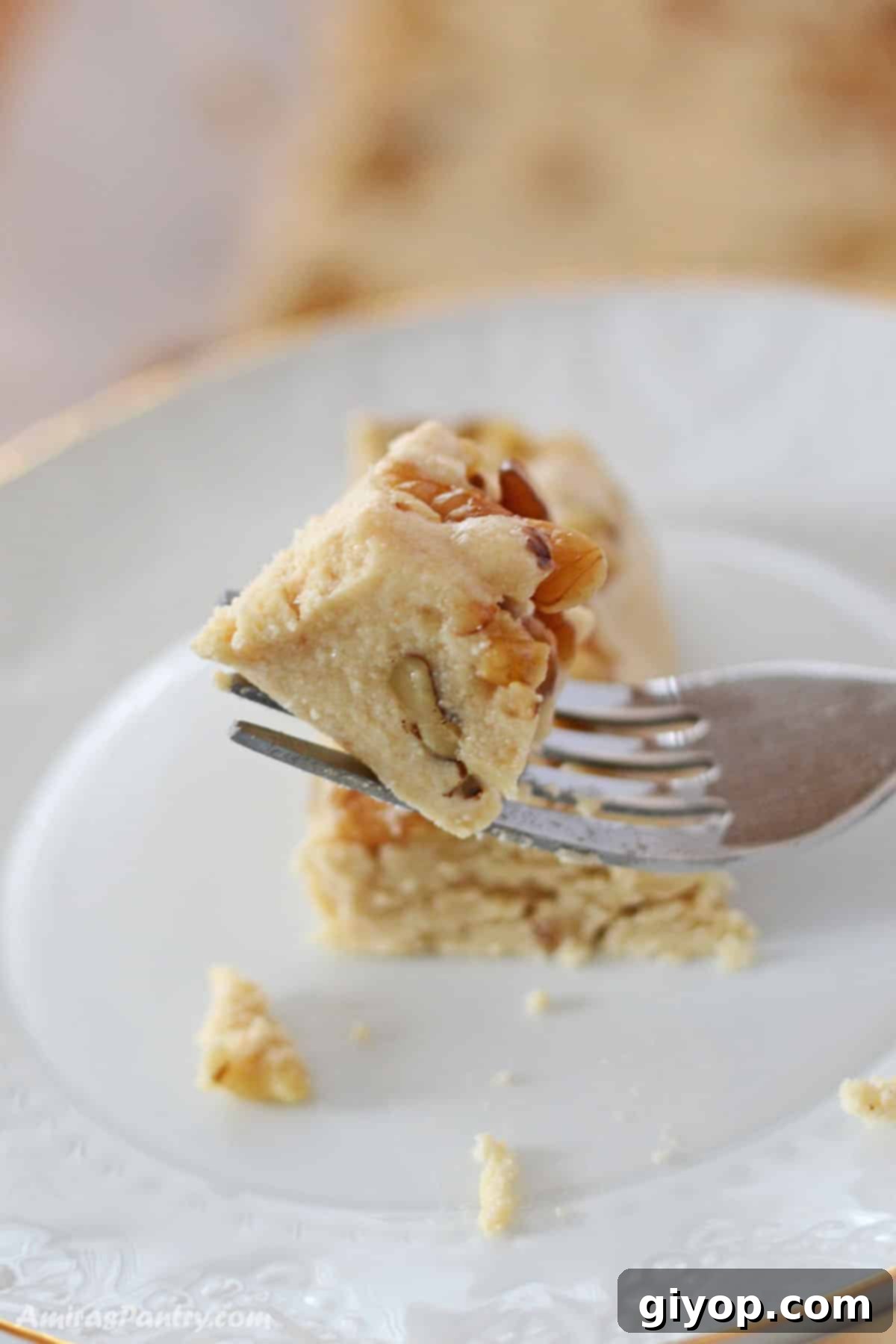
Halva offers a distinct and delightful sensory experience. Flavor-wise, it tastes like a rich, sweet, and intensely nutty sesame paste, but without the liquid consistency. The primary flavor is sesame, often complemented by vanilla, rose water, or other aromatic additions. Its texture is famously crumbly yet dense, almost melt-in-your-mouth, with a slight chewiness. If you’ve ever had sesame seed bars, the flavor profile is somewhat similar, though Halva’s texture is much richer and more delicate, not as hard or sticky. It’s truly a unique confection that delights with every bite.
Halva is widely available in Middle Eastern grocery stores, international food markets, and often in the specialty aisles of larger supermarkets like Kroger. However, it’s worth noting that commercially available Halva often comes in various flavors, with orange blossom water being a common addition in many regions. While delicious, some, particularly children, may prefer the plainer or vanilla-flavored varieties. Back in the day, traditional Halawa was typically less sweet and often plain, but nowadays, you can find it in an exciting array of flavors and forms to suit any preference.
Halva boasts a rich and ancient history, with its origins tracing back to Persia (modern-day Iran) around the 7th century. From there, it spread across the Middle East, North Africa, the Balkans, Eastern Europe, and Central Asia, evolving into countless regional variations. The word “halva” itself is derived from the Arabic word “halwa,” meaning “sweet.” It holds significant cultural importance, often served during religious festivals, celebrations, and as a staple sweet in many households. It’s a symbol of hospitality and tradition, connecting generations through its enduring appeal.
📣 Explore More Middle Eastern Delights
If you’ve enjoyed making this authentic Halva, you’ll love delving into other traditional Middle Eastern recipes that are rich in flavor and history:
- The Iconic Falafel Sandwich: A beloved Middle Eastern street food, falafel sandwiches are an absolute must-try when visiting countries like Egypt. Recreate these crispy chickpea patties at home and customize them with your favorite toppings and condiments for an unforgettable meal.
- Authentic Palestinian Taboon Bread: Discover this rustic and flavorful Palestinian bread, which shares similarities with the traditional Egyptian baladi breakfast bread. Its unique texture and smoky flavor make it perfect for dipping or accompanying hearty meals.
- Simple Unleavened Flatbread: This easy-to-make bread requires no yeast and minimal ingredients. All you need is flour, water, olive oil, and salt to create a versatile flatbread that complements a variety of dishes.
More Culinary Treasures from Egypt:
Dive deeper into Egyptian cuisine with these delightful recipes that are cherished staples in Egyptian homes:
- Hearty Ful Medames: A quintessential Egyptian dish, Ful Medames consists of slow-cooked fava beans seasoned with various spices and toppings. It’s a staple for Egyptian breakfasts and lunches, offering a nutritious and satisfying start to the day.
- Creative Falafel Serving Ideas: While falafel is a popular breakfast, lunch, or even dinner item across the Middle East, understanding what to serve with it can elevate your meal. Explore these authentic ideas for condiments and accompaniments that perfectly complement homemade falafel.
- Comforting Potato Shakshuka: A delicious twist on the classic Middle Eastern shakshuka, this potato and egg casserole is a delightful breakfast option. Featuring crispy potatoes topped with melted cheese and perfectly poached eggs in a rich, flavorful sauce, it’s a comforting dish for any time of day.
If you enjoyed this Halva recipe, please don’t forget to give it a ⭐⭐⭐⭐⭐ star rating and share a photo of your finished dish! I always love seeing your culinary creations and unique interpretations of my recipes. Thank you for your support!
Halva (Halawa) – Easy No-Cook Recipe
Print
Pin
Rate
Save
Saved!
Breakfast, Dessert
Egyptian, Mediterranean, Middle East, Turkish
Gluten Free, Halal
5 minutes
1 day
1 day
5 minutes
12
204
kcal
Amira
Ingredients
-
1
cup
tahini paste
-
1
cup
instant dry milk -
1
cup
confectioners’ sugar -
1
teaspoon
vanilla extract
or use ⅛ teaspoon vanilla powder -
½
cup
walnuts
roughly chopped. -
Vegetable oil for brushing
Instructions
- In a deep bowl, combine the tahini paste, instant dry milk, and confectioners’ sugar until they are very well mixed and form a sandy, yet cohesive, texture. Add vanilla extract or your chosen flavor.
- Add ¼ to ⅓ cup of roughly chopped walnuts (or other nuts) and gently fold them into the Halva mixture, ensuring even distribution.
- Lightly brush your chosen container (a loaf pan or silicone mold works well) with vegetable oil. Divide the remaining chopped walnuts into two halves. Sprinkle one half of the walnuts at the bottom of the greased container.
- Scoop the tahini mixture into the container, spreading it evenly. Press down very firmly with your hands or a flat tool to compact the mixture and mold it into the container.
- Sprinkle the other half of the chopped walnuts on top of the Halawa and gently press them into the surface to secure.
- Cover the container and refrigerate the Halva overnight (for at least 24 hours) to allow it to firm up properly and set its shape.
- Once fully set, scoop the Halva directly from the container to fill sandwiches, or carefully invert it onto a piece of parchment paper and slice into portions to serve. Enjoy your homemade Halva!
Video Tutorial
Notes
- Use a well-stirred tahini paste to avoid lumps. You can use homemade tahini (sesame paste) or a quality store-bought brand.
- If you cannot find or prefer not to use dry milk powder, you will need to increase the amount of powdered sugar to compensate for the dry ingredients. Be aware that this approach typically results in a much sweeter Halva, which might not be to everyone’s taste. Some alternative methods suggest using toasted plain flour, but this has not been personally tried, so it’s advisable to experiment with a small amount first if you choose this option.
- Always sift the powdered sugar before using it to ensure a smooth, clump-free Halva mixture.
- The ideal Halva mixture should have a texture similar to lightly wet sand – it should hold together when pressed but still be slightly crumbly. If your mixture is too crumbly and doesn’t hold its shape (even for a couple of seconds when squeezed in your palm), add a small amount of tahini (e.g., a tablespoon at a time) and mix thoroughly until the consistency improves. Avoid adding too much tahini, as it can affect the overall flavor; one cup is usually sufficient.
- Homemade tahini Halva is generally softer in texture than commercially produced versions. This is because commercial Halva often uses “Erk Halawa” (Soapwort root extract), an ingredient not commonly available to home cooks, which contributes to its firmer, flakier consistency.
- Allowing the Halva to refrigerate for a full 24 hours before serving is crucial for it to firm up properly and achieve its optimal dense, sliceable texture.
- In earlier times, traditional Halva was often made plain, without additional nuts or strong flavorings. Feel free to omit the walnuts or other nuts if you prefer a simpler, classic taste.
Please check the nutrition disclaimer policy.
Nutrition Information (per serving)
Calories:
204
kcal
|
Carbohydrates:
20
g
|
Protein:
7
g
|
Fat:
17
g
|
Saturated Fat:
4
g
|
Cholesterol:
10
mg
|
Sodium:
47
mg
|
Potassium:
255
mg
|
Fiber:
1
g
|
Sugar:
4
g
|
Vitamin A:
113
IU
|
Vitamin C:
2
mg
|
Calcium:
130
mg
|
Iron:
1
mg
Tried this Recipe? Pin it for Later!
Mention @AmirasPantry or tag #AmirasPantry!