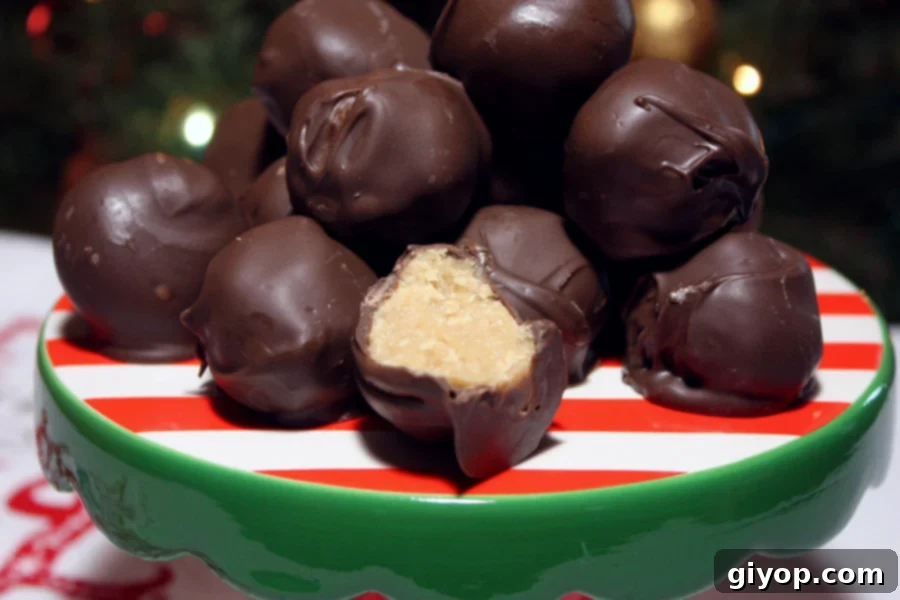
There’s an undeniable magic that happens when rich, creamy peanut butter meets decadent chocolate. For many, this iconic combination is an essential part of the holiday season, especially in the form of homemade treats. Among these, Peanut Butter Balls stand out as a true classic. These delightful confections feature a smooth, melt-in-your-mouth peanut butter core enrobed in a crisp, sweet chocolate shell, making them an absolute “must-have” on any Christmas treat tray. Easy to make and universally loved, these no-bake wonders are perfect for sharing, gifting, or simply indulging in a moment of pure bliss.
Why You’ll Love These Irresistible Chocolate Peanut Butter Treats
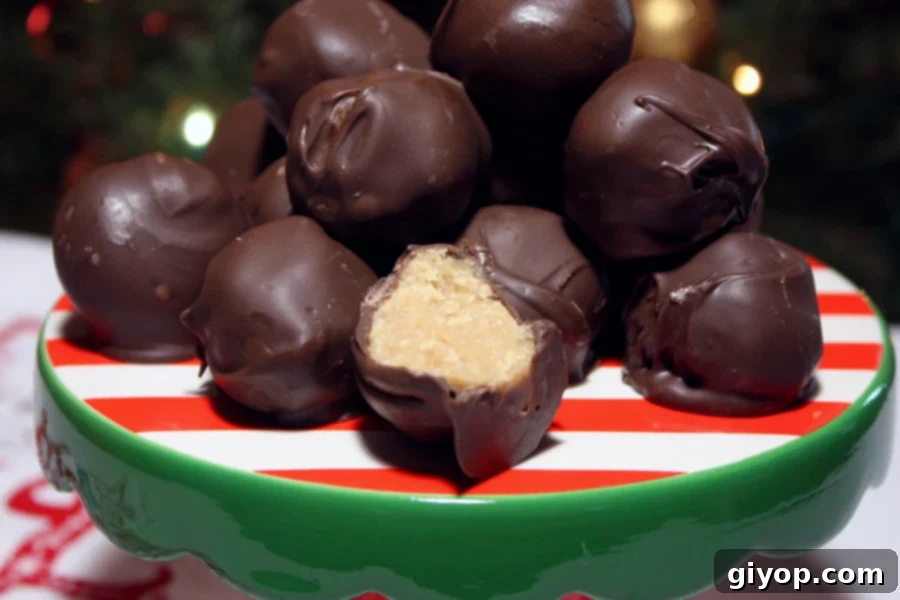
These homemade chocolate peanut butter balls aren’t just a recipe; they’re a tradition, a taste of nostalgia, and a guaranteed crowd-pleaser. If you’ve ever craved the exquisite balance of sweet and savory found in a Reese’s Peanut Butter Cup, prepare to be amazed. Our version takes that beloved flavor profile and elevates it, delivering a homemade treat that tastes infinitely better and more authentic. Unlike many store-bought options, these balls boast a pure, unadulterated peanut butter flavor that truly shines through.
Often compared to Buckeye balls, these delights take things a step further by being completely enveloped in a generous layer of chocolate. This full coating ensures every bite is a harmonious blend of creamy peanut butter and smooth chocolate, providing a more decadent experience. The complete chocolate coverage also means they’re less messy to handle and perfectly portable, making them ideal for any occasion.
Beyond their incredible taste, these peanut butter balls are perfect for gift-giving. Imagine the delight on friends’ and neighbors’ faces when they receive a box of these homemade confections. They are consistently met with enthusiastic praise and are a thoughtful way to share holiday cheer. This particular recipe, passed down from a co-worker years ago, has become a cherished staple in my kitchen, and I confidently consider them the BEST peanut butter balls I have ever tasted.
What truly sets this recipe apart is its dedication to old-fashioned authenticity. Many contemporary recipes for peanut butter balls incorporate fillers like graham cracker crumbs or rice cereal to achieve a certain texture or stretch ingredients. While those versions can be tasty, they often dilute the rich, pure peanut butter experience. Our recipe, however, sticks to the traditional method, resulting in a dense, chewy, and intensely flavored peanut butter filling that melts in your mouth – exactly how old-fashioned treats should be made. This purist approach, in my opinion, is the only way to truly capture the classic essence of this beloved candy.
During the festive Christmas holidays, our kitchen transforms into a hub of sweet creation. Alongside these incredible peanut butter balls, we love crafting other festive treats such as chocolate-covered pretzel rods, a delightful eggnog cookie recipe, rich dark chocolate peppermint bark, and creamy peppermint fudge. These recipes collectively create a stunning and diverse treat tray that embodies the spirit of the season.
The Simple Magic: Just 4 Key Ingredients for Perfect No-Bake Peanut Butter Balls
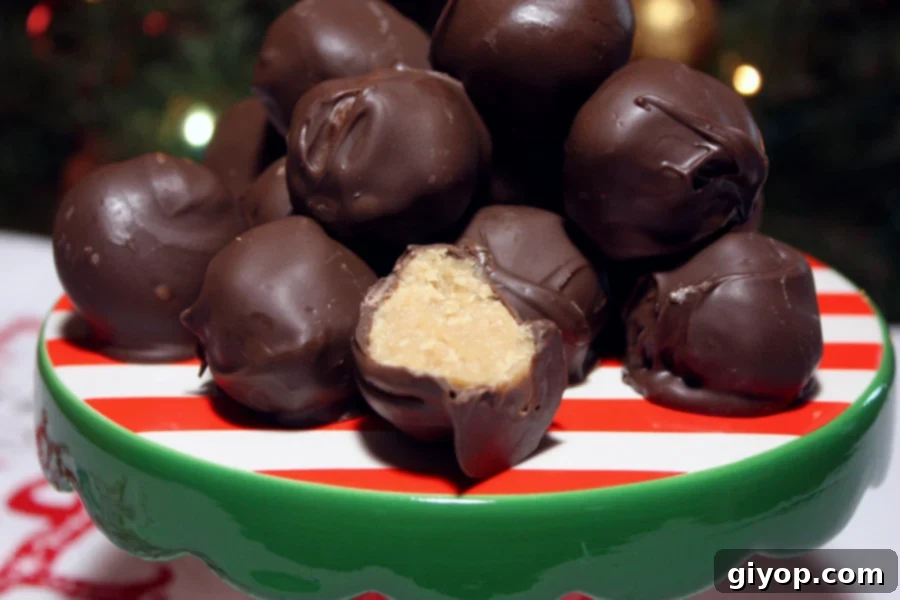
You might be surprised to learn that such an incredibly delicious and satisfying treat requires only four basic ingredients. These no-bake peanut butter balls are not only easy to prepare but also incredibly rewarding. The simplicity of the ingredient list means you likely have most of these items in your pantry already, making them a perfect last-minute indulgence or a quick project for holiday baking.
- Peanut Butter: This is, naturally, the star of our show. We highly recommend using smooth and creamy peanut butter for the silkiest texture and most consistent results. Popular brands like Skippy, Jif, or Peter Pan work wonderfully. While you *can* use chunky peanut butter if you prefer a bit of texture, be aware that it might make rolling the balls slightly more challenging and result in a less uniform interior. **Crucially, avoid using all-natural peanut butter.** Natural peanut butter, which often separates and has a thinner consistency, will not set up correctly in this recipe, leading to a runny or oily filling. Stick to the classic, no-stir varieties for success.
- Unsalted Butter: Butter provides richness and helps bind the peanut butter and sugar together, contributing to the smooth, luxurious consistency of the filling. While unsalted butter is specified to give you complete control over the salt content, you can certainly use salted butter if that’s what you have on hand or if you enjoy a slightly saltier contrast with the sweet chocolate. Just be mindful of your other ingredients if you opt for salted butter.
- Confectioners’ Sugar (Powdered Sugar): Also known as powdered sugar, confectioners’ sugar is vital for both sweetness and structure. Its fine, powdery texture dissolves easily, creating a smooth filling without any graininess. More importantly, it acts as a binding agent, firming up the peanut butter and butter mixture into a workable dough that can be easily rolled into balls. Without it, the mixture would be too soft and sticky.
- Almond Bark (Candiquik) or Candy Melts: This is our preferred choice for the chocolate coating. Almond bark and candy melts are specifically designed for easy melting and setting, providing a smooth, shiny, and crack-free finish without the need for tempering. They come in various colors and flavors, offering versatility. If you prefer not to use almond bark or candy melts, you can absolutely use good quality chocolate chips (semi-sweet, milk, or dark) melted with a touch of vegetable oil or coconut oil (see tips below for details). This ensures a fluid consistency suitable for dipping and a beautiful, glossy finish.
Crafting Perfection: Step-by-Step Old-Fashioned Peanut Butter Ball Recipe
Making these old-fashioned chocolate peanut butter balls is a straightforward and enjoyable process. Follow these detailed steps to ensure perfectly formed, deliciously coated treats every time.
Step 1: Melt the Peanut Butter and Butter
Begin by combining the peanut butter and unsalted butter in a medium saucepan. Place the saucepan over medium heat. Stir continuously until both the peanut butter and butter have completely melted and are smoothly combined. The mixture should be fluid and well-integrated. Be careful not to overheat or boil the mixture; you just want it melted.
Step 2: Prepare Your Workstation
While the peanut butter mixture is melting, prepare a large baking sheet by lining it with wax paper or parchment paper. This will be where you place your rolled peanut butter balls and, later, your chocolate-dipped creations to set.
Step 3: Incorporate the Confectioners’ Sugar
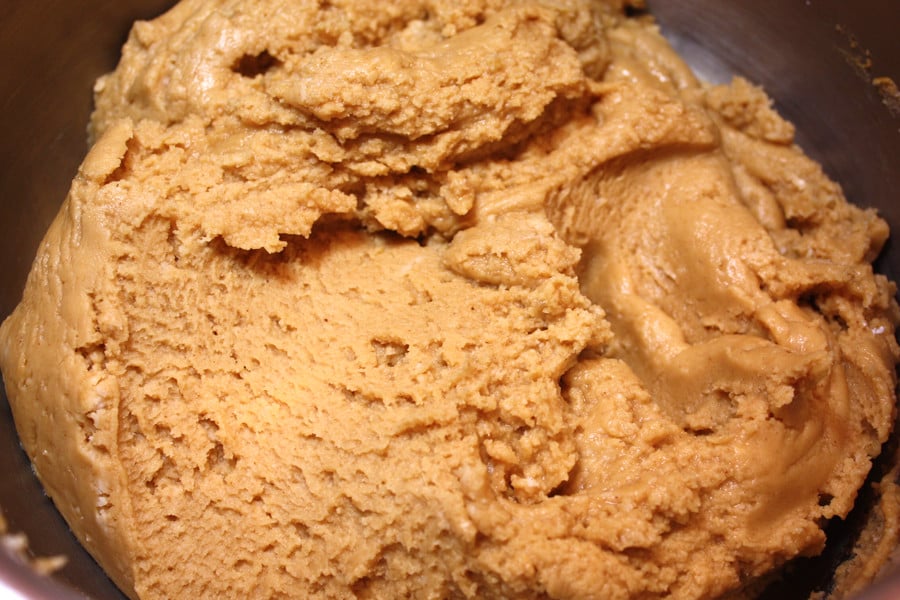
Once the peanut butter and butter are melted and combined, remove the saucepan from the heat immediately. Add the confectioners’ sugar (powdered sugar) to the warm mixture. Stir vigorously with a spoon or spatula until all the sugar is thoroughly incorporated and a thick, uniform dough forms. The mixture will be quite stiff.
Allow the peanut butter mixture to cool down to room temperature. It’s crucial that it cools enough to be easily handled. Trying to roll warm mixture will be messy and it won’t hold its shape. You can speed up this process by placing the saucepan in the refrigerator for 10-15 minutes, stirring occasionally, until it’s firm but still pliable.
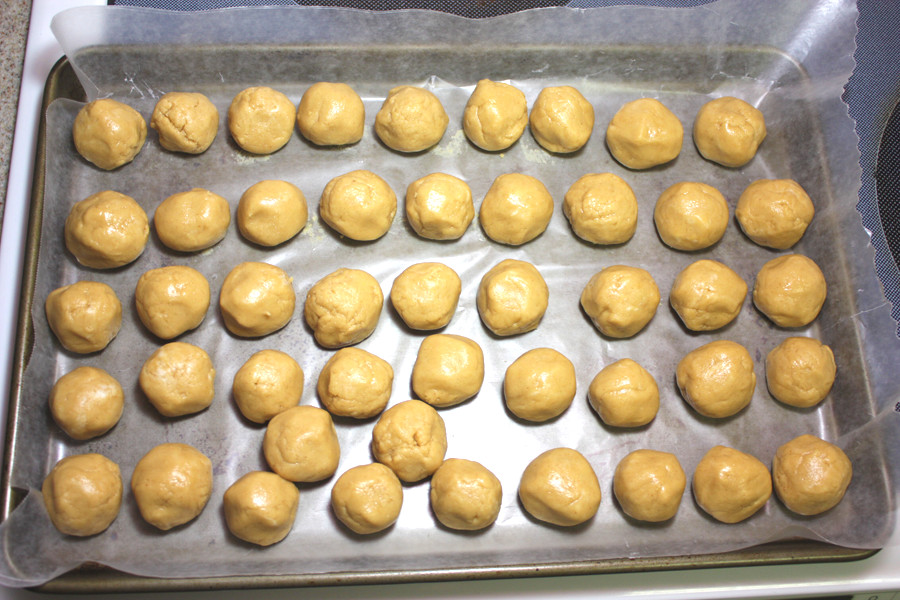
Step 4: Roll and Chill the Peanut Butter Balls
Once the mixture is cool enough to handle, scoop out small portions and roll them into 1-inch balls. Aim for consistency in size for even dipping and presentation. A small cookie scoop can help with this. Place the rolled peanut butter balls onto the prepared baking sheet lined with wax paper.
This is a critical step: refrigerate the rolled peanut butter balls for at least 30 minutes, or until they are firm. Chilling them thoroughly before dipping will prevent them from falling apart or melting into the warm chocolate, making the dipping process much smoother and less frustrating.
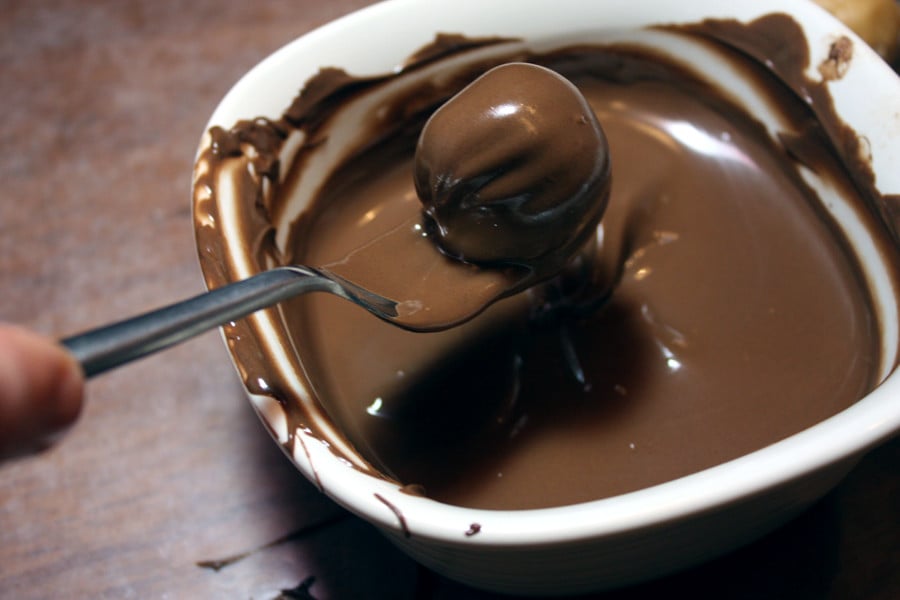
Step 5: Melt the Chocolate and Dip the Balls
This step can be the most time-consuming, but with a bit of patience, you’ll achieve perfect results. Melt your chosen chocolate coating (almond bark, candy melts, or chocolate chips) according to package instructions. If using almond bark or candy melts, follow their specific melting guidelines. If you’re using chocolate chips, melt a bag (typically 10-12 oz) with one tablespoon of vegetable oil or coconut oil. The oil helps thin the chocolate slightly, making it smoother for dipping and giving it a beautiful sheen. You can melt the chocolate in a double boiler for gentle, even heat, or in the microwave at 30-second intervals, stirring well after each interval to prevent burning. Ensure the chocolate is completely smooth with no lumps.
Once the chocolate is melted, carefully dip each chilled peanut butter ball into the melted chocolate, ensuring it’s fully coated. Lift the ball out with a fork or a dipping tool, allowing any excess chocolate to drip off back into the bowl. This helps create a smooth, thin coating. Gently place the chocolate-covered ball back onto the wax paper-lined baking sheet.
Feel free to experiment with different types of chocolate for dipping. White chocolate offers a creamy, contrasting flavor, dark chocolate provides a rich bitterness, and milk chocolate delivers classic sweetness. The choice is yours!
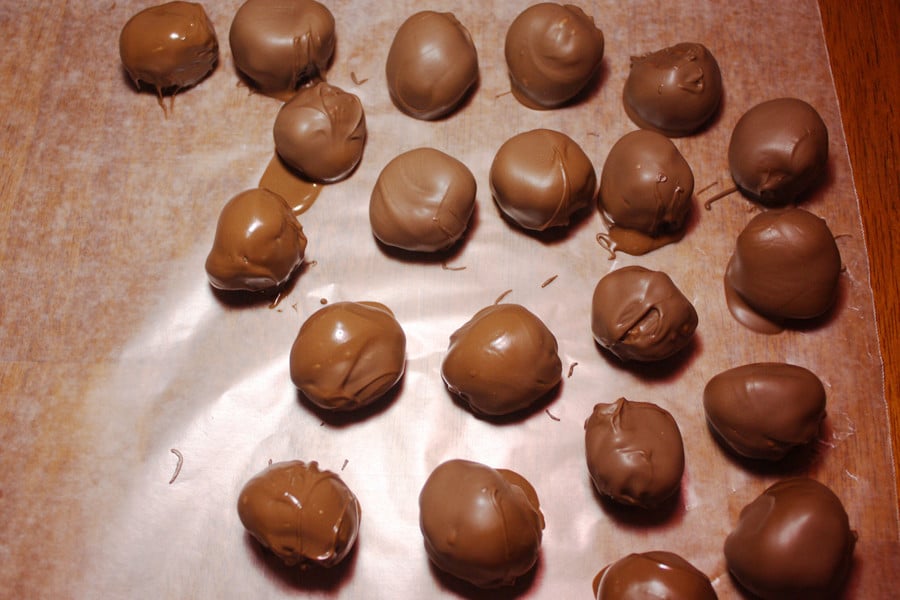
Step 6: Allow to Dry and Set
Once all your peanut butter balls are dipped, leave them on the wax paper to dry and set completely at room temperature. This usually takes about 30-60 minutes, depending on your room’s temperature and humidity. For a quicker set, you can carefully place the baking sheet in the refrigerator for about 15-20 minutes, though sometimes rapid chilling can cause condensation or a duller finish on the chocolate. Once fully set, the chocolate will be firm and shiny.
These old-fashioned chocolate peanut butter balls are also affectionately known as Buckeyes in some regions due to their resemblance to the nut, often with a small circle of peanut butter showing at the top. But when fully covered, they are truly a peanut butter cup in delightful, spherical form.
Expert Tips for Flawless Peanut Butter Balls
Achieving perfect peanut butter balls every time is easy with a few expert tips:
- Thorough Chilling is Key: This cannot be stressed enough. Ensure your peanut butter balls are well-chilled and firm before you even think about dipping them in chocolate. Cold balls hold their shape better, make dipping easier, and prevent the peanut butter from melting into the warm chocolate. If they start to soften during the dipping process, pop the tray back into the refrigerator for a few minutes.
- Melting Chocolate Alternatives: While almond bark and candy melts are convenient for their smooth finish, you can absolutely use standard chocolate chips. When using chocolate chips, always add 1-2 teaspoons of coconut oil or vegetable oil per standard bag (10-12 oz) of chocolate. Chocolate chips contain stabilizers that make them less fluid when melted compared to couverture chocolate or candy melts, and the oil helps thin them out to a perfect dipping consistency, ensuring a smooth, glossy coat that sets well.
- Gentle Melting Techniques: Whether you use a microwave or a double boiler, gentle heat is crucial.
- Microwave: Melt chocolate in a microwave-safe bowl in 30-second intervals, stirring thoroughly after each interval. Chocolate can hold its shape even when melted, so stirring is essential to prevent burning. Stop heating as soon as it’s smooth.
- Double Boiler: Place a heat-proof bowl over a saucepan of simmering water, ensuring the bottom of the bowl does not touch the water. The steam will gently melt the chocolate, providing more control and reducing the risk of burning. Stir frequently.
- Preventing Thickening Chocolate: As you dip, your chocolate might start to cool and thicken. If this happens, gently reheat it using your preferred method (microwave in short bursts or over the double boiler) until it’s fluid again. Be cautious not to overheat, which can cause the chocolate to seize or burn.
- Dipping Tools: A simple fork works wonders for dipping. Spear a chilled peanut butter ball, dunk it into the melted chocolate, tap the fork against the side of the bowl to remove excess, then gently slide it onto the wax paper. Specialty dipping tools or even toothpicks can also be used, but ensure they don’t leave a large hole in your finished product.
- Smooth Finish: For the smoothest possible finish, ensure your melted chocolate is perfectly smooth and free of any lumps before you start dipping. If you see any small pieces, continue stirring or gently reheat until they dissolve.
Creative Variations to Personalize Your Peanut Butter Treats
While the classic chocolate peanut butter ball is undeniably perfect, there’s always room for a little creativity to tailor them to your taste or occasion:
- Peanut Butter Preference: We love the smooth, creamy texture of traditional peanut butter for these, but don’t hesitate to experiment with crunchy peanut butter. The added texture of peanut pieces throughout the filling can provide a delightful contrast to the smooth chocolate coating.
- Festive Toppings Galore: Once dipped and while the chocolate is still wet, immediately add a variety of festive toppings to make your peanut butter balls visually stunning and add extra flavor dimension:
- Chocolate Sprinkles: A classic and easy way to add a touch of fun.
- Chopped Peanuts: Enhance the peanut flavor and add a satisfying crunch.
- Toffee Bits: Introduce a buttery, caramelized sweetness and chewy texture.
- Flaky Sea Salt: A sprinkle of sea salt on top beautifully contrasts the sweetness of the chocolate and peanut butter, elevating the flavor profile.
- Holiday Sprinkles: Use red, green, or other seasonal sprinkles for a festive look.
- Drizzle for Decoration: Once the main chocolate coating has fully set, you can create an elegant contrasting drizzle. Melt a different type of chocolate (e.g., white chocolate over dark chocolate balls, or dark chocolate over milk chocolate balls) and use a spoon or a piping bag with a fine tip to create delicate patterns over the tops. This adds visual appeal and another layer of flavor.
- Shape for the Season: These aren’t just for Christmas! You can easily adapt the shapes for other holidays. For Easter, roll the peanut butter mixture into small egg shapes before chilling and dipping. For Halloween, try small pumpkin shapes.
- Flavor Boosters: A small amount of pure vanilla extract (1 teaspoon) can be added to the peanut butter mixture with the confectioners’ sugar for an extra layer of warmth and flavor. A pinch of cinnamon or even a tiny amount of espresso powder could also enhance the chocolate notes.
Frequently Asked Questions (FAQ)
No, it is highly recommended that you do not use natural peanut butter for this recipe. Natural peanut butter, which typically separates oil and solids, has a much thinner and oilier consistency than conventional no-stir brands like Jif or Skippy. The higher oil content and different emulsification will prevent the peanut butter filling from setting up properly, resulting in a crumbly, greasy, or too-soft mixture that won’t hold its ball shape.
These delicious treats are quite versatile when it comes to storage. Store them in an airtight container at room temperature for up to one week. If you prefer them firmer or wish to extend their freshness, you can also store them in the refrigerator for up to 10 days. Both methods work perfectly well, so choose whichever suits your preference for texture and immediate consumption.
Yes, peanut butter balls freeze exceptionally well! To freeze, first ensure they have completely set and the chocolate coating is firm. Layer them in an airtight freezer-safe container, separating each layer with parchment paper or wax paper to prevent sticking. They can be frozen for up to 3 months. When you’re ready to enjoy them, thaw them overnight in the refrigerator. Be aware that the chocolate coating might slightly discolor or develop a faint white bloom (called “fat bloom”) after freezing, which is harmless and doesn’t affect taste. When thawing, they might also “sweat” a little due to condensation. Layering them between paper towels during the thawing process can help absorb this excess moisture.
The yield of this recipe is approximately 36 peanut butter balls, assuming you roll them into 1-inch diameter spheres. If you make them larger or smaller, your total count will vary accordingly.
More Delicious Recipes to Elevate Your Holiday Spread
If you’ve enjoyed making these classic peanut butter balls, you’ll love exploring other delightful recipes perfect for any gathering or a sweet indulgence. Expand your repertoire of homemade treats with these equally tempting options:
Butter Pecan Fudge
Peanut Butter Pretzel Bars
Chocolate Orange Fudge
Are you on Pinterest? Click the button below to add this recipe to one of your boards!
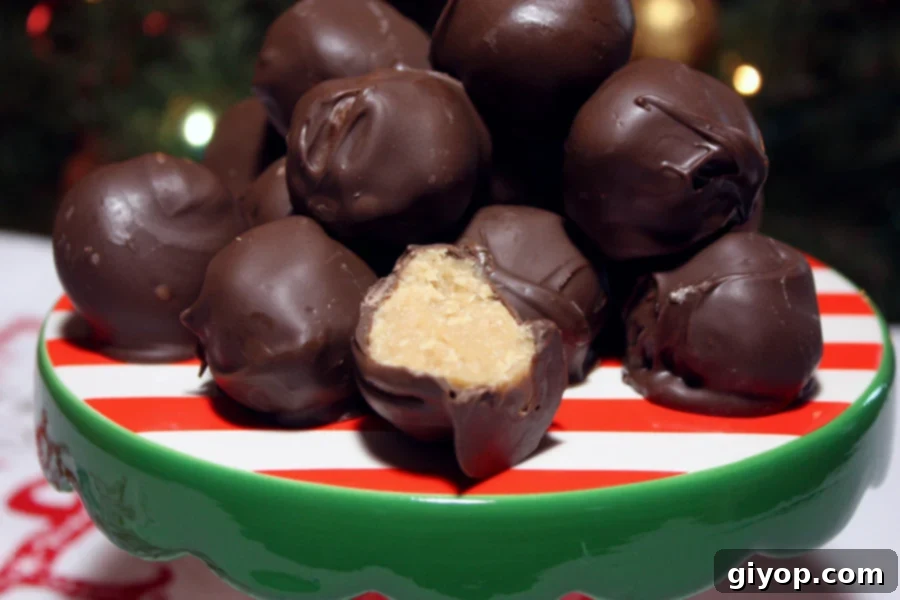
Old Fashioned Chocolate Peanut Butter Balls Recipe
Print
Pin
Rate
Ingredients
- 1 cup unsalted butter
- 12 oz peanut butter (creamy or crunchy)
- 1 lb confectioners sugar
- 1 lb almond bark or candy melts
Instructions
- In a saucepan over medium heat, melt the peanut butter and butter together.1 cup unsalted butter, 12 oz peanut butter
- Remove from the heat and add the confectioners’ sugar.1 lb confectioners sugar
- Allow to cool enough to handle, shape into balls (about 1 inch). Refrigerate to chill.
- Melt almond bark per package instructions, dip each ball into chocolate to coat, place on wax paper to dry completely.1 lb almond bark or candy melts
Notes
You can also use melted chocolate chips instead of candy melts. Just melt a bag of your favorite chocolate chips with 1 teaspoon of coconut oil or vegetable oil. Chocolate chips are not specifically made for melting, so you will need to add the oil to achieve a smooth dipping consistency.
Storing – Store in an air-tight container at room temperature for up to one week, or in the refrigerator for up to 10 days. Both methods work fine.
Freezing – Allow them to set up completely. Layer in an airtight container between parchment paper or wax paper and freeze for up to 3 months. Thaw overnight in the refrigerator. (The chocolate might discolor a bit.) When thawing, they might also sweat a little. Layering them between paper towels will help absorb the moisture.