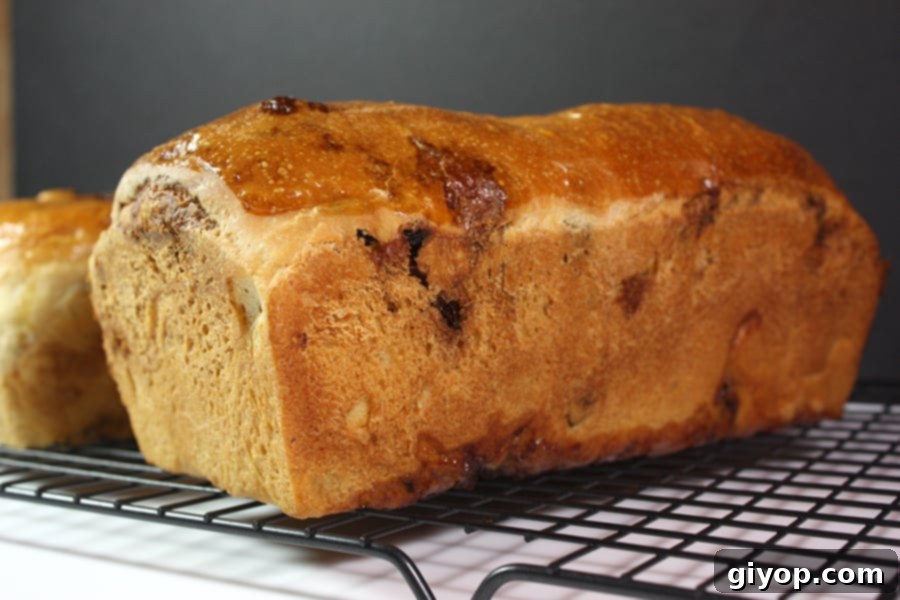
Homemade Cinnamon Raisin Bread: Your New Favorite Breakfast Staple
Imagine waking up to the irresistible aroma of freshly baked cinnamon raisin bread. That warm, comforting scent filling your kitchen is just the beginning of a truly delightful experience. This isn’t just any bread; it’s a soft, fluffy masterpiece, studded with sweet, plump raisins and swirled with fragrant cinnamon sugar. Each slice promises a taste of pure homemade bliss, far surpassing anything you could ever find in a store.
Get ready to elevate your breakfast game or simply indulge in a wholesome snack. Once you try this dangerously tasty homemade cinnamon raisin bread, you’ll likely never go back to the supermarket variety. Picture a warm slice, perfectly toasted, with butter melting into its tender crumb. Can you almost smell it baking right now? It’s an absolutely dreamy treat that will captivate your senses and become a cherished recipe in your home.
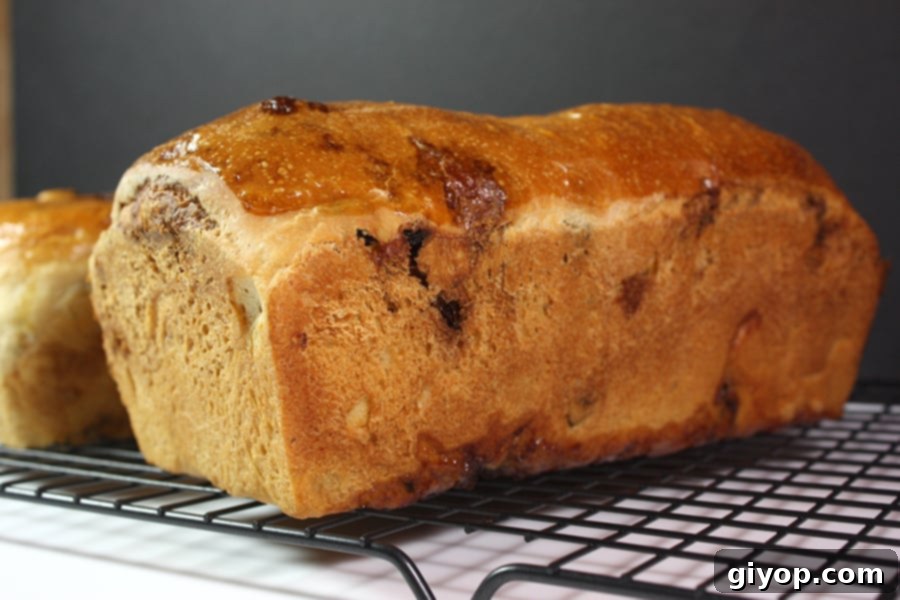
Baking bread from scratch is a rewarding experience, transforming simple ingredients into something extraordinary. This recipe guides you through every step, ensuring a successful and delicious outcome. Prepare yourself for compliments, as this bread is not only a joy to bake but also a pleasure to share.
Why You’ll Adore This Homemade Cinnamon Raisin Bread Recipe
There are countless reasons why this homemade cinnamon raisin bread will become a beloved staple in your kitchen. Beyond its incredible flavor, making your own bread offers a unique satisfaction and numerous benefits:
- Unmatched Flavor and Texture: This raisin bread boasts an incredibly soft, fluffy texture complemented by a rich, deeply satisfying cinnamon raisin flavor. Each bite is a harmonious blend of sweet, spicy, and perfectly chewy, a stark contrast to the often dry and less flavorful store-bought alternatives. The plump raisins burst with sweetness, creating an unparalleled taste experience.
- An Aromatic Experience: Your entire house will be filled with the most inviting, warm, and comforting aroma while this bread bakes. The scent of cinnamon and rising dough creates an ambiance that is truly magical and instantly makes your home feel cozy and welcoming. It’s an aromatherapy session you can eat!
- Toasts to Perfection: This bread isn’t just good fresh; it toasts up like an absolute dream. The edges become wonderfully crisp while the inside remains tender, ready to be slathered with butter, cream cheese, or your favorite spread. It holds its structure beautifully, making it ideal for a perfect morning slice.
- Healthier and Economical: Crafting your own bread at home is a significantly healthier option, as you control every ingredient that goes into it. You can avoid unnecessary preservatives, artificial flavors, and excessive sugars often found in commercial breads. Plus, it’s a more cost-effective way to enjoy high-quality bread regularly, saving you money in the long run.
- A Thoughtful Gift: A freshly baked loaf of this cinnamon raisin bread makes an incredibly heartfelt and delicious gift for a friend, neighbor, or family member. It’s a gesture that shows care and effort, guaranteed to bring a smile to anyone’s face. Nothing says “I appreciate you” quite like homemade goodness.
- The Joy of Baking: There’s immense satisfaction in creating something so delicious from scratch. The process of mixing, kneading, watching the dough rise, and finally pulling golden loaves from the oven is a therapeutic and rewarding experience that connects you to culinary traditions.
Expert Tips and Creative Variations for Your Bread
To ensure your homemade cinnamon raisin bread turns out perfectly every time, and to inspire you to personalize your creation, consider these valuable tips and exciting variations:
- Accurate Flour Measurement is Key: For consistent results, always measure your flour correctly. Don’t scoop directly from the bag, as this compacts the flour, leading to too much being added. Instead, aerate your flour by fluffing it with a spoon, then spoon it lightly into your measuring cup. Level off the top with a straight edge (like a knife). This method prevents a dense, dry loaf and ensures the perfect dough consistency.
- Get Creative with Dried Fruits: While classic raisins are wonderful, feel free to experiment with other dried fruits. Regular dark raisins provide a classic sweetness, but golden raisins can add a brighter, tangier note. For a festive twist, try dried cranberries or chopped dried blueberries. Ensure any larger dried fruits are chopped to a similar size as raisins for even distribution.
- Add a Nutty Crunch: If you enjoy a textural contrast, consider incorporating some chopped nuts into your dough. Pecans or walnuts are excellent choices that complement the cinnamon and raisin flavors beautifully. Add them along with the floured raisins to ensure they are well dispersed throughout the dough.
- Flour Choices for Different Textures: This recipe primarily uses all-purpose flour, which yields a tender and approachable crumb. However, if you’re looking for a chewier texture with a slightly stronger gluten structure, bread flour works exceptionally well. Bread flour has a higher protein content, which can result in a bread with more chew and a robust rise.
- Sweetener Alternatives: Granulated sugar is a standard choice for its clean sweetness. For a richer, deeper flavor profile with subtle caramel notes, brown sugar is an excellent substitute in both the dough and the cinnamon swirl filling. Light or dark brown sugar will both work, with dark brown sugar offering a more pronounced molasses flavor.
- Utilize Raisin Soaking Water for Enhanced Flavor: This is a secret weapon for an exceptionally flavorful loaf! After soaking your raisins to plump them, *do not discard the water*. This warm raisin-infused water is a fantastic addition to your dough, contributing an extra layer of sweet, fruity depth that makes a noticeable difference in the final taste. Just ensure it cools to the correct temperature for activating yeast.
- Don’t Rush the Rise: Patience is a virtue in bread making. Allow your dough ample time to rise in a warm, draft-free environment. A proper rise is crucial for a light, airy, and fluffy texture. If your kitchen is cool, you can create a warm spot by turning your oven on its lowest setting for a few minutes, then turning it off and placing the covered bowl inside (with the door slightly ajar to cool it down, ensure it’s not too hot for the yeast).
Mastering Homemade Cinnamon Raisin Bread: A Step-by-Step Guide
Creating this magnificent cinnamon raisin bread from scratch is a rewarding process. Follow these detailed steps to achieve a beautifully risen, flavorful loaf that will impress everyone:
Preparing the Raisins and Activating the Yeast
Begin by placing your raisins in a small bowl and covering them with 1 cup of hot water. Let them plump for at least 10 minutes; this rehydrates them and makes them juicy. After soaking, drain the raisins, but *critically, reserve this flavorful water*. Set the plumped raisins aside. Allow the reserved raisin water to cool to a temperature between 110-115°F (43-46°C). This specific temperature is vital for properly activating the yeast without killing it.
Pour 1 cup of the cooled, reserved soaking water into the bowl of your stand mixer (fitted with a dough hook) or a large mixing bowl if kneading by hand. Sprinkle the active dry yeast over the water and stir gently to combine. Let this mixture stand for 5 to 10 minutes. You’ll know the yeast is active and healthy when it becomes foamy and bubbly on the surface, indicating it’s ready to work its magic.
Mixing and Kneading the Dough
Once your yeast is active, stir in the buttermilk, melted unsalted butter, and salt into the foamy water mixture. These ingredients add richness, tenderness, and flavor to your bread. Gradually add 5 1/2 cups of the all-purpose flour to the wet ingredients, stirring until a shaggy, somewhat cohesive dough forms. It won’t look smooth yet, and that’s perfectly normal.
Now, it’s time to knead. If using a stand mixer, attach the dough hook and knead on low speed for 8-10 minutes. If kneading by hand, turn the dough out onto a lightly floured surface and knead with firm, rhythmic motions. The goal is to develop the gluten, which creates the bread’s structure. The dough should transform into a smooth, elastic, and slightly tacky ball. It should feel pliable but not overly sticky. Halfway through the kneading process, check the dough; if it seems excessively sticky, add a little more flour, one tablespoon at a time, until the desired consistency is achieved. You’ll know the dough is perfectly kneaded when it forms a round ball without sagging and springs back quickly when gently poked with your finger.
Incorporating Raisins and the First Rise
To prevent the raisins from sinking to the bottom of your loaf during baking, toss the plumped raisins with 2 tablespoons of flour. This light coating absorbs any residual moisture and helps them adhere to the dough. With your mixer still on low speed, gradually add the floured raisins to the dough, continuing to knead until they are evenly distributed throughout. This step is crucial for getting those delightful raisin clusters in every slice.
If you’re kneading by hand, turn the dough onto your work surface and pat it into an oval. Sprinkle about half the floured raisins over the top, then fold the dough over like a letter (thirds). Pat it into an oval again, sprinkle the remaining raisins, and fold once more. Knead by hand for a few additional minutes to ensure the raisins are thoroughly incorporated.
Once the raisins are distributed, lightly grease a large mixing bowl. Place the dough ball into the greased bowl, turning it over once to coat the entire surface. Cover the bowl tightly with plastic wrap or a clean kitchen towel. Allow the dough to rise in a warm, draft-free place until it has doubled in size, which typically takes about an hour, depending on your kitchen’s temperature.
Preparing the Filling and Shaping the Loaves
While your dough is undergoing its first rise, prepare your delicious cinnamon sugar filling. In a small bowl, combine the granulated white sugar and ground cinnamon, mixing them thoroughly. In a separate small bowl, beat one large egg with 2 teaspoons of water; this will create your egg wash, which helps to bind the filling and gives the loaves a beautiful golden crust.
Once the dough has doubled, gently punch it down to release the air. Turn the dough out onto a lightly floured surface and divide it into two equal pieces. Work with one piece of dough at a time. Roll out the dough into a rectangle. It should be slightly less wide than your loaf pan and as long as you can comfortably make it (aim for about 12-14 inches). Remember, the thinner you roll the dough, the more exquisite cinnamon swirls you’ll achieve in your final loaf. If the dough starts to spring back and resist rolling, let it rest for 5-10 minutes; this allows the gluten to relax, making it easier to work with.
Brush the entire surface of the rolled-out dough with your prepared egg wash, leaving a small 1-2 inch border clear at the top edge. This clear edge will help seal the loaf. Generously sprinkle half of the cinnamon sugar mixture evenly over the egg-washed surface. Starting from the end closest to you, tightly roll up the dough into a cylinder. When you reach the top edge, pinch the seam closed securely to prevent the filling from escaping. Carefully transfer this shaped loaf, seam-side down, into a greased 9×5-inch loaf pan. Repeat this process with the second piece of dough and the remaining cinnamon sugar mixture and egg wash.
The Second Rise and Baking
Cover the loaf pans loosely with plastic wrap or a clean towel and let the loaves rise again in a warm place. This second rise, known as proofing, is crucial for achieving a light and airy texture. Allow them to rise until they are beautifully mounded over the top of the pan and appear puffy, which usually takes about 30-40 minutes. Around the halfway mark of this second rise, preheat your oven to 375°F (190°C). This ensures the oven is at the perfect temperature when your loaves are ready to bake.
Just before placing them in the oven, gently brush the tops of the risen loaves with any remaining egg wash. This final touch will give your bread a gorgeous, shiny, and golden-brown crust.
Baking and Cooling
Bake the loaves in your preheated oven for approximately 40-45 minutes. The bread is done when it’s beautifully golden brown on top, and a quick tap on the bottom should produce a hollow sound. If you have a kitchen thermometer, the internal temperature should read around 200-210°F (93-99°C).
Once baked, remove the pans from the oven and let the loaves cool in their pans for at least 10 minutes. This resting period allows the bread to set and prevents it from collapsing. After 10 minutes, carefully transfer the warm loaves to a wire rack to cool completely before slicing. While waiting for it to cool can be the hardest part (it’s often impossible in our house!), allowing it to cool completely ensures clean slices and a better texture. Freshly baked loaves can also be wrapped tightly and frozen for up to three months.
That’s it! You’ve now successfully created a batch of delicious, fresh, homemade cinnamon raisin bread. You can share the second loaf with a friend or freeze it for later use. Choose wisely, because this delightful bread tends to be gobbled up quickly!
Don’t forget, leftover cinnamon raisin bread is absolutely divine for making bread pudding. It adds an incredible depth of flavor to an already comforting dessert.
Frequently Asked Questions About Cinnamon Raisin Bread
Absolutely! You can prepare the dough up to a certain point, then refrigerate it for baking later. After the first rise, shape the dough into loaves and place them in the loaf pans. Cover them tightly with plastic wrap and refrigerate for up to 12-18 hours. When you’re ready to bake, remove the dough from the fridge and allow it to come to room temperature and rise until it’s beautifully mounded over the pan (this might take 1.5-2 hours, as the cold dough will need more time to warm up). Then, proceed with brushing with egg wash and baking as instructed.
Homemade bread, without preservatives, is best enjoyed fresh. You can keep it covered tightly at room temperature for up to 3-4 days. Store it in an airtight container or a bread box to maintain freshness. While refrigerating it will extend the life of the bread slightly longer, it can also alter its texture, making it less soft and fluffy. If you plan to keep it for more than a few days, freezing is the best option to preserve its quality.
Yes, cinnamon raisin bread freezes wonderfully! To freeze, ensure the baked loaves have cooled completely to room temperature. Wrap each loaf tightly with several layers of plastic wrap, then an additional layer of aluminum foil, or place them in a freezer-safe bag or container. This double-wrapping prevents freezer burn. Frozen bread can be stored for up to 2-3 months. To thaw, simply transfer it to the refrigerator overnight, or for quicker results, you can microwave individual slices or warm a whole loaf in a low oven (300°F/150°C) until defrosted and warm.
Several factors can lead to dense bread. Over-mixing can overdevelop gluten, making the dough tough. Insufficient kneading means the gluten hasn’t developed enough to trap gases, resulting in a dense crumb. Also, not allowing enough time for the dough to rise (first and second proofing) is a common culprit, as the yeast needs time to produce carbon dioxide and create an airy structure. Finally, using too much flour (often from improper measurement) can lead to a stiff dough that struggles to rise light and fluffy.
For best results, allow your bread to cool completely before slicing. Warm bread can be gummy and difficult to cut cleanly. Use a sharp, serrated bread knife with a gentle sawing motion. Avoid pressing down too hard, which can squash the loaf. A good bread knife will glide through the crust and soft interior, giving you perfect slices every time.
Are you on Pinterest? Click the button below to add this recipe to one of your boards! Sharing is caring!
Pin This Recipe on Pinterest!
Explore More Delicious Bread Recipes
If you’ve fallen in love with the art of baking homemade bread, or if you’re looking for other comforting and delectable recipes, be sure to explore these other fantastic options. From sweet breakfast buns to savory loaves, there’s always something new to bake and enjoy:
- Irresistible Morning Buns
- Classic Sourdough Bread Recipe
- Hearty Walnut Fig Bread
- Overnight Maple Bacon Baked French Toast (A Sweet and Savory Delight)
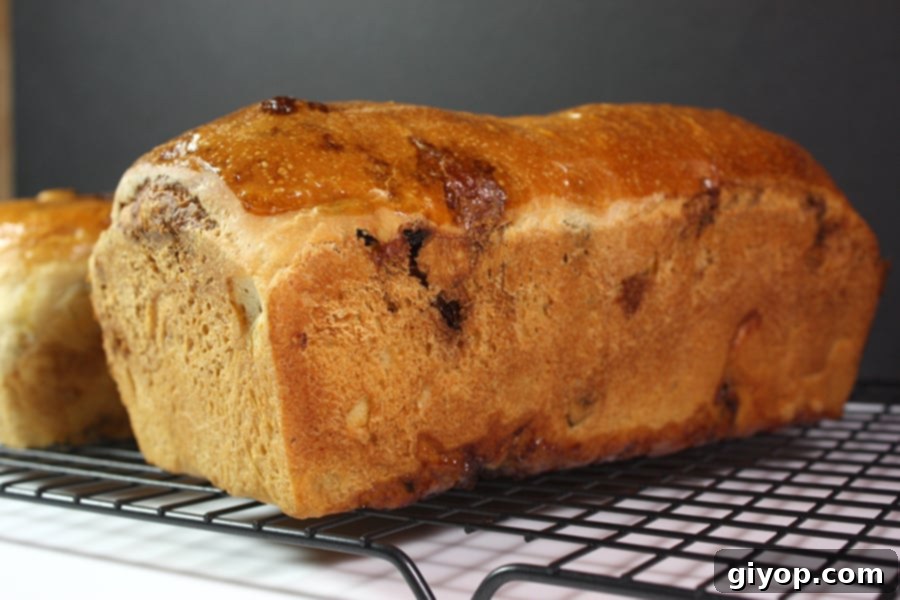
Cinnamon Raisin Bread Recipe
Print
Pin
Bread, Breakfast, Brunch
American
2 hours
45 minutes
2 hours
45 minutes
18
374
kcal
Leigh Harris
Ingredients
For the Bread:
-
1
cup
raisins
(approximately 6 ounces)
-
1
cup
warm water*
-
1
tablespoon
active dry yeast
-
1
cup
buttermilk
-
1/4
cup
unsalted butter, melted
-
2
teaspoons
salt
-
5 1/2 – 6
cups
all-purpose flour
For the Filling:
-
1/2
cup
granulated white sugar
-
1 1/2
tablespoons
cinnamon
-
1
large
egg, beaten with 2 teaspoons water
Instructions
- Put the raisins in a small bowl and cover them with 1 cup hot water. Let the raisins plump for at least 10 minutes. Drain, reserving the water, and set aside. Allow the reserved water to cool to 110-115 degrees F (43-46°C).
- Pour 1 cup of the reserved soaking water into the bowl of a standing mixer or large mixing bowl. Add the yeast and stir to combine. Let stand for 5 to 10 minutes until foamy, indicating the yeast is active.
- Stir the buttermilk, melted butter, and salt into the yeast mixture. Add 5 1/2 cups of the flour and stir until a shaggy dough forms.
- Knead the dough in your mixer on low speed with a dough hook or by hand for 8-10 minutes, until it forms a smooth, elastic, and slightly tacky dough. If the dough is very sticky halfway through, add a little more flour (up to 1/2 cup extra), one tablespoon at a time. The dough is ready when it forms a ball, holds its shape, and quickly springs back when poked.
- Toss the plumped raisins with 2 tablespoons of flour to absorb excess moisture and prevent them from sinking. With the mixer on low speed, gradually add the floured raisins to the bowl and continue kneading until they are evenly distributed throughout the dough.
- If kneading by hand, turn the dough out onto your work surface and pat it into an oval. Sprinkle about half the floured raisins over the top and fold the dough like a letter (in thirds). Pat it into an oval again, sprinkle the remaining raisins, and fold it again. Knead the dough by hand for a few minutes to ensure even distribution of the raisins.
- Place the dough in a large, lightly greased bowl, turn it over once to coat, and cover it tightly. Let the dough rise in a warm, draft-free place until it has doubled in bulk, approximately 1 hour. Meanwhile, combine the sugar and cinnamon in a small bowl for the filling, and beat the egg and 2 teaspoons of water in a second bowl for the egg wash.
- Gently punch down the risen dough and divide it into two equal pieces. Working with one piece at a time, roll the dough out on a lightly floured counter into a rectangle. It should be slightly less wide than your loaf pan and as long as possible (about 12-14 inches). The thinner the dough, the more layers of cinnamon swirl you’ll achieve. If the dough shrinks back, let it rest for a few minutes before trying again.
- Brush the entire surface of the rolled dough with the prepared egg wash, leaving about a 1-2 inch clear border at the top edge. Generously sprinkle half of the cinnamon-sugar mixture over the egg-washed surface. Starting from the end closest to you, tightly roll up the dough into a cylinder. Pinch the seam closed firmly when you reach the top. Transfer the shaped loaf, seam-side down, to a greased 9×5-inch loaf pan. Repeat this process with the second piece of dough.
- Cover the loaf pans loosely and let the loaves rise again in a warm place until they are mounded over the top of the pan and appear puffy, about 30-40 minutes. Halfway through this second rise, preheat your oven to 375°F (190°C).
- Just before baking, gently brush the tops of the risen loaves with any remaining egg wash for a beautiful golden crust.
- Bake for 40-45 minutes, or until the loaves are golden brown and sound hollow when tapped on the bottom (internal temperature should be 200-210°F/93-99°C). Let them cool in the pans for at least 10 minutes.
- Remove the loaves from the pans and transfer them to a wire rack to cool completely before slicing. This step is essential for the best texture and clean cuts. Fully cooled loaves can also be wrapped and frozen for up to three months. Enjoy your homemade delight!
Notes
Nutrition
Calories:
374
kcal
|
Carbohydrates:
74
g
|
Protein:
9
g
|
Fat:
4
g
|
Saturated Fat:
2
g
|
Cholesterol:
20
mg
|
Sodium:
304
mg
|
Potassium:
179
mg
|
Fiber:
3
g
|
Sugar:
6
g
|
Vitamin A:
118
IU
|
Vitamin C:
1
mg
|
Calcium:
39
mg
|
Iron:
4
mg
Baking this homemade cinnamon raisin bread is more than just following a recipe; it’s about creating memories and filling your home with warmth and deliciousness. We hope this comprehensive guide inspires you to bake a loaf (or two!) and experience the unparalleled joy of homemade bread. Enjoy every fragrant, fluffy bite!