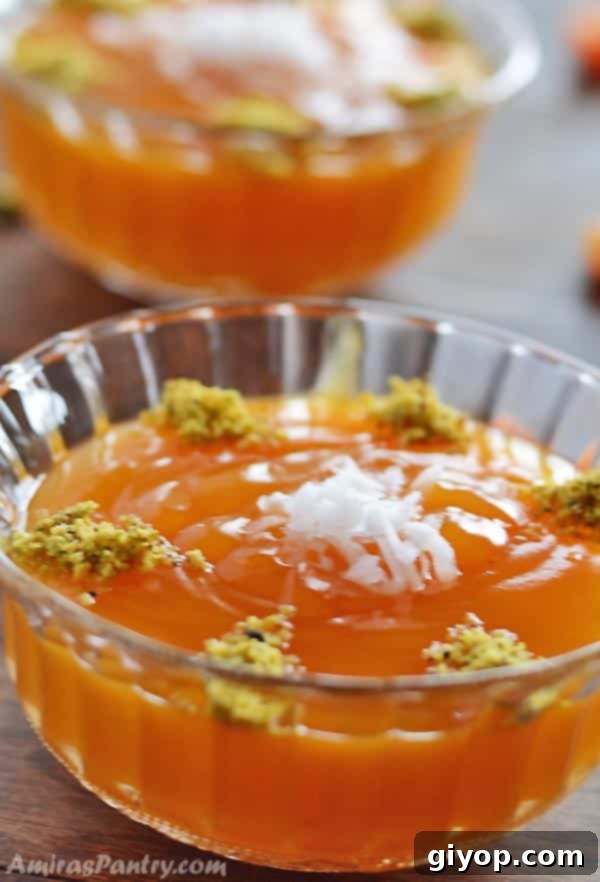
Delight in the exquisite taste of Amar al-Deen Pudding, a luxurious apricot dessert also known as Qamar al-Din Mohalabeya. This creamy, fragrant, and perfectly sweetened pudding is a true culinary masterpiece, cherished across the Middle East. It stands out as one of the most iconic and beloved recipes enjoyed during the holy month of Ramadan, offering a refreshing and satisfying treat after a day of fasting.
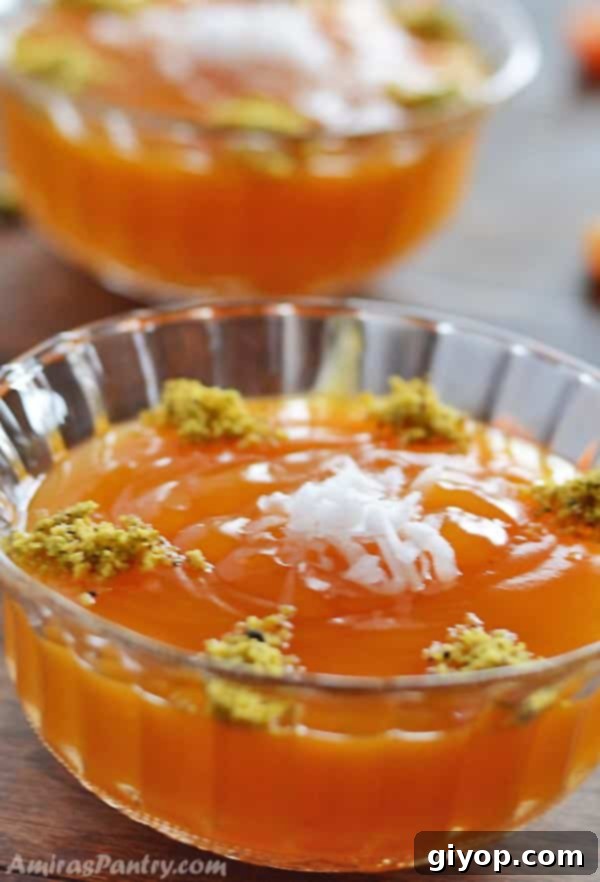
As Ramadan approaches, the appearance of Qamar al-Din in various forms on the iftar table becomes a much-anticipated tradition. While you might be familiar with the rich apricot paste and the invigorating apricot drink, preparing this luscious pudding is an experience not to be missed. It transforms the vibrant flavor of apricots into a silky-smooth dessert that captivates with every spoonful.
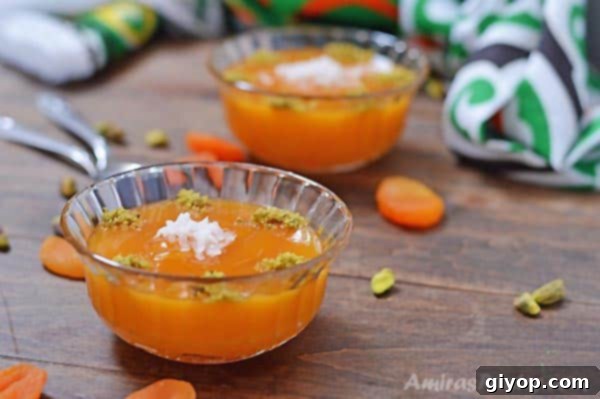
The Irresistible Allure of Apricots: A Culinary Journey
My fondness for apricots runs deep, yet it’s become increasingly challenging to find those truly delicious, sweet, and aromatic varieties that once graced our markets. I vividly recall the days when my mother would bring home apricots so succulent, they practically dripped with sugary juice. Their flavor was so intense and delightful that they rarely lasted beyond the day they were purchased. Modern apricots often lack that rich sweetness, sometimes even tasting more like a bland cucumber, which is a stark contrast to those treasured childhood memories.
This personal nostalgia highlights the importance of quality ingredients, especially when crafting a dish like Amar al-Deen pudding. The essence of this dessert lies in the vibrant, naturally sweet flavor of apricots. When choosing your Qamar al-Din paste or juice, striving for the best quality will undoubtedly elevate your pudding from good to extraordinary.
Qamar al-Din Paste: The Heart of the Pudding
The finest Amar al-Deen paste traditionally originates from Syria, renowned globally as the premier producer and exporter of these delectable apricot roll-ups. Its superior quality and authentic flavor make it the preferred choice for many Middle Eastern households. You can typically find high-quality Qamar al-Din paste in most Middle Eastern grocery stores, often available in thin, leathery sheets that are packed with concentrated apricot goodness.
However, for those who appreciate the satisfaction of homemade ingredients or prefer to control the purity of their paste, learning how to make Qamar al-Din paste yourself is a rewarding endeavor. As a child, I remember my sisters and I eagerly tearing off pieces of the apricot leather to enjoy plain – a testament to its inherent deliciousness. While I wasn’t always a fan of the apricot drink, the paste itself was an absolute favorite, savored for its intense sweetness and chewy texture.
Crafting Your Apricot Pudding: From Paste to Perfection
This traditional Qamar al-Din pudding recipe begins with transforming the apricot paste into a rich, flavorful juice, which then forms the base of the creamy dessert. If you find the process of preparing juice from the paste too time-consuming, you can certainly opt for a good quality store-bought apricot juice. However, a word of caution: commercial apricot drinks often lack the intensity and rich flavor profile found in juice made directly from concentrated Qamar al-Din paste. They tend to be less concentrated, which means you might need to adjust the amount of sugar significantly to achieve the desired sweetness and depth of flavor. For an authentic and robust taste, starting with the paste is highly recommended.
Let’s embark on this simple yet incredibly satisfying recipe journey to create your own delightful Amar al-Deen pudding.
Step-by-Step Guide to Making Qamar al-Din Pudding
Preparing the Apricot Base
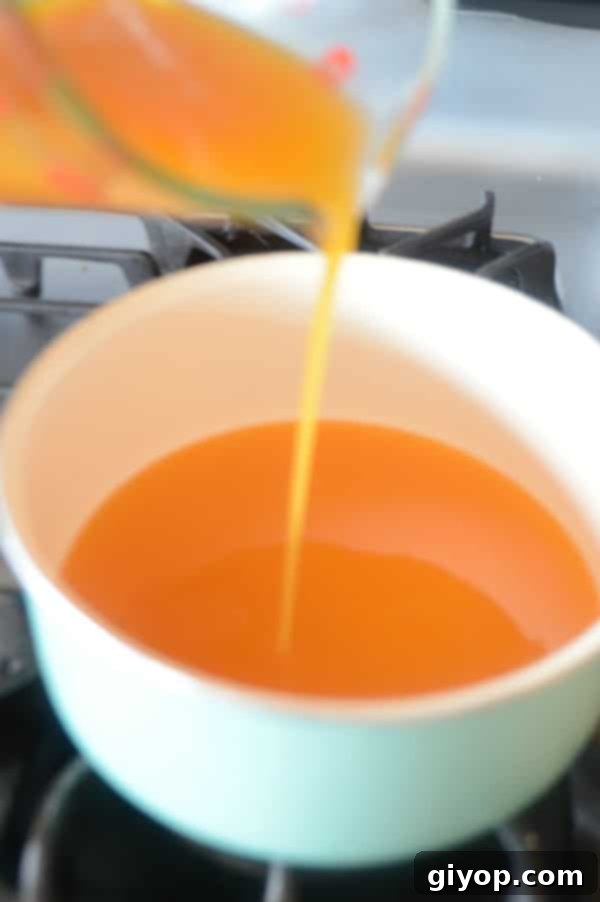
First, measure out most of your prepared Qamar al-Din apricot drink – approximately 1 ¾ cups if you’re working with a 2-cup total. Pour this into a deep pot and place it over medium heat. Allow the juice to come to a gentle boil, stirring occasionally to ensure even heating and prevent it from sticking to the bottom. The rich aroma of apricots will begin to fill your kitchen, signaling the first stage of this delicious transformation.
Creating the Thickening Slurry
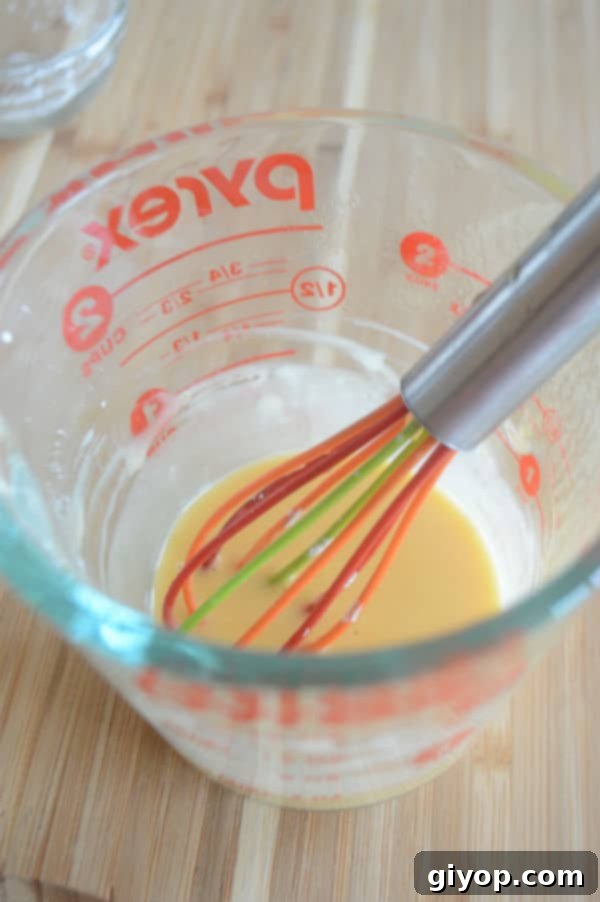
While the apricot juice is heating, prepare your cornstarch slurry. In the remaining ¼ cup of Qamar al-Din juice, add the specified amount of cornstarch (typically 2 tablespoons for a firm pudding, though this can be adjusted). Whisk vigorously until the cornstarch is completely dissolved and no lumps remain. A smooth slurry is crucial for a lump-free, silky pudding.
Thickening the Pudding
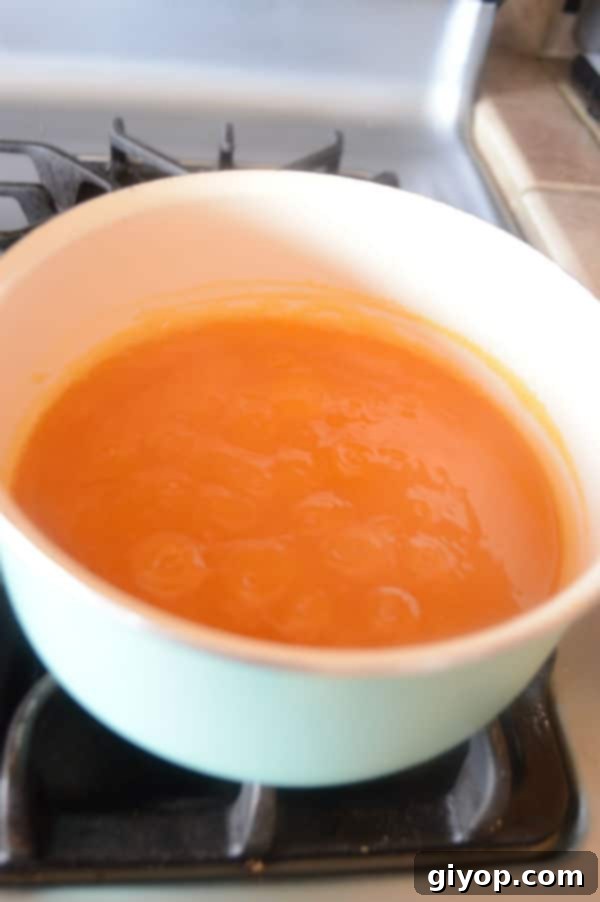
Once your apricot juice in the pot reaches a gentle boil, reduce the heat to medium-low. Slowly and gradually pour the cornstarch mixture into the hot apricot juice. As you pour, continuously whisk the mixture in the pot. This constant whisking is essential to prevent lumps and ensure the pudding thickens uniformly. Continue to stir until the pudding reaches your desired consistency – typically, it will thicken beautifully within about 3 minutes. The mixture should become creamy and coat the back of a spoon.
Serving and Garnish Suggestions
Once the Qamar al-Din pudding has thickened, remove it from the heat immediately. Carefully pour the hot pudding into individual serving bowls or a large communal dish. Allow it to cool slightly at room temperature before transferring it to the refrigerator to chill thoroughly. Qamar al-Din pudding is best served cold, as its refreshing qualities are enhanced when chilled.
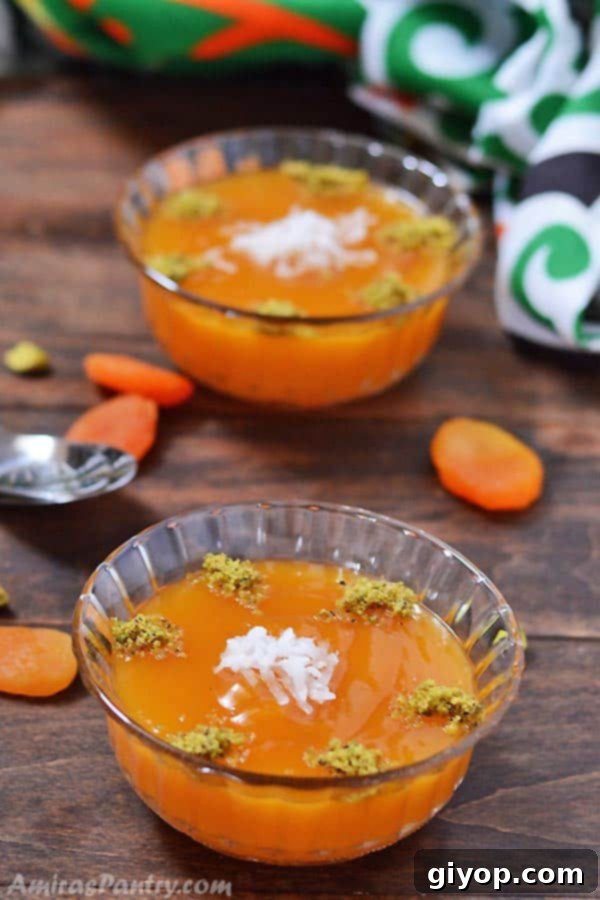
For an elevated presentation and added texture, decorate your Amar al-Deen pudding with a variety of garnishes. Traditionally, a sprinkle of chopped nuts such as pistachios, almonds, or walnuts, along with delicate coconut flakes, adds a beautiful contrast and crunch. Raisins are also a popular choice for their sweet and chewy texture. You can serve it plain if you prefer, letting the pure apricot flavor shine. In Middle Eastern cuisine, many pudding-style desserts are thickened with cornstarch or flour, providing a characteristic smooth and creamy texture without the use of eggs.
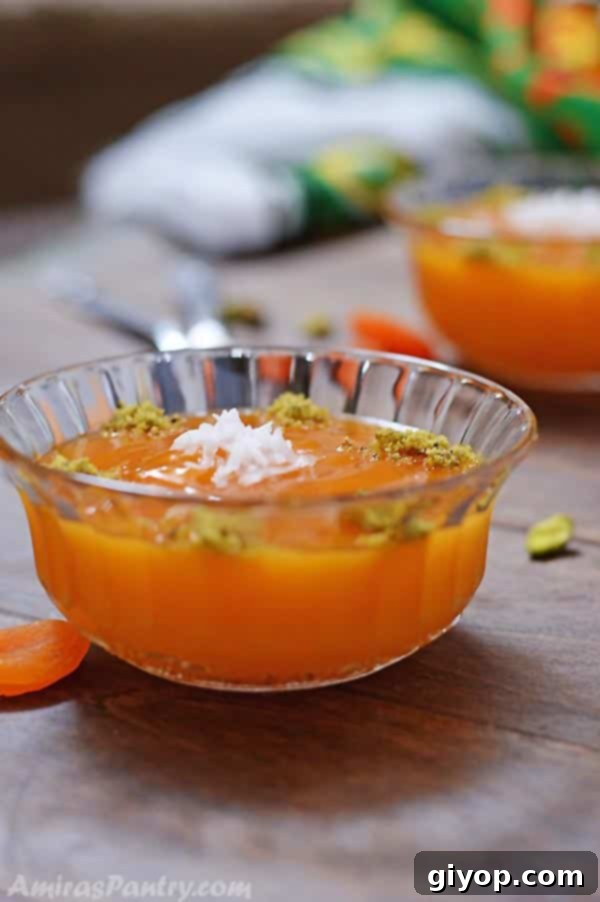
This tangy and sweet Mohalabeya offers an incredibly refreshing experience, particularly when served cold. It’s not just a dessert; it’s a taste of tradition, perfect for breaking your fast during Ramadan or as a delightful treat any time of year.
Tips for a Perfect Qamar al-Din Pudding
- Adjusting Sweetness: Always taste your apricot juice mixture before adding cornstarch. Qamar al-Din paste can vary in sweetness. If you prefer a sweeter pudding, add a tablespoon or two of sugar while the juice is heating. Remember to adjust gradually.
- Consistency Control: The amount of cornstarch directly impacts the pudding’s thickness. For a softer, more delicate pudding, use slightly less cornstarch (e.g., 1 tablespoon per cup of juice). If you find your pudding too runny after thickening, dissolve an additional half teaspoon of cornstarch in a small amount of cold water and slowly whisk it into the simmering pudding, continuing to stir until the desired consistency is achieved. Conversely, if it becomes too thick, you can whisk in a tiny bit of warm water or apricot juice to thin it out.
- Preventing Lumps: Ensure your cornstarch is completely dissolved in cold liquid before adding it to the hot juice. Whisk continuously as you add the slurry and throughout the thickening process.
- Flavor Enhancements: For an extra layer of aromatic complexity, you can add a splash of rose water or orange blossom water (half a teaspoon) at the very end, just after removing the pudding from the heat.
Variations and Serving Suggestions
Beyond traditional nuts and coconut, consider other garnishes. A sprinkle of ground cinnamon or cardamom can add a warm spice note. Fresh mint leaves offer a beautiful pop of color and freshness. For a richer dessert, you could layer the pudding with crumbled biscuits or a delicate sponge cake at the bottom of the serving cups.
Amar al-Deen pudding is exceptionally versatile. It can be served as a light dessert after a heavy meal, a refreshing snack on a warm day, or a special treat for gatherings and festivities. Its bright flavor and smooth texture make it a crowd-pleaser for all ages.
Storage
Store leftover Qamar al-Din pudding in an airtight container in the refrigerator for up to 3-4 days. It’s important to cover it tightly to prevent a skin from forming on top and to maintain its freshness. The pudding is best enjoyed chilled.
Related Recipes
- Kunafa is a traditional Middle Eastern dessert that features layers of golden, shredded phyllo dough, a creamy cheese or nut filling, and a sweet, fragrant syrup. This popular delicacy is celebrated across many countries and is frequently served during special occasions and holidays, offering a delightful contrast of crispy and soft textures.
I sincerely hope you enjoy preparing and savoring this beloved Amar al-Deen pudding. If you create this delightful recipe, please share your culinary creations! Snap a pic and hashtag it #amiraspantry. I love seeing what you make on Facebook and Twitter!
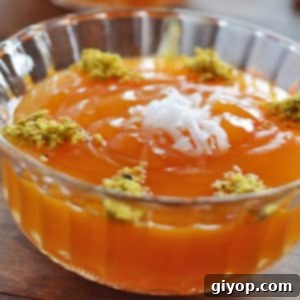
Qamar addeen pudding
Print
Pin
Rate
2
People
Amira
Ingredients
-
2
cups
of ready made Qamar al-Din juice.
-
2
Tablespoons
cornstarch. -
Nuts and coconut flakes for garnishing
(optional).
Instructions
- In a deep pot over medium heat, pour 1 ¾ cups of the Qamar al-Din juice and bring it to a gentle boil.
- Meanwhile, dissolve the cornstarch in the remaining ¼ cup of juice until no lumps are visible, creating a smooth slurry.
- Reduce heat to medium-low. Gradually add the cornstarch mixture to the hot juice, whisking continuously to prevent lumps and ensure even thickening.
- Continue to simmer, whisking gently, until the pudding has thickened to your desired creamy consistency, typically taking about 3 minutes.
- Pour the hot pudding into individual serving plates or bowls and allow it to cool slightly before garnishing with nuts and/or coconut flakes.
- Serve chilled for the best refreshing experience, or at room temperature if preferred.
Notes
** I personally prefer my apricot pudding soft, so I often use only 1 tablespoon of cornstarch for every cup of juice. However, if you desire a firmer consistency or find your pudding is too runny, you can add more cornstarch (dissolved in a small amount of cold water) until it reaches your preferred thickness.
Tried this Recipe? Pin it for Later!
Mention @AmirasPantry or tag #AmirasPantry!