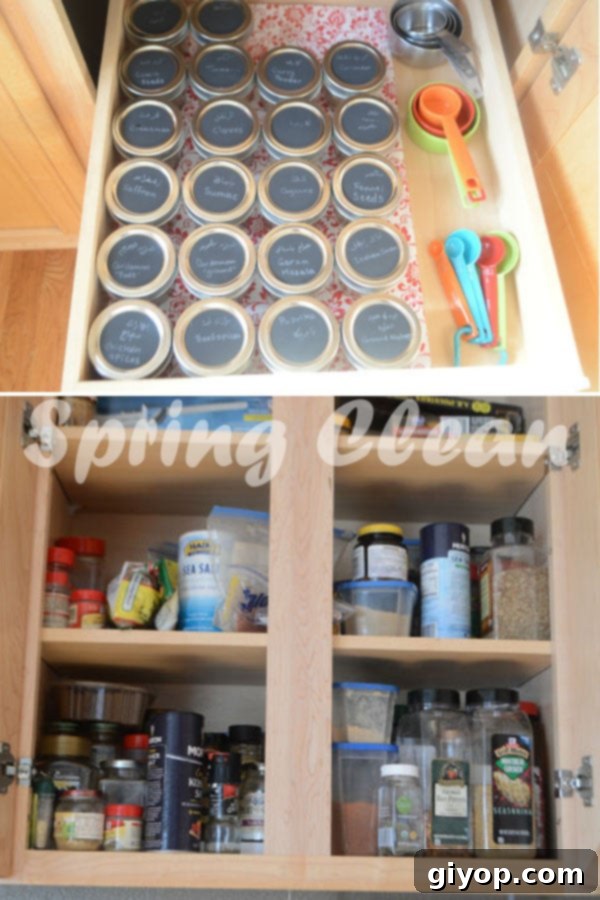
If the urge for a fresh start has you tackling spring cleaning, your kitchen spice cabinet is an often-overlooked area that deserves a spot at the top of your list. A well-organized spice collection isn’t just about aesthetics; it’s a fundamental step toward a more efficient, enjoyable, and delicious cooking experience.
This isn’t your typical recipe post. Instead, we’re diving into a transformative kitchen project that has revolutionized my own cooking routine. My goal was simple yet profound: to streamline my recipe preparation and eliminate the maddening frustration of hunting for that elusive bottle of garam masala, which always seemed to vanish into the depths of a cluttered cabinet when I needed it most.
Most home cooks can relate. We all have that dedicated cabinet or drawer for our spices. Inevitably, the most frequently used items claim prime real estate at the front, while less common or forgotten spices are relegated to the dark, dusty corners. This haphazard arrangement means that when a specific recipe calls for a unique spice, you’re forced to embark on an archaeological dig mid-cook, pulling out countless jars until you unearth the one you know is “somewhere in there.”
Beyond the inconvenience, a disorganized spice collection poses other significant problems. Many spices may be long expired, losing their potency and flavor, or even worse, becoming a potential health risk. Conversely, you might discover you have insufficient quantities for your recipe, derailing your meal plans. To ensure you’re always cooking with fresh, potent ingredients and to easily spot nearly empty bottles for timely replenishment, regular cleaning and organization of your spices are not just beneficial—they’re essential.
Join me as we explore the journey from kitchen chaos to culinary calm. This comprehensive guide will walk you through transforming your spice storage, ensuring every ingredient is visible, accessible, and ready to elevate your dishes.
The “Before” Picture: A Common Kitchen Catastrophe
Take a look at what my spice cabinet used to be. This visual perfectly encapsulates the common struggle faced by countless home cooks. Overloaded, chaotic, and utterly overwhelming—imagine trying to find anything in that jumble! It was a disaster waiting to happen every time I opened the door.
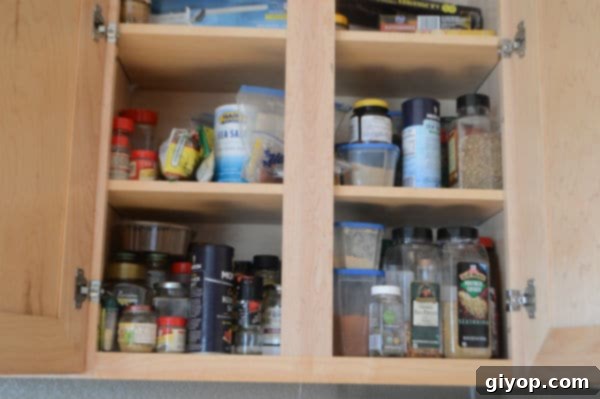
Like many, I initially attempted to tame the beast with a tiered cabinet organizer. While these organizers promise to maximize vertical space, they often fall short in deep cabinets. For me, things constantly tumbled off the shelves, and reaching for a spice at the back still required emptying most of the front rows. It was frustrating and far from the efficient system I craved. I desperately needed a way to see all my spices at a glance, but the traditional cabinet setup wasn’t cutting it.
Identifying the Core Problem: The Wrong Storage Solution
My breakthrough came with a simple realization: I was utilizing the wrong part of my kitchen for spice storage. The vertical stacking nature of a cabinet inherently leads to buried items and obscured labels. What I truly needed was a drawer—a horizontal plane where every single spice could lie flat, offering instant visibility and access without any digging or precarious balancing acts.
This shift from cabinet to drawer was the foundational idea that sparked the entire transformation. It’s about working smarter, not harder, and choosing storage solutions that genuinely serve the specific needs of the items being stored.
Embarking on the Spice Drawer Makeover: Step-by-Step Guide
Transforming your spice storage from a cluttered mess into an organized haven is a rewarding project. Here’s a detailed breakdown of the steps I took, designed to guide you through your own kitchen renovation, ensuring efficiency and aesthetic appeal.
Step 1: The Great Spice Purge and Consolidation
Before you even think about new containers, the first crucial step is to empty your existing spice cabinet or drawer completely. Lay everything out on your counter or a clean surface. Now, it’s time for a ruthless purge:
- Check Expiration Dates: Spices don’t last forever. Ground spices typically retain their potency for 2-3 years, while whole spices can last 3-4 years. Herbs usually last 1-3 years. If there’s no date, a good rule of thumb is to discard anything that looks faded, smells weak, or has been in your pantry for over three years.
- The Sniff Test: A quick sniff can tell you a lot. If a spice has lost its pungent aroma, it’s likely past its prime.
- Consolidate Duplicates: Do you have three half-empty bottles of cumin? Combine them into one fresh jar, discarding the older or less potent portions.
- Assess Usage: Be honest about what you actually use. That obscure spice you bought for one recipe five years ago and never touched again? It’s time to let it go.
This decluttering process is vital. It reduces waste, ensures you’re cooking with flavorful ingredients, and gives you a clear picture of what you truly need.
Step 2: Choosing Your Perfect Spice Jars
Uniformity is key to an aesthetically pleasing and highly functional spice drawer. Standardizing your containers instantly elevates the look and makes organization effortless. After much searching, I found the ideal solution:
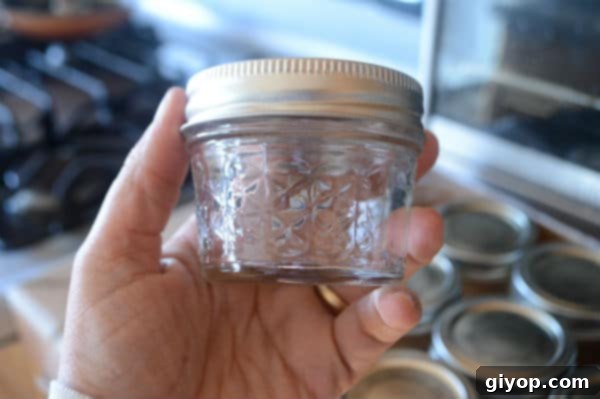
I discovered these cute 4oz glass jars, which are incredibly convenient for storing individual spices. The 4-ounce size is perfect for most common spices, providing enough capacity without taking up excessive space or encouraging you to buy more than you’ll use before it expires. They are widely available, often sold in economical 12-count packages, making it easy to stock up for a comprehensive overhaul.
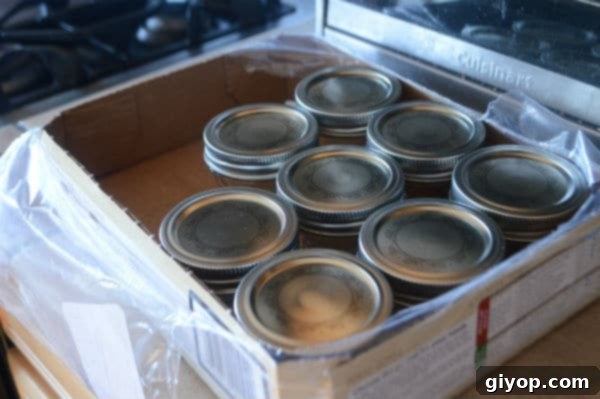
Investing in a good set of jars is a small initial expense that pays dividends in long-term kitchen efficiency and enjoyment. Look for jars that have tight-sealing lids to keep your spices fresh and potent.
Step 3: Creating Your Custom Labeling System
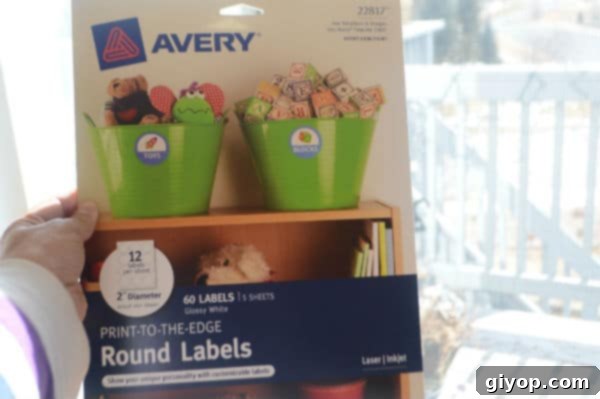
Effective labeling is paramount for any organized system, especially when all your jars look identical. While you could buy pre-printed labels, I opted for a more versatile and personalized approach: chalkboard labels. I initially considered round adhesive labels, but then a better idea sparked.
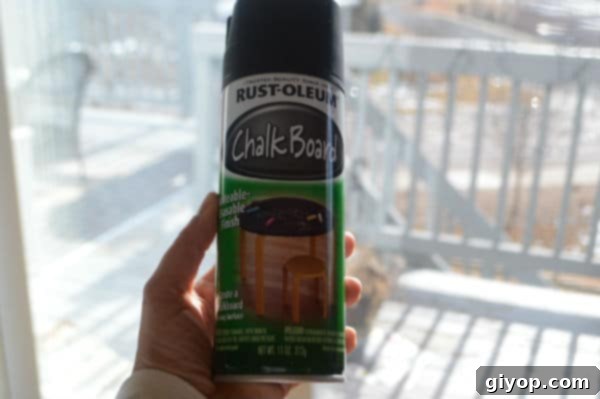
Fortunately, I had this fantastic chalkboard paint on hand. This paint is incredibly handy for various DIY projects, especially if you enjoy crafting with kids. Its unique property of being writable and rewritable makes it perfect for spice labels, allowing for easy updates or corrections.
Applying the Chalkboard Labels:
- Preparation: In a well-ventilated outdoor area or garage, lay down old newspapers or a drop cloth to protect your surfaces.
- Spray Application: Take your adhesive label sheets (or even just sticker paper cut into circles) and lightly spray them with the chalkboard paint. Apply thin, even coats to avoid drips.
- Drying Time: Allow the labels to dry completely between coats and before handling. This ensures a durable, smooth finish.
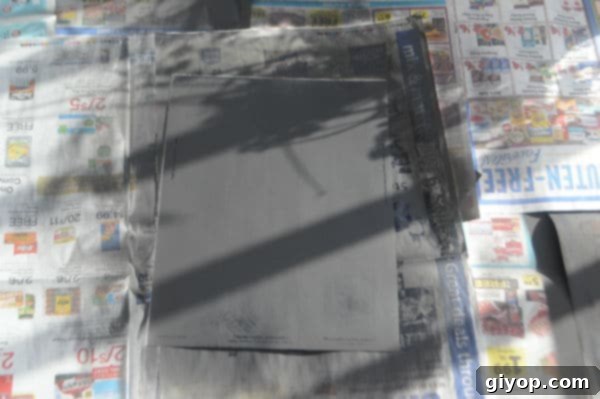
The beauty of chalkboard paint lies in its flexibility. You can write and rewrite spice names as needed, making it easy to adapt to new purchases or changing preferences. Plus, the matte black finish of the chalkboard adds a sophisticated, uniform aesthetic to your spice jars. Don’t you agree?
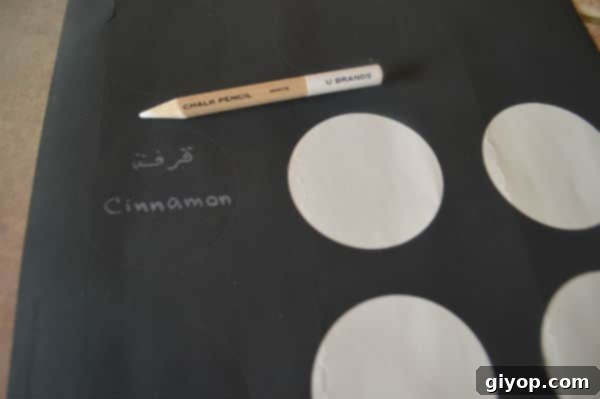
Once your labels are dry, apply them neatly to the tops of your filled spice jars. Use a chalkboard pen or chalk marker for clear, legible writing. I even opted to write the spice names in both Arabic and English to make it convenient for everyone in my household to quickly identify what they need, a thoughtful touch that enhances usability for a multi-lingual family.
Step 4: Arranging Your Spices in the Drawer
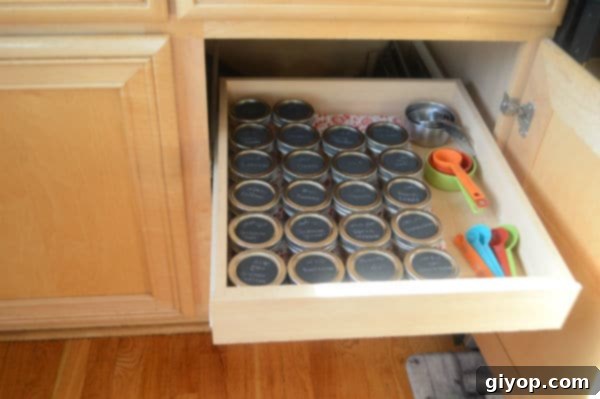
With your new, uniformly labeled jars, it’s time to arrange them in their new home. The ideal location is a drawer nearest to your stove or primary cooking area, ensuring maximum convenience during meal preparation. This placement minimizes steps and keeps essential ingredients within arm’s reach.
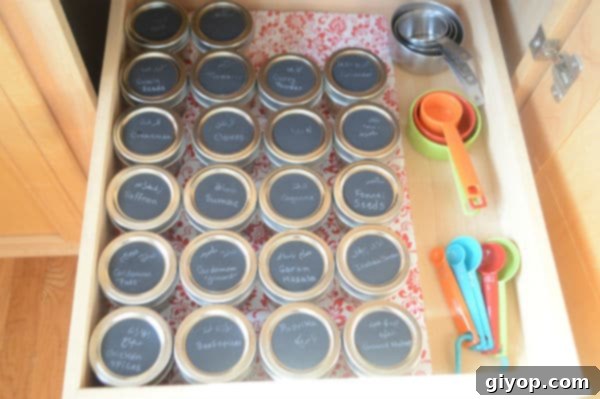
Consider different arrangement strategies:
- Alphabetical Order: This is the most common and intuitive method, making it easy to locate any spice instantly.
- By Cuisine: Group spices frequently used together for specific cuisines (e.g., “Indian Spices,” “Mexican Spices”).
- Frequency of Use: Place your most-used spices at the front for even quicker access, with less frequently used ones towards the back.
I also took the opportunity to organize my measuring cups and spoons in the same drawer or an adjacent one. This simple addition further streamlines the cooking process, creating a dedicated “baking and seasoning” zone that maximizes efficiency.
Solutions for Cabinet-Only Kitchens
What if your kitchen doesn’t have a suitable drawer for spice storage? Don’t worry, you can still achieve a high level of organization within a cabinet. The key is adapting the principles of visibility and accessibility:
- Front-Facing Labels: Instead of labeling the tops, label the front of your jars. This allows you to see the spice name without removing the jar.
- U-Shaped or Tiered Organizers: While my previous tiered organizer failed due to depth, shallower tiered shelves or U-shaped organizers can work effectively in cabinets to elevate jars and improve visibility. Arrange jars in a single layer if possible, or stack only two to three high for easy retrieval.
- Door-Mounted Racks: Consider installing narrow racks on the inside of your cabinet doors to hold smaller, frequently used spices.
- Lazy Susans: A rotating turntable can be a game-changer for deep cabinets, allowing you to spin the tray to bring back-row spices to the front.
The Lasting Impact: A Worthwhile Investment
I cannot overstate how pleased I am with the ease and efficiency this new spice drawer has brought to my kitchen. Yes, it required a small initial investment in terms of purchasing the uniform jars, labels, and chalkboard paint. However, the benefits far outweigh the cost. I had to part with many old, expired bottles and lovingly decant my remaining fresh spices into these charming little jars, but the transformation has been truly remarkable.
Cooking is now a joyous, stress-free activity. No more rummaging, no more expired surprises, and every spice is instantly at my fingertips. This project has not only streamlined my kitchen but has also inspired me to be more adventurous with flavors, knowing I can easily access any ingredient I need.
I hope this detailed guide encourages you to undertake your own spice organization project. It’s a fantastic activity that could even become a fun family project during an upcoming spring break or a quiet weekend. Speaking of which, I’ll be spending my upcoming break with my family, but rest assured, I won’t leave you without culinary inspiration. I have a collection of interesting old recipes I’m excited to share. Until then, have a wonderful spring season, and happy organizing!