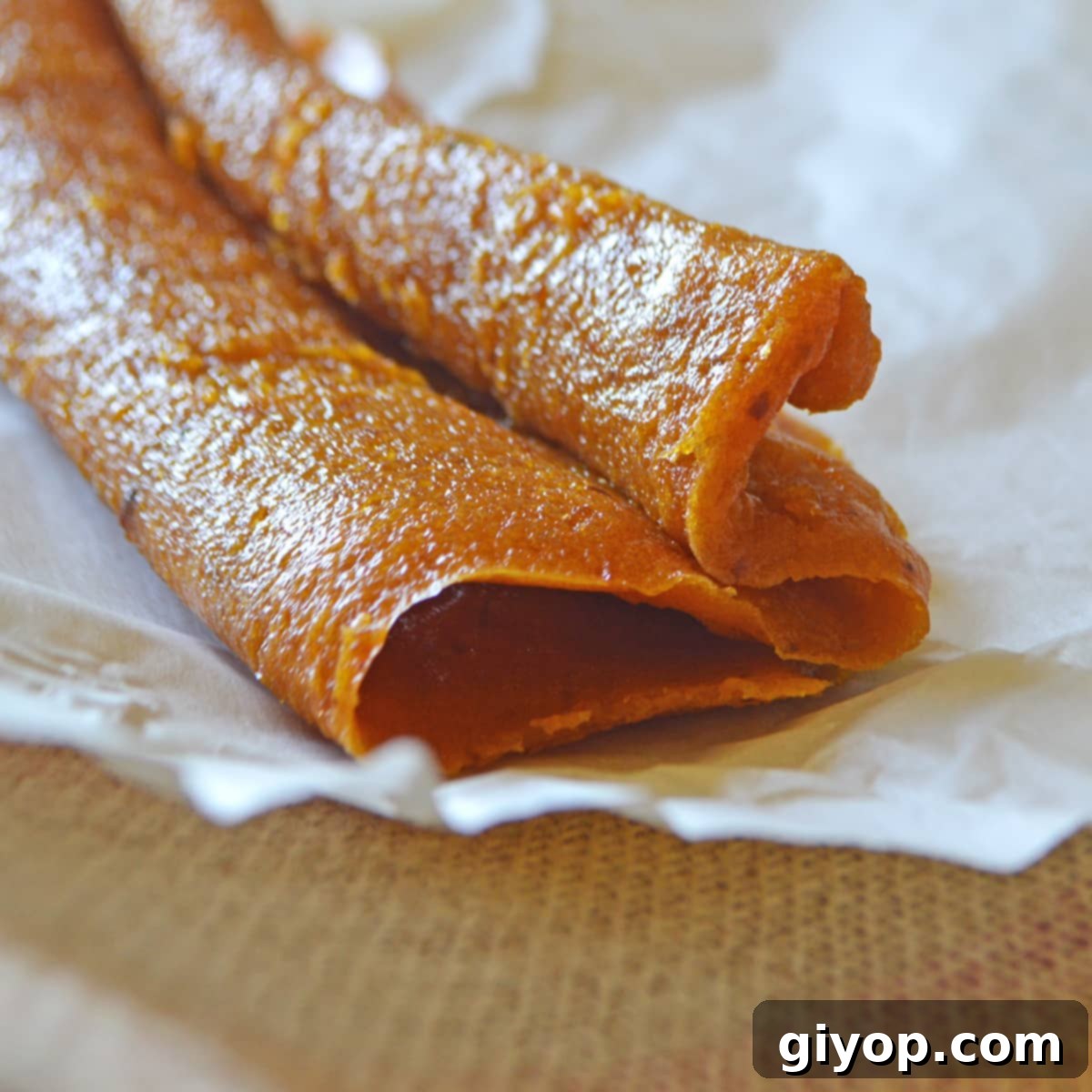
Homemade Apricot Paste: The Authentic Qamar Eddeen (Amardeen) Recipe
A delightful blend of sweet and subtly sour, with a uniquely sticky texture, Qamar Eddeen (also known as Amardeen) paste is a cherished Middle Eastern delicacy. Essentially a richer, more concentrated form of apricot paste, it’s a staple in many households, particularly during the holy month of Ramadan. This versatile paste can be enjoyed as a sweet snack, transformed into refreshing drinks, or cooked into decadent desserts. While readily available in stores, making Qamar Eddeen at home offers an unparalleled taste and satisfaction, free from artificial additives and tailored to your preference.
Embark on a culinary journey and discover the simple pleasure of crafting this traditional apricot paste from scratch. Forget the packaged versions; with readily available ingredients, you can create a truly authentic and wholesome treat that will transport your taste buds to the heart of the Middle East.
Dried apricot paste, or Amardeen, holds a significant place in Middle Eastern culture, especially as an iconic item during Ramadan. Traditionally bought in rolls or sheets, it’s often rehydrated and enjoyed as a cooling apricot juice or a comforting apricot pudding. But what if you could easily make this delicious staple in your own kitchen? This guide will show you how to prepare homemade Qamar Eddeen with simple ingredients found at any local grocery store, allowing you to enjoy its pure flavor and traditional charm any time you desire.
Why You’ll Love Making Homemade Apricot Paste
There are countless reasons to fall in love with making your own Qamar Eddeen. Beyond the delightful aroma that fills your kitchen, the benefits extend to taste, health, and even your wallet:
- **Economical & Accessible:** Crafting this paste at home is significantly more budget-friendly than purchasing commercial varieties. Dried apricots are often available year-round, making this a seasonal treat you can enjoy anytime.
- **Pure & Natural Goodness:** Say goodbye to artificial flavors, colors, and preservatives. Homemade apricot paste ensures you’re consuming only the wholesome goodness of apricots, water, sugar, and lemon juice. You control every ingredient, making it a healthier option for your family.
- **Year-Round Enjoyment:** Unlike recipes that rely on fresh apricots, this recipe utilizes dried apricots. This means you don’t have to wait for apricot season to make your favorite Qamar Eddeen; you can prepare it any day of the year.
- **Superior Flavor & Texture:** The taste of freshly made apricot paste is simply incomparable. It offers a brighter, more intense apricot flavor and a perfectly chewy-sticky texture that store-bought versions often lack.
- **A Touch of Nostalgia:** For many, Qamar Eddeen evokes fond memories of Ramadan, family gatherings, and childhood. As kids, we often snacked on pieces of the paste before it was even made into the famous drink. Making it yourself brings a heartwarming connection to tradition and culinary heritage.
- **Versatile Culinary Base:** This paste is not just a standalone treat. It serves as an excellent foundation for a variety of dishes, from refreshing beverages to comforting puddings and unique fruit leathers.
A Glimpse into the History and Culture of Qamar Eddeen
Qamar Eddeen, literally meaning “Moon of the Religion,” is deeply rooted in Middle Eastern history, particularly in Syria, where it is believed to have originated. Legend has it that the paste was named after a Syrian ruler whose beauty was compared to the moon, or perhaps due to its moon-like golden hue. For centuries, this sweet and tangy apricot delicacy has been a symbol of hospitality and tradition, especially revered during Ramadan. During this holy month, breaking the fast with Qamar Eddeen juice is a common ritual, providing instant energy and hydration after a long day of fasting.
The process of making Qamar Eddeen traditionally involved sun-drying apricot puree on large wooden boards. While modern methods often use ovens or dehydrators, the essence of preserving the vibrant flavor of apricots remains. This homemade recipe allows you to connect with that rich tradition and create a treat that has delighted generations.
Ingredients for Your Homemade Amardeen
Crafting this exquisite apricot paste requires just a few simple ingredients. The quality of these components, especially the apricots, will significantly impact the final flavor and texture.
The following are affiliate links. We are a participant in the Amazon Services LLC Associates Program, an affiliate advertising program designed to provide a means for us to earn fees by linking to Amazon.com and affiliated sites.
- Dried Apricots: The star ingredient! Most commercially available dried apricots are sulphured, which helps them retain their bright orange color and extends shelf life. However, you can also use unsulphured dried apricots, which are typically darker in color and have a more intense, sometimes tangier, flavor. Choose plump, soft apricots for the best results.
- Water: Simple tap water works perfectly. It’s essential for rehydrating the dried fruit and creating the smooth paste consistency.
- Sugar: Granulated sugar adds sweetness and helps in the preservation process. The amount can be adjusted to your taste and the natural sweetness of your apricots.
- Lemon Juice: A splash of fresh lemon juice brightens the apricot flavor, balances the sweetness, and acts as a natural preservative.
Step-by-Step Guide: Crafting Your Apricot Paste
Making homemade apricot paste is a straightforward process that yields incredibly rewarding results. Follow these detailed steps to create your perfect Qamar Eddeen.
- Preparation: Begin by lining a large baking sheet with parchment paper. This is crucial for easy removal of the dried paste. Preheat your oven to its lowest possible temperature, typically around 200°F (95°C). This low heat is ideal for slowly drying the paste without cooking it further.
- Chop Apricots: Take your dried apricots and chop them into small, manageable pieces. Smaller pieces will rehydrate and soften more quickly and blend into a smoother paste.
- Simmer the Mixture: In a heavy-bottomed saucepan, combine the chopped dried apricots, water, sugar, and lemon juice. Stir all the ingredients well to ensure they are evenly distributed. Place the saucepan over medium heat and bring the mixture to a gentle boil. Once boiling, reduce the heat to low, cover, and continue to simmer. Cook until the apricot pieces are incredibly tender and easily mashable, absorbing much of the liquid. This typically takes about 10-15 minutes, depending on the dryness of your apricots. Turn off the heat and allow the mixture to cool down completely.
- Blend to Perfection: Transfer the cooled apricot mixture to a blender or food processor. Blend thoroughly until you achieve a wonderfully smooth and spreadable paste. If the paste appears too thick or difficult to blend, add water one tablespoon at a time until the desired consistency is reached. Be careful not to add too much water, as this will prolong the drying time.
- Spread and Dry: Pour the apricot mixture onto the prepared parchment paper on your baking sheet. Using an offset spatula or the back of a spoon, spread the paste evenly across the paper, aiming for a thickness of approximately ¼ to ⅓ inch. An even thickness is key for uniform drying. Place the baking sheet into your preheated oven.
- Drying Process: Allow the paste to dry in the oven for 4-5 hours. The exact time will vary depending on your oven and the thickness of the paste. The goal is for the paste to be dry to the touch, no longer sticky or wet, but still pliable and a bit tacky. It should feel like a firm fruit leather. Once dried, remove from the oven and let it cool completely before handling.
Expert Tips for Perfect Qamar Eddeen
Achieving the ideal Qamar Eddeen is all about attention to detail. These expert tips will help you perfect your homemade apricot paste:
- Sweetness Adjustment for Apricots: If you opt for unsulphured dried apricots, they often have a more concentrated sweetness. Taste your apricots before adding sugar and adjust the amount in the recipe accordingly. Sulphured varieties tend to be less sugary and may require the full amount, or even a little more, depending on your preference.
- For Apricot Leather: To create a thinner, more snackable apricot leather, simply spread the paste even thinner on the parchment paper, aiming for about ⅛ inch thickness. This will also reduce the drying time.
- Even Spreading is Key: Ensure the paste is spread uniformly on the parchment paper. Uneven areas will dry at different rates, leading to some parts being too brittle and others still too soft.
- Monitor Oven Temperature: Keep your oven at its absolute lowest setting. If your oven doesn’t go below 200°F (95°C), you can slightly prop the oven door open with a wooden spoon to allow moisture to escape and prevent the paste from baking rather than drying.
- Check for Doneness: The paste is ready when it is firm, no longer sticky to the touch, but still flexible. It should peel off the parchment paper easily. If it crumbles, it’s over-dried; if it’s still very sticky, it needs more time.
- Cool Completely: Allow the dried paste to cool completely on the baking sheet before attempting to roll or cut it. This will help it firm up and prevent sticking.
Flavorful Variations to Explore
While the classic apricot paste is delicious on its own, you can easily introduce new dimensions of flavor to your homemade Qamar Eddeen:
- Floral Notes: Infuse your paste with delicate floral aromas by adding a teaspoon of orange blossom water or rosewater during the blending stage. These traditional Middle Eastern essences pair beautifully with apricots.
- Spiced Sensation: For a warmer profile, consider adding a pinch of ground cardamom, cinnamon, or even a tiny dash of ginger to the mixture before cooking. These spices complement the sweetness of the apricots wonderfully.
- Nutty Texture: Mix in finely chopped nuts like pistachios, almonds, or walnuts after blending but before drying for added texture and a rich flavor contrast.
Storing Your Delicious Apricot Paste
Proper storage ensures your homemade Qamar Eddeen remains fresh and delicious for an extended period.
- Refrigeration: Once your apricot paste has cooled and firmed up, roll it tightly in fresh parchment paper or plastic wrap. Store it in an airtight container in the refrigerator for up to 3 months.
- Freezing: For longer storage, you can freeze homemade apricot paste. Wrap it very tightly in parchment paper, then in plastic wrap, and finally place it in a freezer-safe bag or container. It will keep well in the freezer for up to 6 months. Thaw in the refrigerator before use.
- Room Temperature (Short Term): If stored in a cool, dry place away from direct sunlight, it can last for a week or two, but refrigeration is highly recommended for optimal freshness and longevity, especially given its natural ingredients.
Creative Ways to Enjoy Homemade Amardeen
Your freshly made apricot paste is incredibly versatile! Here are some delightful ways to enjoy it:
- **The Classic Drink:** A thirst-quenching and healthy beverage, homemade apricot juice (also known as Amardeen drink) is simple to prepare, especially with your homemade apricot paste. Just rehydrate, blend, and chill!
- **Creamy Apricot Pudding:** Another delicious way to use this apricot paste is to make a rich and comforting apricot pudding. This egg-free recipe is remarkably easy and offers a velvety texture.
- **Healthy Fruit Leather Snacks:** Cut the dried paste into strips or shapes for a natural, healthy fruit leather snack. Perfect for lunchboxes or an energy boost.
- **Dessert Filling:** Use the paste as a sweet and tangy filling for pastries, tarts, or even thumbprint cookies.
- **Energy Bites:** Combine small pieces of apricot paste with nuts, seeds, and a touch of honey or maple syrup for delicious and nutritious energy bites.
- **Cheese Board Addition:** Serve thin slices of apricot paste alongside your favorite cheeses and crackers for an elegant appetizer.
- **Middle Eastern Sweets:** Explore other traditional Middle Eastern desserts like Kunafa, a delightful dish made with golden shredded phyllo dough, a creamy filling, and sweet syrup, often served during special occasions. While not directly using apricot paste, it represents the rich dessert culture that Qamar Eddeen belongs to.
- **Unique Candied Fruits:** For something different, try Tanghulu Recipe, a traditional Chinese snack of fresh fruits dipped in thick, quickly cooled syrup. You could even experiment with small apricot paste pieces.

Apricot Paste (Amardeen)
Qamar el deen or apricot paste is an iconic product that is related to the holy month of Ramadan. Turn it into a drink, pudding or enjoy it as is like apricot fruit leather.
Course: Candy
Cuisine: Middle East
Diet: Halal, Vegan
Prep Time: 5 minutes
Cook Time: 15 minutes
Drying Time: 4 hours
Servings: 1 pound
Calories: 1550 kcal
Author: Amira
Ingredients
- 1 pound dried apricot
- 1 ¼ cups water
- ¼ – ⅓ cup sugar or to your liking
- 1 teaspoon lemon juice
Instructions
- Line a large baking sheet with parchment paper and preheat your oven to the lowest possible temperature, usually 200F.
- Chop apricots into small pieces.
- In a heavy saucepan over medium heat add the dried apricot, water, sugar and lemon juice, stir well to combine. Bring the mixture to boil then reduce heat and continue to cook until the pieces are very tender. Turn heat off and let it cool down.
- Transfer apricot mixture to a blender and blend well until you get a spreadable paste. If you feel it is too thick add 1 Tbs of water at a time and blend.
- Spread the mixture on the parchment paper evenly, about ¼ to ⅓ inch thick. Bake in the oven for 4-5 hours until dry but still a bit sticky to the touch.
Notes
- If you use the unsulphured dry apricots, check out their sweetness and adjust the sugar in the recipe accordingly. Usually the sulphured varieties are less sugary.
- Spread the paste thinner to make apricot leather.
- Variations: You can add orange blossom water or rosewater while making the paste to change the flavor.
Nutrition Information
Calories: 1550kcal | Carbohydrates: 402g | Protein: 15g | Fat: 3g | Saturated Fat: 1g | Polyunsaturated Fat: 1g | Monounsaturated Fat: 1g | Sodium: 62mg | Potassium: 5269mg | Fiber: 33g | Sugar: 360g | Vitamin A: 16348IU | Vitamin C: 6mg | Calcium: 260mg | Iron: 12mg
Making your own Qamar Eddeen is more than just a recipe; it’s an experience that brings a piece of rich culinary tradition into your home. The sweet and tangy flavor of homemade apricot paste is a delightful treat, whether enjoyed on its own, as a refreshing drink, or in a comforting pudding.
We hope you thoroughly enjoy creating this authentic apricot paste. If you make this recipe, please snap a pic and hashtag it #amiraspantry — we’d love to see your creations on Instagram, Facebook, and Twitter!
Don’t want to miss a recipe? Sign up for the FREE Amira’s Pantry newsletter delivered to your inbox with lots of tips and surprises! And stay in touch with me on Facebook, Twitter, Pinterest, and Instagram for all the latest updates.
If you enjoy this recipe, please consider leaving a star rating and attaching a photo of your finished dish. It’s always a pleasure to see your photos and how you’ve made the recipe your own. Thank you for being a part of our culinary community!