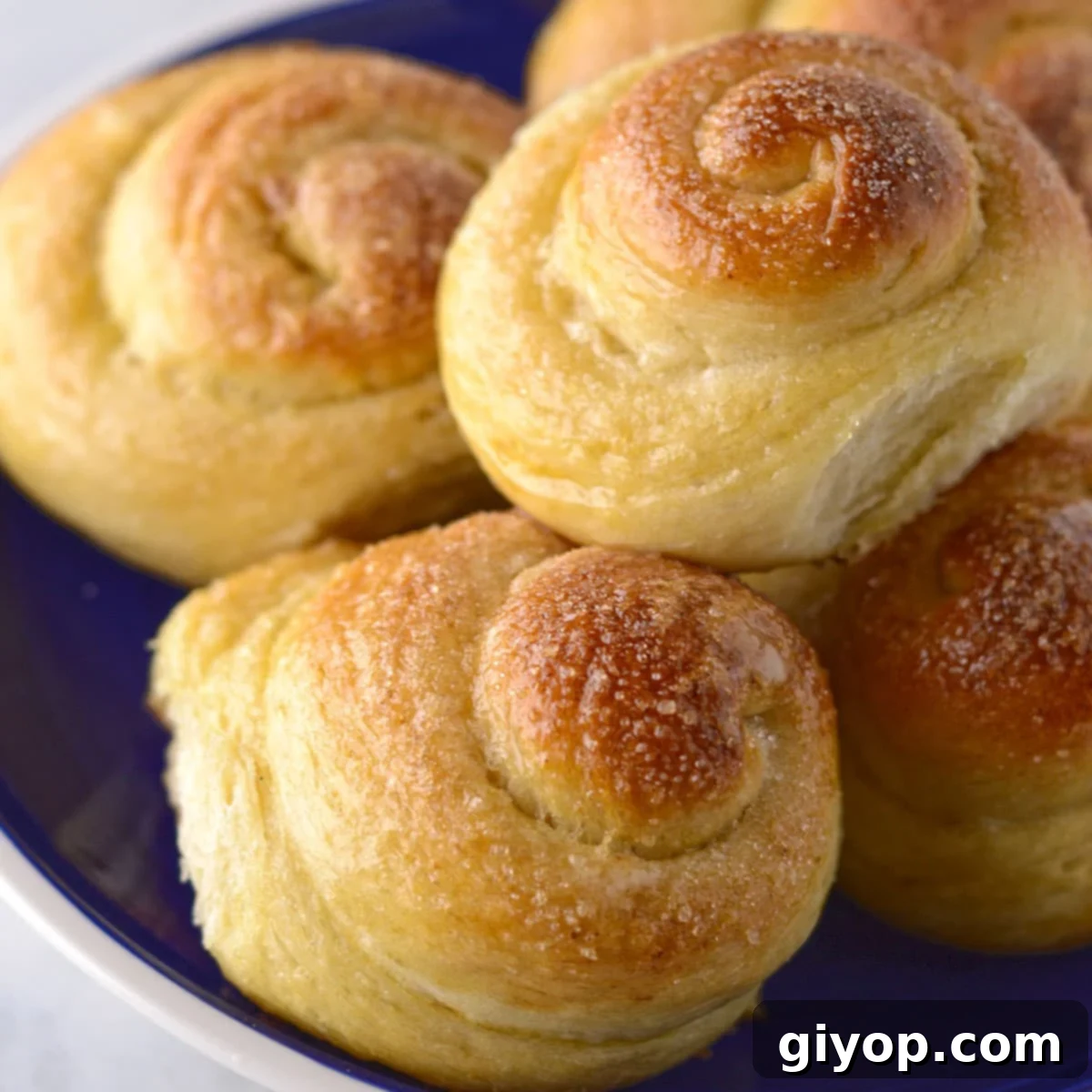
Step into a world of comfort and flavor with these irresistible Egyptian sweet bread rolls, affectionately known as “Shoreek.” Soft, incredibly fluffy, and boasting a delicate sweetness, these rolls are surprisingly simple to master, even for novice bakers. For many, Shoreek evokes cherished childhood memories, often enjoyed with a warm cup of milk, making it more than just a treat – it’s a taste of nostalgia.
These delightful sweet rolls, often glistening with a sprinkle of sugar, are utterly addictive. Each bite reveals an airy, cloud-like interior perfectly contrasted by a golden, subtly sweet crust. Shoreek holds a special place in Egyptian culinary tradition, a signature pastry found in nearly every bakery across the country, much like the iconic Feteer Meshaltet. It’s a testament to the rich heritage of Middle Eastern baking, offering a simple yet profoundly satisfying experience.
Why You’ll Love This Recipe
If you’ve been searching for that perfect homemade bread recipe that combines ease with incredible flavor, look no further. These Egyptian sweet bread rolls offer numerous reasons to become your new baking obsession:
- Charming & Versatile: Their cute, spiral shape makes them a captivating addition to any brunch spread, a delightful snack, or a thoughtful bread basket gift. They fit effortlessly into various meal occasions, from a comforting breakfast to an elegant tea-time treat.
- Beginner-Friendly Dough: The dough for Shoreek is remarkably forgiving and easy to handle, making it an excellent project for those new to bread making. You don’t need to be an expert to achieve beautifully soft and airy results. The simple steps and straightforward ingredients ensure a rewarding baking experience every time.
- Time-Tested Tradition: This isn’t just any recipe; it’s a “grandma’s recipe.” This signifies a lineage of perfection, a recipe refined and approved by generations. Such recipes carry with them the warmth of home and the reliability of proven methods, guaranteeing deliciousness that stands the test of time.
Shoreek is more than just a sweet bread roll; it’s a culinary journey that promises to enchant your palate. For many, it holds a special place in their hearts, intertwined with sweet memories. I vividly recall the comforting ritual of eating these rolls with a warm cup of milk on chilly winter evenings, or as a quick, energizing breakfast before a long day of school. They provided the sustenance needed to tackle endless homework, becoming a symbol of resilience and warmth during those formative years. Every glimpse of Shoreek instantly transports me back to those nostalgic school days, reminding me of simple pleasures and enduring traditions.
This recipe is a true gift for any bread roll enthusiast. Its inherent deliciousness serves as a fantastic base for endless customization. Imagine infusing your rolls with fragrant cinnamon, juicy raisins, or decadent chocolate chips. While these bread rolls are phenomenal on their own, pairing them with a dollop of cinnamon butter or a drizzle of golden honey butter elevates them to an entirely new level of indulgence. The possibilities are boundless, allowing you to tailor this classic treat to your unique preferences and culinary creativity. You can even experiment with various glazes, nut toppings, or citrus zests to add another dimension of flavor and visual appeal, transforming a simple roll into a gourmet delight.
Essential Ingredients for Shoreek
Crafting these delectable sweet bread rolls requires a harmonious blend of common pantry staples. The beauty of this recipe lies in its simplicity, relying on fundamental ingredients to create something truly extraordinary. Below is an overview of what you’ll need; precise measurements are provided in the printable recipe card at the bottom of this page.
- All-purpose flour: The foundational element, providing structure to the rolls.
- Granulated sugar: Adds sweetness to the dough and contributes to a beautiful golden crust.
- Butter or oil: Imparts tenderness and richness, keeping the rolls moist and soft.
- Milk: Enhances flavor and moisture, creating a softer crumb compared to water.
- Baking powder, yeast, a dash of salt: The leavening agents that give Shoreek its characteristic rise and airy texture, balanced by salt to enhance all flavors.
- Eggs: Contribute to richness, color, and helps bind the dough, adding to its luxurious texture.
- Vanilla extract: A touch of vanilla elevates the sweet notes and adds a comforting aroma.
Each ingredient plays a vital role in achieving the signature taste and texture of Egyptian Shoreek. Ensuring you have fresh, high-quality ingredients will make a noticeable difference in your final product.
Step-by-Step Baking Guide
Preparing these sweet bread rolls is a satisfying process that yields incredibly delicious results. While the full, detailed instructions are available in the recipe card below, here’s a comprehensive overview to guide you through each stage, ensuring a smooth and enjoyable baking journey.
- Combine Dry Ingredients: Begin by thoroughly mixing the flour, granulated sugar, salt, baking powder, and yeast in a large mixing bowl. Ensure all dry components are evenly distributed, creating a consistent base for your dough. This step is crucial for even leavening and flavor.
- Incorporate Wet Ingredients: In a separate small bowl, gently whisk the eggs with the vanilla extract until just combined. Pour this egg mixture over the dry ingredients in your main bowl. Then, add the oil or melted butter.
- Form the Dough: Gradually introduce the warm milk to the mixture while kneading. Whether you’re using a stand mixer with a hook attachment or kneading by hand, continue until a soft, pliable, and consistent dough forms. It should be elastic and not overly sticky. This stage is key to developing the gluten, which gives the rolls their signature chewiness and structure.
- First Rise: Transfer the kneaded dough to a lightly oiled bowl, turning it once to coat. Cover the bowl tightly with plastic wrap to prevent drying and let it rise in a warm spot until it has doubled in size. This initial rise typically takes 1 to 1.5 hours, though it can vary with room temperature and yeast activity. Some traditional methods call for multiple, longer rises with “punching down” in between, which can lead to an even more complex flavor and texture. Feel free to experiment with longer fermentation times if your schedule allows, but for a quicker bake, the shorter rise is perfectly acceptable.
- Divide and Shape: Once risen, gently punch down the dough to release the air. Transfer it to a clean, lightly floured surface. Divide the dough into 12 equal parts (approximately 85g each). For best results and even baking, consider using a kitchen scale for precise division. Keep any portions you’re not actively working with covered to prevent them from drying out.
- Roll and Form Spirals: Take each dough portion and roll it into a long rope, about 40 cm (16 inches) in length. This long strand is then carefully shaped into a charming spiral. Once the spiral is formed, tuck the end neatly underneath the roll to secure its shape. This iconic spiral not only looks beautiful but also contributes to the soft, airy texture of the final product.
- Second Rise and Bake: Arrange the shaped rolls on baking sheets lined with parchment paper, leaving enough space between them for expansion. Cover them again and allow them to undergo a second rise for 30 to 45 minutes. During the latter part of this rise, preheat your oven to 350°F (175°C). Prepare an egg wash by whisking one large egg with a tablespoon of water or milk, and an optional dash of vanilla extract. Brush each roll generously with the egg wash and then sprinkle them with granulated sugar, or cinnamon sugar for an added layer of flavor. Bake the rolls in the preheated oven for 10 minutes on the middle rack, then move them to the upper third of the oven for another 8-10 minutes, or until they turn a glorious golden brown. This two-stage baking ensures even cooking and a beautiful crust.
- Cool and Serve: Once baked, carefully remove the rolls from the oven. Use the parchment paper overhang to lift them onto a cooling rack. Allowing them to cool slightly on the rack prevents them from becoming soggy on the bottom and helps them maintain their perfect texture. These rolls are best enjoyed warm, ideally with a comforting beverage or your favorite spread.
Amira’s Expert Tips for Perfect Shoreek
Achieving bakery-quality Shoreek at home is entirely within reach, especially with these tried-and-true tips:
- Embrace Patience for Rising: While this recipe is fundamentally easy, its true secret lies in time. The more patiently you allow the dough to rise – especially through a longer, slower fermentation – the more complex the flavor will develop, and the softer and airier your bread rolls will be. Think of it as allowing the yeast to fully work its magic.
- Butter vs. Oil – Your Choice: You have the flexibility to use either all melted butter for a richer, more decadent flavor, or a combination of half butter and half oil for a slightly lighter texture that still offers great taste. Traditionally, Egyptian Shoreek often uses vegetable oil, which results in a wonderfully soft and moist roll with a more neutral flavor profile. If using butter, ensure it’s fully melted before incorporating.
- The Importance of Warm Milk: Yeast is a living organism, and it thrives in warmth. Aim for milk warmed to around 105-115°F (40-46°C). You can easily achieve this by warming it in the microwave in short bursts, checking with a thermometer, or simply testing with a clean finger – it should feel comfortably warm, not hot. Too hot will kill the yeast; too cold will inhibit its activity.
- Mastering the Rise: My traditional method involves letting the dough rise for at least 4 hours, punching it down every hour, then recovering and repeating. This slow fermentation develops profound flavors. However, for a quicker option, a 1-hour to 1.5-hour initial rise followed by a second 30-45 minute rise (as detailed in the recipe card) still yields excellent results. The “punching down” step redistributes yeast, sugars, and warmth, encouraging a more even rise and finer crumb.
- Even Division for Even Baking: To ensure all your Shoreek rolls bake consistently and look uniform, try to divide the dough into equal parts. Eyeballing can work, but for precision, a kitchen scale is your best friend. Consistency in size means consistent baking times and beautifully presented rolls.
- Keep Dough Covered: When you’re actively shaping one portion of dough, make sure to keep the remaining balls covered with plastic wrap or a clean kitchen towel. This prevents them from drying out, which can lead to a tough crust and difficult handling.
- Egg Substitutes for Baking: Don’t fret if you’re out of eggs! There are several easy vegan egg substitutes for baking that you likely already have on hand. Options include a “flax egg” (1 tbsp ground flaxseed + 3 tbsp water), mashed banana, applesauce, or commercial egg replacers. These can often be used successfully in yeast doughs to maintain moisture and bind ingredients.
Storage Solutions
To keep your freshly baked Shoreek soft and delightful, allow them to cool completely on a wire rack before storing. Once cooled, place the bread rolls in an airtight container or a clean bread bag. They will remain fresh and delicious at room temperature for up to 2 days. For longer preservation, these rolls freeze beautifully. Simply place them in a freezer-safe bag or container and freeze for up to 2-3 months. When ready to enjoy, thaw them at room temperature and reheat gently in a microwave or oven for that fresh-baked taste.
Serving Suggestions
Egyptian sweet bread rolls are incredibly versatile and can be enjoyed in numerous ways. They are traditionally served warm alongside a soothing cup of milk, tea, or coffee, making for a perfect breakfast or an afternoon snack. My children, in particular, adore them with a simple mixture of room-temperature butter and honey – a combination that truly enhances their inherent sweetness and softness. Beyond these classics, consider pairing them with your favorite fruit jam, a spread of cream cheese, or even a light drizzle of chocolate sauce for an extra treat. For a more savory twist, though unconventional, some enjoy them lightly toasted with a thin slice of cheese or a hint of tahini paste, offering a delightful contrast of flavors.
Related Bread & Breakfast Recipes
If you’ve fallen in love with the art of bread making and are eager to explore more delightful recipes, Amira’s Pantry offers a treasure trove of culinary inspiration:
- Healthy Banana Applesauce Muffins: Add a touch of fruit and wholesome goodness to your muffin repertoire with these tasty banana applesauce muffins. They are incredibly moist and delicious, making them a perfect sweet yet healthy breakfast treat.
- Easy Unleavened Flatbread: Discover the simplicity of unleavened bread, a recipe that requires no special ingredients or equipment. All you need are flour, water, olive oil, and salt to create a rustic and versatile bread.
- Nostalgic Egyptian Mahlab Bread: Relive childhood memories with Egyptian Mahlab Bread, one of the most famous Egyptian breads from my youth. Sadly, it’s a rare find today, making this homemade recipe even more precious.
- Quick Skillet Flatbread: For the easiest flatbread you’ll ever make, try this skillet flatbread. It’s perfect for your next Egyptian breakfast or as a quick side for any meal.
- Decadent Brioche French Toast Casserole: When you’re in the mood for something sweet, warm, and utterly buttery, there’s nothing better than this Brioche French Toast Casserole. It requires only 15 minutes of prep time and promises to be a true taste bud delight.
More Breakfast Delights
Expand your breakfast horizons with these additional recipes from Amira’s Pantry:
- Buttery Rhubarb Scones: Enjoy flaky, buttery scones with a delightful tangy-sweet flavor. These rhubarb scones are an easy homemade treat, perfect for a quick breakfast or afternoon snack.
- Homemade Pumpkin Jam: Add a sweet and autumnal twist to your breakfast with this special pumpkin jam, made with fresh pumpkins. It’s excellent for your morning toast or as a spread on pancakes.
- Healthy Banana Milk Recipe: For a healthy breakfast that takes only 3 minutes to prepare, try this delicious Banana Milk recipe. It blends ripe bananas with your favorite milk and a splash of vanilla for a quick and nutritious start to your day.
- Moroccan Spongy Semolina Pancakes (Baghrir): Impress your guests with Baghrir, the unique Moroccan-style pancakes known for their distinctive spongy texture and numerous tiny holes. Served with honey and butter, they are truly special.
- Crusty and Fluffy Kaiser Rolls: Bake up perfect crusty and fluffy Kaiser Rolls with this easy recipe. These homemade bread rolls are ideal for any meal, from sandwiches to dipping in soup.
I genuinely hope you cherish this recipe as much as I do. If you decide to make these delightful Shoreek rolls, please share your culinary creations! Snap a pic and hashtag it #amiraspantry – I absolutely love seeing your dishes on Instagram, Facebook, and Twitter!
If this recipe brings joy to your kitchen, please don’t forget to give it a ⭐⭐⭐⭐⭐ star rating and attach a photo of your finished dish. It is always a pleasure for me to see your culinary endeavors and discover your unique interpretations of the recipe. Thank you for being a part of the Amira’s Pantry community.
What’s new? Be sure to check out Amira’s Pantry Store on Amazon, where you’ll discover all sorts of nostalgic goodness! Thank you so much for being an integral part of Amira’s Pantry!

Sweet Bread Rolls (Egyptian Shoreek)
These sweet bread rolls are the perfect sweet treat to complement your morning coffee, a delicious after-school snack with a cup of milk, and excellent for brunch, especially during the holidays. Their soft, airy texture and delicate sweetness make them an instant favorite for any occasion.
Print Recipe
Ingredients
- 4 cups (500g) all-purpose flour
- ½ cup (100g) granulated sugar, plus more to sprinkle
- 1 teaspoon (5g) baking powder
- 1 Tablespoon (10g) dry instant yeast
- ½ teaspoon salt
- 1 large egg
- ½ teaspoon vanilla extract
- ¼ cup (60ml) oil, or melted butter
- 1 cup (250ml) warm milk
Egg wash for brushing:
- 1 large egg
- 1 Tablespoon water or milk
- ⅛ teaspoon vanilla extract (Optional)
Or Use about two tablespoons milk mixed with ¼ teaspoon vanilla extract for brushing.
Instructions
- In a deep bowl, or the bowl of your stand mixer fitted with a hook attachment, combine dry ingredients (flour, sugar, salt, baking powder, and yeast) well.
- In a small bowl, lightly beat the egg with vanilla extract.
- Turn the mixer on (if using) and pour oil and egg mixture over the dry ingredients while mixing.
- Gradually mix in the warm milk until you achieve a dough that is soft, pliable, and consistent but not too sticky.
- Place dough in a lightly oiled bowl. Cover tightly and let it rise for 1 to 1 ½ hours or until doubled in size.
- Line two baking sheets with parchment paper, allowing for an overhang, and set aside.
- Take the dough out onto a clean, lightly floured surface. Divide it into 12 equal parts (approximately 85g each) and roll each part into a smooth ball.
- Shape each ball into a rope about 40cm (16 inches) long, then carefully form it into a spiral, tucking the end securely underneath.
- Place the shaped rolls on the prepared baking sheets, ensuring adequate spacing. Cover and let them rise again for 30 to 45 minutes for the second proof.
- Partway through the second rising time, preheat your oven to 350°F (175°C). In a small bowl, mix the egg wash ingredients thoroughly.
- Gently brush the risen rolls with the egg wash (or milk/vanilla mixture) and generously sprinkle with granulated sugar.
- Bake for 10 minutes on the middle rack of your oven, then move the baking sheets to the upper third and continue baking for another 8-10 minutes until the rolls are beautifully golden brown.
- Once baked, remove them from the oven. Use the parchment paper overhang to carefully lift the rolls onto a cooling rack.
- Serve warm, perhaps with butter, honey, or your favorite jam for an exquisite treat.
Notes
- After feedback regarding the rising time, I’ve managed to shorten the recommended primary rise to 1 – 1 ½ hours for convenience. However, if you have ample time, by all means, follow the traditional method of allowing the dough to rise for two 2-hour intervals, with a gentle punch-down in between, before shaping and rolling. This longer fermentation can deepen the flavor profile.
- When you are shaping the rolls, it is crucial to keep the other portions of dough covered with plastic wrap. This prevents them from drying out, which can make them difficult to work with and lead to a less tender final product.
- Make-ahead: For convenience, you can prepare the dough, cover it tightly, and refrigerate it overnight or for up to 24 hours. When you’re ready to bake, take the dough out 30-45 minutes beforehand to allow it to come to room temperature before rolling and shaping.
- For optimal baking results, it is best to use a light-colored metal baking pan. If you are using dark metal pans, consider decreasing the oven temperature slightly to 325°F (160°C) to prevent over-browning.
- If you choose to use a glass baking sheet, you might find it necessary to increase the total baking time by 3-5 minutes, as glass conducts heat differently.
- Sugar Content: I do not recommend increasing the amount of sugar within the dough itself. Adding too much sugar can make the dough excessively sticky and alter its texture significantly. For every 15g of additional sugar, I found it necessary to add approximately ¼ cup of extra flour to compensate.
- If you desire a sweeter bread, rather than adding more sugar to the dough, try mixing in some raisins or chocolate chips before baking. Another popular method is to brush the rolls with a light sugar syrup while they are still hot, immediately after removing them from the oven. This creates a delicious, shiny glaze.
- Using Butter: If you opt for melted butter instead of oil, you might need to dust the dough with an extra tablespoon or two of flour during kneading or shaping, as butter can sometimes make the dough a bit softer.
- Using Water: While milk provides richness, you can substitute water for milk. The bread will still be fluffy, but it will lose some of its distinctive richness and tender crumb.
- Excited to try another sweet bread recipe? How about this classic Irish Soda Bread with Raisins recipe—it’s simple, hearty, and perfect with a smear of butter.
Nutrition
First published January 2014. Last updated February 21, 2023, with important tips, clear step-by-step instructions, and enhanced readability.