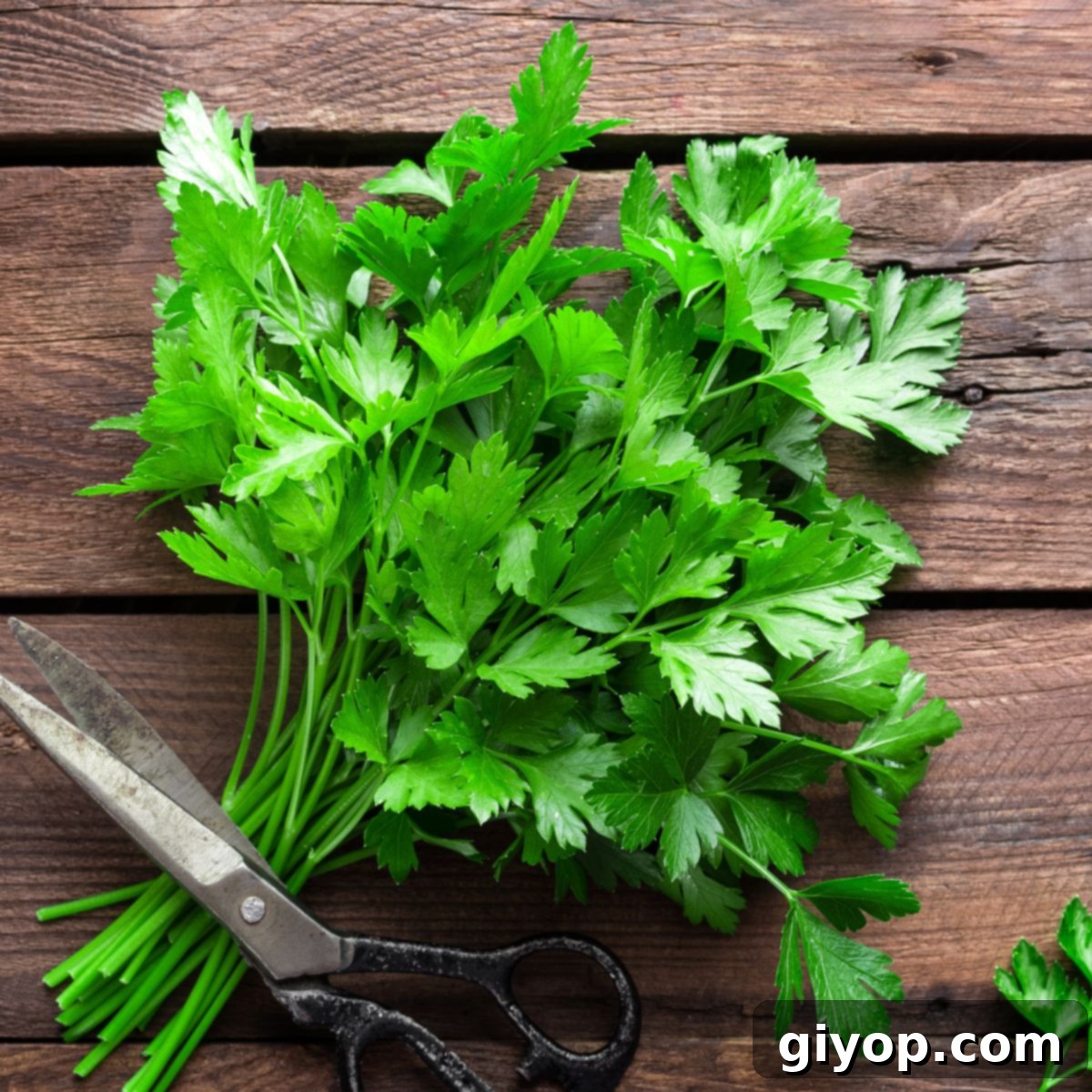
Have you ever found yourself bringing home a vibrant bunch of parsley from the grocery store or harvesting it fresh from your garden, only to wonder how to keep it fresh and flavorful for as long as possible? It’s a common culinary dilemma, but one that’s easy to solve. Minimizing food waste is a priority in any kitchen, and proper storage of delicate herbs like parsley is a fantastic way to achieve this. This comprehensive guide will equip you with the best techniques for storing parsley, ensuring you always have a fresh supply ready to elevate your dishes.
Why Fresh Parsley is an Essential Herb in Your Kitchen
Fresh parsley is more than just a garnish; it’s a cornerstone ingredient that can profoundly impact the flavor and aroma of countless recipes. Its bright, peppery, and slightly earthy notes can awaken a dish, adding a layer of freshness that dried herbs simply cannot replicate. Beyond its incredible taste, parsley also brings a wealth of nutritional benefits to your plate, being rich in vitamins K, C, and A, as well as powerful antioxidants. It’s a versatile herb that complements everything from hearty stews and vibrant salads to delicate seafood and robust meat dishes, making it indispensable for home cooks.
- Flavor Enhancer: Fresh parsley infuses your cooking with a clean, vibrant, and slightly peppery taste, instantly brightening up any meal.
- Visual Appeal: Its rich green leaves offer a beautiful pop of color, making it an ideal garnish to finish a dish with elegance.
- Nutritional Powerhouse: Packed with essential vitamins and antioxidants, parsley is not just delicious but also a healthy addition to your diet.
- Culinary Versatility: From Mediterranean and Middle Eastern cuisines to classic European dishes, parsley finds its way into a vast array of global recipes.
- Easy to Grow: Many home cooks find joy in growing their own parsley, ensuring a constant supply of this delightful herb right outside their door.
Understanding the Difference: Flat-Leaf vs. Curly Parsley
While both types of parsley are botanically related and share some common characteristics, they differ significantly in appearance, flavor, and culinary application. The two primary varieties you’ll encounter are flat-leaf parsley, often referred to as Italian parsley, and curly-leaf parsley. Knowing the distinctions between them can help you choose the best type for your specific cooking needs.
Flat-leaf parsley boasts broad, flat leaves that resemble cilantro at first glance, though their taste is distinctly different. This variety is celebrated for its robust, more pronounced flavor, which is often described as peppery and herbaceous. Its sturdy texture makes it ideal for chopping and incorporating directly into cooked dishes, sauces, and dressings, where its flavor can truly shine without wilting away. For many chefs and home cooks, flat-leaf parsley is the preferred choice due to its stronger flavor profile and ease of preparation.
Curly-leaf parsley, on the other hand, is recognized by its tightly curled, ruffled leaves. Its flavor is generally milder and less intense than its flat-leaf counterpart. Historically, curly parsley has been a popular choice for garnishing due to its attractive, intricate appearance that adds texture and visual appeal to plates. While it can certainly be used in cooking, its milder flavor means you might need to use more of it to achieve the same impact, and its tightly packed leaves can be a bit more challenging to chop finely.
I personally gravitate towards flat-leaf parsley for most of my cooking because I appreciate its more assertive flavor that stands up well to other ingredients. However, both types are excellent for enhancing recipes and adding that essential touch of freshness. Your choice often comes down to the desired flavor intensity and aesthetic you’re aiming for in your dish.
Mastering Parsley Storage: Keeping it Fresh for Longer
The key to enjoying fresh parsley is effective storage, which helps to preserve its vibrant color, crisp texture, and potent flavor. Parsley is a delicate herb that can quickly wilt or spoil if not stored correctly. Fortunately, there are several proven methods to extend its freshness, ranging from short-term solutions to techniques that can keep your parsley viable for weeks. The goal is always to keep the herb hydrated and protected from excessive moisture and air exposure. Here are my top tips for storing parsley, ensuring it’s always ready when inspiration strikes in the kitchen.
- The “Bouquet” Method (Best for Long-Term Freshness): This method is by far the most effective for keeping parsley fresh for an extended period, often up to a month. Treat your parsley just like you would a fresh bouquet of flowers. Begin by gently trimming about an inch off the bottom of the parsley stems. This opens up the capillaries, allowing the herb to absorb water more efficiently. Next, fill a tall glass or a large mason jar with about an inch of fresh, cool water. Place the trimmed parsley stems directly into the water, ensuring the leaves remain above the waterline. Cover the top of the jar and the parsley loosely with a plastic bag – a Ziploc bag or a produce bag works perfectly. This creates a miniature greenhouse effect, trapping humidity around the leaves. Place the entire setup in your refrigerator. Remember to change the water every couple of days to prevent bacterial growth and keep the parsley well-hydrated. Regularly inspect the leaves for any signs of mold or sliminess; remove any affected sprigs immediately to prevent spoilage from spreading.
- The Damp Paper Towel Method (Ideal for Medium-Term Storage): For those who plan to use their parsley within a few days to a week, the damp paper towel method is a reliable choice. First, ensure your parsley is dry. If you’ve just washed it, use a salad spinner or gently pat it with paper towels to remove excess moisture. Then, slightly dampen a few sheets of paper towel – they should be moist, not soaking wet. Wrap the parsley sprigs loosely in the damp paper towels. The slight moisture from the towels provides the necessary hydration without encouraging rot. Place the wrapped parsley into an airtight container or a sealed plastic bag, such as a Ziploc. Press out as much air as possible before sealing the bag to minimize oxidation. Storing this in the crisper drawer of your refrigerator, which is designed to maintain optimal humidity, will help it stay fresh for approximately four to seven days.
- My Mom’s Layering Technique (A Trusted Family Favorite): This method offers a fantastic balance of convenience and effectiveness, often preserving parsley for one to two weeks. The crucial first step is thorough cleaning and drying. My mom always washes her parsley meticulously under cool running water and then uses a salad spinner or a clean kitchen towel to remove as much moisture as possible. Excess water is the enemy of fresh herbs, leading to rapid spoilage. Once dried, she uses kitchen shears to snip the parsley into manageable pieces or leaves. She then layers these pieces in a single layer within an airtight container, separating each layer with a clean kitchen towel. These towels are essential as they absorb any residual moisture, preventing the parsley from becoming soggy or developing mold. This layering technique, combined with the absorbency of the towels and the controlled environment of an airtight container in the fridge, ensures a supply of fresh, ready-to-use parsley for a significant period.
Regardless of the method you choose, always start with fresh, healthy-looking parsley. Avoid sprigs that are already yellowing, wilting, or showing signs of damage, as these will not store well. Proper care can significantly extend the life of your parsley, allowing you to enjoy its fresh taste in your cooking for longer.
Preserving Parsley for the Long Haul: Freezing Techniques
Freezing is an excellent option for long-term parsley preservation, allowing you to enjoy its flavor months after purchase or harvest. While frozen parsley won’t have the same crisp texture as fresh, it retains much of its flavor, making it perfect for cooked dishes, sauces, soups, and stews. This method is particularly useful when you have an abundance of parsley and want to prevent any waste. There are a couple of popular ways to freeze parsley effectively.
The most popular and convenient method involves chopping the parsley and freezing it in oil. Start by thoroughly washing and drying your parsley. It’s crucial to remove as much moisture as possible to prevent ice crystals from forming, which can degrade the herb’s quality. Finely chop the parsley using a sharp knife or food processor. Then, transfer the chopped parsley into a clean ice cube tray. Fill each compartment about two-thirds full with the chopped herb. Next, pour a neutral-flavored oil, such as olive oil or a light vegetable oil, over the parsley until it’s fully covered. The oil acts as a protective layer, sealing in the flavor and preventing freezer burn. Once the ice cube tray is full, place it in the freezer until the cubes are solid, typically a few hours or overnight. Once frozen, pop the parsley-oil cubes out of the tray and transfer them to a freezer-safe bag or airtight container. This prevents the cubes from absorbing freezer odors and maximizes their shelf life, which can be up to 6 months to a year. When you’re ready to cook, simply drop a frozen cube directly into your hot pan or pot; the oil will melt, releasing the fragrant parsley into your dish.
An alternative freezing method is to chop the parsley and freeze it without oil, although this is often better for shorter-term freezing or specific applications. After washing and thoroughly drying, finely chop the parsley. Spread the chopped parsley in a single layer on a baking sheet lined with parchment paper. Flash freeze it for about 30 minutes to an hour until individual pieces are frozen. This prevents them from clumping together. Once flash-frozen, transfer the parsley to a freezer-safe bag, pressing out as much air as possible, or an airtight container. While this method is oil-free, the parsley might be more susceptible to freezer burn over longer periods, and the texture might degrade slightly more. Frozen parsley is fantastic for enriching pasta sauces, adding depth to a slow-cooked ragu, or enlivening a simple soup. It’s important to note that frozen parsley is generally best used in cooked applications rather than as a fresh garnish, as the freezing process alters its texture.
Delicious Recipes Featuring Fresh Parsley
Fresh parsley is a culinary chameleon, enhancing both savory and sometimes even sweet dishes with its distinctive flavor. Its bright, clean taste makes it a perfect complement to a wide range of ingredients and cuisines. Here are some fantastic recipes where fresh parsley truly shines, demonstrating its versatility and ability to elevate simple meals into memorable culinary experiences:
- These Sausage and Cauliflower Patties are wonderfully savory and benefit immensely from the addition of fresh parsley, which cuts through the richness and adds a burst of herbaceous brightness.
- Stuffed Grape Leaves (Dolmades) are a quintessential Mediterranean dish, where generous amounts of fresh parsley are mixed into the rice and herb filling, providing an aromatic foundation and vibrant flavor.
- This Breakfast Frittata gets a delightful lift from fresh parsley, infusing the eggs with a fresh, earthy aroma and enhancing the overall flavor profile, making it a perfect start to any day.
- Stuffed Zucchini in Yogurt Sauce is a comforting and healthy meal that relies on fresh parsley to bring out the subtle flavors of the zucchini and complement the creamy yogurt sauce, making it a guaranteed crowd-pleaser.
- Consider classic Middle Eastern tabbouleh salad, where parsley is not just an ingredient but the star, providing the bulk and main flavor profile.
- Pesto is another excellent way to utilize an abundance of parsley; a parsley pesto offers a fresh twist on the traditional basil version.
- Sprinkle finely chopped fresh parsley over roasted vegetables or grilled fish for a simple yet impactful finish.
By implementing these storage tips, you can significantly extend the freshness of your parsley, ensuring you always have this delightful herb on hand. This not only minimizes food waste but also ensures your family can enjoy the bright, refreshing flavor of fresh parsley in their meals for the next 7-10 days, or even longer if frozen or dried.
Expand Your Culinary Skills with More Kitchen Tips
Beyond mastering parsley storage, there are many other simple kitchen hacks and tips that can enhance your cooking experience, reduce waste, and ensure your ingredients are always at their peak. From clever substitutions to effective storage methods for other fresh produce, these insights will empower you in the kitchen.
- If you ever find yourself without nutmeg mid-recipe, don’t fret! Keep this invaluable Nutmeg Substitute guide close by to ensure your dishes are never lacking in flavor.
- To truly savor the sweet, juicy peak flavor of peaches and prevent them from becoming mushy or moldy, follow these expert tips on How to Store Peaches. Maximizing their freshness means enjoying their summer goodness for longer.
- Nobody likes wilted spinach. Learn my proven techniques on How to Store Spinach to keep those leafy greens vibrant and crisp, maximizing their flavor and minimizing frustrating food waste.
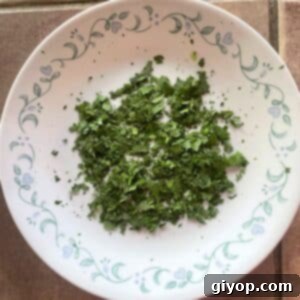
How to Dry Parsley Quickly (2-3 Minutes)
Print
Pin
Rate
Save
Saved!
Condiment
American, Arabic
Halal, Vegan
3 minutes
3 minutes
Amira
Ingredients
-
Fresh Parsley
as much as you like (a small bunch works well for testing)
Instructions
- Thoroughly clean your fresh parsley under cool running water to remove any dirt or impurities. Then, pat it as dry as possible using a clean kitchen towel or paper towels. Excess moisture is the enemy of successful drying, so aim for very dry leaves. You can also use a salad spinner for this step.
- Carefully pluck the parsley leaves from their stems. Arrange these individual leaves in a single, even layer on a microwave-safe plate. Ensure there’s no overlapping, as this will prevent uniform drying. A paper plate can also work in a pinch.
- Microwave the parsley on high for 2 to 3 minutes. The exact time may vary based on your microwave’s wattage and the amount of parsley. Start with 2 minutes, then check for dryness. The leaves should be crisp and easily crumbled. If not, microwave for additional 30-second intervals until fully dry, being careful not to burn them.
- Once dry, carefully remove the plate from the microwave. The plate and leaves will be hot. Place the plate on your countertop and allow the parsley to cool completely. This prevents condensation from forming and helps the leaves become even crisper.
- Once cooled, you can either crumble the dried parsley leaves with your fingers for a fine texture or leave them mostly whole. Transfer the dried parsley to an airtight container. Store it in a cool, dark place like your pantry to maintain its flavor and color for future use.
Notes
- Some dried leaves might stick slightly to your plate, especially if not entirely dry before microwaving. They should come off easily with a gentle scrape or by allowing them to cool completely.
- Properly dehydrated parsley, stored in an airtight container away from light and heat, can retain its quality and flavor for up to a year. Always ensure the leaves are completely dry before storage to prevent mold.
- Consider using smaller batches for drying to ensure even results and prevent overcrowding on the plate, which can lead to uneven drying.
- For optimal flavor, label your container with the date of drying. While it can last a year, its flavor will be most potent within the first 6-8 months.
Tried this Recipe? Pin it for Later!
Mention @AmirasPantry or tag #AmirasPantry!