
Transform your dinner table into an exquisite Moroccan dining experience with this remarkably easy recipe for traditional Khobz. Imagine a glistening, golden crust, generously adorned with nutty sesame seeds, giving way to a delightfully chewy and spongy interior. This versatile Moroccan bread is the quintessential accompaniment to any hearty soup, perfect for soaking up rich sauces from tagines, or simply enjoyed on its own with a smear of butter.
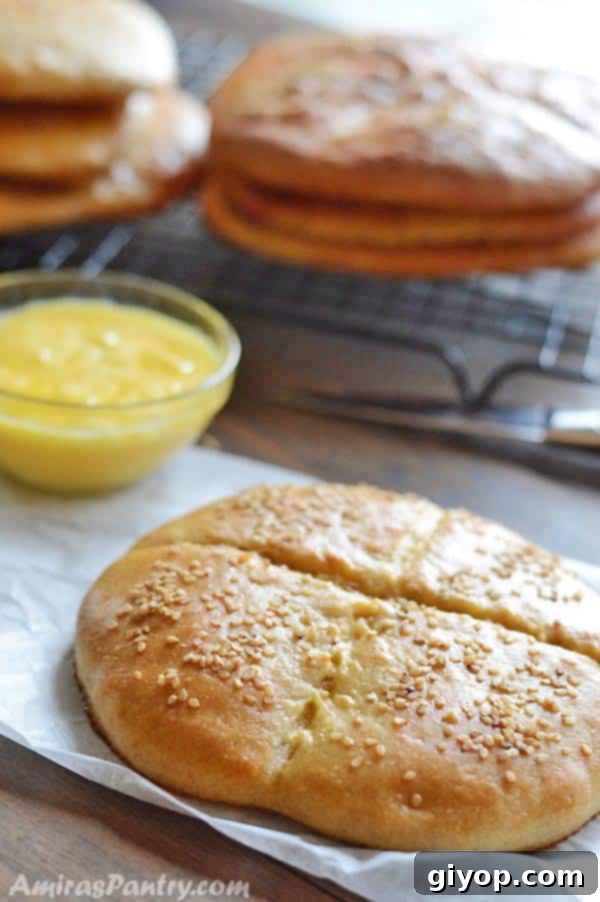
In Arabic, ‘khubz’ or ‘khobez’ is simply the word for bread. This iconic Moroccan bread, deeply rooted in North African culinary traditions, is sometimes affectionately known as Khobz Kesra or Khobz Eddar, signifying its homemade and authentic nature. Far more than just a staple, Khobz is an integral part of daily life and every meal in Moroccan households, symbolizing hospitality and nourishment.
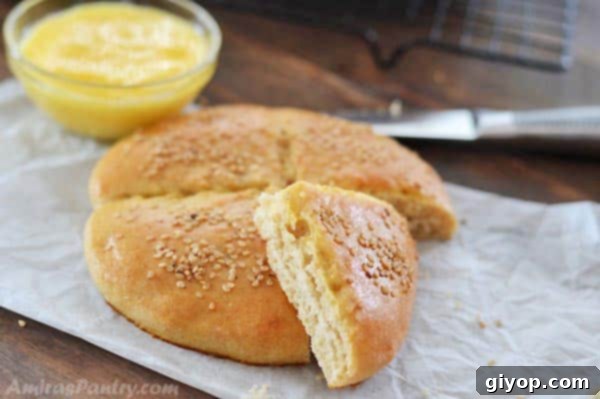
It has been a pleasure to revisit and refine this classic Moroccan Khobz recipe for you. This traditional bread is remarkably adaptable, often prepared using a variety of flours such as corn, barley, fine semolina (sometimes referred to as farina), or regular wheat flour. In this particular recipe, we’ll achieve a perfect balance of texture and flavor by combining wholesome whole wheat flour, fine semolina, and all-purpose (AP) flour. This blend not only contributes to a unique taste but also creates a tender crumb and a robust crust that is characteristic of authentic Moroccan bread.
Making homemade Moroccan bread is a rewarding experience that brings the warmth and aromas of a Moroccan kitchen directly to your home. The process, while simple, involves a few key steps that ensure a light, airy, and flavorful loaf every time. Let’s delve into the detailed instructions to create your very own batch of irresistible Khobz.
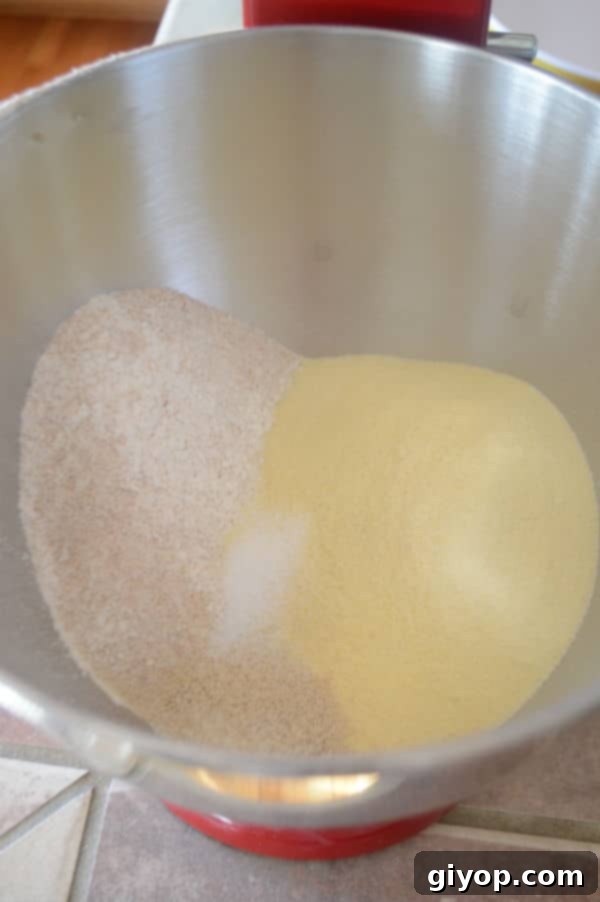
Our journey begins by carefully combining the dry ingredients: your chosen flours, active dry yeast, a pinch of salt to enhance flavor, and a touch of sugar to help activate the yeast and promote a beautiful golden-brown crust. Mix these thoroughly in a large bowl, ensuring an even distribution of ingredients. This foundational step is crucial for the consistent texture of your homemade Moroccan bread.
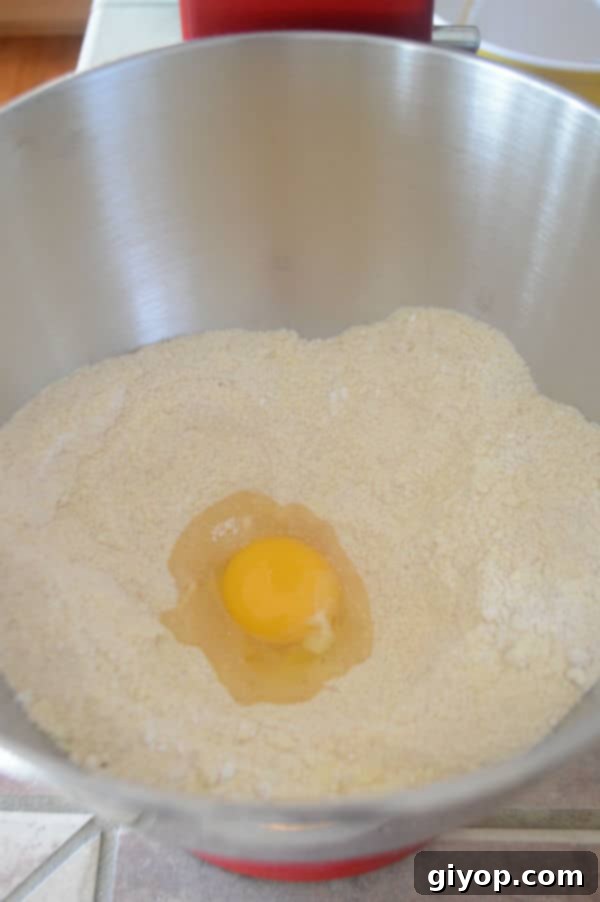
Next, we introduce the wet elements. Crack a fresh egg into the dry mixture. The egg contributes to the richness and structure of the bread, giving it a slightly softer crumb and a more luxurious feel. It also adds a subtle color and helps in achieving that coveted shiny crust later on.
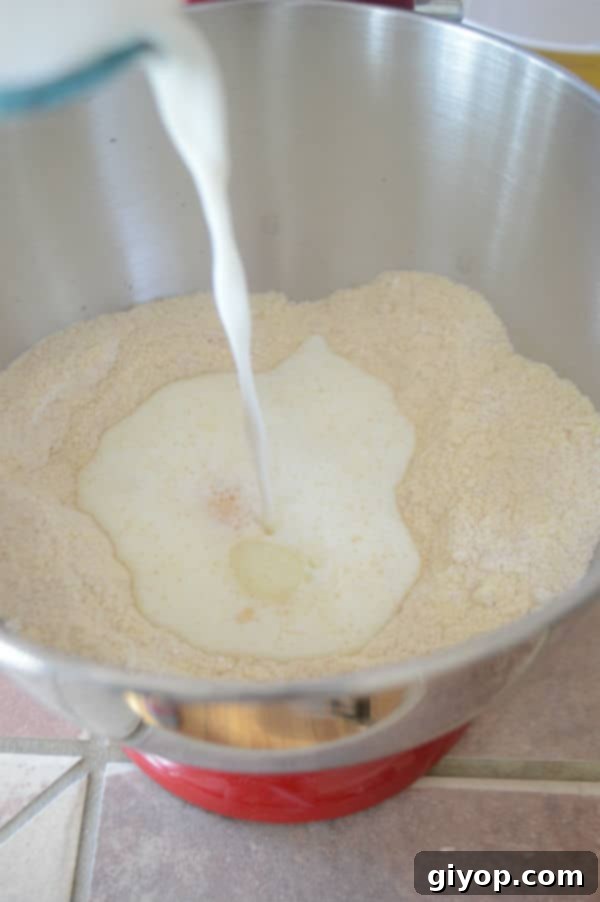
Follow with the olive oil and warm milk. Olive oil adds a wonderful depth of flavor and keeps the bread tender, preventing it from drying out. Warm milk, instead of just water, enriches the dough, providing a tender crumb and a delicious aroma as it bakes. Ensure the milk is warm, not hot, to avoid killing the yeast. These additions are carefully mixed in to begin hydrating the flour and bringing the dough together.
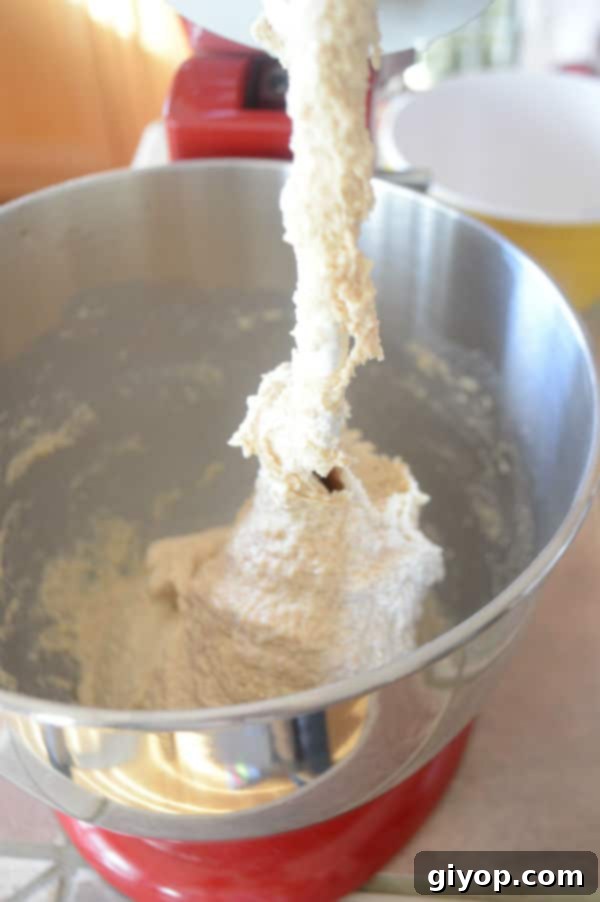
Now, gradually incorporate warm water, adding it a little at a time until you achieve a fairly sticky dough, as demonstrated in the image above. The stickiness is key for a tender and moist Khobz, so resist the urge to add too much flour at this stage. Knead the dough for a good 10-15 minutes, either by hand or with a stand mixer equipped with a dough hook. This develops the gluten, which is essential for the bread’s characteristic chewy texture and allows it to rise beautifully. A well-kneaded dough will be elastic and smooth, even if it remains a bit tacky.
Once kneaded, transfer your supple dough to a lightly oiled bowl, turning it once to coat. Cover the bowl with plastic wrap or a clean kitchen towel and allow it to rise in a warm, draft-free place until it has doubled in size. This primary fermentation can take anywhere from 1 to 1.5 hours, depending on the warmth of your environment. Patience at this stage is a virtue, as proper rising ensures a light and airy Moroccan bread.
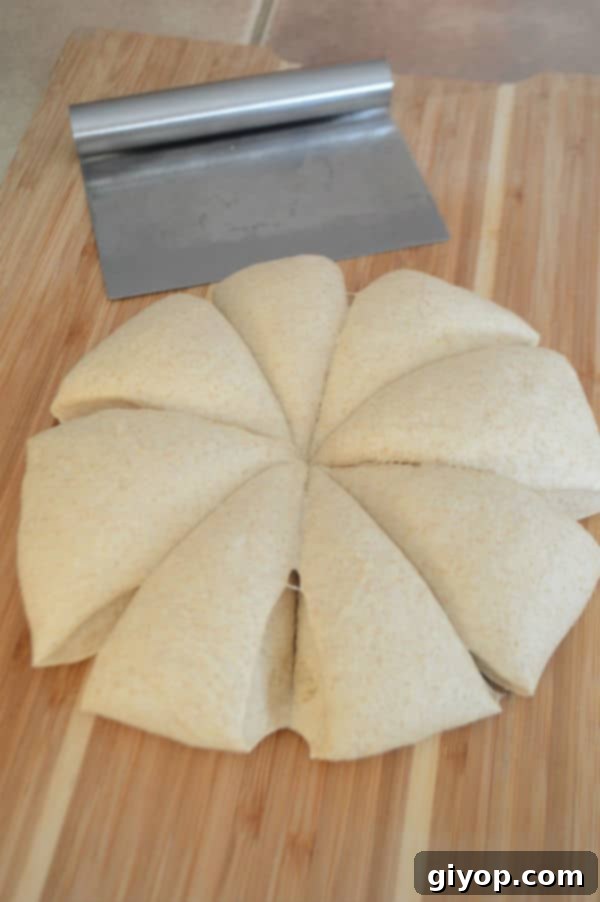
After the dough has sufficiently risen, gently punch it down to release the air. Turn it out onto a lightly floured surface and divide it into eight equal parts. The uniform size of each portion ensures even baking and consistent results for your homemade Khobz. You can use a kitchen scale for precision, but simply eyeballing it works just as well.
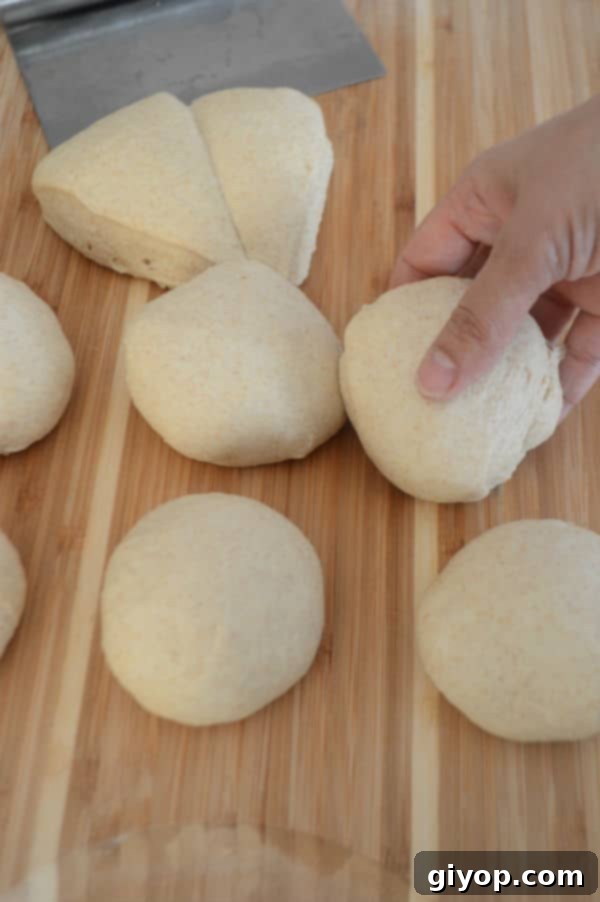
Take each dough portion and roll it into a neat, tight ball. Then, using the palm of your hand, gently flatten each ball to form a circular disc, about 7mm (approximately 1/4 inch) thick. Arrange these flattened discs on baking sheets lined with parchment paper, leaving enough space between them for expansion. Cover them again and let them undergo a second rise for about 30 minutes. This secondary proofing is crucial for developing the final texture and lightness of the bread.
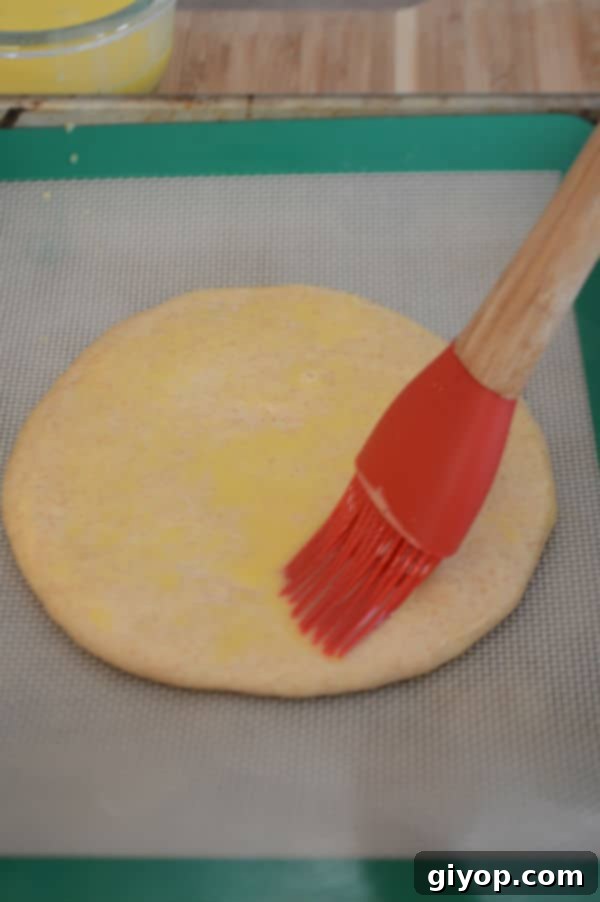
Before baking, prepare an egg wash by whisking one egg with a teaspoon of milk and a couple of drops of white vinegar (the vinegar helps neutralize any eggy smell and adds shine). Gently brush each round dough disc with this egg wash. This step is essential for achieving that iconic shiny, golden-brown crust that makes Moroccan bread so visually appealing.
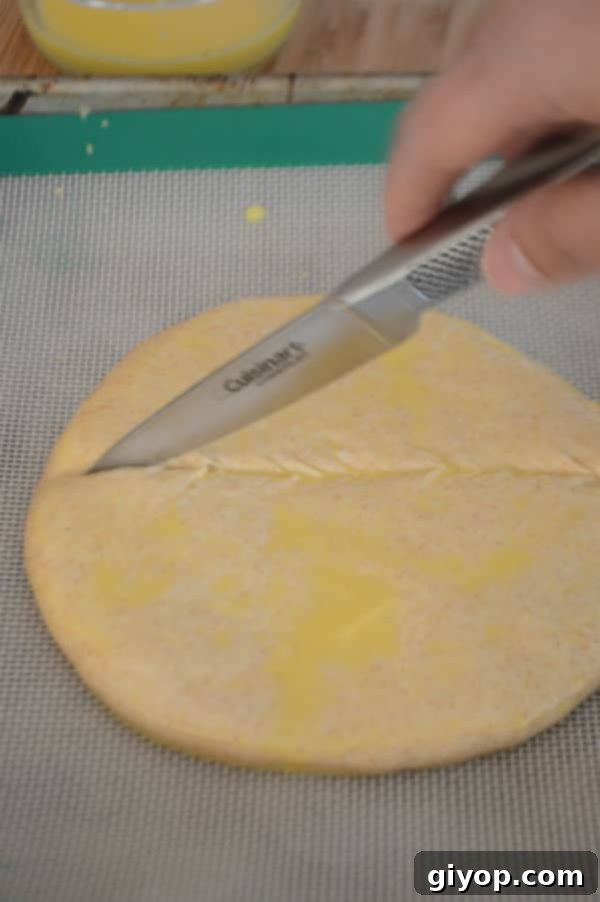
Now for the finishing touches. Using a lame (a specialized bread scoring tool) or a very sharp knife, make shallow cuts across the top of each bread. A simple cross pattern is traditional, but feel free to get creative with other designs. These scores are not just decorative; they allow the bread to expand gracefully in the oven, preventing uncontrolled tearing. Finally, generously sprinkle each loaf with sesame seeds, adding a delightful nutty crunch and aroma to your homemade Moroccan bread.
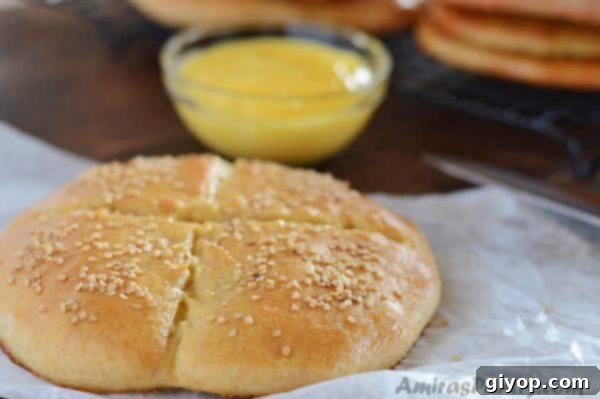
Preheat your oven to 350°F (175°C) and bake your beautiful Khobz for about 15 minutes, or until the bottom turns a lovely golden brown. For that perfectly crisp and shiny top, you can then switch to the broiler for just a minute or two, keeping a close eye to prevent burning. Once baked to perfection, remove the loaves from the oven and let them cool slightly on a wire rack before serving. The aroma filling your kitchen will be absolutely intoxicating!
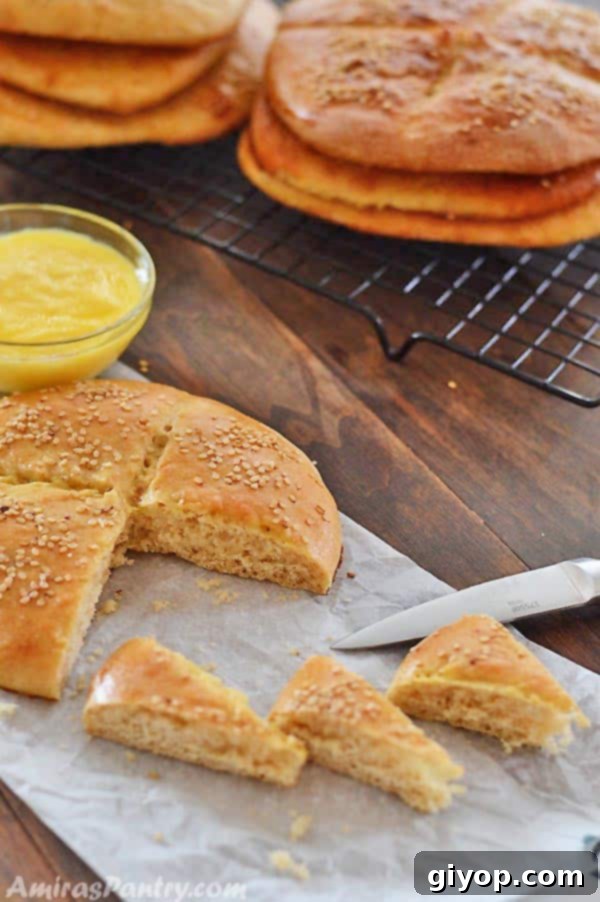
This Khobz is truly a most cherished staple in Moroccan cuisine. It’s not only simple and easy to make but also incredibly versatile, making it a perfect companion for virtually any meal. While this recipe offers a foundational approach, the beauty of homemade Moroccan bread lies in its endless possibilities for customization. Many people enjoy adding various seeds or aromatic spices directly to the dough, such as anise, fennel, cumin, or nigella (black seeds), to infuse it with additional layers of flavor and fragrance.
Beyond spices, the texture can be further adapted by rolling the flattened dough in different coarse grains like fine semolina, oats, barley flour, or even just white flour before the final rise and baking. These coatings add a delightful texture and distinct character to the crust. I’ve chosen to guide you through the simplest yet most authentic way to bake this Moroccan bread, providing a perfect starting point from which you can confidently explore these delightful variations. Don’t hesitate to experiment with the dough; it’s very forgiving, and the process is a lot of fun, especially when shared with kids. They love getting their hands into the dough!
Traditional Moroccan bread, or Khobz, holds a special place in Moroccan culture. It’s often baked fresh daily, and its presence at the table is a symbol of warmth and hospitality. From breakfast to dinner, a warm loaf of Khobz is always at hand, ready to be dipped into olive oil, spread with jam, or used to scoop up savory tagines and vibrant salads. The act of sharing bread is deeply meaningful, fostering a sense of community and connection around the meal. Its mild flavor and satisfying chewiness make it universally appealing, pairing beautifully with both simple and elaborate dishes.
Whether you’re serving it alongside a rich, aromatic Moroccan tagine, a comforting bowl of Harira soup, or simply enjoying it with some butter and honey for breakfast, this Khobz will elevate your culinary experience. The satisfaction of pulling a fresh, warm loaf of bread from your oven, knowing you’ve created something so fundamental and delicious, is unmatched. I hope you’ll find as much joy in kneading, baking, and savoring this everyday Moroccan bread as I do. Until next time, happy baking!
Related Recipes
- Unleavened bread offers a wonderfully easy and quick alternative for those days when you’re short on time or yeast. It requires no special ingredients or equipment, just flour, water, olive oil, and salt, creating a rustic and satisfying flatbread.
- With just a few key ingredients, you can effortlessly bring the authentic taste of Morocco to your kitchen with this easy Harira Soup Recipe. This filling and warming lentil and chickpea soup is a cornerstone of Moroccan cuisine, especially during Ramadan, and pairs perfectly with a fresh piece of Khobz.
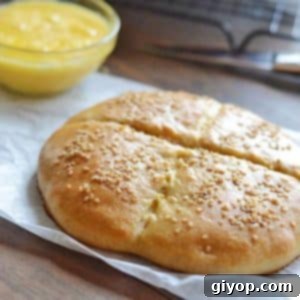
Traditional Moroccan Bread (Khobz)
★
★
★
½
Print
Pin
Rate
Save
Ingredients
- 1 cup AP flour
- 1 cup whole wheat flour*
- 2 cups semolina
- 1 Tablespoon dry yeast
- 1 Tablespoon sugar
- 1 teaspoon salt
- 1 Tablespoon olive oil
- 1 egg
- 1 cup warm milk
- 1 cup warm water
For brushing
- 1 egg
- 1 teaspoon milk
- 2 drops of white vinegar
Instructions
- In your mixer bowl, add the first six ingredients (flours, yeast, sugar, salt) and mix them thoroughly until well combined.
- Add the olive oil and continue to mix until it’s incorporated into the dry ingredients.
- Next, add the egg and warm milk, then mix well until the ingredients just start to come together.
- Gradually add warm water, a little at a time, kneading the dough until you achieve a fairly sticky consistency, similar to the one shown in the introductory images.**
- Transfer the sticky dough into a lightly oiled bowl, turning it once to coat. Cover the bowl and let the dough rise in a warm place for 1 to 1 ½ hours, or until it has visibly doubled in size.
- Once risen, gently punch down the dough and divide it into 8 equal parts. Roll each part into a smooth ball, then flatten with your hand to form a circular disc approximately 7mm (about ¼ inch) thick.***
- Place the flattened dough discs on parchment-lined baking sheets, cover them, and let them rise for another 30 minutes for a second proof.
- While the bread is undergoing its second rise, preheat your oven to 350°F (175°C).
- In a small bowl, whisk together the egg, milk, and white vinegar for the egg wash. Brush each dough circle evenly with this mixture. Sprinkle generously with sesame seeds and, using a sharp knife or lame, make a cross pattern or other decorative scores on the top of each loaf.
- Bake for approximately 15 minutes, or until the bottoms are nicely browned. Then, for a golden top crust, turn on the broiler for about a minute, watching carefully to prevent burning.
- Serve your hot, freshly baked Moroccan bread with butter, your favorite dips, or as the perfect accompaniment to any Moroccan tagine or stew. Enjoy!
Notes
** The exact amount of water needed can vary slightly depending on your specific flour and humidity. My dough typically requires about ¾ cup of water to reach the desired sticky consistency. Adjust as needed.
*** The thickness of your rolled dough is a matter of personal preference. I personally enjoy a slightly thicker Khobz for a more substantial chew, but feel free to roll yours thinner for a crispier result.