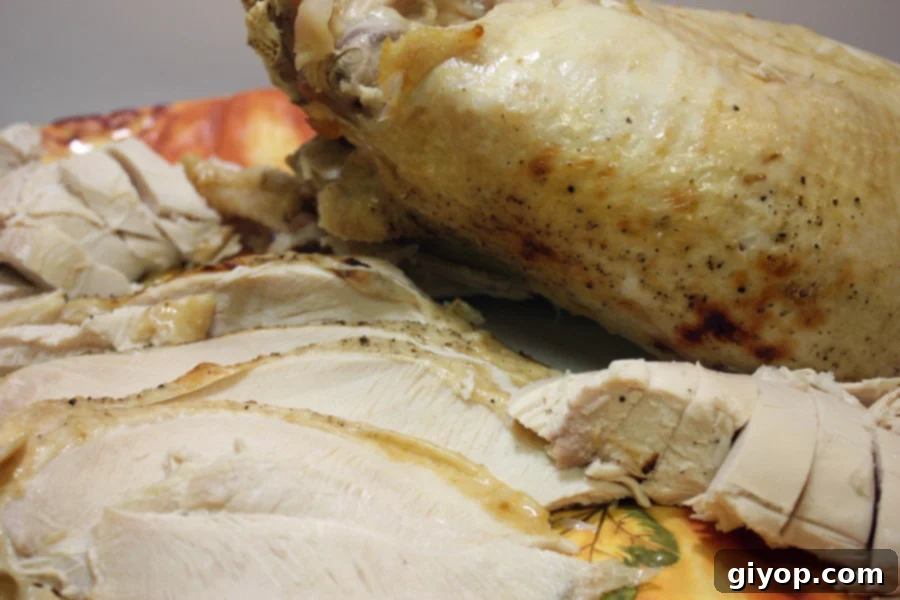
Prepare to transform your holiday meals and special gatherings with a turkey breast so tender, moist, and flavorful, it will become your new go-to recipe. The secret? Brining. This simple yet revolutionary technique guarantees a succulent turkey that will have your guests raving for years to come.
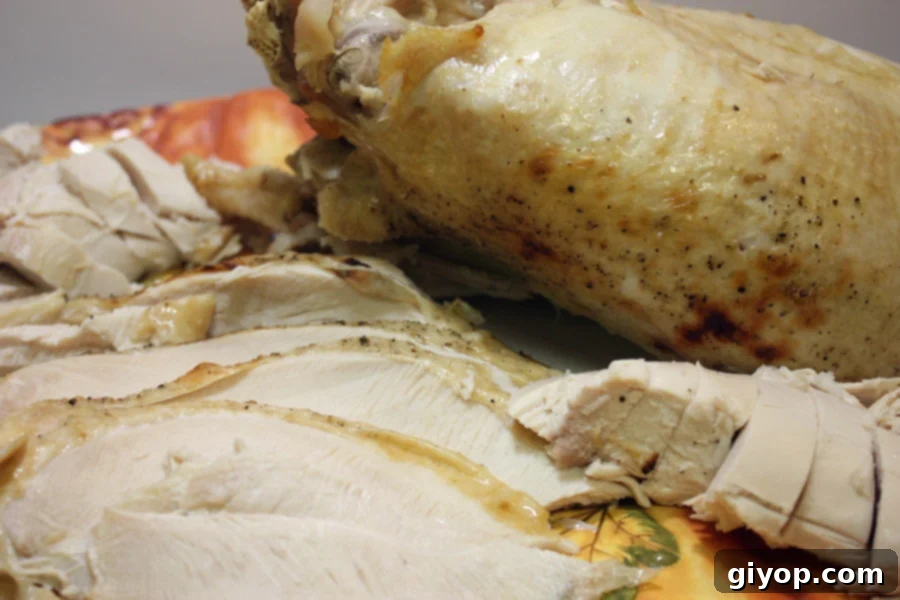
Many years ago, a family Thanksgiving introduced me to the magic of brining, and I haven’t looked back since. The difference it makes in the texture and taste of the meat is truly astounding. If you’re hosting a small family gathering or simply prefer white meat, a turkey breast is an ideal choice, offering all the festive flavor without the fuss of a whole bird.
And while we’re elevating your holiday table, don’t forget to pair your masterpiece with a delicious homemade cranberry sauce. We even have a recipe that helps you achieve that classic, canned look, if that’s your nostalgic preference!
Unlock the Secret to a Juicy Turkey: The Art of Brining and Roasting
Why Brining is a Game-Changer for Turkey
Brining is more than just soaking meat in saltwater; it’s a culinary technique that fundamentally changes the turkey at a cellular level, ensuring unparalleled moisture and flavor. During the brining process, the turkey absorbs water and salt. This absorption not only adds moisture but also denatures the proteins in the meat. The denatured proteins trap moisture more effectively during cooking, preventing the turkey from drying out in the high heat of the oven.
Beyond moisture, brining infuses the turkey with incredible flavor. The salt carries the aromatics and spices deep into the meat, resulting in a turkey that is seasoned from the inside out, rather than just on the surface. Imagine biting into a slice of turkey that bursts with herbaceous notes and a subtle sweetness – that’s the power of a good brine.
Crafting the Perfect Turkey Breast Wet Brine
Creating a flavorful wet brine is remarkably straightforward, allowing for endless customization to suit your taste preferences. While this article focuses on a wet brine, it’s worth noting that dry brining is also an excellent method for achieving similar results with less mess (we’ll touch on that later!). For now, let’s dive into the wet brine process that promises a tender, juicy turkey breast.
Essential Wet Brine Ingredients and Flavorings
Our foundational brine consists of water, kosher salt, and white sugar. These three ingredients are crucial for the scientific process of brining. The salt aids in moisture retention and flavor penetration, while the sugar contributes to a beautiful golden-brown skin and a subtle sweetness that balances the savoriness of the turkey.
Beyond the basics, the magic truly happens with your choice of aromatics and herbs. For a classic, aromatic profile, we recommend:
- Onion: Cut into quarters for maximum surface area and flavor release.
- Garlic: Cracked cloves release their pungent essence into the brine.
- Peppercorns: Whole peppercorns add a gentle, earthy spice.
- Fresh Rosemary: Its piney, fragrant notes are quintessential for holiday poultry.
But don’t stop there! Feel free to experiment with other delightful options:
- Citrus: Slices of lemon, orange, or even grapefruit can add a bright, zesty dimension.
- Fresh Herbs: Sage, thyme, bay leaves (in addition to the original suggestion), and even parsley can be used interchangeably or in combination.
- Warm Spices: For a more complex flavor, consider adding a few star anise pods, whole cloves, or cinnamon sticks.
- Vegetables: Carrots and celery can lend a deeper, savory background note.
Preparing Your Brine: No Heat Necessary!
Many traditional brine recipes instruct you to heat the liquid to dissolve the salt and sugar, and then wait for it to cool completely before adding the turkey. This step, while common, is often unnecessary and time-consuming. We prefer a simpler approach:
- In a large pot or a brine-safe bag (ensure it’s large enough to fully submerge the turkey breast), pour your room temperature water.
- Add the kosher salt and white sugar. Stir vigorously for about a minute until both are completely dissolved. You’ll be surprised how quickly they integrate into the water.
- Once dissolved, add all your chosen flavorings: the quartered onion, cracked garlic cloves, peppercorns, and fresh rosemary sprigs.
Brining the Turkey Breast: The Waiting Game
Now for the easiest part: immersing your turkey breast in the flavorful brine. Gently place the turkey breast into the pot or bag, ensuring it is fully submerged. If using a bag, place it inside another pot or large bowl to catch any potential leaks and prevent a mess in your refrigerator.
Cover the pot or seal the bag and refrigerate for 10 to 24 hours. The brining time depends on the size of your turkey breast and your desired level of saltiness and flavor absorption. For most turkey breasts, 12-18 hours is a sweet spot, but never exceed 24 hours, as this can lead to an overly salty texture.
Remember, planning ahead is key for this step, but the minimal effort invested now will yield remarkable results later, making it absolutely worth your time.
Post-Brine Preparation: The Path to Crispy Skin
Once your turkey breast has completed its brine bath, the next steps are crucial for achieving that coveted crispy, golden skin and perfectly roasted meat.
Rinsing and Drying
Carefully remove the turkey breast from the brine. While some cooks prefer to skip this step, we recommend a quick rinse under cold running water to remove any excess salt from the surface. Pat the turkey thoroughly dry with paper towels. This drying step is critical for crisp skin!
After rinsing and patting dry, place the turkey breast on a roasting rack set inside a shallow roasting pan. Return it to the refrigerator, uncovered, for 3 to 4 hours, or even overnight. This air-drying process allows the skin to dehydrate further, which is the secret to achieving that wonderfully crispy texture in the oven. The cold air in the fridge will do wonders!
Roasting Your Brined Turkey Breast to Perfection
With your turkey breast perfectly brined and dried, you’re ready for the final, satisfying stage: roasting. Proper roasting techniques ensure the internal juiciness is maintained while the exterior develops a beautiful color and crispness.
Setting Up for Success
When you’re ready to roast, prepare your roasting pan. Line it with aluminum foil for easier cleanup. Place a sturdy roasting rack inside the pan, and then set your brined, air-dried turkey breast onto the rack. The rack is important as it allows hot air to circulate evenly around the entire turkey, promoting even cooking and crispy skin all over.
Temperature and Timing
Preheat your oven to 350 degrees Fahrenheit (175 degrees Celsius). A general guideline for roasting turkey breast is approximately 20 minutes per pound. However, this is just a starting point. The most reliable way to ensure your turkey is perfectly cooked is to use a reliable meat thermometer.
Begin checking the internal temperature of the thickest part of the breast (avoiding the bone) after about 1 hour of cooking. The turkey is done when it reaches an internal temperature of 165 degrees Fahrenheit (74 degrees Celsius). For example, a 7.5 lb turkey breast might take around 1 hour and 45 minutes, but always defer to the thermometer.
Tips for Crispier Skin and Enhanced Flavor
- Butter Up: For an extra golden-brown and crispy skin, consider brushing the turkey breast with melted butter or olive oil before roasting.
- Shallow Pan: Using a shallow metal roasting pan is recommended. It allows for better air circulation around the turkey breast, which contributes to more even cooking and crispier skin.
- Tent with Foil: If you notice the skin browning too quickly before the internal temperature is reached, you can loosely tent the turkey breast with aluminum foil to prevent over-browning.
The Critical Rest Period
Once your turkey breast reaches 165°F, remove it from the oven. This next step is perhaps the most crucial for ensuring juicy meat: let it rest! Loosely tent the turkey with foil and allow it to rest for at least 15 to 20 minutes before slicing. During this resting period, the juices that have been pushed to the center of the meat during cooking redistribute throughout the entire breast, resulting in a significantly moister and more tender final product. Skipping this step often leads to dry turkey, as the juices will simply run out when you cut into it.
Slicing and Serving
After resting, carve your turkey breast against the grain into desired slices. The meat will be incredibly tender and easy to cut. Arrange the slices on a warm serving platter and get ready to devour this succulent masterpiece.
This brining and roasting method is truly easy and delivers an incredibly succulent result every single time!
Update
Since this wet brine recipe was first shared, we’ve explored and discovered a dry brine method that we now often prefer for its minimal mess, incredibly flavorful, moist meat, and undeniably golden-brown, crispy skin. While this wet brine produces very moist meat, our new dry brine has become our ultimate go-to for the perfect turkey. For those interested, we highly recommend checking it out: Simple Succulent Dry Brined Roast Turkey
Serving Suggestions for Your Brined Turkey Breast
A perfectly brined and roasted turkey breast deserves an equally delightful spread of side dishes. Whether you’re planning a holiday feast or a simple Sunday dinner, here are some classic and creative pairings:
- Classic Cranberry Sauce: As mentioned earlier, a homemade cranberry sauce is an absolute must. Its sweet and tart notes perfectly complement the rich turkey.
- Creamy Mashed Potatoes: A comforting staple that soaks up all the delicious pan drippings and gravy.
- Savory Gravy: Utilize any pan drippings from your turkey to create a rich, flavorful gravy. Even if you don’t have many drippings, a quick roux-based gravy with chicken or turkey broth is always welcome.
- Stuffing or Dressing: Whether it’s a traditional herb stuffing or a cornbread dressing, this side adds wonderful texture and flavor.
- Roasted Vegetables: Brussels sprouts, green beans with almonds, glazed carrots, or sweet potatoes are all fantastic choices that add color and nutrition to your plate.
- Fresh Dinner Rolls: Perfect for soaking up any extra juices or gravy.
Troubleshooting Common Turkey Roasting Issues
Even with the best intentions, cooking turkey can sometimes present challenges. Here are solutions to some common problems:
- Turkey is Too Salty: This usually happens from over-brining. Ensure you stick to the recommended brining times (10-24 hours) and rinse the turkey thoroughly after brining. For an emergency fix, you can try to balance the saltiness with unsalted side dishes or a less-salty gravy.
- Skin Isn’t Crispy: The key to crispy skin is drying. Make sure to pat the turkey very dry after brining and, crucially, air-dry it in the refrigerator for several hours or overnight. Brushing with melted butter or oil before roasting also helps.
- Turkey is Dry: While brining significantly reduces the risk of dry turkey, overcooking can still happen. Always use a reliable instant-read meat thermometer and remove the turkey from the oven promptly once it reaches 165°F (74°C). Don’t forget the essential resting period!
- Uneven Cooking: If one side cooks faster, your oven might have hot spots. Rotate the roasting pan halfway through cooking. Using a roasting rack ensures air circulates around the entire bird, promoting more even cooking.
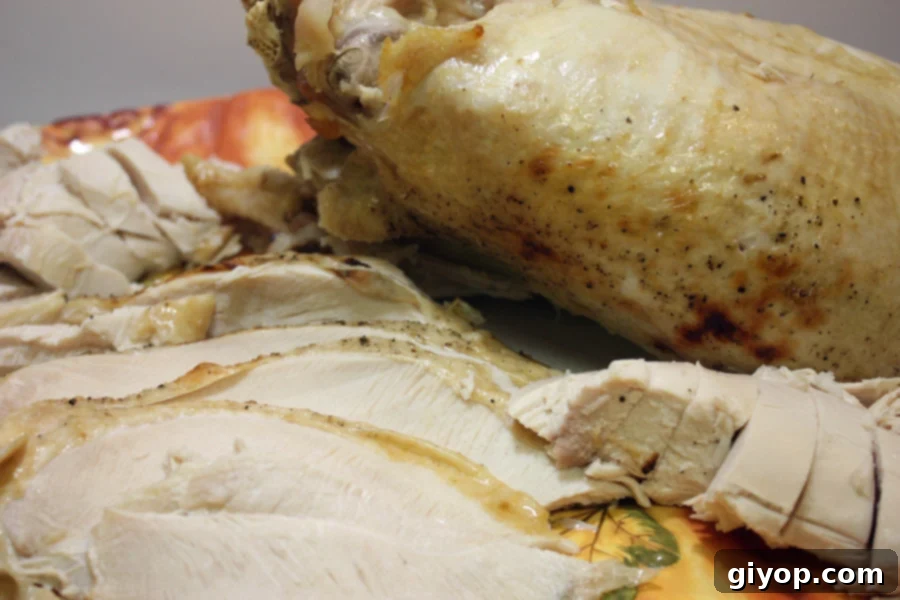
How to Brine and Roast a Turkey Breast
Print
Pin
Rate
Ingredients
- 1 Cup Kosher salt
- 1 Cup White Sugar
- 1 Onion, cut into quarters
- 3 Garlic cloves, cracked
- 2 Tablespoons Peppercorns
- 3 Sprigs Fresh Rosemary
- 1 Gallon Water
Instructions
- In a large pot or bag (large enough to accommodate the turkey) stir water, sugar, and salt until dissolved.1 Cup White Sugar,
1 Gallon Water,
1 Cup Kosher salt - Add rosemary, garlic, onion, and peppercorns.1 Onion, cut into quarters,
3 Garlic cloves, cracked,
3 Sprigs Fresh Rosemary,
2 Tablespoons Peppercorns - Add the turkey, cover pot and refrigerate for 10 to 24 hours.
- Remove the turkey from the brine, rinse, place in roasting pan then refrigerate to dry for 3 to 4 hours. (or overnight)
- Roast at 350 degrees for about 20 minutes per pound or until reaches an internal temperature of 165 degrees. Watch closely after one hour of cooking.
Notes
You do not have to rinse the turkey. It’s a step we don’t find necessary any longer. (However, a quick rinse for surface salt is still a good practice!)
Use a shallow metal roasting pan so that the oven air can flow completely around the turkey breast.
To achieve crispier skin, brush the turkey breast with melted butter before roasting.
Use an instant-read meat thermometer to determine when your turkey is done baking.
Let the turkey breast rest for at least 15 minutes before slicing.
Nutrition
Carbohydrates: 57g |
Protein: 1g |
Fat: 1g |
Saturated Fat: 1g |
Sodium: 28344mg |
Potassium: 116mg |
Fiber: 2g |
Sugar: 51g |
Vitamin A: 27IU |
Vitamin C: 3mg |
Calcium: 78mg |
Iron: 1mg
Final Thoughts on Mastering Your Turkey
Preparing a turkey breast, whether for a grand holiday feast or an intimate dinner, doesn’t have to be daunting. By embracing the simple yet powerful technique of brining, you guarantee a level of moisture, tenderness, and flavor that far surpasses any unbrined bird. This method, passed down through generations and refined with practical tips, ensures that your turkey breast will be the star of any meal.
Don’t be intimidated by the “extra step” of brining; it’s mostly hands-off time in the refrigerator, allowing you to focus on other aspects of your meal preparation. The reward – a golden, crispy-skinned, incredibly juicy turkey – is well worth the minimal effort. So go ahead, try this method for your next special occasion, and prepare to delight everyone at your table. Happy cooking!