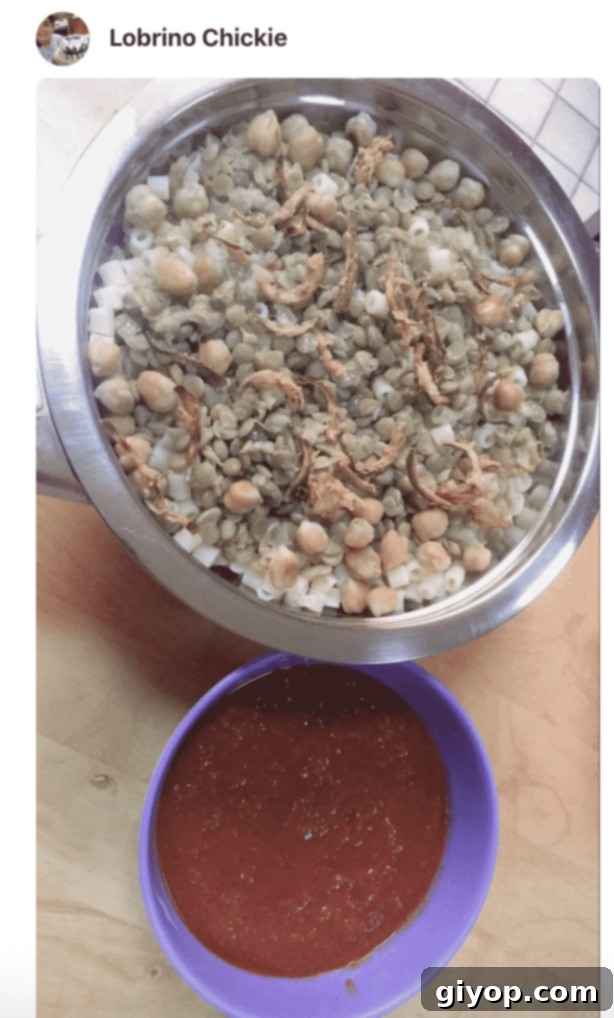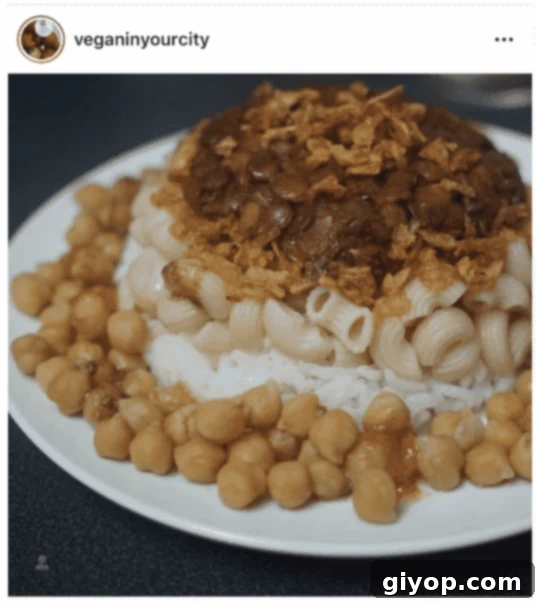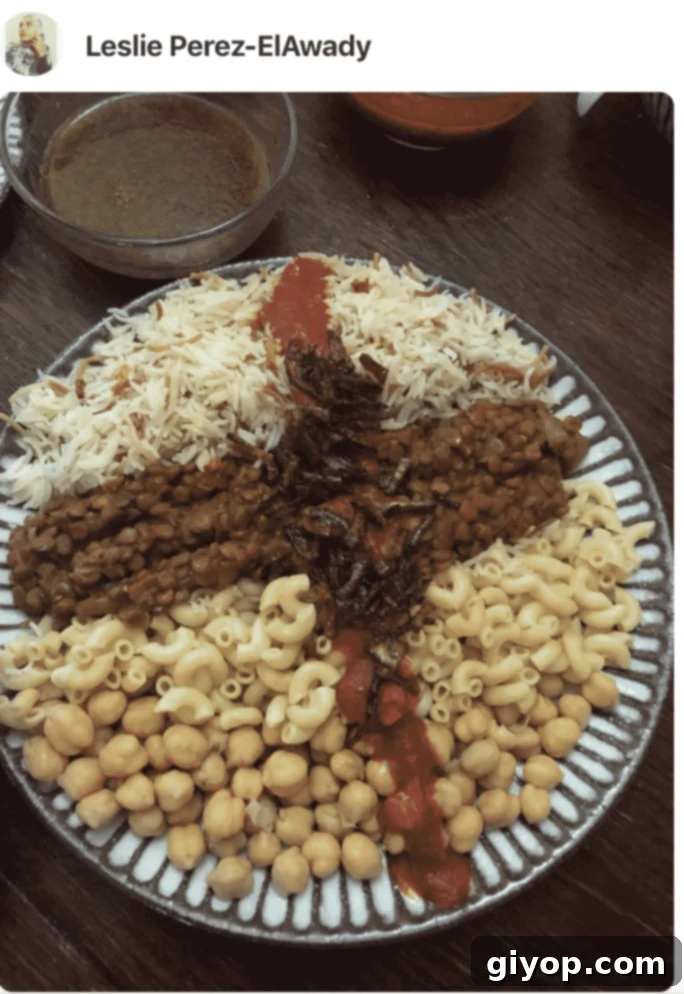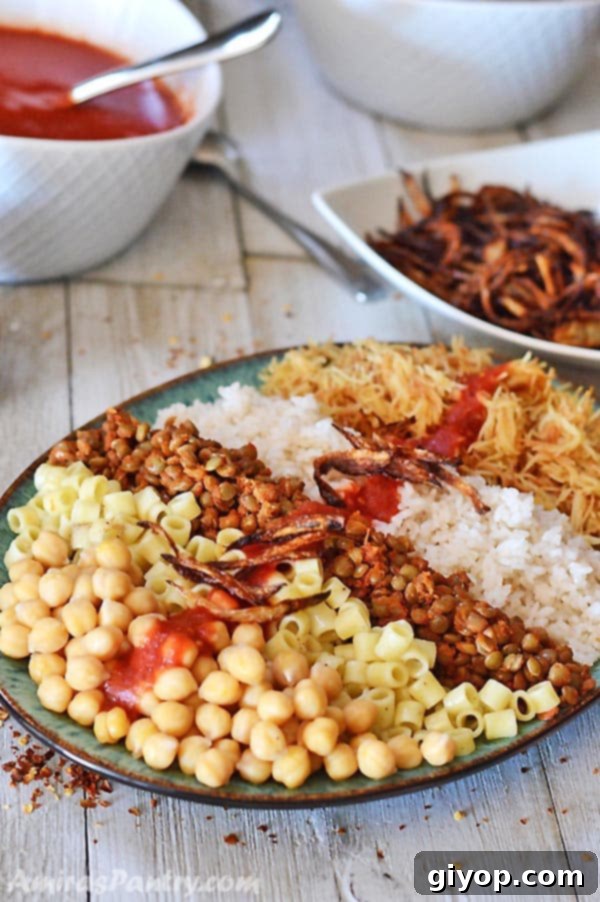
Koshary, koshari, or kushari, often hailed as the undisputed national dish of Egypt, is a culinary masterpiece and a beloved street food staple. This hearty, flavorful, and incredibly satisfying vegetarian meal is a testament to Egyptian culinary ingenuity, combining simple, wholesome ingredients into an unforgettable symphony of tastes and textures. Far more than just a dish, Koshary represents a significant part of Egyptian cultural identity, cherished by millions across the country and increasingly appreciated by food enthusiasts worldwide.
Delve deeper into Egypt’s famous cuisine.
Egyptian cuisine boasts a rich tapestry of recipes, many of which evolved from clever ways to utilize leftovers and create nourishing meals with readily available ingredients. Koshary is a prime example of this tradition, featuring a harmonious blend of rice, pasta, and lentils, topped with a tangy tomato sauce, a vibrant cumin-garlic vinaigrette, and a generous sprinkle of crispy fried onions. It might bear a superficial resemblance to Mujaddara due to its lentil and rice base, but Koshary elevates this concept with its diverse components and the depth of its accompanying sauces, delivering a much more complex and dynamic flavor profile.
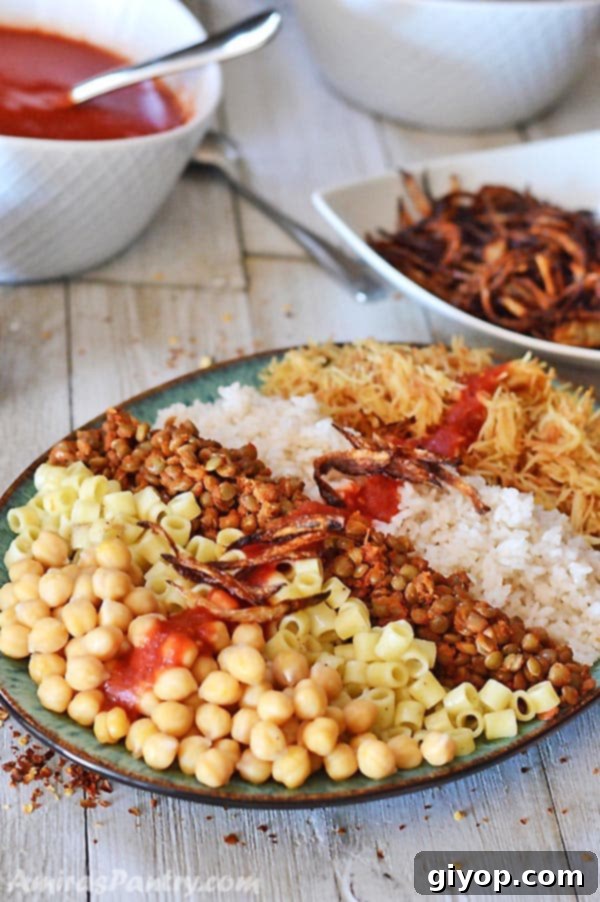
While traditional Egyptian breakfasts often feature Falafel and Ful Medames, Koshary typically takes center stage during lunch or, more commonly, as a satisfying dinner. Its comforting warmth and robust flavors make it an ideal meal for any time of day, but its multi-layered preparation often lends itself to a more relaxed evening dining experience.
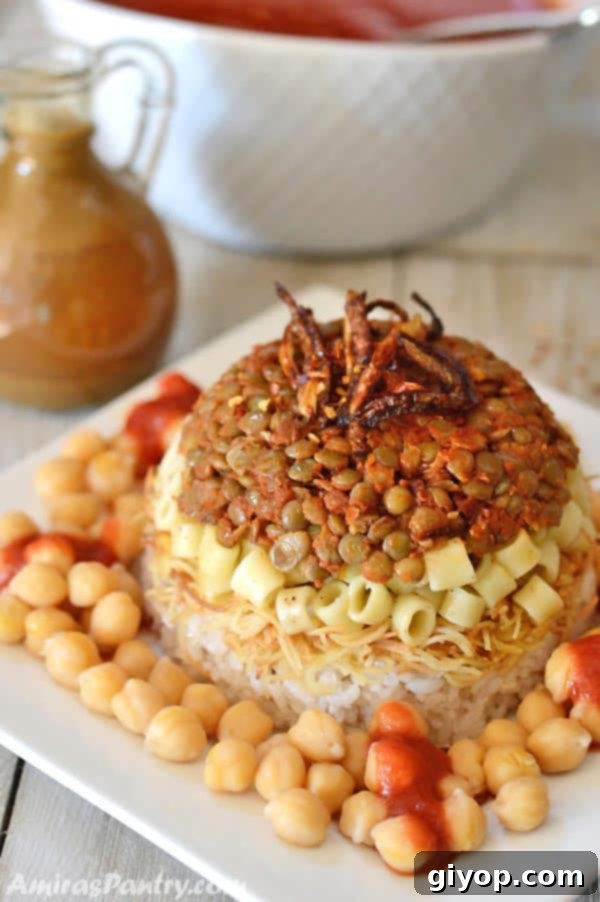
Spicy, delicious, saucy, and incredibly economical, Koshary offers a truly unique gastronomic adventure. The only perceived drawback for some might be the number of pots and pans required for its preparation, as each component is cooked separately to perfection. However, despite the various elements involved, each step is surprisingly straightforward, making the entire process manageable and highly rewarding. This classic Koshary recipe holds a special place, being one of the very first to be shared on this platform back in 2012 when it was known as Arabianmama. It remains a timeless favorite.
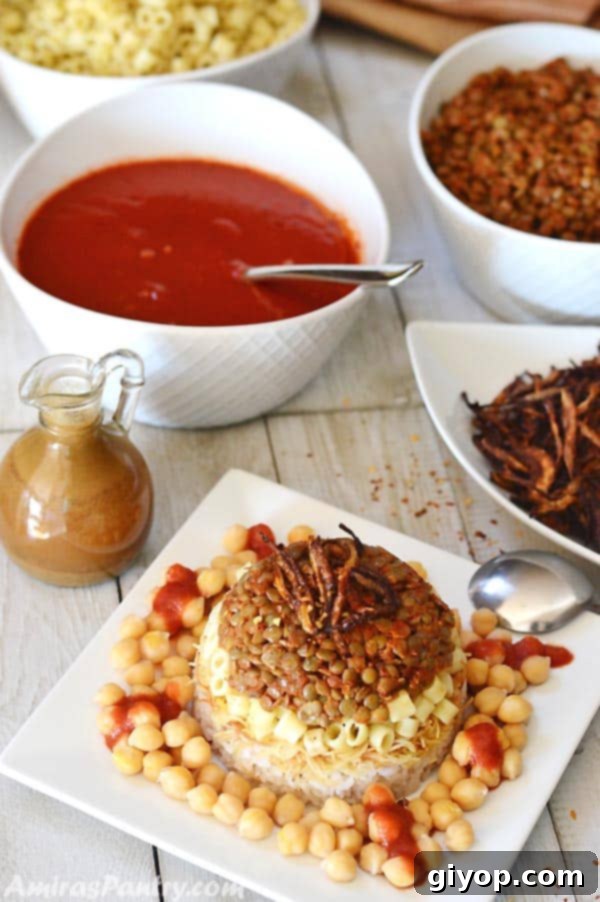
Koshary is a consistently requested dish in my household, frequently gracing our dinner table. Over the years, I’ve explored and even shared an updated quinoa version of Koshary on this blog. However, nothing quite compares to the original Egyptian Koshary, which I enthusiastically encourage everyone to try. The blend of textures – fluffy rice, tender pasta, firm lentils, and crispy onions – along with the contrasting sweet and spicy sauces, creates an unforgettable culinary experience that truly captures the essence of Egyptian home cooking.
Crafting Authentic Egyptian Koshary: A Step-by-Step Guide
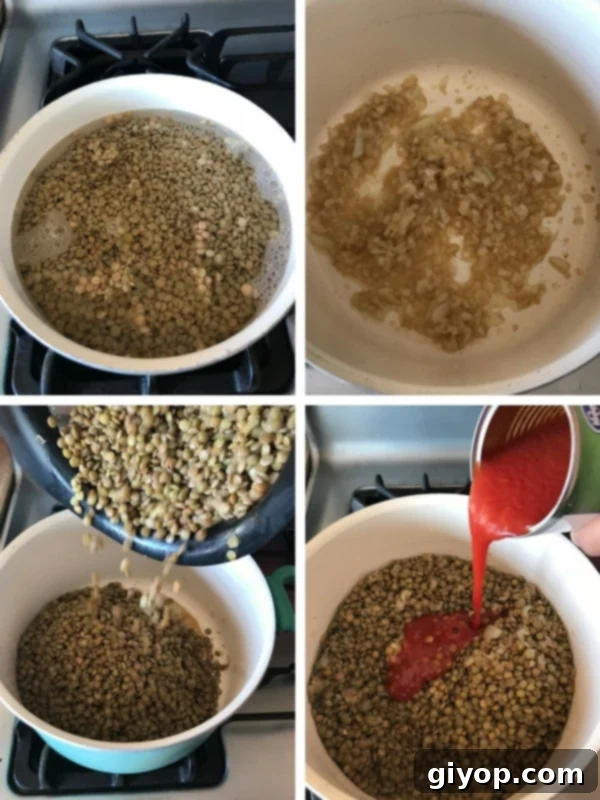
Creating a truly authentic Egyptian Koshary involves preparing several distinct components, each contributing its unique flavor and texture to the final dish. While it might seem like a lot of steps, breaking it down makes the process enjoyable and yields exceptional results. We start with the lentils, a cornerstone of this hearty meal.
To prepare the lentils, first place them in a colander and rinse thoroughly under cold running water until the water runs clear. This removes any debris and excess starch. Transfer the cleaned lentils to a pot, covering them with about 2-3 inches of fresh water. Bring the water to a boil, then reduce the heat to its lowest setting and simmer gently for 25-30 minutes, or until the lentils are almost tender but still retain a slight bite. They should not be mushy. Drain the lentils and set them aside. In the same pot, heat a splash of oil and sauté chopped onion until it becomes fragrant and translucent. Add the semi-cooked lentils back to the pot along with ground cumin, salt, and tomato sauce. Allow this mixture to cook for another 15 minutes over medium heat, or until the lentils are fully tender yet still hold their shape. This infuses them with rich flavor before they even meet the other components of the Koshary.
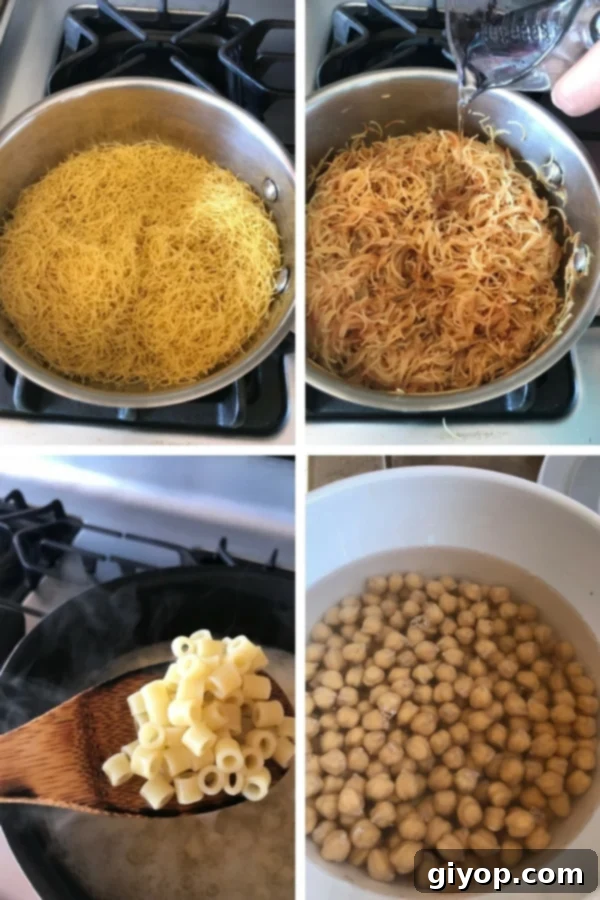
Next up are the rice and pasta, two more essential building blocks of Koshary. For the rice, it’s traditional to use short-grain rice, cooked according to package directions or in a rice cooker. While some modern variations might use Basmati or Jasmine rice, embracing short-grain rice preserves the authentic texture and mouthfeel of this classic dish. A highly recommended, though non-traditional, addition is vermicelli. My personal motto is that “anything is better with vermicelli,” and for Koshary, this holds true! To prepare, roast the vermicelli in a little oil until it turns a beautiful golden brown. Then, gradually add water, stirring constantly, until the vermicelli absorbs the liquid and becomes tender without becoming clumpy or mushy. The exact water amount and cooking time will depend on the type of vermicelli used.
For the pasta, any small pasta shape like ditalini or elbow macaroni works perfectly. Cook it according to package instructions until al dente, then drain it thoroughly. A crucial tip for preventing clumping and enhancing flavor is to toss the cooked pasta with a little oil, salt, and pepper immediately after draining. This ensures each strand remains separate and well-seasoned. Finally, the chickpeas need to be prepared. Ideally, dry chickpeas should be soaked overnight in cold water (with a pinch of baking soda, if you like, to aid softening). If you forget this step, a quick soak in hot water with baking soda for about an hour can suffice. Alternatively, for convenience, canned chickpeas can be used, although cooking from scratch often yields a superior texture.
The Soul of Koshary: Exceptional Sauces
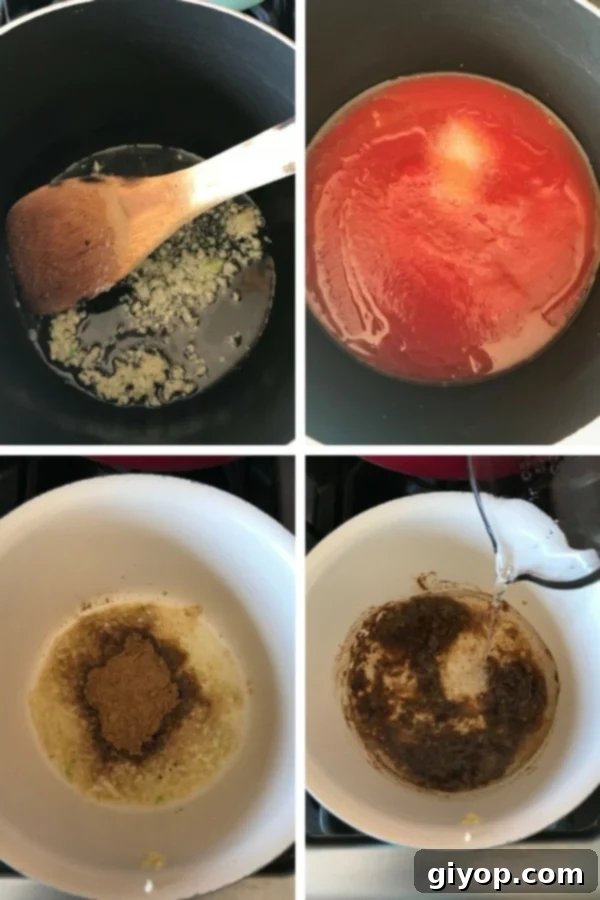
The magic of Koshary truly lies in its signature sauces. These vibrant, aromatic concoctions are what elevate the humble grain and legume base into an extraordinary culinary experience. Two types of sauces are typically prepared: the essential tangy tomato sauce and the highly recommended (for serious Koshary aficionados) cumin-infused “Kammuneyah” sauce.
To make the tomato sauce: Begin by sautéing minced garlic in olive oil until it releases its intoxicating aroma, usually about one minute. Be careful not to burn it. Immediately add white vinegar, canned tomato sauce, salt, and pepper. Bring the mixture to a boil, then reduce the heat and let it simmer for about 10 minutes to allow the flavors to meld and the sauce to thicken slightly. This sauce provides a crucial acidic and sweet counterpoint to the other rich components.
To make the cumin sauce (Kammuneyah): This sauce offers a pungent, earthy kick. Sauté garlic and ground cumin in olive oil until intensely fragrant. This quick step unlocks the full aroma of the spices. Then, carefully add white vinegar, water, and salt to taste. This unique sauce is known for separating as it cools, with the cumin and garlic settling at the bottom while the liquid rises. For optimal flavor and consistency, it’s best to pour this sauce into a bottle and give it a good shake before each use. It adds an incomparable depth and zing that true Koshary lovers swear by.
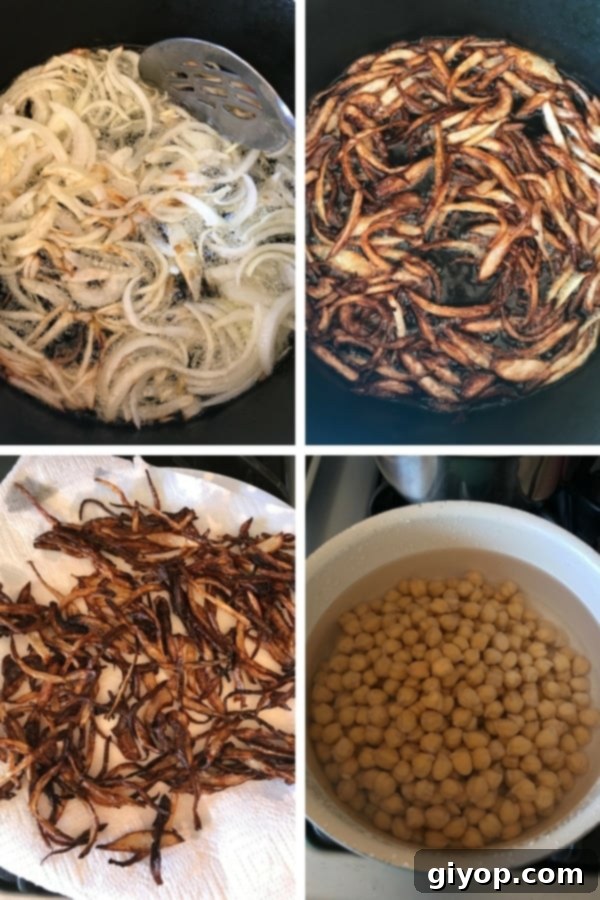
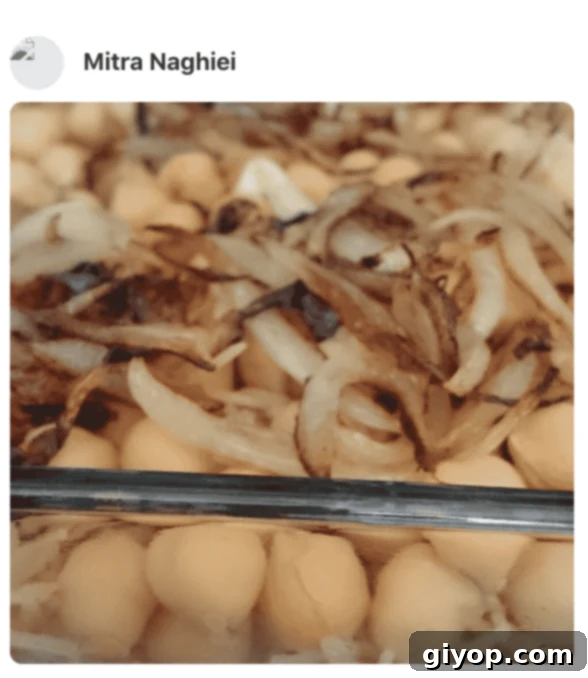
No Koshary is complete without its iconic crispy fried onions, often referred to as “the golden crown.” These thinly sliced, deeply browned onions provide an irresistible crunch and a savory sweetness that balances the entire dish. To achieve perfect crispy onions, simply fry thinly sliced onion wedges in ample oil until they turn a rich golden brown and are deliciously crunchy. While some recipes suggest dusting onions with flour or tossing them with salt beforehand, I find it entirely unnecessary. My method consistently yields wonderfully crispy slices, audible in their crunch! Once fried, immediately transfer them to a plate lined with paper towels to absorb any excess oil. As they cool, they will become even crispier. Don’t discard the frying oil – it holds a secret tip for enhancing your Koshary, which we’ll get to shortly.
Finally, the chickpeas, which should have been soaked previously, need to be cooked. Drain their soaking water and rinse them thoroughly. Place the chickpeas in a pot, cover them with fresh water, add a pinch of salt, and bring to a boil. Reduce the heat and simmer for 60-90 minutes, or until they reach your desired tenderness. They should be soft but still firm enough to hold their shape.
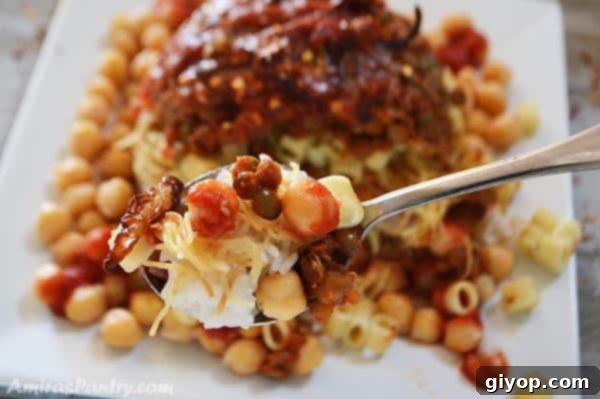
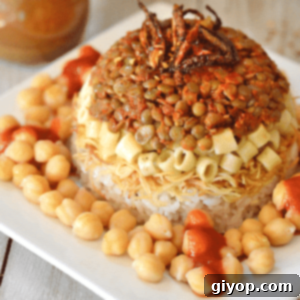
Once all components are prepared, it’s time for the exciting part: assembling your Koshary! You can choose to simply layer and mix everything together on a plate, allowing each diner to customize their ratios, or you can create visually appealing “tarabeesh” (domes) by tightly packing the ingredients into a bowl and then inverting it onto a plate. Whichever method you choose, finish by generously topping your Koshary with both the rich tomato sauce and the zesty cumin sauce, a mound of perfectly cooked chickpeas, and a scattering of those irresistible crispy fried onions. For an extra kick, a sprinkle of cayenne pepper is always a welcome addition, adding a fiery finish to this magnificent dish. This combination of textures and flavors is truly a feast for the senses, delivering comfort and excitement in every bite.
Helpful Notes and Variations for Your Koshary Experience:
Koshary, while traditionally structured, offers room for personal preference and customization, ensuring it appeals to every palate. Here are a few insightful notes and potential variations to enhance your Koshary-making journey:
- Some Koshary enthusiasts prefer their rice not to be stark white. This is often achieved in one of two ways: either by cooking the rice using the water reserved from boiling the lentils, which imparts a subtle color and flavor, or by adding the lentils (without their cooking water) directly to the rice pot when the rice is halfway cooked, allowing them to finish cooking together. Personally, I opt for separate cooking, as it allows my family members to assemble their Koshary bowls according to their individual preferences regarding lentil proportions. This flexibility ensures everyone enjoys their meal precisely how they like it.
- A fantastic trick to elevate your rice is to reserve about ¼ cup of the onion oil – the flavorful oil used for frying the crispy onions. Stir this fragrant oil into your cooked rice. This simple addition not only gives the rice a beautiful sheen but also imparts an unbelievably rich aroma and a wonderful, savory taste that ties into the overall flavor profile of the Koshary. It’s a small step that makes a big difference.
- An interesting, albeit unusual, variation I’ve encountered comes from a friend who soaks raisins in hot water, drains them, and serves them alongside Koshary. While I appreciate culinary adventurousness, I find that the sweetness of raisins, combined with the strong flavors of vinegar and garlic in the sauces, doesn’t quite harmonize. If you’re keen on adding a sweet-tart element, dried cranberries might offer a more complementary flavor profile.
- When preparing the tomato sauce, some people prefer to add onion in addition to, or even instead of, garlic. My recipe sticks to garlic exclusively, which I find provides a clean, potent base. Additionally, many individuals like to spice up their tomato sauce with cayenne pepper. As I often cook for young children, I prefer to keep the main sauce mild and offer cayenne powder as an optional garnish for those who enjoy a spicier Koshary, allowing everyone to adjust the heat to their liking.
- For convenience, particularly on busy days, you can absolutely use a can of garbanzo beans (chickpeas) instead of cooking them from scratch. While I generally prefer the texture and taste of freshly cooked chickpeas, canned varieties are a perfectly acceptable and time-saving alternative. Just be sure to rinse them thoroughly before adding them to your Koshary.
And there you have it – Egyptian Koshary, one of the finest vegetarian comfort foods you absolutely must experience. It’s a dish that masterfully blends amazing flavors and diverse textures, promising a true feast for your mouth and a delightful journey into the heart of Egyptian cuisine.
Discover More Middle Eastern Delights
- Mansaf is a luxurious and celebratory dish, rich in both flavor and history. It features fork-tender lamb, layered with delicate thin bread, aromatic rice, and bathed in a unique, garlicky yogurt sauce. A truly stunning and hearty meal, perfect for special occasions and large gatherings.
- If you’re yearning for an exquisite taste of the Middle East, this Maqluba recipe promises to transport you to culinary bliss. Its artful layers of flavorful rice, tender meat, and perfectly cooked vegetables, inverted dramatically onto a platter, create a dish that is as impressive visually as it is delicious.
- Kabsa is another incredibly flavorful rice dish that evokes cherished childhood memories for many who grew up in Saudi Arabia. This fragrant and spiced rice, often cooked with chicken or lamb, is a staple of Arabian hospitality and warmth.
- Mahshi, the Arabic word for anything stuffed, truly encompasses a world of delicious possibilities. This particular Mahshi recipe showcases a variety of vegetables, meticulously stuffed with a fragrant, aromatic rice mixture and gently cooked in a rich tomato sauce – a labor of love that results in pure comfort food.
- Musakhan is revered as a quintessential traditional dish in Palestinian cuisine. It features succulent sumac-flavored roasted chicken, elegantly served over rustic Taboon Bread, topped with sweet caramelized onions and generously garnished with toasted nuts. It’s a magnificent centerpiece for any table.
- Mandi is the kind of heartwarming rice dish you might savor when visiting a Yemeni grandmother. This exquisite one-pot baked rice and chicken recipe is known for its incredibly tender meat and aromatic rice, infused with unique spices, and is an absolute must-try for any lover of Middle Eastern flavors.
Egyptian Koshari
Print
Pin
Rate
Main Course
Egyptian
30 minutes
1 hour
1 hour
30 minutes
12
people
563
kcal
Amira
Ingredients
-
2 ½
cups
of short grain rice. -
1
package
16 oz dry Pasta, preferably Ditalini or elbow. -
2
Tablespoon
oil. -
Salt and Pepper to taste.
For the Lentils:
-
2
cups
dry brown lentils. -
Water to cover lentils. -
2
Tablespoons
olive oil. -
1
medium onion
chopped. -
1
can
16oz tomato sauce. -
1
teaspoon
ground cumin. -
Salt and pepper to taste.
For the Vermicelli :
-
½
packet
15.87 oz Vermicelli. -
3
Tablespoon
olive oil or butter. -
1
cup
water. -
Salt to taste.
For the Chickpeas:
-
1
cup
dry chickpeas. -
¼
teaspoon
baking soda. -
Water. -
Or you can use a can of chickpeas.
For the tomato sauce:
-
1 ½
teaspoon
garlic
crushed. -
2
Tablespoon
olive oil. -
¼
cup
white vinegar.* -
2
cans
16oz tomato sauce. -
Salt to taste.
For the Cumin Sauce (Kamouneyah):
-
1
teaspoon
garlic
crushed. -
1
Tablespoon
ground cumin. -
2
Tablespoons
olive oil. -
¼
cup
water. -
¼
cup
vinegar. -
Salt.
For the fried onion:
-
3
Large onions
sliced. -
Oil for frying.
Instructions
- If you are using dry chickpeas, soak them in cold water overnight with ¼ teaspoons baking soda.
- Cook Pasta in enough salty water according to package directions, drain then add 2 Tablespoon of oil and adjust seasoning. Mix everything together and set aside.
- Prepare rice as indicated on your package and set aside.
Prepare lentils:
- Put lentils in a colander and wash thoroughly under running cold water.
- Place lentils in a pot covered with cold water and bring to a boil.
- Reduce heat and cook for 25-30 minutes until just al dente making sure to check on water level and add water whenever necessary.
- Drain but do not rinse and in the same pot saute onion in oil until fragrant.
- Add lentils back to the pot with tomato sauce and season.
- Continue cooking until done and set aside.
Cook vermicelli :
- In a medium pot over medium-high heat, add oil and vermicelli cook until vermicelli turns golden brown.
- Add water little by little and stir until you get the desired tenders.
- Season with salt.
Cook chickpeas:
- Drain soaked chickpeas and wash well with running water.
- Place chickpeas in a pot, cover with cold water and add a pinch of salt.
- Bring to a boil then reduce heat and continue cooking 60-90 minutes until the desired tenderness reached.
- Make sure to check on water level and add water whenever necessary.
Make tomato sauce:
- In a medium sauce pan, sauté garlic in oil until fragrant, about 1 minute.
- Add vinegar, tomato sauce, water and salt then mix well.
Make Cumin sauce:
- In a small sauce pan, sauté garlic and cumin together until fragrant, about 30 seconds.
- Add vinegar, water then taste to adjust salt.
Fried onions:
- In a deep pot, add oil to cover the bottom by 1 inch.
- Add onion slices and cook on medium-high stirring every now and then making sure not to burn the onions.
- Take onions out on a plate lined with kitchen paper towel.
- Set aside, it will Harden and get crispier.
- Take 2 Tablespoons of the cooking oil and stir them in the cooked rice. This step is optional but highly recommended as it gives the rice shine and taste.
To assemble:
- You can let everyone take of each of the ingredients as he likes or make what is called tarabeesh (domes) by packing ingredients tightly in a bowl then invert it on plates. Top with onion and sauces.
Video
Notes
Calories from Fat 133
23%
11%
34%
11%
33%
57%
8%
31%
7%
17%
2%
17%
Nutrition
Calories:
563
kcal
|
Carbohydrates:
98.8
g
|
Protein:
15.6
g
|
Fat:
14.8
g
|
Saturated Fat:
1.7
g
|
Polyunsaturated Fat:
1.2
g
|
Monounsaturated Fat:
9.2
g
|
Sodium:
782.1
mg
|
Potassium:
390
mg
|
Fiber:
13.7
g
|
Sugar:
7.5
g
|
Vitamin A:
355
IU
|
Vitamin C:
14
mg
|
Calcium:
17
mg
|
Iron:
3.1
mg
Tried this Recipe? Pin it for Later!
Mention @AmirasPantry or tag #AmirasPantry!
Time to Show Off Your Koshary Creations!