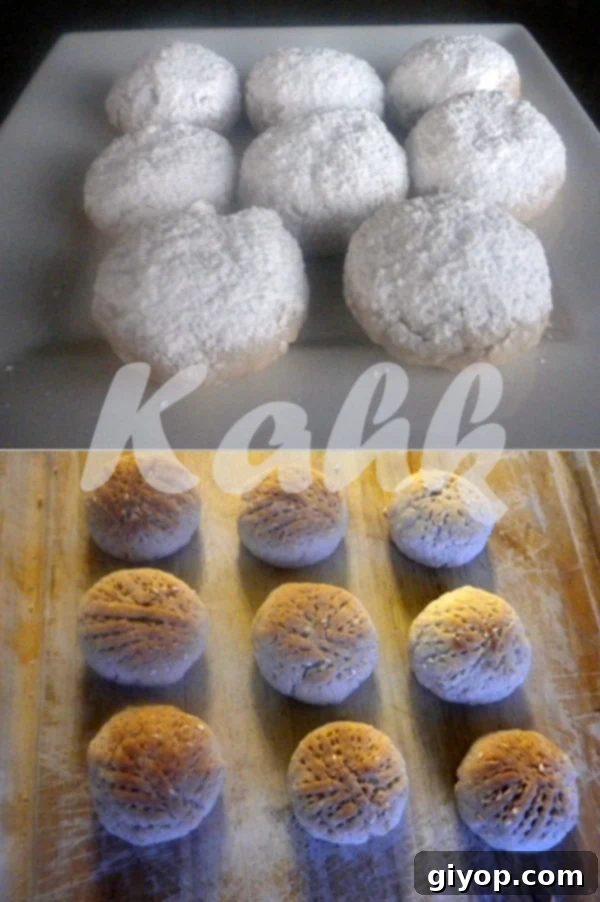
Unveiling the Timeless Charm of Egyptian Kahk: Your Ultimate Guide to Traditional Eid Cookies
Welcome, fellow food enthusiasts, to a culinary journey into the heart of Egyptian traditions. Today, we’re diving deep into the beloved world of Kahk – a cookie so significant, so steeped in history and cherished memories, that it holds a special place in the hearts of Egyptians worldwide. This isn’t just a recipe; it’s an heirloom, a celebration, and a taste of pure joy. While mastering the art of Kahk might seem daunting at first, much like learning rocket science (as I once jokingly thought!), I promise you that with this comprehensive guide, you’ll conquer any fears and bake these exquisite cookies with confidence and pride.
For generations, Kahk has been the sweet cornerstone of Egyptian festivities. Especially for those of us who grew up in the 70s and 80s, the aroma of Kahk baking at home evokes vivid memories of watching our mothers and grandmothers meticulously prepare these buttery delights, turning simple ingredients into edible art. It’s a tradition that transcends religious boundaries, bringing together families and communities during some of the most joyous occasions of the year. While I’ve previously revisited this cherished recipe with updated photos on my other post here, this foundational guide remains incredibly dear to me. Prepare to immerse yourself in the authentic flavors of Egypt and create unforgettable moments with these beautiful, melt-in-your-mouth cookies.
The Rich History and Cultural Significance of Egyptian Kahk
Egyptian Eid Cookies, universally known as Kahk (pronounced Ka-hk), are far more than just a dessert; they are a symbol of joy and a testament to ancient traditions that have been passed down through millennia. These delectable cookies are intrinsically linked with happy occasions and celebrations within Egyptian culture, cherished by both Muslims and Christians alike.
For Egyptian Muslims, Kahk graces the tables yearly during Eid al-Fitr, the joyous feast that marks the end of the holy month of Ramadan. It’s a time of communal gatherings, gift-giving, and sharing sweet treats, with Kahk being the undisputed star. Similarly, Egyptian Christians eagerly anticipate Kahk bi-yearly, serving it during Christmas and Easter celebrations, cementing its status as a universal symbol of festivity and unity.
Beyond religious holidays, Kahk also plays a significant role in life’s milestones. When a young woman gets married, her family traditionally ensures her new pantry is stocked with these special cookies, symbolizing good fortune and a sweet beginning. This practice highlights the deep-rooted cultural importance of Kahk in welcoming new phases of life and celebrating family bonds.
The origins of Kahk are truly ancient, with historians tracing them back to Pharaonic times. Fascinating drawings depicting the making of Kahk have been discovered in some of Egypt’s oldest temples. These ancient cookies were often adorned with carvings of the sun goddess, a tradition that continues to this day, as bakers meticulously carve intricate patterns onto the surface of their Kahk. The word “Kahk” itself is the Arabic term for cookies or biscuits, a simple name for a dessert with such profound historical depth.
While the ritual of making special holiday cookies has extended to other Middle Eastern countries, often featuring semolina-based varieties like “Ma’amoul” which are typically stuffed with dates, Egyptian Kahk stands unique with its distinct dough and rich ghee content, offering an unparalleled buttery, crumbly texture. Traditional Kahk is most commonly filled with Agameya (a special honey-nut filling), walnuts, pistachios, or Turkish delight (lokoum). Many prefer them simply plain, dusted generously with powdered sugar, allowing the exquisite flavor of the cookie itself to shine through.
For a detailed video guide and additional insights into crafting these wonderful cookies, I encourage you to check out my updated Kahk post with video here.
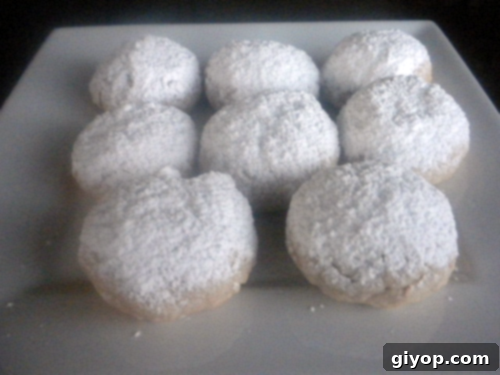
Crafting Authentic Kahk: Ingredients You’ll Need
The magic of Kahk lies in the simplicity of its ingredients and the specific techniques used to combine them. To create these legendary Egyptian Eid cookies, you’ll need the following components for both the dough and the traditional Agameya filling.
For the Kahk Dough:
- 3 cups of high-quality all-purpose flour.
- 1 ¼ cup of rich, clarified ghee (essential for the signature melt-in-your-mouth texture).
- ⅓ cup of warm milk.
- 1 tablespoon of active dry yeast.
- 1 tablespoon of granulated sugar.
- ½ teaspoon cinnamon (optional, for a hint of warmth).
- 2 tablespoon sesame seeds (optional, adds a delightful nutty crunch and aroma).
For the Agameya Filling (Honey-Nut Delight):
- 2 tablespoons of all-purpose flour.
- 3 tablespoons of ghee or butter.
- 1 cup of pure honey.
- 2 teaspoons of sesame seeds.
- 1 cup of coarse walnuts (or pistachios, or a mix of nuts).
Step-by-Step Guide to Making Traditional Egyptian Kahk
Making Kahk is a labor of love, a rhythmic process that rewards patience with exquisite flavor and texture. Follow these detailed steps to create your own batch of authentic Egyptian Eid cookies.
Preparing the Kahk Dough: The Foundation of Flavor
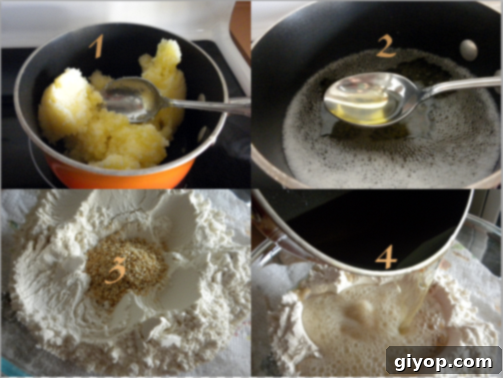
- Activate the Ghee: Begin by melting the ghee in a saucepan over medium heat until it starts to gently bubble and becomes very hot. It’s crucial to keep a close eye on it to prevent burning, as this is key to the cookie’s texture.
- Combine Dry Ingredients: In a large, heat-resistant bowl, thoroughly mix the flour and cinnamon. Create a well in the center of the flour mixture and add the sesame seeds into it.
- The Ghee Infusion: Very carefully and gradually pour the hot ghee over the sesame seeds and into the well of flour. Immediately begin stirring with a sturdy wooden spoon. The mixture will initially appear watery and very hot. Continue stirring until the ghee is well incorporated.
- Cooling and Hydrating: Allow the flour and ghee mixture to cool down significantly for about 10 to 15 minutes. During this time, in a separate small bowl, dissolve the granulated sugar and dry yeast in the warm milk. Set aside to activate.
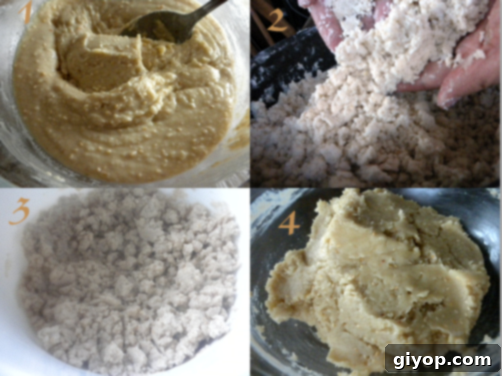
- The “Bussing” Technique: Once the flour mixture has cooled enough to handle, use your hands to “buss” (rub) the ghee and flour together. This crucial step involves gently rubbing the mixture between your palms and fingers, ensuring every particle of flour is coated with ghee. This creates the characteristic crumbly, melt-in-your-mouth texture of Kahk. Continue until the mixture is uniform and feels like fine crumbs.
- Forming the Dough: Add the milk-yeast mixture to the ghee-flour base. Gently mix with your hands until it forms a cohesive, pliable dough. Be careful not to overmix, as this can develop gluten and make the cookies tough. Once the dough comes together, cover the bowl and let it rest in a warm place for an hour to allow the yeast to work its magic.
Preparing the Agameya Filling: A Sweet Surprise
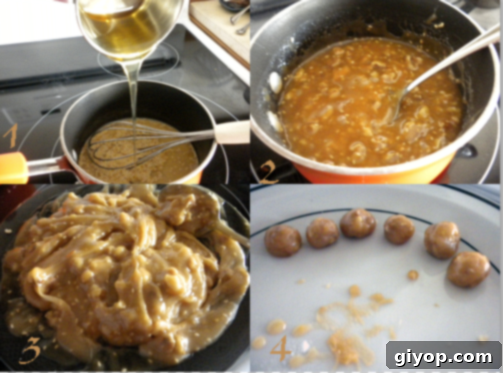
While your Kahk dough is resting, dedicate this hour to preparing the delicious Agameya filling:
- Sauté the Flour: Melt the butter or ghee in a pan over medium heat. Add the flour and whisk vigorously. Cook until the flour turns a beautiful golden color and smells nutty.
- Combine with Honey and Nuts: Remove the pan from the heat. Immediately stir in the sesame seeds, honey, and coarse walnuts (or your chosen nuts).
- Thicken the Filling: Return the pan to very low heat and continue stirring constantly. The mixture will gradually thicken into a sticky, manageable paste. Be patient, as this might take a few minutes.
- Cool and Shape: Transfer the Agameya to a plate or shallow dish and let it cool completely. Once cool enough to handle, roll the filling into small balls, roughly the size of a hazelnut. This will make it easy to stuff into the Kahk dough.
Assembling and Shaping Your Kahk
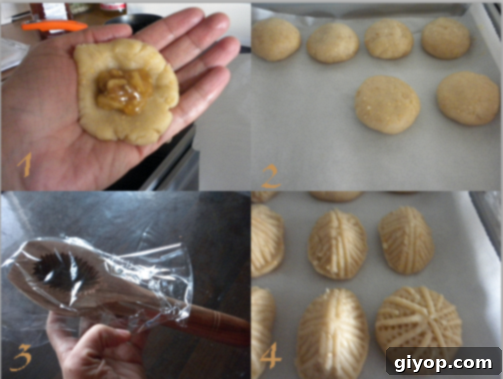
- Fill the Dough: Take a small piece of the rested Kahk dough. Flatten it slightly in your palm, place one of the Agameya balls in the center, and then carefully enclose the filling by rolling the dough around it, forming a smooth ball.
- Shape and Decorate: Place the filled dough ball onto a baking sheet. Gently press it down slightly to flatten it into a disc. This is where the artistry comes in! You can purchase traditional wooden or plastic Kahk molds from any Middle Eastern market to create the characteristic beautiful carvings on the cookie surface. For easy removal, I often place a small piece of cling film inside the mold before pressing the dough. If you don’t have a mold, fret not! You can simply use a fork to create patterns or even leave them plain; they will still taste absolutely delicious.
Baking and Serving Your Homemade Kahk
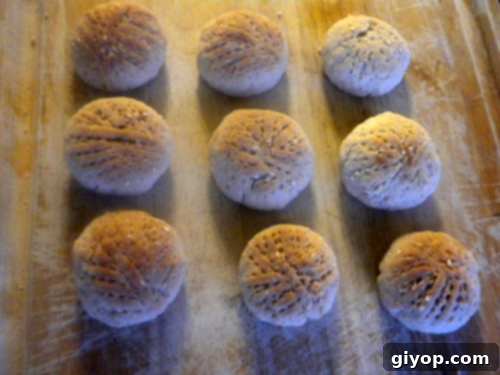
- Bake to Perfection: Preheat your oven to 350°F (175°C). Bake the Kahk for approximately 15 minutes, or until the bottoms are lightly golden. For a touch of golden color on top, you can briefly broil them for a minute or two, watching carefully to prevent burning.
- Cooling and Storage: Once baked, remove the Kahk from the oven and let them cool completely on the baking sheet or a wire rack. They will firm up as they cool. Store the cooled Kahk in an airtight container at room temperature for several days, or even longer in the refrigerator.
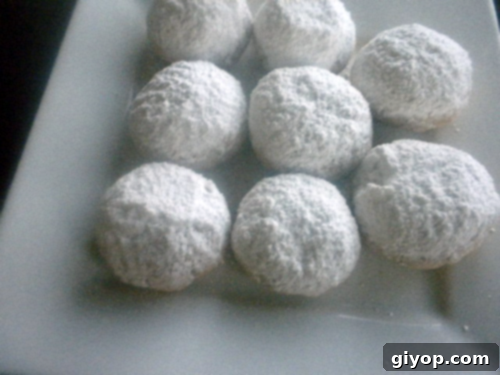
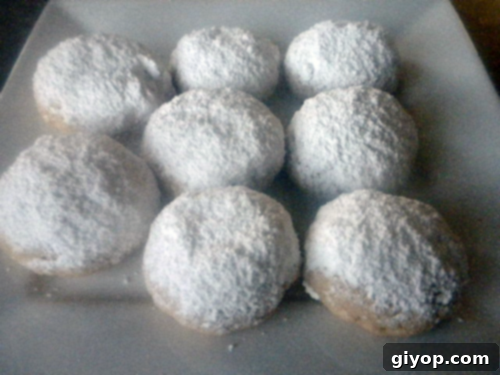
- The Finishing Touch: Just before serving, generously coat the Kahk with a dusting of powdered sugar. This final step not only adds a beautiful aesthetic but also enhances the sweetness and iconic presentation of these traditional cookies.
- Serve and Enjoy: Serve your homemade Egyptian Kahk with a warm cup of coffee or traditional black tea. The combination is simply irresistible, perfect for sharing with family and friends during any festive occasion or as a comforting treat.
Tips for Mastering Your Egyptian Kahk
Achieving the perfect Kahk requires attention to detail, but with these expert tips, you’ll be baking like a seasoned Egyptian grandma in no time:
- Quality Ghee is Key: The secret to Kahk’s exquisite texture is good quality ghee. Do not substitute with butter or oil for the dough, as it will drastically alter the texture. If you’re feeling adventurous, you can even learn how to make your own ghee from butter.
- Don’t Overmix the Dough: Once you add the milk-yeast mixture, mix just until the dough comes together. Overmixing develops gluten, leading to tougher cookies. The goal is a tender, crumbly Kahk.
- Temperature Control: Ensure the ghee is hot when pouring it over the flour, but allow the mixture to cool significantly before adding the yeast mixture. Too hot, and it will kill the yeast; too cold, and the dough won’t rise properly.
- Experiment with Fillings: While Agameya is traditional, feel free to experiment with other fillings like finely ground pistachios mixed with a little simple syrup, or even pieces of Turkish delight (lokoum) for a chewy surprise. For plain Kahk, simply omit the filling and enjoy the pure, buttery dough.
- Proper Storage: Kahk keeps exceptionally well. Store them in an airtight container at room temperature. They tend to taste even better a day or two after baking, as the flavors meld and the texture stabilizes.
- Dough Consistency: If your dough feels too crumbly and isn’t coming together, add a tiny bit more warm milk, a teaspoon at a time. If it’s too sticky, incorporate a small amount of flour. The dough should be pliable and smooth.
Embrace the Tradition
Making Kahk is more than just following a recipe; it’s about connecting with a rich cultural heritage and creating delicious memories. The process, though meticulous, is incredibly rewarding, culminating in a cookie that is truly special and universally loved. Whether you’re celebrating Eid, Christmas, Easter, or simply craving a taste of authentic Egypt, these traditional Kahk cookies are sure to bring joy to your home and your palate.
I hope you thoroughly enjoy recreating this authentic Egyptian recipe. Don’t be afraid to make it your own, and most importantly, savor every moment of the process and every bite of the finished product. Happy baking!