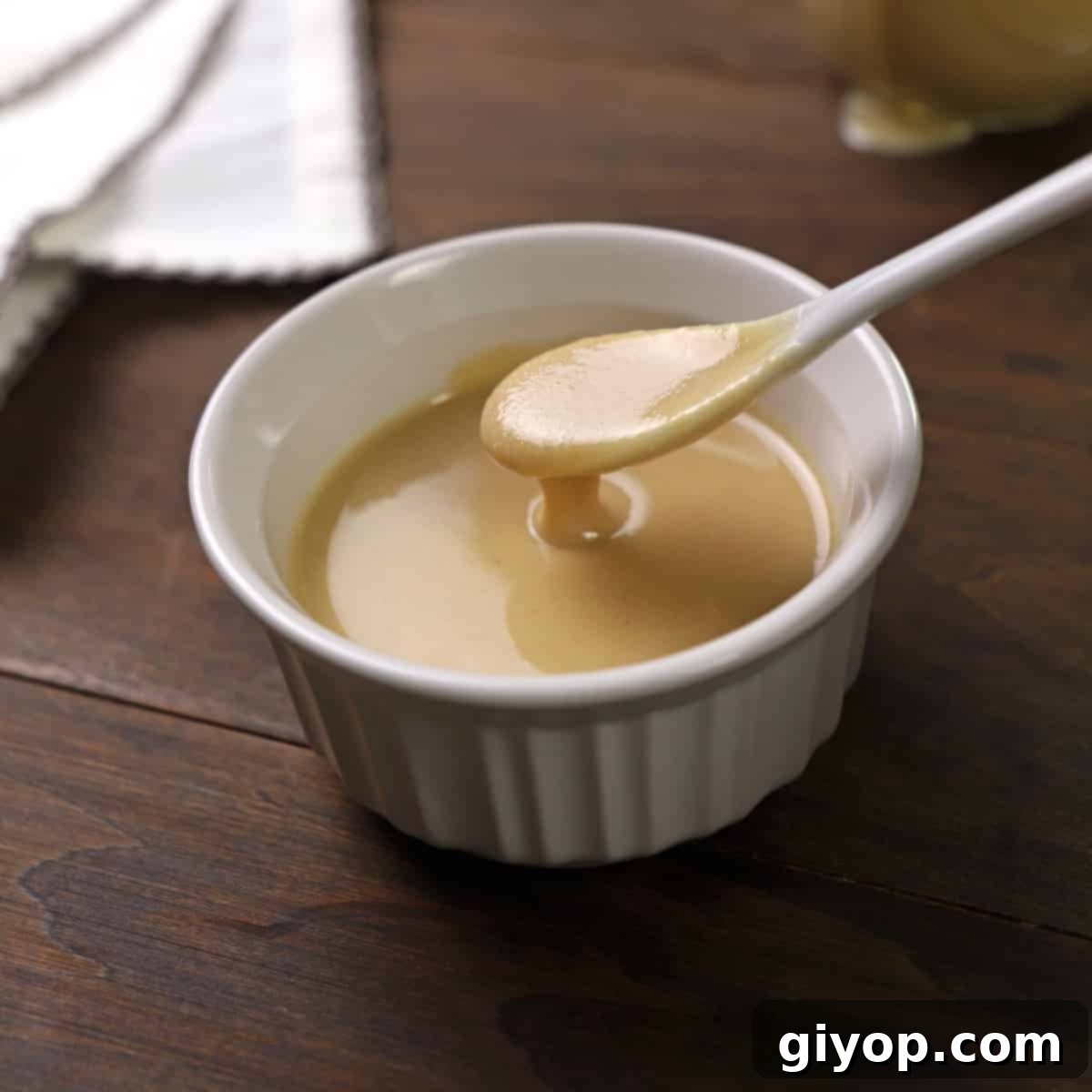
Unlock the secret to incredibly fresh, flavorful, and wonderfully smooth tahini paste right in your own kitchen! A cornerstone of Mediterranean and Middle Eastern cuisines, this essential ingredient is far easier to make at home than you might think. With just two simple ingredients and less than 30 minutes of your time, you can create a jar of homemade tahini that truly surpasses anything you’ll find on store shelves.
Ditch the preservatives and the occasional bitterness of mass-produced alternatives. Our comprehensive guide will walk you through every step, ensuring you achieve a perfectly creamy, mildly nutty, and utterly delicious sesame paste. Get ready to elevate your hummus, baba ghanoush, salad dressings, and countless other dishes with the authentic taste of homemade tahini.
Once you master this basic tahini recipe, a world of culinary possibilities opens up. From the rich and savory hummus to the delightful tahini sauce and the smoky mutabal, your homemade tahini will be the star. Next time you’re in the mood for an exquisite dip, try making this delicious baba ghanoush.
Why You’ll Adore This Homemade Tahini
Preparing tahini from scratch offers a multitude of benefits that make it an absolute game-changer in your kitchen. This particular recipe stands out for several compelling reasons:
- **Effortlessly Simple:** This recipe calls for just two core ingredients, making it incredibly straightforward and accessible for even novice cooks.
- **Rapid Preparation:** You’ll have a fresh batch of tahini ready in a mere 30 minutes, significantly faster than a trip to the grocery store.
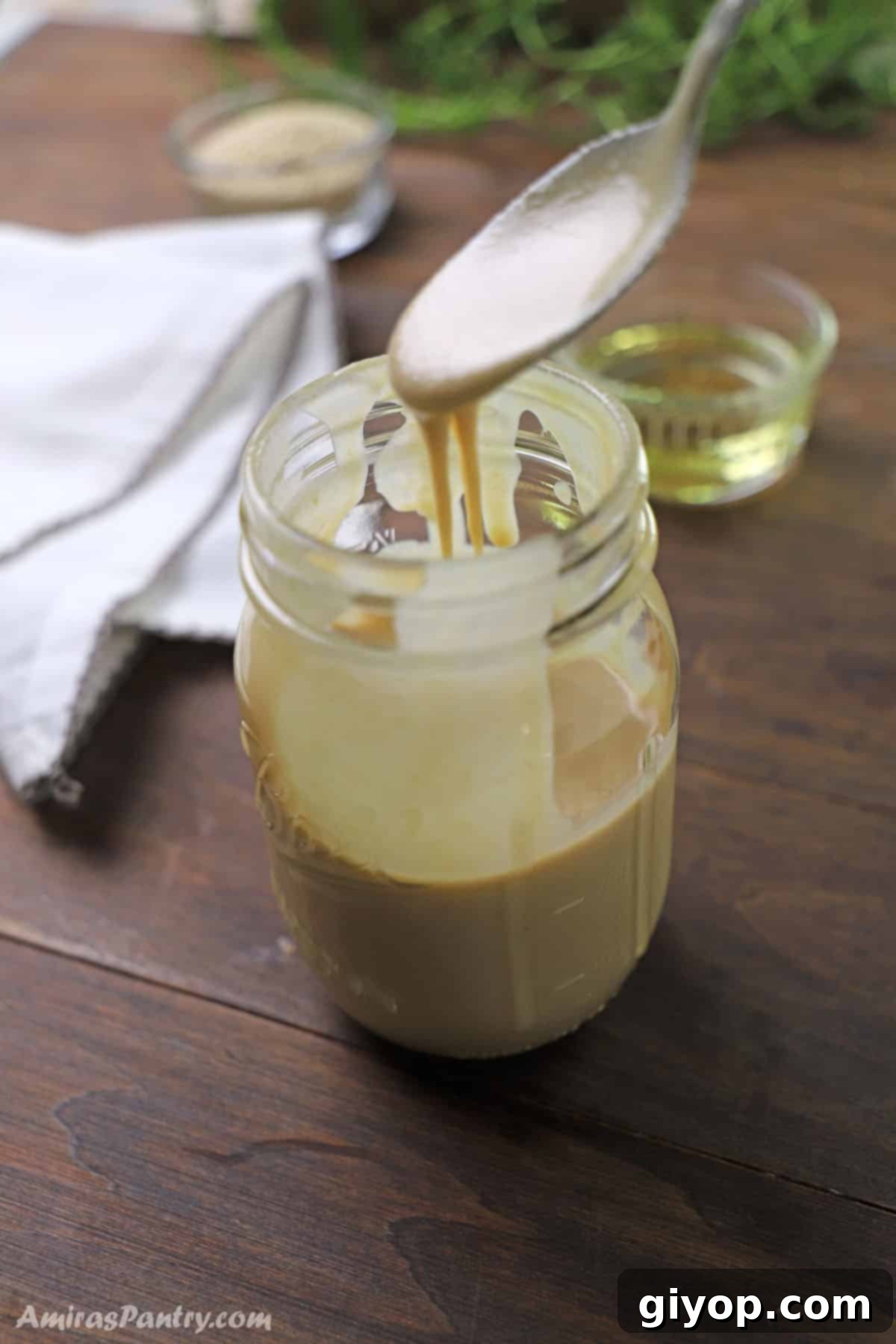
- **Unrivaled Creaminess & Flavor:** Say goodbye to dry, gritty, or overly bitter tahini. Our method guarantees a velvety smooth, delightfully nutty paste that’s 100% approved for its superior taste and texture.
- **Versatile Culinary Base:** This basic tahini recipe forms the perfect foundation for a vast array of Middle Eastern and Mediterranean dishes, from savory dips to sweet treats.
- **Our Special Touch for Perfection:** With a unique trick up our sleeve, this recipe ensures a fresh flavor profile and a consistently smooth texture, promising a delightful experience free from the undesirable bitterness often associated with homemade or even some store-bought varieties. You’ll truly never revert to store-bought tahini again!
- **Diet-Friendly:** Catering to various dietary needs, this tahini is naturally vegan, gluten-free, Halal, and keto-compliant. It’s the ideal ingredient for crafting a light easy tahini sauce or a vibrant salad dressing.
As someone who has grown up with tahini as a culinary constant, I believe the best tahini should possess a mildly nutty aroma, a lusciously creamy consistency, and be easily stir-able with a beautiful light beige hue. A common pitfall with many homemade attempts is an overpowering, sharp sesame flavor that often veers into an undesirable bitter realm. Our recipe expertly navigates this challenge.
Achieving a truly smooth and creamy tahini paste without expensive, professional-grade equipment can indeed be a hurdle. Many home cooks lament their tahini being gritty rather than silky. The ingenious solution lies in combining the power of a coffee grinder for the initial breakdown with your everyday blender. This two-stage grinding process is the secret to unlocking that coveted, silky-smooth texture, ensuring every spoonful is pure delight.
Essential Ingredients for Homemade Tahini
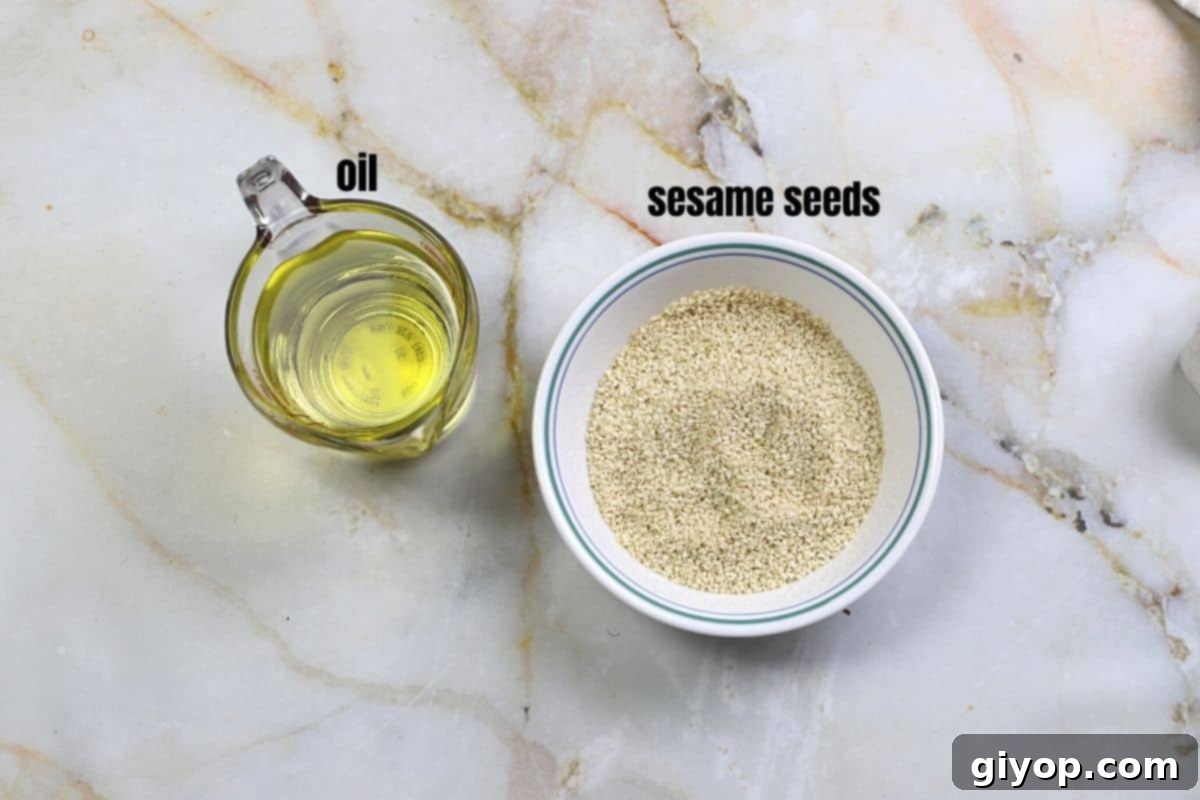
Creating authentic, delicious tahini only requires a few key components. The quality of these ingredients directly impacts the final flavor and texture of your paste, so choose wisely.
Ingredient Notes and Tips
- **Sesame Seeds:** For the light, creamy tahini most commonly used, opt for **hulled sesame seeds**. These are readily available in most grocery stores and health food shops. Hulled seeds have their outer shell removed, resulting in a milder flavor and lighter color. You can also make tahini from unhulled sesame seeds, which yields a darker, more intensely flavored paste often referred to as “tahina hamra” (red tahini) due to its deeper hue. While delicious, unhulled tahini tends to be more bitter.
- **Neutral Oil:** The choice of oil is crucial for achieving the right consistency and ensuring the delicate sesame flavor shines through. I highly recommend using a **light-tasting olive oil** or **avocado oil**. Both are excellent choices because they have a mild flavor that won’t compete with the sesame. Any other neutral-flavored oil, such as grapeseed, sunflower, or canola oil, will also work wonderfully. Even untoasted sesame oil can be used to enhance the sesame flavor without adding bitterness. Avoid strong-flavored oils like extra virgin olive oil, which can impart an undesirable taste.
- **Salt (Optional but Recommended):** A small pinch of salt can significantly enhance the overall flavor of your tahini, balancing the nuttiness and bringing out its best qualities. Feel free to adjust the amount to your personal preference, or omit it entirely if you prefer unsalted tahini.
Step-by-Step Instructions for Homemade Tahini Perfection
Follow these detailed instructions to create the smoothest, most flavorful tahini paste you’ve ever tasted. Pay close attention to the small details, as they make all the difference!
- **Lightly Toast Half the Sesame Seeds:** Begin by adding one cup (approximately 130g) of your hulled sesame seeds to a large, dry pan. Place the pan over medium-low heat. Stir the seeds constantly for about 5 minutes. The goal here is to lightly toast them until they achieve a barely golden color and release a fragrant, nutty aroma. It’s crucial to watch them carefully and stir continuously to prevent burning, which can lead to a bitter taste in your final tahini. Remove the pan from the heat immediately once toasted and allow the seeds to cool completely.
- **Initial Grinding in Batches:** Once the toasted sesame seeds have cooled, you’ll begin the grinding process. For the best results, work in small batches. Combine about one-third of the cooled toasted sesame seeds with one-third of the untoasted (raw) sesame seeds in your coffee grinder. Grind for several seconds. The combination of toasted and raw seeds is key to achieving that balanced, non-bitter flavor profile.
- **Achieving “Play-Dough” Consistency:** Continue grinding the sesame seeds in your coffee grinder until they reach a consistency similar to play dough. This will require you to stop the grinder every few seconds, scrape down the sides with a spatula, and then resume grinding. The seeds will gradually release their natural oils, transforming from a coarse meal into a thicker, pasty texture that you can press together in your hand. This typically takes about 5-7 seconds per grind cycle, repeated 2-3 times per batch. This step is vital for ensuring a smooth final tahini. Repeat this process with the remaining sesame seeds until all are ground into this “play-dough” consistency.
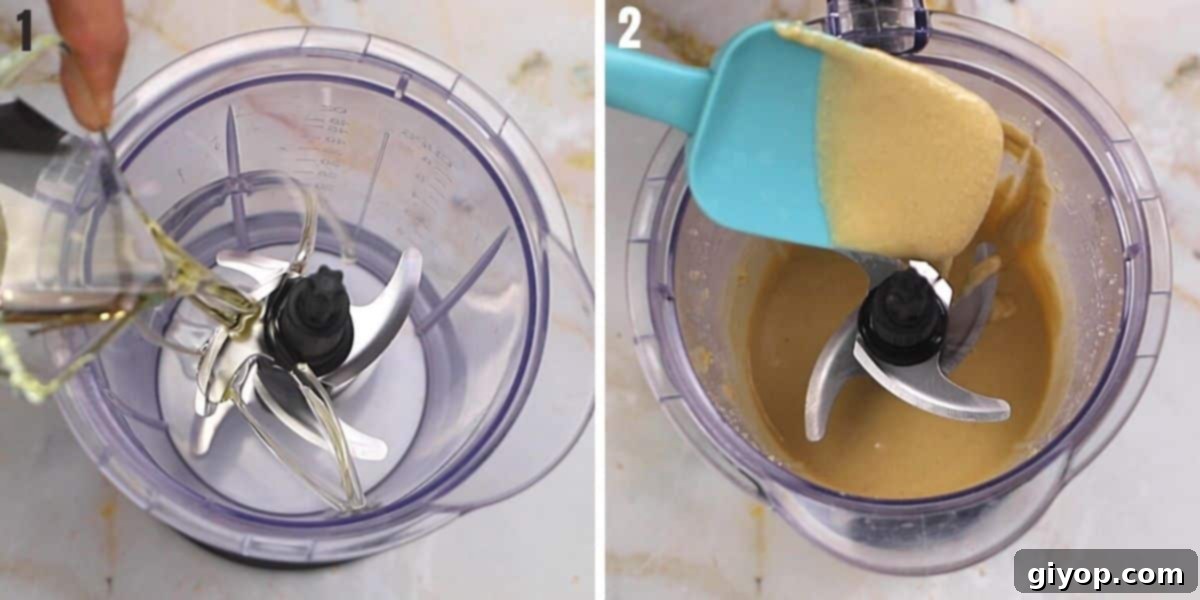
- **Blending with Oil for Final Smoothness:** Transfer all of your ground sesame “play-dough” into a high-speed blender. Pour in ¼ cup of your chosen neutral oil. Blend on high until the mixture is fully combined and begins to resemble a smooth, pourable paste.
- **Adjusting Consistency and Seasoning:** Stop the blender and check the consistency of your tahini. If it appears too thick or not as smooth as desired, turn the blender back on and slowly drizzle in additional oil through the opening in the lid, a tablespoon at a time, until your desired silky consistency is achieved. Finally, add ¼ teaspoon of salt (or to taste) and blend briefly to incorporate. Your fresh, homemade tahini is now ready to be transferred to a clean container or jar with a tight-fitting lid.
Expert Tips for the Best Homemade Tahini
While the process is straightforward, these professional tips will help you achieve perfection every time:
- **Pan Toasting is Superior:** Toasting sesame seeds in a dry pan on the stovetop offers much more control than using an oven. This method significantly reduces the risk of uneven toasting or burning, which can lead to a bitter tahini.
- **Stir Constantly:** When toasting sesame seeds, never leave them unattended. Continuous stirring ensures even heat distribution and prevents any seeds from scorching, which is crucial for a clean, nutty flavor.
- **Cool Seeds Completely:** After toasting, allow the sesame seeds to cool fully before grinding. Grinding warm seeds can cause the oils to release too quickly and affect the final texture.
- **Don’t Overload:** Process sesame seeds in small batches, especially in a coffee grinder. Overloading your grinder or blender can lead to an uneven grind and put strain on your appliance.
- **Patience with Grinding:** The transformation from whole seeds to “play-dough” consistency takes a few stops and scrapes. Be patient and continue scraping down the sides of your grinder to ensure all seeds are finely processed. If your grinder struggles, a tiny drizzle of oil (a teaspoon) can sometimes help get things moving.
- **Adjust Oil Gradually:** The amount of oil needed can vary slightly depending on the natural oil content of your sesame seeds and your desired tahini consistency. Always add oil gradually during the final blending stage until you reach that perfect pourable, creamy texture.
Storage for Fresh Homemade Tahini
Proper storage is essential to maintain the freshness and quality of your homemade tahini.
I always store my tahini in a cool, dark place within my pantry, ensuring it’s kept away from any direct heat sources like the stove or sunlight. Unlike many other condiments, I generally avoid storing tahini in the refrigerator, a practice I inherited from my mother and have found to be best for maintaining its ideal consistency. When refrigerated, tahini can thicken considerably, making it harder to stir and use directly. Stored this way in an airtight container, homemade tahini will remain fresh and delicious for a couple of months.
Natural oil separation is completely normal; simply give it a good stir before each use. If you live in a particularly warm climate, or if you prefer the peace of mind, you are welcome to store your tahini in the fridge, just be prepared for it to be much thicker and possibly requiring a bit more effort to stir before serving.
Delicious Variations to Customize Your Tahini
While our base recipe yields a perfectly balanced tahini, you can easily experiment with variations to suit your taste or specific culinary needs:
- **Nutty Enhancements:** Some enthusiasts enjoy blending a small amount of other nuts, like cashews or pistachios, with their sesame seeds for an added layer of nutty flavor and richness. Peanut butter is another popular addition for those who desire a deeper, more complex taste profile.
- **Flavor Infusions:** Consider adding a pinch of spices to your tahini. A dash of smoked paprika, a hint of cumin, or a touch of za’atar can transform its character, making it perfect for specialized dips or marinades.
- **Addressing Bitterness (No Longer Needed Here!):** Traditionally, some recipes suggested adding toasted all-purpose flour to reduce bitterness. However, with our meticulously developed method of combining lightly toasted and raw sesame seeds, this step is entirely unnecessary. Our technique naturally eliminates bitterness, allowing you to enjoy pure, clean sesame flavor without added carbs.
Frequently Asked Questions About Homemade Tahini
For a truly creamy and smooth tahini, a powerful blender like a Vitamix or Blendtec is highly recommended. These blenders have the motor strength and blade design to break down the sesame seeds into a fine paste. While you’re welcome to try with a standard blender or food processor, you might find it difficult to achieve the same level of smoothness, and the tahini could end up grittier. Our method, incorporating an initial grind in a coffee grinder, helps circumvent this issue, making a powerful blender less critical but still beneficial for the final stage.
Yes, you can certainly make tahini from raw, untoasted sesame seeds if that is your preference. However, based on extensive testing, our recipe, which uses a blend of lightly toasted and raw seeds, delivers the most balanced and preferred flavor profile. Tahini made solely from untoasted seeds tends to be very pale in color and can have a distinct, almost ‘raw’ or ‘weird’ smell that some find undesirable. Conversely, tahini made entirely from heavily toasted seeds often tastes ‘too sesame-y’ with a darker color and increased bitterness. We encourage you to experiment with different ratios to discover your favorite! Below is a visual comparison of tahini made with different toasting levels:
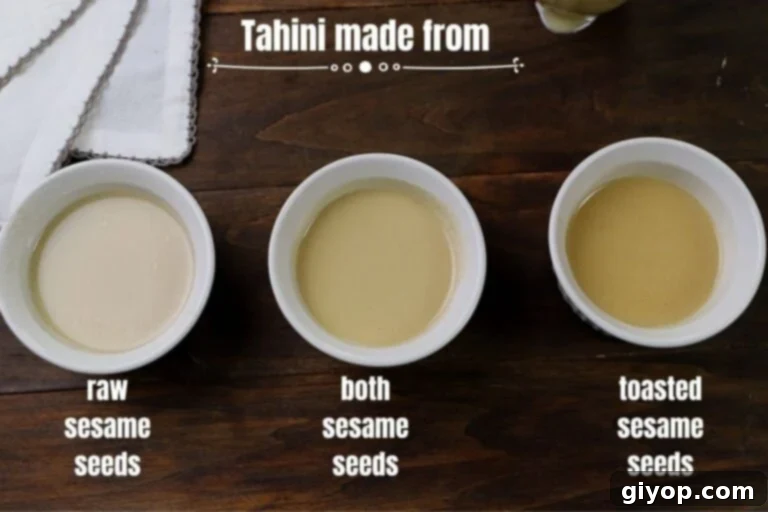
Toasting sesame seeds not only enhances their nutty flavor but also causes them to lose some of their natural moisture and, consequently, a small percentage of their natural oils. Studies show that roughly 8-10% of the sesame’s weight, primarily water, is lost during toasting. Adding a bit of neutral oil during blending helps to compensate for this loss, ensures optimal consistency, and facilitates the grinding process, especially in less powerful blenders. It’s highly recommended for a truly smooth and luscious tahini.
With our specific recipe, bitterness should not be an issue! However, bitterness in homemade tahini typically arises from over-toasting the sesame seeds. There are generally three traditional methods people employ to mitigate bitterness:
1. **Our Preferred Method:** Using a combination of half lightly toasted and half untoasted sesame seeds, as outlined in this recipe. This naturally balances the flavors.
2. **Adding Flour:** Some recipes suggest adding about ½ cup of lightly toasted all-purpose flour for every cup of toasted sesame seeds, along with the oil. I used to do this before trying to limit my carb intake.
3. **Grinding Peanuts:** Another approach involves grinding peanuts alongside the sesame seeds. While effective, this can significantly alter the distinct flavor of tahini, making it taste more like peanut butter.
We’ve found that the first method – carefully balancing toasted and raw seeds – is the most effective and flavor-preserving way to achieve a non-bitter, delicious tahini.
The traditional process for making commercial tahini begins with washing sesame seeds, often in water with a small amount of salt. They are then typically roasted (though some varieties use raw seeds) and finally milled into a smooth paste using industrial grinders. This process is optimized for efficiency and consistency on a larger scale. For a visual insight into the traditional process, you can find many interesting videos online, such as those demonstrating production in Middle Eastern factories.
The ideal consistency of tahini is somewhat a matter of personal preference and intended use. Generally, you’re aiming for a consistency similar to that of natural peanut butter – smooth, pourable, but not watery. It should be thick enough to cling to a spoon but thin enough to drizzle. You can easily adjust the thickness by adding more neutral oil, a tablespoon at a time, until it reaches your desired texture. Thicker tahini is great for spreading, while thinner tahini works perfectly for dressings and sauces.
Endless Culinary Uses for Your Homemade Tahini
Once you have a jar of this golden, creamy goodness, the culinary world is your oyster. Tahini is incredibly versatile, lending its unique nutty flavor to both savory and sweet dishes.
- **Classic Mediterranean & Middle Eastern Dips:** The possibilities are truly endless! Whip up a batch of creamy tahini sauce for falafel, make a rich baba ghanouj with roasted eggplant, or craft the perfect hummus.
- **Savory Main Courses:** Incorporate it into main dishes like tahini chicken or use it as a base for marinades for fish and vegetables. Its richness adds depth to any savory preparation.
- **Unique Pasta Dishes:** For a delightful twist, try tahini pasta, a creamy vegan alternative to traditional tomato-based sauces.
- **Flavorful Dressings:** Create vibrant salad dressings, such as our refreshing lemon herb tahini, perfect for drizzling over greens, grilled vegetables, or grain bowls.
- **Sweet Treats & Desserts:** Don’t limit tahini to savory dishes! It’s a key ingredient in traditional sweets like halva and can be used to make delectable tahini cookies. For a classic Egyptian breakfast, simply drizzle it over molasses and enjoy with warm feteer – truly yummy!
- **Breakfast Booster:** Stir a spoonful into your morning oatmeal, yogurt, or smoothie for a boost of nutrients and rich flavor.
For more inspiration, be sure to explore our extensive collection of tahini recipes that will undoubtedly broaden your culinary horizons.
Discover More Related Recipes
If you loved making this homemade tahini, you’ll surely enjoy exploring other authentic and flavorful recipes that perfectly complement Middle Eastern and Mediterranean cooking:
- Muhammara: This delightful Middle Eastern roasted red pepper dip is bursting with flavor. It’s an excellent choice for serving with warm pita bread, crisp crackers, fresh vegetables, or as a vibrant topping for grilled meats and fish.
- Harissa Recipe: A fiery and fragrant chili paste from North Africa, our homemade Harissa is made with fresh ingredients. It’s a fantastic addition to your morning eggs, stews, or as a marinade for an extra kick.
- Chermoula: Dive into the vibrant flavors of Morocco with this traditional herb-based sauce. Packed with fresh herbs, earthy spices, and a zesty tang, Chermoula is perfect for marinating seafood or dressing vegetables.
- Tahini Pasta: A quick, satisfying, and utterly delicious vegan pasta recipe that can be served as a main dish or a flavorful side. This creamy, lemony tahini pasta sauce offers a wonderful and unique alternative to traditional tomato-based sauces.
- Lemon Herb Tahini: This fantastic recipe is a refreshing twist on classic tahini sauce. It’s a perfect blend of zesty lemon, aromatic fresh herbs, and the rich nuttiness of tahini, guaranteed to add a burst of flavor to any meal.
Elevate Your Cooking with More Homemade Staples
Beyond tahini, crafting your own basic ingredients can significantly enhance the quality and flavor of your home cooking:
- Homemade Ricotta Cheese: Discover how easy, affordable, and incredibly delicious it is to make fresh ricotta cheese. With just three ingredients, you can have irresistible homemade cheese in about 30 minutes.
- Rosemary Garlic Butter: This aromatic and flavorful compound butter is a game-changer. It’s perfect for savory dishes, spreading on fresh bread, or keeping frozen for a quick flavor boost whenever you need it.
- Dukkah: Explore the rich, earthy flavors of this traditional Egyptian spice blend. Dukkah combines toasted nuts with fragrant spices like coriander, cumin, and sesame seeds, making it superb on fish, salads, or as a unique dip with olive oil and bread.
If you loved this recipe, please leave a ⭐⭐⭐⭐⭐ rating! Your feedback is greatly appreciated.
Tahini Recipe
Learn how to make your own delicious Tahini paste at home using just two ingredients. This DIY homemade tahini is easier than you think and tastes far better than store-bought options.
Pin Recipe
Rate This Recipe
Save Recipe
Ingredients
- 2 cups raw hulled sesame seeds (260g), divided
- ¼ – ⅓ cup neutral oil (e.g., light olive oil, avocado oil)
- ¼ teaspoon salt (optional, to taste)
Instructions
- Add one cup of hulled sesame seeds to a large, dry pan over medium-low heat. Stir constantly to lightly toast for about 5 minutes, ensuring they do not burn but turn a very light golden color and become fragrant. Remove from heat and let cool completely.
- Working in batches, combine about one-third of the cooled toasted sesame seeds with another one-third of the raw (untoasted) sesame seeds in your coffee grinder. Grind for several seconds.
- You will need to stop the grinder periodically to scrape down the sides and bottom. Continue grinding until the mixture forms a smooth, dry paste that can be shaped in your hands, much like play dough. This process typically takes about 5-7 seconds per grind cycle, repeated 2-3 times per batch.
- Repeat steps 2 and 3 for the remaining sesame seeds until all are processed into a play-dough consistency.
- Transfer all the ground sesame paste into a powerful blender. Pour in ¼ cup of your neutral oil.
- Blend well until the mixture is fully combined and smooth.
- Check the consistency of your tahini. If you prefer it thinner or feel it’s too thick, turn your blender on and slowly drizzle in more oil through the opening of the blender lid until the desired pourable consistency is reached.
- Mix in salt if using, then pour the homemade tahini into a clean, airtight container or jar.
Video Tutorial
Notes
- For a deeper color and stronger, slightly bitter flavor, you can make tahini from unhulled sesame seeds, sometimes called “tahina hamra.” However, hulled sesame seeds are widely available in US stores and result in a lighter, milder tahini which I prefer.
- When choosing an oil, light-tasting olive oil or avocado oil are excellent choices as they won’t overpower the sesame flavor. Any neutral oil will work, including untoasted sesame oil for an enhanced sesame aroma.
- Toasting sesame seeds in a dry pan on the stovetop offers better control and reduces the risk of burning compared to oven toasting.
- Always stir sesame seeds constantly while toasting to ensure even browning and prevent scorching.
- If your coffee grinder struggles to turn the sesame seeds into a paste, you can add a very small amount (e.g., ½ teaspoon) of oil to help facilitate the grinding process.
- **Storing Tahini:** I typically store homemade tahini in my pantry, away from direct heat sources. I avoid refrigeration as it can significantly thicken the tahini, making it harder to stir. Stored in an airtight container at room temperature, it should last for a couple of months. Natural oil separation is common; simply stir it back in. If you prefer, or live in a very warm climate, you can store it in the fridge, but expect a thicker consistency.
Nutrition
Carbohydrates: 4g |
Protein: 3g |
Fat: 14g |
Saturated Fat: 2g |
Sodium: 31mg |
Potassium: 70mg |
Fiber: 2g |
Sugar: 1g |
Calcium: 146mg |
Iron: 2mg
Tried this Recipe? Pin it for Later!
Mention @AmirasPantry or tag #AmirasPantry!