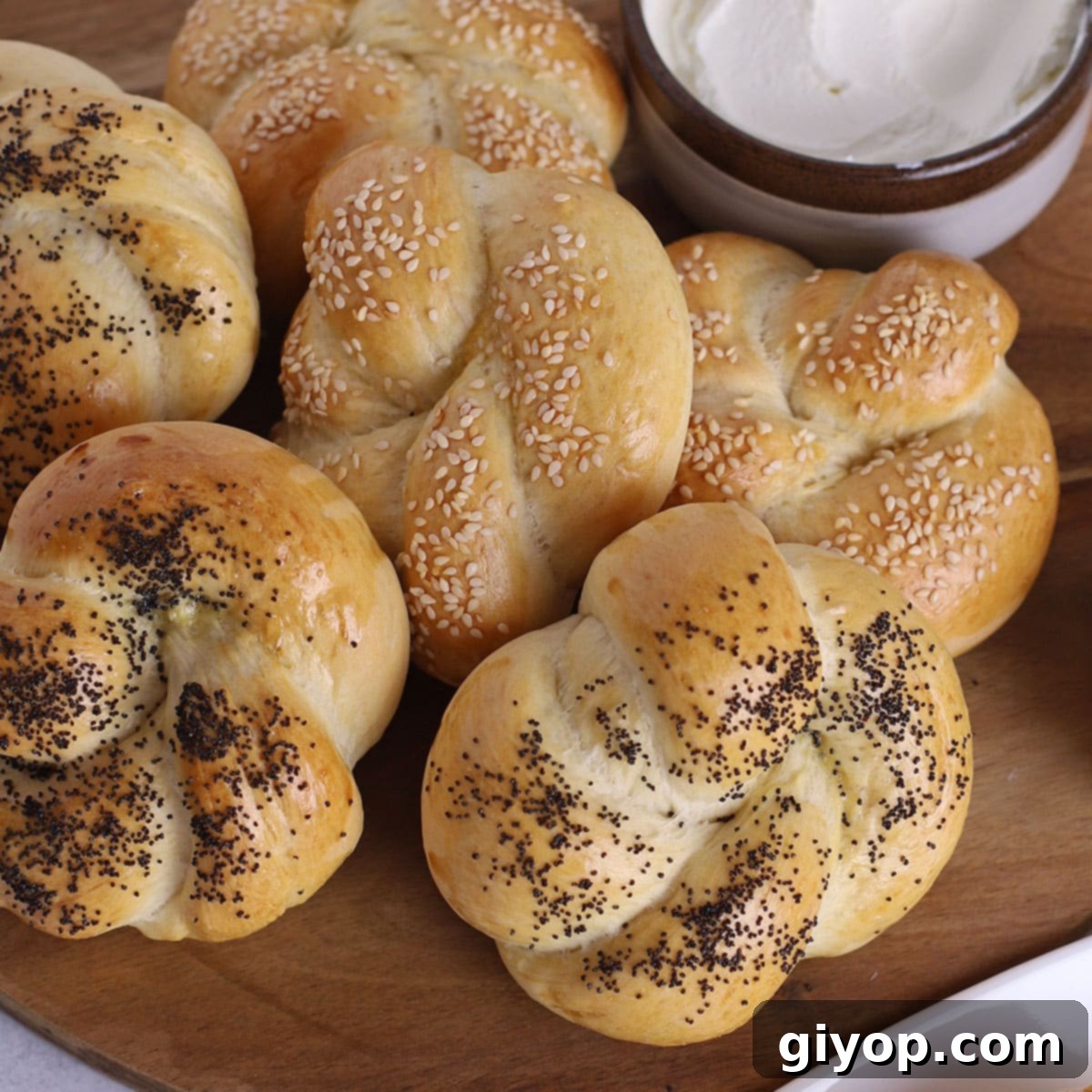
Welcome to the ultimate guide for crafting the most exquisite homemade Kaiser Rolls! This classic Kaiser Rolls recipe delivers irresistibly soft, fluffy, and subtly sweet bread rolls that are perfect for any occasion. Whether you’re planning an elegant dinner party, preparing everyday sandwiches, or simply yearning for the comforting aroma of freshly baked bread, these Kaiser Rolls are guaranteed to impress. Their signature star-shaped top, golden crust, and tender interior make them a beloved choice around the world, and now you can master them in your own kitchen.
There’s nothing quite like the satisfaction of pulling warm, golden homemade Kaiser rolls from your oven. Forget store-bought versions; this recipe simplifies the process, making it accessible even for novice bakers. Get ready to fill your home with the inviting scent of yeast and flour as you embark on a delightful baking journey to create these delightful bread rolls.
Why You’ll Adore This Kaiser Rolls Recipe
- Unmatched Texture and Versatility: These rolls boast an incredibly soft and fluffy texture, making them ideal companions for hearty meals, savory stews, or delicate salads. Beyond the dinner table, their robust structure is perfect for crafting gourmet sandwiches, juicy burgers, or even light breakfast bites with butter and jam.
- Simple, Accessible Ingredients: You won’t need to hunt for exotic components. This easy bread recipe relies on pantry staples, ensuring that anyone can whip up a batch of these glorious rolls without hassle. Quality ingredients are key, but they are all readily available.
- Aromatic Bliss: The baking process fills your entire home with the most comforting and enticing aroma. The smell of fresh bread is truly unparalleled, creating an atmosphere of warmth and welcome that store-bought bread simply cannot replicate.
- Rewarding Baking Experience: While baking homemade bread rolls requires a little patience and love, this recipe is designed to be straightforward and immensely rewarding. The effort invested translates into a truly spectacular result that you’ll be proud to share (or devour all by yourself!).
Diving into the world of homemade bread might seem daunting, but this Kaiser rolls recipe is a fantastic starting point. The instructions are clear, the process is manageable, and the outcome is consistently delicious, turning even hesitant bakers into confident bread makers.
Essential Ingredients for Perfect Kaiser Rolls
Achieving the signature taste and texture of these classic bread rolls starts with a few key ingredients. Here’s a closer look at what you’ll need and why each component is vital for your perfect Kaiser rolls.
Ingredient Notes and Potential Variations
- Bread Flour: The cornerstone of any good bread, bread flour has a higher protein content than all-purpose flour. This extra protein is crucial for developing strong gluten networks, which give these soft and fluffy rolls their characteristic chewiness and structure. While King Arthur Flour is a popular choice for its consistent quality, any reputable brand of bread flour will yield excellent results.
- Active Dry Yeast: This recipe specifically calls for active dry yeast, which needs to be activated in warm liquid before being combined with other ingredients. Avoid using rapid-rise or instant yeast unless the recipe specifies, as they behave differently and may affect the final texture and rise. Always check the expiration date on your yeast for optimal activity.
- Salt: More than just a flavor enhancer, salt plays a critical role in controlling yeast activity and strengthening the gluten structure. Use regular table salt or fine sea salt for best integration into the dough.
- Unsalted Butter: Adding unsalted butter to the dough contributes richness, tenderness, and a delightful flavor. The fat in the butter helps to keep the rolls moist and soft, preventing them from drying out too quickly. If using salted butter, reduce the amount of added salt slightly.
- Eggs: Eggs are fantastic for enriching dough, providing structure, and contributing to a beautiful golden color. They act as a binder, help emulsify the dough, and add to the airy, tender crumb of these dinner rolls.
- Cold Milk: Surprisingly, cold milk helps to control the initial temperature of the dough when combined with warm water and butter, providing a more stable environment for yeast activation and a gradual rise. Whole milk is recommended for its fat content, which leads to a softer, more flavorful roll.
- Sugar: Just a touch of granulated sugar serves multiple purposes: it feeds the yeast, helping it to activate and proof effectively, and it adds a subtle sweetness that balances the savory notes of the bread, enhancing its overall flavor profile.
- Oil: A neutral-flavored oil like vegetable or canola oil is used primarily for greasing the mixing bowl and plastic wrap, preventing the dough from sticking during its rise. It ensures your easy bread baking process is smooth and mess-free.
- Toppings: Elevate your Kaiser Rolls with a sprinkle of sesame seeds, poppy seeds, or a classic combination of both. These add a pleasant crunch, visual appeal, and an extra layer of nutty flavor that complements the soft bread perfectly.
Before You Begin: Essential Tools for Baking Success
Having the right tools on hand can make the baking at home process smoother and more enjoyable. While some steps can be done by hand, a stand mixer significantly eases the kneading process for this homemade Kaiser rolls recipe.
- Stand Mixer with Dough Hook: A stand mixer is invaluable for kneading bread dough, saving you time and effort. The dough hook attachment ensures even and thorough kneading, developing the gluten necessary for fluffy rolls.
- Large, Lightly Oiled Bowl: Essential for the first rise, a generously sized bowl provides ample space for the dough to double in size. Lightly oiling it prevents sticking.
- Plastic Wrap or Damp Kitchen Towel: Covering the dough during its rise prevents it from drying out and creates a warm, humid environment optimal for proofing.
- Parchment-Lined Baking Sheets: Parchment paper prevents sticking and ensures easy cleanup, guaranteeing that your freshly baked rolls slide off the pan effortlessly. You’ll likely need two large sheets.
- Small Bowl: For preparing the egg wash.
- Pastry Brush: Used to evenly apply the egg wash and any chosen toppings, giving your rolls that beautiful golden sheen and ensuring seeds adhere.
Consider visiting my Amazon storefront for some of my highly recommended baking essentials!
Step-by-Step Instructions: Crafting Your Kaiser Rolls
Follow these detailed steps carefully to achieve light, airy, and beautifully shaped Kaiser rolls. Precision and patience are your best friends in bread baking.
- Combine Dry Ingredients: In the large bowl of your stand mixer, thoroughly combine the bread flour, active dry yeast, salt, and granulated sugar. Give it a quick whisk to ensure everything is evenly distributed.
- Prepare Wet Ingredients: In a separate measuring cup or a microwave-safe bowl, combine the cold milk and tap water. Warm this mixture slightly in the microwave for 30-45 seconds, aiming for a lukewarm temperature (around 105-115°F or 40-46°C) that’s comfortable to the touch but not hot, to activate the yeast.
- Temper and Enrich: Add the cold unsalted butter to the warm milk and water mixture. The cold butter will help cool down the liquid slightly, preventing it from being too hot for the yeast. Beat in one of the eggs until well combined.
- Mix and Knead the Dough: Attach the dough hook to your stand mixer. With the mixer on low speed, slowly pour the prepared wet ingredients into the dry flour mixture. Once combined, increase the speed to medium-low and knead for about 8-10 minutes. The dough should become consistent and elastic, pulling away from the sides of the bowl while still sticking slightly to the bottom. This vigorous kneading is essential for developing gluten for your yeast bread.
- Hand Kneading (Optional but Recommended): Transfer the dough to a clean, lightly floured work surface. Knead by hand for an additional 2-3 minutes. If the dough is too sticky, dust your hands and surface with a little more flour, but avoid adding too much, as it can make the rolls tough.
- First Rise (Bulk Fermentation): Lightly grease a large bowl with a neutral oil. Place the kneaded dough into the oiled bowl, turning it once to coat all sides. Cover the bowl loosely with plastic wrap or a damp kitchen towel. Let the dough rise in a warm, draft-free place for about 1 hour, or until it has visibly doubled in size. This could take longer if your kitchen is cool.
- Deflate and Divide: Gently punch down the risen dough to deflate the air. Transfer it to your work surface and divide it into 12 equal pieces. For truly uniform rolls, use a kitchen scale to weigh each piece, aiming for approximately 70g per roll. Roll each piece into a smooth, round ball.
- Prepare for Shaping: Lightly brush a piece of plastic wrap with oil and use it to cover the dough balls, preventing them from drying out while you work. Line two large baking sheets with parchment paper and set them aside.
Shaping Kaiser Rolls: The Signature Knot
The distinctive star shape of Kaiser Rolls is achieved through a specific knotting technique. Don’t be intimidated; with a little practice, you’ll master it!
- Roll into a Rope: Take one dough ball, keeping the others covered. Roll it gently into a long rope, approximately 14 inches (35 cm) in length. Aim for an even thickness throughout.
- Form a Loose Knot: Tie the dough rope into a simple, loose knot, leaving an open loop of about an inch (2.5 cm) at one end.
- Tuck the Bottom Tail: Take the bottom tail of the rope, bring it up and over the top, and tuck it neatly into the center of the open loop. This begins to form the characteristic “star.”
- Wrap and Seal the Top Tail: Take the other tail (the one that was initially on top), wrap it underneath the main loop, and pinch its end together with the first tucked tail, sealing them firmly at the bottom of the bun. This creates a secure, elegant knot.
- Arrange for Second Rise: Place the shaped rolls onto the parchment-lined baking sheets, pinched-side down. Ensure there’s enough space between each roll, as they will expand during the second rise and baking. Repeat this shaping process for all remaining dough balls.
- Second Rise (Proofing): Loosely cover the shaped rolls with plastic wrap (brushed with a little oil to prevent sticking). Allow them to rest and rise for another hour in a warm place. They should look noticeably puffy and lighter.
- Preheat Oven: About 15-20 minutes before the end of the second rise, preheat your oven to 350°F (175°C).
- Prepare Egg Wash: In a small bowl, whisk the remaining egg with a tablespoon of water until well combined. This is your egg wash.
- Brush and Top: Gently brush the tops of the risen Kaiser rolls with the egg wash. This will give them a beautiful golden-brown color and a slight sheen. If desired, sprinkle generously with sesame seeds, poppy seeds, or a mixture of both.
- Bake: Place the baking sheets in the center of your preheated oven. Bake for 30-35 minutes, or until the rolls are deeply golden brown and sound hollow when tapped on the bottom.
- Cool: Once baked, transfer the classic bread rolls to a wire rack to cool completely before serving. This allows the internal structure to set and prevents a gummy texture.
Variations to Make It Your Own
While the classic Kaiser roll shape is charming, you can easily adapt this versatile dough to suit different needs and preferences, offering more options for your easy bread recipe repertoire.
- Round Sandwich Rolls: Instead of forming the intricate knots, simply roll the dough portions into smooth, round balls. These make excellent everyday sandwich rolls, perfect for deli meats, cheese, or even breakfast sandwiches. They’ll still have that wonderful soft and fluffy texture.
- Hot Dog Buns: For a homemade upgrade to your BBQ, shape the dough into logs about 5-6 inches long. Place them side-by-side on your baking sheet (leaving a small gap) and bake. These become soft, delicious hot dog buns, far superior to anything store-bought.
- Garlic and Herb Rolls: Before the second rise, mix finely chopped fresh herbs like rosemary, thyme, or chives, along with a clove or two of minced garlic, into a small amount of melted butter. Brush this mixture over the shaped rolls before baking for an aromatic and savory twist.
- Cheese Rolls: For a cheesy delight, you can gently fold a tablespoon of shredded cheddar or mozzarella cheese into each dough ball before shaping, or sprinkle cheese on top before the final bake.
Amira’s Expert Tips for Flawless Kaiser Rolls
Achieving bakery-quality Kaiser rolls at home is entirely possible with these expert tips:
- Precision in Division: To ensure all your rolls bake evenly and have a uniform appearance, use a kitchen scale to weigh each individual dough ball after deflation. Aim for approximately 70 grams (about 2.5 ounces) per roll. This consistency is a hallmark of professional baking.
- The Power of Egg Wash: Even if you opt out of adding seeds, don’t skip the egg wash. It’s what gives these homemade Kaiser rolls their beautiful, appetizing golden-brown crust and a slight sheen, making them look as good as they taste.
- Yeast Vitality is Key: Always check the expiration date on your active dry yeast. Old or inactive yeast is the most common reason for bread not rising. If you’re unsure, you can “proof” your yeast first: dissolve it in a small amount of warm water (from the recipe’s liquid) with a pinch of sugar. If it foams within 5-10 minutes, it’s active and ready to use.
- Warm Proofing Environment: Yeast thrives in warmth. If your home is on the cooler side (below 70°F/21°C), finding a warm spot for your dough to rise is crucial. A common trick is to place the covered bowl in a slightly warm oven that’s turned off, with only the oven light on. The light generates just enough heat to create an ideal proofing environment.
- Don’t Over-Flour: While a little dusting flour helps with sticky dough, adding too much can make your rolls dense and dry. Aim for a dough that is slightly tacky but manageable.
- Listen to Your Dough: The rising times provided are estimates. Factors like room temperature, humidity, and yeast activity can affect proofing time. Instead of relying solely on the clock, look for visual cues: the dough should have visibly doubled in size and feel light and airy.
- Achieving the Perfect Crust: For a crispier crust, some bakers like to place a shallow pan of hot water on the bottom rack of the oven during baking. The steam helps create a desirable crust.
Storing Leftovers and Making Ahead
Enjoying freshly baked rolls is wonderful, but knowing how to store them effectively ensures you can savor them longer.
- Refrigerate: Once your Kaiser rolls have cooled completely to room temperature, place them in an airtight container or a resealable plastic bag. They will stay fresh in the refrigerator for up to 3 days. Reheat gently in the oven or microwave for best results.
- Freeze: For longer storage, flash-freeze the cooled rolls on a baking sheet until firm (about 1-2 hours). Then, wrap each roll tightly in plastic wrap, followed by a layer of aluminum foil, or place them in a freezer-safe bag or container. Homemade Kaiser rolls can be frozen for up to 3 months. Thaw at room temperature and reheat in a preheated oven at 300°F (150°C) for 5-10 minutes until warmed through.
Make Ahead Tips
While my family often prefers these rolls fresh from the oven, you can certainly prepare them in advance if you need to save time. You can make the dough and complete the first rise up to 24 hours ahead. After the first rise, punch down the dough, shape the rolls, and then cover them tightly with oiled plastic wrap. Place them in the refrigerator for a slow, cold proof overnight. The next day, let them come to room temperature for about 30-60 minutes before proceeding with the egg wash, toppings, and baking. This slow proof can actually enhance the flavor of your dinner rolls!
Perfect Pairings: What to Serve with Kaiser Rolls
The versatility of these soft and fluffy rolls means they complement a wide array of dishes, making them a staple in any kitchen.
- Hearty Soups and Stews: There’s nothing more comforting than dipping a warm, crusty Kaiser roll into a steaming bowl of soup. They are divine with robust options like Lebanese Lentil Soup or a hearty Instant Pot Beef and Barley Soup. Their firm structure stands up well to thick broths.
- Sandwich Excellence: Transform your everyday lunch into something special by using these as sandwich buns. Fill them with your favorite cold cuts, cheeses, grilled vegetables, or even slow-cooked meats for a truly satisfying meal.
- Breakfast & Brunch: Slice them in half and toast lightly. Serve with scrambled eggs, bacon, or simply a generous smear of butter and your favorite jam for a delightful start to the day.
- Holiday Feasts: These elegant rolls are a wonderful addition to any holiday table, from Thanksgiving to Christmas. Their beautiful appearance and delicious flavor make them a standout side dish.
- With Dips and Spreads: Serve them alongside creamy dips, hummus, or a simple olive oil and balsamic vinegar for an easy appetizer.
Your Questions Answered: FAQs About Kaiser Rolls
Sesame seeds are slightly larger, oval-shaped, and offer a distinct nutty flavor when toasted. Poppy seeds, on the other hand, are tiny, round, and have a more delicate, slightly sweet, and earthy taste. Both provide a pleasant textural contrast to the soft roll.
The primary difference lies in their protein content. Bread flour contains a higher percentage of protein (typically 12-14%), which leads to greater gluten development when kneaded. This higher gluten content is essential for the elastic, chewy texture and good rise characteristic of bread, especially yeast bread. All-purpose flour has a lower protein content (around 10-12%), making it suitable for a wider range of baked goods like cakes and cookies, but it won’t produce the same robust structure in bread.
Yes, absolutely! While a stand mixer makes kneading much easier, you can certainly knead the dough by hand. The process will take a bit longer, usually 15-20 minutes of continuous kneading, to develop the gluten. Your arms will get a good workout, but the reward of homemade bread is well worth it!
To test if your active dry yeast is still good, combine the yeast with a pinch of sugar and about ¼ cup of the warm (105-115°F) milk/water mixture from the recipe. Let it sit for 5-10 minutes. If it becomes foamy and bubbly, your yeast is active and ready to use. If not, discard it and get fresh yeast.
There could be several reasons for dense rolls: inactive yeast, not enough kneading (gluten didn’t develop properly), too much flour added during kneading, or not allowing enough time for the dough to rise adequately during both the first and second proofing stages. Ensure your yeast is fresh, knead thoroughly, and allow the dough to double in size.
Related Recipes You’ll Love
- These Fluffy Butter Dinner Rolls are perfect for any occasion! They are soft, buttery, and easy to make, a fantastic alternative for your dinner table.
- Sweet Bread Rolls, also known as Shoreek, are a delicious treat for any time of day. They have a slightly sweet taste and are perfect for spreading with jam or butter, offering a different flavor profile from the savory Kaiser roll.
- These Stuffed Rolls are full of cheese and savory flavors. They make a great snack but they also go well with soup, providing a delightful surprise inside.
- Looking for a cozy, rustic side to complement your meal? Try this classic Irish Soda Bread with Raisins recipe—it’s simple, hearty, and perfect with soups, stews, or on its own with a smear of butter, a non-yeast option for quick baking.
Beautiful and delicious, Kaiser rolls are quite common in Egypt, though we often see them in a simpler, rounded form, similar to burger buns. The intricate knot makes them truly special and a joy to bake. I hope you enjoy creating these incredible classic bread rolls in your kitchen. Leave me a comment below and let me know if you have ever tried making these delightful rolls!
If you love this Kaiser Rolls recipe, please consider leaving a ⭐⭐⭐⭐⭐ rating! Your feedback is greatly appreciated.
Kaiser Rolls
Change up your bread basket this year with a new elegant Kaiser Rolls Recipe. Warm and fluffy bread rolls with a delicious crust perfect for sandwiches, appetizers or at your dinner table.
Print Recipe
Pin Recipe
Ingredients
- 4 cups bread flour (500g, plus more if needed)
- 2 ¼ teaspoons active dry yeast (one ¼ oz envelope)
- 1 teaspoon salt
- 3 Tablespoons unsalted butter
- 2 eggs (1 for dough, 1 for egg wash)
- ½ cup tap water (plus more if needed)
- ½ cup cold milk
- 2 teaspoons sugar
- A little Oil for greasing a bowl
For garnish:
- Sesame seeds
- Poppy seeds
Instructions
- In the bowl of your stand mixer combine flour, yeast, salt and sugar.
- In a measuring cup or microwave safe bowl combine cold milk and water, microwave for 30-45 seconds to warm them a bit.
- Add cold butter, this will reduce the mixture temperature a bit, then beat in one egg.
- Turn the mixer on and slowly pour the wet ingredients over the flour mixture and knead until you have a consistent and elastic dough that leaves the sides of the mixing bowl but still sticks to the bottom.
- Turn the dough into a clean working surface and knead with hands for a couple of minutes. If the dough is too sticky lightly dust your surface with flour.
- Lightly grease a large bowl with oil then place the dough in, cover and let it rise for 1 hour or until doubled in size.
- Punch the dough to deflate and divide into 12 equal balls about 70g each.
- Cover the balls with plastic wrap lightly brushed with oil.
- Line two large sheet pans with parchment paper and set aside.
Shaping Kaiser rolls:
- Take one ball of dough, keeping the rest covered, and roll into a long rope about 14-inch long.
- Tie the rope into a knot with about an inch open loop.
- Take the bottom tail up and over and tuck it into the center of the loop.
- Pull the other tail and wrap it under the loop pinching the ends together to seal under the bun.
- Place on the parchment lined sheet pinched side down. Repeat until you are done with all the rolls.
- Cover loosely with plastic wrap brushed with a little oil and let them rise for another hour.
Baking:
- Preheat oven to 350F.
- Beat the remaining egg with a tablespoon of water.
- Brush rolls with egg wash and sprinkle with some sesame seeds or poppy seeds or both.
- Bake in the center of your oven for 30-35 minutes until golden brown.
- Cool on a wire rack before serving.
Tried this Recipe? Pin it for Later!
Mention @AmirasPantry or tag #AmirasPantry!