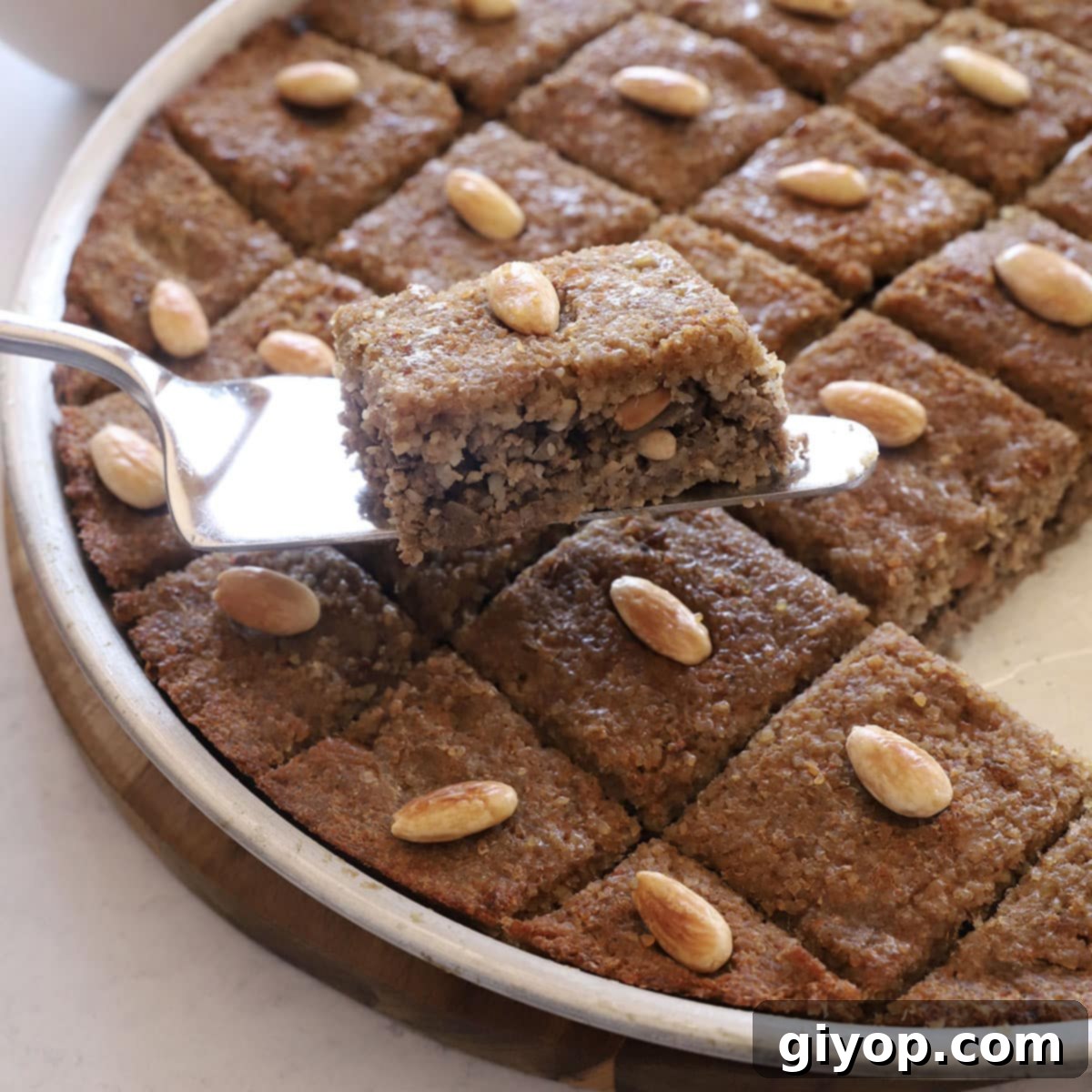
Baked Kibbeh, often known as kibbeh bil sanieh (which translates to “kibbeh in a tray”), is a culinary jewel of Middle Eastern cuisine, cherished across diverse cultures and households worldwide. Far more than just a meal, this iconic dish offers a symphony of textures and flavors, presenting a harmonious blend of finely ground meat, earthy bulgur wheat, aromatic onions, and an intoxicating medley of signature spices, all expertly baked to golden perfection. It represents the warmth of home, the richness of tradition, and the vibrant spirit of the Levant.
While the classic fried kibbeh spheres (Kibbeh recipe) are a beloved staple, the baked version provides a comforting, hearty, and often healthier alternative without compromising on the deep, satisfying flavors that define this dish. It’s an invitation to explore the intricate culinary tapestry of the Middle East, making it an excellent choice for family gatherings, special occasions, or simply an adventurous weeknight dinner.
❤️ Why Baked Kibbeh is a Must-Try
- A Rich Tapestry of Flavors: Baked kibbeh delivers an unparalleled taste experience. The unique combination of Middle Eastern spices like cinnamon, cumin, and 7-spice (baharat) infuses the meat and bulgur with a warmth and depth that is both exotic and deeply comforting. Each bite offers a harmonious balance of savory, aromatic, and slightly nutty notes, creating a flavor profile that is truly unforgettable and distinctly Middle Eastern.
- Effortlessly Elegant: While traditional kibbeh balls require meticulous individual shaping, the baked kibbeh offers a significantly simpler approach. Preparing it in a pan eliminates the time-consuming process of forming each piece, making it much more accessible for home cooks. This ease of preparation doesn’t detract from its impressive presentation, allowing you to serve a dish that looks as sophisticated as it tastes, perfect for entertaining without the stress.
- Incredibly Versatile for Any Occasion: Baked kibbeh’s adaptable nature makes it a perfect fit for a variety of dining scenarios. It stands proudly as a satisfying main course, especially when paired with a fresh salad or a simple yogurt sauce. It can also be cut into smaller squares or diamonds and served as an elegant appetizer at parties or as a flavorful side dish accompanying other Mediterranean delights. Its ability to transition seamlessly between roles ensures it’s always a welcome addition to any meal.
- A Culinary Journey to the Middle East: Embark on a delightful exploration of Middle Eastern gastronomy with this dish. Known for its bold flavors, fresh ingredients, and artful use of spices, Middle Eastern cuisine is a rich culinary landscape. Baked kibbeh serves as an excellent introduction, allowing you to appreciate the cultural heritage and traditional cooking techniques that have been passed down through generations.
- Nutrient-Rich Whole Grains: Beyond its exceptional taste, baked kibbeh is also a smart way to incorporate more whole grains into your diet. The bulgur wheat not only provides a pleasant, slightly chewy texture but also adds valuable fiber and nutrients. What’s more, the bulgur is subtly integrated into the dish, making it enjoyable even for the pickiest eaters who might otherwise shy away from whole grains. It’s a wholesome dish that satisfies both taste buds and nutritional needs.
📝 Essential Ingredients for Authentic Baked Kibbeh
📋 Ingredient Notes and Tips
- Fine Bulgur Wheat: This essential ingredient forms the signature texture of the kibbeh crust. Ensure you select fine bulgur, which is more suited for this recipe than medium or coarse varieties. It’s readily available at most large grocery stores or Middle Eastern markets. When preparing, remember to rinse it thoroughly under cold water but avoid soaking, as over-saturation can lead to a mushy texture.
- Onions: Both white or yellow onions work wonderfully for this recipe. They contribute a foundational savory depth and a subtle sweetness when sautéed, essential for both the kibbeh shell and the flavorful meat filling.
- Salt and Black Pepper: These fundamental seasonings are crucial for enhancing all the other flavors. Feel free to adjust the amounts to perfectly suit your personal taste preferences, ensuring a well-seasoned and balanced dish.
- Cinnamon: A cornerstone of Middle Eastern savory dishes, a pinch of ground cinnamon imparts a distinct warm, aromatic, and slightly sweet undertone. It’s a key spice that distinguishes kibbeh’s flavor profile.
- Paprika: Opt for sweet paprika in this recipe, as its mild and vibrant flavor complements the other spices without overpowering them. Smoked paprika, while delicious in other applications, would lend a flavor too strong for traditional kibbeh.
- Cumin: This spice adds an earthy, warm, and slightly pungent flavor that perfectly grounds the spice blend, beautifully harmonizing with the ground meat. It’s a quintessential Middle Eastern spice.
- 7-Spice (Baharat): This is a powerful, aromatic blend that is central to authentic Middle Eastern cooking. It typically includes black pepper, allspice, cinnamon, coriander, cloves, nutmeg, and cardamom, though regional variations exist. You can find pre-mixed 7-spice at most large grocery stores in the international aisle, or you can easily create your own homemade 7-spice mix for an even fresher flavor.
- Ground Beef: For the most flavorful and succulent kibbeh, a moderately lean ground beef, such as ground chuck (80/20 or 85/15), is recommended. The small amount of fat renders beautifully during baking, contributing to a rich taste and moist texture. While lean ground beef can be used for a lighter version, ensure you don’t overcook the filling to prevent it from becoming dry. You can also experiment with ground lamb for a more traditional and intensely savory flavor.
- Olive Oil: A good quality extra virgin olive oil is used for sautéing the filling ingredients. Its fruity and slightly peppery notes will subtly enhance the overall richness of the dish.
- Ghee: Clarified butter, known as ghee, is crucial for achieving that authentic robust, nutty, and deep flavor in baked kibbeh. It’s used to grease the pan and brushed over the top layer, contributing to a golden, crisp crust. If ghee is unavailable, a small dab of unsalted butter can be used, though the flavor will be slightly different.
- Pine Nuts: These small, buttery nuts offer a delightful crunch and a distinct nutty flavor to the filling. Toasting them lightly before adding them intensifies their aroma and taste. They are optional but highly recommended for an authentic touch.
- Blanched Almonds: Often used as an elegant garnish, blanched almonds provide a lovely textural contrast and visual appeal. You can also use additional pine nuts or even chopped walnuts for a different nutty flavor and crunch on top of your baked kibbeh.
🥄 Step-by-Step Instructions to Master Baked Kibbeh
Creating this traditional Middle Eastern dish is a rewarding experience. Follow these detailed instructions to achieve a perfectly baked, flavorful kibbeh. Please note that these are expanded instructions for clarity; refer to the recipe card for precise measurements.
Crafting the Kibbeh Crust (Shell):
- Begin by thoroughly washing the fine bulgur under running cold water in a fine-mesh sieve. This step removes excess starch, preventing a gummy texture. Crucially, do not soak the bulgur; simply rinse it well and allow it to strain completely for a few minutes to remove excess moisture.
- In the bowl of your food processor, combine the peeled and roughly chopped onion with all the specified spices for the crust (salt, cinnamon, paprika, cumin, 7-spice, and black pepper). Process these ingredients until the onion is very finely minced and well combined with the spices, forming an aromatic paste.
- Add the rinsed and strained bulgur to the food processor with the onion and spice mixture. Pulse several times until the bulgur is evenly distributed and beginning to break down further, integrating with the aromatics.
- Gradually add the half-pound of ground beef to the food processor. Continue to process the mixture until all ingredients are thoroughly combined and the mixture starts to come together. Avoid over-processing at this stage.
- Transfer the contents of the food processor into a large mixing bowl. Take half of this bulgur-meat mixture and return it to the food processor. Process until it becomes very smooth and paste-like. Repeat with the remaining half of the mixture, ensuring a consistently smooth texture for the entire batch.
- Once smooth, place the entire bulgur mixture back into the large bowl. Cover it tightly with plastic wrap and refrigerate it. Chilling the dough for at least 30 minutes, or while you prepare the filling, helps it firm up and makes it much easier to handle and spread evenly in the baking dish.
Preparing the Flavorful Filling:
- In a large skillet, heat two tablespoons of olive oil over medium heat. Add the diced large onion and sauté it gently, stirring occasionally, until it becomes translucent and softened, about 5-7 minutes.
- Add the 1 ½ pounds of ground beef to the skillet with the softened onions. Break the meat apart with a spoon and cook until it is fully browned and no longer pink.
- Carefully drain any excess fat from the cooked ground beef mixture. This step is important to prevent the kibbeh from becoming greasy. Stir in the toasted pine nuts at this point, if you are using them, along with the filling spices (salt, 7-spice, cinnamon, and black pepper) and mix thoroughly. Set the filling aside to cool slightly.
Assembling and Baking Your Kibbeh:
- Preheat your oven to 350°F (175°C).
- Take one tablespoon of room temperature ghee and use your hand to spread it evenly across the bottom and up the sides of your chosen baking dish (a 14-inch round dish or a 9×13-inch rectangular casserole dish works best). This creates a non-stick surface and contributes to a beautiful golden crust.
- Retrieve the chilled kibbeh mixture from the refrigerator and divide it into two equal halves. Take one half and begin to spread it across the bottom of the prepared baking dish. Use damp hands (wetting your hands with ice water can help prevent sticking) to firmly press and smooth the mixture, ensuring it covers the entire bottom and extends slightly up the sides of the dish to form a secure “crust.”
- Spoon the prepared meat filling evenly over the bottom kibbeh layer, spreading it right to the edges.
- For the top layer, take the remaining kibbeh mixture. Divide it into several small balls, then flatten each ball between your palms to create thin discs. Carefully place these flattened discs on top of the meat filling, overlapping them slightly. Use damp hands to gently press and smooth the top layer, sealing any gaps and creating a uniform, flat surface.
- Using a sharp knife, carefully score the top layer of the kibbeh into your desired shapes—traditional diamond patterns or star shapes are common and visually appealing. Do not cut all the way through to the bottom layer.
- Melt the second tablespoon of ghee and gently brush or spread it over the entire scored surface of the kibbeh. This additional ghee will ensure a golden-brown, crispy top layer during baking.
- If using, place a single pine nut or a blanched almond in the center of each scored square or diamond for an extra touch of elegance and flavor.
- Bake in the preheated oven for 30-40 minutes, or until the kibbeh is thoroughly cooked through and the top is lightly golden. For an extra crisp and beautifully browned top, you can switch to the broiler for the last few minutes, keeping a very close eye on it to prevent burning. Serve hot.
💡 Amira’s Expert Tips for Perfect Baked Kibbeh
- Bulgur Preparation is Key: Ensure your fine bulgur is exceptionally well-rinsed but never soaked. Over-soaking will lead to a soggy, undesirable texture. The goal is a clean, slightly damp bulgur that will absorb flavors during processing without becoming mushy.
- Balance Your Spices: The spice blend is the heart of kibbeh’s flavor. While the recipe provides a classic ratio, feel free to adjust the quantities of individual spices like cinnamon or cumin to suit your personal preference. Taste and adjust before adding the raw meat to the food processor.
- Damp Hands for Easy Spreading: When working with the bulgur-meat mixture, keep your hands lightly dampened with ice water. This simple trick prevents the dough from sticking to your hands, making it much easier to spread smoothly and evenly in the baking dish.
- Choose the Right Dish: While a round baking dish is traditionally used for its aesthetic appeal, any oven-safe casserole dish (such as a 9×13 inch rectangular pan) will work perfectly. The most important aspect is to generously grease it with ghee to prevent sticking and to encourage the formation of a delicious, golden-brown crust.
- Thoroughly Drain Filling Fat: After browning the ground beef for the filling, it’s crucial to drain any excess fat. Too much fat in the filling can make the baked kibbeh greasy and less pleasant in texture. A well-drained filling ensures a lighter, more balanced dish.
- Don’t Over-Process the Meat: While the kibbeh crust needs to be smooth, be mindful not to over-process the ground beef and bulgur mixture. Over-processing can make the meat tough. Blend just until it reaches a smooth, cohesive consistency.
- Chill for Stability: Don’t skip the refrigeration step for the kibbeh dough. Chilling allows the bulgur to fully hydrate and the mixture to firm up, making it significantly easier to handle and spread into uniform layers without tearing.
🧺 Storage and Reheating Guidelines
Storage: Any leftover baked kibbeh should be stored promptly in an airtight container. When refrigerated, it will maintain its delicious flavor and texture for up to 3 days. Ensure it cools completely before transferring to storage to prevent condensation.
Freezing: For longer preservation, baked kibbeh freezes exceptionally well. Once completely cooled, cut it into individual portions or larger blocks and wrap them tightly in plastic wrap, then place them in an airtight freezer-safe container or heavy-duty freezer bag. It can be frozen for up to 3 months. To enjoy, thaw overnight in the refrigerator before reheating.
Reheating: For best results, reheat baked kibbeh in a preheated oven at 350°F (175°C) until it is thoroughly heated through and the crust regains some crispness, usually about 15-20 minutes for individual portions. Alternatively, smaller pieces can be warmed in the microwave, though the crust may not be as crispy. Cover with a damp paper towel to prevent drying out.
⌛ Make Ahead for Convenience
Baked kibbeh is an ideal make-ahead dish, perfect for busy hosts or meal prepping. To prepare it in advance, simply follow all the recipe instructions up to the point of baking. Once assembled in its baking dish, cover the dish tightly with plastic wrap or aluminum foil and refrigerate it for up to 24 hours. When you’re ready to cook, remove it from the refrigerator and bake as directed. Keep in mind that you may need to add an additional 5-10 minutes to the baking time, as the dish will be starting from a colder temperature. This allows you to do most of the work beforehand and simply pop it in the oven when needed.
🍽️ Perfect Pairings: What to Serve with Baked Kibbeh
- Fresh Tabbouleh Salad: The bright, zesty flavors of a classic tabbouleh salad (made with fresh parsley, mint, tomatoes, and bulgur) offer a refreshing contrast to the richness of the kibbeh, creating a perfect balance of flavors and textures.
- Creamy Labneh: A dollop of cool, tangy labneh (strained yogurt cheese) provides a wonderful creamy element that complements the savory depth of the kibbeh beautifully. It’s a simple yet effective addition.
- Mediterranean Roasted Vegetables: For a more substantial and nutritious meal, serve your baked kibbeh alongside a medley of Mediterranean Roasted Vegetables. Bell peppers, zucchini, eggplant, and onions, seasoned with herbs, make a vibrant and healthy accompaniment.
- Stuffed Grape Leaves (Dolmades): In many Middle Eastern traditions, stuffed grape leaves are a popular and traditional side dish served with kibbeh, offering another layer of authentic flavor and texture to the spread.
- Simple Green Salad: A crisp green salad with a light lemon-tahini dressing can also provide a fresh counterpoint to the baked kibbeh.
- Pita Bread: Warm pita bread is excellent for scooping up any delicious bits of kibbeh or filling.
👩🍳 Creative Variations to Explore
- Alternative Meats: While ground beef is common, you can substitute it with ground lamb for a truly authentic and intensely savory flavor profile. Keep in mind that lamb tends to be fattier, so ensure you drain the excess fat from the filling well to prevent a greasy dish. A mix of beef and lamb can also be used.
- Vegetarian Twist: For a delightful vegetarian option, replace the ground beef in both the crust and the filling. Cooked brown lentils or mashed chickpeas seasoned with the same Middle Eastern spices make excellent protein-rich alternatives. You could also create a savory filling using finely diced mushrooms, bell peppers, and walnuts for texture.
- Spice it Up: If you crave a bit more heat, incorporate a pinch of red pepper flakes or a dash of cayenne pepper into both the kibbeh crust mixture and the filling. You can also add a finely minced fresh green chili for a fresher, spicier kick.
- Nutty Additions: Beyond pine nuts in the filling, consider adding finely chopped walnuts or almonds to the bulgur crust mixture for an extra layer of texture and nutty flavor.
- Cheese Infusion: For a non-traditional but delicious twist, a layer of crumbled feta cheese or shredded mozzarella could be added over the meat filling before adding the top kibbeh layer. This would create a gooey, savory surprise.
💬 Frequently Asked Questions (FAQs) About Kibbeh
While both kofta and kibbeh are popular Middle Eastern dishes centered around ground meat, they differ significantly in their preparation and ingredients. Kofta typically consists solely of finely ground meat (often beef, lamb, or a combination) seasoned with various herbs and spices, then formed into meatballs, patties, or kebabs and usually grilled, baked, or stewed. Kibbeh, on the other hand, uniquely incorporates bulgur wheat into its ground meat mixture, creating a distinct texture for the outer shell. Kibbeh can be cooked in numerous ways, including baking (like kibbeh bil sanieh), frying (as in the classic torpedo-shaped kibbeh), or even served raw in some specific culinary traditions, such as kibbeh nayyeh.
The spellings “Kibbeh,” “Kubbah,” or “Kubbeh” all refer to the same beloved Middle Eastern dish. The variations in spelling simply reflect the diverse transliterations of the Arabic word into English, often stemming from different regional dialects and pronunciations across the Middle East. Regardless of how it’s spelled, the dish maintains its distinctive flavors and textures, making it a universally recognized and enjoyed staple.
Baked kibbeh is generally considered a healthier alternative to its fried counterpart. By baking instead of deep-frying, you significantly reduce the amount of added fat and calories. Furthermore, the inclusion of bulgur wheat provides dietary fiber, complex carbohydrates, and essential nutrients. When made with lean ground meat and plenty of spices, it can be a wholesome and satisfying part of a balanced diet.
Traditionally, kibbeh relies on bulgur wheat, which contains gluten. However, you can adapt the recipe to be gluten-free by substituting the bulgur with a gluten-free grain or starchy vegetable. Cooked quinoa, fine-ground brown rice, or even finely grated potato or cauliflower can be used as alternatives to achieve a similar binding and texture in the kibbeh crust. Ensure all other ingredients and spices are also gluten-free certified if strict adherence is required.
📣 Related Middle Eastern Recipes to Explore
- Shish Tawook is a popular Middle Eastern chicken dish, featuring tender chicken pieces marinated in yogurt and a blend of aromatic spices, then grilled to perfection on skewers.
- Samosa, also known as Sambosak in the Middle East, is a savory, crispy pastry typically filled with spiced meat or vegetables, making it an excellent appetizer or side dish.
- This Kofta Kebab Recipe offers a delicious and easy-to-make dish, showcasing rich flavors of seasoned ground beef or lamb, grilled to perfection on skewers, ideal for any occasion.
- Craving juicy, flavorful Beef Shawarma without the wait? Skip the takeout and whip up this restaurant-worthy recipe at home for an authentic Middle Eastern street food experience.
🥣 Essential Equipment for Making Baked Kibbeh
Having the right tools can make preparing baked kibbeh a smooth and enjoyable process. Here’s what you’ll need:
- Colander: Essential for thoroughly rinsing and straining the bulgur wheat.
- Food Processor: A powerful food processor is crucial for achieving the smooth, paste-like consistency of the kibbeh crust, as well as finely mincing the onions and spices.
- Large Skillet: Needed for sautéing the onions and browning the ground beef for the flavorful filling.
- 14-inch Round Baking Dish or 9×13 Casserole Dish: The ideal sizes for baking a beautifully proportioned kibbeh bil sanieh, ensuring even cooking and a generous serving.
Don’t forget to check out my Amazon storefront for some of my favorite kitchen products and tools that can elevate your cooking experience!
If you love this recipe, please leave a ⭐⭐⭐⭐⭐ rating! Thank you.
Baked Kibbeh Recipe
Baked Kibbeh is a delightful meat dish with a crispy exterior and a delicious, flavorful ground beef filling. Baked instead of fried, this is a healthier option for kibbeh lovers who still crave that authentic taste and texture.
Average rating: 5 from 1 vote
- Course:
- Main Course
- Cuisine:
- Middle Eastern
- Diet:
- Halal
- Prep Time:
- 35 minutes
- Cook Time:
- 45 minutes
- Total Time:
- 1 hour 20 minutes
- Servings:
- 12 servings
- Calories:
- 343 kcal
- Author:
- Amira
Ingredients
For the crust:
- 1 ½ cups fine bulgur (280g)
- 1 small onion (150g)
- 1 teaspoon salt
- ½ teaspoon cinnamon
- ½ teaspoon paprika
- ¼ teaspoon cumin
- 1 teaspoon 7-spice
- ½ teaspoon black pepper
- ½ pound ground beef
Filling:
- 2 tablespoons olive oil
- 1 large onion, diced
- 1 ½ pound ground beef
- ½ teaspoon salt or to taste
- ½ teaspoon 7-spice
- ¼ teaspoon cinnamon
- ¼ teaspoon black pepper
- 2 Tablespoons ghee, room temperature
Optional:
- ½ cup pine nuts, toasted
- For garnish:
- Blanched almonds, or more pine nuts, or chopped walnuts.
Instructions
Make the crust:
- Wash bulgur thoroughly under running cold water, strain, and do not soak in water.
- In your food processor, add onion and spices, then process until finely minced.
- Add bulgur and continue processing until mixed.
- Gradually add ground beef and process until all combined.
- Dump the content of the food processor into a large bowl.
- Add half of the bulgur mix to the food processor and process again, then add the remaining half and process until the mixture becomes smooth.
- Place the bulgur mixture into a large bowl, cover, and refrigerate until the filling is ready.
Make the filling:
- In a large skillet over medium heat, add oil and sauté onion until translucent. Add ground beef and brown, breaking it apart until no longer pink.
- Drain excess fat, if any, then mix in the toasted pine nuts (if using) and filling spices.
Assemble the Kibbeh:
- Preheat oven to 350°F (175°C).
- Take one tablespoon of ghee and spread it with your hand evenly to coat the bottom and sides of a 14-inch round baking dish or a 13×9 oven dish.
- Take the bulgur mixture out and divide in half.
- Spread one half of the mixture to cover the bottom and sides of your dish. Use damp hands to smooth it out.
- Spoon the filling in evenly. Then, flatten the remaining kibbeh mixture into discs and arrange them on top, smoothing the surface with damp hands to make the top layer.
- Cut the kibbeh into a star shape or into diamonds with a sharp knife.
- Take the other tablespoon of ghee and spread it over the top of the kibbeh.
- Place a pine nut, or an almond, in the middle of each square if using.
- Bake in the center of your oven for 30-40 minutes, then broil until crisp and golden brown.
Notes
- Please check the nutrition disclaimer policy.
Nutrition
- Calories: 343 kcal
- Carbohydrates: 16g
- Protein: 16g
- Fat: 24g
- Saturated Fat: 8g
- Polyunsaturated Fat: 3g
- Monounsaturated Fat: 10g
- Trans Fat: 1g
- Cholesterol: 60mg
- Sodium: 350mg
- Potassium: 348mg
- Fiber: 4g
- Sugar: 1g
- Vitamin A: 120 IU
- Vitamin C: 1mg
- Calcium: 28mg
- Iron: 2mg