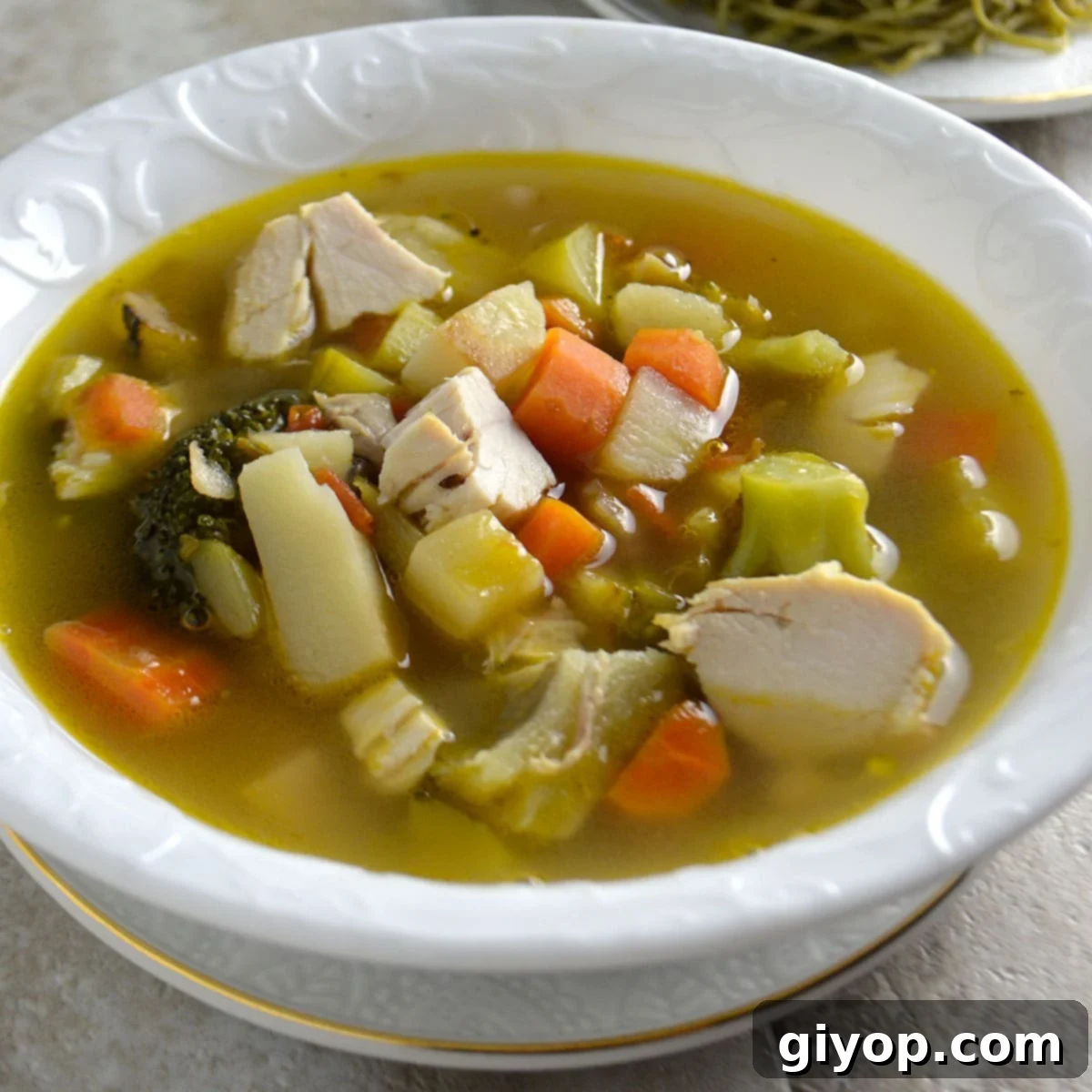
Do you often find yourself staring at a fridge full of forgotten vegetables or that lonely rotisserie chicken nobody touched after the initial excitement? Many of us do. This common dilemma, frequently faced by home cooks at the end of a busy week, often leads to unnecessary food waste. But what if there was a simple, delicious, and incredibly satisfying way to transform those overlooked ingredients into a heartwarming meal? This article explores the art of turning leftovers into a culinary triumph, embodying the spirit of sustainability and mindful eating. Prepare to discover your new favorite way to minimize waste and maximize flavor with a versatile, hearty soup that’s more of an adaptable concept than a rigid recipe.

Embracing the Philosophy of Zero-Waste Cooking
The concept of a “Friday Soup” or “Leftover Soup” is rooted in a simple yet profound philosophy: minimizing waste. In an era where food waste is a global concern, contributing to environmental issues and economic strain, conscious cooking practices become more important than ever. This isn’t just about saving a few dollars; it’s about respecting our resources, appreciating the food we have, and fostering a more sustainable lifestyle. A customizable soup built from ingredients nearing their expiry date is the ultimate expression of this philosophy.
Imagine giving a new lease of life to those slightly wilted spinach leaves, the half-used bell pepper, or the remnants of a store-bought rotisserie chicken. Instead of succumbing to the temptation of throwing them away, you can transform them into a nourishing meal that’s uniquely yours. This approach encourages creativity in the kitchen, making you a resourceful chef capable of crafting delicious dishes from seemingly disparate items. It also means fewer trips to the grocery store for forgotten staples, leading to a more efficient and budget-friendly cooking routine.

The Unexpected Lesson: A Story of Food and Gratitude
My journey toward embracing zero-waste cooking received a profound push from an unexpected source: my 13-year-old son. It began with a simple act – a plate of day-old donuts, bought cheaply at Walmart, had sat on the counter for too long. They had become so hard that they were inedible, destined for the trash can. As I prepared to discard them, my son, with an alarmed voice, stopped me. “Wait, what are you doing?” he asked. My nonchalant reply – “throwing these away” – was met with a look of deep disappointment.
He began to preach, his words echoing sentiments I had often shared with him and his siblings: “Do you know there are people in this world who eat from trash cans? Have you ever imagined people who are willing to eat even rotten food?” His earnestness touched me deeply. It was a stark reminder of the privilege we often take for granted and the global disparity in food access.
His newfound wisdom, I suspect, stemmed from his recent studies on the Holocaust, where he had been exposed to stories of unimaginable suffering and deprivation. Reading accounts, watching films, and even hearing from a Holocaust survivor had clearly resonated with him, opening his eyes to a world beyond schoolwork and everyday comforts. It was a powerful lesson for both of us – a vital moment for him to appreciate what he has, and for me to reaffirm my commitment to responsible consumption.
This incident solidified my resolve: no more casual throwing away of food. It reinforced the importance of conscious purchasing and creative utilization of every ingredient. The best way to honor our food, and indeed those who have less, is to minimize waste and maximize appreciation. This simple, hearty soup became a delicious symbol of that commitment, a testament to the idea that even humble leftovers can be transformed into something extraordinary.
Crafting Your Customizable Leftover Soup: Tips for Success
The beauty of a leftover soup lies in its adaptability. There’s no single right way to make it, and every batch can be a unique reflection of what’s available in your fridge and pantry. Here are some tips to help you master the art of the customizable leftover soup:
- Be Creative with Vegetables: Don’t be afraid to mix and match. Root vegetables like carrots, potatoes, and celery provide a great base. Leafy greens like spinach or kale can be added towards the end. Bell peppers, zucchini, broccoli, cauliflower, mushrooms, or even a handful of frozen peas or corn work wonderfully. The key is to add vegetables in order of how long they take to cook, starting with the hardest.
- Protein Power: Leftover cooked chicken, like rotisserie chicken, is a fantastic addition for a boost of protein and flavor. But don’t limit yourself! Cooked beef, pork, turkey, or even plant-based proteins like lentils, chickpeas, or beans can be excellent choices. Tofu or tempeh can also be incorporated for a vegetarian or vegan option.
- Flavorful Broth is Key: While store-bought broth works perfectly, if you have leftover chicken bones or vegetable scraps, consider making your own stock. It’s another excellent way to reduce waste and enhance the depth of flavor in your soup. Vegetable, chicken, or beef broth can all serve as a delicious liquid base.
- Grains and Pasta for Heartiness: To make your soup even more filling, consider adding cooked pasta (like the edamame pasta I enjoyed), rice, quinoa, barley, or even small noodles. Add these towards the end of the cooking process to prevent them from becoming mushy.
- Seasoning and Herbs: Don’t underestimate the power of good seasoning. Salt, pepper, garlic powder, onion powder, dried herbs like thyme, oregano, or bay leaves can elevate your soup from simple to sensational. Fresh herbs like parsley or cilantro, added just before serving, can also provide a burst of freshness.
- Dairy or Cream for Richness: For an extra layer of creaminess, a splash of milk, cream, or even a spoonful of plain yogurt (stirred in off the heat) can make a significant difference.
This flexible approach means that your “leftover soup” can transform from a light vegetable broth to a hearty stew, depending on the ingredients you have on hand and your culinary mood. It’s a rewarding experience that transforms potential waste into a delightful meal.
By consciously planning our meals and utilizing every edible scrap, we not only save money but also contribute to a healthier planet. This recipe, or rather this idea, encourages you to open your refrigerator with a fresh perspective, seeing possibilities instead of waste. So, next time you’re wondering what to cook, remember the simple pleasure and profound impact of a homemade leftover soup.

Friday (Leftover) Soup: Your Ultimate Fridge Clean-Out Recipe
Print
Pin
Rate
Ingredients
- 1 Tablespoon butter
- 1 Tablespoon oil
- 1 small onion – diced (= ½ cup)
- 2 medium carrots – diced (= 1 cup)
- 2 medium potatoes – diced (= 1.5 cup)
- 2 large zucchini – peeled and diced (= 2 cup)
- 1 small tomato – diced (= ¼ cup)
- ¼ cup celery – diced
- 1 medium head of broccoli
- 2-3 medium artichokes – quartered
- 1.5 – 2 cups rotisserie chicken chopped
- Salt and pepper to taste
- 4-6 cups vegetable or chicken broth
Instructions
- In a large, deep pot over medium-high heat, melt the butter and add the olive oil. Once hot, add the diced onions and sauté for about 1 minute until fragrant.
- Add the diced carrots to the pot and stir for another 2 minutes. Next, incorporate the diced potatoes and continue stirring for a couple of minutes before adding the zucchini. This staggered addition ensures vegetables cook evenly.
- Stir in the diced tomato, followed by the celery. Pour in the broth, bring the mixture to a rolling boil, then reduce the heat to low and let it simmer for approximately 20 minutes, or until all the vegetables are tender-crisp.
- During the final 5 minutes of simmering, add the broccoli florets and quartered artichokes. Continue to simmer for 5 more minutes, then season the soup generously with salt and pepper to taste. Adjust as needed.
- Finally, stir in the chopped rotisserie chicken (or your chosen cooked protein) and ensure all ingredients are thoroughly heated through and cooked to your desired tenderness.
- Serve this hearty soup hot, perhaps alongside your favorite pasta, rice, or crusty bread for a complete and satisfying meal. Enjoy your delicious, waste-reducing creation!
Notes
Conclusion: A Delicious Path to a More Sustainable Kitchen
The journey to reducing food waste starts with small, conscious choices in our daily lives. This “Friday Soup” concept offers a simple, delectable way to contribute to a more sustainable kitchen, transforming forgotten ingredients into a nourishing meal. It’s more than just a recipe; it’s a mindset that encourages creativity, resourcefulness, and a deeper appreciation for the food we consume.
By making a habit of turning leftovers into new, exciting dishes, we not only save money and enjoy healthy, home-cooked meals but also teach valuable lessons to the next generation about responsibility and gratitude. Let your motto be “Minimize Waste,” and embrace the culinary adventure of creating delicious meals from what you already have. Enjoy the warmth, the flavors, and the satisfaction of a truly waste-free and wonderful bowl of soup!