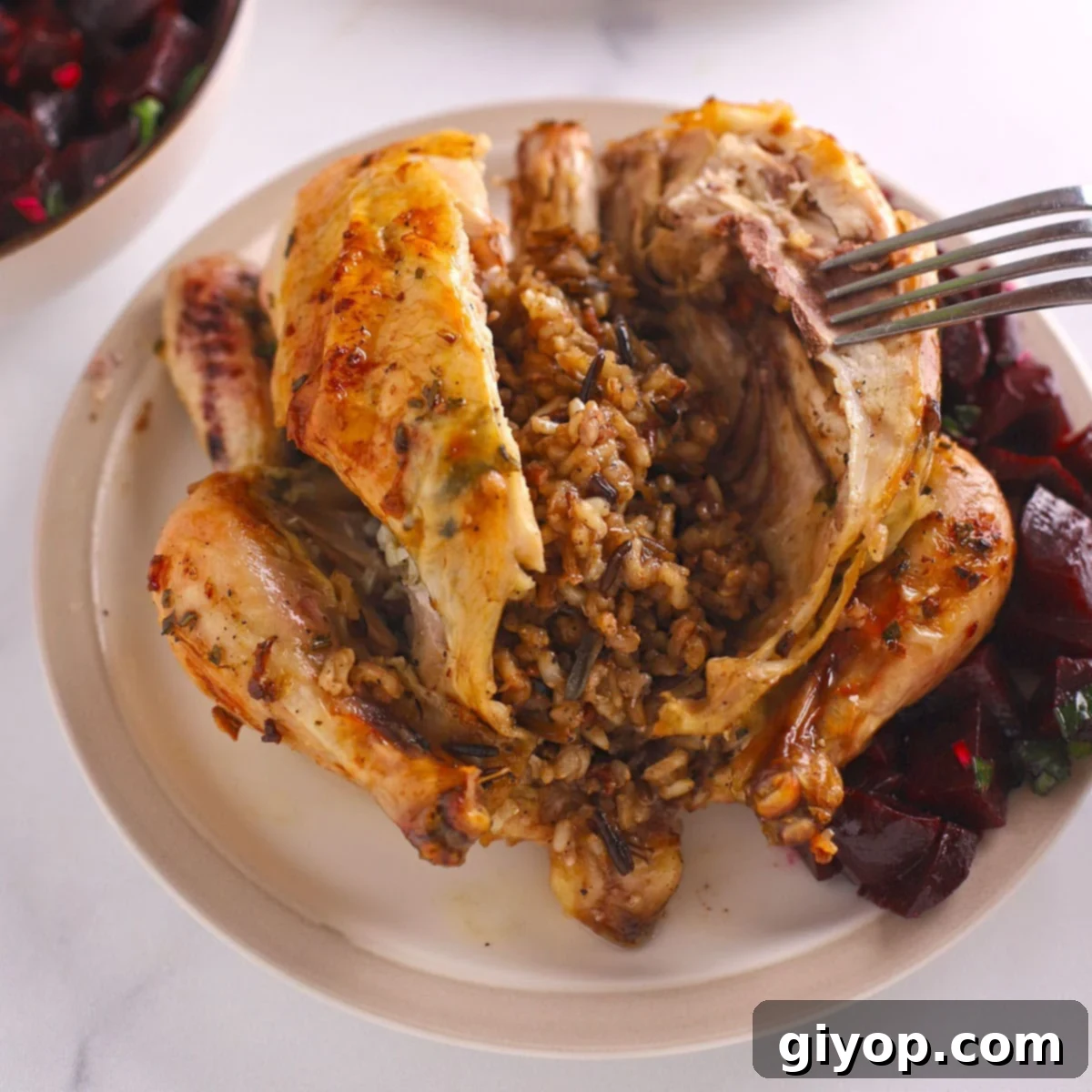
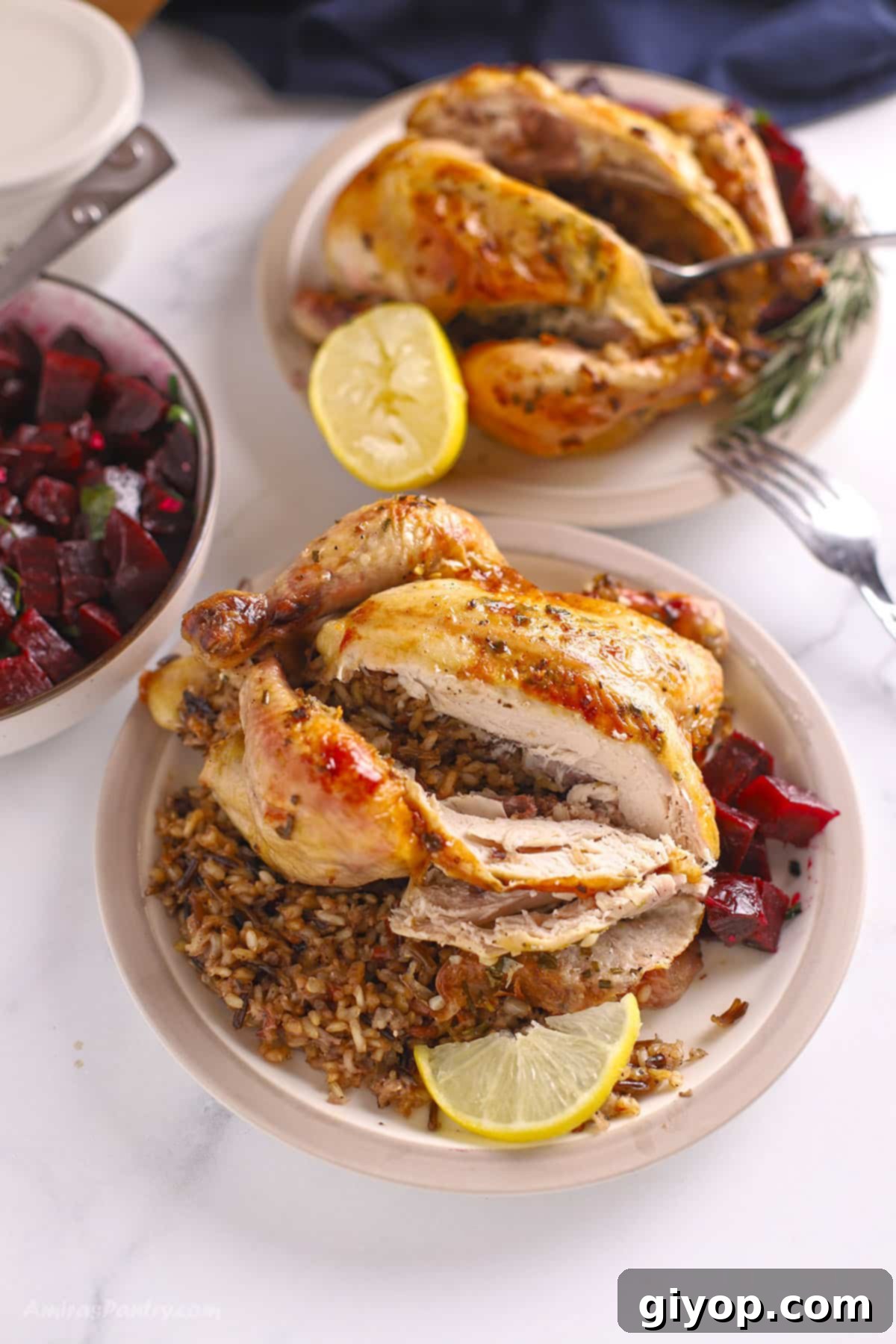
Elevate your dinner table with a truly exquisite yet surprisingly simple dish: Stuffed Cornish Hens. This recipe promises a tender, juicy game bird complemented by a deeply flavorful stuffing, creating a culinary experience that’s both elegant and comforting. Whether you’re planning a sophisticated dinner party for guests, a romantic date night, or simply seeking an impressive meal for your family on a weeknight, these stuffed hens are an ideal choice. Their individual serving size and gourmet appeal make them a standout main course that will surely delight every palate.
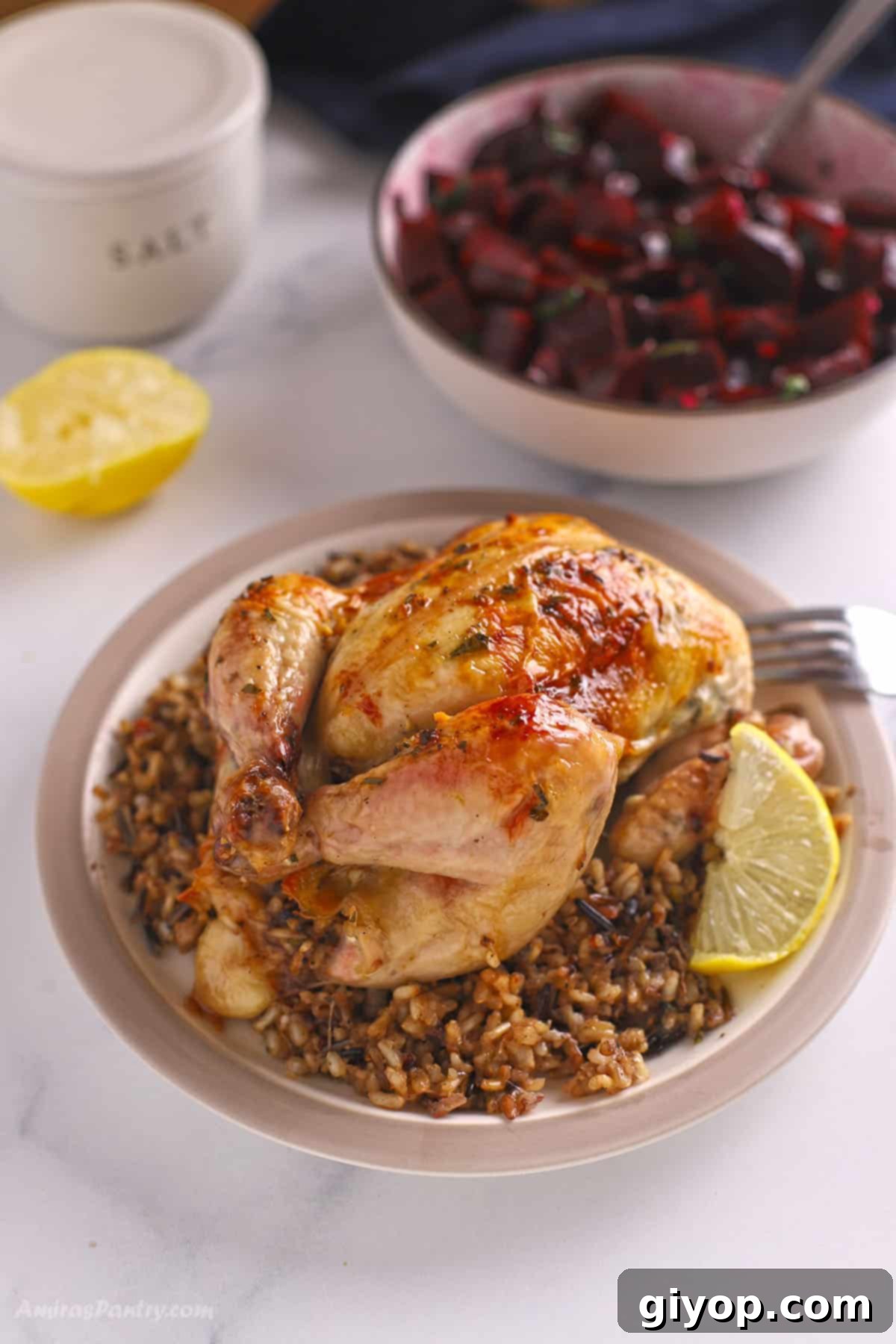
Don’t forget to bookmark this recipe for later! You can easily save it to your browser’s favorites or print the recipe card at the bottom of the page.
Why This Stuffed Cornish Hen Recipe Is a Must-Try
There are countless reasons why stuffed Cornish hens should become a regular feature in your cooking repertoire, especially with this particular recipe. It masterfully balances gourmet presentation with practical preparation, making it accessible to cooks of all skill levels.
- Impressively Simple, Elegantly Presented: Despite its sophisticated appearance, this dish is remarkably straightforward to prepare. The individual hens look incredibly impressive on a plate, making them perfect for special occasions like holiday dinners, anniversaries, or any time you wish to make a memorable culinary statement without spending hours in the kitchen.
- A Symphony of Flavors in Every Bite: The carefully crafted stuffing is more than just a filler; it’s an integral part of the dish, infusing the tender meat with aromatic herbs, savory spices, and a delightful texture. Each bite offers a harmonious blend of the juicy hen and the rich, hearty stuffing, creating a truly satisfying experience that stands apart from an unstuffed bird.
- Irresistibly Crispy Skin and Succulent Meat: The magic of roasting these Cornish hens lies in achieving that perfect contrast: a beautifully crispy, golden-brown skin that crackles with flavor, encasing incredibly tender and juicy meat. This textural interplay is a hallmark of a perfectly cooked game hen and is absolutely irresistible.
- Economical and Time-Efficient: Cornish game hens are not only a more affordable alternative to a full-sized roast turkey or larger chickens, but they also boast a significantly shorter cooking time. This makes them an excellent choice for busy weeknights when you crave a delicious, home-cooked meal but are short on time. Plus, serving individual hens adds a unique and fun twist to your usual chicken dinner routine.
- Versatility at Its Best: This recipe serves as a fantastic foundation for culinary creativity. It’s easily adaptable to various flavor profiles, allowing you to customize the stuffing and seasonings to suit your personal preferences or what you have on hand, ensuring no two meals are exactly the same unless you want them to be!
Ingredients You’ll Need for Succulent Stuffed Cornish Hens
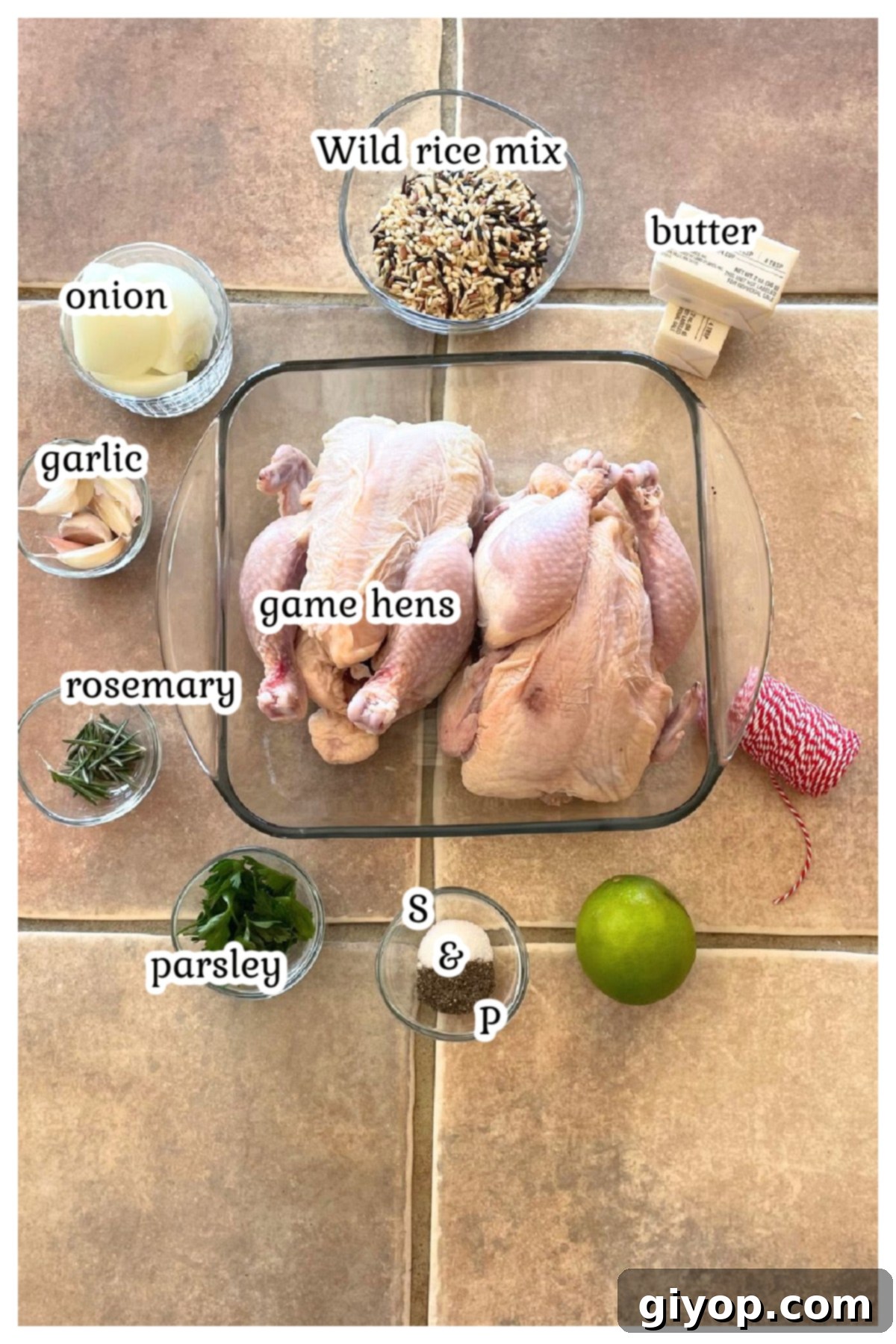
Crafting these delectable stuffed Cornish hens begins with a selection of fresh, high-quality ingredients. Below is an overview of what you’ll need. For precise measurements and step-by-step instructions, please refer to the detailed recipe card provided further down the page.
Key Ingredient Notes and Substitution Tips
- Wild Rice Mix: While wild rice mix provides a fantastic texture and nutty flavor, feel free to use your favorite rice variety. A blend of white and brown rice, or even a classic long-grain white rice, can work beautifully. Adjust cooking times according to the specific rice type you choose. For a richer, more complex flavor, consider a wild rice blend that includes other grains like barley or quinoa.
- Chicken Stock: Chicken stock is crucial for cooking the rice and adding depth of flavor to the roasting pan. If chicken stock isn’t available, chicken broth or even vegetable broth can be used as a substitute. In a pinch, water will work, but you might want to enhance the seasoning a bit more to compensate for the reduced savory notes.
- Butter: Unsalted butter is preferred as it allows you to control the overall saltiness of the dish. However, if you only have salted butter, simply reduce the amount of added salt in the recipe. For a dairy-free alternative or a lighter touch, extra virgin olive oil can be a good substitute, particularly when sautéing vegetables or rubbing the hens.
- Onion: Both yellow and white onions will provide a sweet, aromatic base for your stuffing. Red onion could also be used for a slightly sharper flavor and a beautiful color contrast if visible in the stuffing. Ensure it’s finely chopped for even distribution.
- Salt and Black Pepper: These fundamental seasonings are essential for bringing out the natural flavors of the hen and stuffing. Always season to taste, remembering that chicken stock often contains sodium, so it’s wise to start with less and add more if needed after tasting the cooked rice mixture. Freshly ground black pepper offers a superior aroma and flavor compared to pre-ground.
- Garlic Cloves: Fresh garlic is key to the vibrant flavor of the butter mixture. Minced fresh garlic cloves provide a pungent, aromatic punch. If fresh garlic isn’t handy, garlic powder can be substituted, typically using about ¼ teaspoon of powder for every clove of fresh garlic.
- Parsley and Rosemary: These fresh herbs imbue the butter mixture with an incredible fragrance and depth. Fresh herbs are always recommended for their superior flavor. If fresh varieties are not available, dried herbs can be used, but remember that dried herbs are more concentrated. Use about one-third the amount of dried herbs compared to fresh (e.g., ½ teaspoon dried for 1 ½ Tablespoons fresh).
- Lime: The zest and juice of a fresh lime provide a bright, zesty counterpoint to the richness of the butter and chicken. It adds a subtle acidity that cuts through the fat and elevates the overall flavor profile. Don’t skip the zest, as it contains potent aromatic oils. Lemon can be used as an alternative if lime is unavailable.
- Cornish Hens: These small, young chickens are the star of the dish, perfectly sized for individual servings. Look for hens weighing around 1.5 to 2 pounds for the best results. Ensure they are fully thawed if frozen before preparation.
Adaptable Recipe: Make These Stuffed Cornish Hens Uniquely Your Own
One of the joys of cooking is the ability to customize a recipe to suit your preferences, and these Stuffed Cornish Hens are incredibly versatile. Don’t hesitate to experiment with different additions and flavor profiles to create a dish that truly reflects your culinary style.
- Enhance with Your Favorite Vegetables: To add more nutrition, color, and flavor, incorporate various vegetables into the stuffing or roast them alongside the hens. Try diced carrots, quartered potatoes, sliced white mushrooms, or even Brussels sprouts. These vegetables will absorb the delicious pan drippings and seasonings, becoming tender and caramelized as they roast. Consider adding a mix of root vegetables for a heartier meal or colorful bell peppers for a touch of sweetness and vibrancy.
- Experiment with Diverse Spice Blends: Beyond salt and pepper, the world of spices offers endless possibilities. A pinch of smoked paprika can lend a warm, earthy, and slightly smoky flavor. Cumin adds a distinctive warmth, while a touch of chili powder can introduce a subtle kick. For a Mediterranean twist, consider oregano or thyme. A dash of sage pairs wonderfully with poultry and stuffing. Don’t be afraid to mix and match to find your perfect combination.
- Elevate the Stuffing with Festive Additions: For a more gourmet or holiday-inspired stuffing, mix in some nuts for added crunch and richness. Toasted slivered almonds, pine nuts, or chopped pecans are excellent choices. For a delightful hint of sweetness and chewiness, incorporate dried cranberries, chopped apricots, or golden raisins. A crumble of cooked sausage or bacon can also add a savory depth that takes the stuffing to the next level.
- Introduce a Tangy Twist to the Butter Mixture: If you appreciate a brighter, more complex flavor, consider adding a splash of balsamic vinegar or a dollop of Dijon mustard to the herb butter mixture. The acidity from balsamic vinegar can deepen the savory notes, while Dijon mustard provides a piquant, tangy kick that beautifully complements the chicken and herbs. A touch of Worcestershire sauce can also add umami.
- Citrus Variations: While lime offers a bright flavor, lemon can be used interchangeably for a similar refreshing lift. For a deeper, more aromatic citrus note, consider adding orange zest, especially when paired with rosemary or thyme.
- Herb Combinations: Beyond parsley and rosemary, other herbs like sage, thyme, marjoram, or even a touch of fresh oregano can create distinct and delicious flavor profiles for your butter mixture and stuffing.
Step-by-Step Instructions: For Perfectly Stuffed Cornish Hens
Achieving a perfectly roasted and flavorful Stuffed Cornish Hen is simpler than you might imagine. Follow these detailed steps to create a show-stopping meal. Remember, precise measurements are in the printable recipe card below.
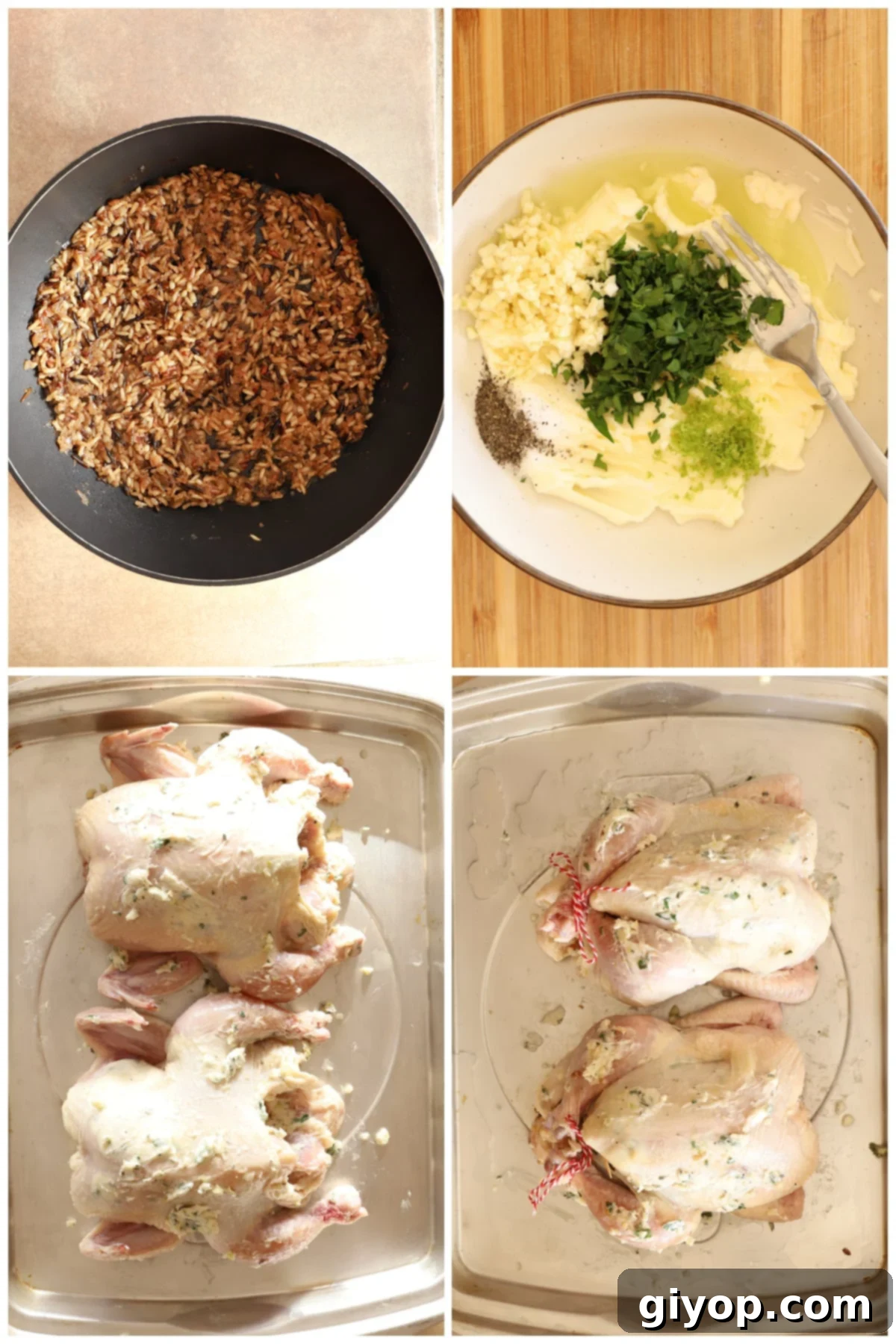
- Prepare the Rice Stuffing: Begin by washing the wild rice mix under cold running water until the water runs clear; then set it aside to drain. In a medium pot set over medium heat, melt the unsalted butter. Add the finely chopped onion and sauté for 2-3 minutes, or until the onion becomes translucent and fragrant. Stir in the washed rice, along with salt and black pepper, ensuring everything is well combined. Pour in the chicken stock (or water), bring the mixture to a boil, then reduce the heat to medium-low. Cover the pot tightly and let it simmer until the rice is almost fully cooked, typically al dente. This pre-cooking ensures the stuffing is tender and fully flavored by the time the hens are done.
- Craft the Aromatic Butter Mixture: While the rice is simmering, prepare your flavor-packed butter rub. In a small bowl, combine the finely chopped garlic cloves, room temperature unsalted butter, finely chopped fresh parsley leaves, finely chopped fresh rosemary spears, salt, black pepper, and the zest and juice of one lime. Mix these ingredients thoroughly until a fragrant, uniform paste forms. This mixture will infuse the hens with incredible flavor and help crisp the skin.
- Prepare the Cornish Hens for Roasting: Carefully pat the whole Cornish hens dry with paper towels. This step is crucial for achieving crispy skin. Next, gently work your fingers under the skin on the breast side of each hen, being careful not to tear the skin, especially keeping the skin between the breasts attached. This creates a pocket for the butter mixture. Generously rub the prepared butter mixture inside the cavity of each hen, all over the exterior, and critically, under the loosened breast skin. This ensures maximum flavor penetration and moisture. Place the seasoned hens in a large roasting pan.
- Stuff, Truss, and Roast: Once the rice is almost done cooking, taste it and adjust the seasoning as needed. You can add more salt, pepper, or any additional herbs or spices at this stage. Divide the prepared rice stuffing into two equal halves. Loosely spoon the stuffing into the cavity of each Cornish hen. It’s important not to pack the stuffing too tightly, as this allows air to circulate and promotes even cooking. Close the cavity opening of each hen using sturdy toothpicks to prevent the stuffing from spilling out. Then, tie the legs together with kitchen twine to help the hens maintain a compact shape and cook evenly. Tuck the wing tips under the hens to prevent them from burning. Pour about ½ cup of chicken stock or water into the bottom of the roasting pan. This creates a moist environment and yields delicious pan drippings.
- Bake to Golden Perfection: Preheat your oven to 400°F (200°C). Cover the roasting pan first with parchment paper, then tightly with aluminum foil. This helps to steam the hens initially, keeping them incredibly moist. Bake in the center of the preheated oven for 45-50 minutes, or until an instant-read meat thermometer inserted into the thickest part of the thigh (avoiding bone) registers 165°F (74°C). After this initial baking, remove the foil and parchment paper. Return the hens to the oven and continue baking for another 15 minutes, or until the skin is beautifully golden brown and crispy. If desired, you can briefly broil them for a few minutes at the end for extra crispness, watching carefully to prevent burning.
- Rest and Serve: Once removed from the oven, allow the Stuffed Cornish Hens to rest for at least 10-15 minutes before carving and serving. This crucial resting period allows the juices to redistribute throughout the meat, resulting in a more tender and succulent final product.
Your Questions Answered: Frequently Asked Questions
Cornish hens, also known as Cornish game hens, are a specific breed of young, small chickens, typically weighing between 1 to 2 pounds each. They are bred for their tender meat and mild, delicate flavor, often described as more refined than a standard broiler chicken. Their petite size makes them perfect for elegant individual servings, offering a more gourmet presentation. Regular chickens, on the other hand, are larger, more mature birds, usually weighing 3 to 5 pounds or more, and are commonly used for a wider range of culinary preparations.
The key to perfectly stuffed Cornish hens is to pack the stuffing loosely into the cavity. Overpacking can prevent the hen from cooking evenly and can result in a dense, undercooked stuffing. By leaving some room for air circulation, the heat can penetrate more effectively, ensuring both the hen and the stuffing cook thoroughly and retain optimal flavor and texture. Additionally, pre-cooking the rice (as in this recipe) ensures the stuffing reaches the correct doneness simultaneously with the hen.
The most accurate way to determine if your Cornish hen is fully cooked is by using an instant-read meat thermometer. Insert the thermometer into the thickest part of the thigh, ensuring it does not touch any bone. The internal temperature should register 165°F (74°C). The juices should also run clear when the thickest part of the thigh is pierced.
While not strictly mandatory, trussing Cornish hens (tying their legs together and tucking the wings) is highly recommended. Trussing helps the hens maintain a compact shape during roasting, which promotes more even cooking. It also ensures that the breast meat doesn’t dry out before the thighs are done and makes for a more appealing presentation.
Yes, initially covering the Cornish hens with parchment paper and then foil, as recommended in this recipe, helps to lock in moisture and promotes even cooking. After about 45-50 minutes, removing the cover allows the skin to crisp up and achieve that beautiful golden-brown color. This two-stage approach ensures a tender, juicy interior and a perfectly crispy exterior.
Chef’s Notes: For Unforgettable Cornish Hens
- Achieve Even Cooking with Room Temperature Hens: For the most consistent and even cooking, always bring your Cornish hens to room temperature for about 30 minutes before placing them in the oven. This prevents the outside from overcooking while the inside remains undercooked, resulting in uniformly tender meat.
- Basting for Ultimate Moisture and Flavor: Don’t underestimate the power of basting! Throughout the cooking process, periodically spoon the pan juices over the hens. This not only keeps the skin moist and flavorful but also helps to develop a richer, more vibrant color. The herb butter will create incredible drippings that are perfect for this.
- The Essential Resting Period: Patience is a virtue, especially after roasting! Allowing the hens to rest for at least 10-15 minutes after they come out of the oven is crucial. This step gives the muscle fibers a chance to relax and reabsorb all the delicious juices, ensuring maximum tenderness and flavor in every bite. Skipping this step can lead to drier meat.
- Trust Your Thermometer: While visual cues are helpful, an instant-read meat thermometer is your best friend for poultry. Always check for doneness by inserting the thermometer into the thickest part of the thigh, away from the bone. The internal temperature should accurately read 165°F (74°C) to ensure safety and perfect doneness.
- Carving and Serving: After resting, carve the hens by first removing the legs and thighs, then separating the breast meat from the bone. Serve each portion with a generous spoonful of the aromatic wild rice stuffing and a drizzle of the pan juices.
Storage and Reheating Tips
Proper storage and reheating are key to enjoying your leftover Stuffed Cornish Hens while maintaining their delicious flavor and texture.
Refrigerate: Any leftover Cornish hens, along with their stuffing, should be stored promptly in an airtight container in the refrigerator. They will remain fresh and delicious for up to 3-4 days. Ensure the hens cool down completely before refrigerating to prevent condensation.
Freeze: For longer storage, cooked Cornish hens can be frozen for up to 3 months. Wrap individual portions tightly in plastic wrap, then place them in a freezer-safe bag or container, removing as much air as possible. Label with the date for easy tracking. Thaw overnight in the refrigerator before reheating.
Reheat: To reheat your Cornish hens, preheat your oven to 350°F (175°C). Place the hens (or portions) on a baking dish, adding a tablespoon or two of chicken stock or water to the bottom of the dish to help retain moisture. Cover the dish loosely with foil to prevent drying out. Reheat for about 15-20 minutes, or until thoroughly warmed through. For crispy skin, remove the foil for the last few minutes of reheating.
Make Ahead: For Stress-Free Entertaining
Preparing Stuffed Cornish Hens ahead of time is a fantastic strategy for simplifying meal preparation, especially when hosting or during busy periods. You can do a significant amount of the work a day in advance, allowing you to enjoy your guests or family without last-minute kitchen stress.
To make ahead, you can season and prepare the hens up to a day in advance. This includes patting them dry, loosening the skin, and thoroughly rubbing them with the herb butter mixture. You can also prepare the rice stuffing completely and store it separately. Once seasoned, cover the hens tightly with plastic wrap or place them in an airtight container and refrigerate. The cooked stuffing should also be stored in a separate airtight container in the fridge.
When you’re ready to cook, take the hens out of the refrigerator about 20-30 minutes before baking to allow them to come closer to room temperature. Then, proceed with stuffing the hens and baking them according to the recipe instructions. This advanced prep allows the flavors to meld beautifully and significantly cuts down on active cooking time on the day of your meal.
Perfect Pairings: What to Serve with Stuffed Cornish Hens
Complementing your Stuffed Cornish Hens with the right side dishes can elevate the entire meal. These savory hens pair wonderfully with a variety of accompaniments that balance their rich flavors and textures.
For a hearty and comforting combination, consider serving them with Creamy Garlic Mashed Potatoes. The smooth, buttery potatoes provide a delightful contrast to the crispy hen skin and absorb the delicious pan drippings. Alternatively, for a lighter yet equally flavorful option, Roasted Mediterranean Vegetables like bell peppers, zucchini, cherry tomatoes, and red onion tossed with olive oil and herbs would be a vibrant addition.
Don’t forget the bread! Fluffy Buttery Dinner Rolls are excellent for soaking up every last drop of the flavorful sauce and drippings from the roasting pan, ensuring no flavor goes to waste. A crisp green salad with a light vinaigrette would also offer a refreshing counterpoint to the richness of the main course. For a touch of elegance, consider a wild mushroom risotto or delicate asparagus spears steamed with a squeeze of lemon.
You Might Also Like: Other Rice-Inspired Recipes
Rice is a cornerstone in many cuisines and a versatile ingredient that features prominently in our meal plans. If you enjoy the wild rice stuffing in this recipe, you’ll appreciate these other delicious ways to incorporate rice into your cooking. From quick weeknight dinners to comforting desserts, there’s a rice recipe for every occasion.
Some of my personal favorite rice recipes include Instant Pot Chicken Fried Rice, a quick and flavorful dish perfect for busy evenings. For those with a sweet tooth, Instant Pot Rice Pudding offers a creamy, comforting dessert that’s incredibly easy to make. And for a savory, hearty vegetarian option, the Mushroom and Rice Bake is a guaranteed crowd-pleaser. These recipes demonstrate the incredible versatility of rice and are sure to become new favorites in your kitchen.
Stuffed Cornish Hens
Equipment
- Large roasting pan
Ingredients
For the rice:
- ½ cup Wild rice mix (90g)
- 1 cup chicken stock, or water
- 1 Tablespoon unsalted butter
- 1 small onion (120g) chopped
- ½ teaspoon salt or to taste
- ¾ teaspoon black pepper
For the butter mix:
- 3-4 large garlic cloves, about 1 ½ Tablespoon finely chopped
- 6 Tablespoon unsalted butter, room temperature
- 1 ½ Tablespoon parsley leaves, finely chopped
- 1 ½ teaspoons rosemary spears, finely chopped
- ½ teaspoon salt, more for sprinkling
- ¼ teaspoon black pepper, more for sprinkling
- Juice and zest of one lime, about 1 Tablespoon juice and 1 teaspoon zest
- 2 Cornish hens, each about 1 ½ pounds
For cooking:
- ½ cup chicken stock or water
Instructions
- 1. Wash rice under cold running water then set aside.
- 2. In a pot melt butter then add onion and saute for 2-3 minutes until translucent.
- 3. Add rice, salt and pepper and stir to combine.
- 4. Pour water over, bring to a boil then reduce heat to medium low cover and cook until almost done.
- 5. While the rice is cooking, season the chicken:
- 6. In a small plate, add butter mix ingredients together and mix.
- 7. Pat the chicken dry and try to loosen the skin on the breast side keeping the skin in between breasts attached. Try not to tear the skin.
- 8. Rub the chicken inside, out and under the skin with the butter mixture.
- 9. Place in a casserole dish and set aside until rice is done.
- 10. Preheat oven to 400°F (200°C).
Stuff the chicken:
- 1. When rice is done, taste rice to adjust seasoning; you can add any seasoning you like and mix it in.
- 2. Divide rice into two halves.
- 3. Spoon rice inside the cavity of each chicken, close the opening with toothpicks and tie the legs with kitchen twine.
- 4. Tuck the wings under.
- 5. Pour chicken stock or water in the pan.
- 6. Cover with parchment paper then aluminum foil and bake in the center of the oven for 45-50 minutes or until the internal temperature reaches 165°F (74°C).
- 7. Uncover and bake for another 15 minutes or broil until skin is crispy.
- 8. Rest for 10 minutes before carving and serving.
Nutrition
Carbohydrates: 18g |
Protein: 36g |
Fat: 42g |
Saturated Fat: 17g |
Polyunsaturated Fat: 6g |
Monounsaturated Fat: 16g |
Trans Fat: 1g |
Cholesterol: 226mg |
Sodium: 685mg |
Potassium: 627mg |
Fiber: 2g |
Sugar: 3g |
Vitamin A: 794IU |
Vitamin C: 5mg |
Calcium: 43mg |
Iron: 2mg
Mention @AmirasPantry or tag #AmirasPantry!