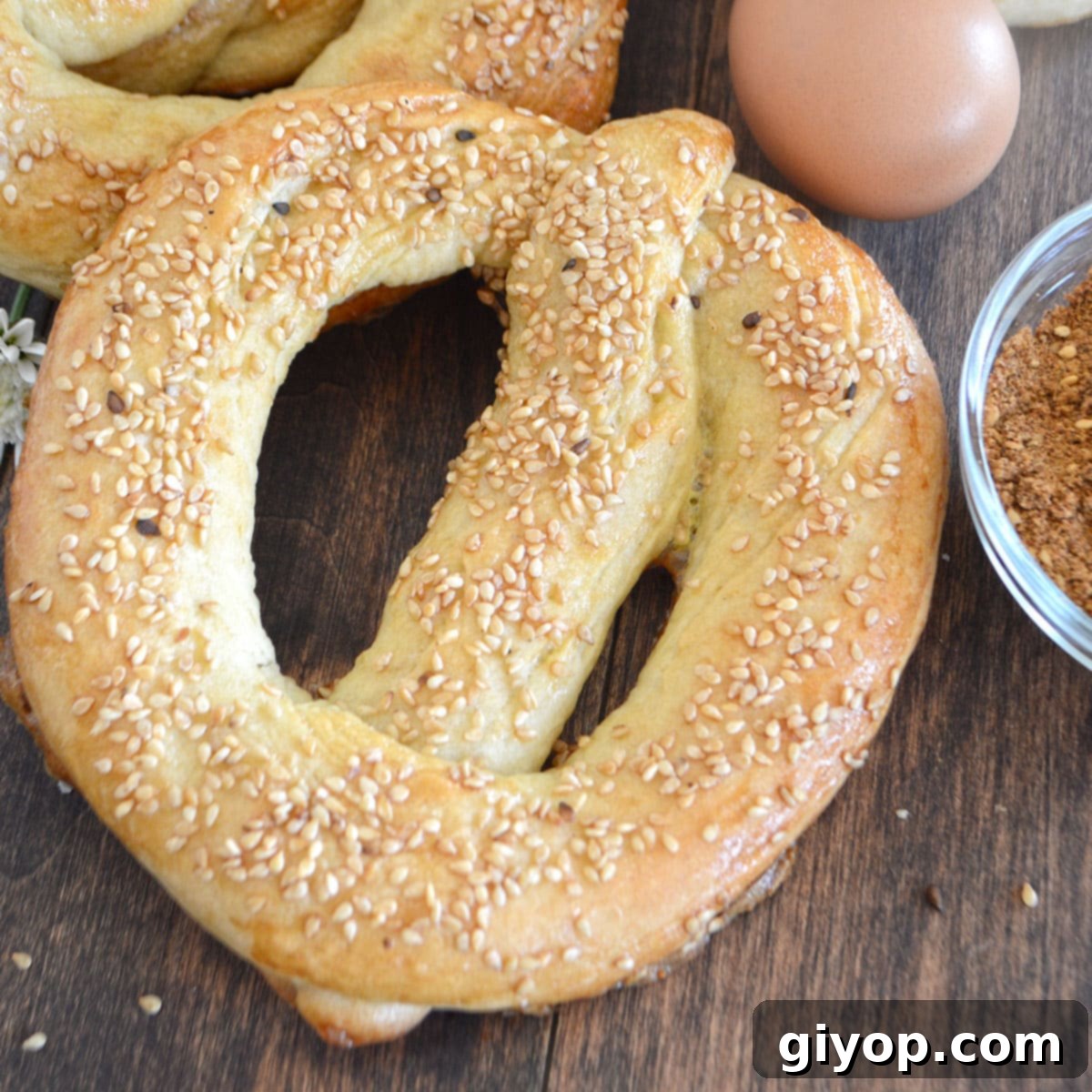
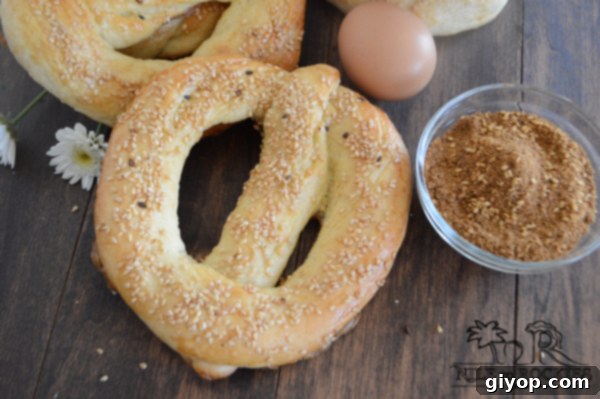
Welcome to a culinary journey that brings the vibrant flavors of Egypt straight to your kitchen! Today, we’re diving into the delightful world of **Egyptian Simit**, a beloved sesame-topped bread that is far more than just a breakfast item—it’s a cultural staple. Imagine a soft, slightly sweet, circular bread, adorned with a generous coating of sesame seeds, ready to grace your table. While its Turkish cousin is renowned for its crispiness, the Egyptian version offers a distinct, melt-in-your-mouth softness that truly sets it apart.
In Egypt, Simit is an iconic street food, a familiar sight sold by bustling vendors, especially in vibrant areas like Giza, often near the famous zoo or along the serene banks of the Nile River. It’s not uncommon to see it paired with simple yet satisfying accompaniments such as hard-boiled eggs and a sprinkle of `dukkah` (a flavorful Egyptian spice mix), creating an accessible and delicious meal for people on the go. This recipe brings that authentic Egyptian experience to your home, allowing you to recreate the magic of this cherished bread.
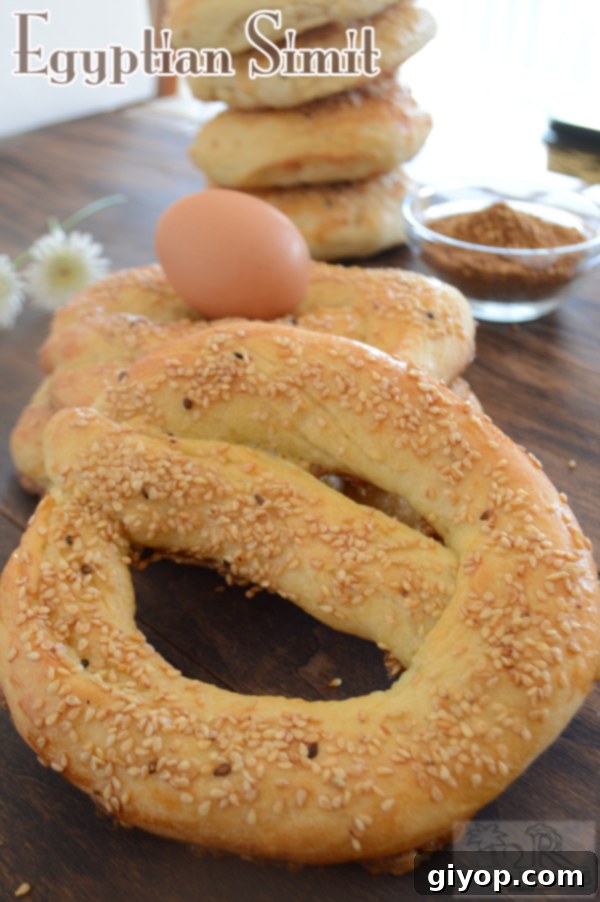
What is Simit? A Culinary Journey into Egypt’s Favorite Street Food
Simit, at its heart, is a circular bread roll, generously crusted with sesame seeds. Its origins are often debated, with Turkey being widely credited as its birthplace, where it’s typically known for its crisp, almost bagel-like texture. However, the rendition found in Egypt, though sharing the same name and iconic shape, is a unique entity. Egyptian Simit is characterized by its softer crumb and slightly richer flavor, making it a distinctly different experience from its crunchier Turkish counterpart. This softer texture makes it wonderfully versatile, perfect for dipping, stuffing, or simply enjoying on its own.
The Allure of Egyptian Simit: Soft vs. Crunchy
The distinction between Egyptian and Turkish Simit is a fascinating one, highlighting regional culinary adaptations. Turkish Simit, often dipped in molasses before being coated in sesame seeds and baked, results in a glossy, deeply browned, and delightfully crunchy exterior. It’s a fantastic bread, offering a satisfying chew and a robust sesame flavor. Egyptian Simit, on the other hand, embraces a softer profile. While still featuring a wonderful sesame crust, the dough itself is often enriched with butter or oil, leading to a tender, pillowy bread that remains soft even after cooling. This makes it incredibly appealing for a leisurely breakfast or a comforting afternoon snack, often preferred for its ease of tearing and dipping.
Why You’ll Love This Homemade Egyptian Simit Recipe
Making Egyptian Simit at home is a truly rewarding experience. This recipe is designed to be straightforward and accessible, even for novice bakers, ensuring you achieve that authentic softness and rich flavor that defines Egyptian Simit. If you’ve ever walked the vibrant streets of Egypt, particularly in Cairo or Giza, you’ll instantly recognize the enticing aroma of freshly baked Simit wafting from street carts. This recipe aims to replicate that sensory memory, allowing you to bring a piece of Egypt into your home. The process is enjoyable, and the result is a beautifully golden, sesame-studded bread that’s perfect for any meal.
Beyond its delicious taste, this recipe works because it balances traditional techniques with modern simplicity. It calls for readily available ingredients and provides clear, detailed instructions, ensuring that your homemade Simit turns out perfectly every time. The dough is forgiving, allowing for easy handling and shaping, and the baking process is quick, meaning you won’t have to wait long to enjoy your warm, freshly baked bread. Whether you’re making it for a special occasion or simply to indulge in a comforting treat, this recipe promises success and satisfaction.
Key Ingredients for Perfect Egyptian Simit
Crafting delicious Egyptian Simit relies on a few fundamental ingredients, each playing a crucial role in achieving its signature soft texture and savory flavor. Here’s a quick overview of what you’ll need. The full measurements and detailed instructions can be found in the comprehensive recipe card below.
- All-purpose flour: The backbone of our dough, providing structure and texture.
- Sugar: A touch of sweetness that also helps activate the yeast and contributes to the golden-brown crust.
- Unsalted Butter: Essential for richness and tenderness, distinguishing Egyptian Simit’s soft crumb.
- Olive oil: Adds moisture, flavor, and further contributes to the dough’s pliability.
- Active Dry Yeast: The leavening agent that gives Simit its airy texture and helps it rise beautifully.
- Warm Milk: Provides a rich liquid base and helps activate the yeast.
- Salt: Balances the flavors and strengthens the gluten in the dough.
- Eggs: Adds richness, helps bind the dough, and contributes to a lovely golden color.
- Warm Water: Used to adjust the dough consistency, ensuring it reaches the perfect softness.
- For brushing: Egg wash (egg and butter) and Sesame Seeds: These are crucial for the signature golden crust and abundant sesame coating.
Step-by-Step Guide: How to Make Egyptian Simit from Scratch
Making homemade Egyptian Simit is a delightful process that yields incredibly satisfying results. Follow these detailed steps to create your own batch of this authentic Egyptian bread. Remember, precise measurements and careful execution will ensure the best possible outcome.
- Combine Dry and Wet Fats: In a large mixing bowl, combine the all-purpose flour and sugar. Whisk them together lightly. Then, add the melted unsalted butter and olive oil. Using your fingertips or a pastry blender, mix these ingredients thoroughly until the mixture resembles coarse sand or fine breadcrumbs. This ensures the fats are evenly distributed, contributing to the bread’s tenderness.
- Activate Yeast and Mix: In a separate small bowl, combine the warm milk with the active dry yeast. Let it sit for 5-10 minutes until frothy, indicating the yeast is active. Pour the activated yeast mixture into the flour and fat mixture. Mix well until just combined.
- Incorporate Egg and Salt: Crack in the egg and add the salt to the dough. Continue to mix, either by hand or with a stand mixer fitted with a dough hook, until all ingredients are well incorporated and the dough starts to come together.
- Form a Soft Dough: Gradually add the warm water, a little at a time, continuing to mix. The amount of water needed can vary slightly depending on your flour and humidity. Continue mixing and kneading until you achieve a soft, pliable dough that easily pulls away from the sides of the mixing bowl. It should be smooth and elastic, not sticky.
- First Rise: Lightly grease a clean bowl with a touch of oil. Place the dough in the bowl, turning it once to coat lightly with oil. Cover the bowl with plastic wrap or a clean kitchen towel and let it rise in a warm, draft-free place for approximately 1 hour, or until it has doubled in size. This first rise develops flavor and texture.
- Shape the Simit: Once the dough has risen, gently punch it down to release the air. Turn the dough out onto a lightly floured surface and divide it into 6 equal portions. Take each portion and roll it into a long, thin rope, about 12-15 inches long. Then, bring the ends of the rope together and pinch them securely to form a circular ring. For a more decorative touch, you can also twist two ropes together to create a braided circle before joining the ends.
- Second Rise and Preheat Oven: In a small bowl, whisk together the remaining egg and a teaspoon of melted butter to create an egg wash. Brush each shaped Simit generously with this egg wash, then sprinkle the tops liberally with sesame seeds. Place the shaped Simit on a baking sheet lined with parchment paper, cover them loosely, and let them rise again for another 30 minutes while you preheat your oven. Preheat your oven to 375°F (190°C).
- Bake to Golden Perfection: Bake the Simit in the preheated oven for 20-25 minutes, or until they are beautifully golden brown on top and cooked through. The bottom should also be lightly browned.
- Serve and Enjoy: Once baked, transfer the Simit to a wire rack to cool slightly. Serve them warm with traditional Egyptian accompaniments like hard-boiled eggs and dukkah for an authentic experience.
- Enjoy: Savor the soft texture and rich flavor of your homemade Egyptian Simit.
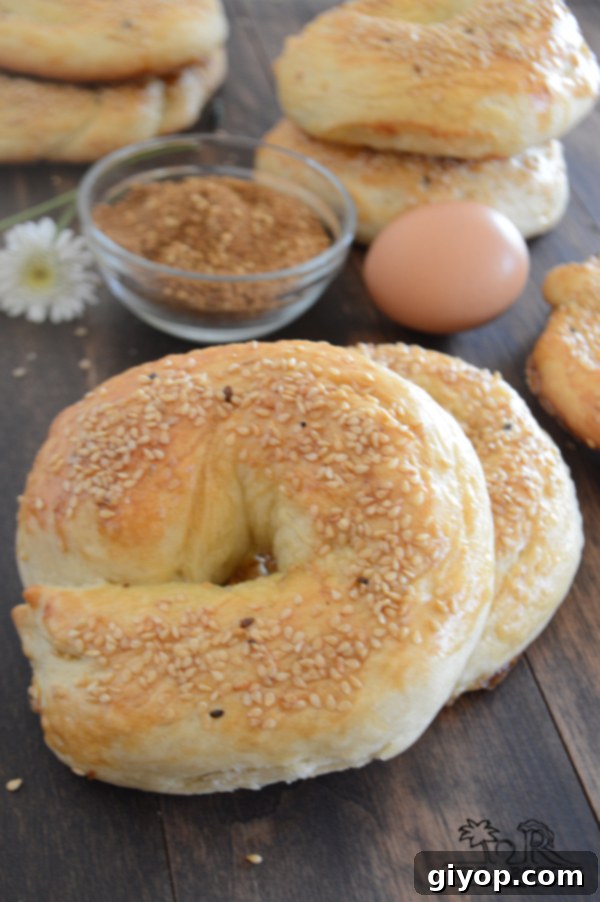
Serving Suggestions: The Authentic Egyptian Experience
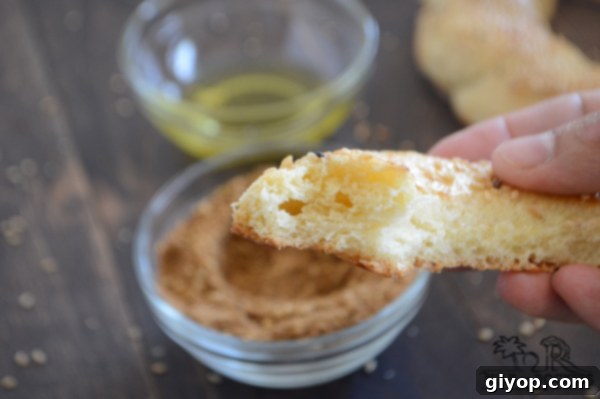
Egyptian Simit is incredibly versatile and can be enjoyed in numerous ways. For an authentic Egyptian breakfast or brunch, serve it warm with a side of hard-boiled or fried eggs and a small bowl of `dukka` (Egyptian spice mix). The traditional way to eat it is to dip the Simit first in a little olive oil, then into the fragrant dukkah – a flavor combination that is truly heavenly. The warm, soft bread perfectly complements the earthy spices and the richness of the egg.
Beyond this classic pairing, Simit also goes wonderfully with various cheeses, especially a soft, creamy feta or a sharp aged white cheese. It’s excellent for scooping up hummus, ful medames (fava bean stew), or even labneh (strained yogurt). A simple spread of butter and jam can transform it into a delightful sweet treat. And, of course, no Egyptian breakfast is complete without a strong cup of black tea to accompany your Simit. Whether you’re dipping, spreading, or simply tearing and savoring, Egyptian Simit offers a comforting and delicious experience.
Simit and Sham el-Nessim: A Spring Festival Tradition
My personal connection to Simit runs deep, intertwining with cherished family memories and significant cultural celebrations. Simit isn’t just a delicious bread; it’s an integral part of Egyptian festivities, particularly during `Sham el-Nessim`. This ancient spring celebration, with roots stretching back to the time of the Pharaohs, typically follows Egyptian Christian Easter and marks the beginning of spring with vibrant traditions.
During Sham el-Nessim, ancient Egyptians would offer salted fish, lettuce, and onions to their gods, symbolizing prosperity and renewal. Today, the celebration continues with these very same elements. Families gather to enjoy `Fesikh` (fermented salted mullet) or `Renga` (salted, smoked, and dried herrings), accompanied by fresh lettuce, green onions, and beautifully colored eggs. Simit, with its soft texture and slight sweetness, plays a crucial role in balancing these strong, savory flavors, often used to scoop up the pungent fish or simply enjoyed alongside the other traditional dishes.
I fondly recall Sham el-Nessim gatherings at my dad’s farm in Egypt. The entire family would converge for this special day, transforming it into a grand feast. Our breakfast spread was legendary, featuring an array of traditional delights: freshly colored eggs, crispy falafel, hearty ful medames, warm Simit, and other traditional Egyptian breads. As the day progressed, the dinner table would groan under the weight of even more delectable offerings. While Fesikh and Renga were central, for those of us who found their aroma a bit too intense, there were always other fantastic options like comforting baked bechamel pasta, fragrant mahshi (rice-stuffed vegetables), and perfectly grilled meats and chicken. We would spend the entire day together, from sunrise to late night, eventually heading home happy, exhausted, but completely refreshed and filled with wonderful memories. It’s moments like these that truly highlight the cultural significance and communal joy associated with food like Simit.
Tips for Baking the Best Simit
Achieving perfectly soft and flavorful Egyptian Simit is easier than you think with a few helpful tips:
- Warmth is Key for Yeast: Ensure your milk is warm (not hot!) when activating the yeast. Ideal temperature is between 105-115°F (40-46°C). Too cold, and the yeast won’t activate; too hot, and it will kill it.
- Kneading for Softness: Don’t skimp on kneading. Proper kneading develops the gluten, which is essential for that signature soft and chewy texture. Knead until the dough is smooth, elastic, and pulls away cleanly from the bowl.
- Perfect Proofing: A warm, draft-free environment is crucial for both rises. If your kitchen is cool, you can turn your oven on for a minute, then turn it off and let the dough rise inside with the door slightly ajar. Ensure the dough doubles in size during the first rise.
- Shaping Consistency: Try to make your dough ropes and rings as uniform as possible for even baking. While a braided circle is pretty, the simple, traditional ring shape is just as delicious and often bakes more evenly.
- Generous Sesame Seeds: Don’t be shy with the sesame seeds! They are a defining characteristic of Simit. The egg wash helps them adhere beautifully and gives a lovely golden finish.
- Oven Temperature: Make sure your oven is fully preheated before placing the Simit inside. This initial blast of heat helps the bread rise quickly and develop a good crust.
- Don’t Overbake: Keep an eye on your Simit during the last few minutes of baking. Overbaking can lead to a dry, hard texture, diminishing the desired softness. They should be golden brown, not deep brown.
Storage and Reheating Your Homemade Simit
To keep your freshly baked Egyptian Simit at its best, proper storage is important. Once cooled, store Simit in an airtight container or a plastic bag at room temperature for up to 2-3 days. To maintain their softness, you can also wrap them individually in plastic wrap before placing them in the container.
For longer storage, Simit freezes beautifully. Wrap each Simit tightly in plastic wrap, then place them in a freezer-safe bag or container. They can be frozen for up to 2-3 months. When you’re ready to enjoy them, thaw them at room temperature. To reheat, you can pop them into a preheated oven at 350°F (175°C) for 5-7 minutes, or simply warm them in a toaster oven until soft and fragrant again. This brings back much of their original warmth and slightly crisp exterior, making them taste almost freshly baked.
Egyptian Simit
⭐
⭐
⭐
⭐
🖨️Print
📌Pin
⭐Rate
❤️Save
Amira
Ingredients
Instructions
- In a bowl, combine the flour and sugar. Add the melted butter and olive oil, mixing well until the mixture is crumbly and resembles coarse sand.
- Add the yeast and warmed milk to the mixture. Mix thoroughly until well combined.
- Add the egg and salt. Mix until all ingredients are well incorporated and the dough starts to come together.
- Gradually add the warm water, kneading continuously, until you form a soft, elastic dough that pulls away cleanly from the sides of the mixing bowl.
- Lightly grease a bowl, place the dough in it, cover with plastic wrap or a clean towel, and let it rise in a warm place for 1 hour, or until doubled in size.
- Punch down the risen dough and divide it into 6 equal balls. Roll each ball into a rope, then bring the ends together and tuck them to form a circular ring. You can also braid two ropes together to make a braided circle.
- Whisk together 1 egg and 1 teaspoon of melted butter for an egg wash. Brush the tops of the shaped Simit generously with this wash, then sprinkle with sesame seeds. Cover and let rise for another 30 minutes. Meanwhile, preheat your oven to 375°F (190°C).
- Bake for 20-25 minutes, or until the Simit are golden brown on top and cooked through.
- Serve warm with hard-boiled eggs and a side of traditional Egyptian doqqah.
- Enjoy your homemade Egyptian Simit!
Notes
- Please check the nutrition disclaimer policy for important information.
Tried this Recipe? Pin it for Later!
Mention @AmirasPantry or tag #AmirasPantry!
Related Recipes You Might Enjoy
If you’ve enjoyed baking this authentic Egyptian Simit, you’ll love exploring more delicious bread and pastry recipes. Here are a couple of suggestions from our kitchen that are sure to delight:
- Incredibly Delicious and Satisfying Sweet Bread Rolls: Perfect for your morning coffee or as an afternoon snack, these sweet bread rolls are a family favorite, lovingly made from a cherished recipe passed down through generations. Their soft, fluffy texture and delicate sweetness make them irresistible.
- Homemade Whole Wheat Pita Bread: Experience the wholesome goodness of nutty, soft pita bread made from a delightful whole wheat flour mixture. This pita is fantastic for creating savory falafel pockets, dipping into creamy hummus, or using to mop up flavorful stews and soups.
Join Our Community
Don’t want to miss out on any new recipes, cooking tips, or delightful surprises? Sign up for the FREE Amira’s Pantry newsletter! Delivered straight to your inbox, it’s packed with inspiration and culinary secrets. If you’ve tried this Egyptian Simit recipe and loved it, please don’t forget to give it a ⭐⭐⭐⭐⭐ star rating and share a photo of your finished dish! It brings me immense joy to see your creations and how you’ve made the recipe your own. Thank you for being a part of the Amira’s Pantry family!
Explore Amira’s Pantry Store
Looking for unique ingredients or kitchen gadgets that evoke a sense of nostalgia? Check out the Amira’s Pantry Store on Amazon! You’ll discover a curated selection of all kinds of goodies to enhance your cooking adventures. Your support means the world to us!
Frequently Asked Questions About Simit (FAQ)
Here are some common questions about Simit and its preparation:
- What is the difference between Egyptian Simit and Turkish Simit?
Egyptian Simit is generally softer and more bread-like, often enriched with butter or oil, and has a slightly chewy interior. Turkish Simit, on the other hand, is known for its crunchier crust, often achieved by dipping the dough in molasses and water before applying sesame seeds, resulting in a thinner, crispier texture. - Can I make Simit without milk?
Yes, you can substitute the milk with warm water or a non-dairy milk alternative (like almond or soy milk) if you prefer. However, milk does contribute to the richness and softness of the dough. - What if my dough doesn’t rise?
The most common reasons for dough not rising are inactive yeast or liquid that is too hot or too cold. Ensure your yeast is fresh and your milk/water is between 105-115°F (40-46°C). A warm, draft-free environment is also crucial for proofing. - Can I prepare the dough ahead of time?
You can prepare the dough and let it have its first rise, then punch it down, cover it tightly, and refrigerate it overnight. On the day of baking, let it come to room temperature for about 30-60 minutes before proceeding with shaping and the second rise. - What are some other toppings for Simit?
While sesame seeds are traditional, you can experiment with other seed toppings like nigella seeds, poppy seeds, or a combination. Some people also add a sprinkle of coarse salt before baking for an extra savory kick. - Is Simit suitable for vegans?
The recipe as written includes butter, milk, and eggs. To make it vegan, you would need to substitute these ingredients: use plant-based butter, non-dairy milk, and a flax egg or other egg substitute.
Final Thoughts on Egyptian Simit
Egyptian Simit is more than just a type of bread; it’s a piece of culinary heritage, a comfort food, and a symbol of Egyptian hospitality and tradition. Its soft, sesame-crusted embrace offers a taste of the bustling streets of Cairo and the warmth of family gatherings during Sham el-Nessim. This recipe provides you with the means to recreate that magic in your own kitchen, inviting you to share in the joy of baking and the simple pleasure of a delicious, homemade treat. Whether you’re dipping it in `dukkah`, pairing it with cheese, or simply enjoying it fresh from the oven, Egyptian Simit is sure to become a cherished addition to your recipe collection. Happy baking!