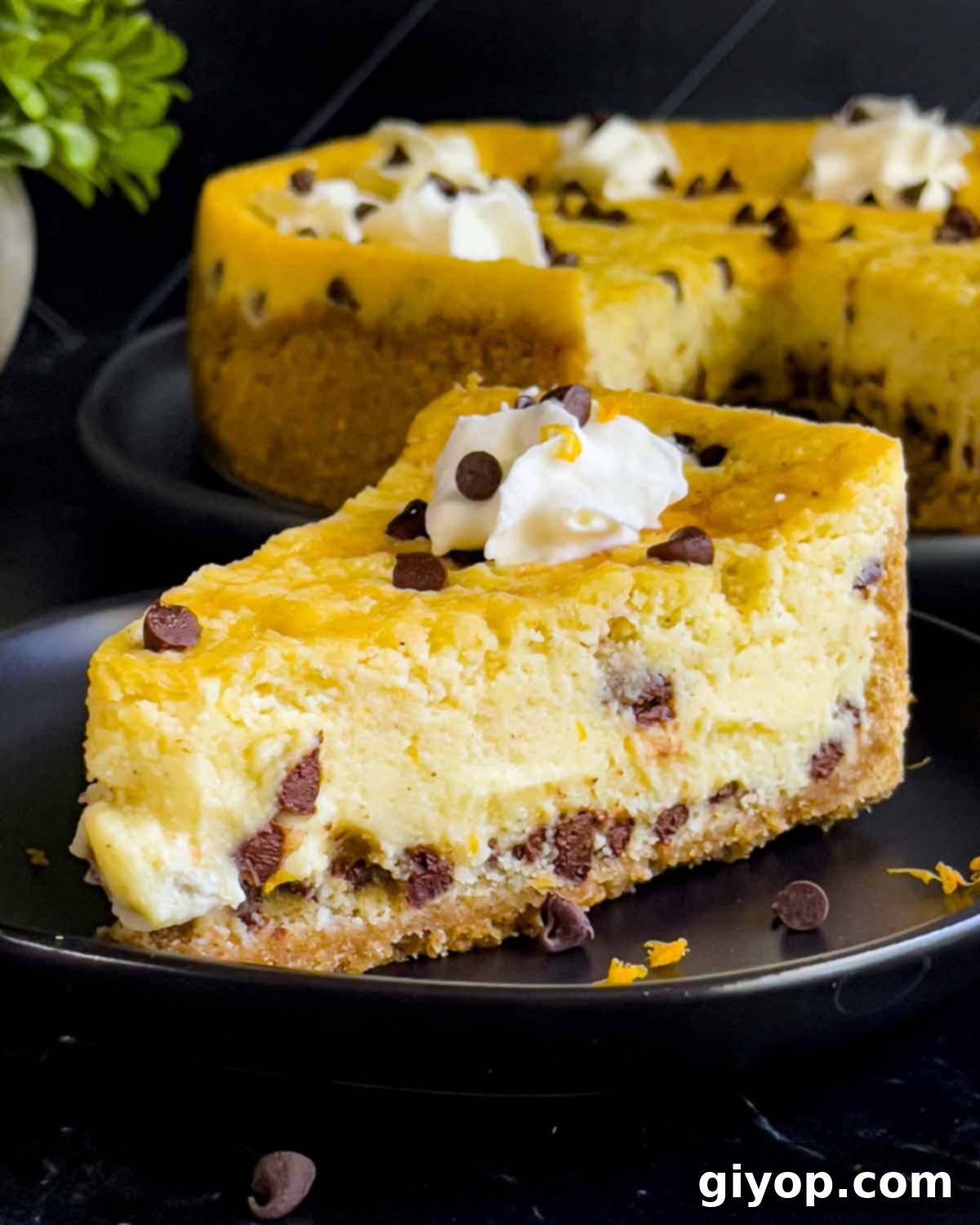
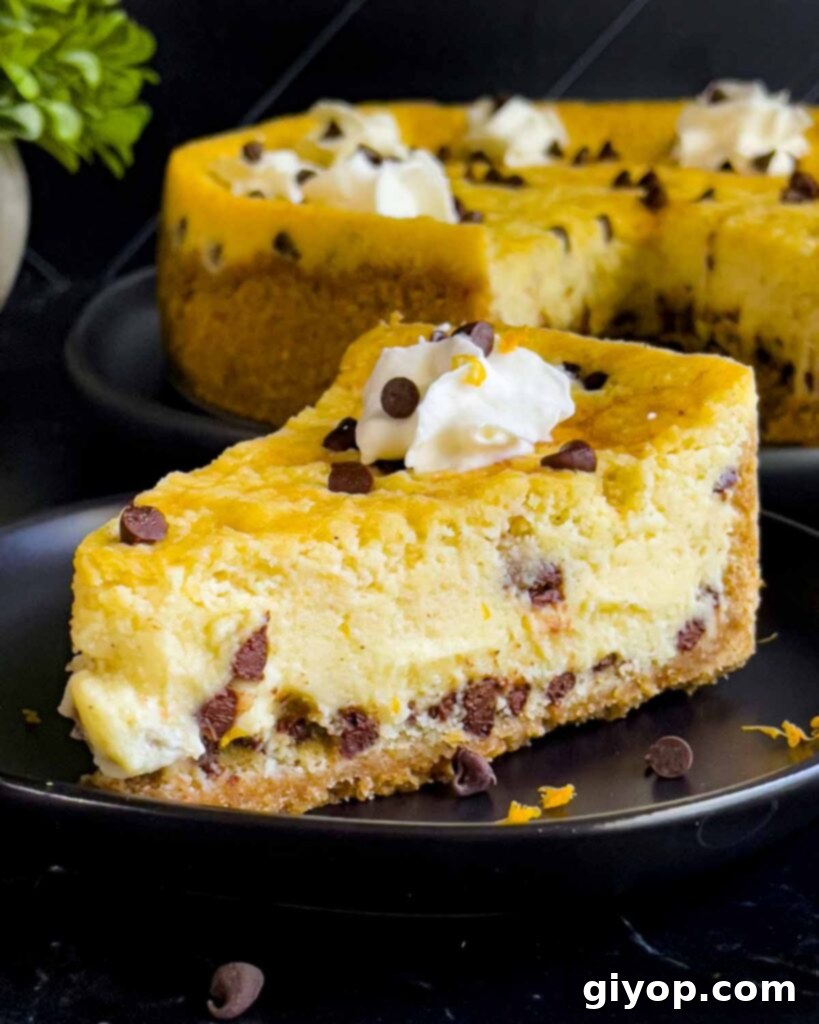
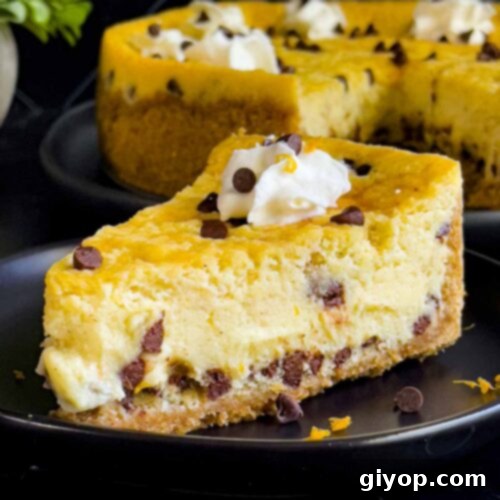
Indulge in a truly exquisite dessert that marries the beloved flavors of traditional Italian cannoli with the luxurious creaminess of a classic cheesecake. This **Cannoli Cheesecake recipe** is a decadent culinary masterpiece, offering a unique blend of light, airy ricotta and rich mascarpone cheese, infused with hints of bright orange zest, warm cinnamon, and delightful mini chocolate chips. It’s an unforgettable treat that brings sophisticated Italian flair to any occasion, all within the comforting form of a luscious cheesecake.
Don’t Sweat The Recipe is supported by its readers. We may earn a commission if you purchase through a link on our site. Learn more.
Why This Cannoli Cheesecake Will Become Your New Favorite
This **Mascarpone Ricotta Cheesecake** isn’t just another dessert; it’s an experience. Here’s why you’ll fall in love with this sensational recipe:
- **Effortless Elegance:** Despite its sophisticated appearance and gourmet taste, this cannoli cheesecake is surprisingly straightforward to make. It’s perfect for impressing guests at dinner parties, holiday gatherings, or simply elevating an ordinary weeknight into something special without the stress of complicated techniques. Its beautiful presentation and rich flavors speak volumes about your culinary prowess.
- **Authentic Italian Flavors Reimagined:** Experience the quintessential taste of a classic Italian cannoli in a delightfully new form. We capture the traditional essence with a masterful blend of creamy ricotta and mascarpone, bright citrus notes from fresh orange zest, a comforting warmth from ground cinnamon, and the irresistible crunch of mini semi-sweet chocolate chips. Every bite delivers that nostalgic, satisfying cannoli flavor.
- **Foolproof & Flavorful:** This recipe has been meticulously tested and perfected to ensure a consistently creamy texture and robust flavor profile. We provide detailed instructions and essential tips to help you achieve a flawless cheesecake every time, from the perfectly baked graham cracker crust to the beautifully set, crack-free filling. It’s guaranteed to be a crowd-pleaser!
If you adore Italian desserts as much as we do, you might also enjoy exploring some of our other cherished recipes like Italian Rainbow Cookies, the soft and tender Italian Ricotta Cookies, classic Butterball Cookies, delectable Italian Fig Cookies, or the wonderfully layered Italian Love Cake. Each offers a unique taste of Italy’s rich baking heritage.
Essential Ingredients for Your Cannoli Cheesecake
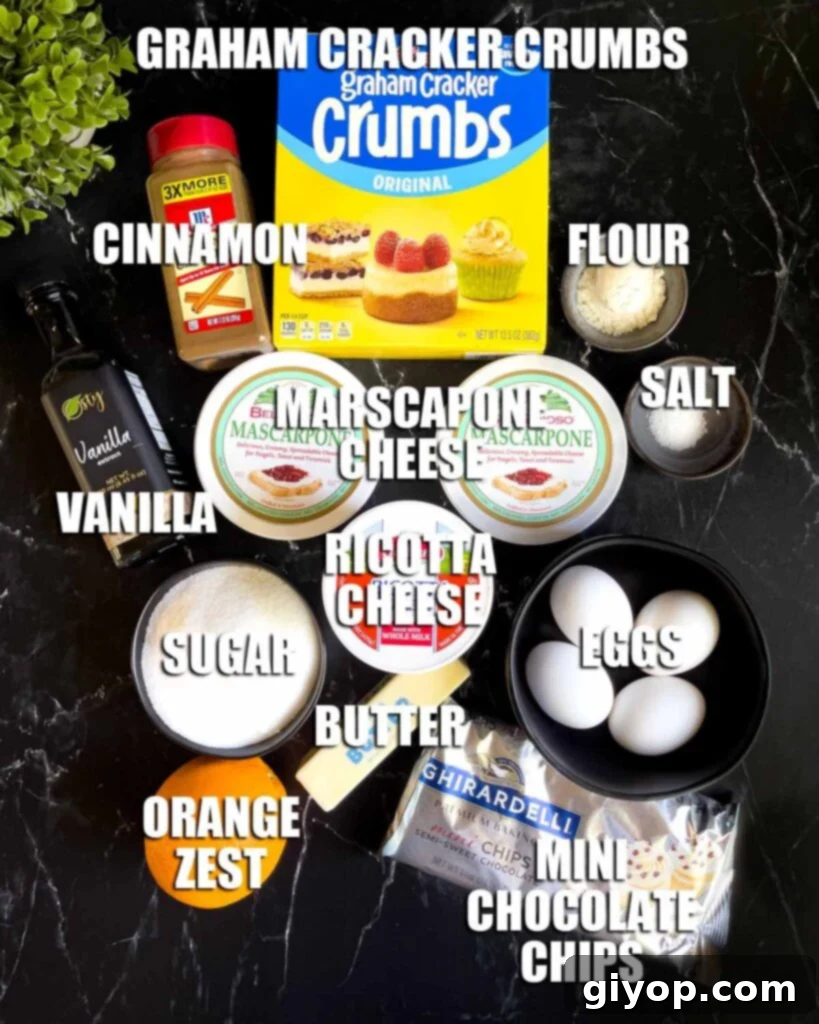
Crafting the perfect **homemade cannoli cheesecake** starts with selecting high-quality ingredients. Below is a detailed look at what you’ll need, along with tips for optimal results. For a comprehensive list of quantities and step-by-step instructions, please refer to the recipe card further down this page.
- Ricotta Cheese: This is a cornerstone of our **Italian cheesecake recipe**. For the best possible creamy texture and rich flavor, we strongly recommend using whole milk ricotta cheese. It contains more fat, contributing to a more luxurious and less granular cheesecake. Crucially, you must drain the ricotta cheese overnight (or for at least 6 hours). Excess moisture from undrained ricotta can lead to a watery, grainy, or cracked cheesecake. Brands like Galbani often yield less watery ricotta, making your draining process even more efficient.
- Mascarpone Cheese: The other star of our creamy filling, mascarpone is a soft, Italian cream cheese renowned for its exceptionally smooth, velvety texture and mild, slightly sweet flavor. Made from cow’s milk and heavy cream, it boasts a higher fat content than traditional American cream cheese, which is essential for achieving the signature rich and decadent consistency of this **mascarpone ricotta cheesecake**.
- Eggs: Large, room temperature eggs are vital for binding the cheesecake ingredients together and providing structure. Using room temperature eggs ensures they emulsify properly with the other dairy components, leading to a smooth, uniform batter free of lumps and a beautifully even bake.
- Graham Cracker Crumbs: Forming the foundation of our delicious crust, graham cracker crumbs offer a sweet, buttery base. You can conveniently purchase pre-crushed crumbs, or easily make your own by pulsing whole graham crackers in a food processor until finely ground. For a unique twist, consider alternatives like crushed vanilla wafers, biscotti, or even actual cannoli shells (though ensure they are finely crushed and baked to prevent a chewy texture).
- Flavorings: These elements are key to imparting the authentic **cannoli flavor** into your cheesecake:
- Orange Zest: Freshly grated orange zest provides a bright, aromatic citrus note that is traditional in cannoli. It cuts through the richness of the cheese and adds a refreshing zing.
- Mini Semi-Sweet Chocolate Chips: These tiny morsels are scattered throughout the cheesecake, providing bursts of classic chocolatey goodness in every bite, mirroring the delightful inclusions found in many cannoli.
- Ground Cinnamon: A touch of cinnamon adds a warm, subtly spicy undertone that complements the orange and chocolate perfectly, enhancing the overall Italian dessert experience.
- Vanilla Extract: High-quality vanilla extract deepens the flavor profile, adding a sweet, aromatic warmth that harmonizes all the other ingredients.
Mastering the Art of Draining Ricotta Cheese
Draining ricotta cheese is a crucial step for this **creamy cannoli cheesecake recipe**. It removes excess liquid, preventing your cheesecake from becoming watery, grainy, or developing cracks during baking and cooling. Follow these simple steps for perfectly drained ricotta:
- **Prepare Your Setup:** Lay a large, double-layered piece of fine-mesh cheesecloth into a fine mesh strainer. Ensure the cheesecloth extends well beyond the edges of the strainer.
- **Pour and Cover:** Gently pour the entire container of whole milk ricotta cheese into the cheesecloth-lined strainer. Fold the excess cheesecloth over the top of the ricotta, completely covering it.
- **Weight it Down:** Place the strainer over a bowl of a similar size. This bowl will collect the liquid that drains from the ricotta. To help extract more moisture, place another bowl directly on top of the covered ricotta, and weigh it down with something moderately heavy (like a can of food or a small plate).
- **Refrigerate:** Transfer the entire setup (strainer, ricotta, weight, and collection bowl) to the refrigerator. Allow the ricotta to drain overnight, or for a minimum of 6 hours. The longer it drains, the thicker and creamier your ricotta will become.
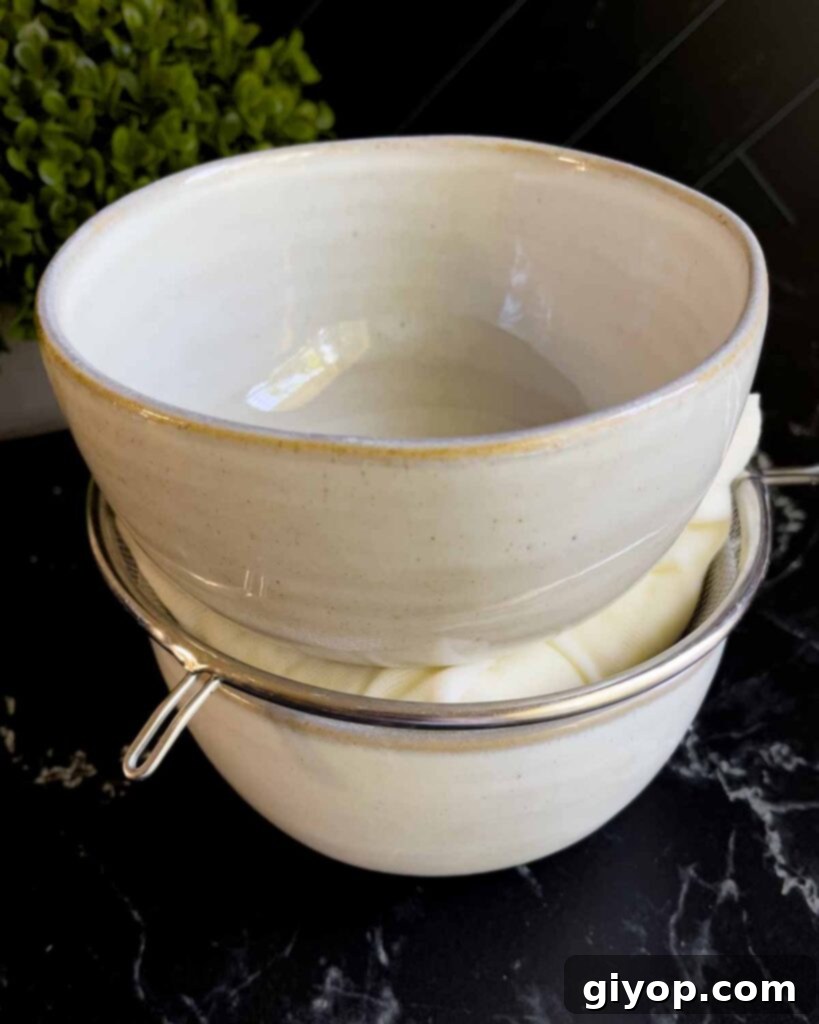
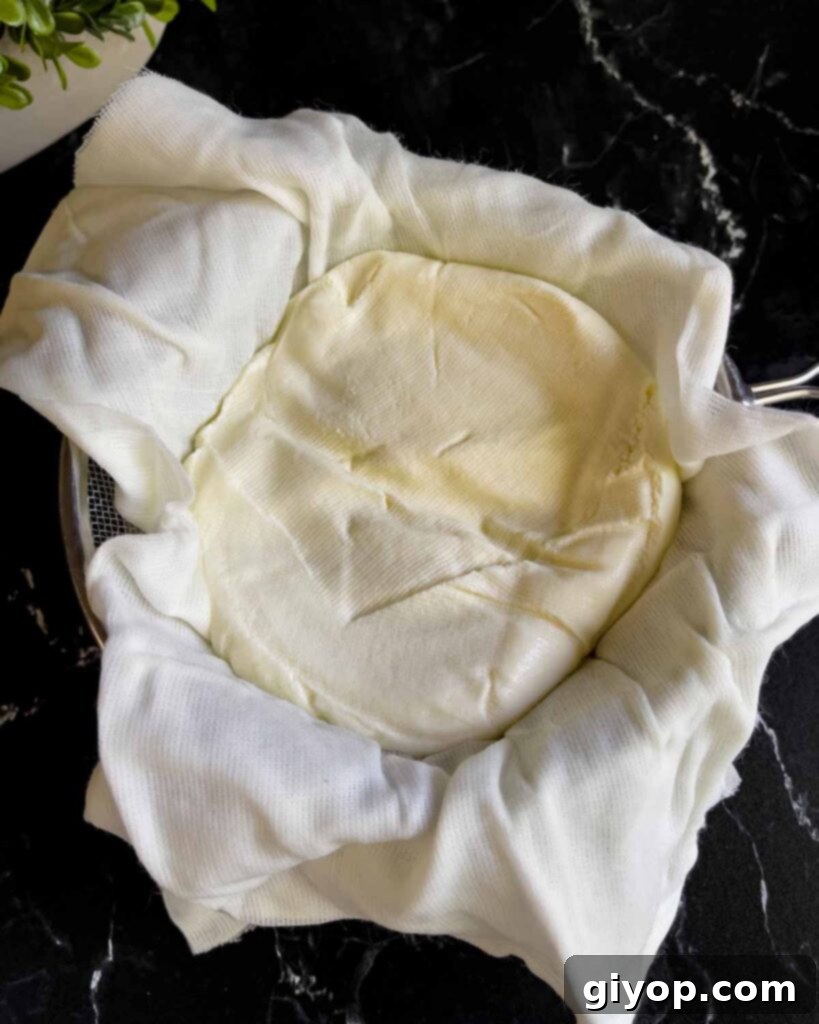
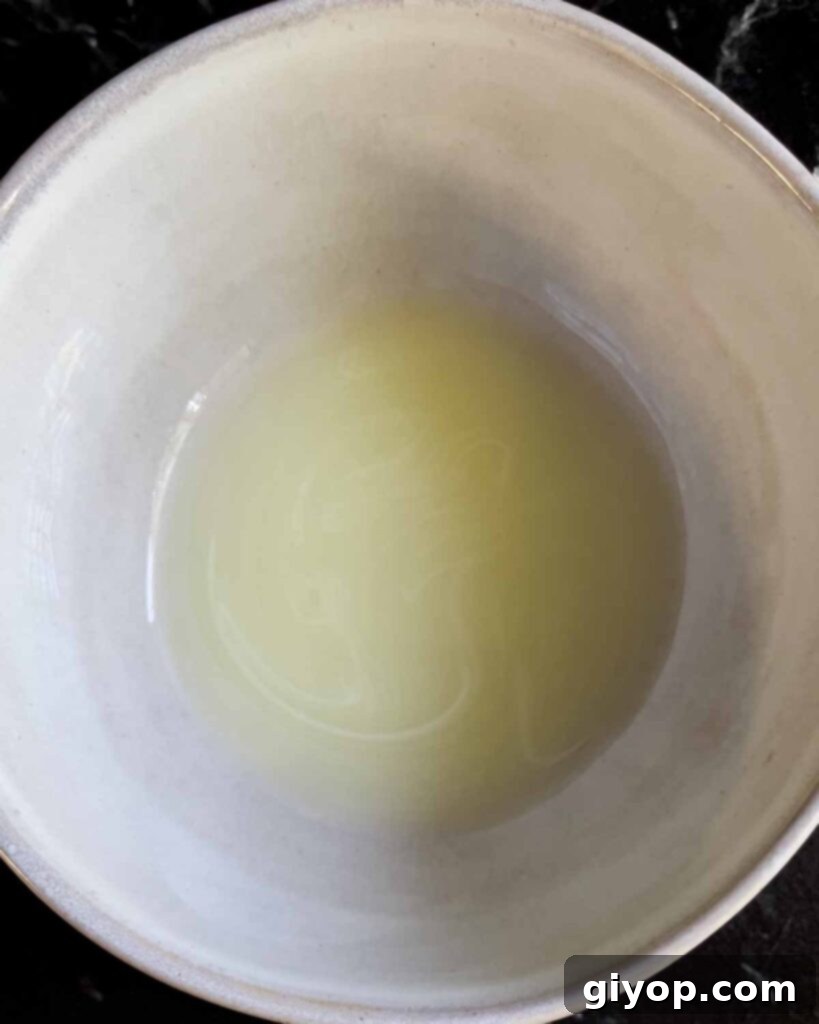
Once drained, bring the ricotta cheese to room temperature before incorporating it into the cheesecake batter. This ensures a perfectly smooth and well-combined filling.
Step-by-Step Guide: How to Make Decadent Cannoli Cheesecake
Follow these detailed instructions to create your show-stopping **cannoli cheesecake**:
Preparing the Crust and Pan
- **Preheat Oven & Prepare Pan:** Preheat your oven to 350°F (175°C). Lightly spray a 9-inch springform pan with nonstick cooking spray. Crucially, wrap the bottom and sides of the springform pan securely with a double layer of heavy-duty aluminum foil. This forms a protective barrier for the water bath, preventing any leaks into your crust.
- **Mix Crust Ingredients:** In a medium bowl, combine the graham cracker crumbs, ground cinnamon, kosher salt, and melted unsalted butter. Mix thoroughly with a fork until all the crumbs are moistened and resemble wet sand.
- **Form the Crust:** Press the mixture firmly and evenly into the bottom of the prepared springform pan. You can use the bottom of a measuring cup or your hands to create a compact base. Bake for 10 minutes, then remove from the oven and allow it to cool completely while you prepare the cheesecake filling. This pre-baking step helps create a sturdy, less soggy crust.
- **Prepare for Water Bath:** While the crust cools, ensure you have a large roasting pan ready that can comfortably accommodate your springform pan. The springform pan should fit in the middle without touching the sides of the outer pan, as you will be baking the cheesecake in a water bath to ensure even cooking and prevent cracks.
- **Adjust Oven Temperature:** Reduce the oven temperature to 325°F (160°C).
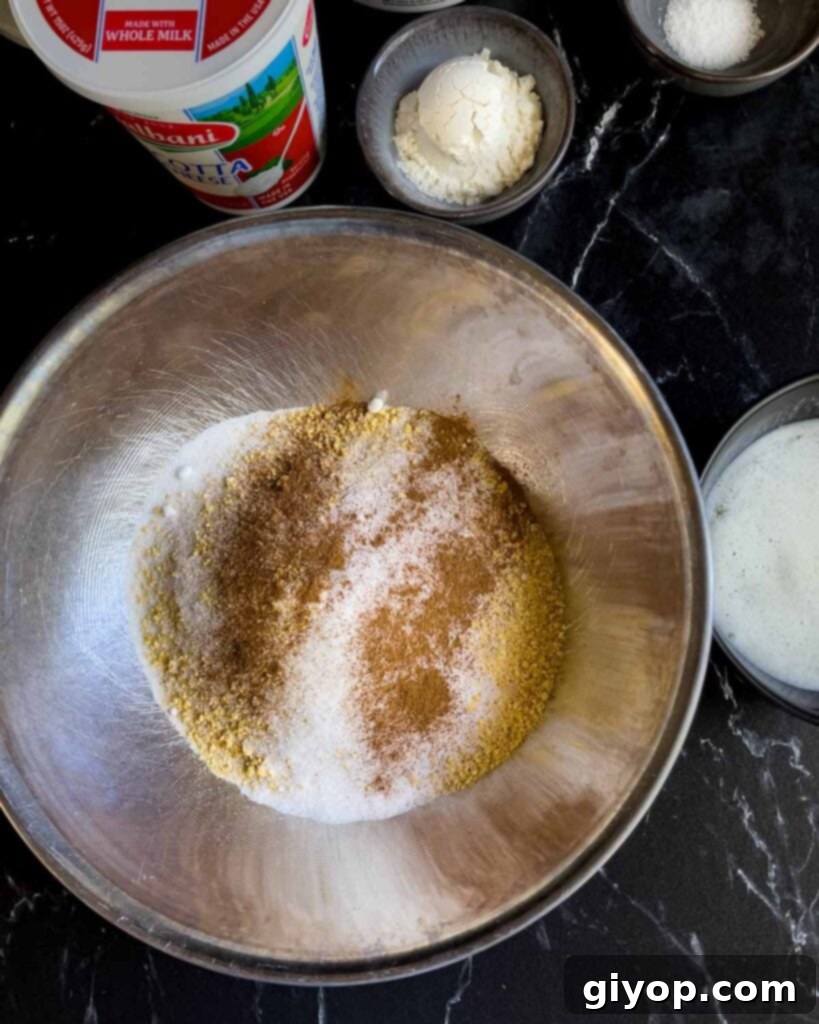
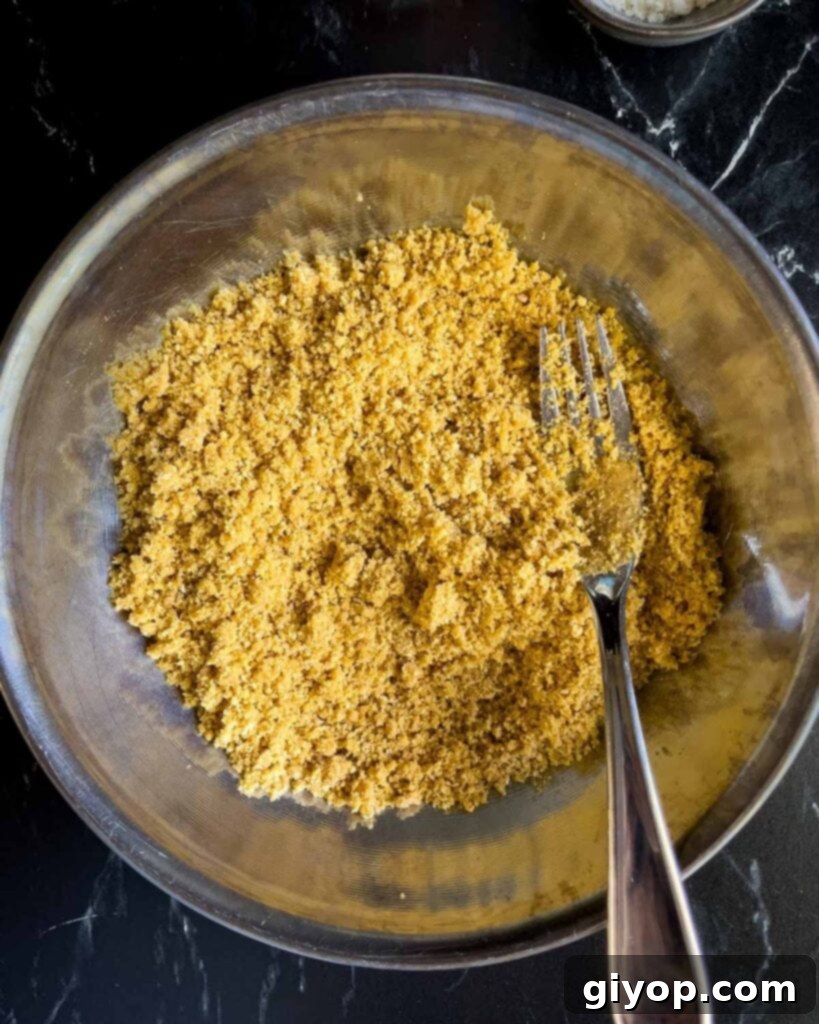
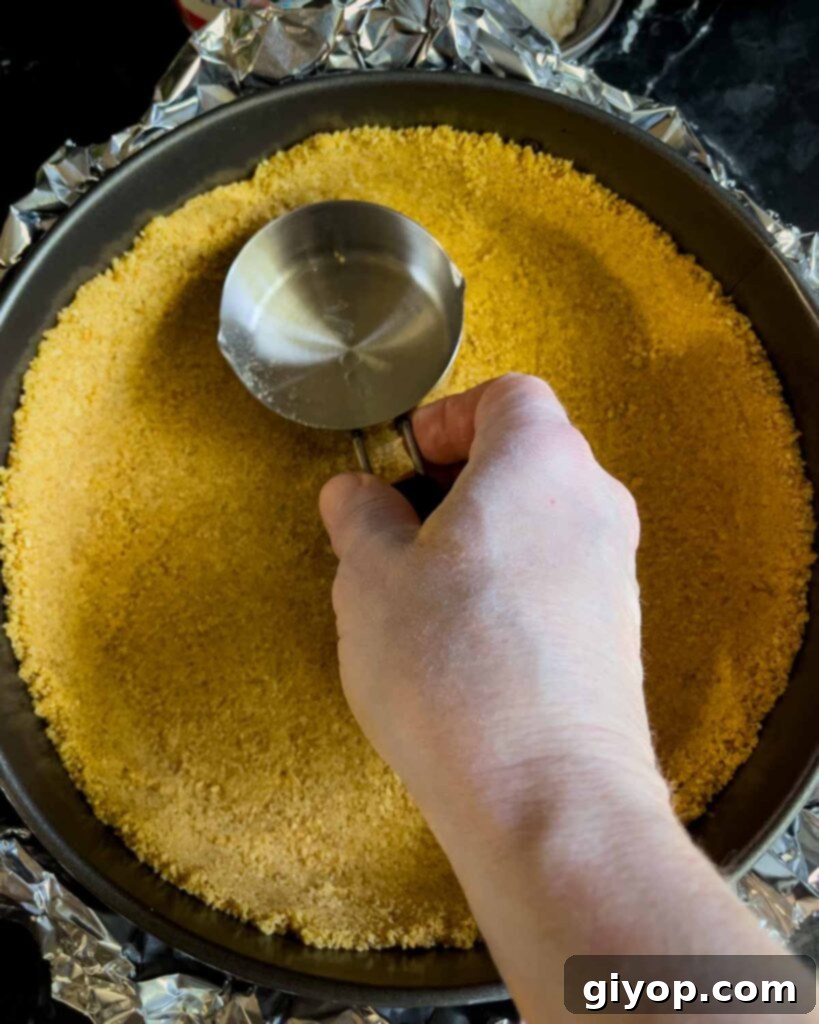
Crafting the Cheesecake Filling
- **Cream the Cheeses:** In a large mixing bowl, using an electric mixer, beat the room temperature mascarpone cheese on medium speed for about 10 seconds until it’s smooth. Add the room temperature, well-drained ricotta cheese and continue to beat until both cheeses are thoroughly combined and the mixture is smooth and lump-free. Scrape down the sides of the bowl as needed.
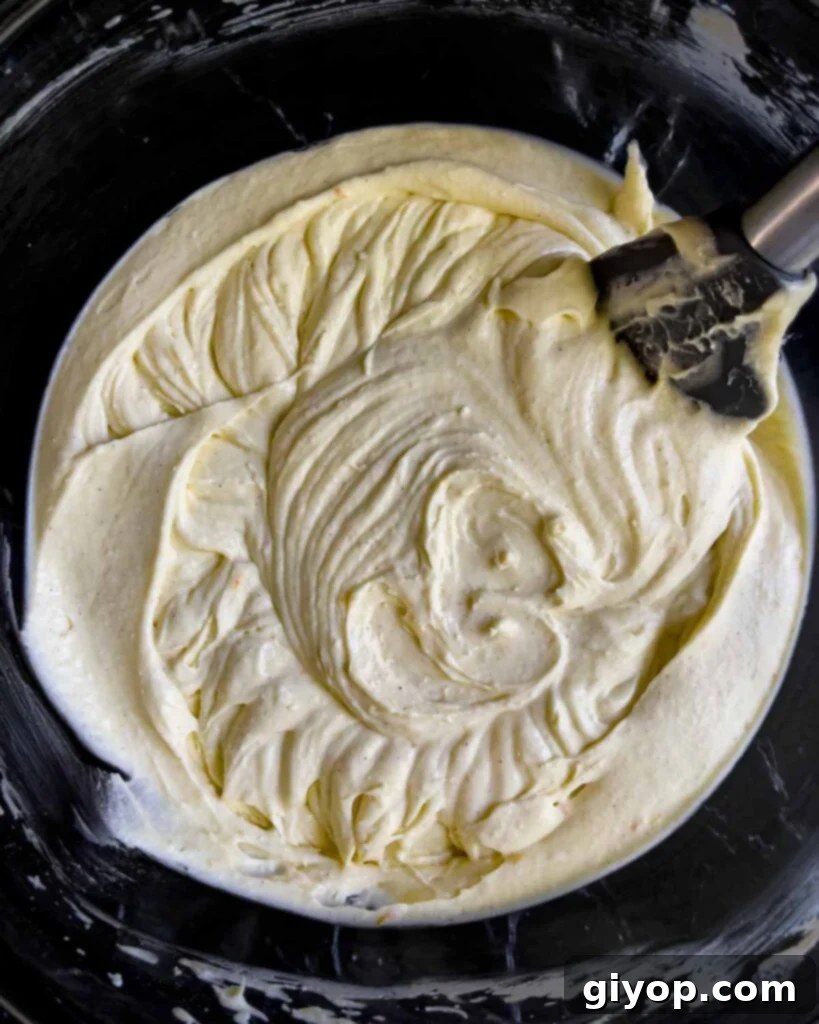
- **Incorporate Dry & Flavorings:** Add the granulated sugar, vanilla extract, all-purpose flour, ground cinnamon, fresh orange zest, and kosher salt to the cheese mixture. Beat on medium speed until all ingredients are well combined and the mixture is smooth. Remember to scrape down the sides of the bowl frequently to ensure everything is incorporated evenly.
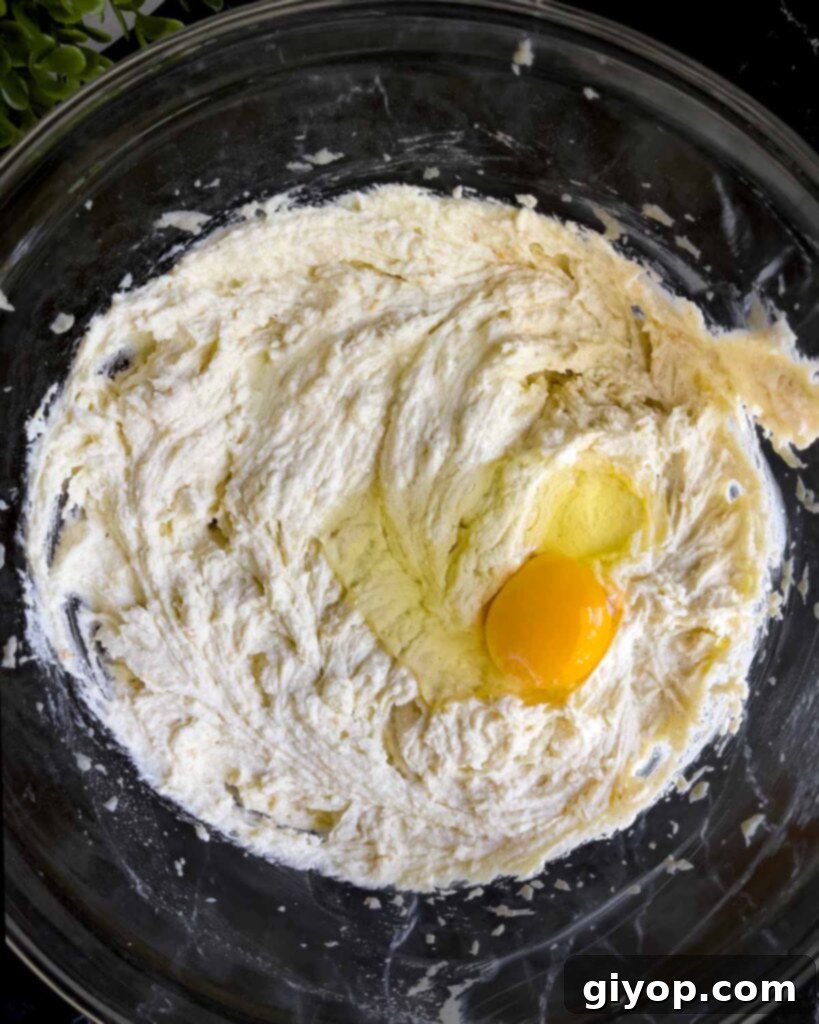
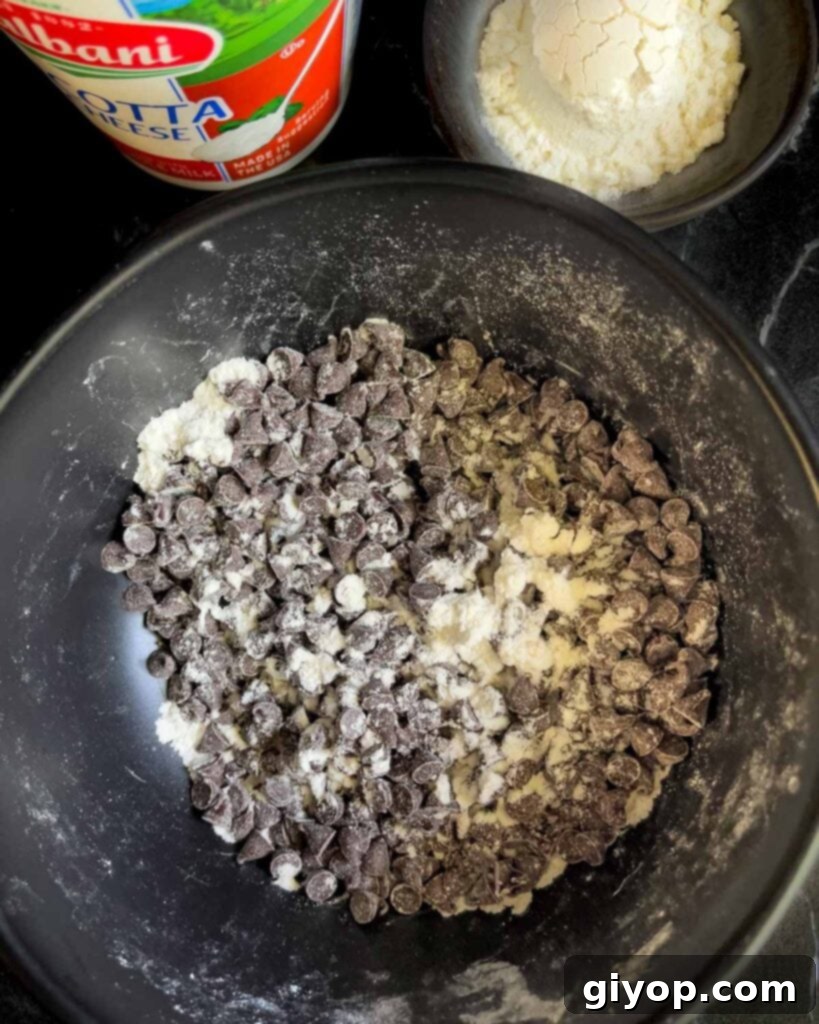
- **Add Eggs & Chocolate Chips:** Beat in the large eggs one at a time, mixing just until each egg is incorporated. Be careful not to overmix at this stage, as too much air can cause cracking. In a separate small bowl, toss the mini chocolate chips with about 1 tablespoon of the remaining all-purpose flour. This light coating helps prevent them from sinking to the bottom of the cheesecake. Gently fold in 1/4 cup of the flour-coated chocolate chips into the cheesecake batter.
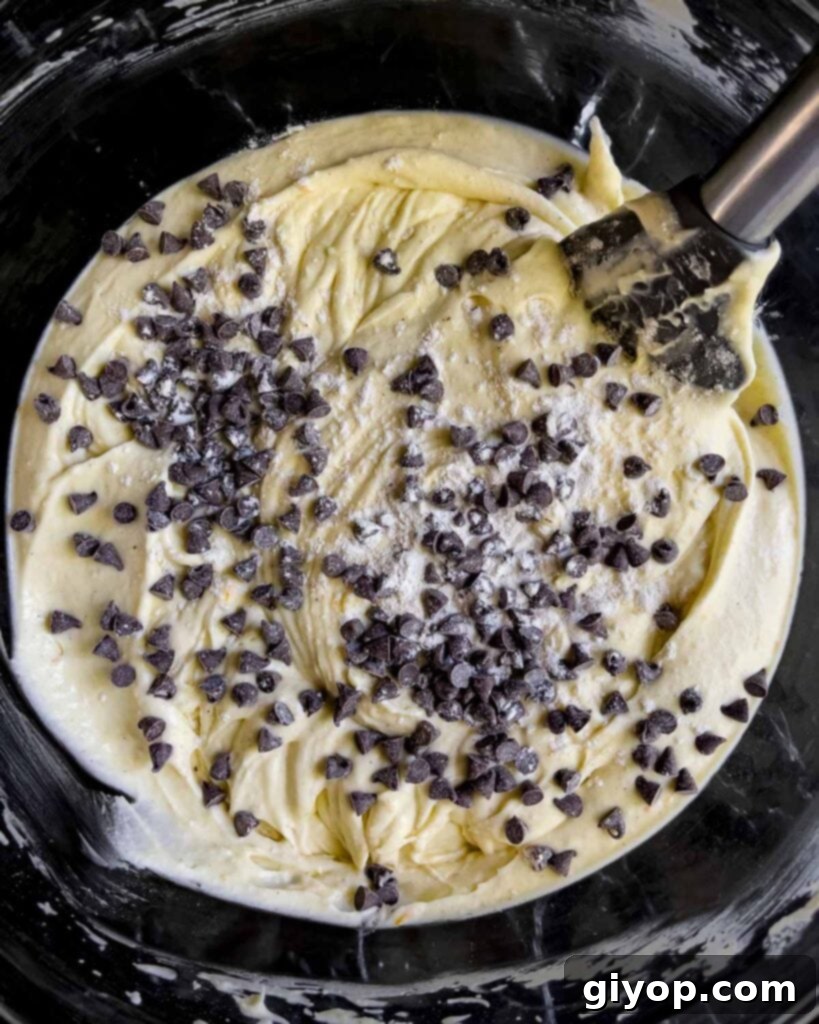
- **Layer the Batter & Chocolate Chips:** Pour half of the cheesecake batter over the cooled crust and spread it out evenly with an offset spatula. Sprinkle another 1/4 cup of the flour-coated chocolate chips evenly over this layer. Repeat with the remaining batter, spreading it carefully, and then scatter the final 1/4 cup of chocolate chips on top.
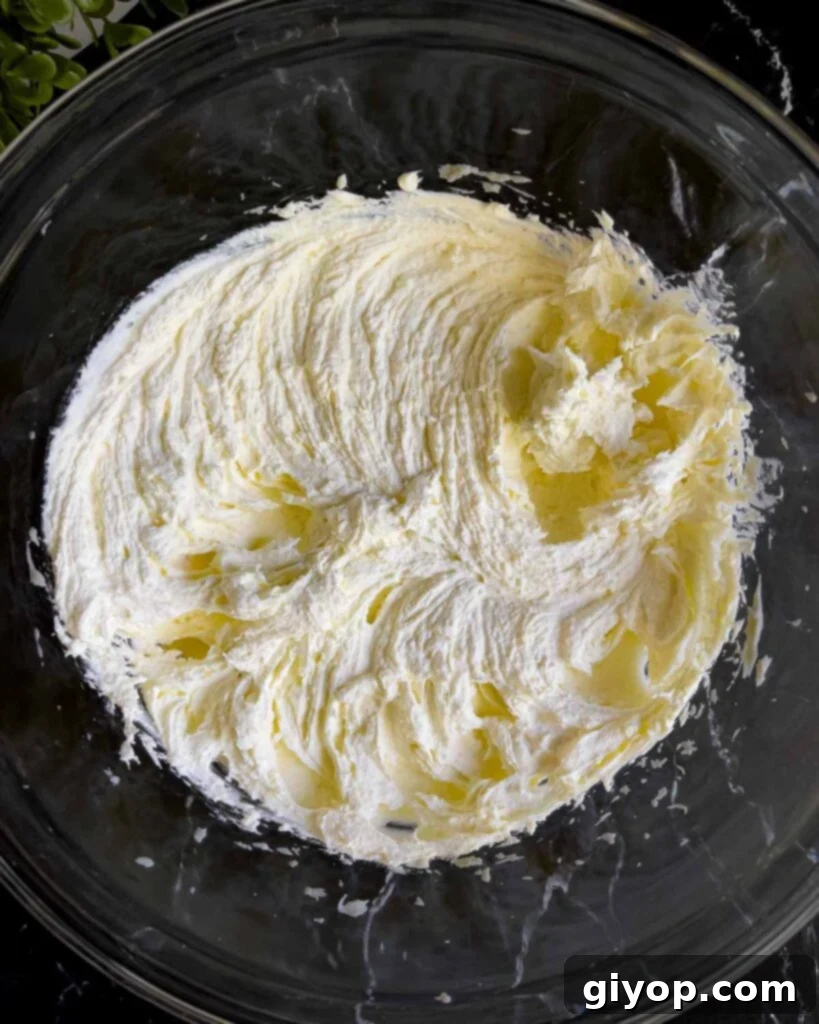
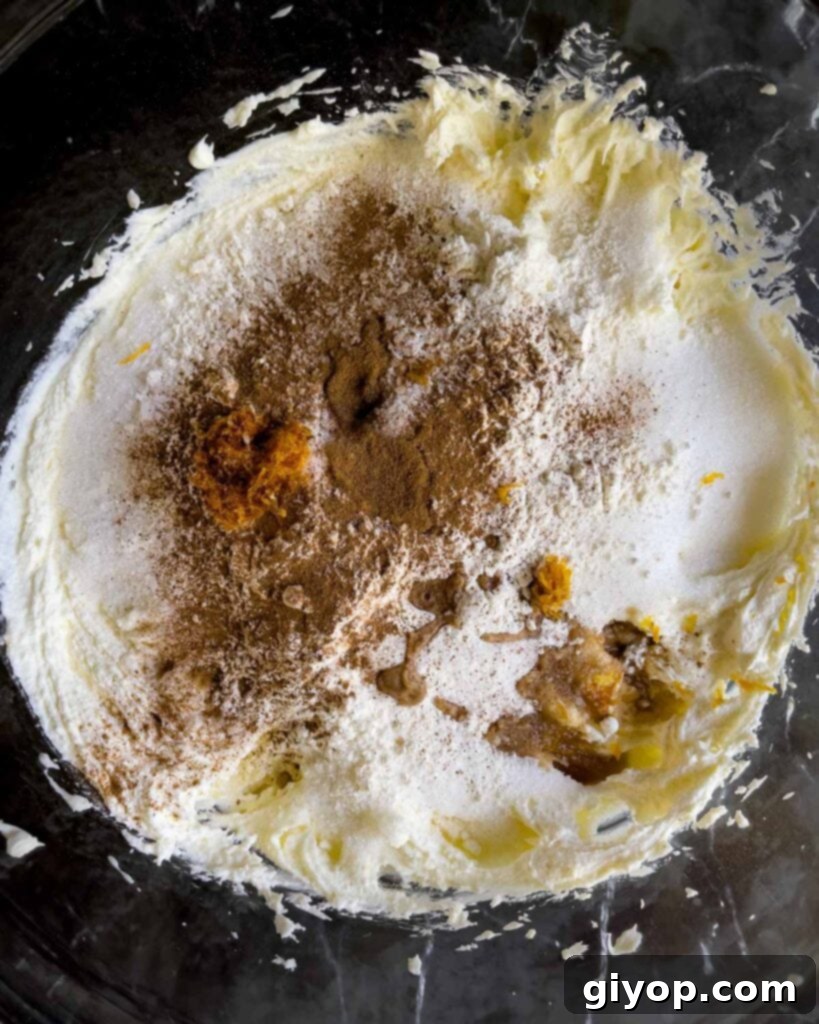
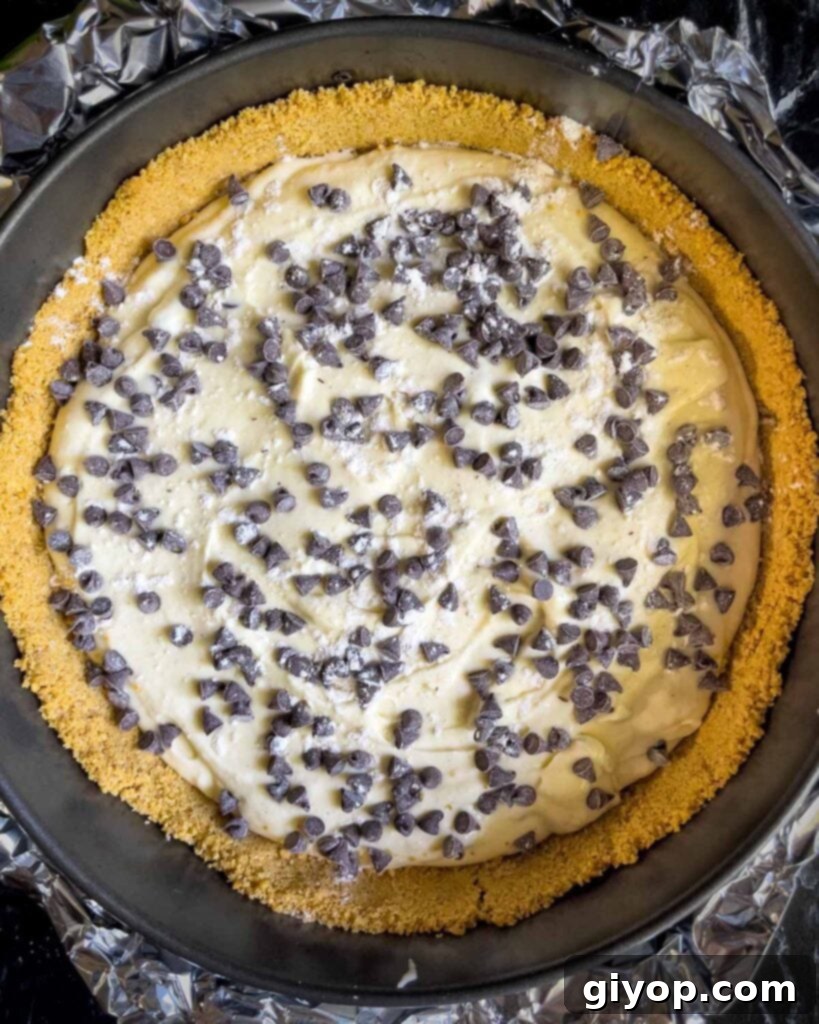
Baking and Cooling Your Cannoli Cheesecake
- **Setup Water Bath:** Carefully place the foil-wrapped springform pan, containing the cheesecake, into the center of your large deep roasting pan. Place the roasting pan into the center of the preheated oven.
- **Add Boiling Water:** With the roasting pan in the oven, carefully and slowly pour boiling water into the roasting pan until the water level reaches halfway up the sides of the springform pan. This creates a gentle, humid baking environment crucial for a crack-free cheesecake.
- **Bake:** Bake the **cannoli cheesecake** for approximately 1 1/2 hours. The cheesecake is done when the edges are set and a light golden brown, but the center still has a slight jiggle. Check for doneness after about 70 minutes, as oven temperatures can vary. If the top is browning too quickly, lightly tent it with aluminum foil.
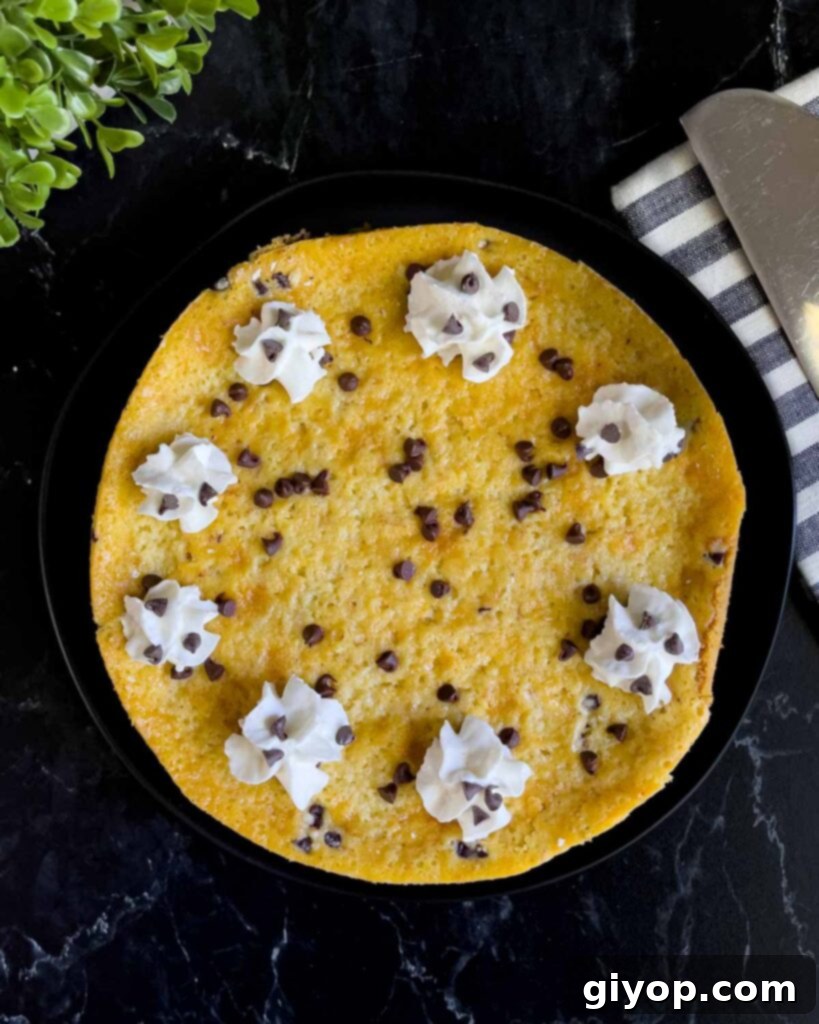
- **Gradual Cooling (Crucial for No Cracks!):** Once baked, turn off the oven, but leave the cheesecake inside the water bath. Crack the oven door open slightly (about 1-2 inches) and allow the cheesecake to cool slowly in the diminishing heat for one hour. This gradual temperature change is key to preventing cracks. If desired, you can sprinkle a few more mini chocolate chips over the top during this cooling period for extra garnish.
- **Final Cooling & Refrigeration:** After one hour, carefully remove the roasting pan from the oven, then carefully lift the springform pan out of the water bath and place it on a wire rack to cool completely to room temperature. Once fully cooled, cover the springform pan with a large paper towel (to absorb condensation) and then tightly wrap it in plastic wrap. Refrigerate overnight for at least 6 hours, though overnight is ideal for the best texture and flavor development.
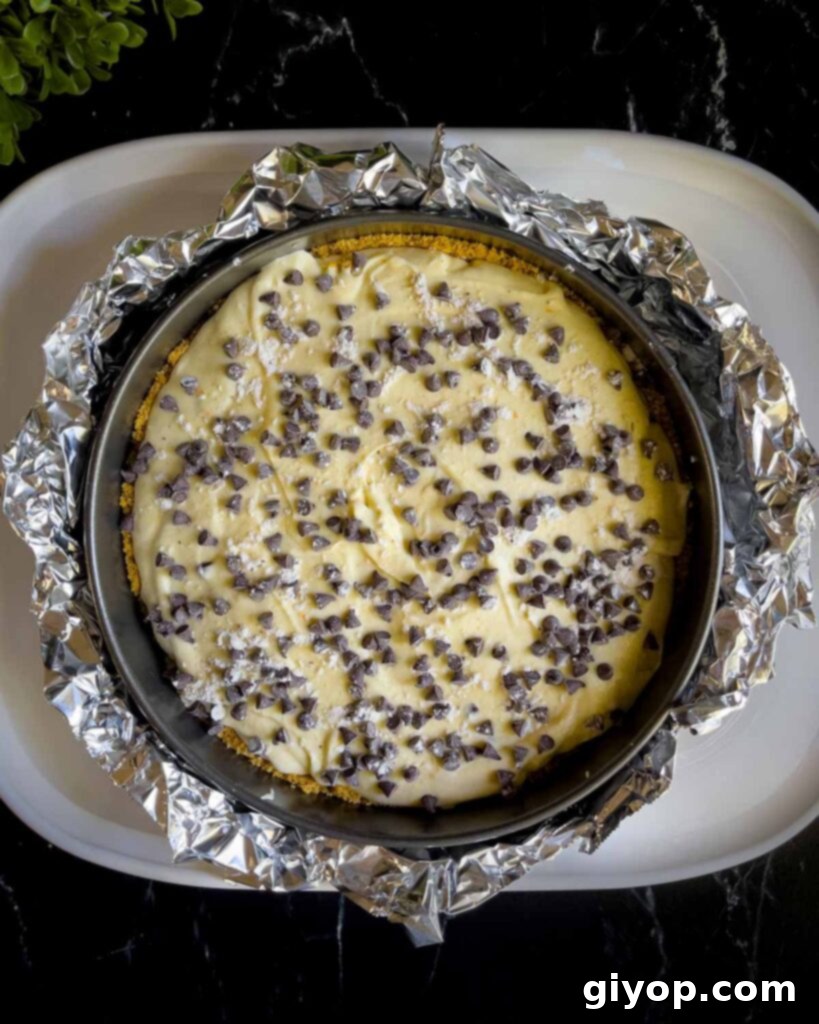
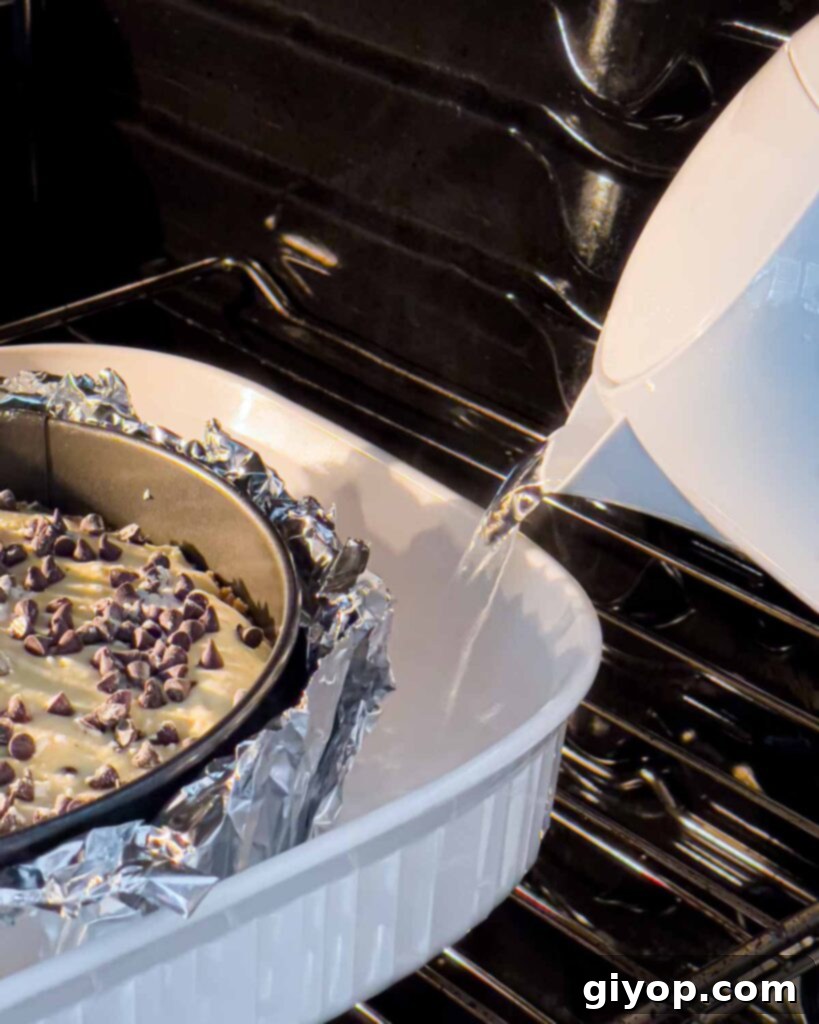
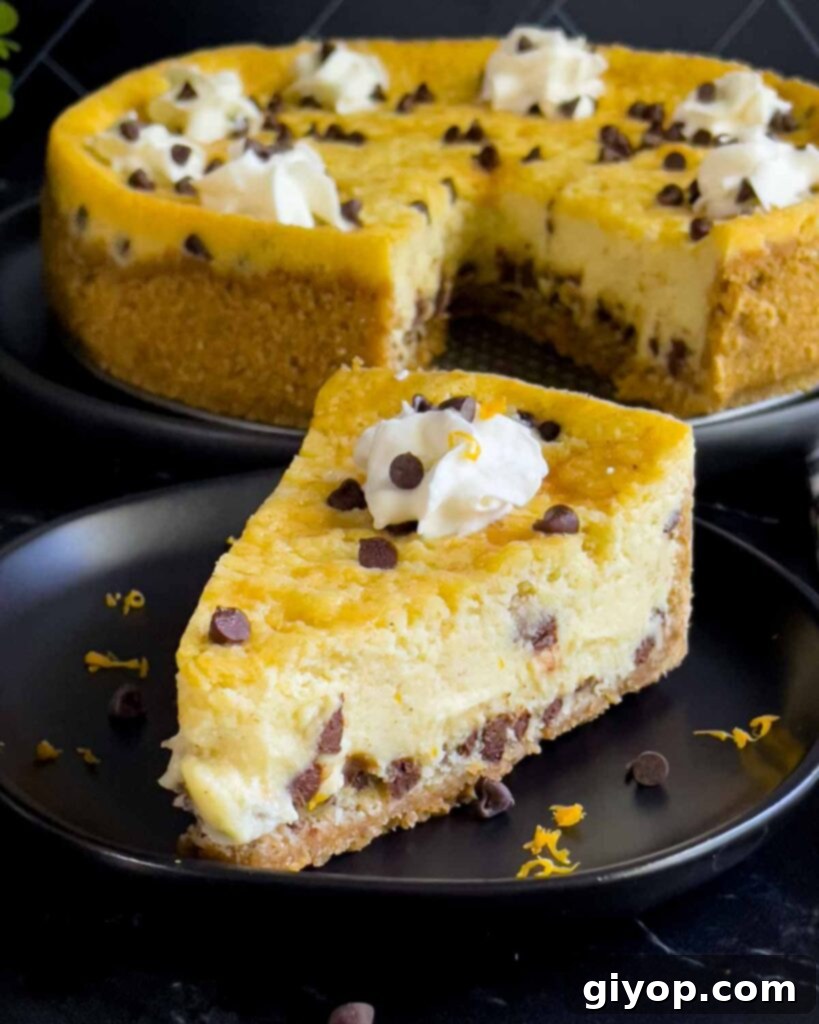
Expert Tips for the Perfect Cannoli Cheesecake
- Room Temperature Ingredients are Key: Always ensure your ricotta cheese, mascarpone cheese, and eggs are at room temperature. This is not just a suggestion; it’s a critical step. Room temperature ingredients blend together more smoothly, creating a uniform, lump-free batter. This perfect emulsion is essential for a cheesecake with a consistently creamy texture and helps prevent cracking.
- Do Not Overmix: While beating the cheese mixture is important, excessive mixing, especially after adding the eggs, can incorporate too much air into the batter. This trapped air can cause the cheesecake to puff up dramatically during baking and then collapse and crack as it cools. Mix just until combined for a dense, creamy result.
- Embrace the Water Bath: Never skip the water bath! This technique is a cheesecake baker’s best friend. The gentle, moist heat from the water bath ensures your cheesecake bakes evenly, prevents the edges from over-baking and drying out, and significantly reduces the risk of cracks. Always use boiling water, not cold, as cold water can drastically lower the oven temperature and extend baking time.
- Manage Top Browning: The top of this cheesecake naturally develops a lovely golden-brown hue. If you prefer a lighter top or notice it browning too quickly (typically after about 40 minutes of baking), gently tent the top of the springform pan with a piece of aluminum foil to shield it.
- Avoid Overbaking: Knowing when your cheesecake is perfectly baked is crucial. The cheesecake is done when the edges appear set and slightly firm, but the center (about a 2-inch circle) still has a slight, gentle jiggle when the pan is lightly shaken. It will continue to firm up as it cools. If you see prominent ridges or waves when jiggling the pan, it needs a little more time.
- Prevent Sudden Temperature Changes: Rapid temperature shifts are the primary cause of cheesecake cracks. Resist the urge to open the oven door during baking. Once baking is complete, allow the cheesecake to cool gradually inside the oven with the door slightly ajar for one hour. This controlled cooling process helps the cheesecake slowly adjust and settle, maintaining its smooth surface.
- Smart Refrigeration: When refrigerating your cooled cheesecake, place a large paper towel directly over the top of the springform pan before wrapping it tightly in plastic wrap. The paper towel will absorb any condensation that forms, preventing water droplets from dripping onto and potentially marring the beautiful top of your cheesecake.
- Keep Chocolate Chips from Sinking: To ensure your mini chocolate chips remain evenly distributed throughout the cheesecake and don’t all sink to the bottom, lightly toss them in about 1 tablespoon of all-purpose flour before folding them into the batter and sprinkling them between layers. This creates a thin barrier that helps suspend them in the creamy filling.
Exciting Variations for Your Cannoli Cheesecake
While this **cannoli cheesecake recipe** is perfect as is, you can easily customize it to suit your preferences or explore new flavor profiles:
- Crust Adventures: While a classic graham cracker crust is our preferred choice for its buttery sweetness, feel free to experiment. Consider a crushed vanilla wafer crust for a more subtle flavor, or a biscotti crust for an extra Italian touch and crunch. Some adventurous bakers even use crushed sugar cones or waffle cones, but be aware these can sometimes become tough, chewy, or sticky after baking. For an authentic twist, finely ground cannoli shells can be incorporated into your crust mixture for an intensified cannoli experience.
- Filling Flexibility: This recipe highlights the unique blend of mascarpone and ricotta for an authentic texture and flavor. However, if mascarpone is difficult to find or you prefer a different profile, you can substitute some or all of it with regular cream cheese. Just note that this will alter the flavor and texture significantly, resulting in a slightly tangier and firmer cheesecake, more akin to a traditional New York-style cheesecake.
- Garnish Galore: Elevate your cheesecake with creative garnishes! Beyond simple whipped cream and extra mini chocolate chips, consider adding chopped pistachios for a pop of color and nutty crunch, or a dusting of powdered sugar for a classic, elegant finish. Other delightful options include candied orange peel, grated dark chocolate curls, a drizzle of chocolate ganache, or even a berry coulis for a touch of fruity contrast.
Frequently Asked Questions About Cannoli Cheesecake
Chocolate chips, especially standard-sized ones, can be quite dense, causing them to sink to the bottom of cheesecake batter during baking. To prevent this, use mini chocolate chips, which are lighter and smaller. More importantly, toss them with about 1 tablespoon of all-purpose flour before adding them to the batter. The flour creates a slight coating that helps them adhere to the batter and remain suspended. Additionally, layering the chips (as instructed in this recipe) rather than mixing them all in at once further helps with even distribution.
Once completely cooled, store your cannoli cheesecake covered tightly in the refrigerator. We recommend using a large paper towel placed directly on top of the cheesecake before wrapping it in plastic wrap or placing it in an airtight container. This helps absorb any condensation and prevents moisture from forming on the cheesecake’s surface. Stored properly, the cheesecake will maintain its freshness and delicious flavor for up to 4 days.
Yes, you can absolutely freeze this delicious mascarpone and ricotta cheesecake! For best results, allow the cheesecake to cool completely in the refrigerator overnight. Then, for individual servings, you can flash freeze slices on a parchment-lined baking sheet for about 2 hours, or until solid. Once frozen, wrap each slice tightly in plastic wrap, then again in aluminum foil, and place them in a freezer-safe container. Freeze for up to 2 months for optimal quality. Be aware that freezing can subtly alter the cheesecake’s texture, making it slightly more “mealy” or crumbly upon thawing. However, the incredible taste remains largely unaffected, making it a great option for meal prepping desserts!
While you technically can, we highly recommend using whole milk ricotta cheese for this recipe. The higher fat content of whole milk ricotta contributes significantly to the rich, creamy, and luxurious texture that makes this cannoli cheesecake so special. Low-fat ricotta will result in a drier, potentially gummier, and less flavorful cheesecake. If you must use low-fat, be extra diligent about draining it to remove as much excess moisture as possible.
To make this cannoli cheesecake, you’ll need a 9-inch springform pan, heavy-duty aluminum foil for the water bath, a large roasting pan (large enough for the springform pan to sit inside), a fine mesh strainer, cheesecloth for draining the ricotta, an electric mixer (handheld or stand mixer), large mixing bowls, measuring cups and spoons, and a rubber spatula for scraping. A food processor is also helpful if you’re making your own graham cracker crumbs.
More Irresistible Cheesecake Creations
Carrot Cake Cheesecake
Chocolate Covered Cheesecake Bites
Lemon Cheesecake Shortbread Bars
Are you on Pinterest? Click the button below to add this recipe to one of your boards!
Cannoli Cheesecake Recipe
Print
Pin
Rate
Dessert
Italian
30 minutes
1 hour
30 minutes
8 hours
12
498
kcal
Leigh Harris
Ingredients
Crust
-
1 3/4
cup
Graham cracker crumbs
about 15 crackers
-
1/4
tsp
Ground cinnamon
-
1/8
tsp
Salt
-
1/3
cup
Unsalted butter
melted
Cheesecake Filling
-
15
ounces
Whole milk ricotta cheese
drained overnight and room temperature
-
16
ounces
Mascarpone cheese
room temperature
-
1 1/4
cup
Granulated sugar
-
3
tbsp
All-purpose flour
divided
-
1/4
tsp
Ground cinnamon
-
1
tsp
Fresh orange zest
-
1 1/2
tsp
Vanilla extract
-
1/2
tsp
Kosher salt
-
4
large
Eggs
room temperature
-
3/4
cup
Mini chocolate chips
plus more for garnish
Instructions
Crust
- Preheat the oven to 350 degrees F. Spray a 9-inch springform pan with nonstick cooking spray. Then wrap the bottom and sides of the springform pan in a double layer of heavy-duty aluminum foil.
- Combine the graham cracker crumbs, cinnamon, kosher salt, and melted butter together in a bowl.1 3/4 cup Graham cracker crumbs,
1/4 tsp Ground cinnamon,
1/8 tsp Salt,
1/3 cup Unsalted butter - Press them firmly into the bottom and about 2 inches up the sides of the prepared springform pan. Bake for 10 minutes. Remove it from the oven and allow it to cool while you prepare the cheesecake filling.
- Reduce the oven temperature to 325 degrees F.
- Have a large roasting pan ready that will accommodate the springform pan. You will be baking the cheesecake in a water bath, so the springform should fit in the middle and not touch the sides of the outer pan.
Cheesecake Filling
- In a large bowl using an electric mixer beat the mascarpone cheese for about 10 seconds, add the ricotta cheese and beat on medium speed until well combined and smooth.16 ounces Mascarpone cheese,
15 ounces Whole milk ricotta cheese - Add the granulated sugar, vanilla, all-purpose flour, cinnamon, orange zest, and kosher salt. Beat until well combined, scraping down the sides of the bowl as needed.1 1/4 cup Granulated sugar,
3 tbsp All-purpose flour,
1/4 tsp Ground cinnamon,
1 tsp Fresh orange zest,
1 1/2 tsp Vanilla extract,
1/2 tsp Kosher salt - Beat the eggs in one at a time until combined. Toss the chocolate chips with the remaining 1 tablespoon of flour. Fold in 1/4 cup of the chocolate chips.4 large Eggs,
3/4 cup Mini chocolate chips - Pour half the batter over the cooled crust, and spread it out evenly. Sprinkle 1/4 cup of the chocolate chips on top of the cheesecake batter. Repeat with the remaining batter and remaining chocolate chips.
- Place the cheesecake in the roasting pan. Place it in the center of the preheated oven. Slowly pour boiling water into the roasting pan until the water is halfway up the sides of the springform pan.
- Bake the cannoli cheesecake for 1 1/2 hours or until light golden brown, the edges are set but still jiggly in the middle. Check the cheesecake after about 70 minutes of baking time. Not all ovens are the same.
- Turn the oven off, crack the oven door, and let the cheesecake slowly cool in the oven while still in the water bath for one hour. At this time you can sprinkle a few more chocolate chips over the top of the cheesecake.
- Remove the roasting pan from the oven, then carefully remove the springform pan to a wire rack to cool completely to room temperature.
When the cheesecake is cooled completely cover the springform pan with a large paper towel and then wrap it tightly in plastic wrap and refrigerate for 6 hours but overnight is best.
Notes
Top browning – The top of this cheesecake tends to turn golden brown if you don’t want the top to brown too much tent it lightly after about 40 minutes of cooking time.
Do not overbake – The cheesecake is done when the edges are set and the center is still jiggly. It will continue to firm up while cooling. If you see ridges (waves) when jiggling the pan it needs to cook a little longer.
Refrigerating – Placing a large paper towel over the top of the springform pan before wrapping it in plastic will prevent condensation from forming and dripping on the top of the cheesecake.
Nutrition
Calories:
498
kcal
|
Carbohydrates:
41
g
|
Protein:
10
g
|
Fat:
32
g
|
Saturated Fat:
19
g
|
Polyunsaturated Fat:
1
g
|
Monounsaturated Fat:
4
g
|
Trans Fat:
0.2
g
|
Cholesterol:
133
mg
|
Sodium:
285
mg
|
Potassium:
87
mg
|
Fiber:
1
g
|
Sugar:
31
g
|
Vitamin A:
961
IU
|
Vitamin C:
0.3
mg
|
Calcium:
162
mg
|
Iron:
1
mg