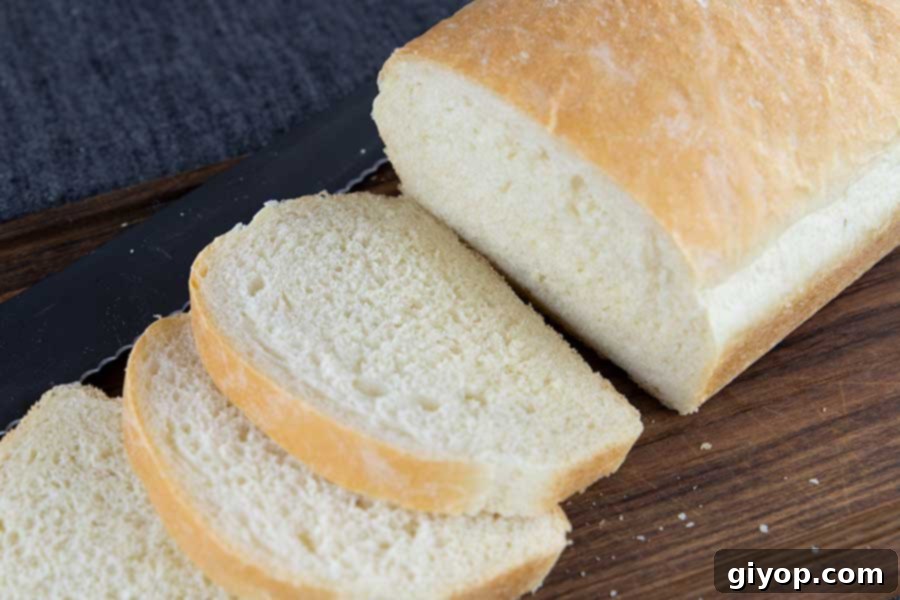
The Ultimate Guide to Baking Easy Homemade White Bread: Soft, Fluffy, and Irresistible
There’s nothing quite like the aroma of freshly baked bread wafting through your home. It’s a scent that evokes comfort, warmth, and pure culinary satisfaction. This isn’t just another bread recipe; it’s your new go-to guide for creating a soft, light, and unbelievably delicious white bread that will make you swear off store-bought loaves forever. Perfect for beginners and seasoned bakers alike, this quick and easy recipe promises a triumphant bake every single time.
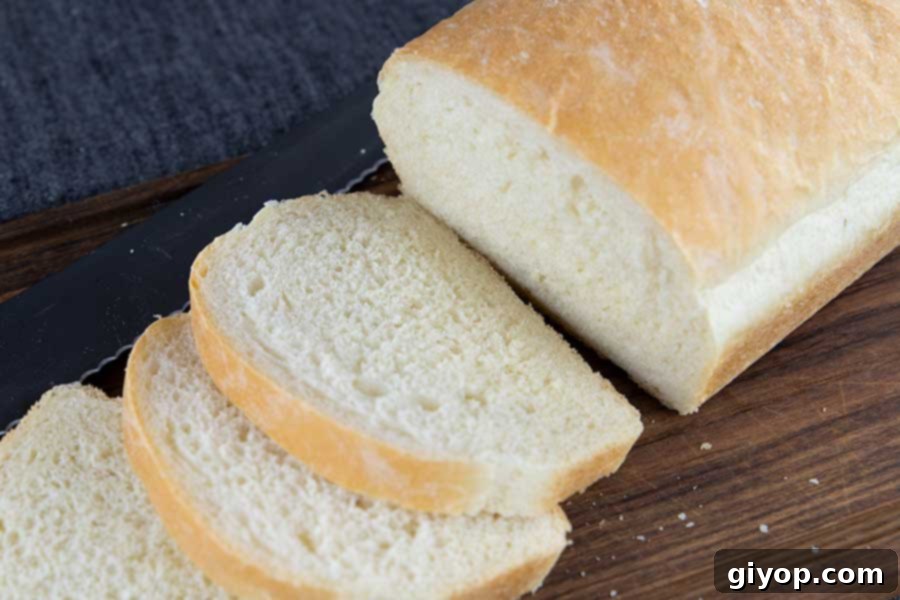
We’ve perfected this simple white bread recipe over countless batches, ensuring that it delivers consistent, mouthwatering results. What began as an Italian bread experiment soon transformed into this exquisite white bread formulation, and we couldn’t be happier with the outcome. Its simplicity makes it an ideal starting point for anyone embarking on a new baking adventure. Imagine the joy and pride as you pull a perfectly golden, fragrant loaf from your oven – a truly awesome win that’s almost impossible to get wrong.
Serving this homemade masterpiece to friends and family isn’t just about sharing food; it’s about sharing a moment of pure delight. The smiles and appreciation for something made with love and care are truly priceless. This recipe isn’t just about ingredients and steps; it’s about creating memories and filling your kitchen with the heartwarming essence of home.
If you enjoy baking, you might also love our Soft and Fluffy One Hour Dinner Rolls recipe for another quick and satisfying bake!
Embarking on Your Baking Journey: Crafting This Easy White Bread
One of the best things about this recipe is its straightforward nature. You’ll likely have it memorized after just a couple of attempts, making it a staple in your home baking repertoire. Before diving into the steps, let’s ensure you have your tools and ingredients ready.
Essential Tools and Ingredients
To make this bread, you’ll need a few basic kitchen tools. A stand mixer with a dough hook attachment is highly recommended as it significantly simplifies the kneading process, ensuring optimal gluten development with minimal effort. If you don’t have one, hand kneading is entirely possible, though it will require a bit more muscle and time. You’ll also need a large mixing bowl for the first rise, a clean surface for shaping, and a 9×5 inch loaf pan for baking. Measuring cups and spoons are, of course, indispensable for accuracy.
Regarding ingredients, fresh active dry yeast is paramount. Always check the expiration date, as old yeast is a common culprit for failed rises. Warm water is critical for activating the yeast, and a small amount of sugar acts as food for the yeast, helping it to bloom effectively. All-purpose flour forms the structure of the bread, while kosher salt enhances flavor and controls yeast activity. Finally, olive oil contributes to the bread’s tender crumb and subtle richness.
The Magic of Yeast: Activating and Mixing Your Dough
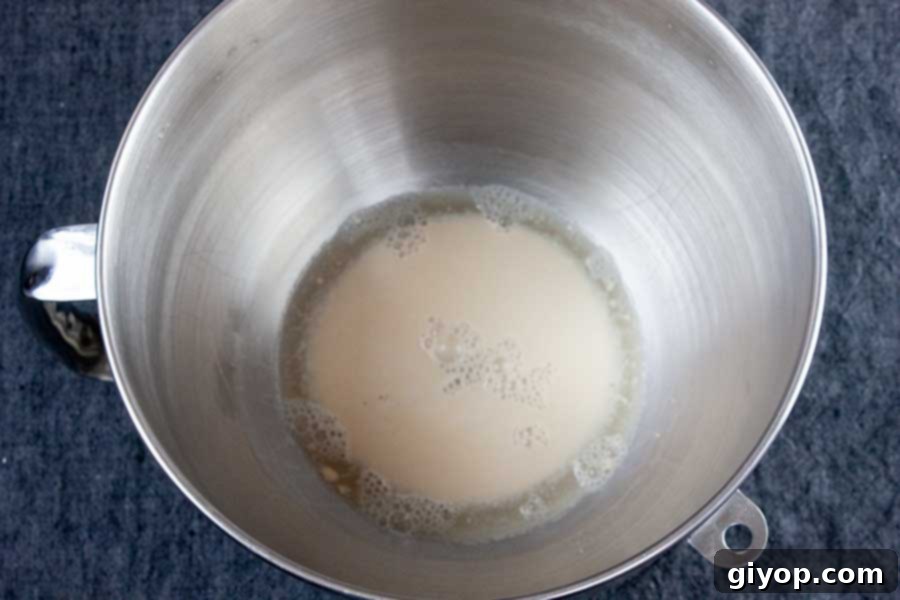
The first step in achieving that perfect fluffy loaf is properly activating your yeast. In the bowl of your stand mixer, combine the warm water (ideally around 105-115°F or 40-46°C – warm to the touch but not scalding hot, which can kill the yeast), a teaspoon of sugar, and one envelope of active dry yeast. Give it a gentle stir and let it rest for approximately 5 minutes. During this time, the yeast will “bloom” – you’ll observe a foamy, frothy layer forming on the surface of the water. This indicates that your yeast is alive and ready to work its magic. If you don’t see this activity, your water might have been too hot or too cold, or your yeast may be old. It’s best to start over with fresh yeast and the correct water temperature.
Once the yeast has bloomed, it’s time to introduce the foundational ingredients. Add two cups of all-purpose flour, the kosher salt, and the olive oil to the mixer bowl. Begin mixing on a slow speed, allowing the ingredients to gently come together. The dough will initially appear shaggy and somewhat uncooperative. This is completely normal. Continue mixing, gradually increasing the speed slightly (but still below medium). As the dough comes together, you will need to add additional flour, a little at a time, until the dough begins to pull away cleanly from the sides of the bowl. The exact amount of flour can vary depending on humidity and how packed your initial two cups were, so trust the dough’s texture rather than a strict measurement. Aim for a dough that is soft, cohesive, and just slightly sticky.
Kneading for Perfection: Developing Gluten
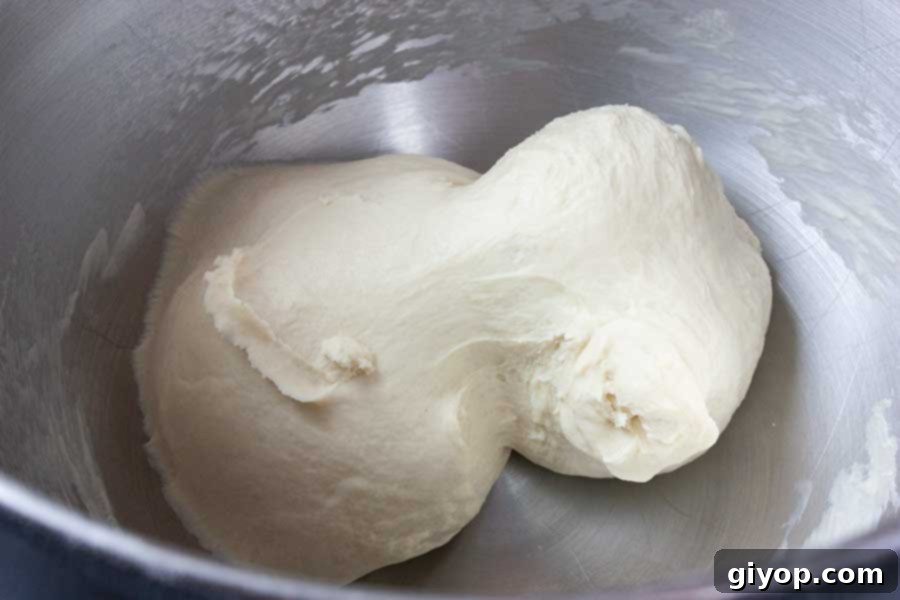
After the initial mixing and flour adjustments, increase the speed of your stand mixer to medium and let it knead the dough for a full 10 minutes. This kneading phase is crucial for developing the gluten strands in the flour. Gluten is what gives bread its structure, elasticity, and chewy texture. A well-kneaded dough will transform from a rough, sticky mass into a smooth, elastic ball that is supple to the touch and has a slight tackiness without being excessively sticky. If you’re kneading by hand, this process might take closer to 15-20 minutes, requiring a rhythmic push-fold-turn motion until the dough passes the “windowpane test” (where a small piece can be stretched thin enough to see light through it without tearing).
For another delicious, fuss-free bread, try our No Knead Large Dutch Oven Bread recipe!
The Art of Rising: Proofing for Optimal Texture
First Rise: Bulk Fermentation
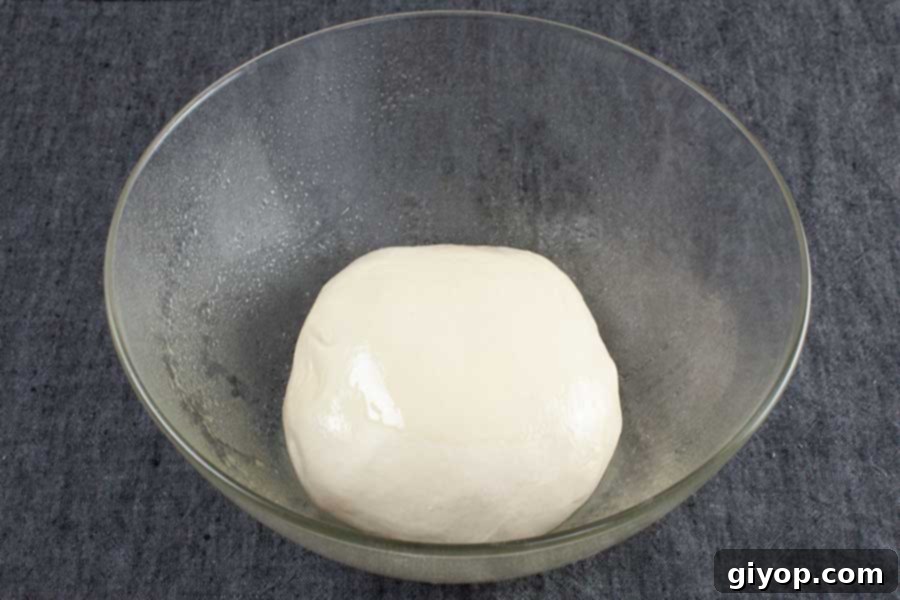
Once your dough is beautifully kneaded, shape it into a rough ball. Wetting your hands slightly can make this process a breeze, preventing the dough from sticking. Transfer this ball into a clean bowl that has been lightly greased with olive oil or cooking spray. Turn the dough over once to coat it entirely, creating a protective barrier against drying out. Cover the bowl with plastic wrap or a clean kitchen towel and place it in a warm, draft-free spot to rise. A warm environment, such as a slightly warmed oven (turned off, with just the oven light on) or a sunny spot in your kitchen, is ideal for yeast activity.
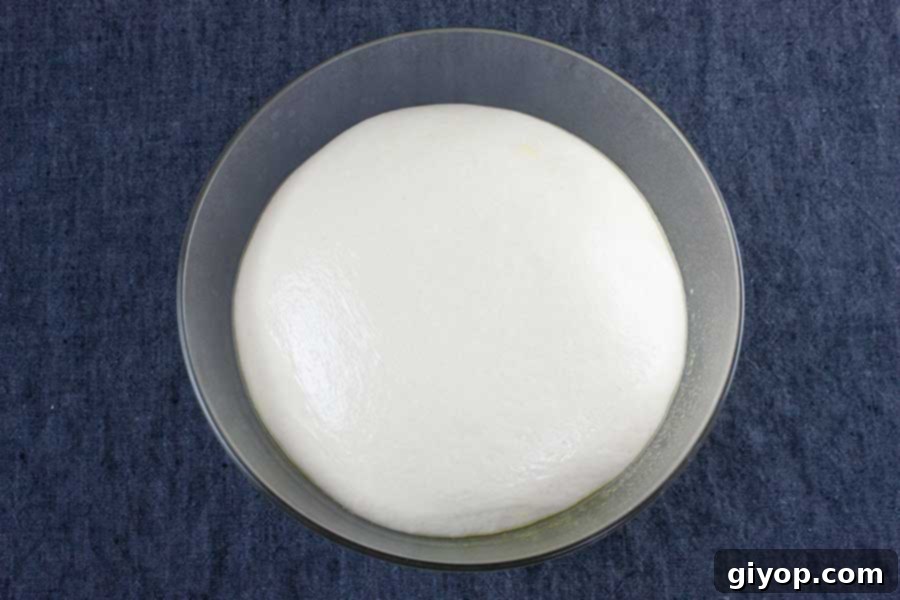
Allow the dough to rise for 30 minutes to an hour, or until it has visibly doubled in size. The exact time will depend on the warmth of your kitchen and the vitality of your yeast. This “first rise,” also known as bulk fermentation, allows the yeast to produce carbon dioxide, creating air pockets that give the bread its light and airy texture.
Shaping and Second Rise: Preparing for the Oven
After the first rise, gently turn the bread dough out onto a lightly floured surface. Using your fingertips, gently punch down the dough to release the accumulated gases. This step is important for redistributing the yeast and evening out the dough’s temperature. Allow the dough to rest for about 10 minutes; this short rest helps relax the gluten, making the dough easier to shape.
Now comes the shaping! To form a perfect loaf, gently pat or roll the dough into a rough rectangle. Imagine folding a letter: take one side and fold it towards the center, then take the opposite side and fold it over the first fold, creating a cylinder. Pinch the seam closed firmly. Then, tuck the ends underneath the loaf, pinching them closed as well. This creates tension on the surface of the dough, which helps it hold its shape and rise beautifully in the oven. Transfer your meticulously shaped dough into a lightly floured or greased 9×5 inch loaf pan.
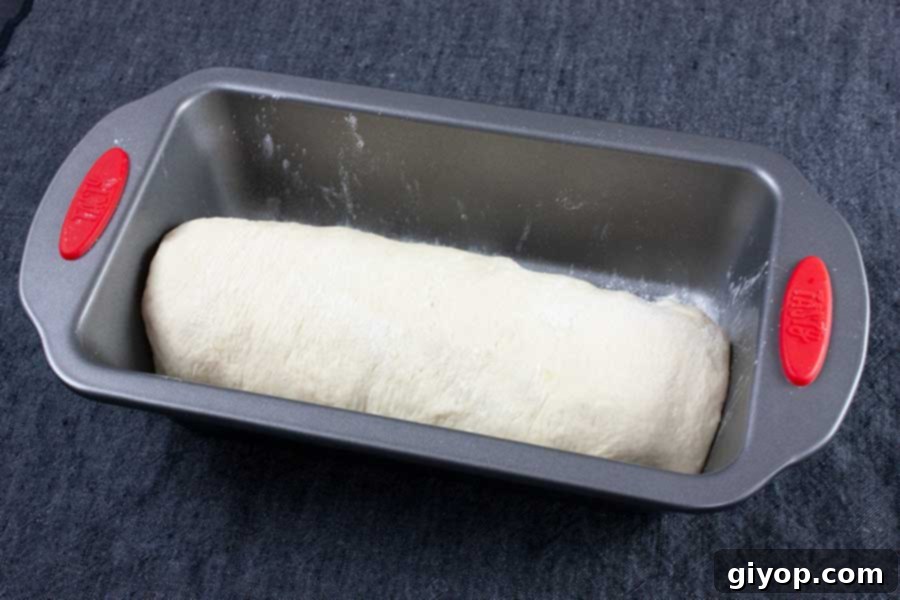
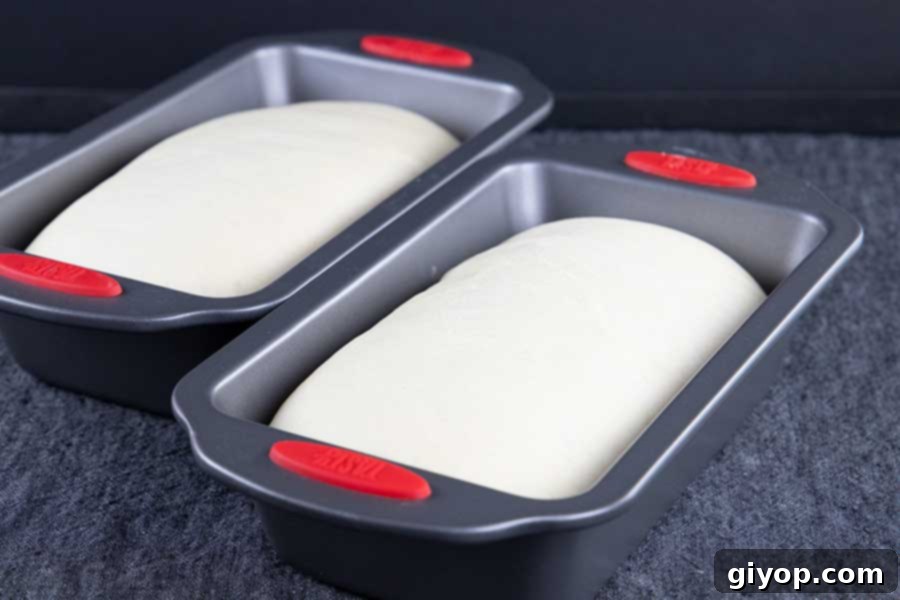
Cover the loaf pan again and let the dough undergo its second rise (proofing). This typically takes another hour, or until the dough has once again doubled in size and appears light and puffy. To test if it’s ready, gently poke the dough with a floured finger; if the indentation slowly springs back, it’s ready to bake. If it springs back immediately, it needs more time. If it collapses, it’s over-proofed, but still salvageable for a slightly denser loaf.
Baking and Enjoying Your Golden Loaf
The Grand Finale: Baking to Golden Perfection
Preheat your oven to 400 degrees Fahrenheit (200°C). Once preheated, carefully place the loaf pan into the oven. Bake for approximately 20 minutes, or until the crust is a beautiful golden brown and the internal temperature reaches about 200-210°F (93-99°C) if you use an instant-read thermometer. The golden-brown crust isn’t just for looks; it signifies the Maillard reaction, contributing to the bread’s complex flavor and satisfying crunch. For an even richer, softer crust, you can brush the top of the loaf with melted butter immediately after removing it from the oven.
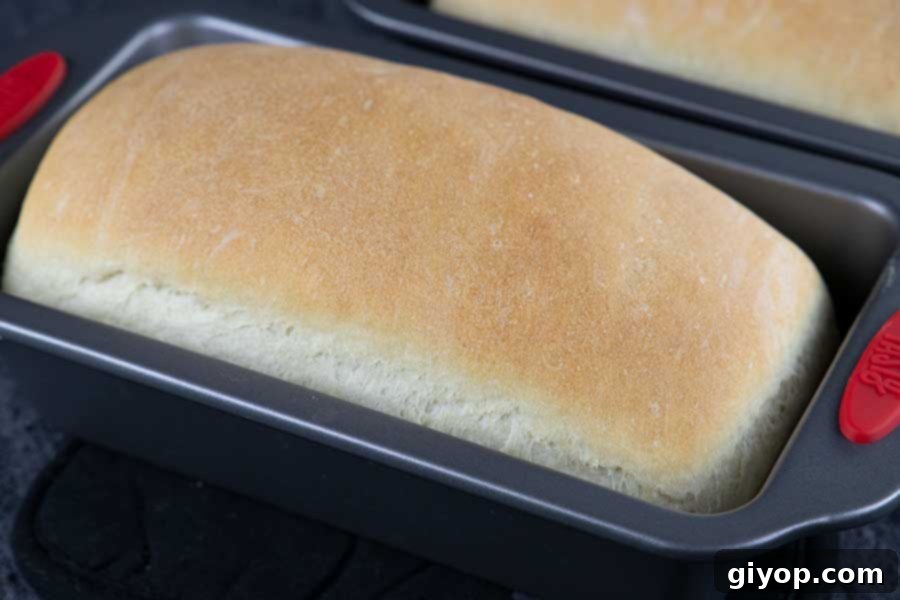
The Hardest Step: Cooling with Patience
Once baked, remove the loaf from the oven and immediately transfer it from the pan to a wire rack to cool completely. This is, arguably, the most challenging step in the entire process. The temptation to slice into that warm, fragrant loaf is almost unbearable! However, allowing the bread to cool for at least 20 to 30 minutes is crucial. During cooling, the internal structure of the bread sets, the steam dissipates, and the flavors fully develop. Slicing too early can result in a gummy texture. That said, we completely understand if you can only manage to wait 5 minutes before succumbing to a warm, buttered slice!
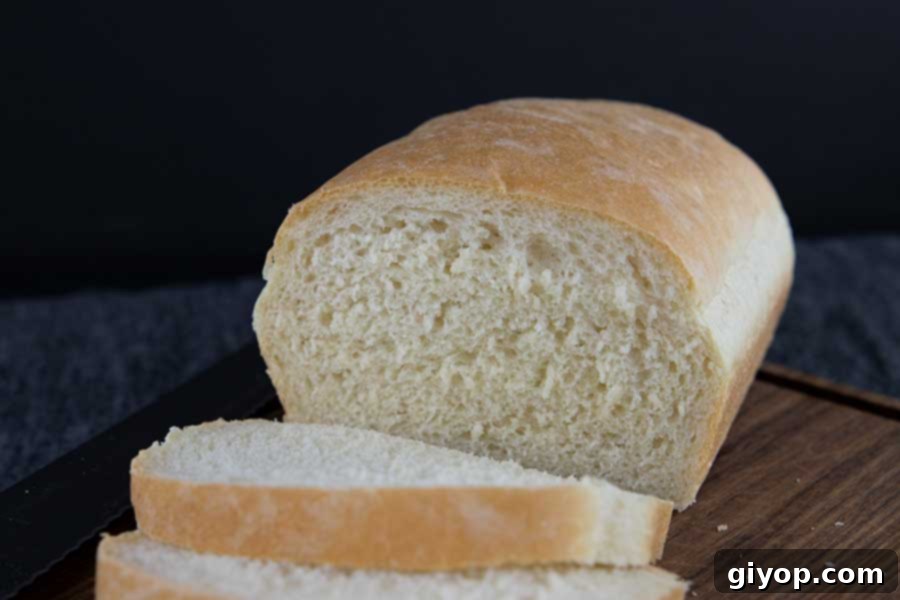
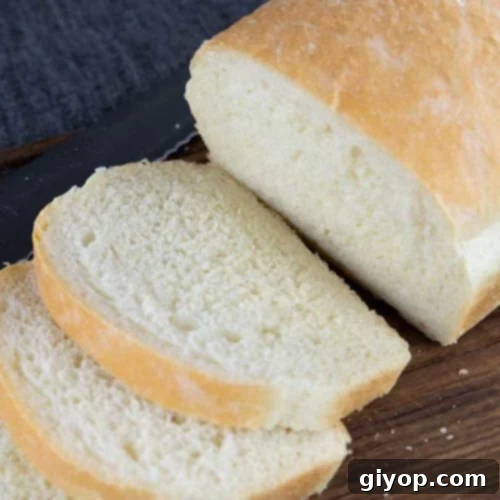
As you slice into your masterpiece, you’ll immediately notice the light and airy crumb, a testament to your careful kneading and patient rising. What you can’t fully grasp from the image, however, is the incredible taste – a subtle sweetness, a hint of salt, and that unmistakable wholesome flavor of real bread. There’s truly only one way to experience this magic: by making it yourself. We promise, you won’t regret it.
While picking up a loaf from the store might seem easier, nothing compares to the quality and satisfaction of homemade. When you can bake two fresh, delicious loaves in just a couple of hours, why settle for anything less? It’s a small investment of time for a huge return in flavor and enjoyment.
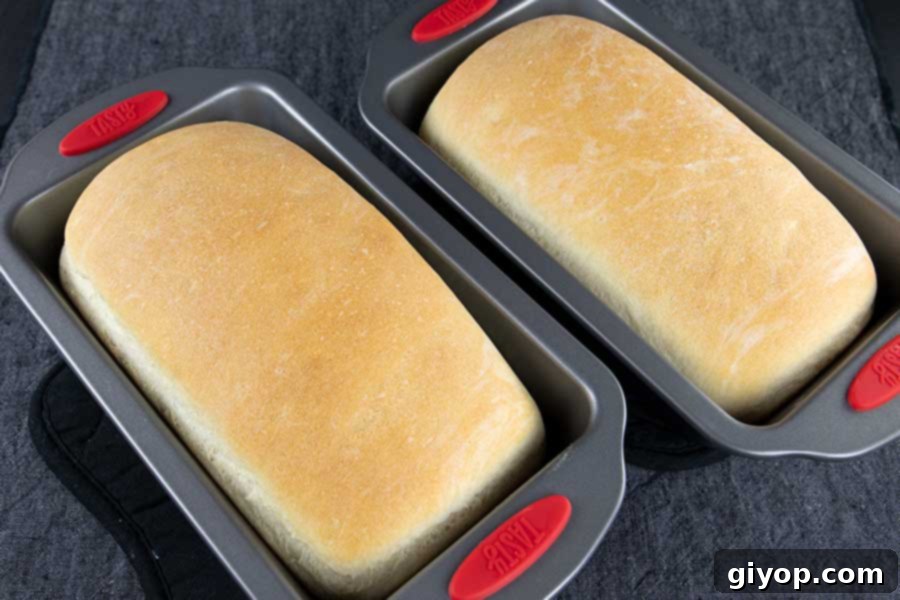
Tips for Success and Delicious Variations
This recipe is incredibly versatile. If you wish to make more than one loaf, simply double all the ingredients – no other modifications are needed. Whether you choose to bake one or two loaves, the process remains the same, ensuring consistent, delicious results every time. This flexibility makes it easy to adapt to your family’s needs or for entertaining guests.
Beyond a standard loaf, this dough is also perfect for creating delightful dinner rolls. Just shape the dough into individual rolls after the first rise, arrange them in a baking dish, and bake at the same temperature and for roughly the same amount of time as the loaf, adjusting slightly for their smaller size (they might cook faster). The result will be incredibly soft and fluffy rolls, ideal for soaking up gravies or serving alongside any meal. This adaptability truly makes this the ultimate easy white bread recipe.
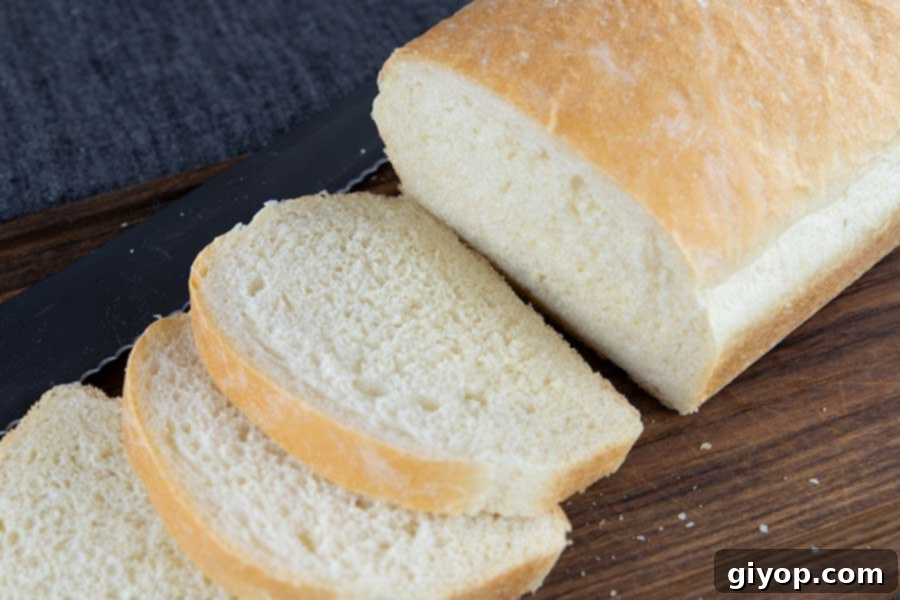
We genuinely hope you give this simple yet rewarding recipe a try. It’s perfect for crafting hearty sandwiches, making the best toast imaginable, or simply tearing into warm from the oven with a generous spread of butter. Its speed, ease, and consistent deliciousness have made it a favorite in our kitchen countless times over. The joy of baking something so fundamental and satisfying from scratch is truly unparalleled.
Don’t sweat the small stuff; just give it a go, and you’ll be wonderfully surprised by your own baking prowess!
For another easy bread adventure, explore our No Knead Skillet Bread recipe – perfect for a rustic, flavorful addition to any meal.
Easy White Bread Recipe
Print
Pin
Rate
Ingredients
- 1 Envelope Active dry yeast 1/4 ounce
- 1 tsp Sugar
- 1 cup Warm water Approx. 115 degrees Fahrenheit
- 2-3 cup All-purpose flour have 1 extra cup of flour ready to add if needed. We usually end up adding an additional half cup during the kneading process.
- 2 tbsp Olive oil
- 1 tsp Kosher salt
Instructions
- Combine warm water, yeast, and sugar into the bowl of stand mixer. Let stand for approx. 5 minutes until yeast begins to bloom (foamy, frothy).
- Add 2 cups flour, kosher salt, and olive oil to bowl and mix on slow for 1 to 2 minutes until combined well.
- Turn the mixer up a bit faster but slower than medium and gradually add more flour until bread begins to leave the sides of the bowl and pull together. The dough will appear shaggy at first but then will become smooth.
- Turn the mixer to medium and beat for 10 minutes then transfer to a greased bowl and allow to rise until doubled. Depending on the warmth of your kitchen, this can take between 30 minutes to 1 hour.
- Using your fingers, press into dough to punch it down and allow to rest for another 10 minutes.
- Turn your dough onto a lightly floured surface and shape into 8″ loaves – make a rectangle with your dough. Fold in each corner of the dough then from the top fold 1/3 of the way down. Repeat until it’s all folded into itself and seal the seam by pinching the dough. Fold in each end and pinch closed.
- Place loaf into greased 9 x 5 baking pan and allow to rise until doubled.
- Bake at 400 degrees Fahrenheit for 20 minutes or until golden brown.
- Remove from oven and allow to cool on a wire rack.