
Are you ready to transform your kitchen into an authentic Italian pizzeria? Look no further! This comprehensive guide will walk you through crafting the ultimate easy homemade pizza dough recipe, designed to give you that perfect, chewy-yet-crispy base for all your favorite pizza toppings. Forget store-bought crusts and mediocre takeout – preparing your own pizza dough from scratch is surprisingly simple, incredibly rewarding, and guarantees a pizza night that everyone will rave about.
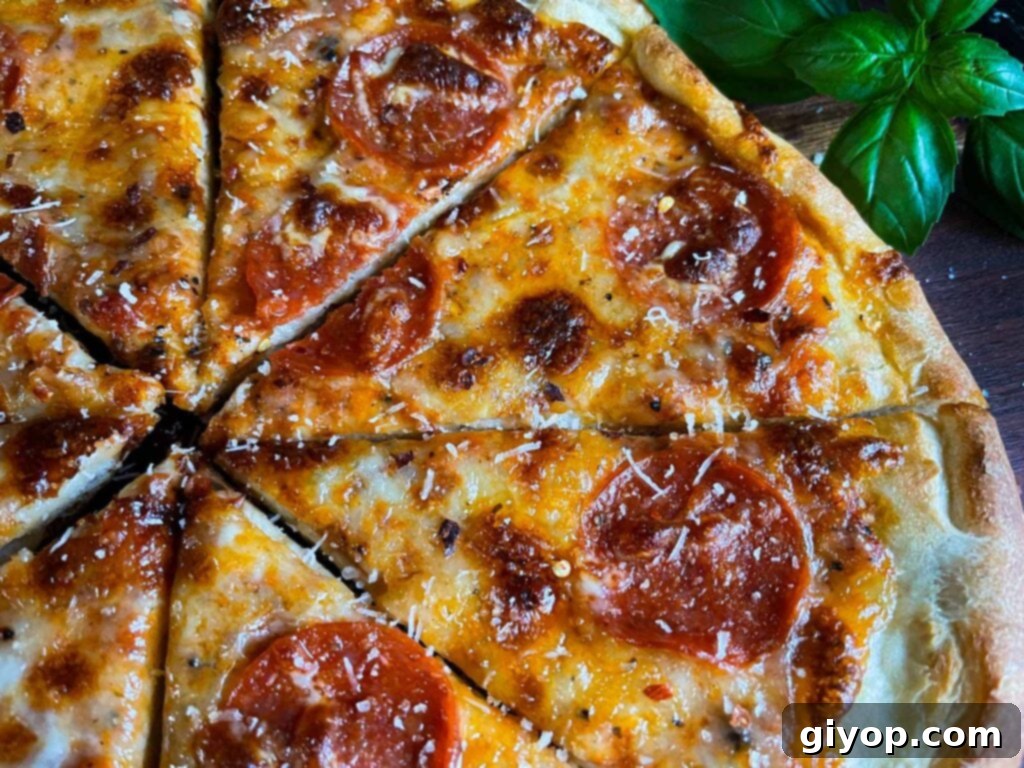
There’s an unparalleled joy in creating something delicious with your own hands, and pizza dough is no exception. This recipe isn’t just about making pizza; it’s about mastering a fundamental culinary skill that will elevate your home cooking and impress your loved ones. With just a few basic ingredients and a little patience, you’ll be able to create a professional-quality pizza crust that’s far superior to anything you can get from a delivery service, all at a fraction of the cost.
Why This Easy Pizza Dough Recipe Works Wonders
Many home cooks shy away from making pizza dough, believing it to be a complicated and time-consuming process. However, this easy pizza dough recipe demystifies the art of crust-making, proving that a truly delicious base is within everyone’s reach. I personally discovered how incredibly simple it is, and it quickly became my go-to recipe. If you’re tired of bland, uninspiring pizzas, this is your ticket to a game-changing culinary experience.

Imagine pulling out a piping hot pizza from your oven, topped with your freshest ingredients, all resting on a perfectly golden, airy, and robust crust. This isn’t just a dream; it’s a reality with our easy method. This recipe consistently delivers outstanding results because of several key factors:
- Achieves the Perfect Texture: The careful balance of high-protein bread flour and kosher salt ensures a dough with incredible structure and elasticity. This translates into a pizza crust that is satisfyingly chewy on the inside and wonderfully crispy on the outside, hitting that sweet spot between thin and thick, never soggy or overly dense.
- Utilizes Simple, Accessible Ingredients: You don’t need exotic items or a specialty grocery store for this recipe. With just active dry yeast, warm water, sugar, olive oil, bread flour, and salt, you have everything you need to create an exceptional pizza base. These pantry staples make it easy to whip up a batch anytime the pizza craving strikes.
- Designed for Ease of Preparation: This recipe is genuinely beginner-friendly. It breaks down the process into manageable steps, eliminating the need for complex techniques or specialized equipment. Whether you have a stand mixer or prefer to knead by hand, the instructions are clear and straightforward, ensuring success even for first-time dough makers.
- Infinitely Customizable: Once you’ve mastered this fundamental dough, the culinary world is your oyster. This versatile base is perfect for any topping combination you can dream of. From classic Margherita to adventurous gourmet creations, this dough provides a neutral yet flavorful canvas, allowing your creativity to shine through every pizza night.
We may earn a commission if you purchase through a link on our site. Learn more.
Essential Ingredients for Your Perfect Pizza Dough
Just like baking a great loaf of bread, the secret to an outstanding pizza crust lies in understanding the role of each ingredient. Pizza dough, at its heart, uses the same fundamental components as most bread recipes: water, yeast, flour, salt, and a touch of olive oil. Here’s a closer look at what each brings to the table and why it’s essential for achieving that ideal crust:
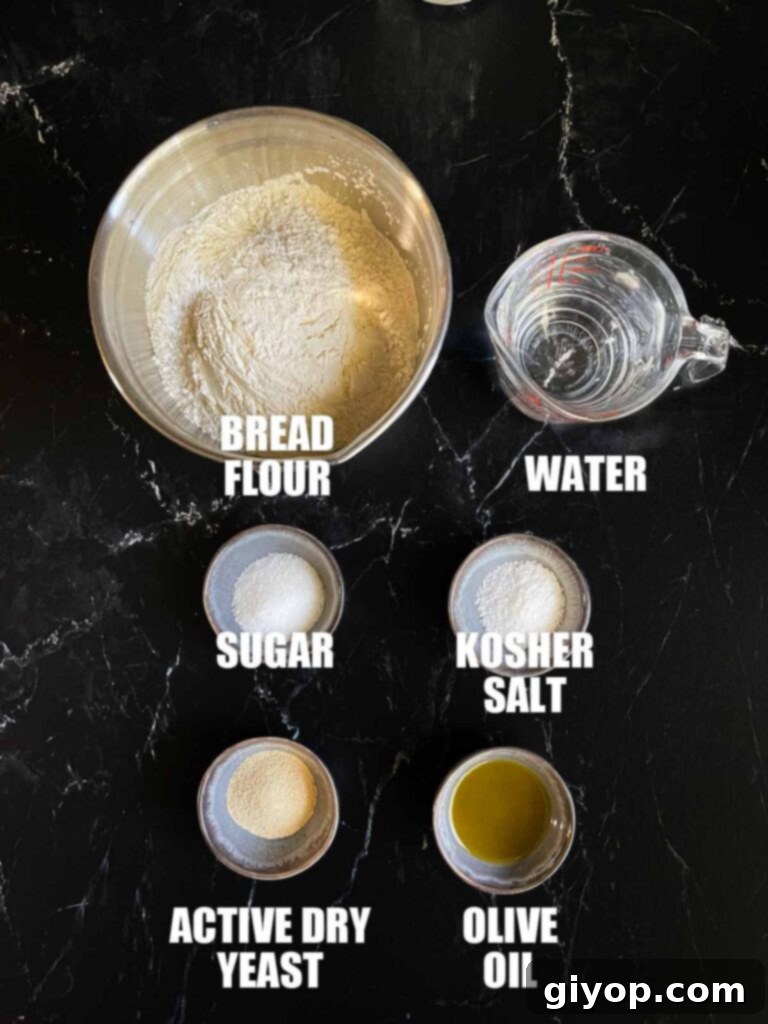
- Sugar: A small amount of sugar acts as the primary food source for the yeast. As the yeast consumes the sugar during fermentation, it produces carbon dioxide gas. This gas gets trapped within the dough’s gluten structure, causing the dough to rise and creating those wonderful air pockets that give the crust its light, airy, and chewy texture. Sugar also contributes to the golden-brown color of the crust during baking.
- Active Dry Yeast: This is the crucial leavening agent that makes your pizza dough rise. When activated by warm water and fed by sugar, the yeast becomes a powerhouse, releasing carbon dioxide that expands the dough. Using fresh, active yeast is paramount for a successful rise, so always check the expiration date on your packet.
- Kosher Salt: More than just a flavor enhancer, salt plays a vital role in regulating yeast activity. It helps to slow down the fermentation process slightly, preventing the dough from over-rising too quickly and allowing it to develop deeper, more complex flavors. Salt also strengthens the gluten network, contributing to the dough’s structure and elasticity.
- Warm Water: The temperature of your water is critical for activating the active dry yeast. Aim for a temperature between 105°F to 115°F (40°C to 46°C). Water that’s too hot can kill the yeast, rendering it inactive, while water that’s too cold will inhibit its activation, leading to a slow or non-existent rise. Think of it as a comfortable bath for your yeast!
- Olive Oil: A generous drizzle of olive oil adds richness, moisture, and a subtle, pleasant flavor to the dough. It contributes to a softer, more tender crumb and a beautiful golden crust. Olive oil also makes the dough more pliable and easier to handle during shaping, preventing it from sticking.
- Bread Flour: This is the star of the show for a reason. Bread flour has a higher protein content (specifically gluten-forming proteins like glutenin and gliadin) compared to all-purpose flour. This higher protein content develops a strong, elastic gluten network when kneaded, which is essential for trapping the carbon dioxide produced by the yeast. The result is a chewy, structured crust that holds its shape beautifully and provides that satisfying bite characteristic of great pizza. While you can experiment with other flours, bread flour consistently delivers the best texture for pizza.
How to Make This Easy Homemade Pizza Dough: Step-by-Step Guide
Making your own pizza dough is a meditative and rewarding process. Follow these simple steps to create a perfect base for your next pizza masterpiece.
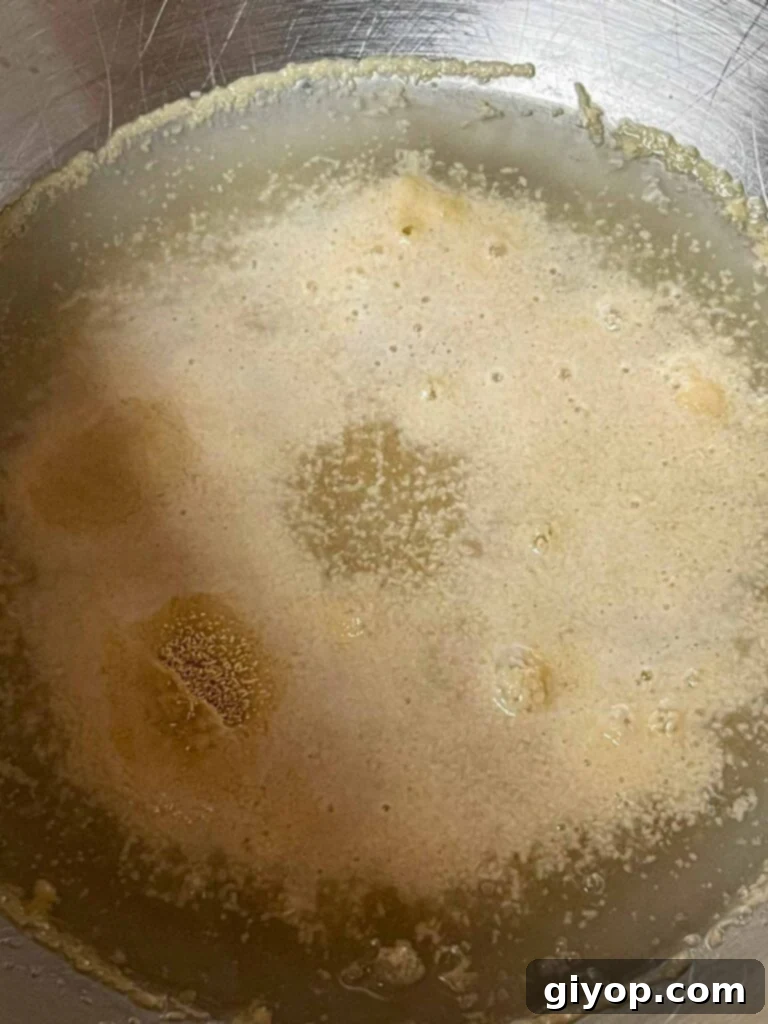
- **Activate the Yeast:** In a large mixing bowl (or the bowl of a stand mixer), combine the warm water and sugar. Sprinkle the active dry yeast evenly over the surface of the water. Do not stir it in immediately. Allow it to sit undisturbed for about 5 to 10 minutes. You’ll know the yeast is active and healthy when it becomes foamy and bubbly, indicating that it’s “waking up” and beginning to ferment. If it doesn’t foam, your yeast might be expired or the water temperature was off, and you should start over.
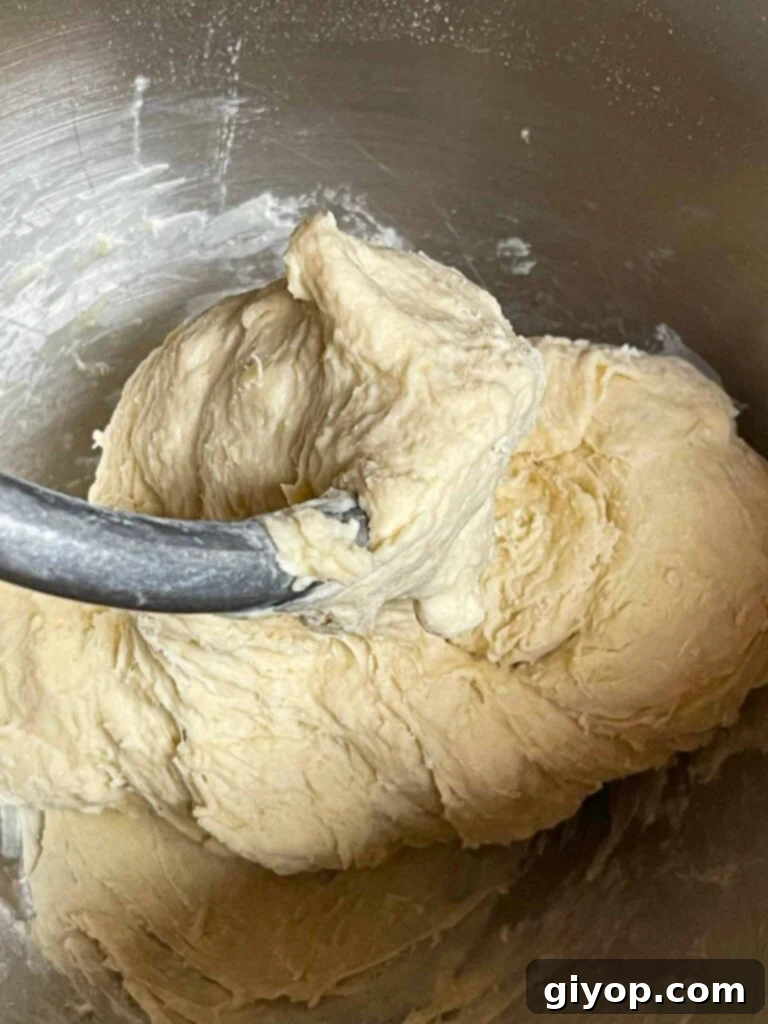
- **Combine Wet Ingredients & Initial Flour:** Once your yeast is active, add the kosher salt and olive oil to the yeast mixture. Stir briefly to combine. Then, gradually begin adding the bread flour, about 1 cup at a time, mixing well after each addition. Continue to mix until a shaggy, somewhat sticky dough starts to form.
- **Knead the Dough:**
- Using a Stand Mixer: If using a stand mixer with a dough hook attachment, knead the dough for approximately 6 to 8 minutes at medium-low speed. The dough should gather around the hook, pull away from the sides of the bowl, and become smooth, elastic, and slightly tacky to the touch but not sticky. The bowl should also look relatively clean.
- Kneading by Hand: Turn the shaggy dough out onto a lightly floured surface. Knead the dough vigorously for about 8 to 10 minutes. Use a push-fold-turn motion, working the dough until it transforms into a smooth, supple, and elastic ball. It should bounce back slightly when poked.
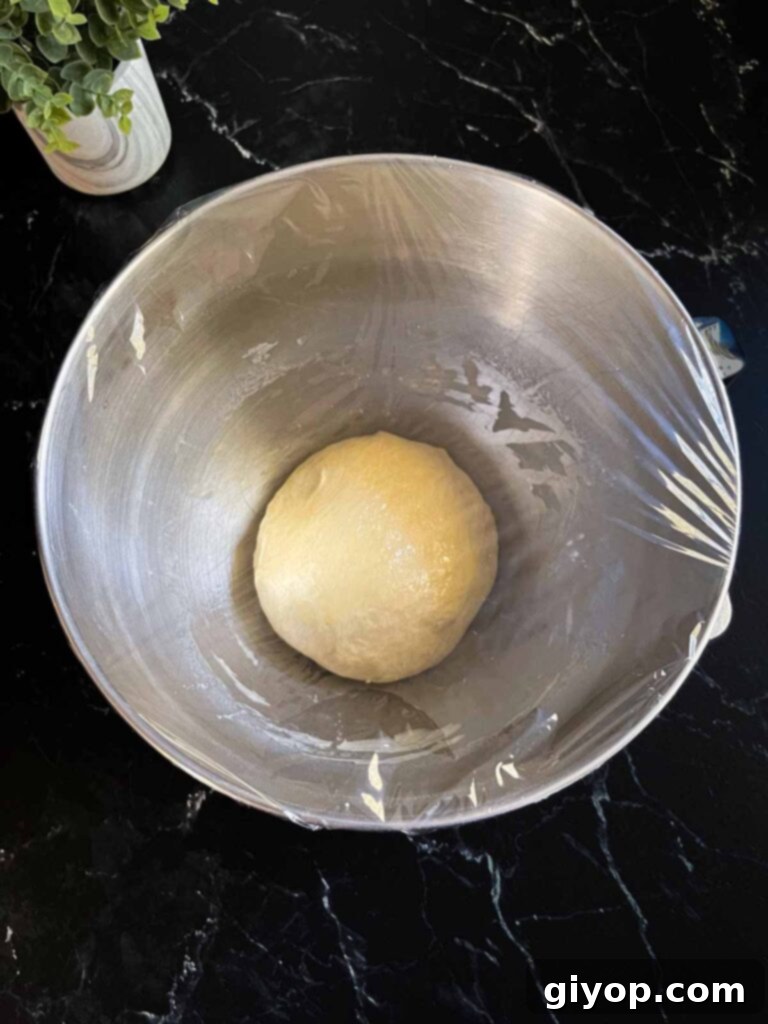
- **First Rise (Bulk Fermentation):** Form the kneaded dough into a smooth ball. Lightly grease the mixing bowl with a touch of olive oil, and gently roll the dough ball in the oil to coat it, ensuring it stays moist and doesn’t dry out. Cover the bowl tightly with plastic wrap or a damp kitchen towel. Place the bowl in a warm, draft-free spot in your kitchen. Let the dough rise for one to two hours, or until it has visibly doubled in size. This process allows the yeast to work its magic and develop flavor.
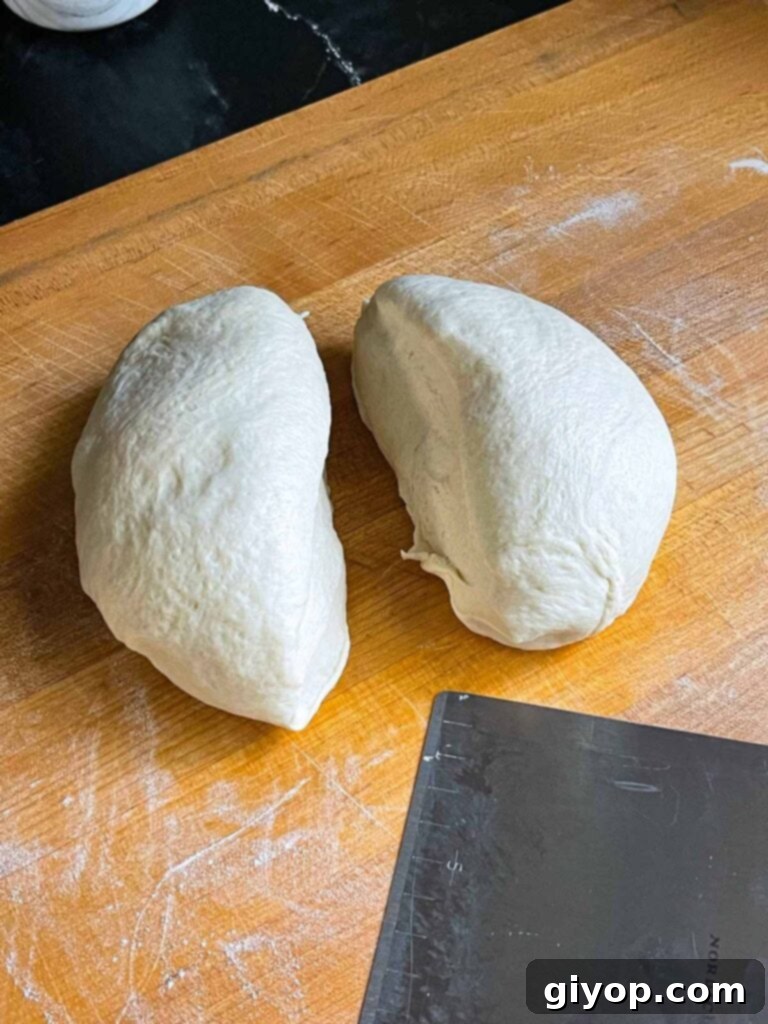
- **Punch Down and Portion:** After the first rise, gently punch down the dough to release the accumulated gases. This helps create an even texture. Turn the dough out onto a lightly floured surface and divide it into two equal portions. This recipe yields enough dough for two medium-sized (approximately 12-inch) pizzas.
- **Preheat Your Oven:** For the crispiest crust, preheat your oven to its highest temperature, ideally 500°F (260°C). Place a pizza stone or a heavy baking steel on the center rack during preheating. Allowing the stone to heat thoroughly for at least 30-60 minutes ensures a hot surface that cooks the bottom of the crust rapidly, creating that desirable pizzeria-style crispness.
- **Shape the Dough:** Take one portion of dough.
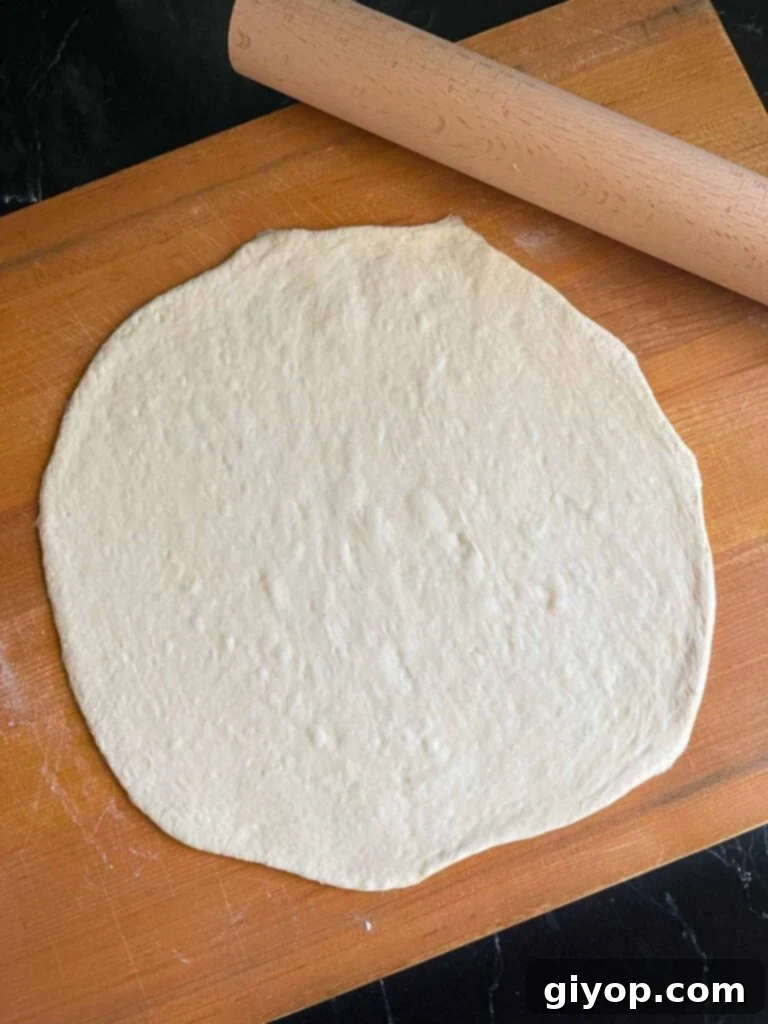
- With a Rolling Pin: On a lightly floured surface, use a rolling pin to roll the dough out to your desired shape (round or rectangular) and thickness.
- By Hand: For a more rustic, authentic feel, use your hands to stretch and shape the dough. Gently push the center of the dough outwards with the heel of your hand, then use your fingers to continue stretching it into a 12-inch circle. You can create a slightly thicker, raised crust around the edges by leaving that area untouched as you stretch the center.
- **Transferring to the Oven:** Once shaped, you have a couple of options for transferring the pizza. If you have a pizza peel, lightly dust it with cornmeal or semolina flour. This acts as tiny ball bearings, allowing the shaped dough to slide off perfectly onto the hot stone. If you don’t have a pizza peel, you can shape the dough directly on a piece of parchment paper. This allows you to easily slide the entire parchment paper with the pizza onto the hot stone or baking sheet.
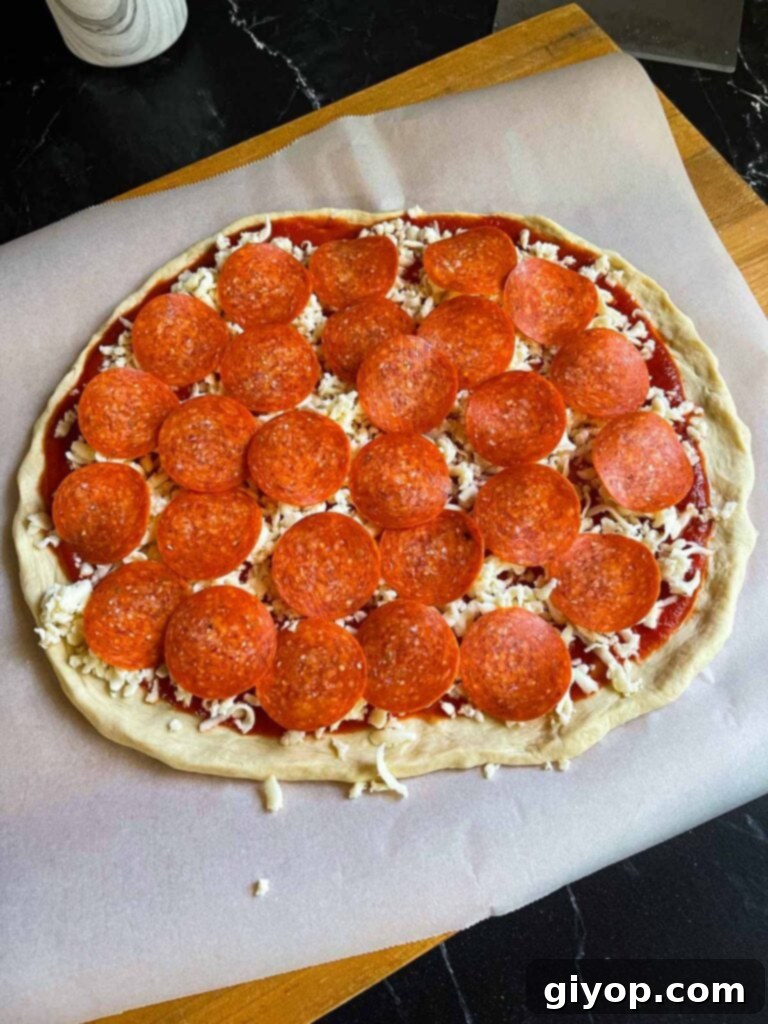
- **Add Toppings and Bake:** Quickly add your favorite pizza sauce, cheese, and toppings to the shaped dough. Minimize the time the dough sits with toppings to prevent it from becoming soggy. Carefully transfer the topped pizza to the preheated pizza stone or baking steel in the oven. Bake for approximately 8-12 minutes, or until the crust is golden brown and puffy, the cheese is melted and bubbly, and the toppings are cooked to your liking. Baking time can vary depending on your oven and desired crispness.
- **Serve and Enjoy:** Carefully remove the pizza from the oven using your pizza peel or a large spatula. Transfer it to a cutting board, let it cool for a minute or two (to prevent the cheese from sliding off), slice, and savor your incredible homemade creation with friends and family!
- Overnight Rise for Enhanced Flavor: For an exceptionally flavorful and complex crust, consider letting your dough undergo a slow, cold fermentation. After kneading, instead of letting it rise at room temperature, lightly oil the dough ball, cover the bowl tightly with plastic wrap, and place it in the refrigerator overnight (or for up to 24 hours). This slow rise develops a richer, more nuanced flavor and a chewier texture. Just remember to let the dough come to room temperature for about 30-60 minutes before shaping.
- Instant Yeast Substitution: If your pantry only has instant yeast, no worries! You can use instant yeast in the same quantity as active dry yeast specified in the recipe. The primary difference is that instant yeast doesn’t require proofing (activating in warm water and sugar) beforehand, though doing so won’t hurt. You can mix it directly with the flour and other dry ingredients, then add the warm water and olive oil.
- Experiment with Different Flours: While bread flour is highly recommended for its gluten content, don’t be afraid to experiment.
- All-Purpose Flour: Will produce a slightly less chewy and tender crust.
- ’00’ Pizza Flour: This finely milled Italian flour is excellent for very thin, crispy crusts, often favored for Neapolitan-style pizzas. It produces a silky smooth dough.
- Whole Wheat Flour: For a healthier, nuttier flavor and denser texture, you can substitute a portion (e.g., 1/2 to 1 cup) of the bread flour with whole wheat flour. You might need a little extra water, as whole wheat absorbs more liquid.
- Optimize Your Baking Surface:
- Pizza Stone: A well-preheated pizza stone is fantastic for creating a crispy bottom crust. Its porous nature absorbs moisture from the dough.
- Pizza Steel: If you’re serious about crispy crusts, a pizza steel is an even better investment. Steel retains and transfers heat more efficiently than stone, resulting in a blistered, super-crispy crust much faster.
- Inverted Baking Sheet: As a simple and effective alternative, flip a heavy-duty baking sheet upside down and place it in the oven while preheating. This creates a hot, flat surface similar to a pizza stone.
- Garlic Herb Crust: Enhance the flavor of your dough by kneading in 1-2 tablespoons of finely minced fresh garlic and 1 teaspoon of dried Italian herbs (like oregano, basil, and thyme) during the last few minutes of kneading.
- Cheese-Stuffed Crust: For an indulgent treat, place strips of mozzarella cheese around the perimeter of your shaped dough, then fold the edges of the dough over the cheese and pinch to seal before adding your toppings.
- Italian Bread Recipe
- Sourdough Bread Recipe
- Easy No-Knead Overnight Focaccia Bread
- Course: Dinner, Entree, Main Course
- Cuisine: American, Italian
- Prep Time: 2 hours 20 minutes
- Cook Time: 12 minutes
- Total Time: 2 hours 32 minutes
- Servings: 8 (yields 2 medium pizzas)
- Calories: 189 kcal per serving (dough only)
- Author: Leigh Harris
- 1 cup warm water
- 2 1/4 teaspoons active dry yeast
- 1 tablespoon sugar
- 2 teaspoons salt
- 2 tablespoons olive oil
- 3 cups bread flour (give or take 1/2 cup, depending on humidity)
- In a mixing bowl (stand mixer recommended), stir yeast and sugar into warm water.
- Allow to sit for 5-10 minutes until bubbles form and the mixture starts to foam, indicating the yeast is active.
- Pour in salt, olive oil, and half the flour, then mix.
- Once that flour is incorporated, gradually add the remaining flour a little at a time until the pizza dough reaches a slightly tacky but non-sticky consistency when touched.
- Once this consistency is achieved, knead for 6-8 minutes (in a stand mixer) or 8-10 minutes (by hand). The dough should become smooth, elastic, and easy to work with. The mixing bowl should also be clean.
- (To freeze dough: Divide into portions, place into freezer bags, remove all air, and freeze for up to 3 months. To use, thaw overnight in the refrigerator, then let come to room temperature and double in size for 6-8 hours before using.)
- Lightly grease the mixing bowl and the dough with a touch of olive oil to prevent drying. Cover the bowl with plastic wrap and let the dough rise in a warm, draft-free place for 1-2 hours, or until doubled in size.
- Preheat your oven to 500°F (260°C) with a pizza stone or inverted baking sheet inside for at least 30-60 minutes.
- Punch down the risen dough and divide it into two equal portions. Spread each portion into a 12-inch circle on parchment paper for easy transfer to the hot stone or pan.
- Place your desired toppings on the dough and bake for 9 to 12 minutes, or until the crust is golden and toppings are cooked.

Whether this is your very first time attempting homemade dough or you’re a seasoned pizza enthusiast, this reliable recipe is crafted to deliver consistently outstanding results. Get ready to enjoy the rich flavors and satisfying textures of your very own pizzeria-quality pizza!

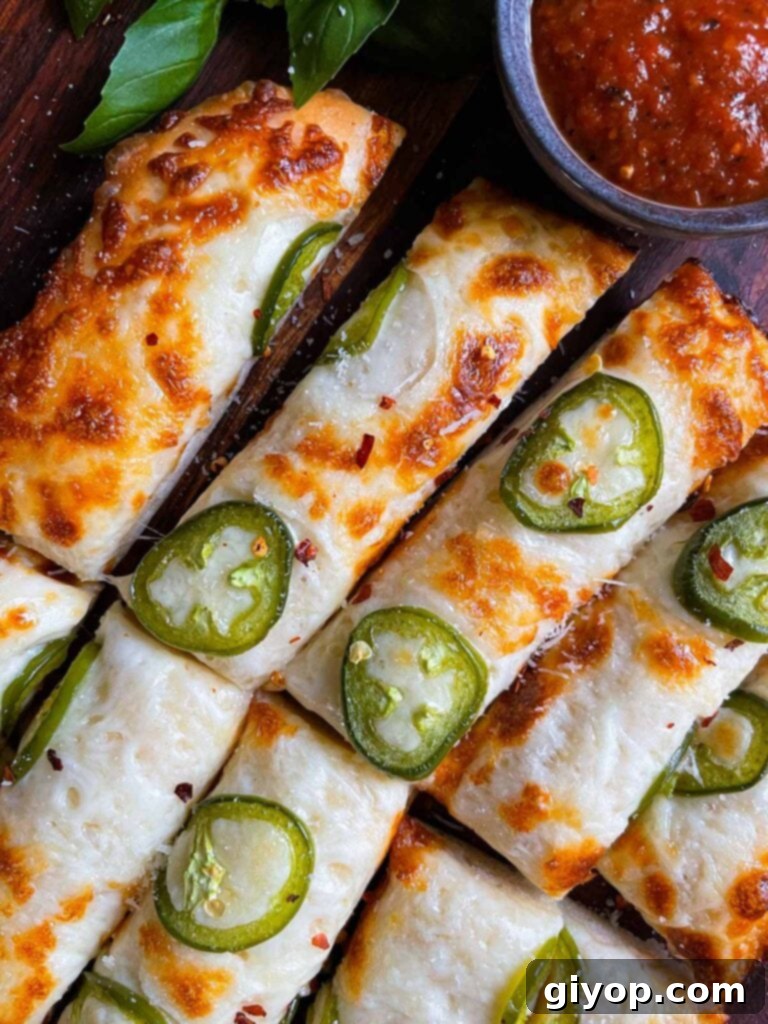
So, don’t hesitate to explore different favorite pizza recipes, experiment with various types of flour, and transform pizza night into a cherished occasion for enjoying your favorite things. With this incredibly easy homemade pizza dough, you are guaranteed to create the best homemade pizza with your unique personal touch. Happy pizza-making journey!
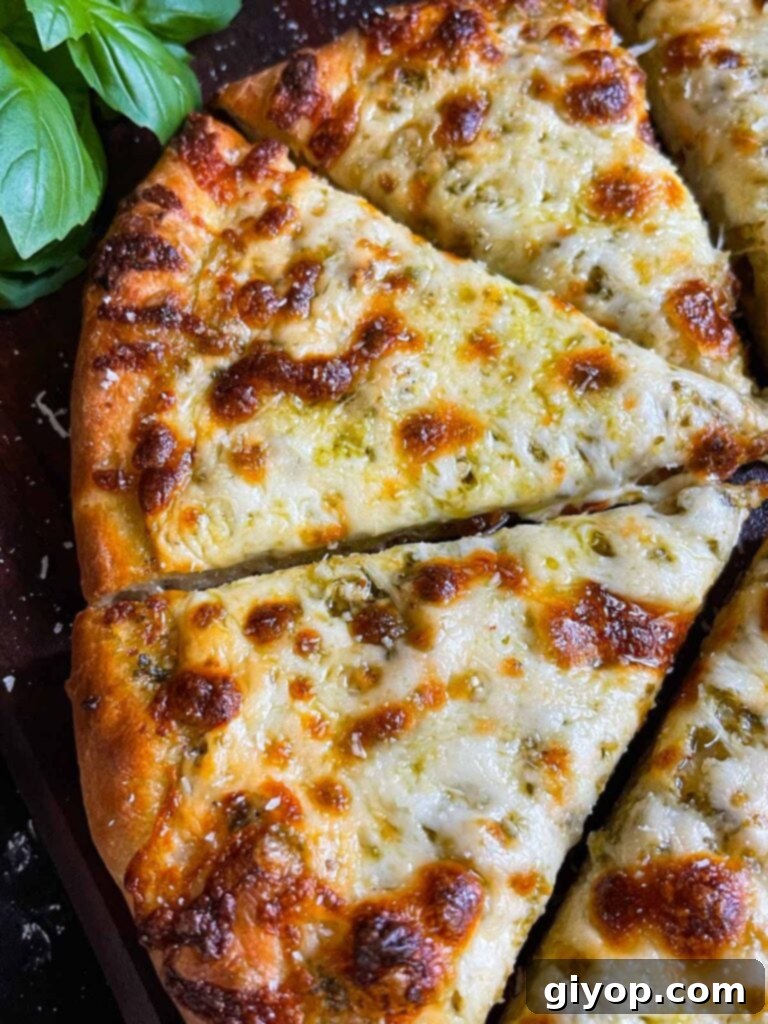

Mastering Pizza Dough Shaping Techniques
Shaping pizza dough can feel intimidating, but with a little practice, you’ll find your preferred method. The goal is to achieve an even thickness, especially in the center, while potentially leaving a slightly thicker edge for a nice, airy crust.
To shape the dough, take one of your risen dough balls and place it on a lightly floured surface. You can use a rolling pin to gently roll it out to your desired thickness and shape. Aim for an even 12-inch circle for a standard medium pizza. Be careful not to overwork the dough with the rolling pin, as this can make it tough.
Alternatively, and often preferred by seasoned pizza makers, you can use your hands to stretch and shape the dough. Start by gently pushing the center of the dough out with the heel of your hand. Work your way outwards, using your fingers to stretch and thin the dough into a 12-inch circle. As you stretch, you can lift the dough and rotate it, letting gravity help pull it into shape. If you want a raised, airy crust, avoid pressing down too hard on the very edge of the dough, allowing it to remain slightly thicker.
Once shaped, add your favorite toppings. A classic combination like a simple jarred pizza sauce, sliced pepperoni, and shredded mozzarella is always a winner. However, feel free to experiment with any toppings that tantalize your taste buds! Transfer the pizza to a baking sheet, pizza pan, or preheated baking stone. If you shaped it on parchment paper, simply slide the parchment and pizza together onto your hot surface.
This recipe yields 2 – 12-inch pizza crusts, which is approximately one pound of dough.
Helpful Tips and Creative Variations
Elevate your pizza game even further with these expert tips and exciting variations for your homemade pizza dough:
Frequently Asked Questions About Homemade Pizza Dough
Can You Freeze Pizza Dough?
Absolutely! Freezing pizza dough is a fantastic way to prepare ahead and have fresh pizza readily available. After the first rise, gently punch down the dough and divide it into individual portions. Wrap each portion tightly in plastic wrap, ensuring no air pockets, and then place them in an airtight freezer bag or container. The dough can be frozen for up to 3 months. When you’re ready to use it, transfer the frozen dough to the refrigerator overnight to thaw. Once thawed, let it come to room temperature for about 30-60 minutes before proceeding with the shaping and baking steps.
What kind of toppings can I use for my homemade pizza?
The culinary possibilities are truly endless when it comes to pizza toppings! You can stick to beloved classics like savory pepperoni, earthy mushrooms, crisp bell peppers, and sweet onions. Or, unleash your inner gourmet chef with more adventurous options such as peppery arugula, delicate prosciutto, rich caramelized onions, or vibrant grilled vegetables. Don’t forget that the right sauce makes all the difference – whether it’s a zesty marinara, a creamy white sauce, or a vibrant pesto, it helps bring all those delicious flavors together.
My dough didn’t rise as much as I expected. What went wrong?
Several factors can impact the rise of your pizza dough. The most common culprits include the temperature of the water and the freshness of your yeast. Ensure your warm water is within the ideal range of 105°F to 115°F (40°C to 46°C) – too hot will kill the yeast, and too cold won’t activate it effectively. Always check the expiration date on your yeast packet; old yeast can be sluggish or inactive. Additionally, make sure the dough is rising in a warm, draft-free environment, as consistent warmth is essential for proper yeast fermentation.
Can I use a stand mixer with a dough hook to knead the dough?
Yes, absolutely! Using a stand mixer with a dough hook attachment is a highly recommended and efficient way to knead pizza dough. It saves a significant amount of time and effort compared to hand-kneading. Simply attach the dough hook and knead the dough on a medium-low speed for approximately 6-8 minutes. Continue until the dough becomes smooth, elastic, and pulls cleanly away from the sides of the mixing bowl, indicating that the gluten has developed sufficiently.
More Delicious Recipes to Explore
If you loved making this easy homemade pizza dough, you might enjoy trying these other fantastic bread recipes:
Are you on Pinterest? Click the button below to add this recipe to one of your boards!
Add to Pinterest
Easy Homemade Pizza Dough Recipe
Easy and better than takeout! The best pizza dough recipe, ever.
Rating: 5 out of 5 stars based on 2 ratings
Ingredients
Instructions
Notes
This recipe makes 2 medium-sized pizzas. Nutrition information provided is based on the dough only.
Nutrition
Calories: 189 kcal | Carbohydrates: 37g | Protein: 7g | Fat: 1g | Saturated Fat: 1g | Sodium: 617mg | Potassium: 79mg | Fiber: 2g | Sugar: 2g | Vitamin A: 8IU | Calcium: 7mg | Iron: 1mg
Recipe adapted from Lauren’s Latest