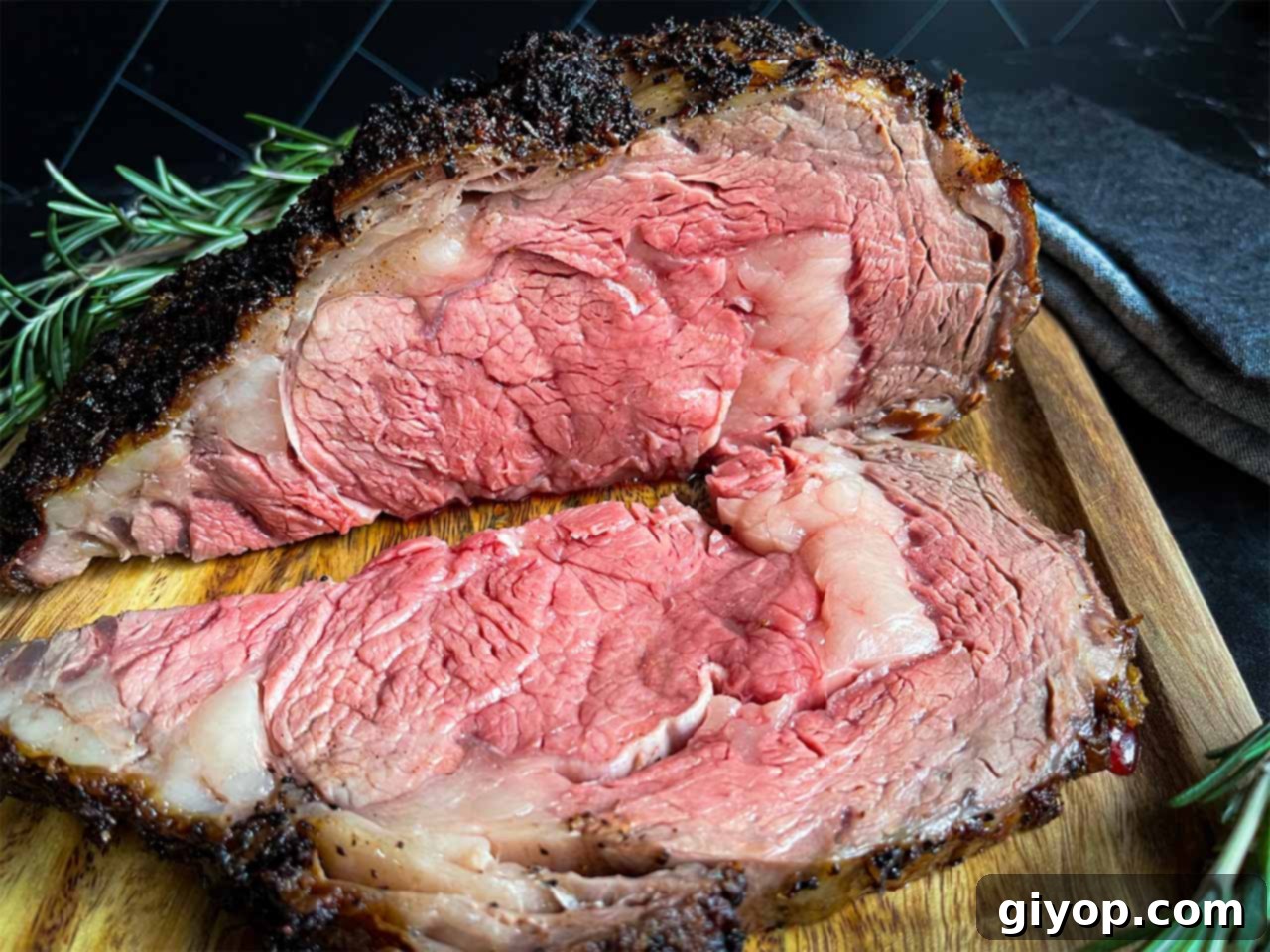
Do you often find yourself frustrated by prime rib that turns out overcooked, dry, or simply not the perfect medium-rare you envisioned? You’re not alone! Achieving that ideal, succulent prime rib can feel like a culinary mystery, but it doesn’t have to be. Prepare to unlock the secrets to a perfectly cooked, incredibly juicy, tender, and flavorful prime rib roast, destined to be the showstopper at your next special meal.
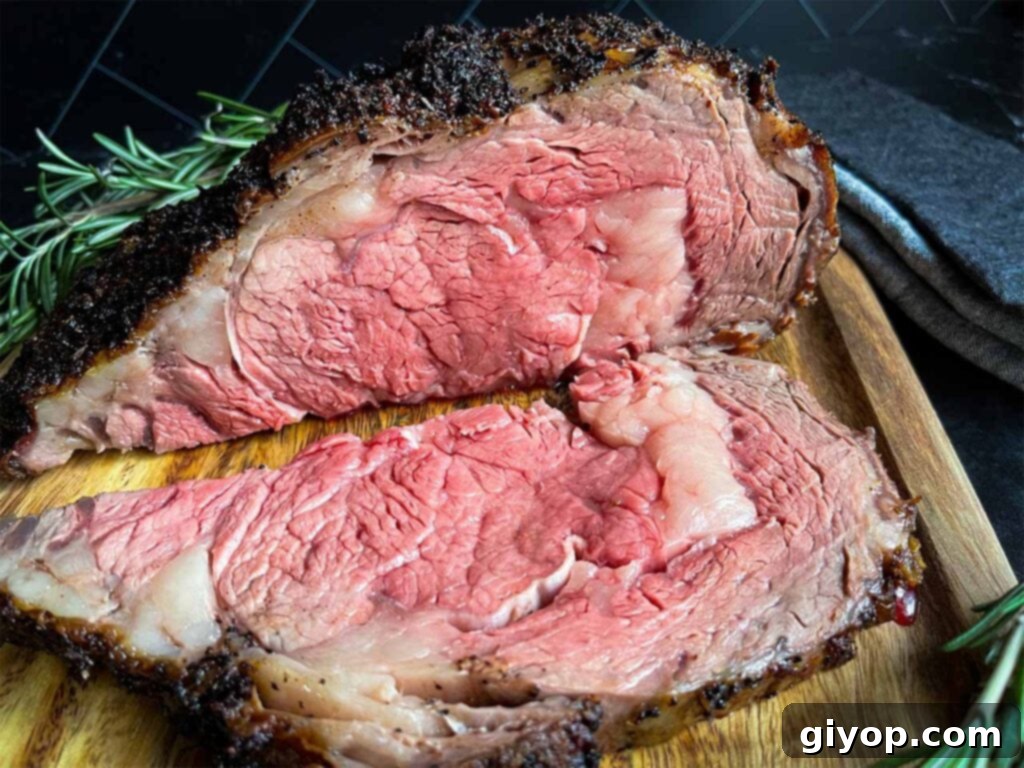
Why You’ll Love This Foolproof Prime Rib Method
The quest for the perfect prime rib can be daunting. After investing in a beautiful, expensive cut of beef, the last thing anyone wants is an overcooked disappointment. I’ve experienced that frustration firsthand—the anger and disappointment of a prime rib that fell short of perfection.
This revolutionary cooking method, often referred to as the “500 Rule” or “Closed Oven Method,” eliminates the guesswork and delivers consistently spectacular results. It’s a game-changer for anyone who loves prime rib but dreads the cooking process. Whether you’re a seasoned chef or a novice home cook, this technique will transform your prime rib experience into one of pure triumph.
The magic lies in its simplicity and effectiveness. You’ll begin by “searing” the roast at an incredibly high heat of 500 degrees F, creating a gorgeous, deeply flavored herb butter crust. This initial blast of heat locks in juices and develops that coveted exterior. Then, the oven is turned off, and the roast continues to cook gently using only the residual heat, slowly reaching an impeccable medium-rare. The result is a prime rib with an exquisite, savory crust and a melt-in-your-mouth interior that’s unbelievably juicy and tender. Each bite, especially with a drizzle of rich au jus, is nothing short of amazing!
Prime rib is the quintessential centerpiece for holidays and special occasions. Its impressive presentation and luxurious flavor make any dinner feel extraordinary. This method ensures your roast will be memorable for all the right reasons. You can easily adjust the size of your prime rib based on your guest count, making it versatile for both intimate gatherings and larger feasts. This guide will walk you through every step, ensuring you achieve prime rib perfection with confidence.
Complement your magnificent prime rib with some delectable side dishes. Explore our recipes for creamy whipped potatoes, roasted brussels sprouts with a savory dipping sauce, indulgent twice-baked potatoes, a refreshing arugula and fennel salad, or classic roasted green beans and mushrooms.
Don’t Sweat The Recipe is supported by its readers. We may earn a commission if you purchase through a link on our site. Learn more.
What You’ll Need for a Gourmet Prime Rib
Crafting an exceptional prime rib requires a few key ingredients and a critical piece of equipment. Focus on quality, and the rest will fall into place.
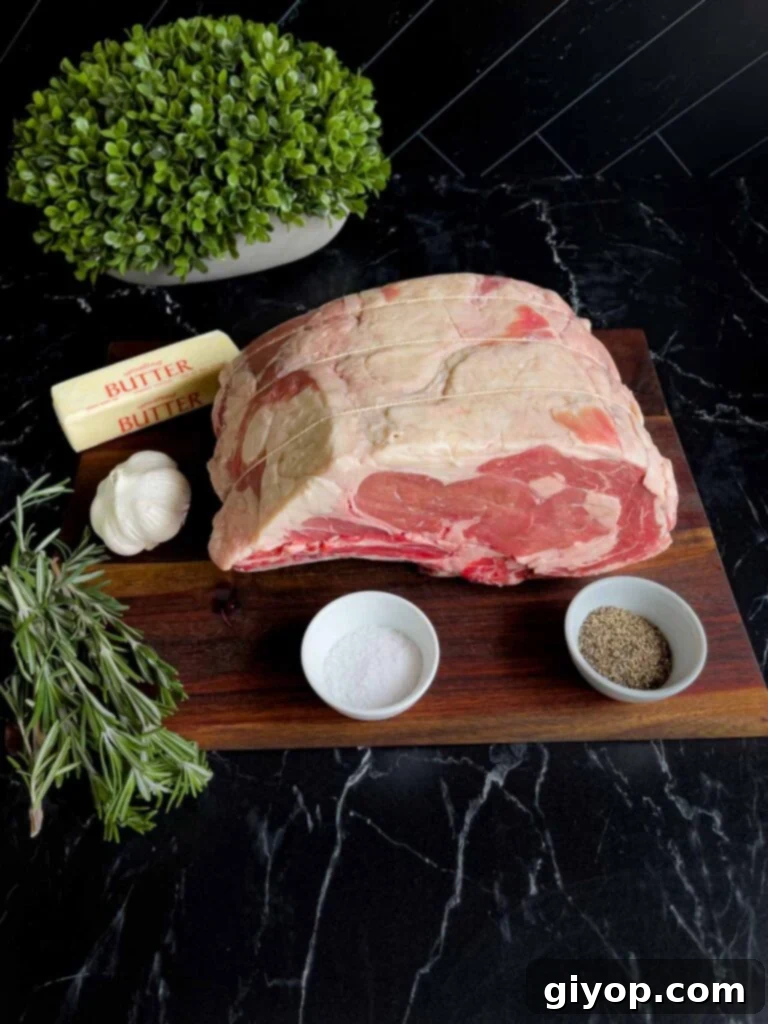
- Prime Rib Roast: We highly recommend a high-quality, bone-in prime rib roast. A USDA Prime or Choice cut is ideal for optimal marbling and flavor. For serving size, a good rule of thumb is approximately 1 pound per person, or one rib bone for every two guests. A 5-pound roast, for instance, typically serves 6-8 people generously. The bones provide natural insulation during cooking, contributing to a more evenly cooked and flavorful roast. If you prefer to carve easily after cooking, ask your butcher to remove the bones and tie them back onto the roast with butcher’s twine.
- Flavorful Rub Ingredients: This simple yet powerful combination creates a divine herb butter crust. You’ll need:
- Unsalted Butter: Softened to room temperature for easy mixing and spreading. It creates a rich, golden crust and helps transfer the herb flavors to the meat.
- Rosemary: Freshly chopped rosemary offers an aromatic, piney essence that perfectly complements beef. If fresh isn’t available, high-quality dried rosemary can be used (use slightly less as dried herbs are more concentrated).
- Kosher Salt: Essential for seasoning the meat deeply and drawing out its natural flavors. Kosher salt crystals are larger and dissolve more slowly, creating a beautiful crust.
- Freshly Cracked Black Pepper: Adds a pungent, spicy kick and an extra layer of flavor.
- Minced Garlic: Fresh garlic cloves, finely minced, infuse the butter with an irresistible savory aroma and taste.
- Essential Equipment: A reliable probe-style meat thermometer is non-negotiable for this method. It allows you to monitor the internal temperature without opening the oven door, which is crucial for the “closed oven” technique. A sturdy roasting pan (you won’t need a rack thanks to the bones) and aluminum foil for easy cleanup are also beneficial.
Don’t Sweat The Recipe is supported by its readers. We may earn a commission if you purchase through a link on our site. Learn more.
How to Cook a Prime Rib Roast: The 500-Degree Secret
This method simplifies prime rib cooking, ensuring a perfectly cooked roast every time. Follow these steps for an unforgettable meal:
Step 1: Bring to Room Temperature (Crucial!)
This is arguably the most critical step for even cooking. Remove your prime rib from the refrigerator at least 3 hours before you plan to roast it. Allowing the meat to come to room temperature ensures that the entire roast cooks uniformly, from edge to center, preventing a cold, undercooked middle or an overcooked exterior. This process helps the heat penetrate the roast more effectively.
Important Note on Oven Types
This closed-oven method relies on the residual heat within your oven. If you have a newer oven equipped with a cooling fan that rapidly dissipates heat after it’s turned off, this specific technique might not yield the intended results.
However, you can still adapt this approach for newer ovens! Once the initial high-heat searing time is complete, reduce your oven temperature to a very low 175 degrees F (approximately 80 degrees C) for the remaining cooking time. Continue to monitor the internal temperature with your probe-style meat thermometer. You’ll pull the roast from the oven as soon as it reaches your desired internal temperature, even if the suggested two hours haven’t passed. This adaptation ensures you won’t overcook your precious prime rib, as long as your thermometer is correctly inserted and monitored.
The 500 Rule Prime Rib Method: Demystified
This ingenious cooking strategy is known by many names, all pointing to its simplicity and effectiveness:
- Foolproof Prime Rib
- Prime Rib 500 Rule
- Prime Rib 500 Degrees
- No Peek Method
- Closed Oven Method
- Oven Off Method
Regardless of the name, the principle remains the same: a high initial sear followed by slow, residual heat cooking to perfection.
Step 2: Prepare the Herb Butter Crust
In a small bowl, combine the softened unsalted butter with the minced garlic, dried or fresh rosemary, kosher salt, and fresh cracked black pepper. Mix thoroughly until all ingredients are well incorporated, forming a fragrant compound butter.
Using paper towels, generously pat the entire prime rib roast dry. Removing excess moisture from the surface is key; it not only helps the compound butter adhere beautifully but also contributes to developing that magnificent, crispy crust during the high-heat sear.
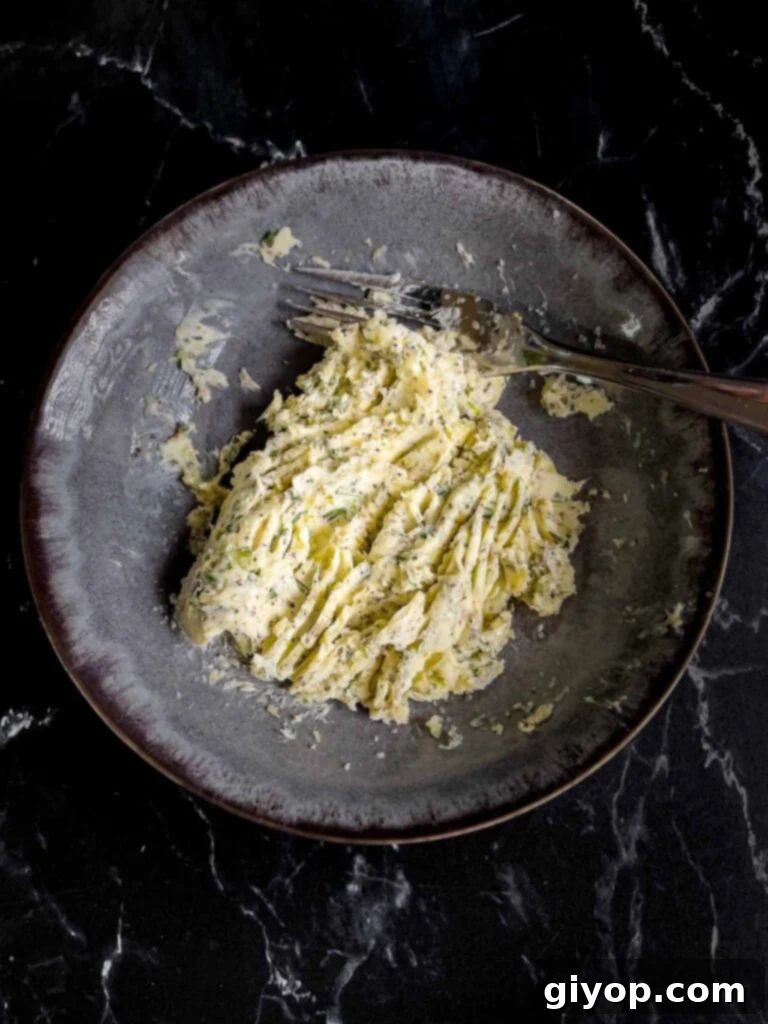
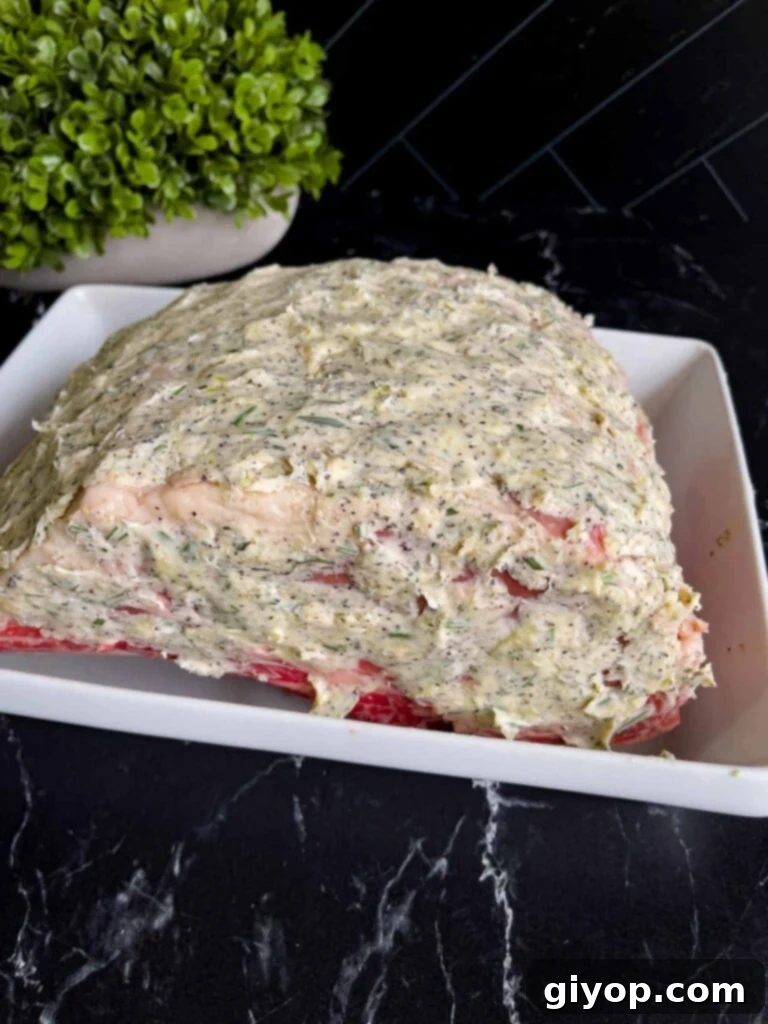
Liberally brush the herb butter mixture all over the prime rib roast, focusing on covering the fatty cap and all meat surfaces. Don’t stress about covering the bones; they are already protected. Place the prepared roast, bone-side down, into a shallow roasting pan. There’s no need for a roasting rack when cooking a bone-in prime rib, as the bones naturally lift the meat off the pan, allowing heat to circulate evenly underneath.
Step 3: The Precision Roasting Process
Regardless of the prime rib method you choose, a high-quality probe-style meat thermometer is your best friend. Insert the probe into the thickest part of the roast, avoiding the bone. This allows you to continuously monitor the internal temperature and ensures you pull the roast at precisely the right moment, preventing any chance of overcooking. Set your probe alarm to 125 degrees F for a perfect medium-rare.
Now, calculate your initial high-heat roasting time using a simple formula: multiply the exact weight of your prime rib (in pounds) by 5 minutes. For example, if your roast weighs 5.81 pounds, the calculation would be 5.81 x 5 = 29.05 minutes. Round this to the nearest whole minute, so 29 minutes in this case. This cooking time will naturally vary for larger or smaller cuts of meat.
Preheat your oven to a scorching 500 degrees F. Once preheated, place the prime rib roast into the oven and cook for the exact number of minutes you just calculated. This initial high-heat burst creates a beautiful, caramelized crust.
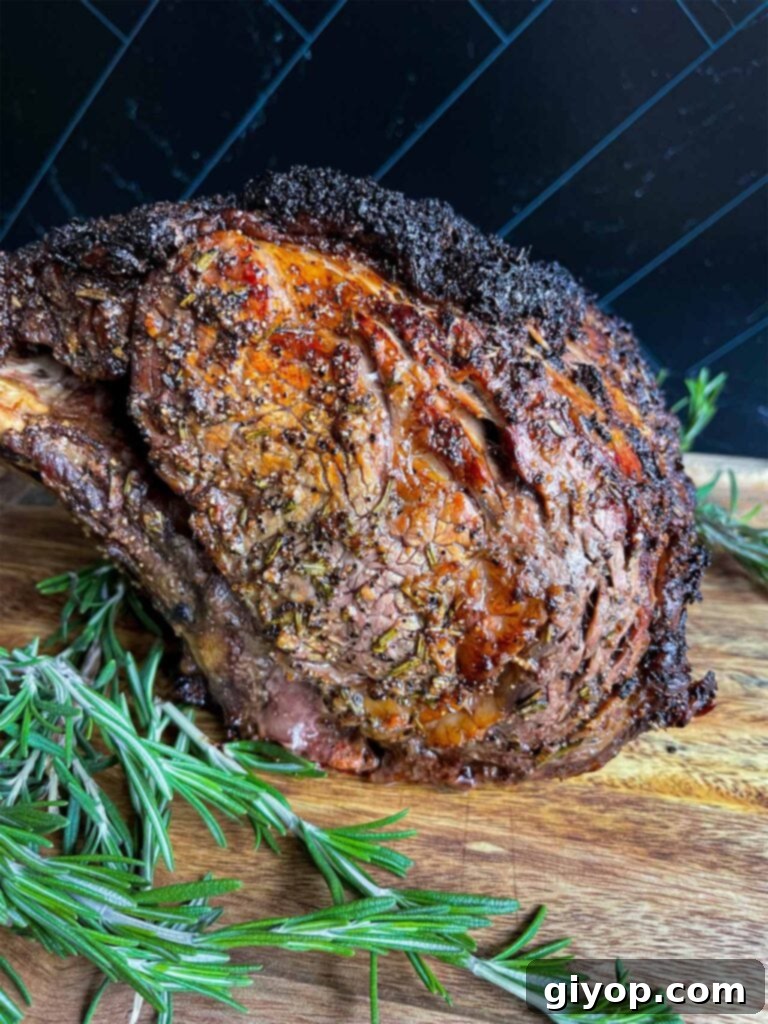
As soon as the calculated high-heat cooking time is up, turn off your oven completely. Then, set a timer for 2 hours. This is the critical “closed oven” phase. **DO NOT OPEN THE OVEN DOOR FOR ANY REASON DURING THESE 2 HOURS.** Resisting the urge to peek is paramount, as opening the door releases the trapped residual heat, interrupting the gentle cooking process. Your probe thermometer will let you know when it’s done.
Step 4: Rest and Carve
After the 2-hour resting period in the oven (or when your thermometer alarms), carefully remove the roast from the oven and transfer it from the roasting pan to a clean cutting board. It’s crucial to remove it from the hot pan to prevent any further cooking.
Allow the prime rib to rest on the cutting board for at least 15-20 minutes before carving. This resting period is vital for the juices to redistribute throughout the meat, ensuring every slice is incredibly moist and flavorful. Skipping this step will result in a dry roast, as all the juices will run out onto your cutting board.
For easier slicing, you can remove the bones from the roast at this stage. If you had your butcher remove and tie them back on prior to roasting, simply snip the twine and pull the bones away. Otherwise, carefully run a sharp carving knife along the bones to separate them from the meat. Then, slice the prime rib against the grain into your desired thickness.
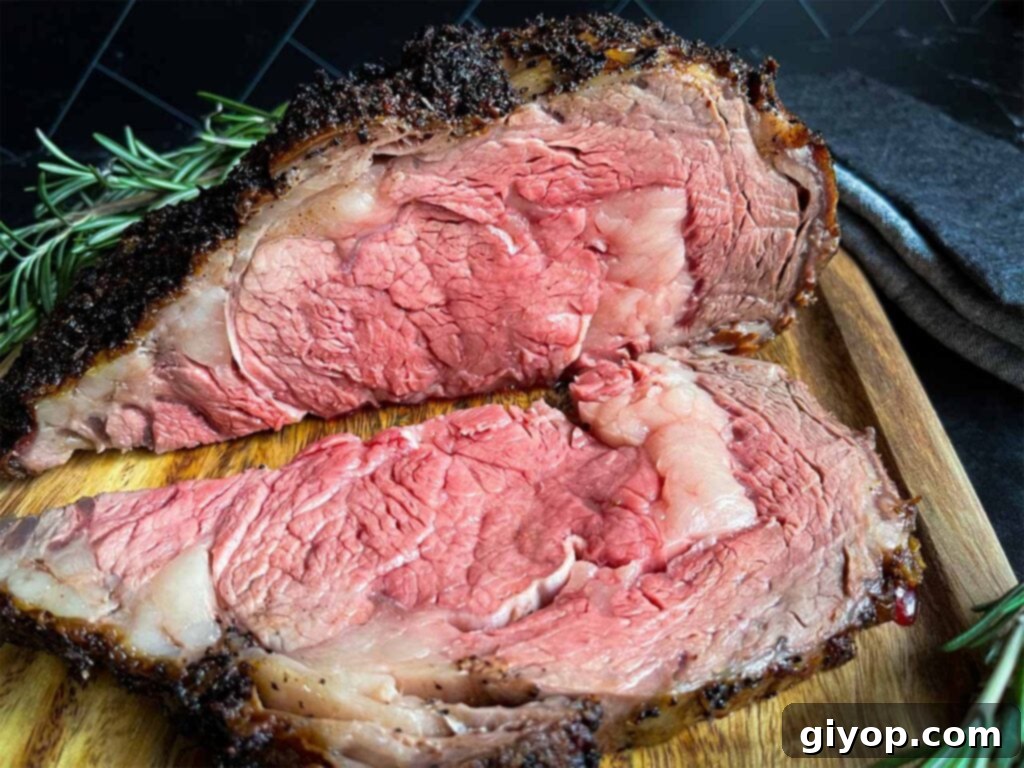
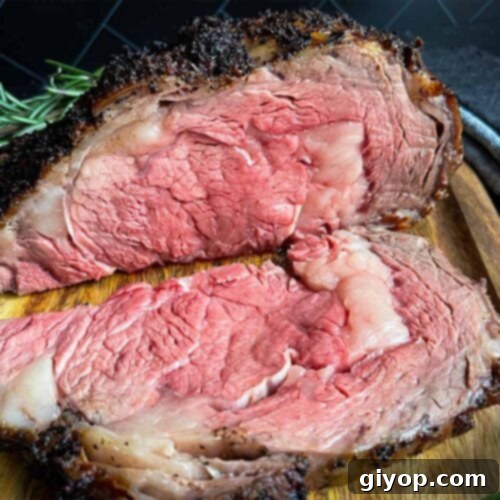
Behold! That perfect medium-rare prime rib, a testament to your newfound culinary skill. Slice it generously and serve immediately with a side of homemade au jus. Prepare to be incredibly impressed with yourself—this beauty will elicit gasps of delight from everyone at your table.
Prime Rib Temperature Guide for Perfection
Achieving your preferred level of doneness is crucial for prime rib. In our opinion, prime rib is best enjoyed rare to medium-rare, showcasing its rich flavor and tender texture. A unique advantage of the closed-oven method is that the internal temperature of the prime rib rises very little, typically only 1-2 degrees F, once it’s removed from the oven. This allows for precise control, which is why we recommend pulling it out at slightly lower temperatures than other methods.
- For Rare: Pull the roast from the oven when its internal temperature reaches 115 degrees F (46 degrees C).
- For Medium-Rare: Pull the roast from the oven when its internal temperature reaches 120-125 degrees F (49-52 degrees C). We personally prefer it on the rarer side of medium-rare, so we often aim for 123 degrees F.
- For Medium: Pull the roast from the oven when its internal temperature reaches 130 degrees F (54 degrees C).
Remember, these are target temperatures for when you *remove* the roast from the oven. The meat will continue to cook slightly during its resting period, but due to the residual heat method, this carryover cooking is minimal, making precise timing with a thermometer even more important.
Expert Tips for Prime Rib Perfection
Ensure your prime rib experience is flawless with these helpful tips:
- Start with a Clean Oven: Since you’ll be cooking at a high initial temperature, any drippings or food residue in your oven could burn and cause excessive smoke. A clean oven prevents this and ensures a pleasant cooking environment. As an extra measure, you can place some chopped potatoes or carrots in the bottom of your roasting pan around the roast. These will absorb some of the butter drippings and prevent them from burning, while also adding flavor to your au jus.
- Room Temperature is Key: Don’t skip the crucial step of allowing your prime rib to come to room temperature for about 3 hours before cooking. This ensures even cooking throughout the roast.
- Easy Cleanup: Line your roasting pan with heavy-duty aluminum foil before placing the roast in it. This will make post-dinner cleanup significantly easier, allowing you to enjoy your meal without dreading the dishes.
- Trust Your Thermometer: Always use a reliable probe-style meat thermometer inserted into the thickest part of the meat, away from the bone. This is your most accurate guide. Remove the roast from the oven and the hot pan as soon as it reaches your desired internal temperature (e.g., 125 degrees F for medium-rare), even if there’s still time remaining on your timer. This prevents overcooking.
- Monitor Temperature Closely: Pay close attention to your thermometer, especially as the roast approaches its target temperature. The internal temperature can accelerate rapidly towards the end of the cooking process.
- Avoid Opening the Oven: Do not use an instant-read thermometer during the “closed oven” phase, as this would require you to constantly open the oven door, releasing valuable trapped heat and disrupting the cooking process.
- Understand Cooking Variables: The total cook time for prime rib can be influenced by several factors: the exact size and starting temperature of your roast, the accuracy of your oven’s temperature calibration, and how consistently your specific oven cooks. Be flexible and rely on your meat thermometer above all else.
- The Importance of Resting: After removing the roast, let it rest for a minimum of 15 to 20 minutes (or even up to 30 minutes for larger roasts) before carving. This allows the muscle fibers to relax and the juices to redistribute, resulting in a significantly more tender and moist prime rib.
FAQs About Prime Rib Roast
A prime rib, also known as a standing rib roast, is a highly prized cut of beef that includes the rib bones with the rich, flavorful ribeye muscle attached. It’s renowned for its generous marbling of fat, which contributes immensely to its juiciness, tenderness, and robust beefy flavor. Prime rib can be purchased either bone-in or boneless. The bones serve a practical purpose by providing a natural layer of insulation during cooking, which helps the roast cook more evenly and stay moist. For easier carving and serving after roasting, you can ask your butcher to remove the bones and then tie them back onto the roast with butcher’s twine before you take it home.
For a generous serving, a good estimate is about 1 pound of bone-in prime rib per person. Alternatively, you can typically count on one rib bone serving two people. This ensures everyone gets a satisfying portion of this luxurious roast.
While the terms are often used interchangeably, “prime rib” typically refers to a standing rib roast that is left whole, often with the bones still attached (though sometimes the bones are removed and tied back). A “rib roast” can sometimes refer to the same cut but might also indicate a boneless version, which is essentially the ribeye roast. The key distinction often lies in the “prime” designation, which refers to the USDA quality grade of the beef, indicating superior marbling and tenderness, though not all rib roasts labeled “prime rib” are actually USDA Prime grade.
For this “500 Rule” prime rib roasting method, we cook the roast uncovered. The high initial heat allows the exterior of the meat to develop a beautiful, flavorful, and crispy crust, which is a hallmark of this technique. Covering it would steam the meat and prevent this crust from forming.
Using this “500 Rule” recipe, a typical 5-pound prime rib roast will take approximately 2 hours and 25-30 minutes of total cooking time (including the initial high-heat sear and the 2-hour residual heat phase). Remember, the initial high-heat roasting time is precisely calculated based on the weight of your roast, and the overall time can vary slightly depending on your oven and desired doneness.
Allow any leftover prime rib to cool completely to room temperature. Then, wrap it tightly in plastic wrap or aluminum foil, or place it in an airtight container. Store it in the refrigerator for up to 4 days. Leftover prime rib is fantastic thinly sliced for sandwiches, added to salads, or gently reheated for another meal.
More Delicious Beef Recipes
Garlic Herb Beef Top Round Roast
Roast Beef Sliders with Horseradish Sauce Recipe
Slow Cooker Corned Beef
Perfect Prime Rib Roast Recipe
Print
Pin
Rate
Ingredients
- 5 lb prime rib
- 1/2 cup unsalted butter, softened
- 1 tablespoon freshly ground black pepper
- 1 tablespoon kosher salt
- 2 teaspoons dried rosemary (or 1 tbsp fresh)
- 3 cloves garlic, minced
Au Jus
- 1/4 cup beef fat and pan drippings
- 2 cups beef broth
- salt and pepper to taste
Instructions
Prime Rib Roast
- The prime rib must come to room temperature before roasting. This step is critical for even cooking. Remove it from the refrigerator and let it sit at room temperature for at least 3 hours.
- Preheat your oven to 500 degrees F (260 degrees C).
- In a small bowl, thoroughly mix the softened butter, minced garlic, rosemary, kosher salt, and freshly ground pepper to create your herb butter.
- Pat the prime rib roast completely dry with paper towels. Line a shallow roasting pan with aluminum foil for easier cleanup. Place the roast, bone-side down, into the prepared pan. Evenly spread the herb butter mixture over the entire top and sides of the prime rib.
- Calculate your initial high-heat roasting time: Multiply the exact weight of your prime rib (in pounds) by 5 minutes. Round the result to the nearest whole minute.
- Insert a probe-style meat thermometer into the thickest part of the roast, avoiding bone. Set the thermometer alarm to 125 degrees F (52 degrees C) for medium-rare.
- Place the prime rib in the preheated 500-degree F oven and roast for the exact amount of time you calculated in step 4.
- Immediately after the initial roasting time, turn the oven off completely. Set a timer for 2 hours. DO NOT OPEN THE OVEN DOOR AT ANY POINT during these 2 hours, as the residual heat cooks the meat. If your oven has a cooling fan, see the note above for adaptation.
- Once the 2 hours are up (or your thermometer signals your desired temperature), remove the roast from the oven and transfer it from the hot pan to a clean cutting board. Let it rest for at least 15-20 minutes before carving.
Au Jus
- While the roast is resting, place the roasting pan on a burner over medium-high heat. Carefully pour off all but about 1/4 cup of the beef fat and drippings.
- Add the beef broth to the pan. Use a wooden spoon or spatula to scrape up all the flavorful browned bits from the bottom of the pan. Bring the mixture to a boil. Season with salt and pepper to taste.
- Reduce the au jus to your preferred consistency, simmering until it reaches about 1 1/2 cups or less. Serve hot alongside your carved prime rib.
Notes
Always use a probe-style thermometer. Pull the roast from the oven and the hot pan when it reaches 125F for medium-rare (or your desired doneness).
Keep a close eye on the temperature, as it can rise quickly towards the end.
Let the roast rest for at least 15-20 minutes after removing it from the oven and pan. This is essential for juicy results.
Storing Leftovers: Allow any leftovers to cool completely. Wrap tightly in plastic wrap or foil, or store in an airtight container in the refrigerator for up to 4 days.