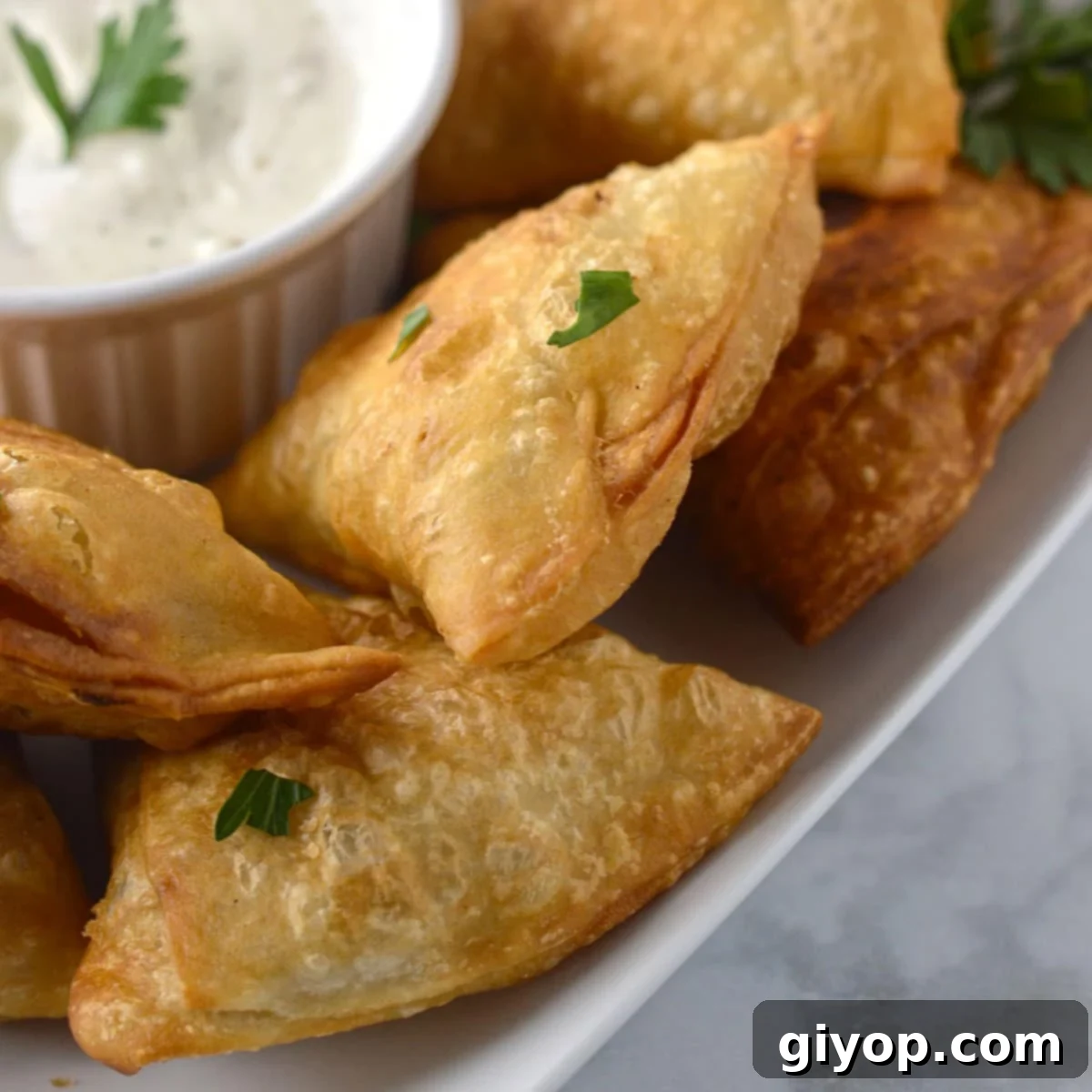
Easy Homemade Samosas: A Guide to Perfect Crispy Triangles (Sambusa Recipe)
Samosas, also known as Sambusas in many parts of the Middle East and North Africa, are a universally beloved appetizer. These crispy, savory, triangular pastries, deep-fried to golden perfection, are a staple in kitchens across the Arab world, Pakistan, and India. In Egypt, particularly during the holy month of Ramadan, these delightful pockets of flavor become an indispensable part of Iftar spreads, cherished by families for their comforting taste and satisfying crunch. While traditional samosa wrappers are notoriously thin, long sheets of dough that form distinct triangles, our recipe offers an incredibly easy and accessible method, ensuring you can recreate this culinary magic right in your own kitchen without the fuss of elaborate dough preparation. Get ready to impress your family and friends with these irresistible homemade samosas!
Why You’ll Love This Samosa Recipe
This simplified samosa recipe is designed for both seasoned cooks and beginners, offering a straightforward path to achieving delicious results. Here’s why you’ll want to make it your go-to:
- Effortless Preparation: Forget the complexities of making homemade dough from scratch. This recipe ingeniously utilizes uncooked tortillas as a ready-made wrapper, significantly cutting down on prep time and making samosas achievable on even your busiest days. It’s a game-changer for anyone craving authentic flavors without the traditional labor.
- Guaranteed Crowd-Pleaser: There’s something universally appealing about a crispy, well-filled samosa. Whether served as a party appetizer, a snack for hungry kids, or a festive dish during special occasions like Ramadan, these savory triangles are always a hit. Their versatile nature allows for a wide array of fillings, ensuring there’s a flavor profile to suit every palate, making them a definite family favorite.
- Incredibly Versatile: The beauty of samosas lies in their adaptability. This recipe encourages creativity, allowing you to fill these golden pockets with virtually anything your heart desires. From classic spiced meats to vibrant vegetarian blends, or even decadent sweet options, the possibilities are limitless. This flexibility means you can tailor each batch to seasonal ingredients, dietary preferences, or simply your current cravings.
Essential Ingredients for Your Samosas
Crafting delicious samosas starts with quality ingredients. This section provides an overview of what you’ll need, while the detailed measurements and step-by-step instructions are available in the comprehensive recipe card below.
Key Ingredient Notes & Smart Substitutions
- Uncooked Tortillas: This is our secret weapon for speed and convenience! If you can find traditional samosa sheets (sometimes labeled sambusa wrappers) in specialty stores, feel free to use them. Otherwise, uncooked tortillas are an excellent, readily available substitute. Some people also opt for phyllo dough or even egg roll wrappers, but tortillas offer a unique texture and ease of handling. For those who prefer to make everything from scratch, homemade dough is always an option, though it requires more time and effort.
- Ground Beef Filling: A classic and robust choice, this filling typically includes seasoned ground beef, finely chopped onion for sweetness and texture, fresh parsley for a touch of herbaceousness, and a blend of aromatic spices to create a deeply satisfying savory flavor. It’s a hearty option that’s universally loved.
- Chicken Filling: For a lighter yet equally flavorful alternative, our chicken filling features tender chicken breasts cut into small cubes. These are sautéed with onions, vibrant green peppers, and black olives, then seasoned perfectly. This combination creates a dynamic and appealing taste profile that’s slightly different from the beef but equally delicious.
- Cheese Mix: A delightful vegetarian option, this filling combines the salty tang of feta, the gooey melt of mozzarella, and the sharp notes of Parmesan cheese. It’s often enhanced with the earthy aroma of za’atar or the cool, refreshing taste of dried mint, offering a truly Mediterranean twist.
- Flour Paste for Sealing: This simple mixture of all-purpose flour and water acts as the perfect edible glue. It’s crucial for securely sealing the samosa edges, preventing any filling from escaping during the frying process and ensuring a perfectly crisp parcel every time.
My journey to simplified samosa making began when traditional samosa dough proved elusive in Colorado. While many suggested alternatives like phyllo or puff pastry, and others swore by homemade dough, my busy household demanded a quicker solution. That’s when a friend introduced me to the ingenious idea of using uncooked tortillas. It was a revelation! They worked like a charm, creating perfectly crispy samosas that my kids absolutely adored.
This method has opened up a world of possibilities for fillings. While I’ll share three of my favorites here, I encourage you to let your culinary imagination soar. From traditional Indian spiced potato stuffings to creamy concoctions of cream cheese and green onions, or even a mini pizza-inspired filling, the sky’s truly the limit. The most common type, especially in the Middle East, is the one filled with seasoned ground beef, but don’t hesitate to experiment with various cheese mixes, chicken, mixed vegetables, or even sweet fillings like dates, as they often do in Saudi Arabia.
Step-by-Step Instructions for Perfect Samosas
Creating these delectable samosas is simpler than you think. Follow these clear steps to prepare your fillings, wrap your triangles, and fry them to perfection. Detailed measurements and timing can be found in the recipe card at the bottom of the page.
Preparing Your Flavorful Fillings
- Ground Beef Filling: Heat one tablespoon of oil in a skillet over medium heat. Add the finely chopped onion and sauté until it becomes fragrant and translucent, about 3-5 minutes. Introduce the ground beef, breaking it up with a spoon, and cook until it’s evenly browned. Drain any excess fat. Stir in the tomato paste, desired spices (such as salt, pepper, paprika, or a hint of cumin), and the chopped fresh parsley. Mix everything thoroughly to combine the flavors. Set aside to cool.
- Chicken Filling: In another skillet, heat two tablespoons of oil. Add the minced garlic and sauté for about 30 seconds until fragrant but not browned. Add the cubed chicken breast and cook until it is almost done, turning opaque and lightly browned on all sides. Stir in your chosen spices (e.g., salt, pepper, a touch of curry powder), the cubed green bell pepper, and cook for another couple of minutes until the pepper softens slightly. Remove from heat and gently fold in the black olives. Set aside.
- Cheese Mix Filling: In a medium bowl, combine the crumbled feta cheese, shredded mozzarella, grated Parmesan cheese, and either za’atar or dry mint. Mix all the ingredients well until evenly distributed. This filling requires no cooking beforehand. Set aside.
Crafting the Samosa Triangles
- Make the Flour Paste (Sealant): In a small bowl, whisk together two tablespoons of all-purpose flour with two and a half tablespoons of water until you achieve a smooth, thick paste. This mixture will be used to seal the edges of your samosas.
- Prepare Tortilla Halves: Take one uncooked tortilla and cut it in half straight down the middle. Lay one half flat on your work surface.
- Form the Cone: Using your finger, smear a thin line of the flour paste along the entire straight edge of the tortilla half. Carefully fold the tortilla half into a cone shape, bringing one corner towards the center of the straight edge and then wrapping the other side over it, pressing firmly along the sealed edge to ensure it holds. Refer to images 3 and 4 in the collage for visual guidance.
- Fill the Samosa: Spoon about two tablespoons of your preferred filling into the cone-shaped pocket. Be careful not to overstuff, as this can make sealing difficult and may cause the samosa to open during frying.
- Seal the Samosa: Once filled, brush a little more flour paste onto the remaining open, rounded edge of the cone. Press the edges tightly together to completely seal the opening, forming a neat triangular parcel. Refer to image 6 in the collage for the final sealed shape. Repeat this process with the remaining tortillas and fillings.
Frying to Golden Perfection
- Heat the Oil: In a deep frying pan or pot, heat about 1-2 inches of neutral cooking oil (such as vegetable, canola, or sunflower oil) over medium-high heat. To test if the oil is ready, you can use the wooden stick method: insert the tip of a wooden spoon or a skewer into the oil; if small bubbles form rapidly around the wood, the oil is hot enough.
- Fry the Samosas: Carefully place a few samosas into the hot oil, ensuring not to overcrowd the pan. Fry for 2-3 minutes on each side, turning occasionally, until they achieve a beautiful golden brown color and are wonderfully crispy.
- Drain Excess Oil: Once golden brown, remove the fried samosas from the oil using a slotted spoon or tongs. Transfer them to a plate lined with paper towels to absorb any excess oil, ensuring they remain perfectly crisp.
- Serve Immediately: Samosas are best enjoyed hot and fresh, when their wrappers are at their crispiest. Serve them as an appetizer or a delightful snack with your favorite dip.
Amira’s Expert Tips for Samosa Success
Achieving perfectly crispy and flavorful samosas is easy with a few simple tricks:
- Avoid Overstuffing: It’s tempting to pack your samosas with as much delicious filling as possible, but resist the urge! Overstuffing makes it incredibly difficult to seal the wrappers properly, often leading to them bursting open during frying and causing the filling to spill out into the hot oil. A modest two tablespoons of filling per samosa is usually ideal.
- Proper Draining is Key: After frying, always transfer your samosas to a plate lined generously with paper towels. This crucial step helps absorb any excess oil, ensuring your samosas remain wonderfully crisp and non-greasy. Change the paper towels if they become saturated.
- Serve Hot and Fresh: For the ultimate experience, serve your samosas immediately after frying. The warmth enhances their flavors, and the wrappers are at their absolute crispiest. While they can be reheated, nothing beats a freshly fried samosa.
Endless Samosa Variations to Explore
One of the most exciting aspects of samosas is their incredible versatility. Once you’ve mastered the basic technique, you can unleash your creativity with endless filling and cooking method variations:
- Taco Samosas: Give your ground beef filling a Tex-Mex twist by seasoning it with taco seasoning. Add some diced jalapeños or corn for extra flavor and texture.
- Creative Chicken Fillings: While ground beef is popular, chicken samosas have their own dedicated fan base. Beyond the chicken and olive filling provided, try a creamy chicken and mushroom filling, or a spicy Tandoori chicken mix.
- Cheese Lovers’ Delight: Experiment with different cheese blends beyond the feta, mozzarella, and Parmesan. A spicy cheddar and cream cheese mix, or a spinach and ricotta combination, can be equally delicious.
- Sweet Samosas: Turn these savory triangles into a delightful dessert! Fill them with apple pie filling, cherry pie filling, or a mixture of sweetened cream cheese and fruit compote. A sprinkle of cinnamon sugar after frying would be a lovely touch.
- Lentil Sambusas: For a hearty vegetarian option, cook lentils until tender and sauté them with onion and garlic. Season with your favorite Middle Eastern spices like cumin, coriander, and a pinch of chili for a flavorful and filling alternative.
- Gluten-Free Option: If you’re catering to dietary restrictions, use gluten-free spring roll wrappers instead of tortillas or traditional samosa sheets to create delicious gluten-free samosas.
- Healthier Cooking Methods: For those who prefer to avoid deep frying, air fryer samosas are a fantastic option. Simply spray the assembled samosas lightly with cooking oil and air fry at 350°F (175°C) for 3-4 minutes per side, or until golden brown and crisp. You can also make baked samosas by brushing them with a little oil and baking in a preheated oven until golden.
Storage and Make-Ahead Samosa Strategies
Samosas are excellent for meal prep and entertaining, making them a fantastic make-ahead option:
- Refrigerating Fried Samosas: Leftover fried samosas can be stored in an airtight container in the refrigerator for up to 3-4 days. To reheat, avoid the microwave as it can make them soggy. Instead, crisp them up again in a preheated oven at 350°F (175°C) or an air fryer until heated through and crispy, usually 5-10 minutes.
- Freezing Unfried Samosas for Later: Samosas are perfect for freezing raw! Assemble and fold your samosas as instructed, then arrange them in a single layer on a baking sheet lined with parchment paper. Freeze until they are firm (about 1-2 hours). Once frozen solid, transfer the samosas to a freezer-safe bag or airtight container. They will keep well in the freezer for up to three months. When you’re ready to enjoy them, simply take them out and fry directly from frozen – there’s no need to thaw! This method is ideal for quick snacks or unexpected guests.
Frequently Asked Questions About Samosas
While you technically *can* reheat samosas in the microwave, it’s not recommended if you want to retain their crispy texture, as microwaves tend to make them soggy. For best results, reheat samosas in a preheated oven at 350°F (175°C) or an air fryer for 5-10 minutes, or until they are nicely crisped up and heated through. You can also lightly oil a skillet and cook them over medium heat, turning them on both sides until crispy and hot.
Absolutely, and this is truly one of their greatest advantages! Making samosas in advance and freezing them is a fantastic strategy for meal prepping. They come in incredibly handy when you need a quick dinner component, an after-school snack for the kids, or an impressive appetizer for gatherings and parties throughout the year. Simply fill and fold them, then freeze them individually on a baking sheet before transferring to a freezer bag or container. When you’re ready to cook, fry them straight from frozen; no thawing required. They keep beautifully in the freezer for up to three months.
Samosa, sambusa, and sometimes sambosak or sambousek, are all terms used interchangeably to refer to these beloved triangular pastries. The slight variations in spelling often reflect regional pronunciations and cultural influences. “Sambusa” or “Sambosak” are more commonly used in the Middle East and parts of North Africa. Traditional Indian samosas are typically vegetarian, filled with a spicy potato and vegetable mixture, and often served with a variety of chutneys. In contrast, Middle Eastern sambusas are frequently stuffed with seasoned ground beef or cheese mixes and are usually enjoyed without a dipping sauce, though a fresh yogurt dip can be a lovely accompaniment.
Samosas are delicious on their own, but they also pair wonderfully with a variety of dips and accompaniments. For a Middle Eastern touch, a simple yogurt dip with a hint of garlic and mint is perfect. Indian samosas are often served with tamarind chutney, mint chutney, or spicy green chili sauce. A sweet chili sauce or even just a squeeze of fresh lemon juice can also enhance their flavor. For a more casual setting, a side of fresh salad can cut through the richness of the fried pastry.
My Personal Journey with Samosa Wrapping
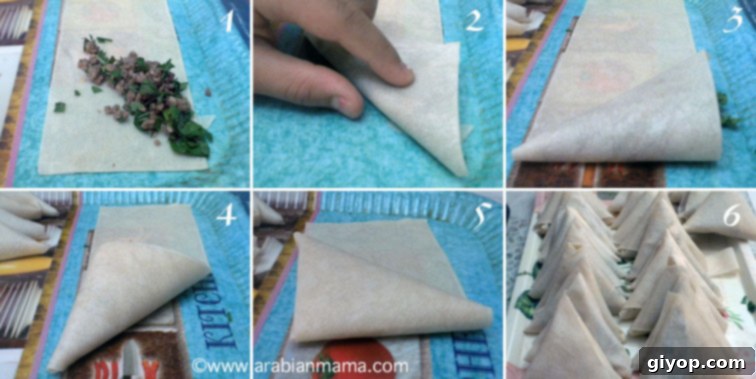
My culinary adventures with samosas often take me back to Egypt, especially during Ramadan, where the long strips of samosa dough are widely available. This traditional method involves taking one long sheet of dough, placing about a tablespoon of your chosen meat mixture at one end, and then meticulously folding it into a perfect triangle. You fold it over and over, creating crisp layers that encase the filling beautifully. It’s a technique that takes a bit of practice but results in a truly authentic texture. While the tortilla method is a brilliant shortcut, mastering the traditional wrap is a rewarding experience for any home cook looking to connect with the roots of this incredible dish.
Delightful Related Recipes to Try
If you’ve enjoyed making these samosas, you’ll love exploring other savory pastries and delectable dishes from the Middle East and beyond. Here are some of our favorites:
- Spinach Fatayer: Savory pastries from Lebanese cuisine, featuring fluffy dough and a delicious tart spinach filling—perfect as a satisfying snack.
- Our favorite Easy Ground Beef Empanadas: Flavorful ground beef mixture encased in a tender pastry, offering a wonderful taste of Latin American comfort food.
- Sfiha: An authentic Middle Eastern meat pie, typically made with an easy, delicious dough and a spiced ground meat topping.
- Manakeesh with Za’atar or Cheese: Sometimes called the “Arab pizza,” these flatbreads topped with aromatic za’atar or melting cheese are a beloved breakfast or snack.
- Egyptian Meat Pie (Goulash): A rich, buttery phyllo pie filled with a savory meat mixture, making it a stunning side dish for parties and holidays.
- This Moist Meatloaf with Bread Crumbs: A tender, old-fashioned meatloaf featuring a sticky-sweet and utterly delicious glaze—so good you might want to eat the whole thing!
- Little Smokies Pigs in a Blanket: The perfect beefy, meaty, and buttery flaky combination for a quick snack or party appetizer, easily customized with different toppings.
If you enjoyed this recipe, please consider leaving a ⭐⭐⭐⭐⭐ star rating and sharing a photo of your finished dish. I always love seeing your culinary creations and unique interpretations of my recipes. Thank you for being a part of Amira’s Pantry!
What’s new? Check out Amira’s Pantry Store on Amazon where you’ll find all kinds of nostalgic goodness! Thanks so much for being a part of Amira’s Pantry!

Sambusa (Easy Samosa Recipe)
Sambusa or Samosas are triangular shaped pastries filled with a spicy vegetable or meat mixture. Very popular throughout the Middle East, India, and many other countries. Here is an easy samosa recipe that takes just 15 minutes of prep time to get you started!
Print Recipe
Pin Recipe
Course: Appetizer | Cuisine: Indian, Mediterranean, Middle East | Diet: Halal
Prep Time: 15 minutes | Cook Time: 30 minutes | Total Time: 45 minutes
Servings: 24 pieces | Calories: 182kcal | Author: Amira
Ingredients
For the Samosa Wrappers:
- 12 uncooked tortillas (approx. 6-inch diameter)
Ground Beef Filling:
- 1 Tablespoon oil
- ½ pound (250g) ground beef
- 1 small onion, finely chopped
- Salt and pepper to taste
- 1 Tablespoon tomato paste
- 3 Tablespoons fresh parsley, chopped
Chicken Filling:
- ½ pound (250g) chicken breast, cut into small cubes
- 2 Tablespoons oil
- 1 garlic clove, minced
- Salt and pepper to taste
- ½ medium green bell pepper, cubed
- ⅓ cup black olives, sliced
Cheese Mix Filling:
- ¼ pound (125g) feta cheese, crumbled
- ¼ pound (125g) mozzarella cheese, shredded
- 2 Tablespoons (30g) Parmesan cheese, grated
- 1 Tablespoon Za’atar or dry mint
For the Sealant & Frying:
- 2 Tablespoons all-purpose flour
- 2 ½ Tablespoons water
- Oil for frying (about 1-2 inches deep)
Instructions
Prepare the ground beef filling:
- In a skillet, heat 1 tablespoon of oil over medium heat. Sauté the onion until fragrant and translucent. Add the ground beef and cook, breaking it up with a spoon, until it is well browned. Drain any excess fat.
- Stir in the tomato paste, salt, pepper, and chopped parsley. Mix everything well to combine all the flavors.
- Set the ground beef filling aside to cool completely before use.
Prepare the chicken filling:
- In a skillet, add 2 tablespoons of oil and sauté the minced garlic for about 30 seconds. Add the cubed chicken breast and cook until it is almost done and opaque.
- Season with salt and pepper. Add the cubed green bell pepper and cook for a couple of minutes until slightly softened. Turn off the heat and mix in the black olives.
- Set the chicken filling aside to cool.
Prepare cheese filling:
- In a large bowl, combine the crumbled feta cheese, shredded mozzarella, grated Parmesan cheese, and Za’atar or dry mint. Mix all ingredients thoroughly until well combined.
Make the sealant mixture:
- In a small bowl, combine 2 tablespoons of flour and 2 ½ tablespoons of water. Whisk until a smooth, thick paste forms. This paste will be used to seal the samosas.
To wrap the samosas:
- Cut each uncooked tortilla in half, creating two semi-circles. Place one tortilla half on your work surface.
- With your finger, brush a thin layer of the flour sealant paste along the entire straight edge of the tortilla half.
- Fold the tortilla half into a cone shape, pressing tightly on the edges coated with the sealant to secure it. This creates a pocket for the filling.
- Take about 2 tablespoons of your chosen filling and stuff it into the cone. Do not overfill.
- Now, brush the remaining open, rounded edge of the cone with more flour paste and press firmly to seal the opening completely, forming a secure triangular samosa. Set it aside and repeat with the remaining tortillas and fillings.
Frying:
- Heat about 1-2 inches of cooking oil in a deep frying pan or pot over medium-high heat. Test the oil’s temperature by dipping a small piece of tortilla or a wooden stick into it; if bubbles form around it, the oil is ready.
- Carefully place the assembled samosas into the hot oil, frying a few at a time to avoid overcrowding the pan.
- Fry on both sides until they turn a beautiful golden brown color and are crispy, usually 2-3 minutes per side.
- Using a slotted spoon, remove the fried samosas and transfer them to a plate lined with paper towels to absorb any excess oil.
- Samosas are best served hot and fresh for maximum crunch and flavor.
Notes
- You can freeze uncooked samosas at the “To wrap the samosas” stage. Once folded, place them on a parchment-lined baking sheet and freeze until solid. Then transfer to a freezer bag. When ready to use, fry them directly from frozen; no thawing is needed.
- For more tips on testing oil temperature, you can refer to the method shown in our Kibbeh recipe.
- Leftover fried samosas keep well for up to 4 days in the refrigerator. Reheat them in the oven or air fryer for crispness; microwaving is not recommended as it makes them soggy.
- The nutrition information below is calculated for the ground beef filled samosas. Please note that values will vary for chicken or cheese fillings.
- For more tips and variations, please refer to the detailed sections above in the post.
Nutrition for Ground Beef Samosas:
- Calories: 182 kcal
- Total Carbohydrate: 13.3 g
- Protein: 7.1 g
- Fat: 10.9 g
- Cholesterol: 26.6 mg
- Sodium: 307.7 mg
- Potassium: 135.9 mg
- Fiber: 1 g
- Sugar: 1.7 g
- Vitamin A: 3.2 IU
- Vitamin C: 6.2 mg
- Calcium: 0.9 mg
- Iron: 6.2 mg
Nutrition for Chicken Samosas:
- Calories: 151.4 kcal
- Total Fat: 8.1 g
- Cholesterol: 16.3 mg
- Sodium: 400.6 mg
- Potassium: 15.5 mg
- Total Carbohydrate: 12.1 g
- Dietary Fiber: 0.6 g
- Sugars: 0.8 g
- Protein: 7.4 g
Nutrition for Cheese Samosas:
- Calories: 170.2 kcal
- Total Fat: 9.5 g
- Cholesterol: 26.9 mg
- Sodium: 412.3 mg
- Potassium: 13.7 mg
- Total Carbohydrate: 11.9 g
- Dietary Fiber: 0.5 g
- Sugars: 1.2 g
- Protein: 7.8 g
Please check the nutrition disclaimer policy for more information.

Tried this Recipe? Pin it for Later!
Mention @AmirasPantry or tag #AmirasPantry!
First published July 1, 2013. Last updated March 16, 2023, with important tips, clear step-by-step instructions, and improved readability.