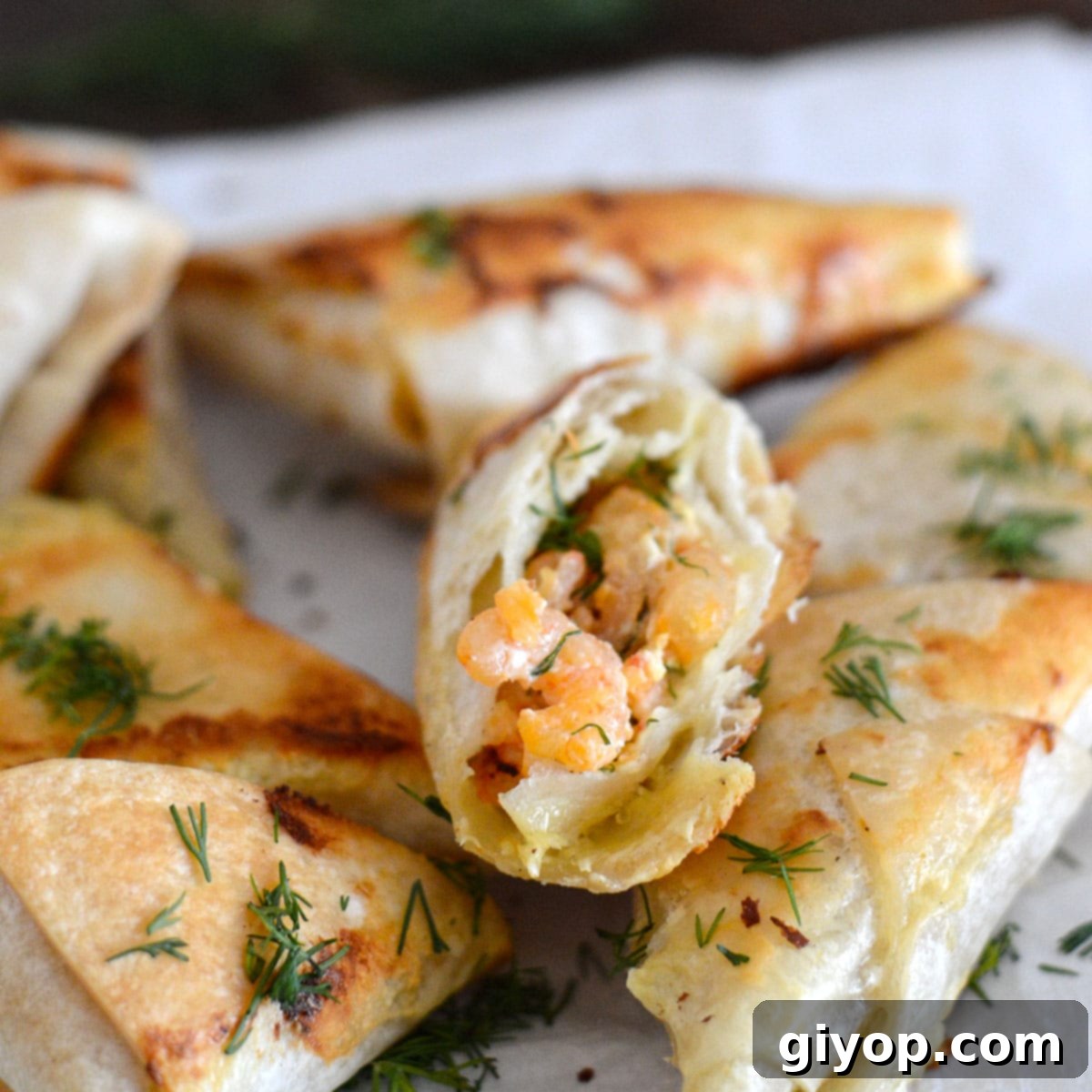
Welcome to a culinary journey that transforms a beloved classic into a healthier, equally delicious delight! If you’ve ever craved the crispy, flavorful goodness of samosas but wished for a less indulgent version, you’re in for a treat. This recipe introduces you to the world of **Baked Samosas**, a fantastic alternative to their deep-fried counterparts, offering all the crunch without the excess oil. Our star filling for today? A creamy, aromatic blend of succulent shrimp and fresh dill, creating a unique flavor profile that’s perfect whether served piping hot or delightfully chilled.
While traditional samosas often feature spiced potato, minced meat, or lentil fillings, this recipe dares to be different, embracing the vibrant flavors of the sea. It’s an innovative twist that proves just how versatile these triangular pockets of joy can be. And the best part? We’re using a genius shortcut that simplifies the entire process, making homemade samosas more accessible than ever before. Get ready to impress your guests, or simply treat yourself, to these irresistible appetizers that are guaranteed to become a new favorite.
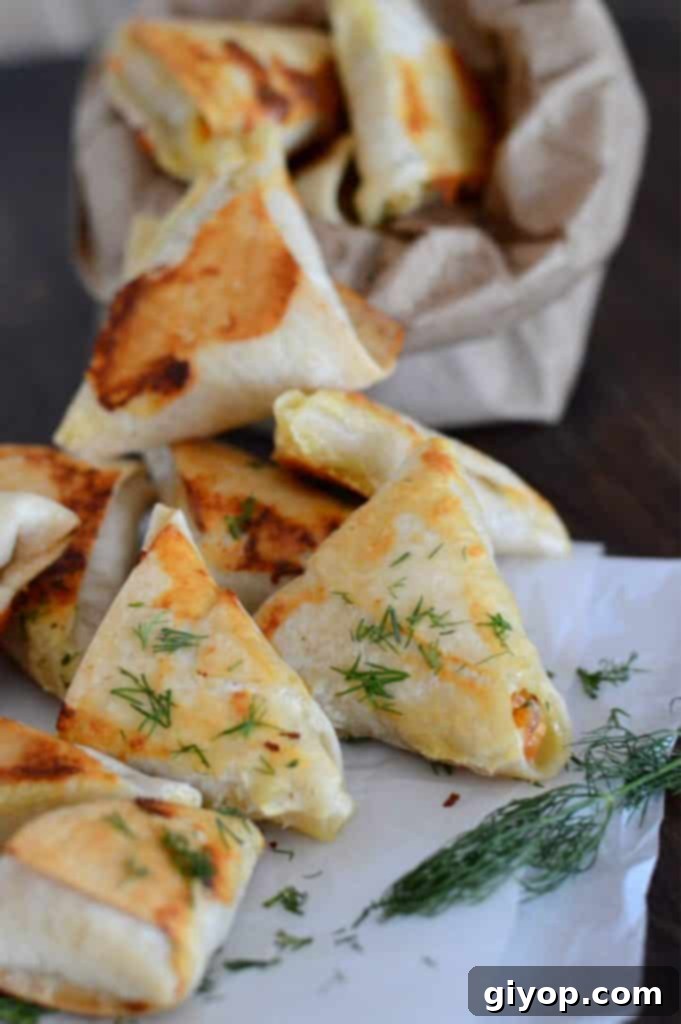
The Allure of Baked Samosas: A Healthier Twist
Samosas hold a special place in many cuisines, from South Asia to the Middle East and beyond. Traditionally, these savory pastries are deep-fried to achieve their characteristic golden-brown crispness. While undeniably delicious, deep-frying adds a significant amount of oil, making them a treat often reserved for special occasions. However, modern culinary trends, driven by a desire for healthier eating without sacrificing flavor, have embraced baking as a fantastic alternative. Baked samosas offer several compelling advantages that make them a preferred choice for many.
Firstly, baking drastically reduces the fat content, making these appetizers a lighter option you can enjoy more frequently. This is particularly appealing for those mindful of their dietary intake, allowing for guilt-free indulgence. Secondly, the baking process is far less messy than deep-frying. Say goodbye to splattering oil, lingering odors, and the hassle of oil disposal. Baking simply requires arranging your samosas on a tray and letting the oven do its magic, leaving you with less cleanup and more time to savor your culinary creations.
Moreover, baking allows the delicate flavors of the filling to shine through without being overshadowed by the richness of frying oil. In this recipe, our creamy shrimp and dill filling, with its fresh, herbaceous notes, truly flourishes in the gentle heat of the oven, resulting in a balanced and sophisticated taste experience. The result is a samosa that is perfectly crispy on the outside, with a warm, tender, and incredibly flavorful interior, proving that healthy can indeed be hearty and satisfying.
A Personal Samosa Journey: From Tradition to Innovation
For me, samosas are more than just a snack; they are a taste of home, a connection to cherished memories and family gatherings. Growing up in Egypt, samosas were a staple appetizer, especially during the holy month of Ramadan, gracing my mother’s Iftar table with their comforting presence. Moving to the USA brought many new experiences, but also a yearning for those authentic flavors that I couldn’t quite find or recreate. I scoured the internet, tried numerous recipes, but each attempt resulted in pastries that, while tasty, felt more like fatayer than the beloved samosas of my past.
The search continued, marked by a palpable longing, especially during festive seasons. Then, about three months ago, a friend brought an astounding discovery to a gathering. These samosas were perfect – they looked, felt, and tasted exactly like the ones I remembered from Egypt! My eyes lit up with a mixture of delight, wonder, and an insatiable curiosity. I had to know her secret. After much friendly persistence, she finally revealed her ingenious trick: uncooked tortillas as wrappers! This seemingly simple revelation was a game-changer, a moment of pure culinary enlightenment.
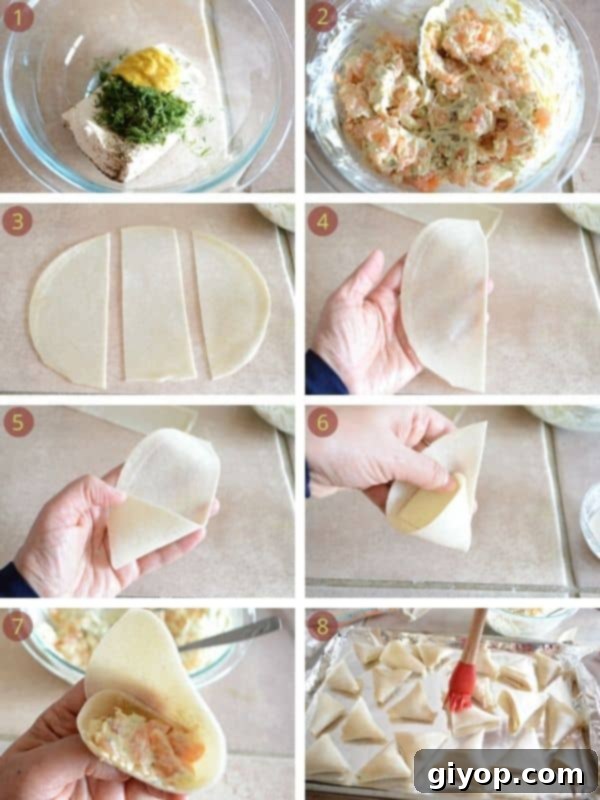
The idea of using uncooked tortillas for samosas was entirely novel to me, yet it made perfect sense. These tortillas bear a striking resemblance to the samosa wrappers sold in Egypt, and it felt as if the answer had been right under my nose the whole time! While figuring out how to cut and fold round tortillas into the classic triangular samosa shape took a couple of trials and errors, it quickly became manageable with a bit of practice. The solution for sealing them was equally straightforward: a simple paste made from flour and water, which worked like magic to keep the delicious filling securely inside.
The idea of baked samosas was also relatively new to me until last year, during a visit to Egypt. I watched my mom, a lifelong enthusiast of fried samosas, embrace the baked version. She declared them still utterly delicious and decided to incorporate them more frequently into her Ramadan meals, reserving the fried ones for just a few special occasions. Her endorsement solidified my appreciation for baked samosas, especially with this inventive filling.
Traditionally, samosas in my experience were often filled with ground beef, or occasionally cheese or chicken. This time, however, I ventured into uncharted territory with a delectable filling of dill, cream cheese, and shrimp. The combination was heavenly. Even a few that weren’t perfectly sealed and had a bit of filling peek out were still incredibly flavorful. I’ve tested this recipe on numerous occasions, and it has consistently received rave reviews from everyone who tried it. I am confident that you too will enjoy making and savoring these easy, healthy, and incredibly tasty baked shrimp and dill samosas.
Crafting the Perfect Samosa: Tips for Success
The secret weapon in this recipe is the uncooked tortilla. Unlike pre-cooked tortillas, which can be stiff and prone to cracking when folded, uncooked tortillas are pliable and mimic the texture of traditional samosa wrappers beautifully. This makes them ideal for shaping into the characteristic triangular pockets without much effort. When selecting your tortillas, opt for fresh, soft ones to ensure maximum flexibility.
**Filling Variations:** While our creamy shrimp and dill filling is truly exceptional, the beauty of samosas lies in their adaptability. Don’t hesitate to experiment with other fillings! For a more traditional touch, consider seasoned ground beef or lamb, a spiced potato and pea mixture, or a simple cheese and herb blend. The possibilities are endless, allowing you to customize these appetizers to suit any palate or occasion.
**The Gluing Mixture:** A simple paste of flour and water is your best friend for sealing these samosas. The consistency should be thick enough to act as an adhesive but not so thick that it becomes clumpy. A good rule of thumb is to aim for a paint-like consistency. This paste ensures that your samosas remain intact during baking, preventing any delicious filling from escaping.
**Folding and Filling:** The key to a well-formed samosa is a gentle but firm hand during folding. Don’t overfill the cones; leave enough space to properly seal the edges. Overfilling can lead to bursting during baking, which, while still tasty, might not look as appealing. Practice makes perfect, and after a few tries, you’ll be a samosa-folding pro!
Ingredients for Our Creamy Shrimp and Dill Samosas
Creating this exquisite filling requires just a few simple ingredients that come together to form a rich and flavorful mixture. The combination of creamy cheese, zesty mustard, and fresh dill perfectly complements the delicate sweetness of the shrimp, making each bite an unforgettable experience.
For the creamy shrimp and dill filling, you will need:
- 1 cup cream cheese, softened
- 4 Tablespoons fresh dill, finely chopped
- 2 Tablespoons yellow mustard
- Salt and freshly ground black pepper, to taste
- 1 lb small cooked shrimp, peeled and finely chopped (if not already small enough)
For the samosa wrappers and sealing:
- Approximately 15 uncooked tortillas
- **For the Gluing Mixture:** 2 Tablespoons all-purpose flour and just enough water to form a smooth paste
Step-by-Step Guide: How to Make Baked Shrimp Samosas
Follow these easy steps to create your own batch of irresistible baked shrimp and dill samosas. This detailed guide ensures a smooth process from start to finish, leading to perfectly crispy and flavorful results every time.
- **Prepare the Filling:** In a medium-sized bowl, combine the softened cream cheese, chopped fresh dill, yellow mustard, and a generous pinch of salt and pepper. Mix these ingredients thoroughly until well combined and creamy. If the mixture seems too stiff, you can add a tablespoon of water or milk to achieve a smoother consistency.
- **Add the Shrimp:** Gently fold in the chopped cooked shrimp into the cream cheese mixture. Ensure the shrimp is evenly distributed throughout the filling.
- **Prepare the Tortillas:** Take one uncooked tortilla and cut it into three equal strips. A pizza cutter or a sharp knife works best for this.
- **Form the Cone:** Take one strip of tortilla. Fold one corner inwards to create a small triangular pocket or cone shape. Press the edges firmly to start forming the cone.
- **Seal the Cone:** Prepare your gluing mixture by mixing 2 tablespoons of flour with a small amount of water until it forms a smooth, thick paste. Use a small amount of this paste to seal the initial fold of your tortilla strip, ensuring the cone holds its shape.
- **Fill the Samosa:** Carefully spoon the shrimp and dill filling into the cone. Be mindful not to overfill, leaving a small margin at the open end to allow for proper sealing.
- **Fold and Seal:** Fold the remaining part of the tortilla strip over the filled cone to create a triangular samosa. Seal all open edges firmly with more of the flour and water paste. Ensure all seams are completely closed to prevent filling leakage during baking.
- **Arrange for Baking:** Lightly oil a baking sheet or line it with parchment paper. Place the prepared samosas seam-side down on the baking sheet. This helps to further secure the seal during baking.
- **Brush and Bake:** Lightly brush the tops of the samosas with a little more oil (olive oil or vegetable oil works well). This will help them achieve that beautiful golden-brown crispness. Preheat your oven to 400°F (200°C).
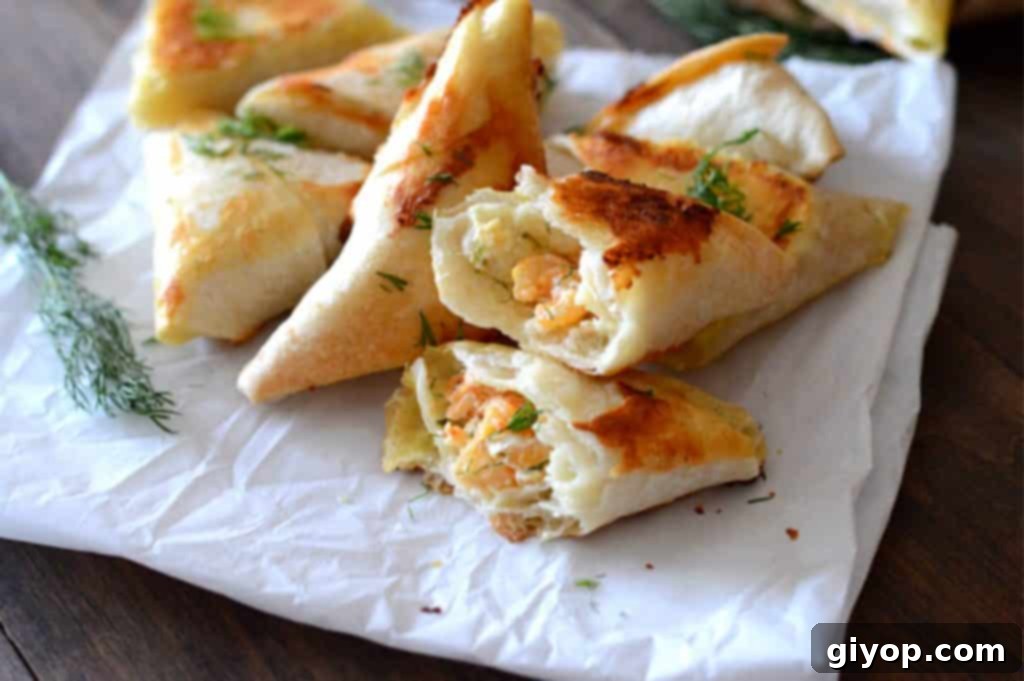
- **Bake to Perfection:** Bake the samosas in the preheated oven for approximately 15 minutes, or until they turn golden and wonderfully crispy. For even browning, remember to flip them halfway through the baking time.
- **Serve:** Once baked, remove the samosas from the oven and let them cool for a few minutes before serving. They are delightful both hot and cold.
Why You’ll Love This Baked Samosa Recipe
This baked shrimp and dill samosa recipe is more than just a meal; it’s an experience. It brings together the comfort of a classic appetizer with a fresh, contemporary twist, all while prioritizing health and convenience. You’ll love the vibrant flavors of the creamy shrimp and dill filling, a departure from traditional meat or potato options, offering a delightful surprise with every bite. The ingenious use of uncooked tortillas simplifies the preparation, making homemade samosas achievable even for novice cooks.
Beyond the taste, the baking method offers a guilt-free indulgence, significantly reducing the oil content without compromising on the desired crispy texture. This means you can enjoy these savory treats more often, whether as an appetizer for a dinner party, a delightful snack, or a unique contribution to a potluck. The ease of preparation, combined with the mess-free cleanup, makes this recipe a true kitchen hero. We encourage you to try this recipe, share it with loved ones, and savor the joy of creating something truly special in your own home. It’s a versatile dish that celebrates flavor, innovation, and the comfort of homemade goodness.
Frequently Asked Questions About Baked Samosas
Here are some common questions you might have about making and serving these delightful baked samosas:
Can I use different fillings for these baked samosas?
Absolutely! The beauty of this recipe lies in its adaptability. While the shrimp and dill filling is fantastic, you can easily substitute it with other ingredients. Popular options include seasoned ground beef or lamb, a spiced potato and pea mixture, chicken tikka, or even various cheese blends with herbs. Just ensure your filling isn’t too wet, as excess moisture can make the tortillas soggy. Cook any raw meat or vegetables thoroughly before mixing them into your filling.
Can these samosas be deep-fried instead of baked?
While this recipe is specifically designed for baking to offer a healthier alternative, you could technically deep-fry them. However, the uncooked tortillas might behave differently than traditional samosa wrappers when deep-fried. If you choose to fry, use a neutral oil heated to about 350-375°F (175-190°C) and fry until golden brown and crispy, about 2-3 minutes per side. Be cautious, as the tortillas might absorb more oil than typical wrappers.
How do I store leftover baked samosas?
Leftover baked samosas can be stored in an airtight container in the refrigerator for up to 3-4 days. To reheat them, place them on a baking sheet in a preheated oven at 350°F (175°C) for about 5-10 minutes, or until heated through and re-crisped. Avoid reheating in a microwave, as it can make them soft rather than crispy.
Can I prepare these samosas ahead of time?
Yes, you can prepare the samosas up to the baking stage and store them. Arrange the unbaked samosas in a single layer on a baking sheet and freeze them until solid. Once frozen, transfer them to a freezer-safe bag or container and store for up to 1 month. When ready to bake, you can bake them directly from frozen, adding an extra 5-10 minutes to the baking time, or until golden and crispy.
What can I serve with baked samosas?
Baked samosas are incredibly versatile. They make an excellent appetizer on their own, but they also pair wonderfully with various dipping sauces. A tangy tamarind chutney, a refreshing mint-cilantro chutney, a simple yogurt dip, or even a sweet chili sauce would complement the flavors beautifully. For a complete meal, serve them alongside a light salad or a bowl of soup.
More Delicious Appetizers to Explore
If you enjoyed these innovative baked samosas, you might love exploring other easy and delicious appetizer recipes from our collection. Expand your culinary repertoire with these fantastic options:
- Easy Beef Empanada Recipe: Discover how to make flaky, golden, and puffy beef empanadas with a juicy, flavorful ground beef mixture, all using convenient store-bought dough for an effortless meal or appetizer.
- This Shrimp Scampi without Wine recipe is a mouthwatering dish that combines succulent shrimp, aromatic garlic, rich butter, and a bright splash of lemon juice. Serve it over a bed of linguine for a classic and irresistible meal that’s both elegant and easy to prepare.
- Next time, try these Phyllo Cups Appetizers for another quick and impressive bite-sized treat!
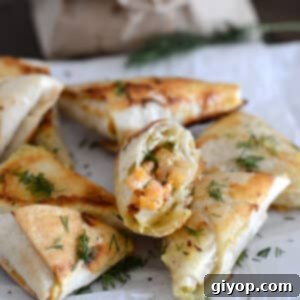
Baked Shrimp and Dill Samosa
Print
Pin
Ingredients
- 1 cup cream cheese.
- 4 Tablespoons dill chopped.
- 2 Tablespoons yellow mustard.
- salt and pepper to taste.
- 1 lb small cooked shrimps peeled.
- About 15 uncooked tortillas.
Gluing mixture
- 2 Tablespoons of flour and just enough water to make a paste.
Instructions
- In a bowl, add the cream cheese, dill, mustard, salt, and pepper.
- Mix well. You may need to add a tablespoon of water or milk to mix easily and achieve a smooth consistency.
- Add the shrimps and combine thoroughly, ensuring they are evenly distributed.
- Cut each tortilla into 3 equal parts (strips). Take one part.
- Fold one edge of the tortilla strip to create a cone shape.
- Seal the initial fold of the cone with some of the flour and water gluing mixture. Then, fill the cone with the shrimp and dill mixture, making sure not to overfill it.
- Fold the remaining part of the tortilla strip over to complete the triangular samosa shape and seal all open edges with more of the flour and water mixture.
- Place the sealed samosas on a well-oiled baking sheet, seam side down. Brush the tops with additional oil for extra crispness.
- Bake in a preheated 400°F (200°C) oven for about 15 minutes, or until they are golden brown and crispy. Be sure to turn them over halfway through the baking process for even browning.
- Allow the baked samosas to cool slightly before serving. Enjoy them hot or cold!