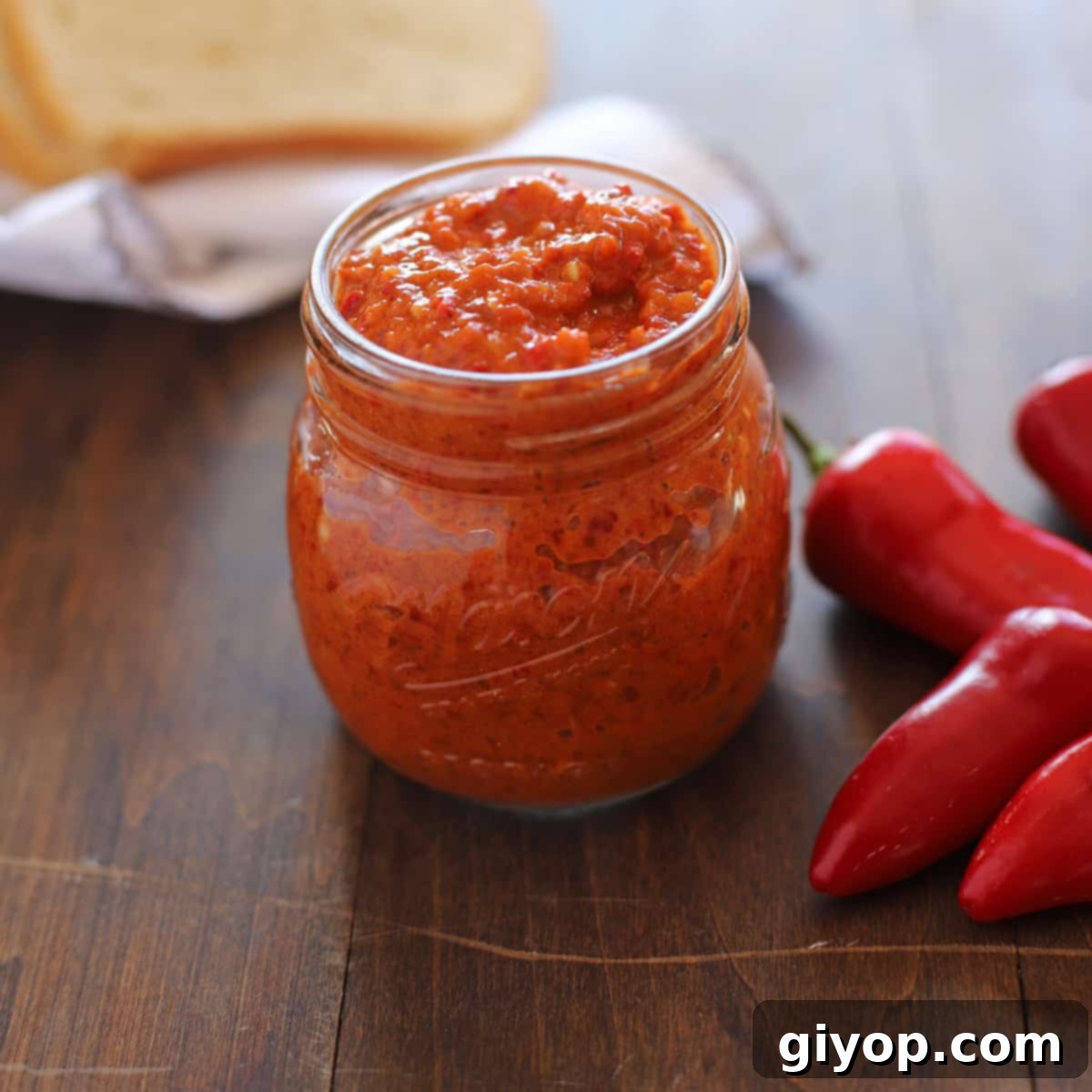
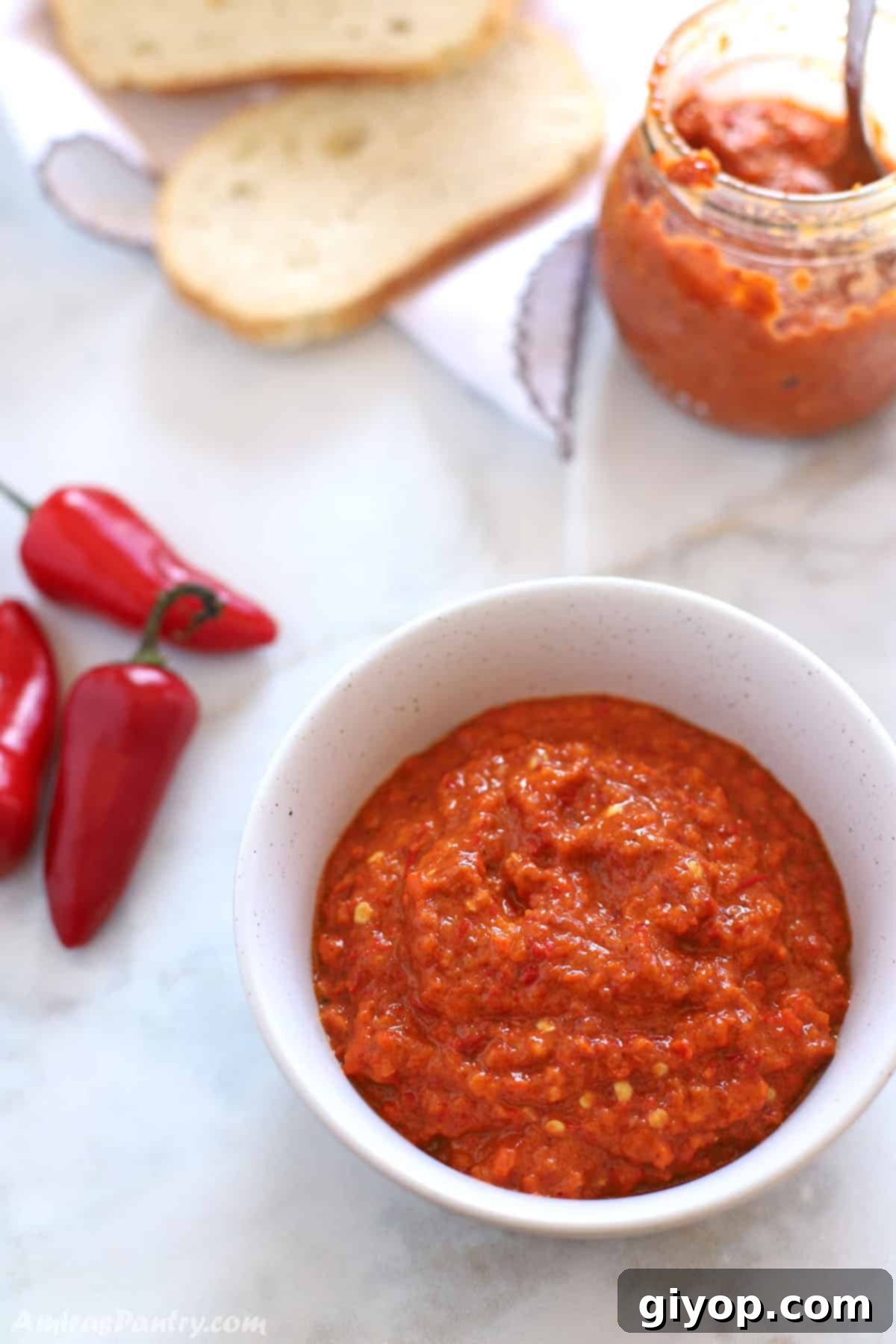
Harissa is a vibrant and versatile North African chili paste or sauce, renowned for its ability to infuse a fiery kick and complex flavor into a myriad of savory dishes. Originating from Tunisia, this culinary staple has transcended borders, becoming a beloved condiment and ingredient in kitchens worldwide. While many store-bought options are available, nothing compares to the freshness, depth of flavor, and customizable heat of homemade Harissa. This guide will walk you through creating an authentic, easy-to-make Harissa recipe using fresh ingredients, ready in under 15 minutes, allowing you to spice up your meals with an unparalleled zest.
Once you master this spicy delight, consider exploring other global flavors like this Szechuan sauce recipe for another exciting culinary adventure.
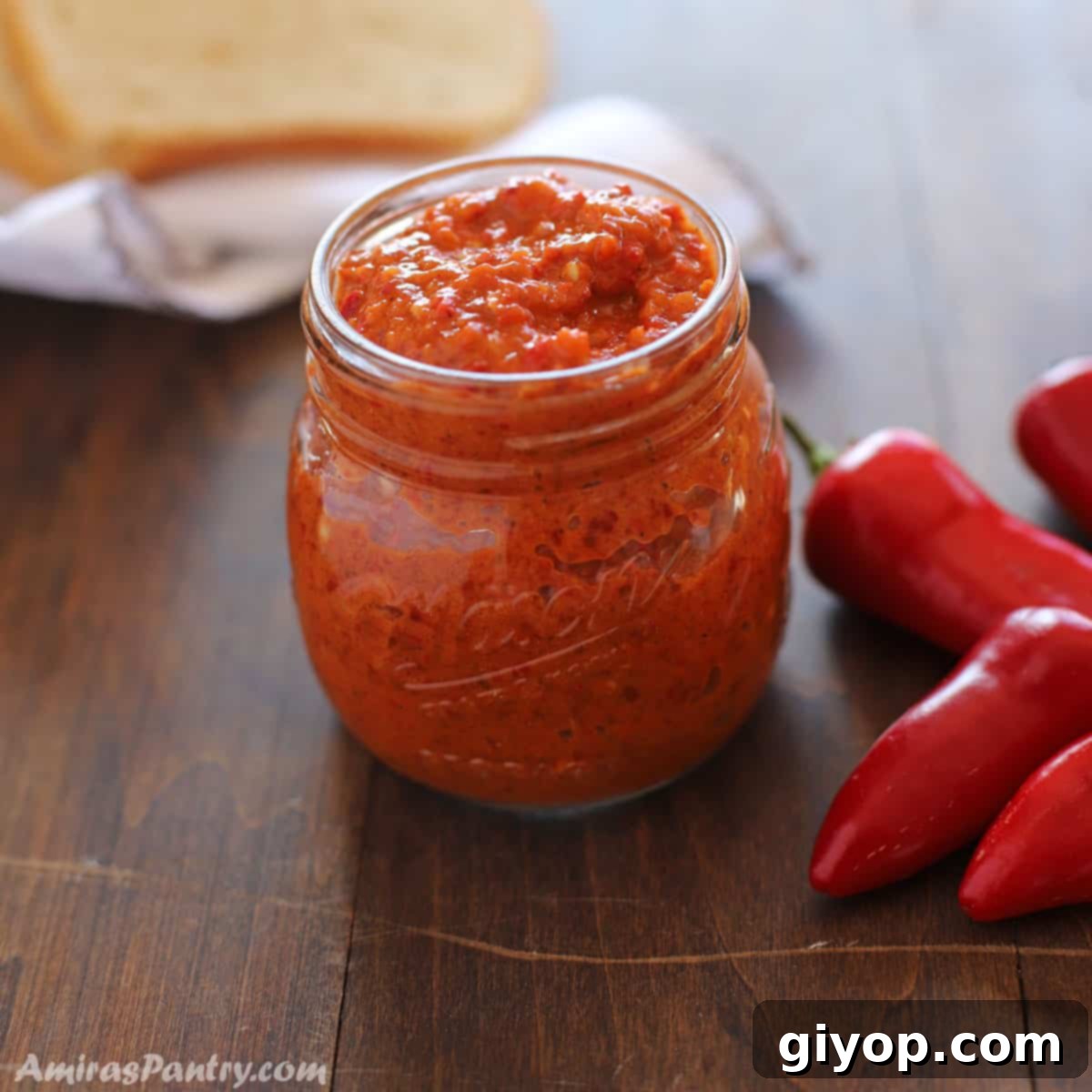
Beyond its reputation as a fiery condiment, Harissa offers remarkable versatility. It’s an exceptional choice for elevating simple meals or transforming everyday ingredients into extraordinary culinary experiences. One of the most popular ways to enjoy Harissa is as a zesty accompaniment to succulent grilled meats, where its smoky undertones and spicy notes perfectly complement the rich flavors. However, its applications extend far beyond a simple dipping sauce. Incorporate it into marinades for chicken or lamb to impart a complex, smoky depth, or spread it generously onto sandwiches and wraps for an instant flavor boost. Its vibrant character makes it an indispensable addition to any pantry, inviting endless culinary creativity.
Why You’ll Love This Homemade Harissa Recipe
Crafting your own Harissa at home provides several distinct advantages over relying on store-bought versions. This particular recipe is designed with flexibility and accessibility in mind, ensuring a delightful experience for every cook, regardless of their location or spice preference.
Firstly, this Harissa recipe aims for a balanced, not intensely overpowering, flavor profile. Many traditional Harissa recipes feature strong spices like caraway, coriander, and even preserved lemons directly within the paste. While delicious, this can sometimes limit its versatility in various dishes. By keeping the base flavor vibrant yet understated, you gain the freedom to customize and enhance it with additional spices or ingredients as you use it – whether you’re whisking it into a marinade, stirring it into a dipping sauce, or blending it into a stew. This approach empowers you to tailor the Harissa to the specific needs of each meal, making it a true kitchen chameleon.
Secondly, ingredient accessibility was a key consideration. Many traditional Harissa recipes call for specific varieties of dried chili peppers that can be challenging to source outside of specialized markets or particular regions. This recipe cleverly bypasses that hurdle by utilizing readily available fresh peppers. Through extensive research into countless Tunisian and Moroccan home cooks’ methods, a clear preference for fresh peppers emerged. Not only are fresh peppers easier to find in most grocery stores globally, but they also contribute a brighter, more vibrant flavor and a wonderfully smooth texture to the final paste. This ensures that anyone, anywhere, can successfully recreate an authentic and delicious Harissa.
Lastly, and perhaps most importantly, this recipe puts you firmly in control of the heat level. We all have different tolerances for spice, and dietary needs within families can vary greatly, from young children to elderly relatives. The recipe provides clear ratios and guidance, allowing you to precisely adjust the proportion of hot peppers to milder bell peppers. This means you can create a Harissa that’s perfectly suited to your family’s palate, ensuring everyone can enjoy the incredible flavors of this North African delight without discomfort. This level of customization is a significant benefit of homemade Harissa, making it a truly inclusive recipe for every household.
Ingredients for Authentic Harissa
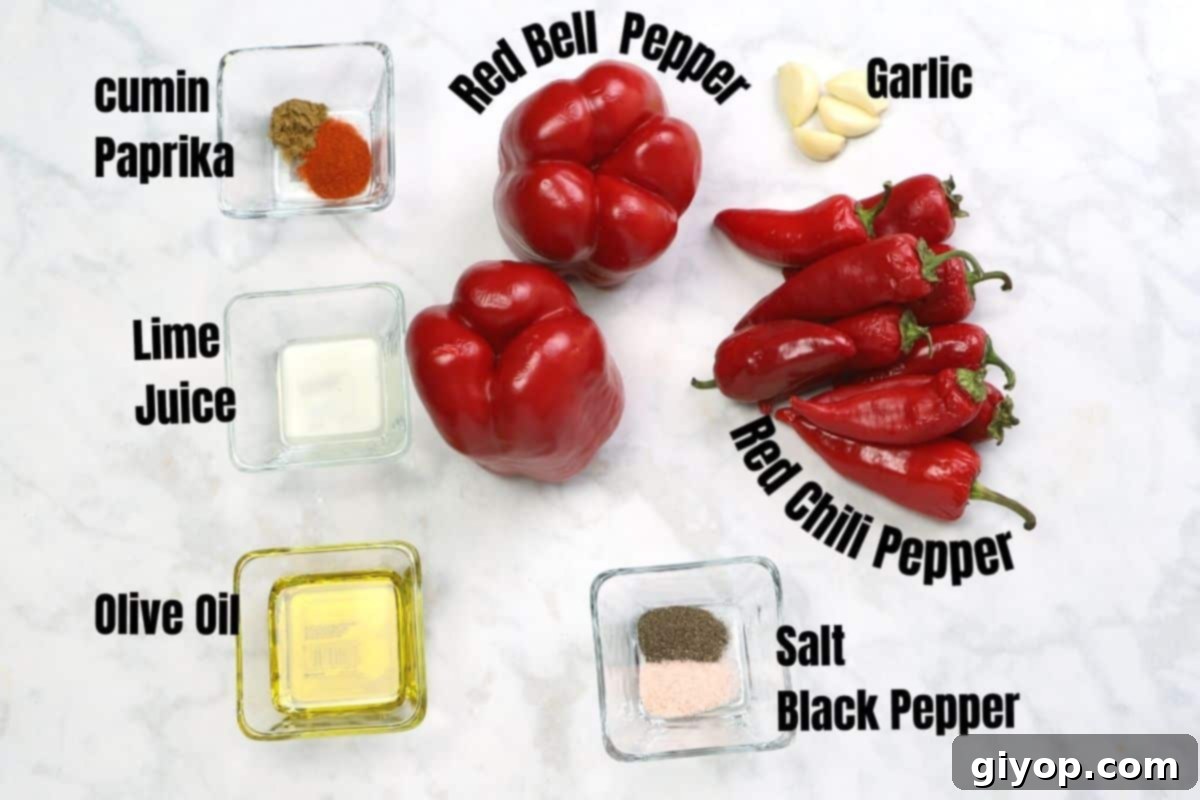
Creating an exceptional Harissa paste starts with selecting the right, fresh ingredients. Each component plays a vital role in building the layered flavors and achieving the perfect texture. Here’s a closer look at the key ingredients you’ll need:
- **Red Bell Peppers:** These form the foundational body of our Harissa. Red bell peppers offer a natural sweetness and mildness that beautifully balances the heat of the chili peppers. They also contribute to the paste’s vibrant red color and smooth consistency once processed.
- **Red Chili Peppers:** The heart of Harissa’s heat and signature flavor comes from these. The type of chili pepper you choose allows for significant customization of the spice level. Fresh Fresno peppers are an excellent choice, offering a moderate heat that’s flavorful without being overwhelming for most. Other options include Jalapeños (for milder heat), Serranos (for a hotter kick), or even a blend of different red chilies to achieve your desired intensity.
- **Garlic Cloves:** Fresh garlic adds a pungent, aromatic depth that is absolutely essential to Harissa. It complements the peppers beautifully, providing a savory foundation that enhances all other flavors.
- **Black Pepper:** A touch of freshly ground black pepper adds a subtle layer of warmth and a slightly sharp counterpoint to the other spices, enhancing the overall complexity.
- **Salt:** Essential for seasoning and bringing out the natural flavors of the vegetables. It also acts as a natural preservative, extending the shelf life of your homemade Harissa.
- **Smoked Paprika:** This spice is a game-changer, infusing the Harissa with a wonderfully smoky aroma and a rich, deep color. It adds a layer of warmth and earthiness that is truly characteristic of North African cuisine.
- **Ground Cumin:** Cumin contributes a distinctive earthy, warm, and slightly citrusy note. It’s a hallmark spice in many Mediterranean and North African dishes and is crucial for an authentic Harissa flavor.
- **Lime Juice:** Freshly squeezed lime juice provides a bright, acidic lift that cuts through the richness of the peppers and oil. It adds a zesty freshness and helps to balance the heat, making the Harissa more dynamic and appealing. Lemon juice can also be used as a substitute.
- **Olive Oil:** High-quality olive oil is fundamental. It serves as a base for blending, emulsifies the paste, contributes to its silky texture, and, most importantly, acts as a natural sealant and preservative when stored. Using good olive oil significantly enhances the overall flavor of your Harissa.
These carefully selected ingredients, particularly the fresh peppers, come together to create a Harissa that is not only packed with flavor but also boasts a delightful texture that’s superior to many commercial varieties. The simplicity of the ingredient list belies the profound depth of flavor achievable when prepared fresh.
Simple Instructions for Making Harissa
While the detailed instructions are provided in the recipe card below, here’s an overview of how effortlessly you can create this flavorful Harissa paste. The key to its quick preparation lies in a clever microwave steaming technique, which significantly reduces cooking time compared to traditional stovetop methods.
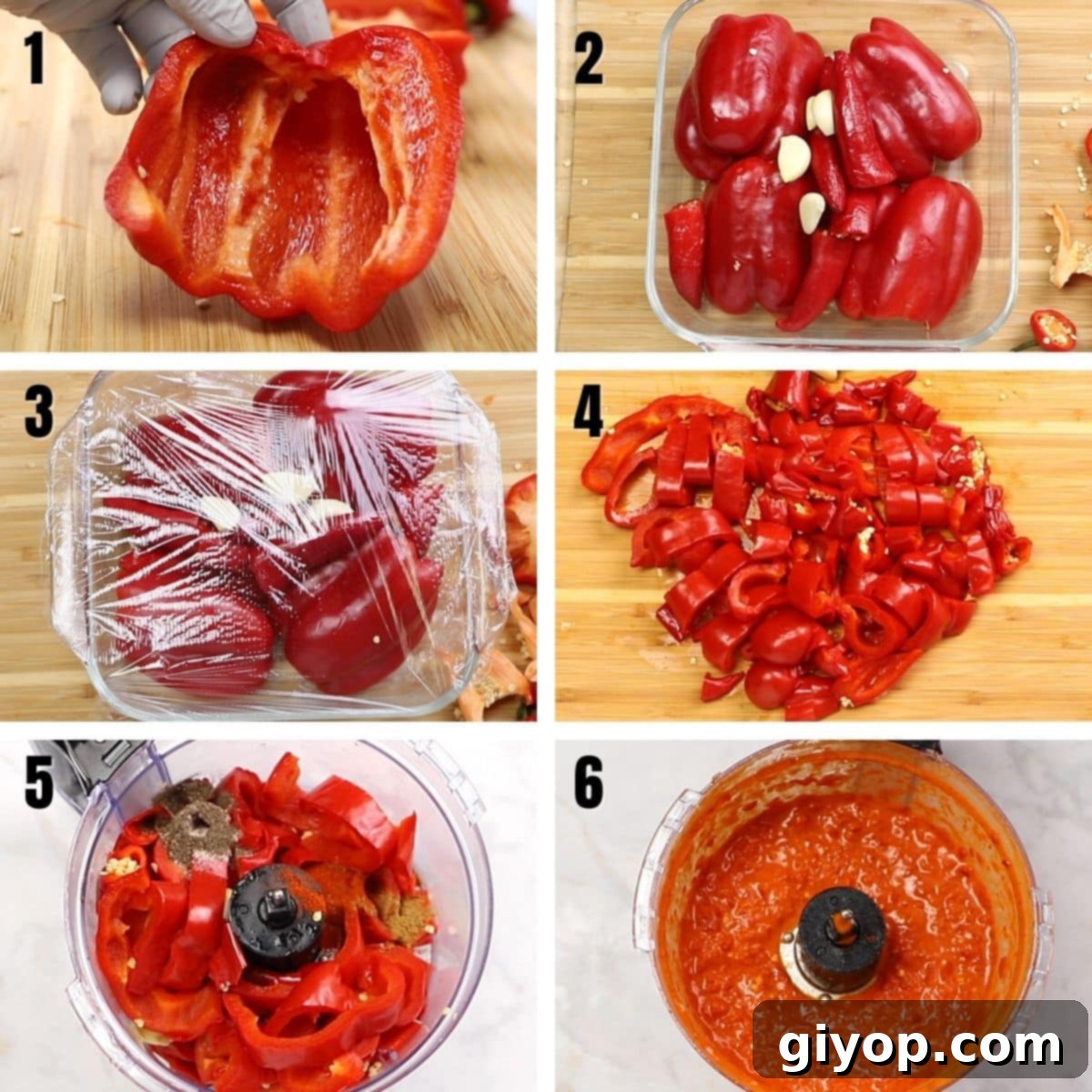
- **Prepare the Peppers:** Begin by thoroughly cleaning all the peppers. For red bell peppers, remove the seeds and the white ribs to ensure a smoother paste and a less bitter taste.
- **Steam the Vegetables:** Place the cleaned peppers and garlic cloves in a microwave-safe bowl. Cover the bowl tightly with plastic wrap, then create a few small holes in the wrap to allow steam to escape. Microwave on high until the peppers are tender and soft, typically for 6-8 minutes. This quick steaming method ensures the peppers are perfectly softened for blending, releasing their natural sweetness and making them easier to process into a smooth paste. Alternatively, you can steam them in a traditional steamer for 15-20 minutes, ensuring no extra water is added.
- **Cool and Dice:** Once steamed, allow the peppers and garlic to stand for a minute or two, then carefully drain any excess liquid. Dice the peppers into smaller chunks; this facilitates easier processing in the food processor.
- **Blend to Perfection:** Transfer the diced peppers, garlic, all the specified spices (black pepper, salt, smoked paprika, ground cumin), olive oil, and lime juice into a food processor.
- **Achieve Desired Consistency:** Pulse the ingredients until you reach your preferred consistency. Some prefer a coarser, more rustic paste, while others opt for a super smooth sauce. Adjust blending time accordingly.
- **Store:** Pour the freshly made Harissa into clean, airtight jars. To preserve its freshness and extend its shelf life, drizzle a thin layer of olive oil over the top of the Harissa before sealing the jars. This creates a protective barrier against air. Do not stir the olive oil into the paste; it should remain as a top layer.
- **Chill Before Use:** For optimal flavor development, refrigerate your homemade Harissa overnight before using it. This allows the flavors to meld and deepen beautifully.
Expert Tips for Perfect Harissa
- **Customizing Heat Levels:** The beauty of homemade Harissa lies in its adaptability. The ratio of bell pepper to hot pepper is entirely up to your preference. Many authentic Tunisian recipes use a 1:1 ratio, meaning equal parts bell pepper and hot pepper for a robust spice. However, some prefer a milder 1:½ ratio, which is what this recipe employs to offer a more approachable heat that can be easily amplified if desired. A valuable tip from a Tunisian cook suggests that you can even make Harissa entirely with bell peppers if you or your family cannot tolerate any heat, proving just how flexible this condiment can be. Experiment to find your family’s ideal balance.
- **Protect Your Hands:** When handling hot chili peppers, it is highly recommended to wear gloves. The capsaicin, the compound responsible for the heat in chilies, can irritate and even burn your skin, leading to what is commonly known as “jalapeño hands.” This irritation can last for hours, so prevention is key.
- **Adjusting Consistency:** If your Harissa turns out thinner or more watery than you prefer, there are a couple of simple fixes. You can strain a portion of the sauce through a fine-mesh sieve to remove some of the liquid, leaving you with a thicker paste. Alternatively, some chefs suggest gently cooking the Harissa over low heat for about 5 minutes to allow some of the moisture to evaporate, which will naturally thicken the paste.
- **Storage and Longevity:** This recipe yields approximately 2 cups of vibrant Harissa, which can be stored in an airtight container in the refrigerator for about a month. The secret to its extended shelf life is a thin layer of olive oil drizzled on top after each use. This oil acts as a natural seal, preventing air from reaching the Harissa and minimizing spoilage. Remember, do not stir the olive oil into the paste; simply reapply a fresh layer as needed.
- **Evolving Heat Profile:** It’s interesting to note that Harissa’s heat level can evolve over time. You might find that the freshly processed Harissa is quite intense straight out of the food processor. However, as it rests and melds in the refrigerator, the heat tends to mellow slightly. If you find it has subsided too much for your liking, you can always perk it back up with a small pinch of cayenne pepper, stirred in just before serving, to achieve your desired level of spice.
Exciting Variations to Explore
- **Green Harissa:** Don’t limit yourself to red! You can create a vibrant green Harissa by substituting red bell peppers with green bell peppers and using green hot peppers like jalapeños or serranos. This variation offers a different flavor profile, often fresher and sometimes with a brighter, more herbaceous note, perfect for specific dishes where a red color might not be desired.
- **Citrus and Acidity Boost:** Many Moroccan cooks incorporate preserved lemons (without the skin) into their Harissa, adding a unique salty, tangy, and deeply aromatic complexity. If preserved lemons aren’t available, a splash of vinegar (such as white wine vinegar or apple cider vinegar) can provide a similar bright tang and aid in preservation.
- **Aromatic Spice Enhancements:** While our base recipe is versatile, you can certainly customize it with additional warm spices to match your culinary mood. Popular additions include toasted and ground coriander seeds, caraway seeds (a classic Tunisian addition for a subtle anise-like flavor), fresh cilantro for a burst of herbaceousness, or even fresh or dried mint for an unexpected cooling undertone. Start with small amounts and adjust to taste to avoid overpowering the chili flavor.
Frequently Asked Questions About Harissa
Harissa is a flavorful and spicy chili sauce or paste that originated in Tunisia, North Africa. While most commonly found in a vibrant red hue, it can also be prepared green. It’s much more than just a hot sauce; Harissa typically blends fresh or dried chilies with garlic, olive oil, and a selection of aromatic spices like caraway, coriander, and cumin. It has gained immense popularity globally, becoming a beloved condiment and cooking ingredient, especially in Middle Eastern and North African cuisines.
While readily available in jars or tins at most grocery stores (particularly ethnic markets), homemade Harissa offers a superior experience. It’s incredibly fresh, bursting with more vibrant flavors, and allows for complete control over the heat level and spice blend. This absence of preservatives means a purer, cleaner taste, free from any “off” notes. Crafting your own Harissa at home is surprisingly simple, allowing you to tailor it perfectly to your palate.
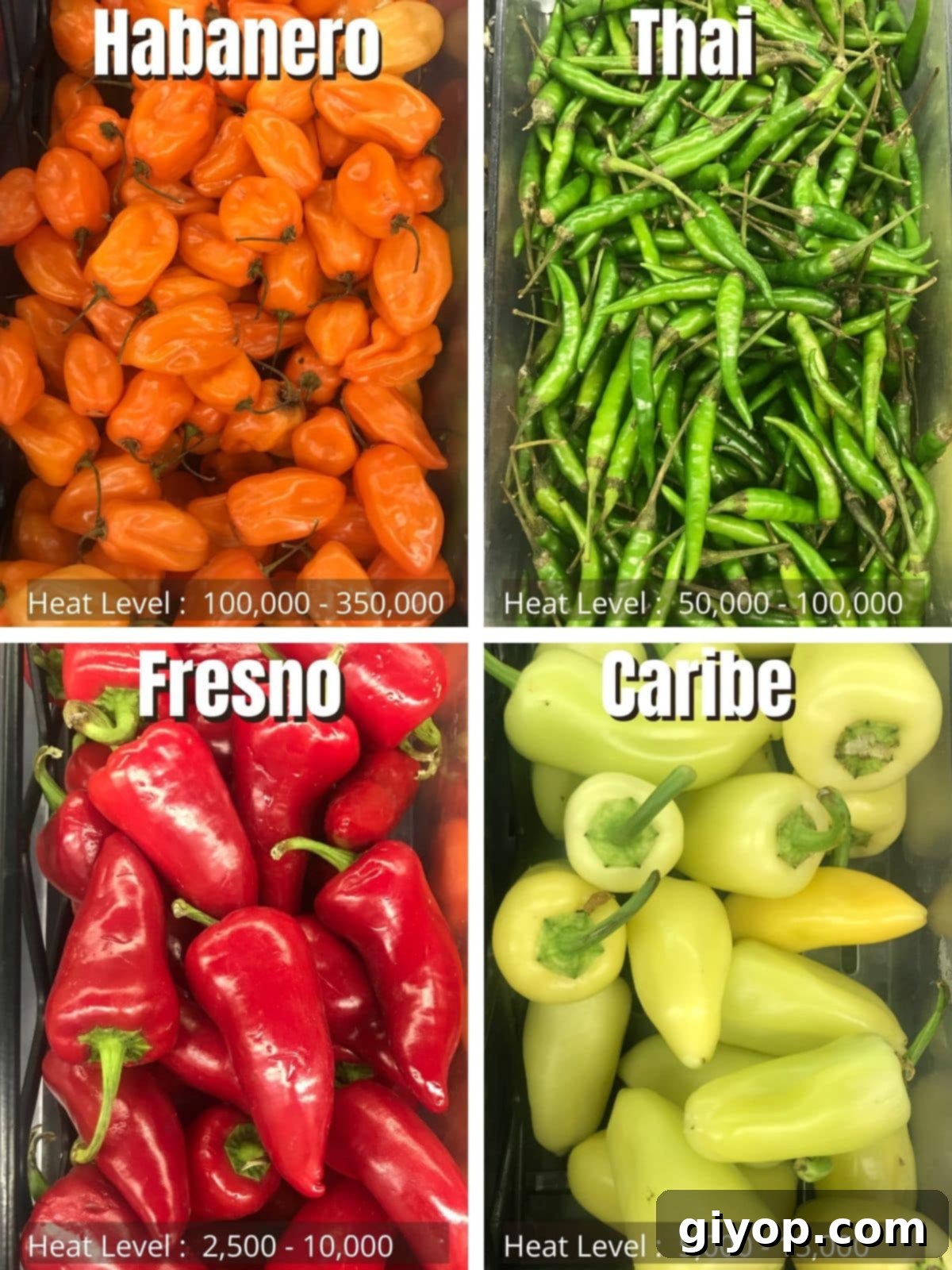
The choice of chili peppers is crucial for defining the heat and flavor of your Harissa. You can use any red (or green, for green Harissa) hot pepper you prefer, but it’s important to understand its heat level. The Scoville Heat Unit (SHU) scale measures the pungency of chili peppers. For instance, bell peppers register at 0 SHU, jalapeños range from 3,500 to 8,000 SHU, while habaneros can be a scorching 100,000–350,000 SHU.
For a classic, approachable heat akin to the traditional Tunisian baklouti pepper, peppers in the jalapeño range are ideal. Fresh Fresno peppers (2,500 – 10,000 SHU) are an excellent choice for this recipe, offering a pleasant warmth without overwhelming the other flavors. Consider your personal preference and the desired intensity. For a milder Harissa, opt for chilies with a lower Scoville rating or increase the proportion of bell peppers. For those who crave intense heat, hotter varieties like serranos or even a small amount of habanero can be introduced, but always with caution. This guide to peppers can help you choose the perfect chili for your Harissa.
When stored properly in an airtight container in the refrigerator, homemade Harissa can last for about 3-4 weeks. The key to maximizing its shelf life is to always top it with a thin layer of olive oil after each use. This creates an anaerobic seal, protecting the paste from oxidation and spoilage. For longer storage, Harissa can be frozen in small portions (e.g., in ice cube trays) for up to 3-4 months. Thaw in the refrigerator before use.
Yes, homemade Harissa can be a very healthy addition to your diet. It’s packed with fresh vegetables like bell peppers and chili peppers, which are excellent sources of vitamins (especially Vitamin C and A) and antioxidants. Garlic also contributes numerous health benefits. The use of healthy fats from olive oil further enhances its nutritional profile. As it’s homemade, you control the amount of salt and oil, avoiding excessive amounts often found in commercial products. It’s naturally vegan, vegetarian, and gluten-free, making it suitable for a wide range of dietary preferences.
Versatile Ways to Enjoy Harissa
- Harissa, much like Szechuan sauce, excels as a robust marinade for lamb, chicken, or any meat, imparting incredible depth and a delightful spice. However, its utility extends far beyond just marinades.
- **As a Condiment:** A dollop of Harissa can instantly transform your morning eggs, adding a smoky, spicy kick. Swirl it into your hummus for a beautiful vibrant color and an exciting new dimension of flavor. It also pairs wonderfully with tahini-based sauces and baba ganoush, giving them an unexpected zing.
- **In Cooked Dishes:** Elevate your main courses by incorporating Harissa directly into your cooking. Use it to create flavorful spicy Harissa chicken kabobs, or mix it into a stew for a burst of North African warmth. It can even add intriguing spicy notes to unexpected dishes like deviled eggs with relish.
- **Simple Spreads and Sides:** Spread Harissa on sandwiches, wraps, or flatbreads for an instant flavor upgrade. Stir it into Greek yogurt for a cooling yet spicy dip, perfect with couscous or roasted vegetables. It’s an amazing addition to roasted vegetables, transforming a simple side into a compelling dish suitable for any meal throughout the day.
Discover More Related Recipes
- **Creamy Pasta Alternative:** Learn how to make a healthier Alfredo Sauce Without Heavy Cream. This easy recipe offers a delicious, lighter option for all your pasta dishes without compromising on flavor.
- **Moroccan Herb Sauce:** Explore Chermoula, a traditional Moroccan sauce bursting with fresh herbs, earthy spices, and incredible deliciousness. It’s another versatile sauce perfect for fish, chicken, or vegetables.
- **Iconic Burger Sauce:** Recreate the beloved flavor of the classic fast-food favorite with this copycat Big Mac Sauce recipe. This homemade version will undoubtedly elevate your burgers to a new level of deliciousness.
- **Sweet and Spicy Asian Sauce:** Master the art of Szechuan sauce, a wonderfully spicy and savory Chinese sauce with a hint of sweetness. This adaptable homemade version comes together in less than 10 minutes and is perfect as a dip, sauce, or marinade.
Essential Kitchen Basics to Master
- **Healthy Soup Base:** This cream of chicken soup substitute is a healthier alternative to store-bought cans, ready in under 10 minutes and incredibly easy to prepare.
- **Homemade Roasted Tomatoes:** Did you know you can make fire-roasted diced tomatoes at home? Follow a simple method to achieve that rich, smoky flavor.
- **Elegant Glaze:** This restaurant-quality Honey Balsamic Glaze uses only two ingredients and effortlessly enhances salads, roasted vegetables, chicken, and so much more.
- **Mediterranean Flavors:** Prepare a zesty and bold Italian Olive Salad to bring the bright flavors of Mediterranean cuisine to your table.
More Delights from Moroccan Cuisine
- **Hearty Moroccan Soup:** With just a few key ingredients, you can easily bring the comforting taste of Morocco to your kitchen with this satisfying Harira Soup Recipe. It’s a filling and warming meal that is a must-try.
We hope you thoroughly enjoy this homemade Harissa recipe! If you create this vibrant paste, we would be thrilled to see your culinary masterpieces. Please snap a picture and share it with us on social media using the hashtag #amiraspantry on Instagram, Facebook, and Twitter. Your creations inspire us!
To ensure you never miss a new recipe, sign up for the FREE Amira’s Pantry newsletter, delivered directly to your inbox with exclusive tips and delightful surprises. Stay connected with us on Facebook, Twitter, Pinterest, and Instagram for all the latest updates and culinary inspiration.
If you love this recipe, please consider leaving a ⭐⭐⭐⭐⭐ star rating and sharing a photo of your finished dish. It’s always a joy to see your photos and how you put your unique spin on our recipes. Thank you for your support!
Homemade Harissa Recipe
Condiment, sauce
Middle East, North African
Halal, Vegan, Vegetarian
9
6
15
32
Tablespoons
23
kcal
Amira
Ingredients
- 1 pound (450g) red bell pepper
- ½ pound (225g) red chili pepper
- 4 garlic cloves
- ½ teaspoon black pepper
- ½ teaspoon salt
- ½ teaspoon smoked paprika
- ½ teaspoon ground cumin
- 2 Tablespoons lime juice juice of one lime.
- ¼ cup olive oil more for drizzling.
Instructions
- Clean the bell peppers, core and seed then remove the white ribs. Cut in half.
- Clean the hot pepper and remove the green part.
- Place the peppers and garlic in a microwave safe dish, cover with plastic wrap. Make some holes in the wrap and microwave on high for 6-8 minutes until tender and soft.
- Let them stand a minute, strain well then dice the peppers into smaller chunks.
- In your food processor, place peppers, garlic, and all other ingredients.
- Process until you reach the consistency you like.
- Pour into clean jars, drizzle thin layer of olive oil on top and seal the jars.
- Refrigerate overnight before using.
Notes
- I’ve used Fresno peppers. The ratio of bell pepper to hot pepper in harissa is up to you. Many Tunisian recipes use 1:1, few use 1 :½ which is actually the ratio I used. A Tunisian woman noted that you can even make it all with just bell pepper if you cannot handle the heat. So it is actually all about you and what you like.
- Do not add water, vegetables release their water and it will be enough for steaming. You can also place the peppers along with the garlic cloves in a steamer. Steam for 15-20 minutes.
- If your sauce came out watery to your liking try running some through a sieve to take away some of the moistness. I’ve also seen some people cook it for like 5 minutes to thicken it.
- It is better to use gloves when making the harissa to avoid what is known as “jalapeño hands”.
- This recipe makes 2 cups of harissa paste to keep in your fridge for around a month. Make sure to seal it with a thin layer of olive oil each time you take from it. Do not stir the olive oil in.
- I’ve noticed that the heat was intense right out of the food processor but as the harissa stayed in the fridge the heat subsided. You can kick it back up if you wish with a pinch of cayenne pepper or to your liking.
- Many online recipes use dry hot peppers like New Mexico chiles, dried guajillo chiles or dried arbol chiles but this recipe does not.
Variations:
- You can actually make green harissa using green bell pepper and any green hot pepper like jalapeno.
- I’ve noticed that many Moroccan cooks also add preserved lemons without the skin while making harissa. Some also uses vinegar.
- Coriander, caraway seeds, fresh cilantro, fresh or dried mint are among the warm spices you can add to the harissa.
How to use and serve harissa:
Harissa makes a great marinade for lamb or any meat, but you can also use it as a condiment. Try a dollop over your morning eggs or to give your hummus a bright color and a kick. I also add a bit to my tahini and baba ganoush. Use as a spread to your sandwiches or with couscous and Greek yogurt. Add it to your roasted veggies, it is an amazing addition to have in any meal throughout the day.
Please check the nutrition disclaimer policy.
Nutrition
Calories:
23
kcal
|
Carbohydrates:
2
g
|
Protein:
1
g
|
Fat:
2
g
|
Saturated Fat:
1
g
|
Sodium:
38
mg
|
Potassium:
54
mg
|
Fiber:
1
g
|
Sugar:
1
g
|
Vitamin A:
527
IU
|
Vitamin C:
29
mg
|
Calcium:
3
mg
|
Iron:
1
mg
Tried this Recipe? Pin it for Later!
Mention @AmirasPantry or tag #AmirasPantry!