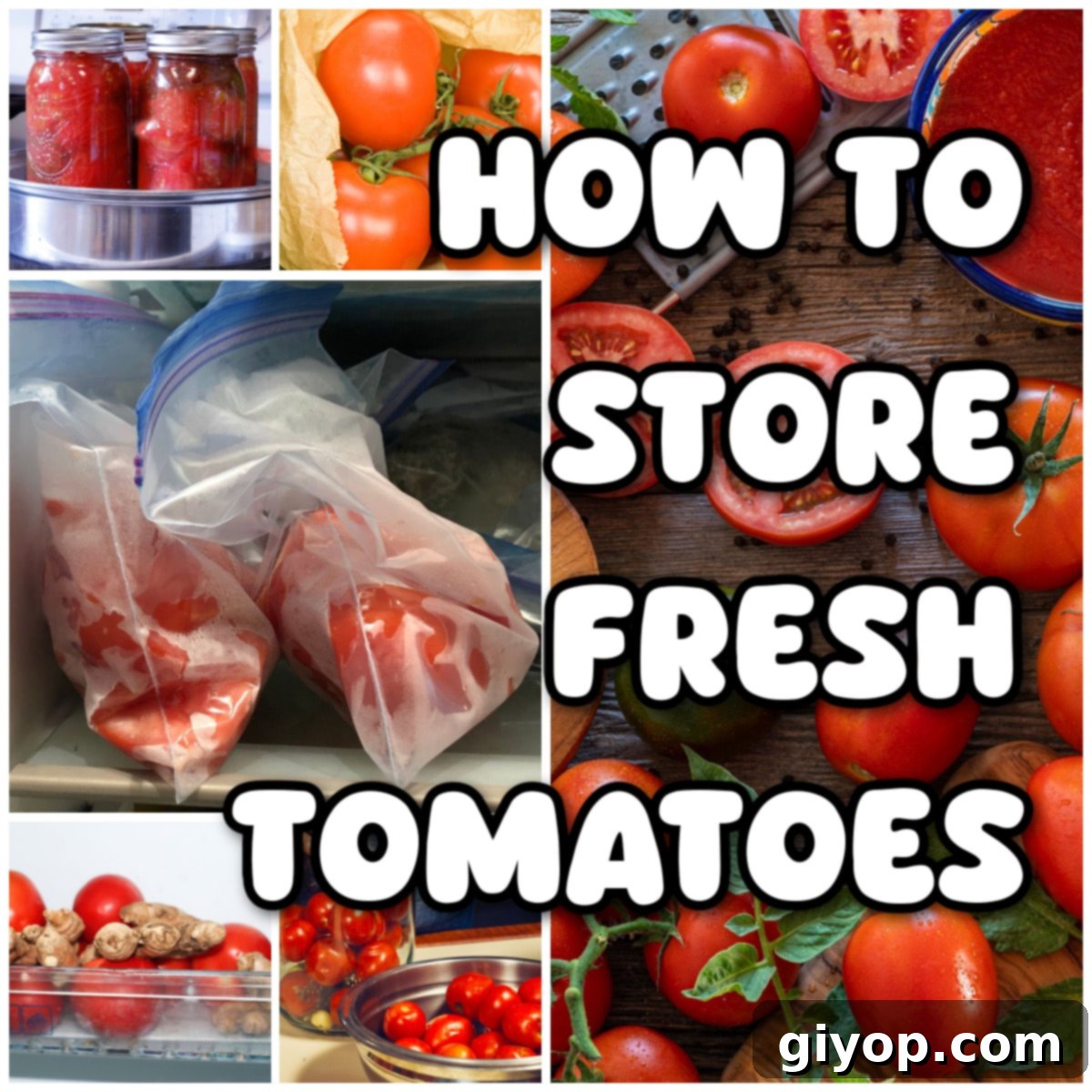
As the garden season blossoms into full swing, many home gardeners and fresh produce enthusiasts find themselves with an abundance of juicy, ripe tomatoes. The burning question often becomes: “How can I store fresh tomatoes to ensure they last longer and retain their exquisite flavor?” This comprehensive guide will walk you through the best practices for preserving your tomato harvest, from selecting the perfect fruit to advanced storage techniques, helping you savor their deliciousness throughout the week and even beyond.
Why You’ll Love Using Fresh Tomatoes
There’s an undeniable charm and superior quality that comes with fresh tomatoes, especially during peak season. Their vibrant colors and rich, sweet-tart flavors are unmatched, making them a cornerstone ingredient in countless culinary creations. Here’s why fresh tomatoes are an absolute delight:
- Unbeatable Flavor and Texture: Fresh tomatoes, particularly those grown at home or sourced locally, boast an intensely sweet and juicy flavor profile that store-bought varieties often lack. Their firm yet succulent flesh adds a delightful texture to any dish.
- Versatile Culinary Gem: From simple salads to complex homemade sauces, and from refreshing gazpachos to hearty sandwiches, fresh tomatoes effortlessly elevate a wide array of recipes. They are the star of summer dishes and can be transformed into comforting meals all year round with proper preservation.
- Nutritional Powerhouse: Beyond their taste, tomatoes are packed with essential vitamins and antioxidants, notably Vitamin C, Vitamin K, potassium, and lycopene. Lycopene, a powerful antioxidant, is known for its potential health benefits, including supporting heart health and reducing the risk of certain diseases.
- Gardener-Friendly: Tomatoes are incredibly rewarding to grow, even for beginner gardeners. With relatively straightforward care, you can enjoy a bountiful harvest, connecting you directly to your food source. The satisfaction of picking a sun-warmed tomato from your own plant is unparalleled.
For many, including myself, the arrival of summer signifies the joy of abundant fresh tomatoes. The difference in taste between a homegrown, sun-ripened tomato and its supermarket counterpart is profound – the former offering a burst of authentic flavor that evokes the essence of summer.
How to Choose Perfectly Ripe Tomatoes
Selecting the ideal, fully ripe tomato is crucial for maximizing flavor and ensuring optimal storage. Whether you’re harvesting from your garden, browsing a farmers market, or picking through a bin at your grocery store, these expert tips will guide you to the perfect tomato:
- Observe the Color: A ripe tomato should display a deep, consistent color that is characteristic of its variety. For most red tomatoes, this means a rich, vibrant red hue evenly distributed across the entire fruit. Avoid tomatoes with green shoulders (unless it’s a green variety) or pale patches, as these indicate under-ripeness.
- Feel for Firmness: Gently cup the tomato in your hand and apply slight pressure. A perfectly ripe tomato should feel firm but yield slightly to this gentle squeeze, indicating juiciness and readiness. If it’s rock hard, it’s under-ripe; if it’s squishy, it’s overripe or potentially spoiled.
- Inhale the Aroma: This is often the most telling sign of ripeness. Bring the tomato close to your nose, especially near the stem end. A strong, sweet, earthy fragrance is a hallmark of a delicious, ripe tomato. If it lacks scent, it likely lacks flavor.
- Examine for Blemishes: While a few minor imperfections are natural, avoid tomatoes with large cracks, deep bruises, or soft spots. Always check for any signs of mold, black spots, or a fermented smell, which indicate spoilage.
- Consider the Weight: A ripe tomato should feel heavy for its size, a good indicator of its juiciness and water content.
By using these sensory cues, you can confidently select tomatoes at their peak, ensuring the best taste experience and setting the stage for effective storage.
Best Ways to Store Fresh Tomatoes for Extended Freshness
The optimal way to store your tomatoes largely depends on their current state of ripeness and how quickly you plan to use them. Understanding the nuances of tomato storage can significantly extend their shelf life and maintain their quality.
Storing Under-Ripe Tomatoes
If your tomatoes are still firm and slightly green or lacking a strong aroma, they need a little more time to develop their full flavor and color. Here’s how to encourage them to ripen gracefully:
- Room Temperature Ripening: Place under-ripe tomatoes in a single layer in a brown paper bag, a cardboard box, or simply on a countertop away from direct sunlight. The ideal temperature for ripening is generally between 65-70°F (18-21°C). This environment allows them to ripen gradually and naturally.
- Accelerate with Ethylene Gas: To speed up the ripening process, place a ripe banana or apple alongside your under-ripe tomatoes in a paper bag. These fruits naturally release ethylene gas, a plant hormone that signals ripening.
- Daily Monitoring: Check your tomatoes daily. Once they achieve the desired color, firmness, and fragrance, they are considered ripe and ready for consumption or short-term storage.
Storing Ripe Tomatoes
Once your tomatoes are perfectly ripe, how you store them impacts their flavor and longevity. The great debate—countertop or refrigerator—has a nuanced answer:
- Short-Term Room Temperature Storage: If you plan to use your ripe tomatoes within a day or two, store them at room temperature, stem-side down, on a countertop away from direct sunlight. This helps preserve their delicate flavor and texture. Storing them stem-side down minimizes moisture loss from the scar where the stem was attached, reducing the risk of spoilage.
- Longer-Term Refrigerator Storage: For ripe tomatoes you won’t use immediately (e.g., within 3-7 days), the refrigerator is your best bet to slow down the ripening process and inhibit spoilage. However, cold temperatures can diminish flavor and make the texture mealy. To mitigate this, always bring refrigerated tomatoes back to room temperature for at least 30 minutes (or up to an hour) before eating them. This allows their natural sugars and aromatic compounds to reactivate, restoring much of their original taste and texture.
- Avoid Plastic Bags: Never store fresh tomatoes, or most fresh produce for that matter, in sealed plastic bags. These bags trap moisture and ethylene gas, creating an environment ripe for mold growth and accelerated spoilage. Instead, use a breathable container or simply leave them exposed to air on the counter or in the fridge.
How to Store Cut Tomatoes
Once a tomato is cut, its delicate flesh is exposed to air, which can lead to dehydration and faster spoilage. Proper storage is essential to maintain freshness:
- Airtight Container in the Refrigerator: Always store cut tomatoes in an airtight container in the refrigerator. This minimizes exposure to air and prevents them from absorbing odors from other foods.
- Direct Contact with Plastic Wrap: For halves or large pieces, placing a piece of plastic wrap directly onto the cut surface can significantly help minimize moisture loss and prevent the tomato from drying out. You can also use a small plate or lid pressed firmly against the cut side.
- Timely Consumption: Cut tomatoes should be used within one to two days for the best flavor, texture, and food safety. The longer they sit, the more their quality deteriorates.
Freezing Fresh Tomatoes for Long-Term Preservation
When you have an abundant harvest, freezing is an excellent way to preserve tomatoes for several months, perfect for sauces, soups, and stews:
- Whole or Chopped: You can freeze whole tomatoes, diced tomatoes, or even pureed tomatoes. For whole tomatoes, simply wash, remove the core, and place them on a baking sheet in a single layer until frozen solid. Then transfer them to freezer-safe bags or containers. This prevents them from sticking together.
- Blanching (Optional): For easier peeling later, you can blanch tomatoes in boiling water for 30-60 seconds, then immediately transfer to an ice bath before freezing. The skins will slip off easily once thawed.
- Vacuum Sealing: For optimal preservation and to prevent freezer burn, use a vacuum sealer if available.
Canning Tomatoes for Pantry Staples
Canning is a traditional method for preserving tomatoes, turning them into versatile pantry staples like crushed tomatoes, diced tomatoes, or whole peeled tomatoes:
- Equipment and Safety: Canning requires specific equipment (canner, jars, lids) and adherence to tested recipes for food safety. Always follow reputable canning guides to prevent botulism.
- Acidification: Tomatoes are a borderline acidic food, so it’s often recommended to add a small amount of citric acid or lemon juice to each jar to ensure safety for water bath canning.
- Versatility: Canned tomatoes are incredibly convenient for making sauces, chilis, and stews throughout the year.
Drying Tomatoes for Concentrated Flavor
Sun-dried or oven-dried tomatoes offer a concentrated burst of flavor, perfect for salads, pasta dishes, and charcuterie boards:
- Sun Drying: This traditional method requires hot, dry, sunny weather. Tomatoes are halved, seasoned, and placed on screens to dry over several days.
- Oven Drying: For more controlled conditions, tomatoes can be dried slowly in a low-temperature oven (around 200°F / 93°C) for several hours until leathery and chewy.
- Storage: Store dried tomatoes in airtight containers. For longer preservation, pack them in olive oil with herbs and garlic.
How to Speed Up the Ripening Process for Under-Ripe Tomatoes
Sometimes you need those garden-fresh tomatoes to ripen just a little faster. Fortunately, there are a few simple and effective methods you can employ to accelerate their journey to peak deliciousness:
- The Paper Bag and Fruit Trick: The most popular and effective method is to place your under-ripe tomatoes in a brown paper bag alongside a ripe banana or apple. These fruits naturally release ethylene gas, a powerful plant hormone that triggers and accelerates the ripening process in other fruits, including tomatoes. The paper bag helps to trap this gas, intensifying its effect.
- Warm, Indirect Location: Store the paper bag or your uncovered tomatoes in a warm spot in your kitchen, but ensure it’s out of direct sunlight. Warmer temperatures (ideally around 65-70°F or 18-21°C) naturally hasten ripening, whereas direct sun can cause uneven ripening and cooked spots.
- Covering for Gas Trapping: Even without other fruits, covering your tomatoes lightly with a cloth or placing them in a slightly enclosed space (like a cupboard or a bowl covered with a plate) can help trap the ethylene gases naturally released by the tomatoes themselves, encouraging them to ripen more quickly.
Remember to monitor your tomatoes regularly, usually daily, when attempting to speed up ripening. This vigilance ensures you catch them at their absolute peak before they become overripe and soft, preserving their best flavor and texture.
Creative Ways to Use Your Ripe Tomatoes
Once you’ve mastered the art of storing and ripening, you’ll be left with a bounty of luscious, fresh tomatoes. The culinary possibilities are truly endless! From simple preparations that highlight their natural sweetness to complex dishes, here are just a few ideas to inspire you:
- Fresh Salads: The simplest way to enjoy ripe tomatoes. Think Caprese salad with fresh mozzarella and basil, a vibrant Greek salad, or a simple garden salad.
- Homemade Sauces and Salsas: Overripe or very ripe tomatoes are perfect for cooking down into rich, flavorful pasta sauces, robust marinara, or fresh, chunky salsa.
- Soups and Stews: From classic tomato soup to hearty minestrone, tomatoes add depth and tang. Roasted tomato soup is a particularly delicious option.
- Roasting and Grilling: Roasting tomatoes intensifies their sweetness. Halved tomatoes can be roasted with herbs and garlic for a delightful side dish or pasta topping. Grilling adds a smoky char.
- Sandwiches and Bruschetta: Layer slices of fresh tomato with basil and mozzarella on crusty bread for a quick, elegant meal.
- Gazpacho: A refreshing cold soup, perfect for hot summer days.
- Baked Dishes: Incorporate tomatoes into gratins, tarts, or even a savory tomato pie.
For more specific culinary inspiration, explore my collection of fresh tomato recipes designed to help you make the most of your delicious harvest.
Frequently Asked Questions About Tomato Storage
The best practice for storing whole, ripe tomatoes at room temperature is stem-side down. This position helps to prevent air from entering the small, delicate scar where the stem was attached, which is often the weakest point of the tomato. By covering this area, you minimize moisture loss and reduce the chances of mold or bacteria entering, thus helping to prevent the tomato from spoiling faster.
Yes, small tomatoes such as grape tomatoes or cherry tomatoes generally benefit from refrigerator storage to prolong their freshness. Unlike larger tomatoes, their smaller surface area and higher skin-to-flesh ratio make them slightly less susceptible to the flavor and texture degradation that affects larger varieties in the cold. However, it is still important to keep them in a cool, dry place within the fridge (e.g., in a breathable container or a perforated bag) to prevent excessive moisture accumulation, which can cause them to become mushy or go bad quickly.
Overripe tomatoes, while past their prime for slicing, are perfect for cooked applications where their softened texture won’t be an issue and their concentrated sweetness will shine. My favorite way to use an abundance of overripe (or even just very ripe) tomatoes is to transform them into a homemade tomato sauce or paste. This is excellent for freezing in portions, providing an easy and flavorful base for meals on busy days. They can also be roasted, pureed into soups, or used for canning.
Storing under-ripe tomatoes in the refrigerator halts the ripening process entirely, preventing them from developing their full flavor and aroma. For ripe tomatoes, cold temperatures can break down cell walls, leading to a mealy, watery texture and dulling their vibrant taste. While refrigeration extends shelf life, it comes at a cost to sensory quality. Always aim to store ripe tomatoes at room temperature for a day or two if possible, and only refrigerate if you need them to last longer, bringing them back to room temperature before serving.
For whole, ripe tomatoes at room temperature, simply a bowl or a flat surface on your counter is ideal. Avoid stacking them too high to prevent bruising. For cut tomatoes or those stored in the fridge, an airtight container is best to minimize air exposure and prevent drying out. Ensure good air circulation for whole tomatoes in the fridge to avoid moisture buildup, perhaps using a container with some ventilation or simply placing them loosely on a shelf.
Related Preservation Guides
- How to Store Spinach.
- How to Store Eggplants.
- How to Store Parsley.
- How to Store Peaches.
- How to Store Chocolate Covered Strawberries.
You Might Also Find This Helpful
- Can you freeze roasted vegetables? This guide provides essential tips on how to properly freeze roasted vegetables, helping you minimize food waste and ensure you always have convenient, nutritious side dishes ready for any meal.