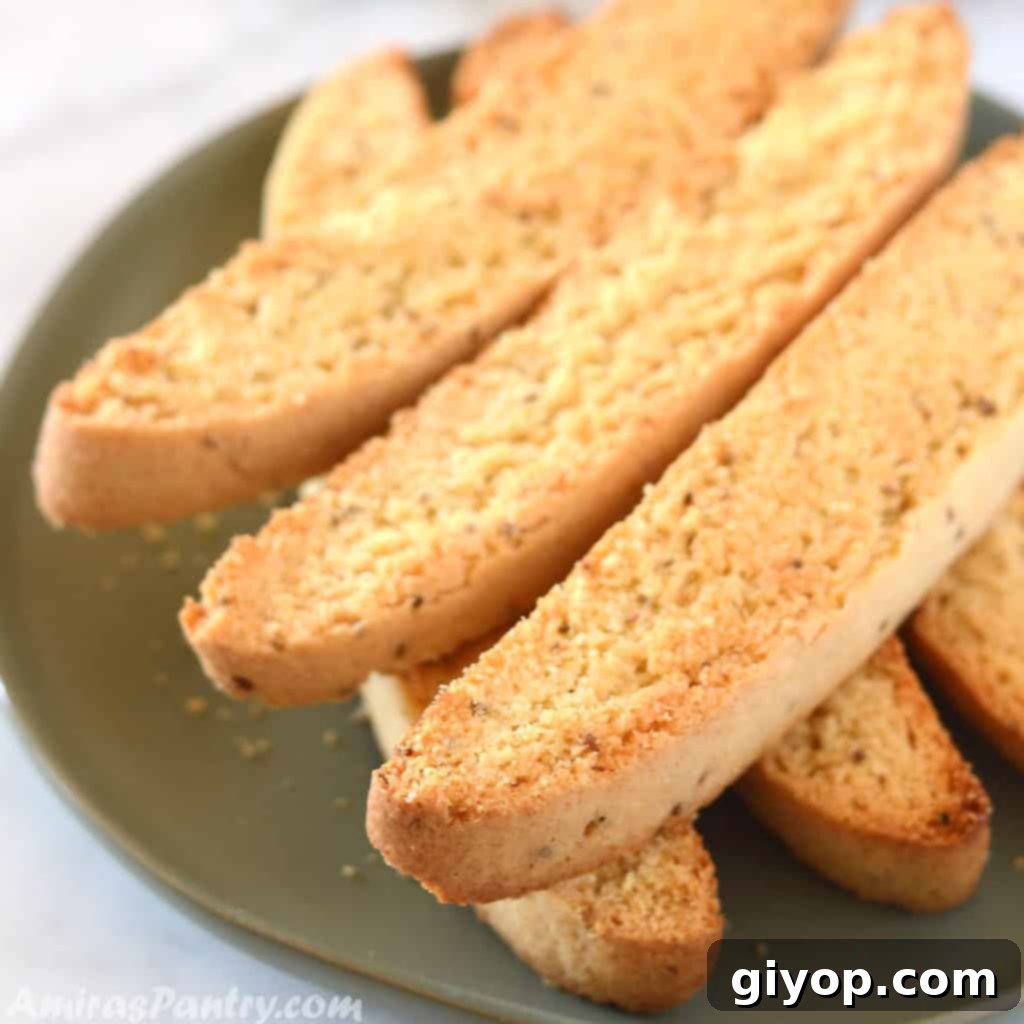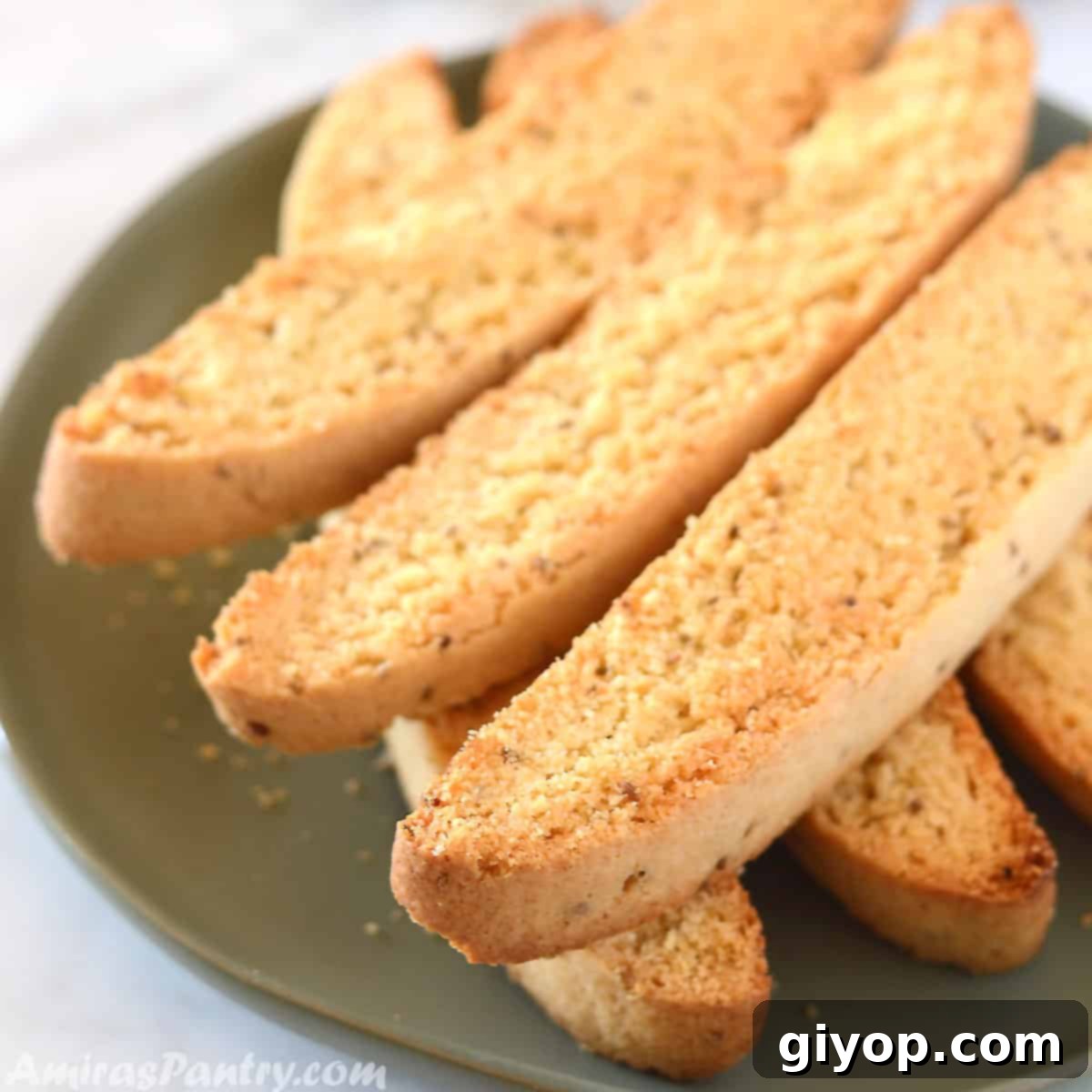
Imagine the comforting scene: a warm cup of milk tea, a stack of your favorite books, the quiet rustle of pages, and perhaps the soothing notes of classical piano music gently drifting from the radio. For many, this nostalgic setting perfectly accompanies late-night study sessions or peaceful moments of reflection. And what better companion for such an occasion than a delicate, crunchy biscotti?
Today, we invite you to step into the kitchen and join us in crafting an exquisite batch of traditional Anise Biscotti. This Italian classic, reimagined with the warm, aromatic embrace of anise, is surprisingly easy to make and promises to fill your home with an irresistible fragrance that conjures memories and creates new ones.
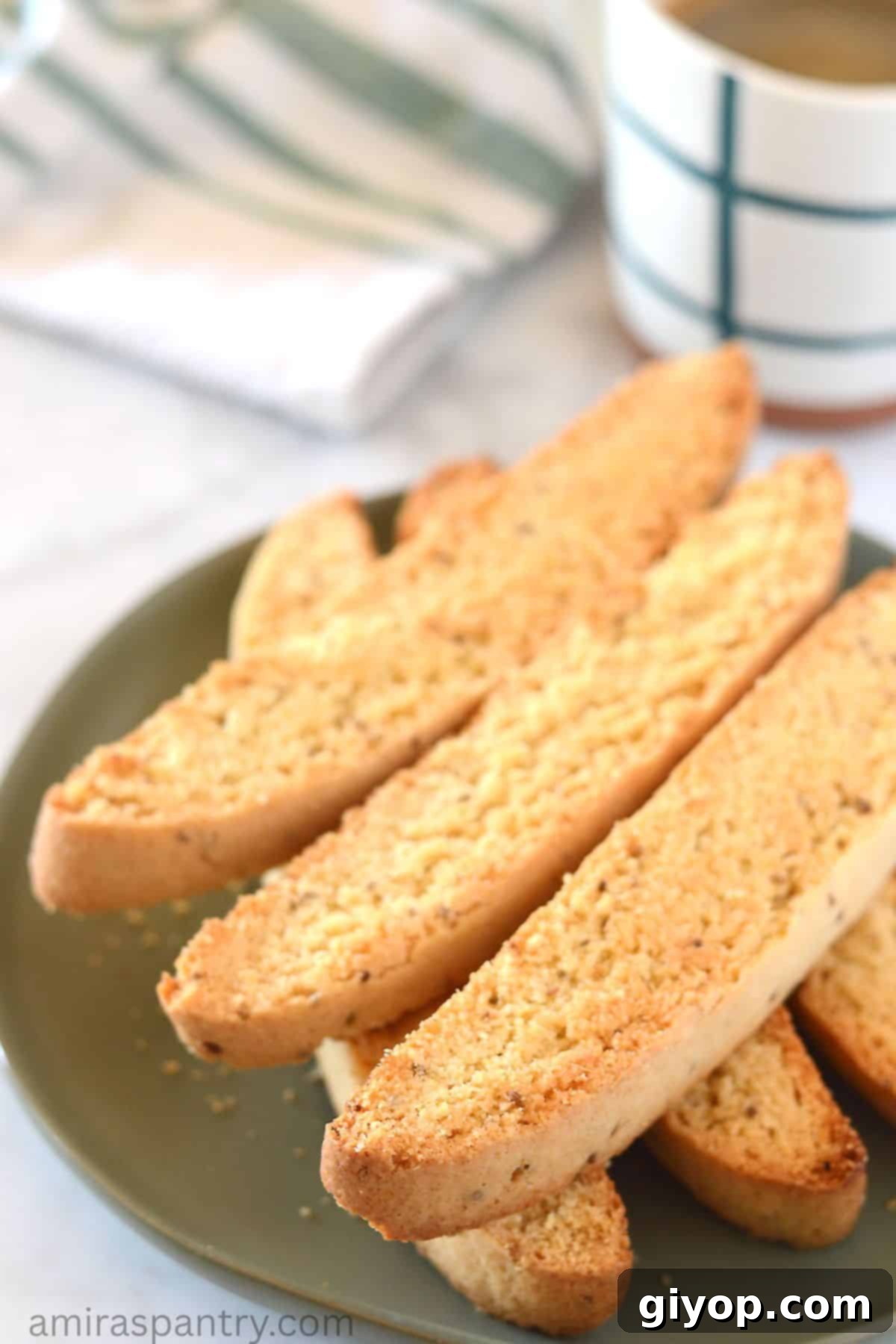
Before we dive into the recipe, make sure to save it for later by bookmarking this page or pinning it to your favorite Pinterest board!
Authentic Italian Anise Biscotti
Among countless biscotti recipes, this one holds a special place in my heart, deeply rooted in cherished childhood memories. Growing up, these homemade biscotti, with their distinctive anise aroma, were a staple. In elementary and middle school, they were my go-to snack, always paired with a comforting cup of milk tea. Later, during high school and college, as my palate evolved, I found them to be the perfect crunchy complement to a strong cup of coffee. This recipe, passed down through generations, is more than just a treat; it’s a taste of tradition and comfort.

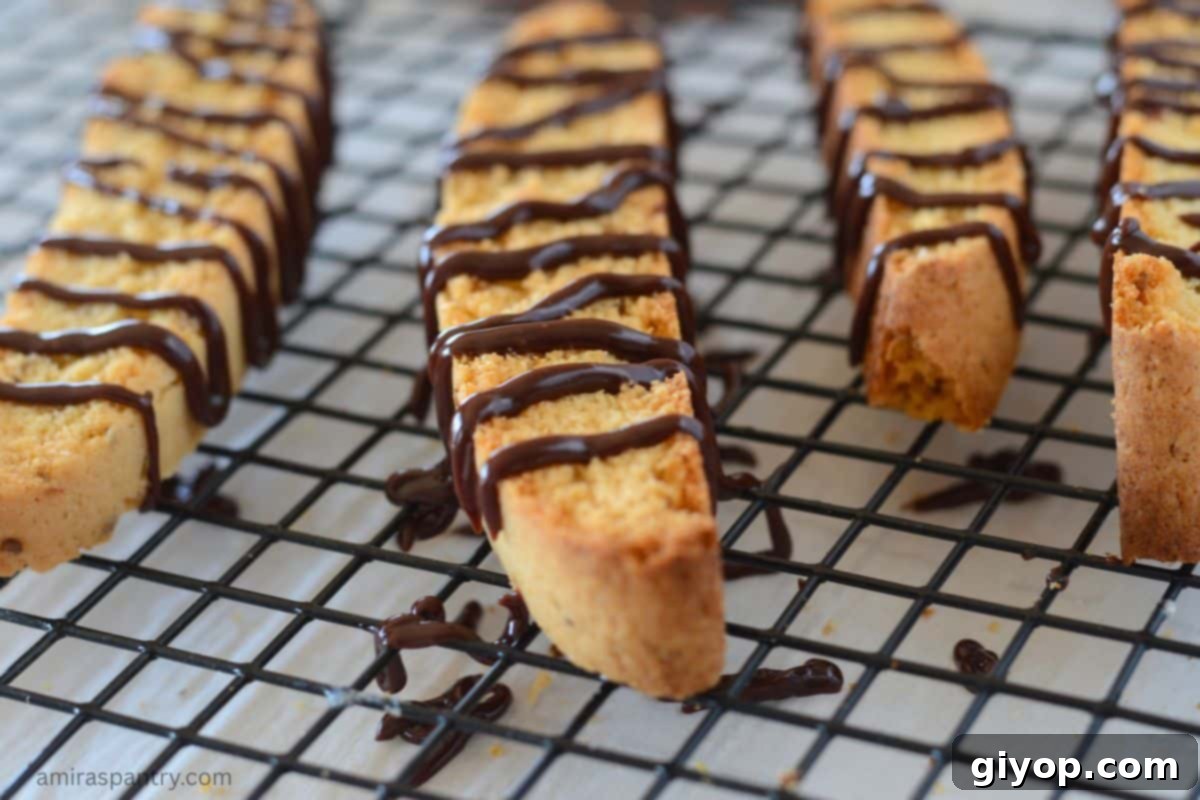
The magic of these anise-flavored biscotti lies in their delicate fragrance and satisfying crunch. While they are absolutely divine enjoyed plain, for an extra touch of elegance and indulgence, you can drizzle them with ribbons of rich dark chocolate. However, rest assured, these biscotti are so inherently delicious that they truly shine on their own.
Pro Baking Tip: Double Your Batch!
A word to the wise for all my fellow anise biscotti enthusiasts: this recipe is so incredibly popular and vanishes so quickly that it’s always a good idea to double the batch! You’ll thank yourself later when you have an abundant supply of these irresistible treats. To easily scale up, simply double every ingredient listed, paying close attention not to overlook the baking powder.
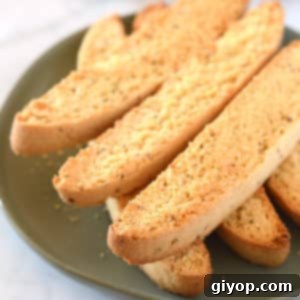
Classic Anise Biscotti Recipe
Print Recipe |
Pin Recipe
Ingredients
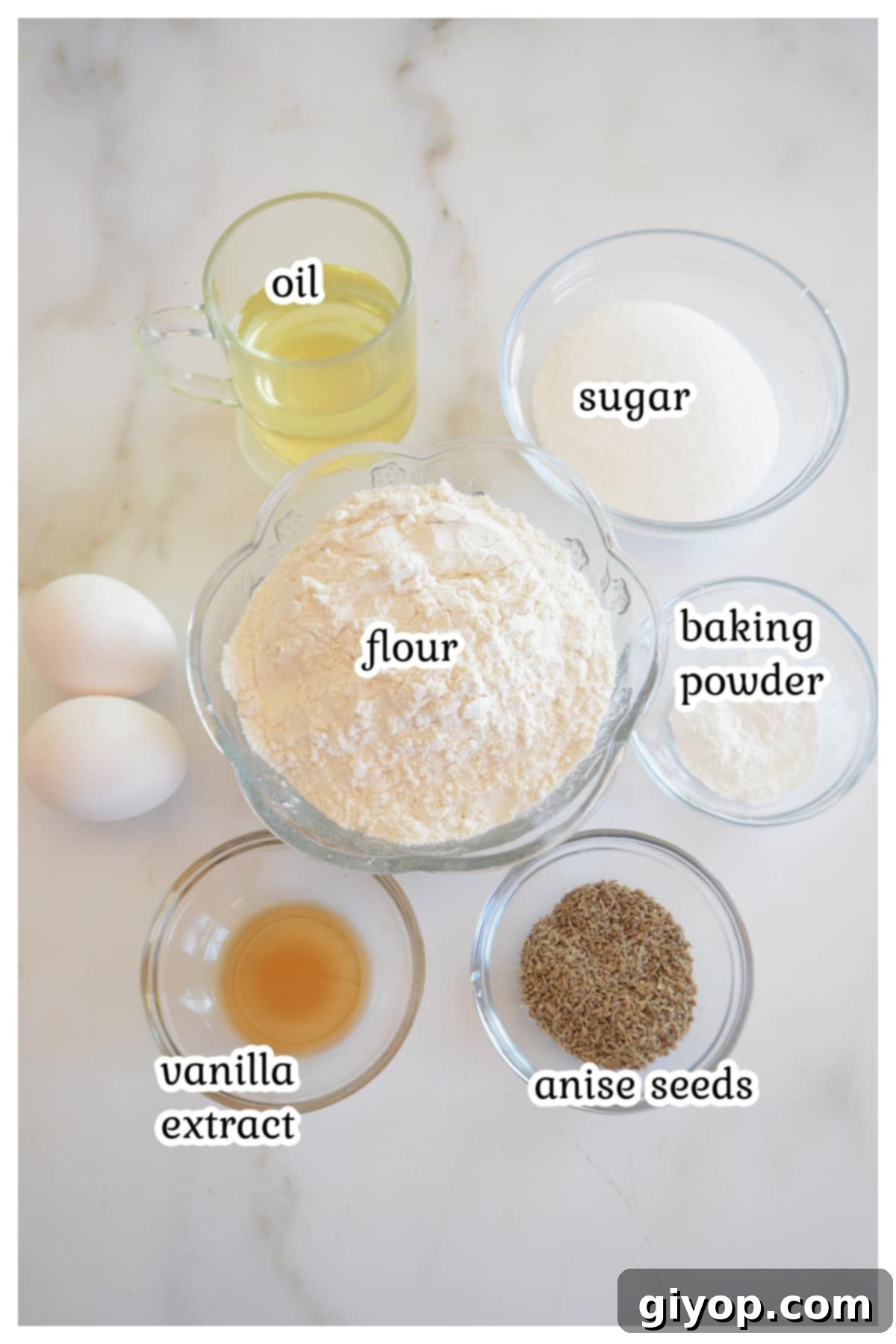
- 2 large eggs
- ½ teaspoon vanilla extract
- ½ cup (100g) granulated sugar
- ½ cup (120ml) oil (light-tasting vegetable oil preferred)
- 2 cups (250g) all-purpose flour
- ½ Tablespoon baking powder
- 1 Tablespoon roasted anise seeds
Instructions
- Preheat your oven to 350°F (175°C). Prepare a large baking sheet (or two smaller ones) by lining it with parchment paper for easy removal and non-stick baking.
- In a deep mixing bowl, whisk together the eggs, vanilla extract, and granulated sugar until the mixture becomes light and slightly foamy. Gradually mix in the oil until well combined.
- In a separate, medium-sized bowl, combine the all-purpose flour, baking powder, and roasted anise seeds. Whisk these dry ingredients together thoroughly to ensure even distribution.
- Gradually add the dry ingredient mixture to the wet ingredients. Mix using a spoon or a spatula until a cohesive dough forms. Avoid overmixing; stop once the flour is just incorporated.
- Lightly moisten your hands with a little oil to prevent sticking. Transfer the dough to the prepared baking sheet and gently form it into a log or a rectangular shape, approximately 0.5 inches (1.2 cm) thick. Ensure an even thickness for uniform baking.
- **First Bake:** Place the baking sheet in the middle rack of the preheated oven. Bake for 20-25 minutes, or until the top and sides of the biscotti log turn a light golden-brown. The log should feel firm to the touch.
- Remove the baked log from the oven and let it cool on the baking sheet for about 10 minutes. This cooling period allows it to firm up slightly, making it easier to slice without crumbling.
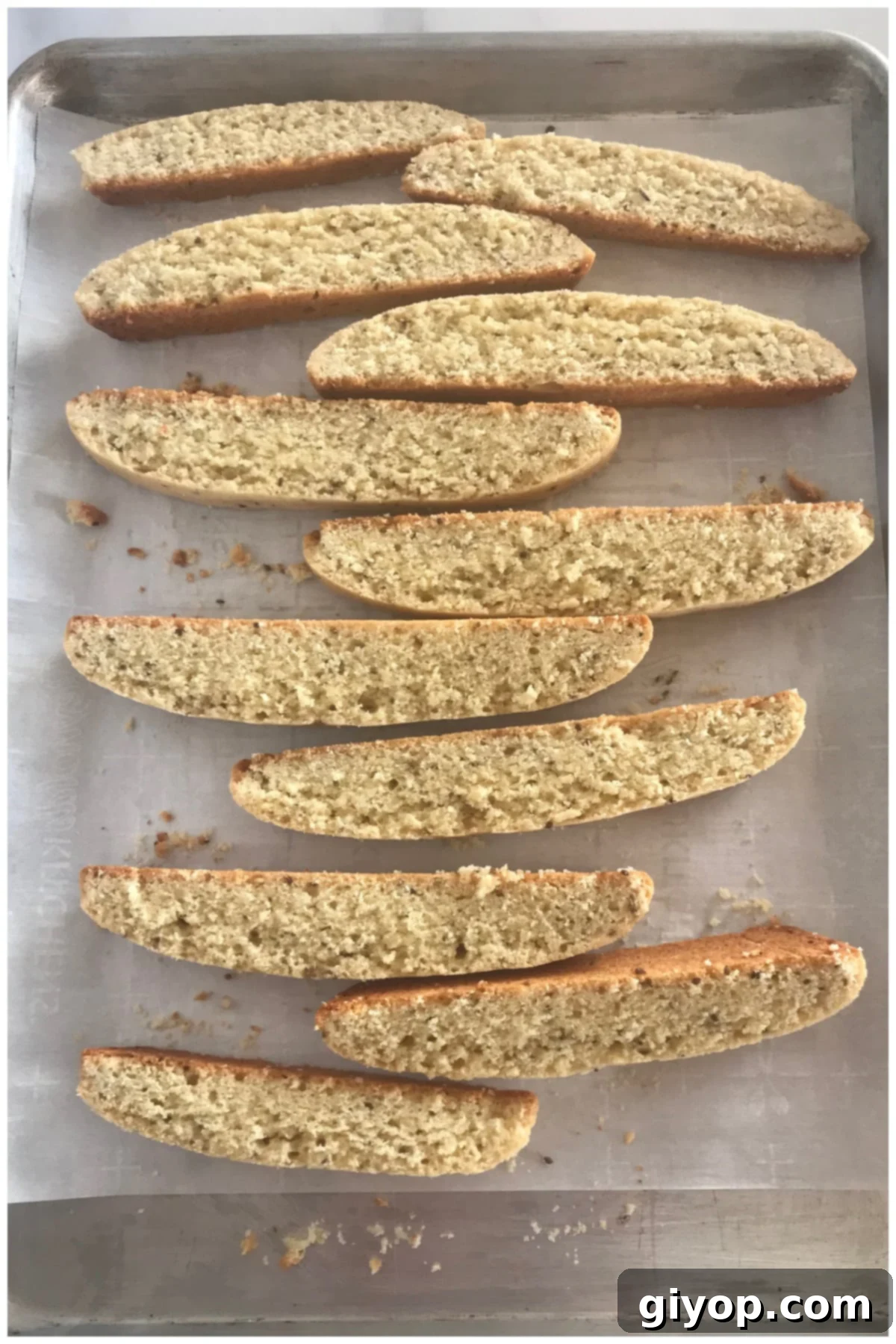
- Using a sharp serrated knife, carefully slice the cooled log into 2-inch (5 cm) thick pieces. Lay these slices flat on the parchment-lined baking sheet, turning them onto one of their cut sides.
- **Second Bake (Toasting):** Return the slices to the oven. Bake for another 6-8 minutes, or until they turn a beautiful golden brown and become crisp.
- Flip each biscotti slice to its other cut side and repeat the toasting process for another 6-8 minutes, ensuring both sides are evenly browned and crunchy. Keep a close eye on them to prevent burning.
- Once thoroughly toasted, remove the biscotti from the oven and transfer them to a wire rack to cool completely before serving. Store them in an airtight container at room temperature to maintain their crispness for up to two weeks.
Video: How to Make Anise Biscotti
Notes for Success
**Recipe Yield:** The current recipe yields about 16 servings. The original recipe from which this was adapted was double this quantity, producing a much larger batch. If you prefer to bake a bigger batch, simply double all the ingredients listed above, including the baking powder, for consistent results.
Please review our nutrition disclaimer policy for more information.
Nutrition Information
Carbohydrates: 19.6g |
Protein: 2.6g |
Fat: 7.6g |
Saturated Fat: 0.7g |
Polyunsaturated Fat: 2.2g |
Monounsaturated Fat: 4.3g |
Cholesterol: 23.3mg |
Sodium: 55mg |
Potassium: 32.7mg |
Fiber: 0.5g |
Vitamin A: 0.8IU |
Vitamin C: 0.1mg |
Calcium: 3.3mg |
Iron: 5.9mg
Mention @AmirasPantry or tag #AmirasPantry!
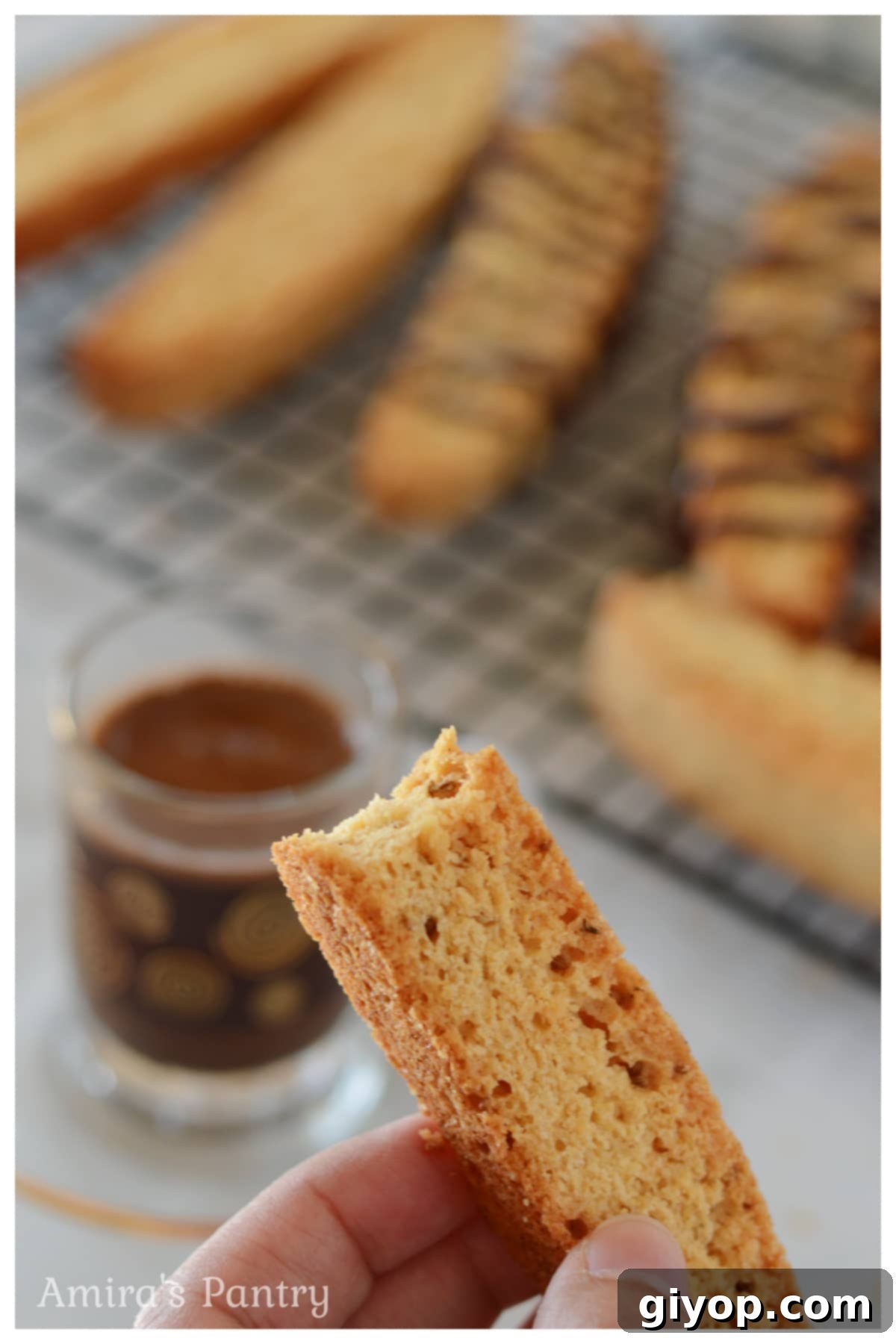
The Allure of Anise Biscotti: A Cultural Delight
Anise biscotti, known for their distinct licorice-like flavor, are far more than just a sweet treat; they are a deeply rooted culinary tradition, especially in many Arab countries. Throughout the Middle East, these warming biscuits are cherished, particularly during the colder months, though you’ll find them available year-round in bustling Egyptian bakeries. Baking these traditional anise biscotti at home isn’t just about creating a delicious snack; it’s about filling your kitchen with an incredibly comforting and inviting aroma that evokes feelings of warmth and nostalgia.
The star of this recipe, anise seeds, possess a unique and distinctive taste. Their sweet, aromatic, and slightly pungent flavor makes them incredibly versatile. Anise pairs beautifully with other fragrant spices like fennel, making it a beloved ingredient in a wide array of both sweet and savory dishes across North Africa and the broader Mediterranean region. Beyond their culinary uses, anise seeds are highly valued in these cultures for their traditional calming and soothing properties.
In the Middle East, anise tea is also a widely consumed beverage, especially during cold and flu season. It’s often considered a primary herbal remedy to help alleviate symptoms like stomach cramps and coughs. My grandmother, for instance, had a special appreciation for anise seeds, often combining them with cloves to use as a natural and effective breath freshener.
Mastering Your Anise Biscotti Recipe
This anise biscotti recipe is designed to be straightforward, utilizing common baking ingredients. The distinctive flavor profile comes primarily from the wonderful anise seeds. While the recipe delivers excellent results with just the seeds, you can certainly add a touch of anise extract for an intensified flavor, if desired.
When selecting your oil, opt for any light-tasting variety, such as vegetable oil or canola oil. For this particular recipe, I personally prefer to avoid butter, as a neutral oil allows the delicate anise flavor to truly shine through without competition.
Detailed Step-by-Step Guide to Perfect Anise Biscotti
- **Prepare Your Wet Ingredients:** In a generously sized mixing bowl, combine the fresh eggs, fragrant vanilla extract, and granulated sugar. Using a whisk, beat these ingredients vigorously until they become light, airy, and noticeably foamy. Once you achieve this texture, gently mix in the light-tasting oil until it’s fully incorporated, ensuring a smooth base for your dough.
- **Combine Dry Ingredients:** In a separate, smaller bowl, measure out your all-purpose flour, baking powder, and the star of our show, roasted anise seeds. Whisk these dry components together thoroughly. This critical step ensures that the leavening agent (baking powder) and the flavor (anise seeds) are evenly distributed throughout the dough, preventing uneven rise or pockets of flavor.
- **Form the Dough:** Gradually add the meticulously combined dry ingredients to your wet mixture. Using a sturdy spatula or a wooden spoon, mix until a cohesive, firm dough begins to form. Be careful not to overmix; stop as soon as the flour streaks disappear, as overworking the dough can lead to tough biscotti.
- **Shape the Biscotti Log:** Line your baking sheet with a fresh piece of parchment paper. Lightly moisten your hands with a touch of oil – this prevents the sticky dough from clinging. Transfer the dough onto the prepared baking sheet and gently form it into a log or a rectangular shape, aiming for a consistent thickness of about 0.5 inches. Don’t worry if it’s not perfectly uniform; mine sometimes resembles an egg, but the taste remains undeniably amazing! Smooth out the surface of the dough with your oiled hands.
- **First Bake for Firmness:** Place the baking sheet with your shaped dough into the preheated oven. Bake for the initial 20-25 minutes, or until the edges of the dough log begin to turn a light golden brown. The log should feel firm to the touch when gently pressed. This first bake sets the structure of the biscotti.

- **Cool and Slice:** Once the first bake is complete, remove the log from the oven and allow it to cool on the baking sheet for at least 10 minutes. This cooling period is essential as it allows the biscotti to firm up, making it much easier to slice cleanly without crumbling. After cooling, use a sharp serrated knife to carefully cut the log into uniform 2-inch wide slices. The serrated edge helps to cut through the slightly crusty exterior without crushing the delicate interior.
- **Second Bake for Crispness:** Arrange the newly sliced biscotti pieces on a clean, parchment-lined baking sheet, laying them flat on one of their cut sides. Return the baking sheet to the oven for the second bake, or “toasting” phase. Bake for an additional 6-8 minutes, or until they achieve a beautiful golden hue and begin to crisp up. Alternatively, you can use the broiler for a shorter time, but watch them *very carefully* as they can burn quickly.
- **Evenly Toast All Sides:** To ensure even crispness and a consistent golden-brown color, use tongs to carefully flip each biscotti slice to its other cut side. Continue baking for another 6-8 minutes, or until that side is also golden and firm. This double-baking process is what gives biscotti their signature dry, crunchy texture, perfect for dipping.
- **Final Cooling and Storage:** Once your anise biscotti are perfectly toasted, remove them from the oven and transfer them immediately to a wire rack. Allow them to cool completely before serving or storing. Store these delightful treats in an airtight container at room temperature. When stored properly, they will maintain their exquisite crispness and flavor for up to two weeks, ready for your next coffee or tea break.
Creative Variations to Customize Your Biscotti
While this classic anise biscotti recipe is wonderful as is, it also serves as an excellent base for experimentation. Feel free to personalize your batch with these delightful variations:
- **Anise Alternatives:** If you don’t have whole anise seeds on hand, or prefer a different texture, you can substitute with ground anise seed. For an intensified anise flavor, consider adding a few drops of anise extract to the wet ingredients.
- **Almond Biscotti:** Transform these into classic almond biscotti by omitting the anise seeds and incorporating 1 teaspoon of almond extract along with a ½ cup of chopped almonds into the dry ingredients.
- **Citrus Zing:** Add a bright, refreshing layer of flavor by incorporating 1-2 teaspoons of finely grated orange zest or lemon zest into the wet ingredients. Citrus pairs beautifully with the subtle spice notes.
- **Nutty Additions:** For extra texture and flavor, fold in ½ cup of finely chopped pistachios, walnuts, or pecans along with the dry ingredients.
- **Chocolate Chip Delight:** Make them even more indulgent by adding ½ cup of mini chocolate chips to the dry ingredients before combining with the wet.
Expert Tips for Perfect Biscotti Every Time
Achieving bakery-quality biscotti at home is simple with a few insider tips:
- **Control Serving Size:** You have complete control over the serving size. For smaller, daintier biscotti, simply divide your dough in half to create two thinner logs before the first bake. This will yield more, smaller slices.
- **Handle with Care:** During the second bake, when flipping the biscotti slices, use kitchen tongs. They will be very hot and can be quite fragile, especially when fresh out of the oven. Tongs allow for a firm grip without crushing them.
- **Sharp Serrated Knife is Key:** For clean, even slices, especially after the first bake, a sharp serrated knife is indispensable. It cuts through the slightly firm crust without tearing the softer interior.
- **Don’t Rush the Cooling:** Allowing the baked log to cool for at least 10 minutes before slicing is crucial. Rushing this step will result in crumbling and uneven slices.
- **Even Thickness:** Strive for an even thickness when shaping your dough log. This ensures that all parts of the biscotti bake consistently during both stages, preventing some pieces from being undercooked or over-crisped.
- **Storage for Longevity:** Always store cooled biscotti in an airtight container. This is vital to maintain their signature crispness and prevent them from becoming stale or soft.
Perfect Pairings: What to Serve with Your Anise Biscotti
Biscotti, by nature, are designed for dipping, and these anise-infused delights are no exception. Their crisp texture and aromatic flavor make them a versatile companion for a variety of beverages:
- **Classic Hot Drinks:** These are the quintessential cookie to pair with hot beverages. They are absolutely delightful with a cup of Tea with Milk, offering a comforting contrast of warmth and crunch. They also complement a spicy Ginger Latte wonderfully, with the anise and ginger notes creating a harmonious blend.
- **Coffee Perfection:** For coffee lovers, dipping these biscotti into a strong brew is an unparalleled experience. I particularly enjoy them with a rich Turkish coffee. The slight bitterness of the coffee creates a beautiful balance with the subtle sweetness and unique flavor of the anise biscotti.
- **Chocolate Indulgence:** For an extra layer of decadence, consider dipping the cooled biscotti in melted dark or milk chocolate. The added sweetness of the chocolate perfectly complements the anise, making them an even more luxurious treat.
- **Sweet Wines:** In the traditional Italian style, biscotti are often enjoyed with dessert wines like Vin Santo. The sweet wine softens the biscotti, creating a delightful texture and flavor combination.
Frequently Asked Questions (FAQs)
- **What is biscotti?** Biscotti, meaning “twice-baked” in Italian, are oblong, almond-flavored biscuits that are crunchy and dry. They originated in Prato, Italy, and are traditionally served with coffee or a dessert wine.
- **Why are biscotti baked twice?** The double-baking process is what gives biscotti their characteristic hard, dry, and crunchy texture. The first bake cooks the dough log, and the second bake (after slicing) toasts and dries out the slices, making them perfect for dipping and extending their shelf life.
- **Can I use fresh anise seeds instead of roasted?** While you can use fresh anise seeds, roasting them briefly in a dry pan enhances their flavor and aroma significantly, bringing out a deeper, more complex taste. This step is highly recommended for the best results.
- **How long do homemade anise biscotti last?** When stored in an airtight container at room temperature, these biscotti will stay fresh and crispy for up to two weeks.
- **Can I freeze biscotti?** Yes, you can freeze baked biscotti! Once completely cooled, place them in an airtight freezer-safe bag or container for up to 3 months. Thaw at room temperature before serving. You can also freeze the unbaked dough log for later use. Wrap it tightly in plastic wrap and then foil, freeze for up to 1 month. Thaw in the refrigerator overnight and then slice and bake as directed.
- **My biscotti are too hard, what went wrong?** Overbaking during the second bake can make them excessively hard. Ensure you’re only baking until golden brown and crisp, not burnt. Also, ensure the dough wasn’t overmixed, which can develop too much gluten and result in a tougher texture.
Explore More Delicious Recipes
- Kahk Recipe (Egyptian Eid Cookies)
- Egyptian Butter Cookies (Petit Fours / Betefour)
- Easy Linzer Cookies
- Barazek Cookies (Syrian Sesame Cookies)