
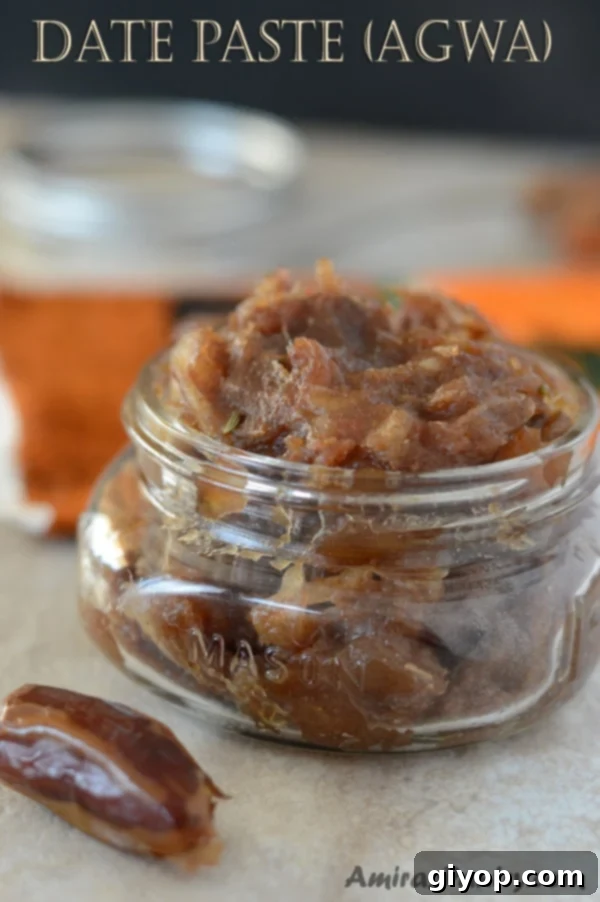
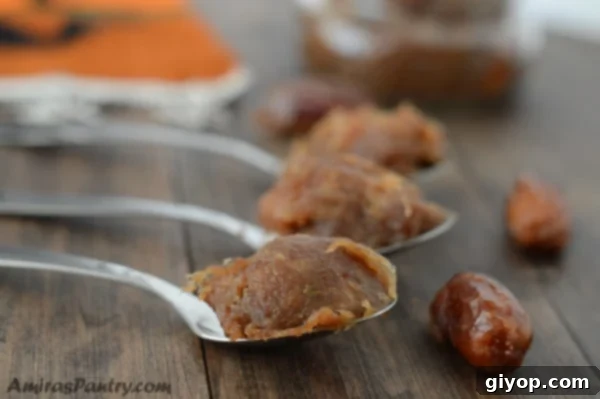
Discover the Rich Flavor of Agwa: Your Guide to Authentic Middle Eastern Date Paste
Embark on a culinary journey to the heart of the Middle East with Agwa, a beloved and versatile date paste that forms the foundation of countless traditional pastries and cookies. Often misunderstood, Agwa is distinctly different from the liquid-like date syrup or thinner date pastes used primarily as a natural sweetener in beverages or smoothies. This unique, thick, and deeply flavorful paste is specifically crafted to serve as a luscious filling, transforming simple baked goods into extraordinary delights.
The essence of authentic Agwa lies in the quality and type of dates used. In its native Middle Eastern lands, a variety of soft, tender dates are typically employed. For those of us in the United States seeking to replicate that traditional taste, Deglet Noor dates prove to be an excellent choice. Their texture and sweetness closely mimic the “Rottab” dates my mother affectionately used in Egypt, evoking a cherished taste of home and culinary heritage. Understanding the nuances of date varieties is key to achieving that perfect balance of sweetness and texture in your homemade Agwa.
More Than Just a Filling: The Cultural Significance and Versatility of Agwa
Agwa isn’t just an ingredient; it’s a staple deeply woven into the fabric of Middle Eastern cuisine and family traditions. I recall vividly my childhood in Egypt, where my mother would prepare wholesome Agwa sandwiches for us – a simple yet profoundly satisfying treat. Beyond casual snacks, Agwa holds a special place in more elaborate dishes. One particular favorite, the egg-Agwa sandwich, a unique sweet and savory combination, showcases the paste’s incredible adaptability and will undoubtedly be a recipe I share in a future post. The versatility of Agwa extends to a myriad of Middle Eastern desserts, from holiday cookies like Maamoul and Kahk to everyday pastries, each benefiting from its rich, caramel-like sweetness and satisfying texture. This article will guide you through crafting your own batch, opening the door to exploring these wonderful culinary traditions.
While you might be fortunate enough to find pre-made Agwa in your local Middle Eastern market, the satisfaction and superior quality of homemade date paste are unparalleled. Creating Agwa from scratch allows you to control the ingredients, tailor the flavor profile to your preference, and ensure the freshest, most authentic taste. If a specialized market isn’t within reach, fret not! This simple, step-by-step recipe empowers you to create a truly delicious and authentic Agwa in your own kitchen. So, let’s begin this delightful process.
The Essential First Step: Preparing Your Dates for Perfection
The journey to perfect homemade Agwa begins with proper date preparation. This crucial initial phase ensures that your dates are soft, pliable, and ready to be transformed into a smooth, luxurious paste. Many skip this step, but it is indispensable for achieving the desired consistency and making the subsequent peeling process considerably easier.

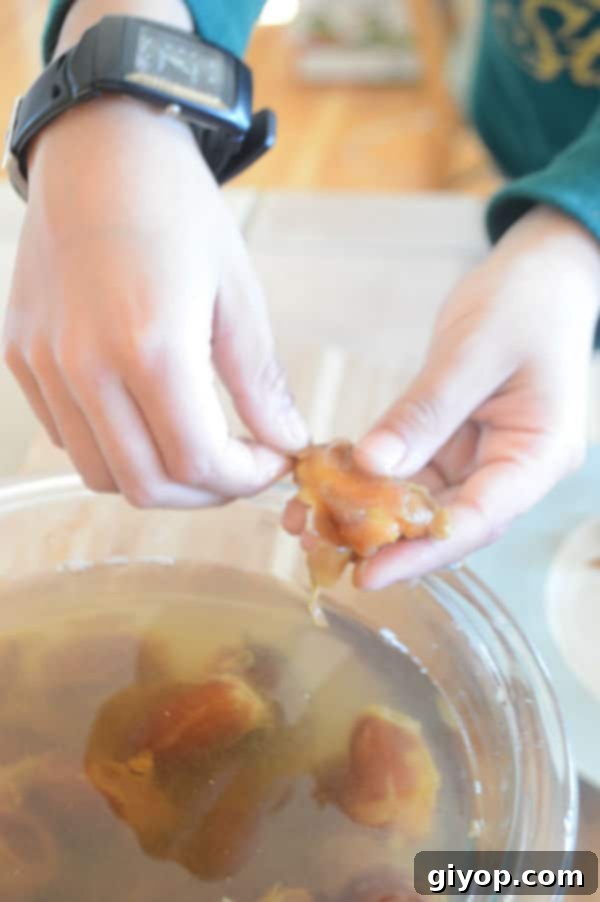
For this recipe, we will start by soaking your chosen dates – ideally Deglet Noor – in hot water for approximately 15-20 minutes. This period is carefully timed to allow the date skins to soften thoroughly without turning the dates mushy. The heat helps to loosen the sometimes-tough outer layer, making it effortless to peel away. The goal is for the peel to become supple enough that it easily separates from the fruit, leaving you with smooth, tender date flesh. I remember having some little hands, my children’s, eager to help me with this step when they were younger, turning a simple task into a fun family activity.
Once the dates have adequately soaked, carefully drain the hot water. Now comes the peeling. While not strictly mandatory to remove every single speck of skin, aiming to get most of it off will result in a much smoother and more refined Agwa, especially important for delicate pastries where texture is paramount. Don’t forget to meticulously remove all the pits as well! Pitted dates are often available, which can save time, but if starting with whole dates, ensure every pit is accounted for to prevent any unpleasant surprises in your final product.
Infusing Flavor: Cooking Agwa with Butter and Aromatic Spices
With your dates prepped, the next phase involves enriching their natural sweetness with fat and fragrant spices, transforming them into the distinct Agwa we know and love. This cooking process deepens the flavor and creates the characteristic thick, pliable consistency ideal for stuffing.
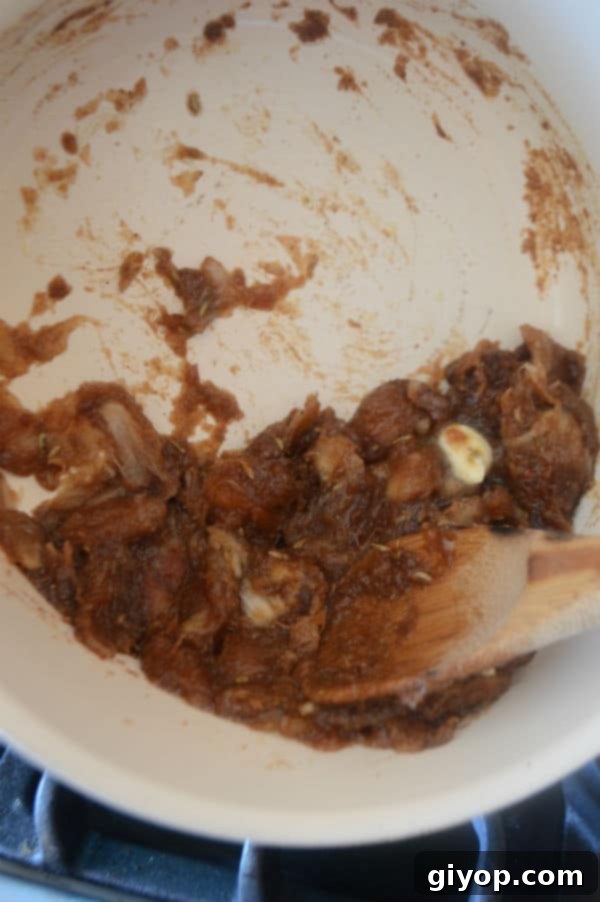
Many traditional Agwa recipes incorporate ghee, clarified butter renowned for its rich, nutty flavor. However, I often use unsalted butter as a readily available and equally delicious alternative. The butter not only adds a wonderful creamy richness but also helps prevent the paste from sticking to the pot and contributes to its smooth, workable texture. The amount of butter can be slightly adjusted based on the dryness of your dates – drier dates might benefit from a touch more fat. Add the peeled, pitted dates and the butter to a pot over medium heat.

Now, let’s talk about spices. This is where you can truly personalize your Agwa. While some opt for the convenience of a food processor to achieve a smooth paste, I find immense joy and a superior texture in preparing Agwa the traditional way, just like my mom and grandma did. Using a sturdy wooden spoon, I continuously press and stir the dates in the pot. This method allows for a more controlled breakdown of the dates, resulting in a delightfully chunky texture that I’ve grown accustomed to and prefer. It offers a more satisfying bite when used as a filling, contrasting beautifully with the soft dough of pastries.
The Art of Customization: Elevating Your Agwa with Spices and Aromatics
The spices you choose play a pivotal role in defining the character of your Agwa. My initial experiment included cinnamon, ground cardamom, and fennel seeds. While the fennel seeds imparted a lovely aromatic scent and distinct flavor, I found their texture a bit too prominent for my liking in the finished paste. Therefore, for future batches, I’ll likely revert to my mother’s classic combination: a generous amount of ground cinnamon and toasted sesame seeds. Cinnamon offers warmth and a subtle sweetness that complements dates perfectly, while roasted sesame seeds add a delightful crunch and nutty depth. For those who enjoy a hint of anisy flavor without the seed texture, a tiny drop of pure anise extract could be an interesting alternative, used very sparingly.
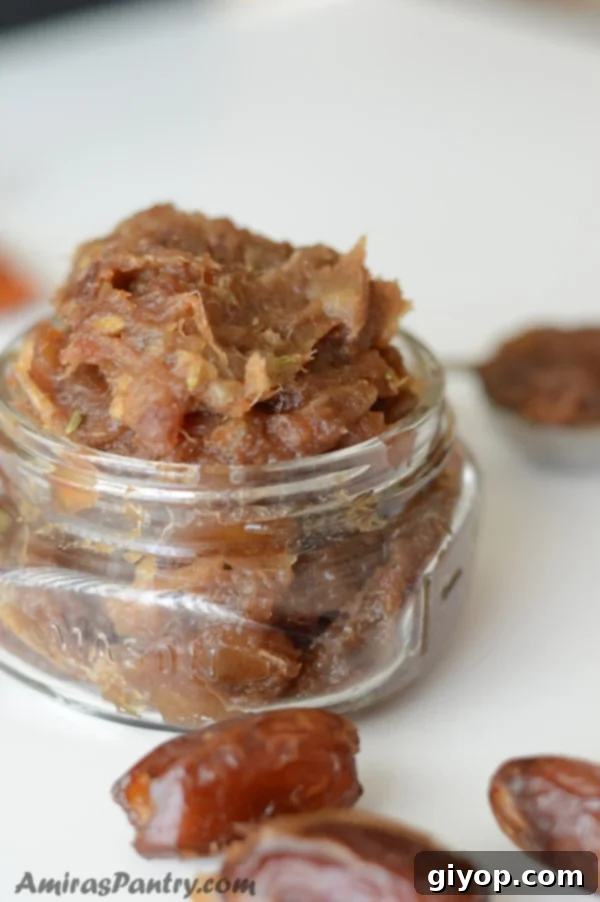
Beyond these, consider other aromatic additions: a pinch of ground cloves or nutmeg can add further complexity, particularly during cooler months. For a floral hint, a splash of orange blossom water or rose water can infuse your Agwa with an elegant perfume, reminiscent of many classical Middle Eastern sweets. Don’t be afraid to experiment with these optional add-ons to discover your ideal flavor profile. If you desire a different texture, you could also incorporate finely chopped nuts like walnuts or pistachios for added crunch, though this deviates slightly from the traditional smooth-chunky Agwa primarily used for stuffing. The key is to balance the spices so they enhance, rather than overpower, the natural sweetness of the dates.
Storage Solutions and Expert Tips for Your Homemade Agwa
One of the fantastic advantages of homemade Agwa is its impressive shelf life, particularly when stored correctly. This recipe is wonderfully freezer-friendly, allowing you to prepare a large batch and have it ready for any baking whim throughout the year. When stored in an airtight container or a heavy-duty freezer bag, your Agwa can be kept in the freezer for up to a year, maintaining its exquisite flavor and texture. This makes it an ideal ingredient for meal prep or for having on hand during busy holiday seasons when you might want to quickly whip up some date-filled treats.
When you’re ready to use your frozen Agwa, remember to give it ample time to thaw completely. You can transfer it to the refrigerator overnight or simply let it sit at room temperature for a few hours. After thawing, you might notice the paste feels a bit firm or dry. A helpful tip is to work it a little with an additional tablespoon of unsalted butter. This process not only restores its pliable, easy-to-handle texture but also refreshes its richness, making it perfectly suited for stuffing. For Agwa stored in the refrigerator, it will remain fresh for about 4-6 months, still offering a convenient option for your everyday baking needs.
I truly hope you’ve enjoyed learning about Agwa and are inspired to try today’s recipe. This versatile date paste is a gateway to a world of authentic Middle Eastern baking, and I promise you, the aroma alone will transport you. Stay tuned for many more recipes utilizing Agwa, where we’ll explore its diverse applications in cookies, pastries, and beyond. Happy baking, and enjoy the delightful flavors of Agwa!
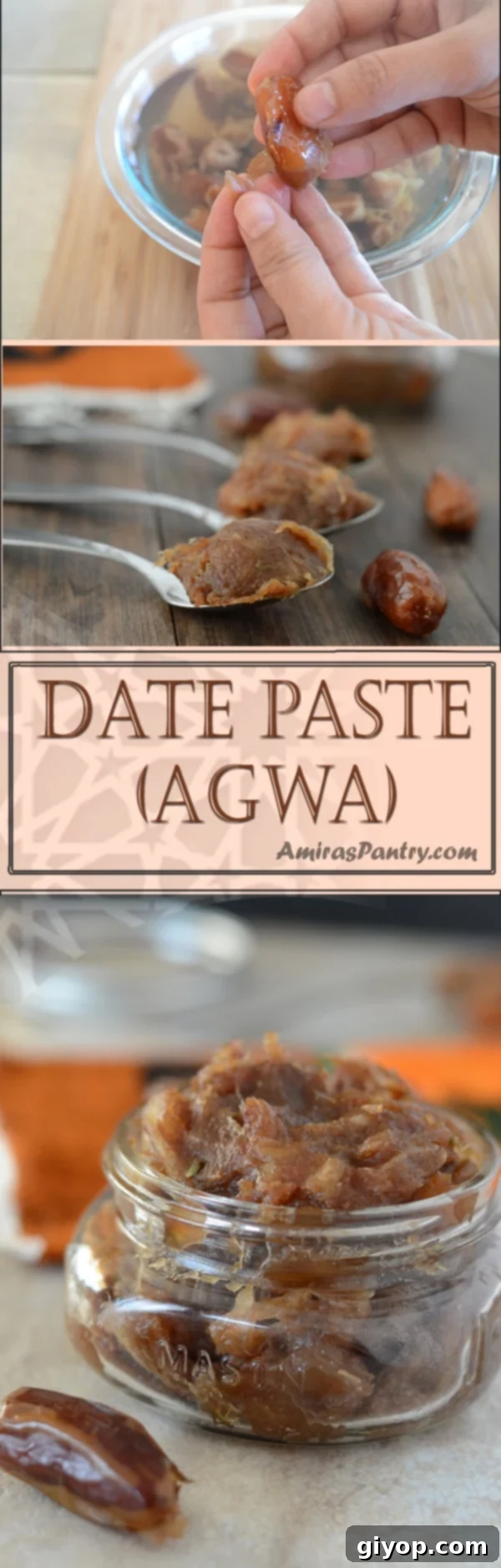

Agwa (Middle Eastern Date Paste for Stuffing)
A delicious and authentic thick date paste, perfect for stuffing traditional Middle Eastern pastries, cookies, and various baked goods, bringing a taste of the Levant to your home.
Amira
Ingredients for Homemade Agwa
- 1 lb pitted dates (Deglet Noor dates are highly recommended for authentic flavor and texture)
- Hot water (sufficient quantity to fully cover the dates for soaking)
- 3 Tablespoons unsalted butter (or traditional ghee for an even richer, deeper taste)
Optional Add-ons for Enhanced Flavor and Aroma
- 1 teaspoon ground cinnamon
- 2 Tablespoons roasted sesame seeds (adds a delightful nutty crunch)
- ½ teaspoon ground cardamom (for a fragrant, citrusy note)
- ½ Tablespoon fennel seeds (optional, for aromatic depth, but can affect texture)
- Consider a pinch of ground cloves or nutmeg, or a dash of orange blossom water for alternative flavor profiles.
Step-by-Step Instructions
- Soak the Dates: In a deep, heatproof bowl, place the pitted dates. Pour enough hot water over them to ensure all dates are fully submerged. Allow them to soak for 10-15 minutes. This vital step softens the date skins and flesh, making them much easier to peel and mash.
- Peel and Drain: Carefully drain the hot water from the dates. Once cool enough to handle, peel as much of the softened date skin as possible. While removing all skin isn’t strictly necessary, getting most of it off contributes to a smoother final Agwa. Double-check that all pits have been removed.
- Cook with Butter and Spices: Transfer the peeled and pitted dates to a sturdy pot. Add the unsalted butter (or ghee) along with any desired optional add-ons, such as ground cinnamon, roasted sesame seeds, or ground cardamom.
- Mash and Combine: Place the pot over medium heat. Using a strong wooden spoon or a potato masher, continuously stir and press the mixture. The goal is to thoroughly break down the dates and combine them with the butter and spices. Continue this process until the mixture comes together into a thick, cohesive lump of rich date paste. This traditional method typically results in a delightful, slightly chunky texture.
- Cool and Store: Once your Agwa has achieved the desired consistency, remove it from the heat and allow it to cool completely to room temperature. It is now ready to be used immediately as a delicious stuffing for your favorite pastries or stored for future culinary projects.
Important Notes on Preparation & Storage
*Texture Preference: For a super smooth Agwa, you have the option to process the cooked dates (after adding butter and spices) in a food processor until silky. However, the traditional method using a wooden spoon or a mortar and pestle often produces a wonderfully chunkier Agwa, which many find adds a more satisfying texture when used in baked goods. Choose the method that best suits your desired outcome.
**Storage Guidelines: Homemade Agwa is incredibly versatile for storage. When stored in an airtight container or a robust freezer bag, it will maintain its quality and freshness in the freezer for up to one year. If you prefer to keep it in the refrigerator, it will stay fresh for 4-6 months. When using Agwa from the freezer, ensure it thaws completely before use. You might also find it beneficial to work in an additional tablespoon of unsalted butter into the thawed paste to restore its pliability and rich texture.
Tried this delicious Agwa recipe?
We’d love to see your creations! Share your Agwa adventures and tag us @AmirasPantry or use #AmirasPantry on Pinterest.