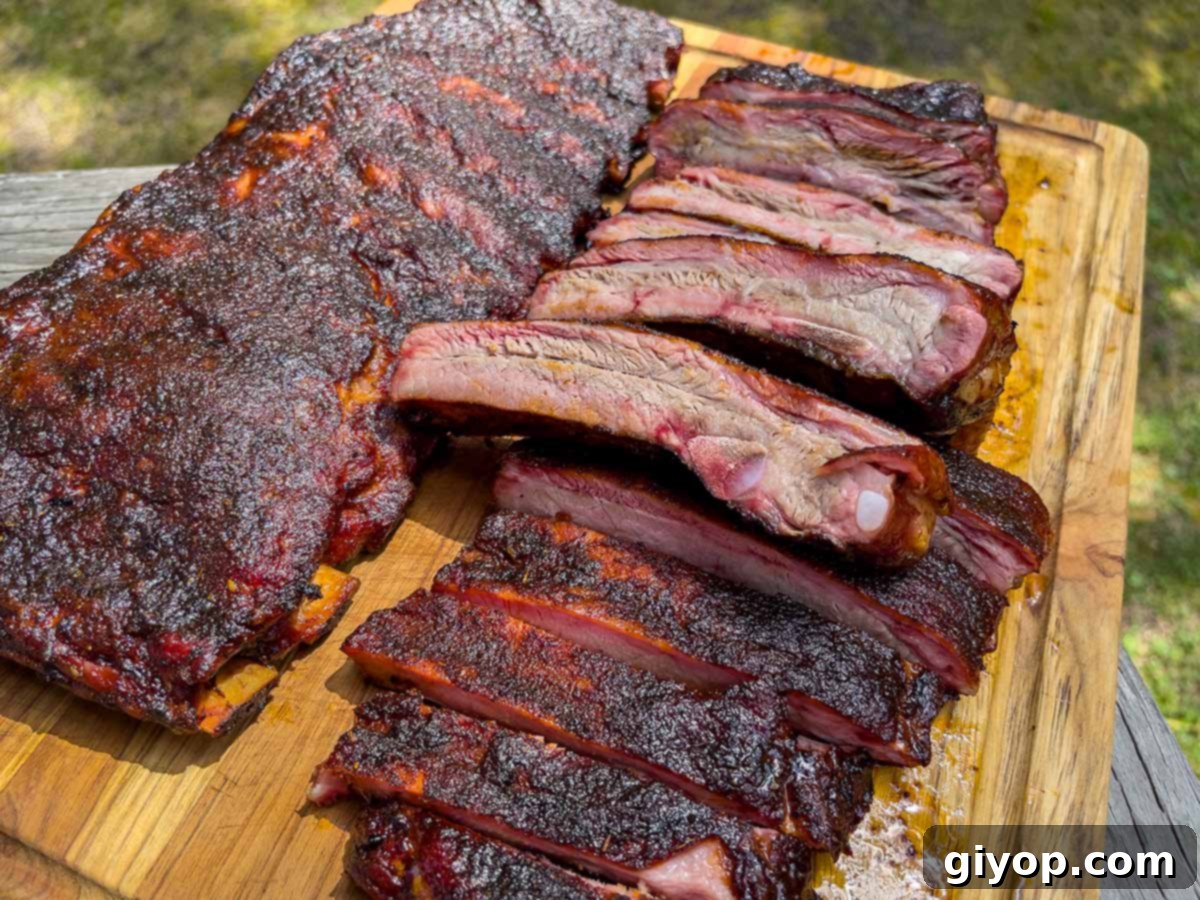
Watch our video guide to unlock the secrets of perfectly smoked St. Louis ribs using our signature mop method.
Mastering St. Louis Style Ribs: The Ultimate Mop vs. Wrap Smoking Guide
Prepare to elevate your barbecue game with our straightforward St. Louis Style ribs recipe. This method promises the most incredibly tender, succulent, and flavor-packed ribs you’ve ever tasted, all achieved without the need for wrapping. Get ready to impress your family and friends with perfectly smoked pork ribs that boast a beautiful smoke ring and a clean, satisfying bite.
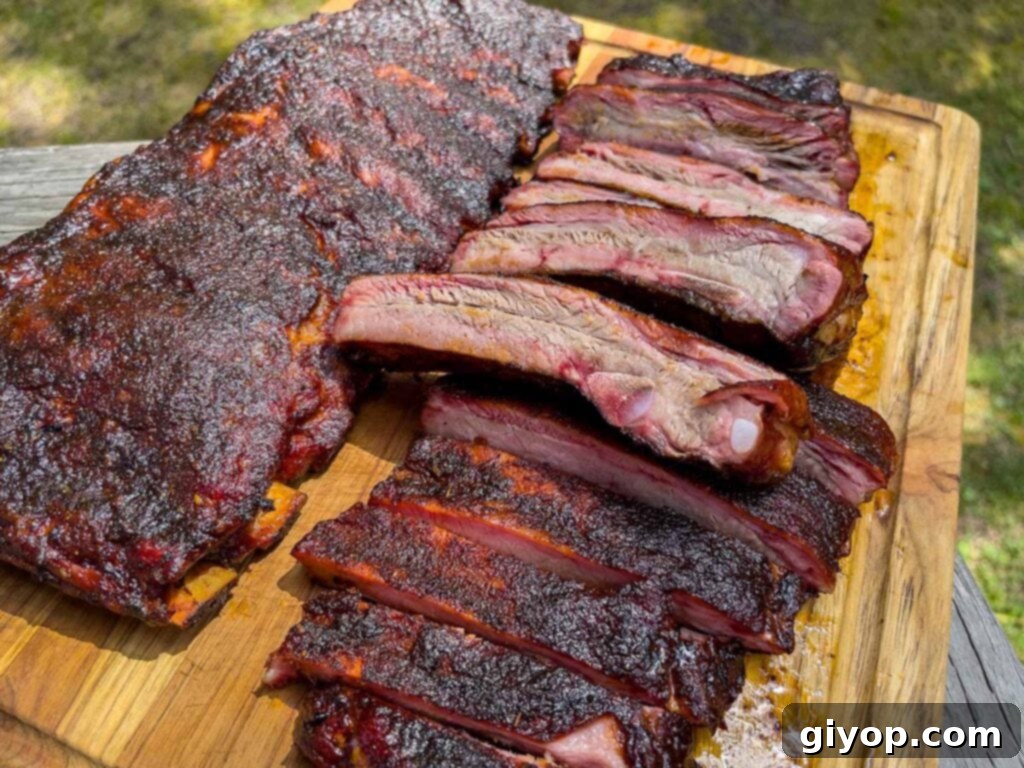
Why You’ll Fall in Love with These Smoked Ribs
Smoking ribs is a cornerstone of American backyard barbecue, a culinary art form with endless debates on temperature, cooking duration, wood types, and the age-old “fall off the bone” versus “tender with a slight tug” preference. Navigating these differing opinions can be daunting for even seasoned pitmasters.
However, this particular recipe for St. Louis Style pork ribs stands out. It consistently delivers a truly exceptional rib experience: deeply smoky, with a harmonious balance of subtle heat and delightful sweetness. The result is a rib that offers a decent pull and a clean bite, a testament to proper barbecue, far removed from the texture of pulled pork. Our secret lies in the masterful application of a flavor-enhancing mop, eliminating the need for wrapping.
Instead of wrapping the ribs in foil or butcher paper, we baste them regularly with our unique mop sauce. This approach ensures the ribs remain incredibly moist while developing a superior bark and intense smoky flavor. Forget the notion that tenderness requires wrapping; our mop method achieves that desirable tender texture, complete with a satisfying tug, without ever compromising the rich smoky character. This technique is a true game-changer for anyone aspiring to smoke ribs like a professional.
Don’t Sweat The Recipe is supported by its readers. We may earn a commission if you purchase through a link on our site. Learn more.
Our carefully crafted mop sauce contributes an exceptional layer of flavor, ensuring the ribs stay perfectly moist and achieve optimal tenderness without the wrapping stage. This method allows for a more direct interaction with the smoke, building a phenomenal bark that is often lost when ribs are wrapped for extended periods.
A crucial tip for aspiring pitmasters: steer clear of the infamous 3-2-1 method for smoking ribs. While some swear by it, this technique almost invariably results in ribs that are overcooked to the point of becoming pulled pork. Serious barbecue enthusiasts widely agree that this method is best avoided. If there’s one piece of advice to take from this guide, it’s this: avoid the 3-2-1 rib method at all costs if you desire a truly authentic smoked rib experience.
Should you prefer a “fall off the bone” experience, we do offer a popular recipe for Fall Off The Bone St. Louis Style Ribs. However, even these are not subjected to an excessively long 6-hour cook time, striking a balance between tenderness and structural integrity.
What Exactly Are St. Louis Style Ribs?
St. Louis style ribs originate from the spare ribs, also known as side ribs. These are cut from the belly section of the pig’s rib cage, situated below the back ribs and above the sternum (breast bone). Spareribs are characteristically flatter and contain more bone relative to their meat content, yet they are prized for their rich fat marbling which contributes immensely to flavor and moisture.
What transforms standard spare ribs into the distinct “St. Louis style” cut is a specific trimming process. This involves removing the sternum bone, cartilage, and rib tips. The result is a more uniform, nearly rectangular slab of ribs, making them ideal for even cooking and presentation, a hallmark of competition-style barbecue.
St. Louis Style vs. Baby Back Ribs: Understanding the Differences
The world of pork ribs primarily distinguishes between two popular cuts: baby back ribs and St. Louis style ribs. While both are delicious, they offer different characteristics that influence cooking methods and the final eating experience.
Baby back ribs are sourced from the top of the rib cage, nestled between the spine and the spare ribs. They are shorter, more curved, and typically meatier than spare ribs, featuring meat both between and on top of the bones. Due to their leaner profile, baby back ribs generally cook faster and are often preferred for their tender, leaner meat.
In contrast, St. Louis style ribs (which are trimmed spare ribs) are flatter and wider, containing a higher proportion of bone and fat. This increased fat content is actually a benefit, as it renders down during the smoking process, infusing the meat with incredible moisture and a richer, more robust flavor. While they may have less meat per bone than baby backs, their generous marbling contributes to a uniquely tender and juicy outcome that many barbecue aficionados prefer.
How To Smoke St. Louis Ribs: A Step-by-Step Approach
Successfully smoking ribs, particularly using our mop method, benefits from a systematic approach. I find it most helpful to break down the process into distinct, manageable stages, ensuring everything is prepped and ready for seamless transitions between steps. This methodical approach leads to consistently outstanding results.
- Prepare the Dry Rub
- Prepare the Ribs (Trimming & Cleaning)
- Prepare the Mop Sauce
- Smoke the Ribs
- Enjoy the Ribs
Prepare The Rub: Crafting the Flavor Foundation
The dry rub is the first layer of flavor, and it sets the stage for a truly remarkable rib. The sheer variety of rubs available can be overwhelming, and you might already have a go-to favorite. If so, fantastic! Feel free to skip ahead to the rib preparation section.
For those seeking simplicity without sacrificing quality, I often recommend a well-balanced commercial rub like Bad Byron’s Butt Rub. It’s excellent for pork, featuring a classic blend of paprika, salt, pepper, onion powder, garlic powder, and a touch of chipotle. It delivers a decent flavor profile and, notably, contains no sugar, making it suitable for those adhering to a Keto diet.
However, we wholeheartedly advocate for making your own rubs. There’s an undeniable satisfaction in knowing you’ve crafted every element of your barbecue, taking full credit for the incredible flavors served at your table. Our rub, inspired by the Memphis style, offers a delightful balance—not overly sweet, with a gentle heat that perfectly complements pork.
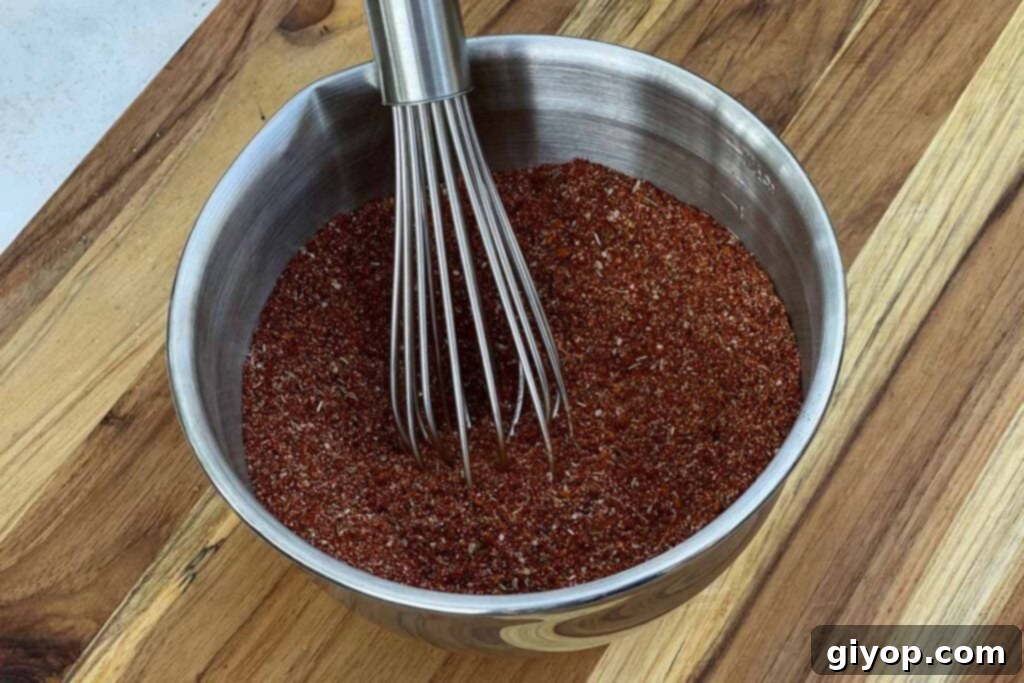
To prepare this signature rub, simply combine all the specified ingredients in a mixing bowl. Whisk them thoroughly to ensure an even distribution of flavors. Once mixed, you can either sprinkle the rub directly onto the ribs or transfer it to a spice shaker for easier application. With the rub ready, your attention can then turn to preparing the ribs themselves.
Prepare The Ribs: The Art of Butchery
When it comes to St. Louis style ribs, you have a couple of options at the butcher shop. You can either purchase whole spare ribs and trim them down yourself, or you can often find them already pre-trimmed to the St. Louis specifications. When buying, always consider the price; trimming spare ribs at home means removing a significant amount of weight, which might make pre-trimmed ribs a more cost-effective choice in the long run.
Trimming The Ribs for Optimal Flavor and Texture
Trimming is a critical step that cannot be overlooked. While some fat is essential for moist, flavorful ribs, excessive fat will hinder smoke penetration and prevent the rub from adhering effectively. It’s also important to remove any scraggly bits that might burn or overcook, ensuring a uniform rack that cooks evenly.
Even high-quality ribs, like those often found at Costco, typically require some degree of trimming. Carefully inspect your racks for any loose pieces of meat or large pockets of hard fat that won’t render during cooking. These need to go.
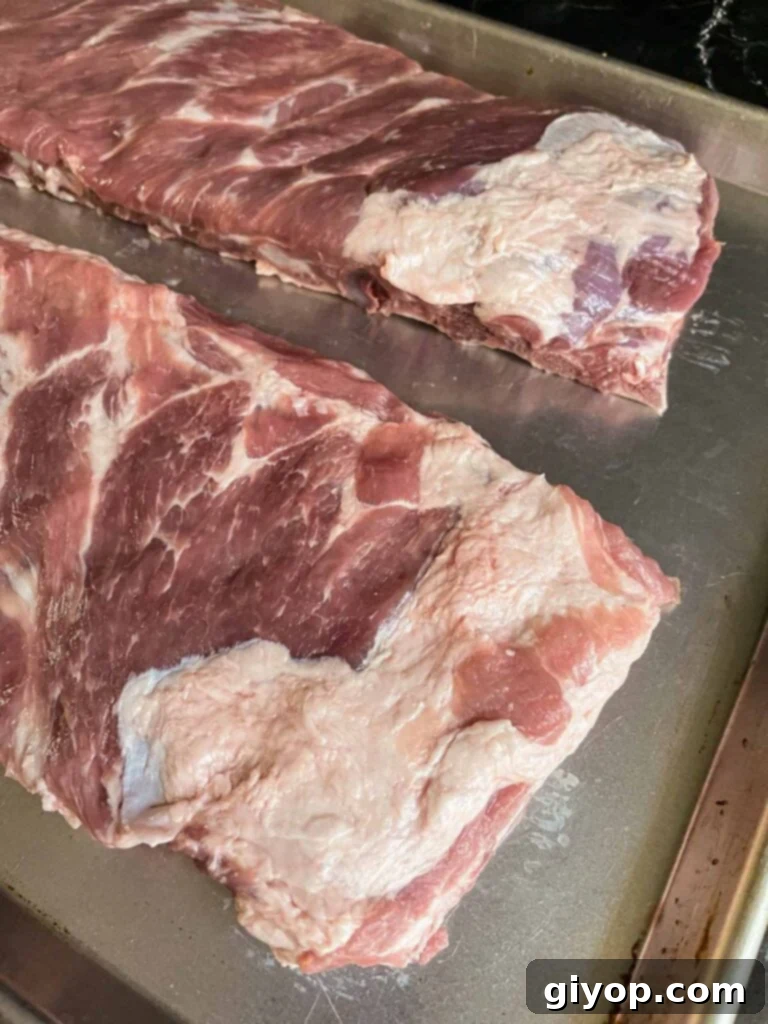
Pockets of thick, unyielding fat will act as a barrier, preventing both the smoke and your rub from permeating the meat. The goal is a rich, flavorful rib, not a greasy one. To check, press down on the fatty areas with your finger; if it feels solid and dense, it should be trimmed.
Using a very sharp knife, carefully slice away the excess fat. It’s best to take small, deliberate cuts to avoid accidentally removing too much valuable rib meat. After trimming, you’ll notice a significant improvement in the rack’s appearance and its readiness for the smoker.
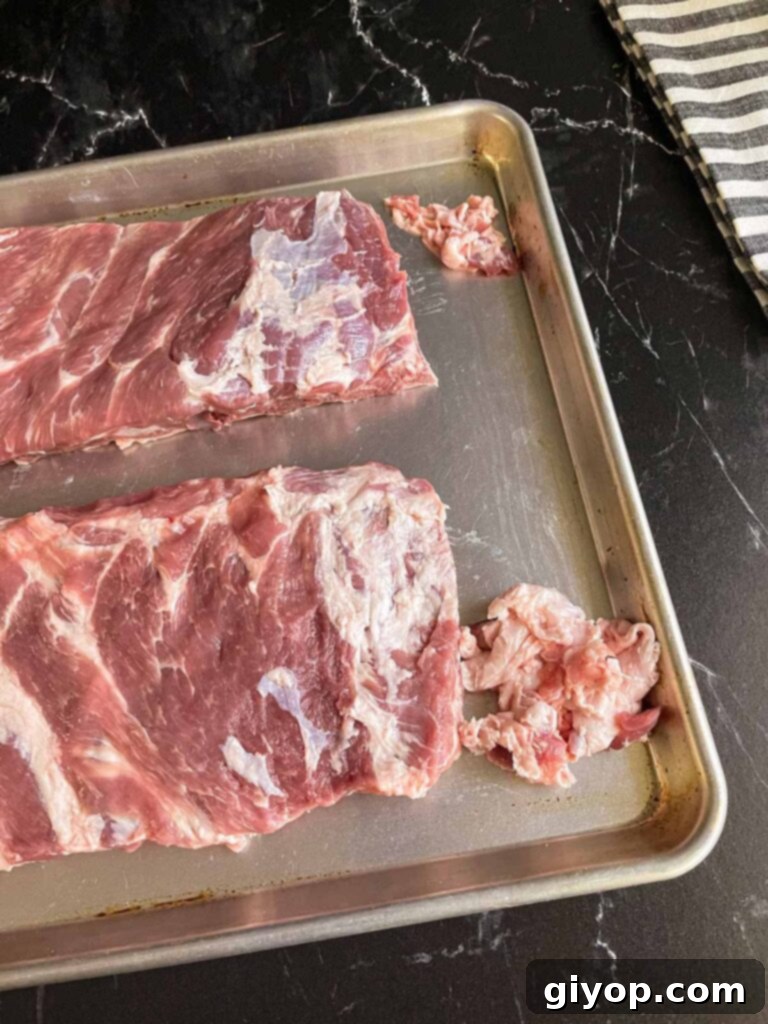
The amount of trimming required will vary from one rack to another. Some may need extensive work, while others might be nearly perfect. When selecting your ribs, take a moment to inspect them, as any trimmed weight increases the overall cost per edible pound. Once trimmed, if you started with whole spare ribs, you can proceed to cut them into the characteristic St. Louis style. If your ribs are already St. Louis cut, you can move on to applying the rub.
Removing The Back Flap (Diaphragm) for Even Cooking
Flip the ribs over to expose the bone side. You’ll often find a strip of meat, known as the diaphragm or skirt, running along one side, usually about half the length of the rack. This piece of meat is much thinner than the main rib section and will cook significantly faster.
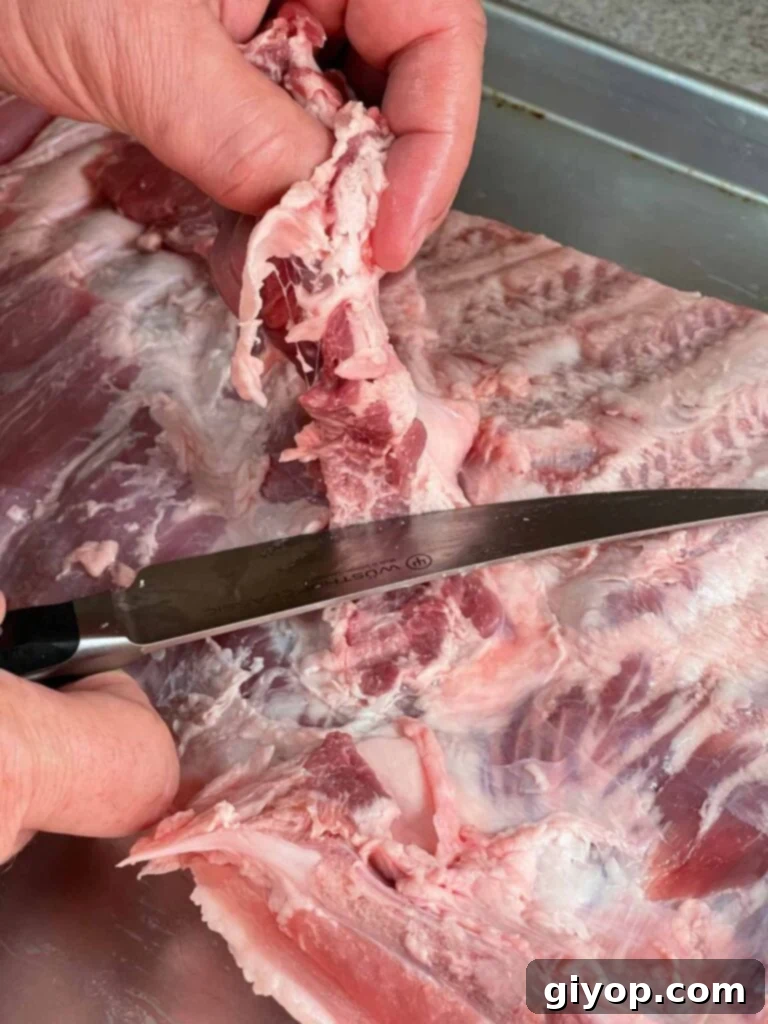
It’s essential to trim this diaphragm off. Leaving it on will lead to an overcooked, chewy, and unpleasant piece of pork that detracts from the overall quality of your ribs. Use a sharp knife to carefully remove it. Don’t discard this flavorful piece! It’s excellent for adding to stews, making stock, or even smoking alongside the main ribs for a chef’s treat.
Removing The Membrane (Silver Skin) from the Ribs
On the bone side of the ribs, you’ll discover a thin, silvery membrane (also known as silver skin). This membrane is a barrier that prevents both the smoky flavors and your delicious rub from penetrating the meat effectively. Crucially, it will not render during cooking, resulting in a tough, chewy layer that ruins the ideal “clean bite” experience. While some might argue against its removal, for truly perfect ribs, this silver skin absolutely must go.
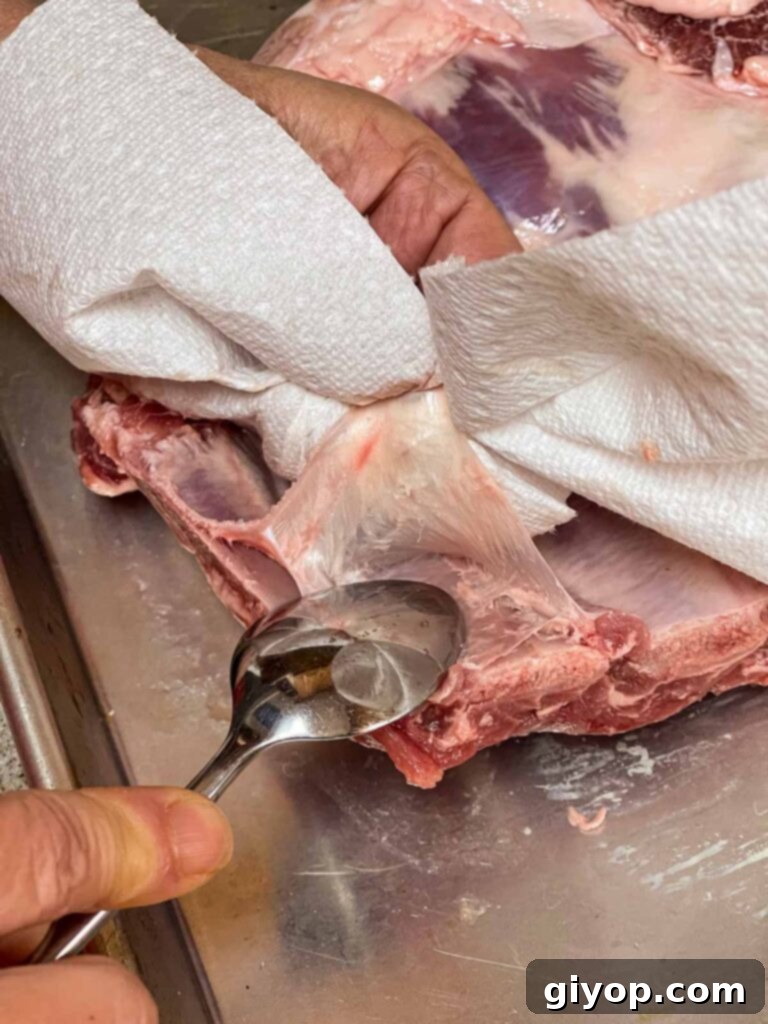
To remove the silver skin, turn the ribs bone-side up. Using the handle of a spoon or a small knife, gently work your way under the membrane on one end until you can lift it up slightly. Once you have a small section free, grab it firmly with a paper towel. The paper towel provides grip, allowing you to pull the membrane cleanly down the length of the rack. If it tears, simply grab another section with the paper towel and continue pulling until the entire membrane is removed. This small effort makes a significant difference in the final texture of your smoked ribs.
Cutting to St. Louis Style: Removing The Brisket Bone and Rib Tips
If you started with a full rack of spare ribs, this step is where we transform them into the desirable rectangular St. Louis style cut. This involves precisely removing the brisket bone (sternum bone), associated cartilage, and the often-chewy rib tips. The goal is to create a uniform slab of ribs that cooks evenly and presents beautifully.
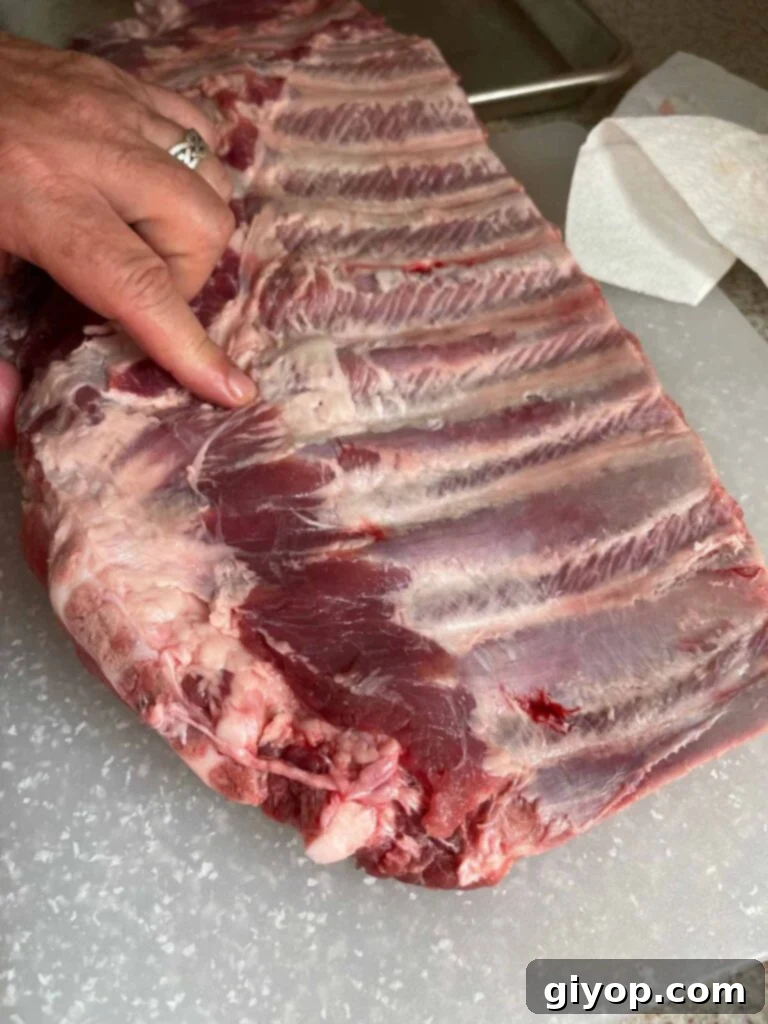
To make the cut, first locate the longest rib on the rack, which is typically the fourth bone from the loin end. This bone will serve as your guide for the lengthways cut. Using a sharp, sturdy knife, carefully cut straight down the length of the rack, following this bone. You may encounter some resistance as you slice through cartilage, but a good sharp knife will make quick work of it.
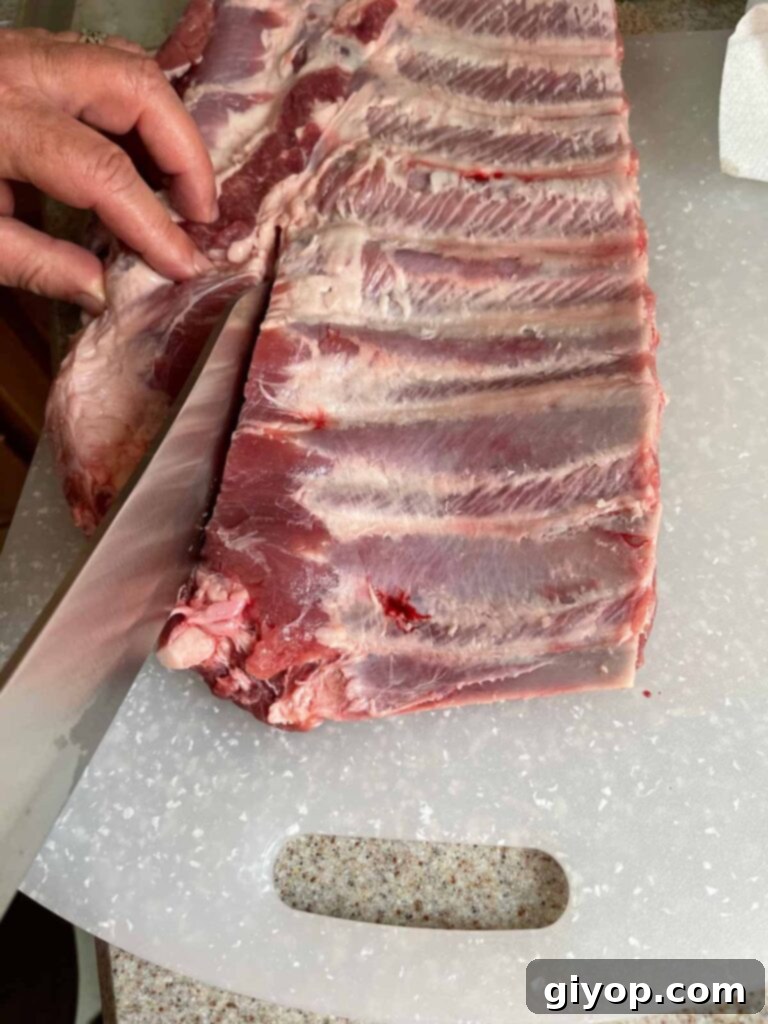
The section you remove, often called “rib tips,” is a delicious bonus! These smaller, meatier chunks are fantastic when smoked alongside the main ribs. They make for an excellent chef’s snack or appetizer while the main course finishes cooking.
Final Trim: Achieving Uniformity
Before applying your rub, take one final look at the rack. At one end, you might find a thin flap of meat that extends beyond the main rib structure. This “flap meat” tends to overcook and dry out quickly during the smoking process. To ensure uniform cooking and a polished presentation, it’s best to trim this piece off.
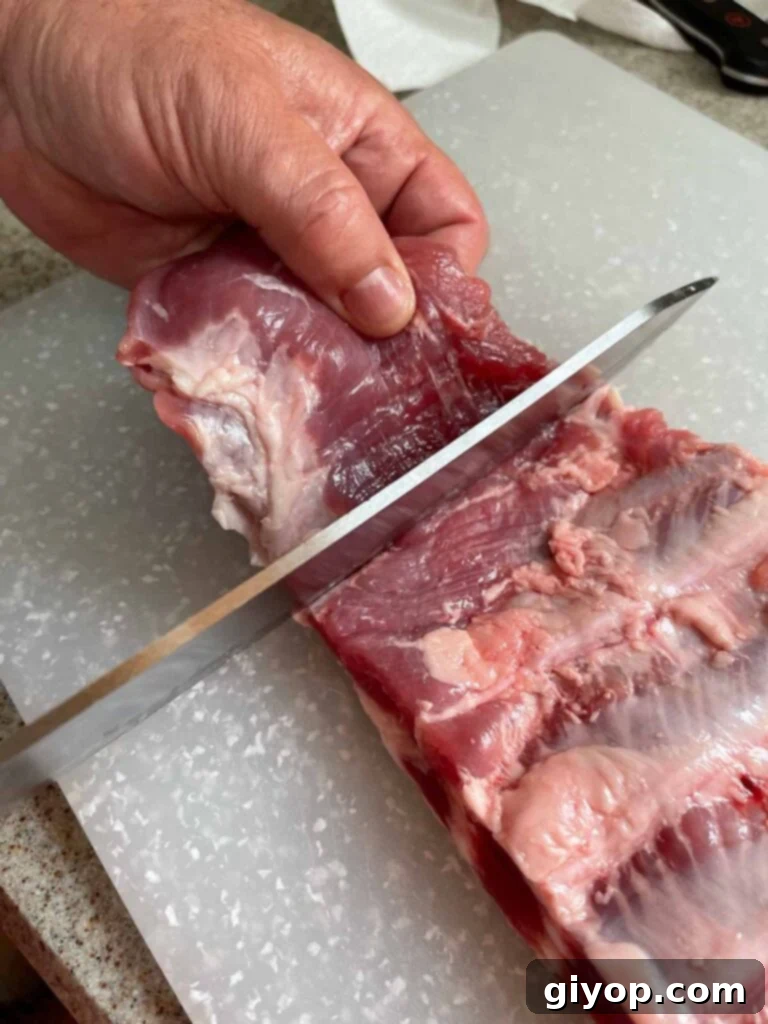
Add this trimmed flap to your collection of rib tips to be smoked. Turn the rack over one last time and inspect both sides for any remaining loose bits or uneven edges. Your goal is a beautifully rectangular, uniform rack of St. Louis style ribs, perfectly prepared for seasoning and smoking.
Add The Rub: Seasoning for Deep Flavor
With your ribs perfectly trimmed and cleaned, it’s time for the crucial step of applying the dry rub. Place your ribs on a large baking sheet, bone side up, and generously sprinkle your chosen rub over the entire surface. Don’t be shy; a good layer of rub is essential for maximum flavor. Gently pat the rub into the meat to ensure it adheres well, then flip the ribs over.
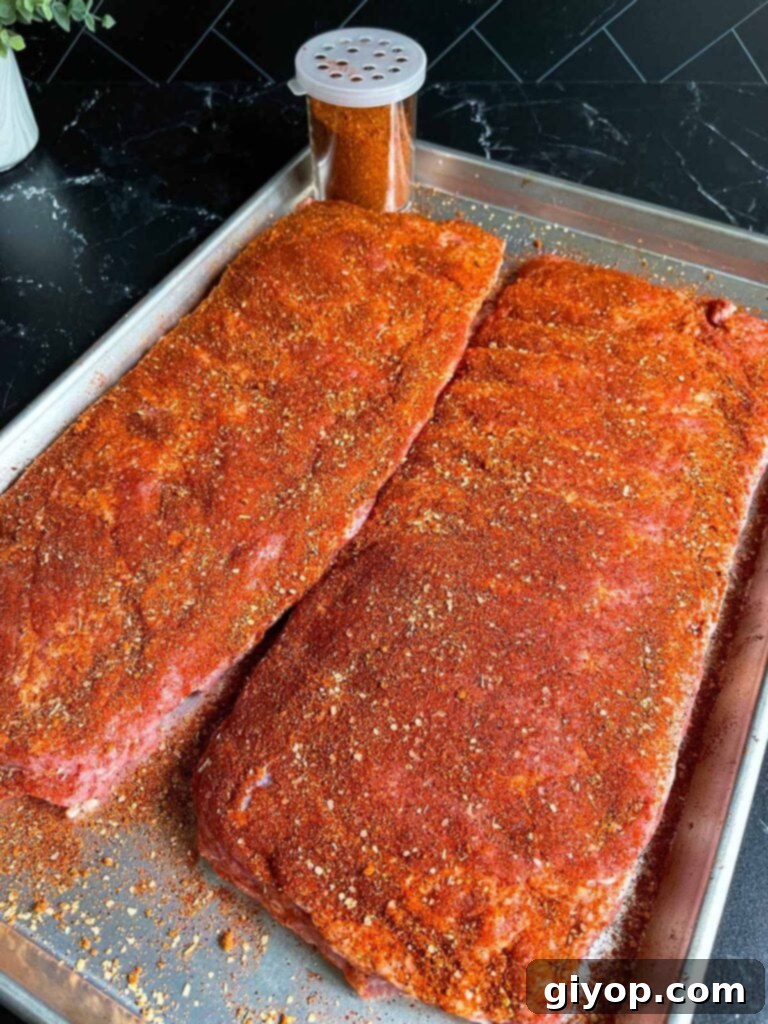
Repeat the process on the meatier side, ensuring every inch of the ribs is thoroughly coated. The rub should form a visible, even layer across the entire surface.
Some pitmasters advocate for using a “binder” like mustard or olive oil to help the rub stick. While I have used binders in the past, I’ve found that a well-prepared rub adheres perfectly fine to the slightly moist surface of the ribs without any additional binder. Therefore, I no longer use one for my ribs, keeping the process simpler and focusing purely on the rub’s flavor.
Once seasoned, allow the ribs to rest at room temperature for 30 minutes to an hour. This resting period allows the rub to meld with the meat and draw out some moisture, creating a sticky surface that will form a beautiful bark. During this time, you can prepare your smoker and the essential mop sauce.
Preparing The Mop: The Secret to Juicy, Flavorful Ribs
As highlighted, this recipe proudly bypasses the wrapping step. While wrapping can certainly contribute to tenderizing ribs, we’ve observed that it often leads to an overly soft, almost mushy texture—a common pitfall of the “fall off the bone” pursuit. The true mark of a great smoked rib is not just tenderness, but a perfect balance: deep smoke flavor, robust seasoning, and a clean bite that doesn’t strip all the meat from the bone.
Our mop technique, combined with a slightly higher smoking temperature, achieves ribs that are tender, flavorful, and finish cooking faster, all while developing an incredible smoke ring and a desirable bark. An added benefit is the versatility of the mop; you can experiment with various ingredients to create an array of exciting flavor profiles that perfectly complement your chosen rub.
The mop recipe provided here is intentionally basic, designed to enhance the existing flavors of your dry rub without overpowering them. It’s a remarkably effective combination!
In a small saucepan, combine the following ingredients and gently warm them over low heat:
- 3/4 cup Worcestershire sauce
- 6 tablespoons unsalted butter
- 2 tablespoons apple cider vinegar
- 1 teaspoon Kosher salt
- 1 tablespoon freshly ground black pepper
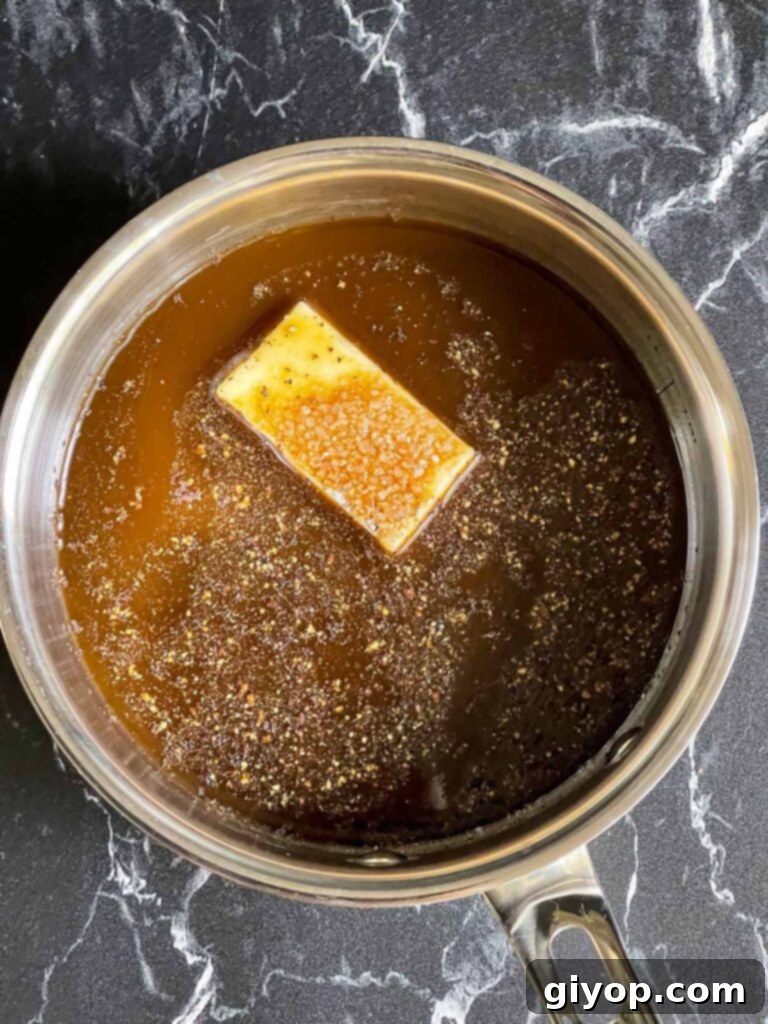
Continue warming until the butter has fully melted and all ingredients are well incorporated. Keep the mop warm throughout the smoking process, as this will ensure easy application and maximum absorption of flavor into the ribs.
Smoking The Ribs: Achieving Perfection
The debate over ideal smoking temperatures and times for pork ribs is as old as barbecue itself. I’ve experimented with temperatures ranging from a low and slow 225°F to a hotter 275°F. For this particular mop method, we’ll lean towards the higher end of that spectrum. This allows the ribs to cook more efficiently, while the constant mopping and absence of wrapping ensure ample smoke penetration and a fantastic bark development.
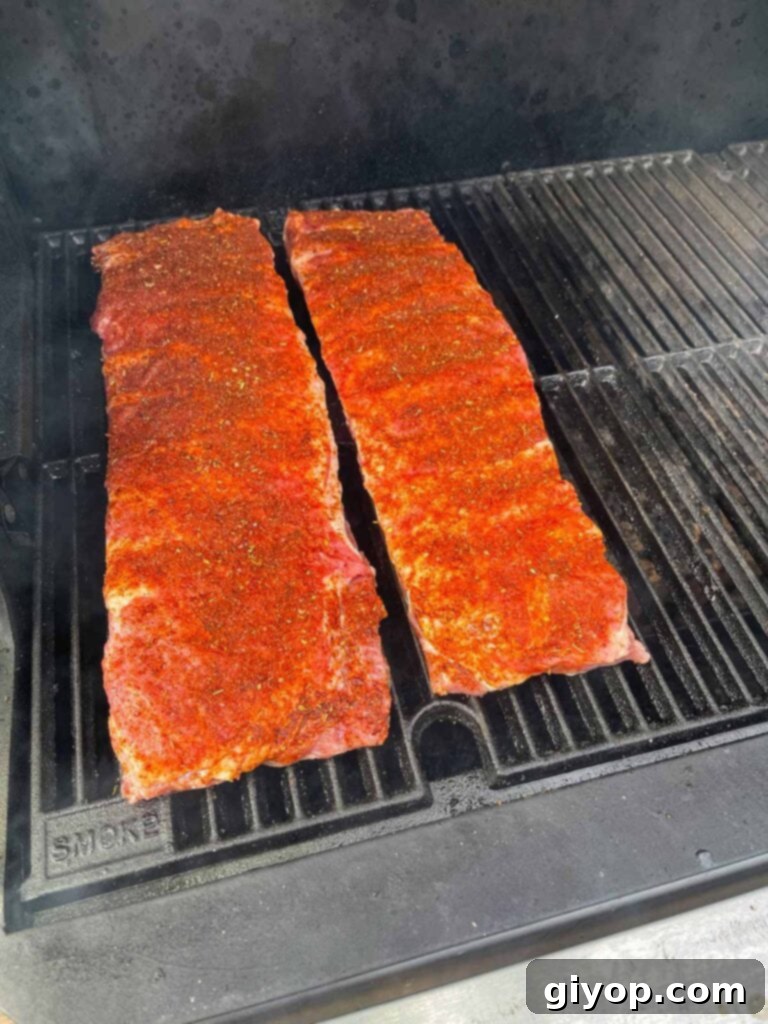
Begin by preheating your smoker to a consistent temperature between 250°F and 275°F. Once the smoker is at temperature, add your preferred wood chunks or chips (see below for recommendations) and place the seasoned ribs directly on the grates, bone side down. Position the thicker ends of the ribs towards the main heat source for more even cooking.
What Wood To Use When Smoking Ribs
Choosing the right smoking wood is crucial for imparting the perfect flavor profile to your ribs. For a robust, classic barbecue taste that’s assertive but not overwhelming, hickory is an excellent choice. It delivers a strong, smoky flavor that pairs wonderfully with pork.
Alternatively, pecan offers a slightly milder, nutty smoke that’s incredibly flavorful, while oak provides a medium, balanced smoke. For those who prefer a lighter, sweeter smoke, fruitwoods like apple or cherry are fantastic options. Feel free to experiment to find your personal favorite, or even blend woods for a unique signature flavor.
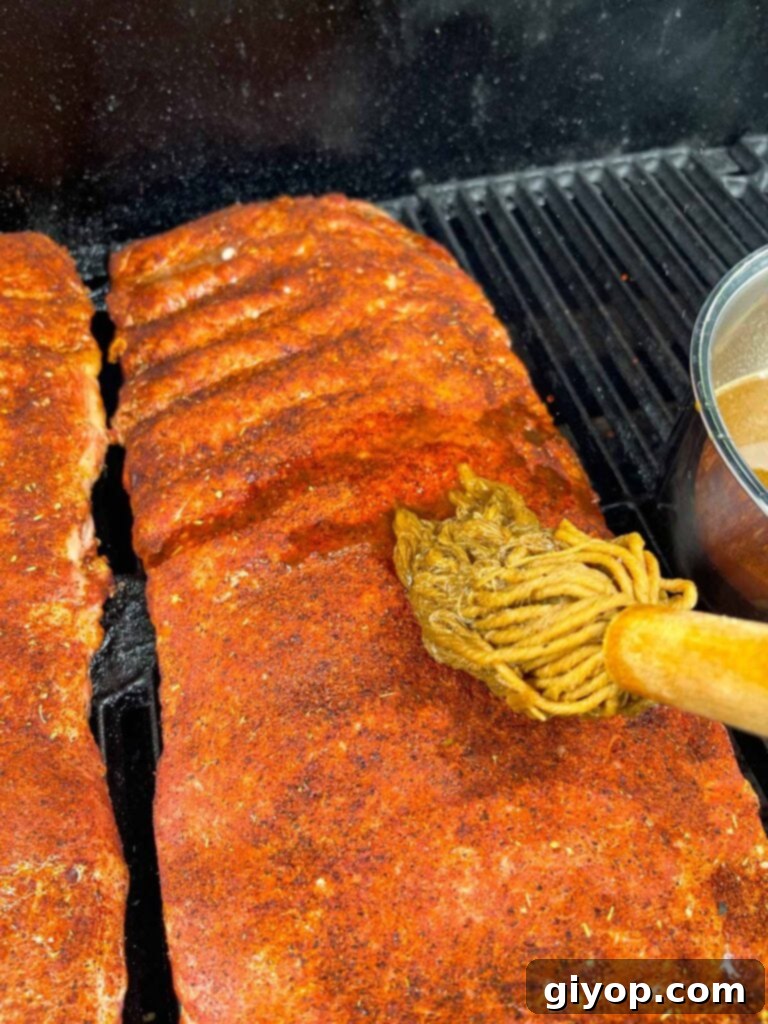
After the first 30 minutes, it’s time to begin the mopping process. Gently and evenly apply the warm mop sauce to the surface of the ribs. Repeat this basting every 30 minutes throughout the smoking period. To ensure the ribs cook as evenly as possible and develop a consistent bark, consider rotating the racks every hour, especially if your smoker has hot spots.
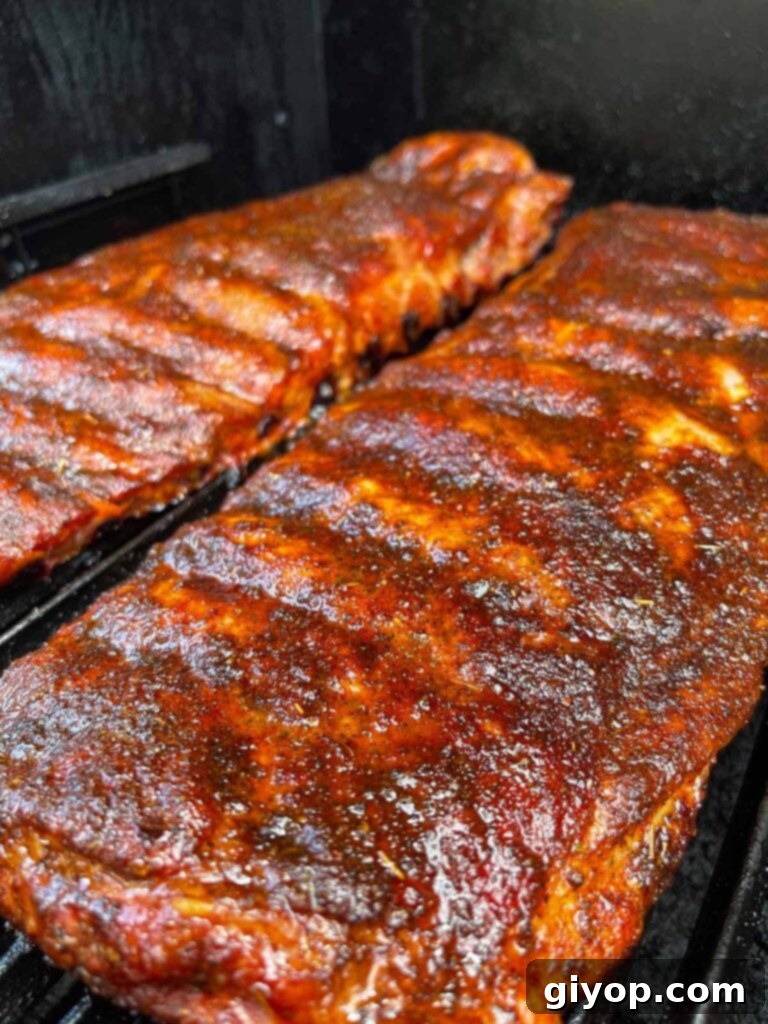
Continue smoking the ribs, diligently mopping them every 30 minutes. After about 3 hours on the smoker, it’s time to start checking for doneness. This is where an instant-read thermometer becomes your best friend. Insert the thermometer into the thickest part of the meat between the bones, being careful not to touch the bone itself.
Continue smoking until the internal temperature of the ribs reaches 195°F. In my experience, this temperature yields the most desirable texture for a St. Louis style rib – a clean bite with minimal tug. If you prefer a slightly firmer texture with a bit more resistance, aim for an internal temperature closer to 185-190°F. Conversely, pushing the temperature slightly higher, towards 200-205°F, will result in a more “fall off the bone” tender rib. However, I generally advise against going below 185°F or above 205°F to maintain optimal texture and moisture.
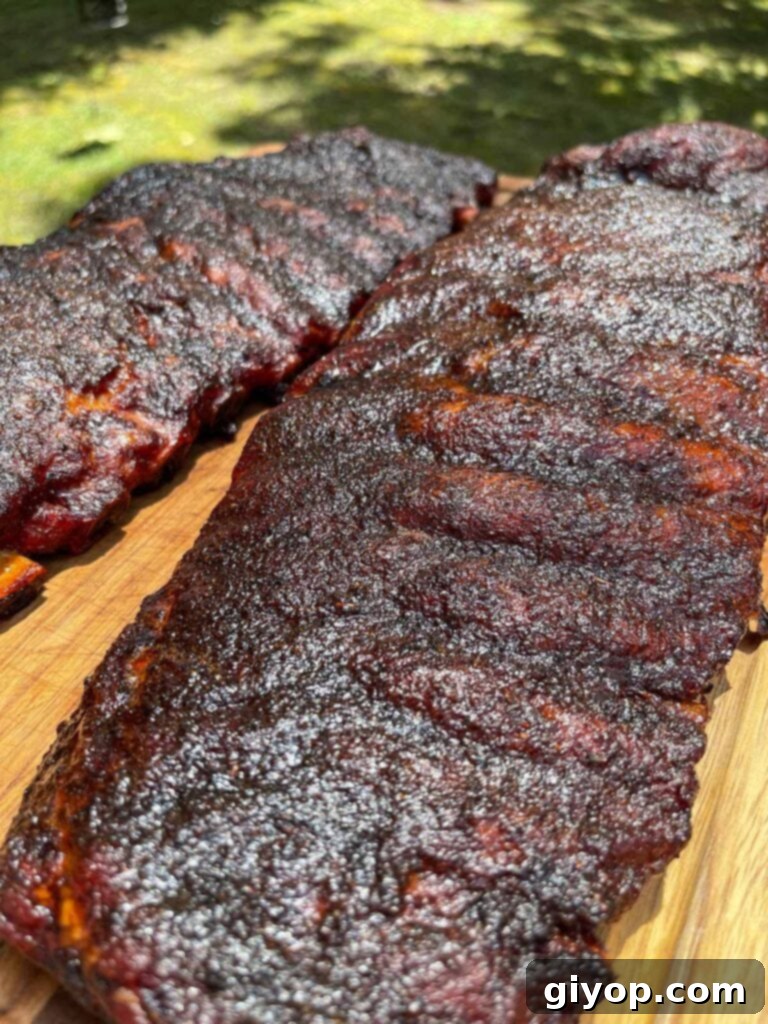
Once your ribs reach the desired internal temperature, carefully remove them from the smoker. It’s crucial to allow the ribs to rest for approximately 15 minutes before slicing. This resting period allows the juices to redistribute throughout the meat, ensuring every bite is incredibly tender and moist.
Eating The Ribs: The Grand Finale
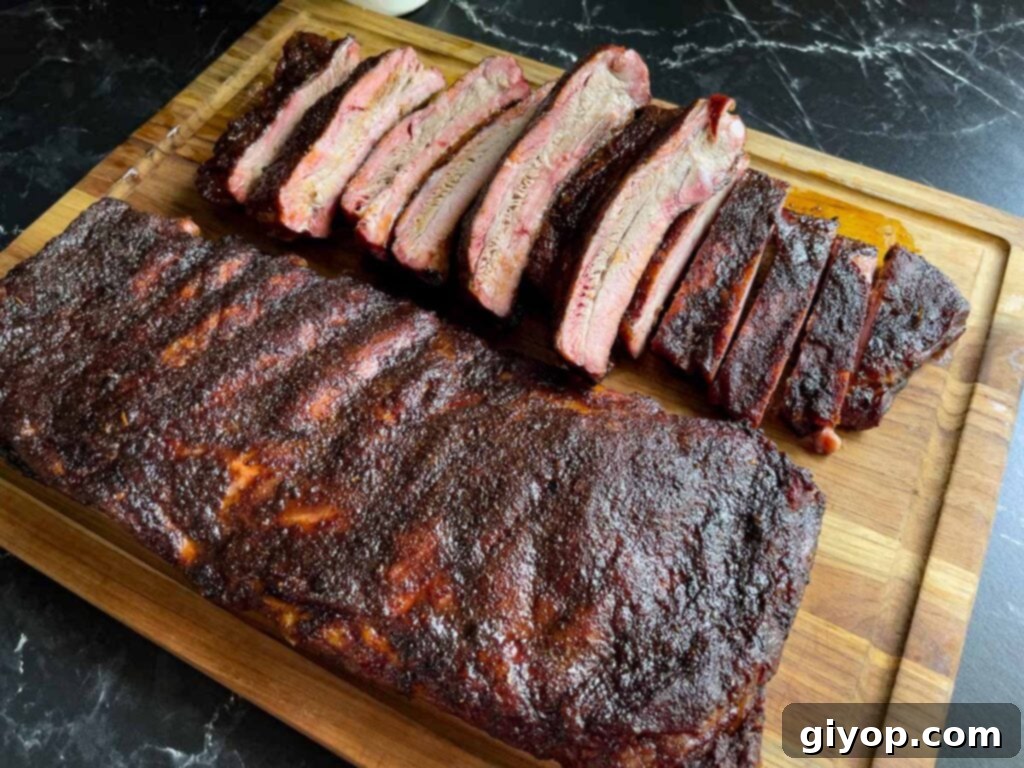
After all your hard work, the moment of truth has arrived! The easiest and most efficient way to slice your beautifully smoked St. Louis ribs is to flip them bone side up on a cutting board. Using a long, sharp knife, make clean cuts precisely between each bone. This method ensures you get a perfect individual rib portion every time.
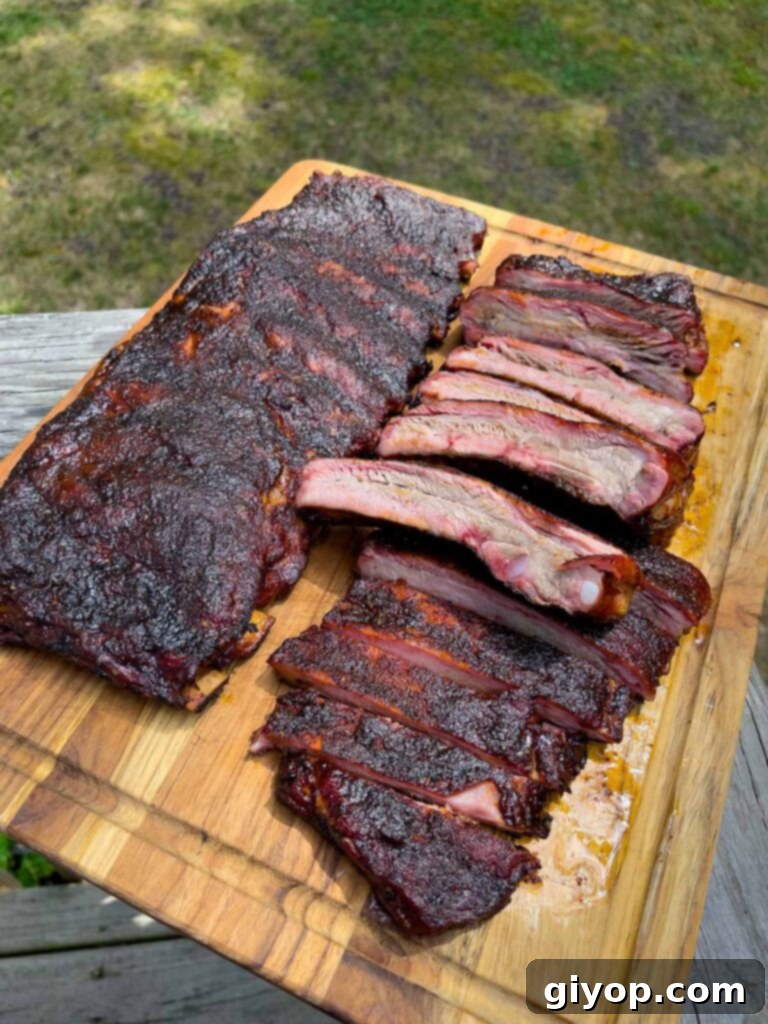
As you slice, you should be greeted by a vibrant smoke ring, indicating superb smoke penetration, and incredibly juicy pork. Each slice will reveal the succulent, tender meat you worked so hard to achieve!
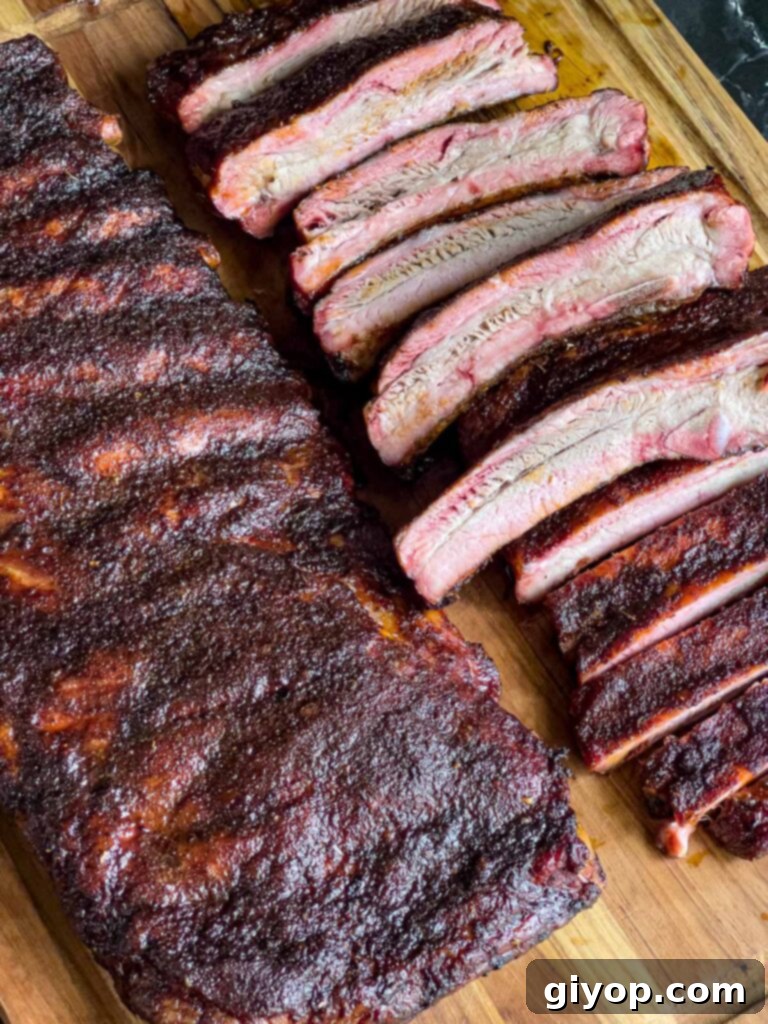
Plate your masterpiece and serve it with your favorite barbecue sides. If you’re looking for inspiration, consider pairing these incredible ribs with our creamy Baked Macaroni And Cheese or our richly flavored Easy Barbecue Baked Beans Recipe. Both are fantastic complements that will elevate your barbecue feast.
I can confidently say that these smoked ribs are among the best I’ve ever had. What’s more, the process of smoking ribs truly doesn’t get much simpler than this. No cumbersome wrapping, no complicated ingredients—just pure, unadulterated, fantastic barbecue that will leave a lasting impression.
Other Delicious Barbecue Dishes to Explore
If you’ve enjoyed mastering these St. Louis ribs, you’re in for a treat with our other popular barbecue recipes. Expand your grilling repertoire and explore new smoky delights:
Share your success! If you’re on Pinterest, click the button below to add this fantastic St. Louis Ribs recipe to one of your boards!
Are you on Pinterest? Click the button below to add this recipe to one of your boards!
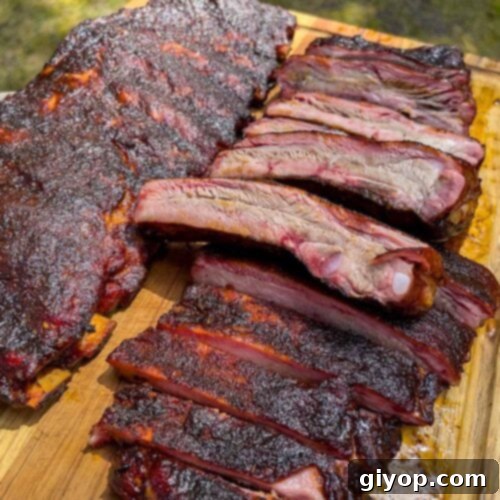
St. Louis Ribs – Learn How To Do Smoked Ribs Like A Pro
Ready to level up your St. Louis ribs game and serve truly fantastic smoked ribs? Try our mop method instead of wrapping for a game-changing experience.
Rating: 5 out of 5 stars (from 4 votes)
Rate This Recipe
Print Recipe
Pin Recipe
Course: Barbecue, BBQ
Cuisine: American
Prep Time: 15 minutes
Cook Time: 4 hours
Servings: 8
Calories: 278 kcal per serving
Equipment
- Smoker
- Instant-read thermometer
- Small saucepan
- Basting brush or mop
Ingredients
The Ribs
- 2 racks Spare ribs (or pre-cut St. Louis Style ribs)
The Rub
- 1/2 cup Paprika
- 2 tbsp Smoked paprika
- 2 tbsp Garlic powder
- 1/4 cup Chili powder
- 3 tbsp Kosher salt
- 3 tbsp Black pepper, freshly ground
- 2 tbsp Onion powder
- 3 tbsp Brown sugar, packed
- 1 tbsp Dried oregano
- 1 tbsp Cumin
- 2 tsp Dry mustard
- 1 tsp Cayenne powder
The Mop
- 3/4 cup Worcestershire sauce
- 2 tbsp Apple cider vinegar
- 6 tbsp Butter, unsalted
- 1 tbsp Black pepper, freshly ground
- 2 tsp Kosher salt
Instructions
Preparing The Rub
- Combine all rub ingredients in a bowl. Whisk well to combine thoroughly. Transfer to a spice shaker or set aside.
Preparing The Ribs
- Carefully trim off any excess fat and loose bits from both sides of the rib racks.
- Flip the ribs to the bone side. Trim off the diaphragm flap of meat if it’s present.
- Remove the thin silver skin (membrane) from the bone side of the ribs.
- If starting with spare ribs, follow the instructions in the post to cut them down into the St. Louis Style.
- Liberally apply the prepared rub to both sides of the ribs, ensuring full coverage. Let the ribs rest for 1 hour at room temperature before smoking.
Preparing The Mop
- Add all the mop ingredients (Worcestershire sauce, apple cider vinegar, butter, black pepper, kosher salt) to a small saucepan. Warm over low heat until butter melts and ingredients are combined. Keep warm throughout the smoking process.
Smoking The Ribs
- Preheat your smoker to a consistent temperature of 250-275°F. Add your preferred smoking wood (hickory, pecan, or oak are recommended).
- Place the ribs in the smoker bone side down, orienting the thicker ends towards the main heat source for even cooking.
- Smoke the ribs for three hours, applying the mop sauce gently and evenly every 30 minutes. Consider rotating the racks every hour for uniform cooking.
- After three hours, begin checking for doneness. Use an instant-read meat thermometer to check the internal temperature in the thickest part of the meat, avoiding the bone.
- Remove the ribs from the smoker when the internal temperature reaches 195°F for a clean bite. For slightly more tug, aim for 185-190°F; for “fall off the bone,” go up to 200-205°F.
- Allow the smoked ribs to rest for 15 minutes before slicing.
- Turn the ribs over (bone side up) and make clean cuts between each of the bones to create individual portions.
- Serve your amazing St. Louis ribs with your favorite sides and enjoy!
Notes
- The rub recipe yields approximately 2 cups. Typically, about one-third of this amount is sufficient for two racks of ribs.
- The mop recipe also yields about 2 cups. You’ll likely use a little more than half of it for two racks of ribs.
- Regarding internal temperatures:
- 195°F: Provides a perfect, clean bite with slight tug.
- Slightly lower (185-190°F): Will produce a bit more tug, ideal for those who prefer firmer ribs.
- Slightly higher (200-205°F): Will give you a more “fall off the bone” experience.
- Avoid cooking below 185°F or above 205°F for the best balance of moisture and texture.
Nutrition Information (per serving)
Calories: 278kcal | Carbohydrates: 24g | Protein: 13g | Fat: 17g | Saturated Fat: 5g | Polyunsaturated Fat: 1g | Monounsaturated Fat: 1g | Cholesterol: 49mg | Sodium: 2933mg | Potassium: 600mg | Fiber: 7g | Sugar: 11g | Vitamin A: 6515IU | Vitamin C: 1mg | Calcium: 86mg | Iron: 4mg