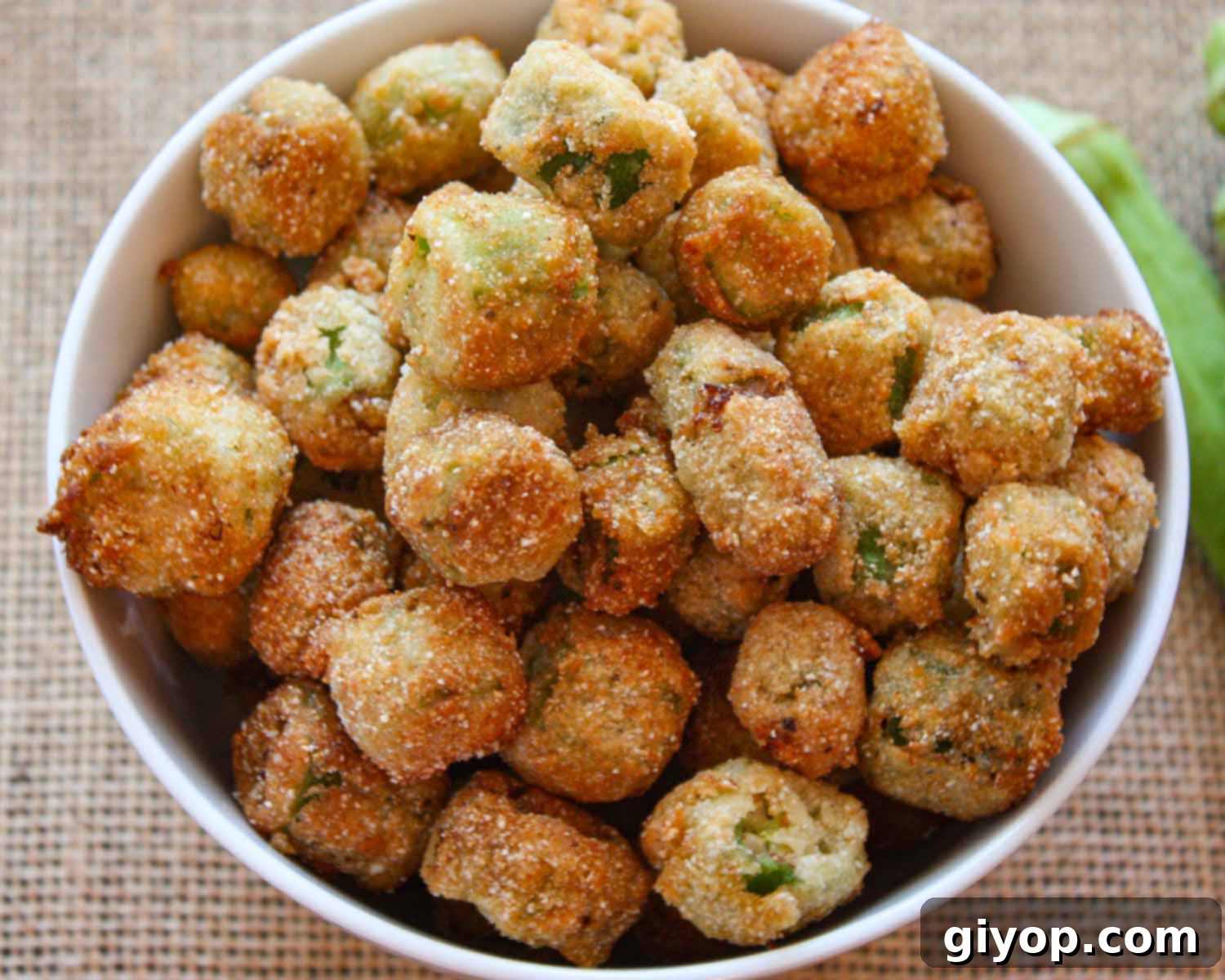
The Ultimate Guide to Crispy Buttermilk Fried Okra: A Southern Delicacy
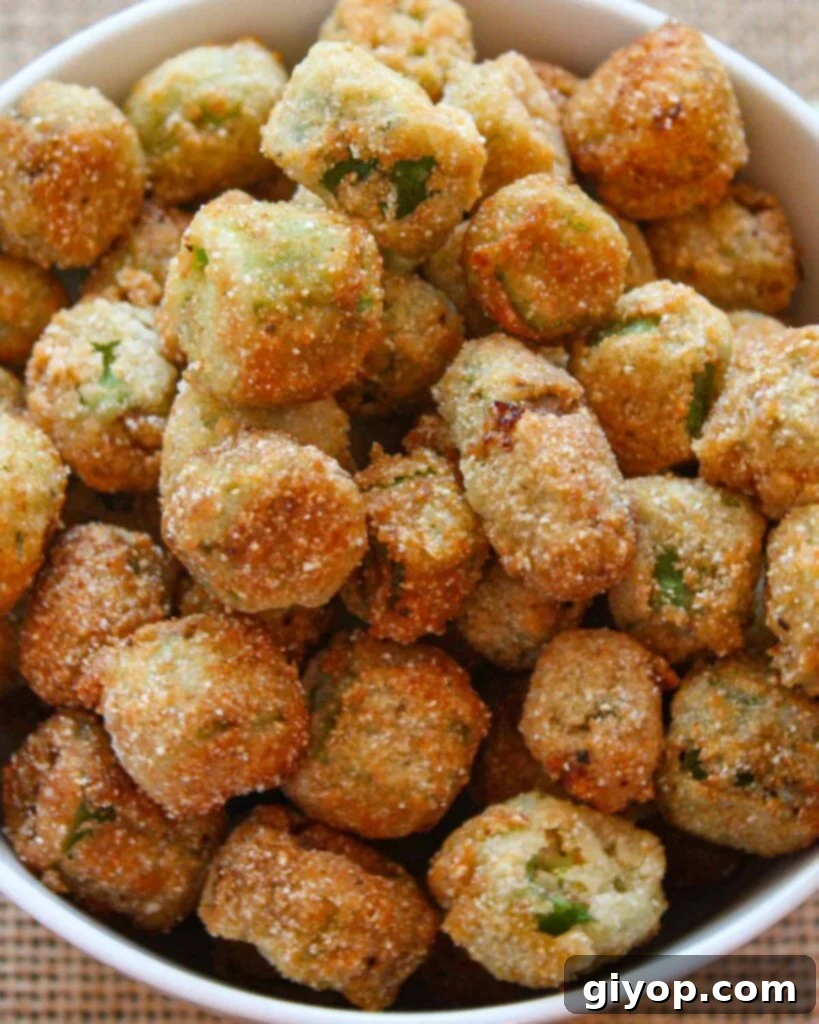
Buttermilk fried okra isn’t just a dish; it’s a beloved Southern tradition, a culinary cornerstone that evokes memories of warm summer evenings and family gatherings. With its irresistibly crispy exterior, tender interior, and the perfect whisper of tang, this classic side dish is a staple in many homes across the American South, cherished for its unique texture and incredible flavor. Forget any preconceived notions about okra being “slimy” – when prepared correctly, like in this recipe, it transforms into a golden-brown delight that’s crunchy, satisfying, and utterly delicious. This recipe brings that authentic Southern staple right into your kitchen, promising a perfect batch every time.
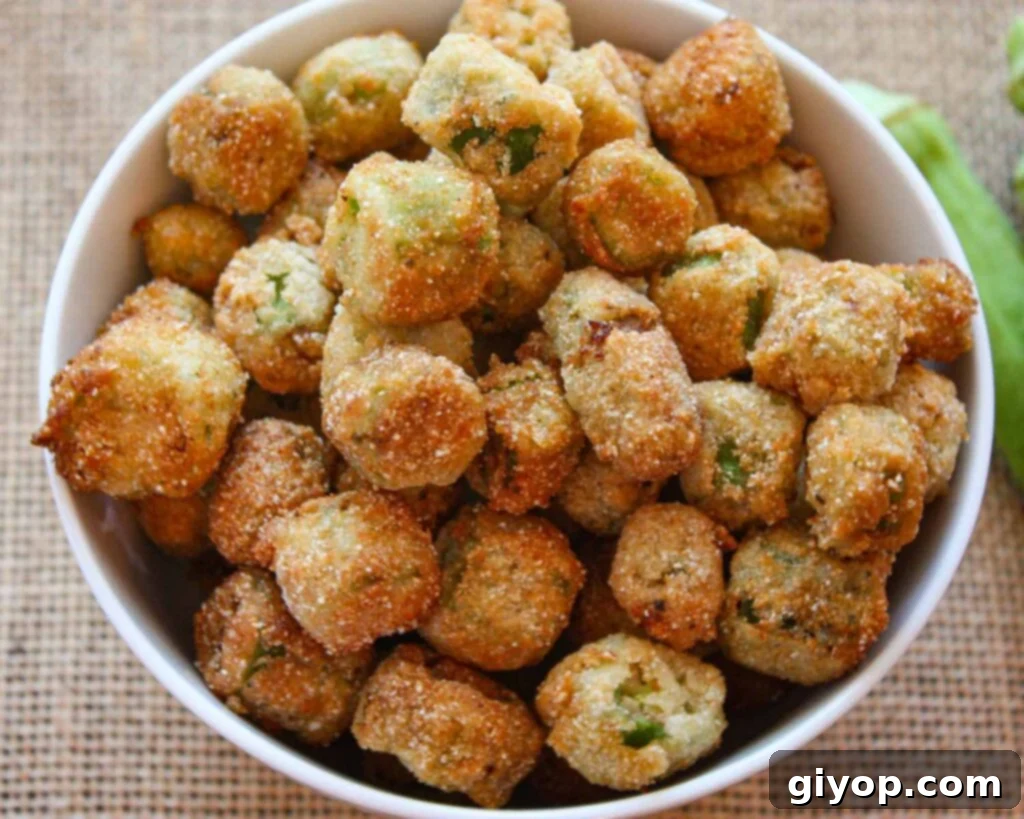
Why You’ll Fall in Love with This Crispy Fried Okra Recipe
There’s nothing quite like the taste of fresh produce, especially when it comes straight from the garden. Imagine a scenario where a generous friend or neighbor surprises you with two overflowing bags of freshly picked okra. What’s the natural Southern response? You fry some, of course! While you might also consider trying pickled okra or even roasted okra, the allure of crispy fried okra is undeniable and often takes precedence.
This homemade buttermilk fried okra surpasses any frozen, pre-battered alternative you might find. The process of making it from scratch is surprisingly simple, yet the flavor and texture are vastly superior. If you’ve never experienced true Southern fried okra before, prepare to have your taste buds awakened. This dish embodies the heart and soul of Southern cooking! One of the most common reservations people have about okra is its natural mucilaginous (often described as “slimy”) texture. The beauty of deep frying, especially with a buttermilk and cornmeal coating, is that it effectively cuts through this texture, transforming it into something gloriously crispy and appealing.
This recipe is not just simple; it’s profoundly delicious, particularly when you use okra that’s fresh from the vine. My mother’s traditional method involved a simple coating of cornmeal and pan-frying in a minimal amount of oil, a method I still adore for its straightforward charm. However, that style doesn’t create the thick, craggy “batter” that many associate with truly exceptional fried okra. This particular recipe, featuring the buttermilk soak, yields a result that I genuinely believe is the best-fried okra I have ever tasted – an opinion often echoed by those who try it. It’s a testament to how a few simple ingredients, prepared with care, can create culinary magic.
Once you master this buttermilk fried okra, you might find yourself exploring other cherished Southern culinary delights. Some of our other favorite Southern recipes that beautifully complement this dish include a vibrant Succotash Recipe, rich and fluffy Buttermilk Cornbread, smoky Smoked Chicken Wings served with a tangy Alabama White Sauce, and comforting Baked Macaroni and Cheese. These dishes, along with your perfectly fried okra, create a feast that’s truly Southern in spirit and flavor.
Essential Ingredients for the Best Buttermilk Fried Okra
Creating this irresistible crispy fried okra relies on a handful of key ingredients, each playing a crucial role in achieving that perfect Southern crunch and flavor. The okra is first bathed in buttermilk, then generously dredged in a seasoned cornmeal mixture, resulting in a fabulous side dish that requires surprisingly few components.
- Fresh Okra: The foundation of this dish. When selecting okra, look for bright green, blemish-free pods that are ideally about 3 inches in length. Okra that is significantly larger tends to be older, tougher, and more fibrous, which can detract from the eating experience. For the best results, fresh okra is highly recommended. Frozen okra, while convenient, often becomes soft and mushy after cooking, failing to deliver the desired crispy texture that defines this Southern classic. After purchasing, wash your okra thoroughly and pat it completely dry before slicing. Any excess moisture will prevent the buttermilk and cornmeal from adhering properly, impacting the final crispiness.
- Self-Rising Cornmeal Mix: This is our ingredient of choice for achieving that signature crispy, crunchy coating. Self-rising cornmeal already contains leavening agents (like baking powder) and often a bit of salt, which contributes to a lighter, airier, and more robust crunch. While some recipes incorporate both all-purpose flour and cornmeal, and others use just flour, we find that a good quality self-rising cornmeal mix provides the most authentic texture and flavor. The coarser grain of the cornmeal ensures a substantial, satisfying crunch that flour alone cannot replicate.
- Buttermilk: A non-negotiable for authentic Southern fried okra. While some recipes might suggest an egg wash, any true Southerner will assert that buttermilk is the only way to go. Buttermilk serves several vital functions: its acidity tenderizes the okra slightly, its thicker consistency creates a superior base for the cornmeal to cling to, and it imparts a subtle, tangy flavor that beautifully complements the sweetness of the okra and the richness of the frying oil. If you don’t keep buttermilk on hand, don’t worry—you can easily make a substitute by adding one tablespoon of lemon juice or white vinegar to one cup of regular milk and letting it stand for 5-10 minutes until it slightly curdles.
- Salt and Black Pepper: These foundational seasonings are often all you need to bring out the best in fried okra. They enhance the natural flavors without overpowering the delicate taste of the okra or the tang of the buttermilk. You can, of course, experiment with other spices if you desire more heat or complexity.
- Vegetable Oil: Essential for deep frying. Good options include canola oil, peanut oil, or other neutral-flavored oils with a high smoke point. The type of oil you choose will impact the final flavor and crispiness, so ensure it’s fresh and clean. Using enough oil to submerge the okra ensures even cooking and a consistent golden-brown crust.
Step-by-Step Guide: Crafting Your Buttermilk Fried Okra
Preparing perfectly crispy buttermilk fried okra is a straightforward process, but paying attention to each step ensures a delicious outcome. Follow these instructions for a batch that will impress even the most discerning Southern food connoisseurs.
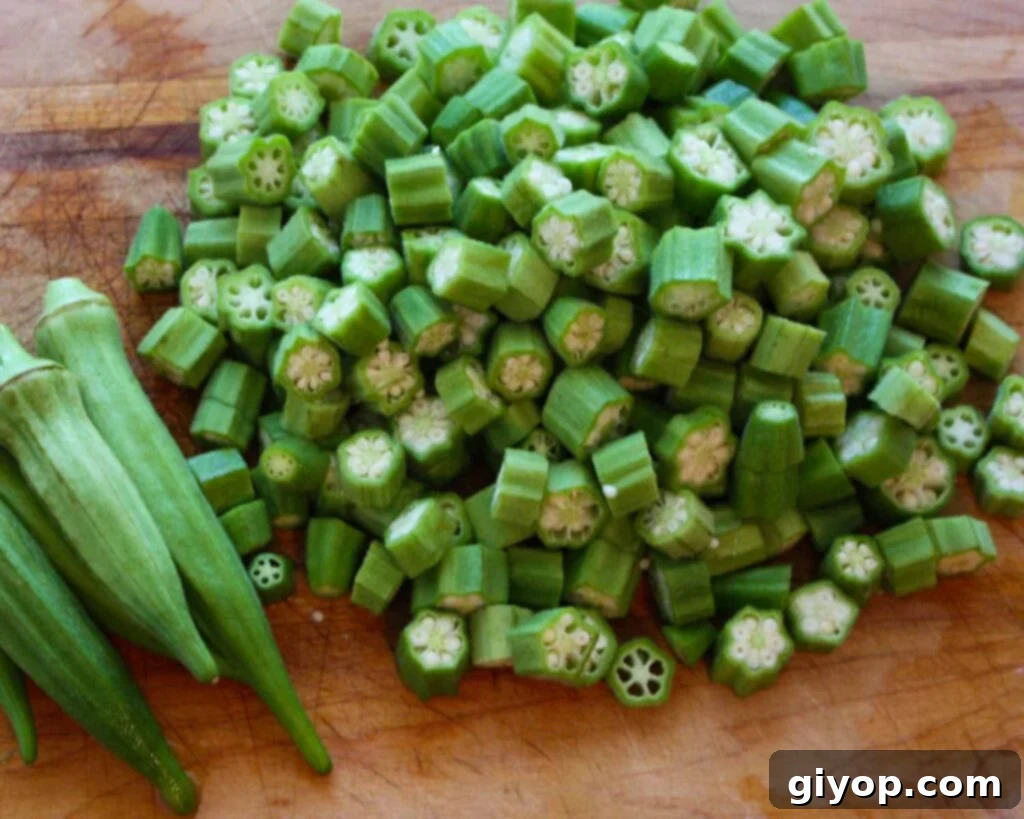
1. Prepare the Okra: Begin by washing your fresh okra thoroughly and patting it completely dry. Any lingering moisture can hinder the breading process. Using a sharp knife, trim both ends of each okra pod and then cut the pods into uniform 1/2-inch thick pieces. Consistency in size is key for even cooking. Place all the sliced okra into a large bowl.
2. The Buttermilk Soak: Pour the buttermilk over the sliced okra in the bowl. Stir gently to ensure every piece is evenly coated. This buttermilk bath is crucial; it not only imparts a signature tang but also helps tenderize the okra and creates the perfect sticky surface for the cornmeal coating. Once coated, cover the bowl and place the buttermilk-soaked okra in the refrigerator for at least 30 minutes. This chilling period allows the buttermilk to fully adhere and penetrate the okra, making for a better crust. While 30 minutes is the minimum, you can let it soak longer, even up to a few hours, for enhanced flavor.
3. Prepare the Dry Coating: In a separate large bowl, combine the self-rising cornmeal mix, salt, and black pepper. Stir these dry ingredients together thoroughly, ensuring the seasonings are well distributed throughout the cornmeal. This seasoned mixture will form the crispy exterior of your fried okra. For those who enjoy a little extra kick, consider adding a pinch of garlic powder, a dash of Cajun seasoning, Creole seasoning, or a touch of cayenne pepper to this mix for added flavor dimensions.
4. Dredge the Okra: After the okra has chilled, remove it from the refrigerator. Working in batches to avoid overcrowding, use a slotted spoon to transfer the buttermilk-coated okra directly into the seasoned cornmeal mixture. Toss the okra with the cornmeal until each piece is thoroughly and evenly coated. You want a good, thick layer of cornmeal adhering to the okra. Once coated, transfer the okra to a wire-mesh strainer and gently shake off any excess cornmeal. This step is important to prevent the frying oil from becoming excessively cloudy or burnt with loose breading.
5. Heat the Oil: Pour your chosen vegetable oil (canola, peanut, or similar) into a large, deep cast-iron skillet or a Dutch oven. The oil should reach a depth of approximately 1 inch. Heat the oil over medium-high heat until it reaches a temperature of 300°F (150°C). An electric deep fryer can also be used, set to the same temperature. Using a frying thermometer is highly recommended for accuracy. If you don’t have a thermometer, you can test the oil by dropping a single piece of coated okra into it; if it immediately begins to sizzle vigorously, the oil is ready. Achieving and maintaining the correct oil temperature is paramount for crispy, non-greasy fried okra. If the oil is too cool, the okra will absorb excess oil and become soggy. If it’s too hot, the coating will burn before the okra inside is properly cooked.
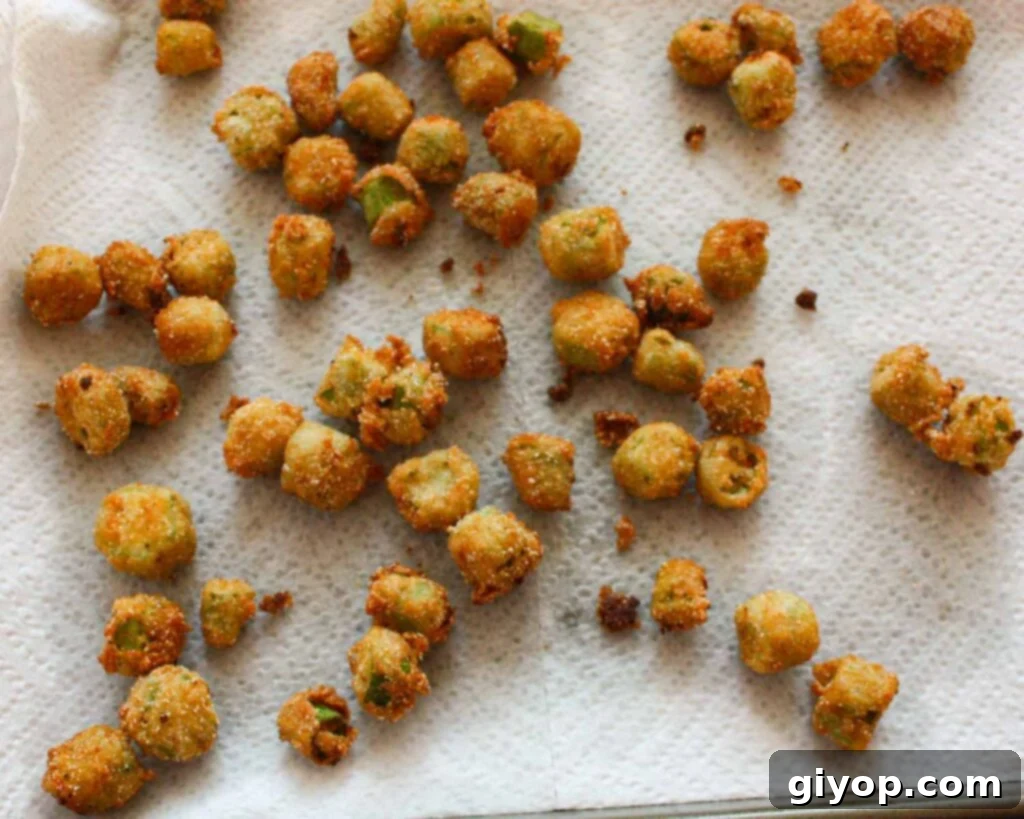
6. Fry the Okra: Carefully add the coated okra to the hot oil in small batches. Do not overcrowd the skillet, as this will lower the oil temperature and result in less crispy okra. Fry the okra for about 4 to 5 minutes, stirring occasionally to ensure even cooking and to prevent the pieces from sticking together. The okra is ready when it turns a beautiful golden brown and is wonderfully crispy. As each batch finishes frying, use a slotted spoon to transfer the fried okra to a paper towel-lined sheet pan or plate to drain any excess oil. This helps maintain maximum crispiness. While frying subsequent batches, you can keep the cooked okra warm by placing it in a warm oven (around 200°F/95°C) on an oven-safe rack over a baking sheet.
Disclosure: Some links on this page may be affiliate links, meaning we may earn a commission if you purchase through them. Learn more.
Pairing Your Fried Okra: Serving Suggestions
Perfectly crispy fried okra is an incredibly versatile side dish that complements almost any meal, whether it’s a hearty protein or a flavorful meatless option. Its crunchy texture and savory-tangy flavor make it an excellent accompaniment to a wide variety of main courses.
It pairs beautifully with classic Southern proteins like fried chicken, pulled pork, or slow-cooked beef brisket. The crispness of the okra provides a delightful contrast to richer, more tender meats. For seafood lovers, it’s a fantastic match for pan-seared fish, grilled shrimp, or even a classic fish fry. Imagine a plate of golden-brown catfish alongside a mound of freshly fried okra – a truly authentic Southern experience.
If you’re looking for a delightful dipping sauce, a creamy ranch dressing is always a popular choice, with its cool, herby notes complementing the warm, crispy okra. Other excellent options include a tangy remoulade sauce, a spicy Cajun mayonnaise, or even a simple squeeze of fresh lemon juice for a bright, refreshing counterpoint. Don’t be afraid to get creative with your dips! Beyond individual proteins, fried okra is a wonderful addition to a larger Southern spread, sitting comfortably alongside dishes like collard greens, black-eyed peas, or creamy grits.
Storage, Reheating, and Freezing Best Practices
While buttermilk fried okra is undoubtedly best enjoyed fresh from the fryer, there are ways to store and reheat leftovers, or even prepare it ahead of time. However, it’s important to manage expectations, as the unparalleled crispiness of freshly fried okra is difficult to fully replicate.
Storage: To store any leftover fried okra, allow it to cool completely to room temperature. Then, place it in an airtight container and refrigerate for up to 3 days. Storing it uncovered or while still warm can lead to sogginess.
Reheating: For the best chance at regaining some crispiness, avoid the microwave. Instead, preheat your oven to 325°F (160°C) and spread the fried okra in a single layer on a baking sheet. Heat for about 15 minutes, or until warmed through and slightly crisp. Alternatively, an air fryer works wonders for reheating; preheat it to 350°F (175°C) and cook for about 5 minutes, shaking the basket halfway through. While these methods will warm and firm up the coating, it generally won’t be as intensely crispy or as flavorful as when it was freshly fried.
Freezing: You can freeze okra both before and after frying. However, experience shows that fried okra, once frozen and reheated, tends to lose much of its original crispy texture and can become somewhat softer. For optimal results, we highly recommend flash freezing breaded, uncooked okra.
To freeze uncooked, breaded okra:
- After dredging the okra in the cornmeal mixture, spread the pieces in a single layer on a baking sheet lined with parchment paper. Ensure the pieces are not touching.
- Place the baking sheet in the freezer for about 30 minutes to 1 hour, or until the okra pieces are individually frozen solid (flash freezing). This prevents them from clumping together.
- Once flash-frozen, transfer the okra to a freezer-safe airtight container or a heavy-duty resealable freezer bag. Remove as much air as possible before sealing.
- Store in the freezer for up to 3 months.
When you’re ready to enjoy, simply fry the okra directly from frozen, following the instructions in the recipe for oil temperature and cooking time. Frying from frozen helps maintain a crispier texture than freezing already-fried okra.
If you do decide to freeze *already fried* okra, follow the same flash-freezing process before transferring to an airtight container. Reheat as instructed above, acknowledging that the texture will be softer than if you had fried it fresh or from a frozen, uncooked state.
Expert Tips for Flawless Buttermilk Fried Okra
Achieving perfectly crispy, delicious buttermilk fried okra consistently involves a few key techniques and considerations. Here are some expert tips to ensure your okra turns out fantastic every single time:
- Always Have Buttermilk (or a Substitute) on Hand: Buttermilk is truly essential for this recipe. Its acidity and thickness are unmatched for creating that perfect tangy coating. I always keep buttermilk in my refrigerator, especially for making homemade biscuits and other Southern delights. If you don’t have it, don’t fret! You can easily make a substitute: simply add one tablespoon of lemon juice or white vinegar to 1 cup of regular milk (dairy or non-dairy) and let it stand for 5 to 10 minutes until it slightly curdles. This DIY buttermilk works wonderfully.
- Prioritize Fresh Okra: While frozen okra can be used in some dishes, for fried okra, fresh is unequivocally superior. Frozen okra contains more moisture and tends to become soft and mushy after thawing and frying, losing that desirable crispy texture. Invest in fresh pods for the best results.
- Select Okra Carefully for Even Cooking: When buying fresh okra, choose pods that are similar in size, ideally around 3 inches long. Avoid pods that are much larger or appear old, as they tend to be tough, woody, and somewhat fibrous. Uniform sizing ensures that all pieces cook evenly at the same rate, preventing some from being undercooked while others are perfectly golden.
- Master Oil Temperature with a Thermometer: The correct oil temperature is perhaps the most critical factor for crispy, non-greasy fried okra. I highly suggest using a frying thermometer to maintain a consistent temperature of 300°F (150°C). If the oil is too hot, the cornmeal coating will burn before the okra inside is cooked through. If the oil is too cool, the okra will absorb excess oil, becoming greasy and soggy instead of crisp.
- The Sizzle Test (No Thermometer?): If a thermometer isn’t available, you can still gauge the oil’s readiness. Drop a small piece of coated okra into the oil. If it immediately starts sizzling vigorously and floats to the surface, the oil is ready. If it sinks and barely bubbles, the oil is too cool. If it browns too quickly, it’s too hot.
- Fry in Batches and Stir Occasionally: To ensure even cooking and prevent the okra from sticking together, always fry it in small batches. Overcrowding the skillet significantly drops the oil temperature, leading to soggy results. Gently stir the okra occasionally during frying to ensure all sides achieve that beautiful golden-brown crispness.
- Season to Your Preference: While salt and black pepper are classic and sufficient, don’t hesitate to experiment with additional seasonings for a different flavor profile. Garlic powder adds a savory depth, while Cajun seasoning or Creole seasoning can introduce a vibrant, spicy kick. A pinch of cayenne pepper is perfect if you like a bit of heat. Add these extra seasonings directly to your cornmeal mixture before dredging the okra.
Frequently Asked Questions About Fried Okra
Yes, absolutely! While deep frying yields the most traditional result, an air fryer is a great alternative for a healthier, less oily version. To air fry, preheat your air fryer to 400°F (200°C). You will need to work in batches to avoid overcrowding the basket, which is crucial for crispiness. Place a single layer of breaded okra into the air fryer basket, then liberally spray the okra with cooking spray (or brush lightly with oil). Cook for 5 minutes, then open the basket, shake the okra vigorously to redistribute, and cook for another 5-8 minutes, or until it’s golden brown and crisp to your liking. Keep in mind the texture will be slightly different from deep-fried, but still very delicious.
You can certainly bake okra, but it’s important to understand that it will not achieve the same level of crispiness as the deep-fried version. For that reason, it’s not the recommended method if you’re aiming for that classic Southern crunch. However, if you prefer baking for dietary reasons, preheat your oven to 425°F (220°C). Liberally spray a baking sheet with cooking spray or oil. Spread the breaded okra in a single layer on the prepared sheet. Bake for about 20-25 minutes, tossing the okra around on the pan about halfway through baking to ensure even browning. While it won’t be as crispy, it will still be flavorful.
Okra naturally contains mucilage, which is a soluble fiber that gives it a “slimy” texture when cooked in methods that retain moisture, like stewing or boiling. To minimize sliminess when frying, several steps in this recipe are key:
- Dry Okra: Ensure your fresh okra is completely dry before slicing.
- Acidic Soak: The buttermilk soak helps to break down some of the mucilage.
- High Heat Frying: Rapidly frying in hot oil quickly cooks the exterior and forms a crust, trapping the moisture and preventing the mucilage from fully releasing and becoming noticeable.
- Even Coating: A good, thick cornmeal coating creates a barrier.
- Don’t Overcrowd: Frying in small batches keeps the oil hot and allows for quicker cooking, reducing the chance of sliminess.
Following these steps will ensure your fried okra is crispy, not slimy.
For deep frying, it’s best to use oils with a high smoke point and a neutral flavor. Excellent choices include vegetable oil, canola oil, and peanut oil. These oils can withstand the high temperatures needed for frying without breaking down or imparting undesirable flavors to your okra. Avoid oils like olive oil or butter, as they have lower smoke points and will burn quickly, creating off-flavors and potentially harmful compounds.
More Southern Side Dish Delights to Explore
If you’ve enjoyed this taste of Southern comfort, you’ll love these other classic side dish recipes that perfectly capture the essence of Southern cuisine. Each one is designed to bring warmth and flavor to your table, just like our crispy buttermilk fried okra.
- Easy Pecan Roasted Sweet Potato CasseroleA comforting and flavorful casserole featuring sweet potatoes roasted to perfection and topped with a delightful pecan crust. Perfect for holidays or any family meal.
- Southern Yellow Squash CasseroleThis classic Southern dish features tender yellow squash baked in a creamy, cheesy sauce with a crunchy topping. A wonderful way to enjoy fresh summer squash.
- Broccoli Cheese Casserole with RiceA hearty and satisfying casserole combining tender broccoli florets, fluffy rice, and a rich, creamy cheese sauce. It’s a crowd-pleaser that’s perfect for any gathering.
Are you on Pinterest? Click the button below to add this recipe to one of your boards!
Buttermilk Fried Okra Recipe
Crispy, crunchy, and oh so delicious – this Southern classic is a must-try!
Print Recipe
Course: Side Dish, Vegetable
Cuisine: American, Southern
Prep Time: 35 minutes
Cook Time: 5 minutes
Total Time: 40 minutes
Servings: 4
Calories: 287 kcal
Author: Leigh Harris
Ingredients
- 1 pound Fresh okra, cut into 1/2-inch-thick slices
- 3/4 cup Buttermilk
- 1 1/2 cups Self-rising white cornmeal mix
- 1 teaspoon Salt
- 1/4 teaspoon Black pepper
- Vegetable oil for frying
Instructions
- Stir together sliced okra and buttermilk in a large bowl. Ensure all okra pieces are evenly coated. Refrigerate for at least 30 minutes.
- In a separate large bowl, combine the self-rising cornmeal mix, salt, and black pepper. Stir well until seasonings are evenly distributed.
- Remove the okra from the buttermilk, in batches, using a slotted spoon, allowing excess buttermilk to drip off.
- Dredge the buttermilk-coated okra in the cornmeal mixture until thoroughly coated. Gently shake off any excess breading using a wire-mesh strainer.
- Pour vegetable oil into a large, deep cast-iron skillet or Dutch oven to a depth of 1 inch. Heat the oil to 300°F (150°C). Use a frying thermometer for accuracy.
- Carefully add the coated okra to the hot oil in small batches, avoiding overcrowding. Fry, stirring occasionally, for 4 to 5 minutes, or until the okra is golden brown and crispy.
- Transfer the fried okra to a paper towel-lined sheet pan to drain any excess oil. Serve immediately while hot.
Notes
While frying the okra in batches, you can keep the cooked okra warm by placing it in a warm oven (around 200°F/95°C) on an oven-safe rack over a baking sheet.
For extra flavor, you can also add other seasonings like garlic powder, Cajun seasoning, Creole seasoning, or cayenne pepper to the cornmeal mix.
Refer to the main article for detailed storage, reheating, and freezing instructions.
Nutrition
Calories: 287kcal | Carbohydrates: 58g | Protein: 9g | Fat: 4g | Saturated Fat: 1g | Cholesterol: 5mg | Sodium: 1477mg | Potassium: 532mg | Fiber: 8g | Sugar: 4g | Vitamin A: 1069IU | Vitamin C: 26mg | Calcium: 335mg | Iron: 4mg