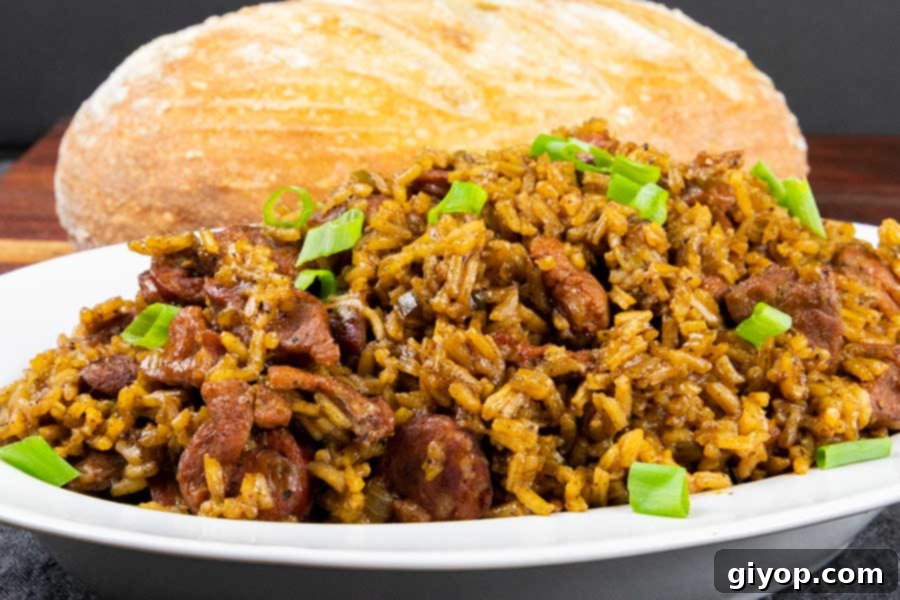
Prepare to transport your taste buds straight to the vibrant streets of New Orleans with this unbelievably delicious Cajun Jambalaya recipe. It’s a dish that embodies the soul of Louisiana cuisine, bringing that unmistakable Bourbon Street flavor right into your home kitchen.
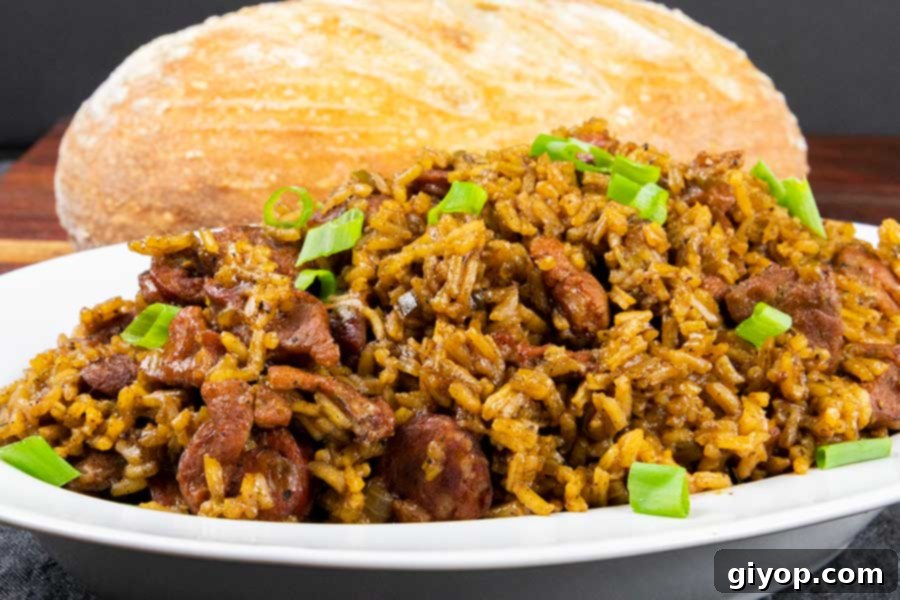
Cajun Jambalaya stands as one of the most iconic and beloved recipes of Louisiana. At its heart, it’s a deceptively simple yet profoundly complex rice dish, celebrated for its rich flavors and hearty meat combinations. Depending on the cook, you might find variations featuring an array of meats, from succulent seafood to robust sausages and tender chicken. Our recipe focuses on the traditional and most flavorful pairing of andouille sausage and pork, promising a truly authentic experience.
The Quest for the Perfect Cajun Jambalaya Recipe
Our journey to perfect this authentic Cajun Jambalaya recipe spans over two decades of culinary adventures together. While we’ve always enjoyed a pretty good pot of jambalaya, our early attempts often lacked a consistent, signature flavor. It was more of an improvisation, a “fast and loose” approach without the meticulous attention to detail that truly elevates the dish.
The turning point came from a local restaurant, a cherished spot we frequent at least twice a month. While their entrees are consistently excellent, it’s their Cajun jambalaya that always steals the show. Each visit, it boasts the same impeccable taste and flawless execution, a true testament to its mastery. Naturally, as passionate home cooks and recipe developers, we knew we had to recreate that magic. A recipe blog without a truly outstanding jambalaya recipe felt incomplete.
Our quest began with exploring various restaurant recipes, many of which leaned towards the Creole style. Unfortunately, most left us feeling underwhelmed. Some were overly reliant on intense heat without depth, while others tasted more like a generic Spanish rice. None captured the nuanced, rich flavors we sought. Since our favorite spot wasn’t about to share their secret (yes, we asked!), we embarked on our own rigorous testing.
My partner, Leigh, and I cooked batch after batch of jambalaya, meticulously adjusting ingredients and techniques. We were determined to unlock that elusive, deep flavor profile. And we succeeded! We are absolutely thrilled to share the fruits of our labor with you. In fact, the last time we prepared this recipe, we had some restaurant leftovers that paled in comparison to our homemade version. This recipe truly exceeded our highest expectations.
Cajun vs. Creole: Understanding the Difference in Jambalaya
For those new to Louisiana cuisine, the distinction between Cajun and Creole can sometimes be a bit hazy, especially when it comes to dishes like jambalaya. In essence, the primary difference lies in the use of tomatoes. **Creole jambalaya typically includes tomatoes, giving it a reddish hue and a slightly sweeter, tangier profile.** This is why you’ll often observe varying colors in jambalaya from one recipe or restaurant to another. Think of Creole as more “city food” (New Orleans), influenced by European, African, and Caribbean culinary traditions, often incorporating richer ingredients.
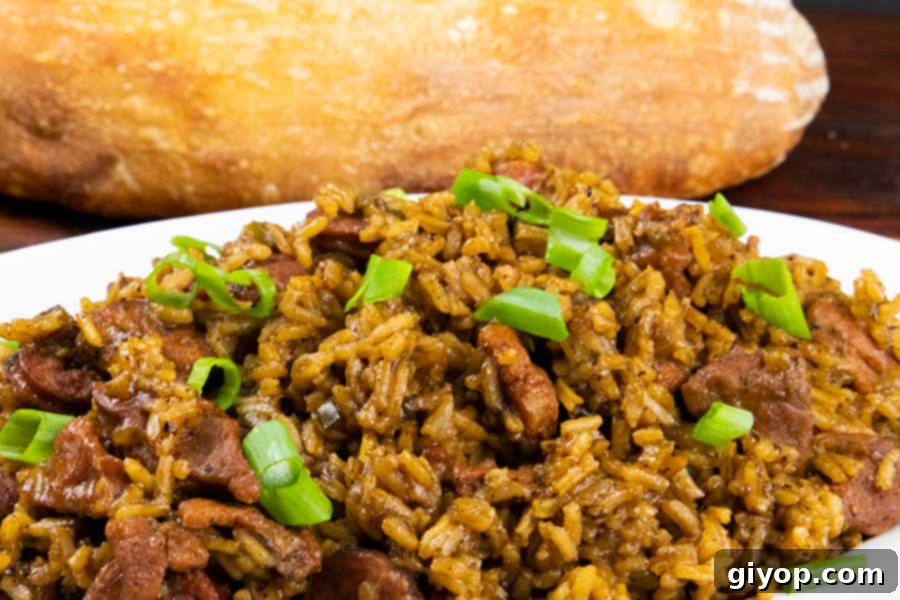
Conversely, Cajun jambalaya, like the recipe we’re sharing, does not use tomatoes. This results in a browner, deeper, and often spicier dish, allowing the robust flavors of the meat and the “Holy Trinity” of vegetables to shine through. Cajun cooking, hailing from the rural bayous and prairies, tends to be more rustic and relies on simpler, readily available ingredients. Neither style is inherently superior; it simply comes down to personal preference.
For me, the authentic, tomato-free Cajun style truly captures the essence of Louisiana comfort food, particularly in jambalaya. Its distinctive taste is unparalleled and unmistakably shouts “Cajun.” This is the profile we meticulously recreated and what makes our recipe stand out.
Why You’ll Fall in Love with This Cajun Jambalaya
There are several reasons why we believe this Cajun Jambalaya recipe will become a staple in your kitchen:
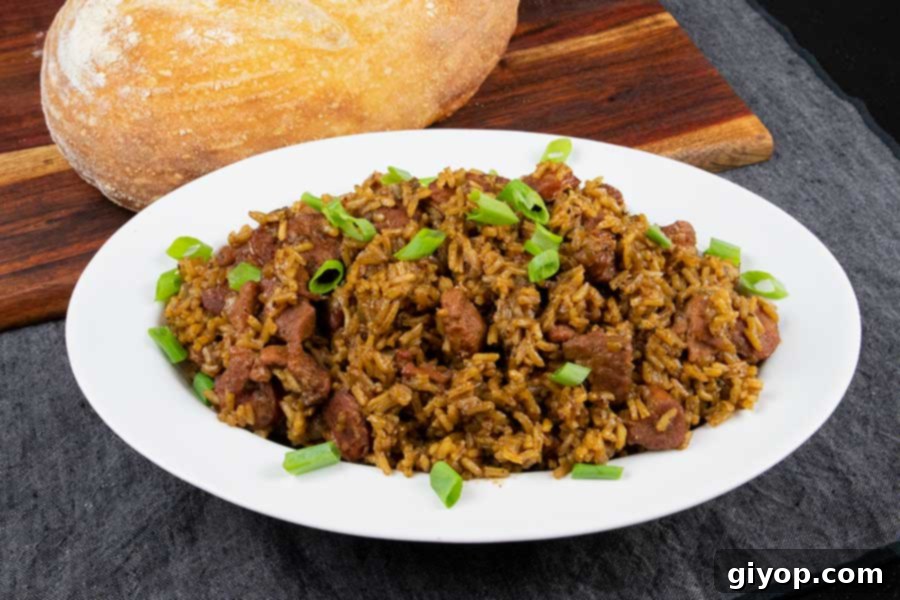
- Perfect Texture: One of the aspects we particularly cherish about this recipe is its ideal consistency. It’s not “soupy” like some other jambalayas you might encounter. This is a dish you can comfortably enjoy with a fork, where each grain of rice is distinct yet infused with flavor. If you find yourself needing a spoon to navigate your jambalaya, you know it’s not the right texture!
- Rich, Authentic Flavor: Our recipe delivers a deeply savory and complex flavor that’s truly reminiscent of classic Cajun cooking. The careful caramelization of meats and vegetables builds an incredible foundation for the spices and rice.
- Hearty & Satisfying: We’ve opted for a traditional mix of robust andouille sausage and tender pork, ensuring every bite is packed with satisfying protein. While you can certainly customize with other meats like shrimp or chicken, this combination offers an unparalleled authentic taste and texture that we highly recommend for a true Cajun experience.
- Made with Love and Expertise: This recipe isn’t just a collection of ingredients; it’s the culmination of years of searching, testing, and passionate cooking. We poured our hearts into perfecting it, and we believe that dedication shines through in the final dish.
Essential Ingredients for the Best Cajun Jambalaya
To create a truly authentic and incredibly flavorful Cajun jambalaya, selecting the right ingredients is paramount. We advocate for keeping it traditional, especially if you’re new to making this dish, as the combination of pork and andouille sausage offers the quintessential taste and texture. Once you master the base, feel free to explore variations.
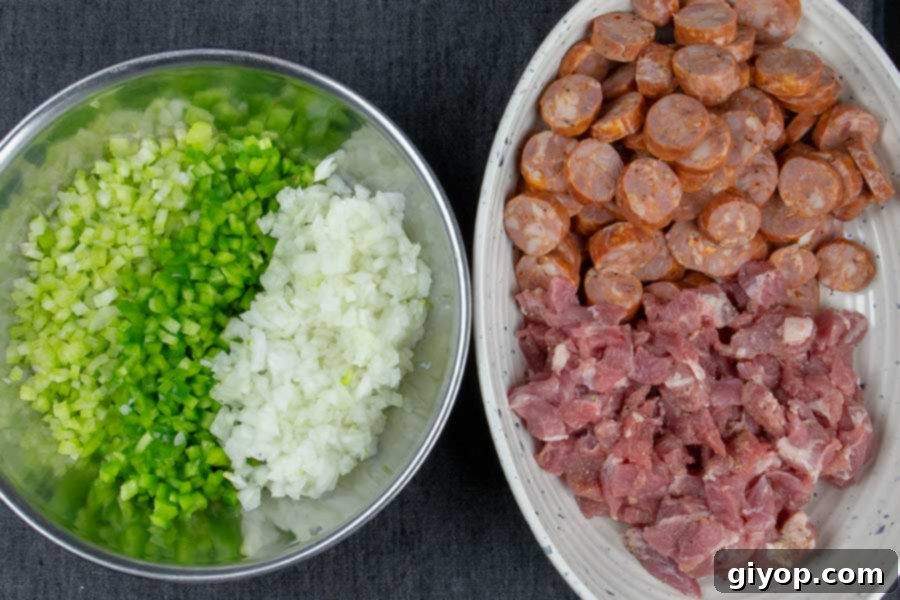
- Proteins: The backbone of our jambalaya. We use both high-quality andouille sausage, thinly sliced for even distribution of its smoky, spicy flavor, and diced pork (such as pork butt or shoulder) which becomes wonderfully tender as it cooks. These meats brown beautifully, creating foundational flavors.
- The Holy Trinity: No authentic Cajun dish is complete without this aromatic base. Finely diced onion, celery, and bell pepper melt into the dish, creating a subtle sweetness and depth.
- Liquids: High-quality chicken stock or chicken broth is crucial. Homemade stock will always yield the richest results, but a good store-bought low-sodium option works well. The liquid helps cook the rice and marries all the flavors.
- Rice: For the best texture in a jambalaya, long grain white rice is our choice. It cooks up fluffy and absorbs the flavors without becoming overly sticky or mushy, unlike some shorter grain varieties.
- Seasonings: A carefully balanced blend of spices is what truly brings this dish to life. This includes a small amount of tomato paste (for depth, not color, as this is Cajun!), Kitchen Bouquet (for color and savory depth), general seasoning salt, minced garlic, dried oregano, dried thyme, and Old Bay Seasoning for that signature kick. Don’t forget the separate seasonings for the pork: garlic powder, onion powder, kosher salt, and black pepper.
How To Master the Art of Cajun Jambalaya
Creating this delicious Cajun Jambalaya is a rewarding process, and the key to success lies in methodical preparation. Doing your “prep work” (mise en place) upfront ensures a smooth cooking experience, allowing the dish to come together quickly and easily. Embrace each step; patience in browning is critical for flavor development.
1. Essential Prep Work:
Begin by finely dicing the onion, celery, and green bell pepper. The smaller you cut these, the better. They should virtually melt into the dish, contributing to the overall flavor without leaving large, distracting chunks in your finished jambalaya. This ensures a harmonious blend of tastes and textures. Next, slice your andouille sausage into thin rounds. Cut the pork into small, bite-sized pieces, carefully trimming away any large pieces of fat or connective tissue. The goal is for every spoonful of jambalaya to offer a perfect medley of ingredients, not just one large piece of meat. In a small bowl, mix together the garlic powder, onion powder, kosher salt, and black pepper. This seasoning blend will be applied directly to your pork, ensuring maximum flavor penetration.
2. Browning the Meats:
Heat the olive oil (or vegetable oil) in a large, heavy-bottomed pot or Dutch oven over medium-high heat. Once hot, sprinkle the prepared seasoning blend over your diced pork and toss to coat evenly. Add the seasoned pork to the hot pot and sear until it’s beautifully browned on all sides, about 7 minutes. Allow the pork to sit undisturbed for a few minutes to develop a rich, caramelized crust – this step is vital for building deep flavor. Once browned, remove the pork from the pot and set it aside. Next, add the sliced andouille sausage to the same pot and brown for approximately 5 minutes until lightly crispy. Remove the sausage and set it aside with the pork.
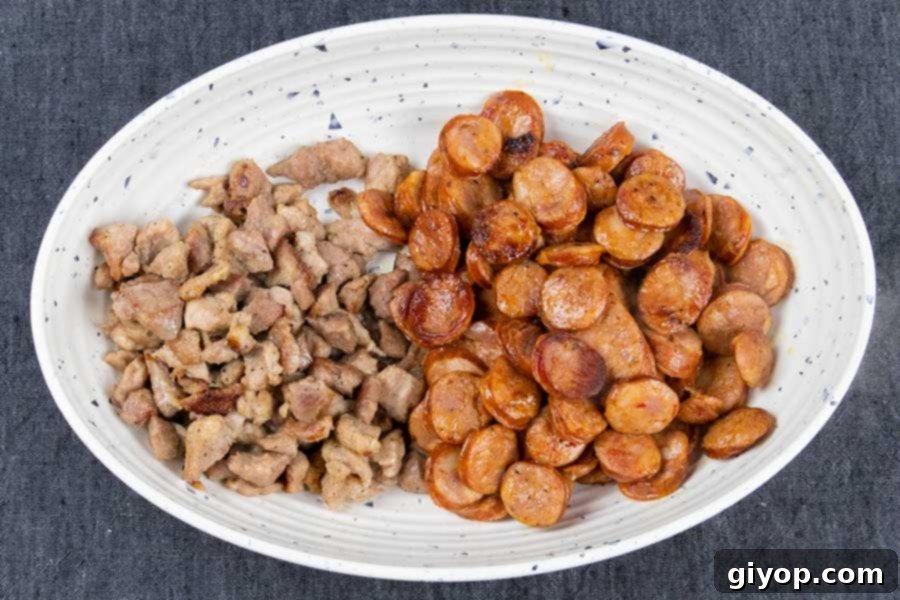
3. Building the Flavor Base (The Holy Trinity):
With the delicious fond (caramelized bits) left in the pot, add the diced onions, celery, and bell pepper (your Holy Trinity). Reduce the heat to medium. Cook these vegetables for approximately 7 minutes, stirring occasionally, until they soften and wilt. Make sure to scrape the bottom of the pan frequently to loosen any browned bits from the pork and sausage; these are packed with incredible flavor and will enrich your jambalaya. After the vegetables have softened, add the finely diced garlic and tomato paste to the pot. Continue to cook for another 2 minutes, stirring constantly, allowing the tomato paste to caramelize slightly and the garlic to become fragrant.
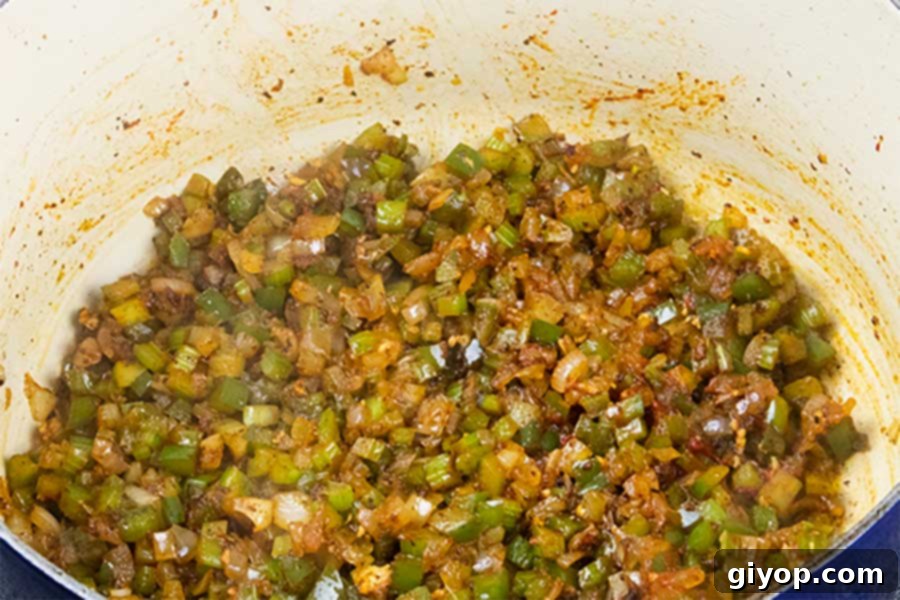
4. Combining & Simmering:
At this point, your vegetables should be tender, and the color in the pot should be a rich, darker hue from the flavorful bits and juices of the browned meats. Return the browned pork and sausage to the pot. Pour in the chicken stock, and add the Kitchen Bouquet, seasoning salt, dried thyme, dried oregano, and Old Bay seasoning. Stir everything together thoroughly and bring the mixture to a rolling boil. This ensures all the flavors meld together beautifully before the rice is added.
5. Cooking the Rice:
Add the long grain white rice to the boiling mixture and stir once to ensure it’s evenly distributed. Return the pot to a boil, then immediately cover it with a tight-fitting lid and reduce the heat to a low simmer. Allow it to cook undisturbed for 10 minutes. After 10 minutes, quickly remove the cover and gently “turn” or fluff the rice with a fork, moving the bottom layers to the top without stirring too much. Re-cover the pot and continue to cook for an additional 15 to 20 minutes, or until the rice is tender and all the chicken stock has been fully absorbed. This two-stage cooking helps ensure even cooking and prevents the rice from sticking. A crucial note on rice: this recipe is optimized for white rice. If you opt for brown rice, be aware that it will require a significantly longer cooking time and more liquid. Adjust accordingly to prevent dry or undercooked rice.
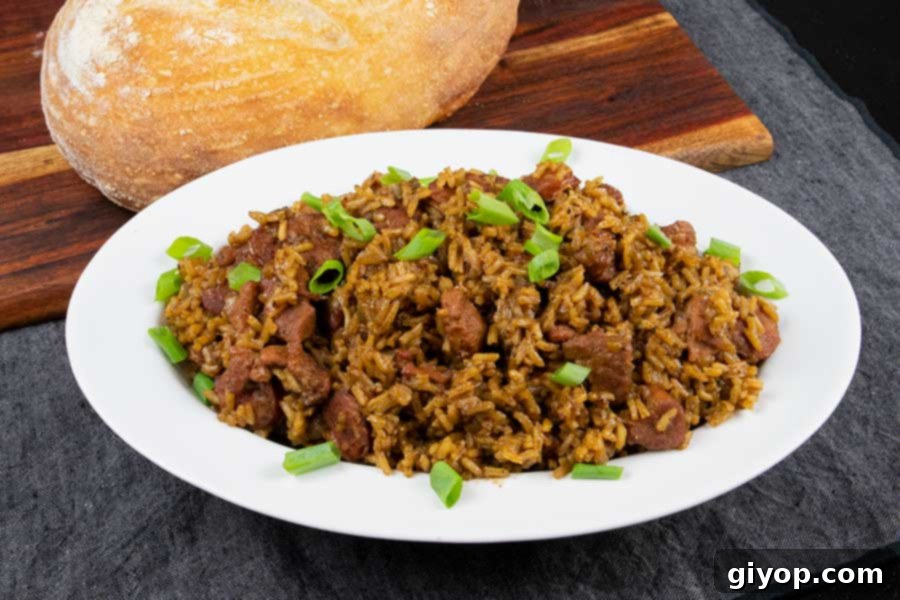
6. Serving Your Masterpiece:
Once the rice is perfectly cooked and the liquid absorbed, remove the pot from the heat. Let it rest for a few minutes, covered, to allow the flavors to settle. Serve your magnificent Cajun Jambalaya warm, garnished with fresh chopped green onions or parsley for a burst of color and freshness (optional, but highly recommended). This dish is hearty enough to be a meal on its own or can be served as a side to other Louisiana favorites.
The Ultimate Cajun Jambalaya: A Culinary Triumph
We cannot express enough how much we adore this recipe! Our initial goal was to simply come close to replicating the best-tasting jambalaya we had ever experienced. The exciting truth is, we didn’t just meet that goal; **we actually surpassed it.** We put this recipe through countless trials and comparisons, and it emerged victorious every single time. It truly delivers an unparalleled taste of authentic Louisiana.
To truly embrace the full Bourbon Street experience, consider pairing this killer Cajun Jambalaya with another New Orleans classic: a rich Bread Pudding with Bourbon Sauce. This dessert is another recipe we tackled with vigor and confidently “knocked out of the park!” The combination makes for an unforgettable meal.
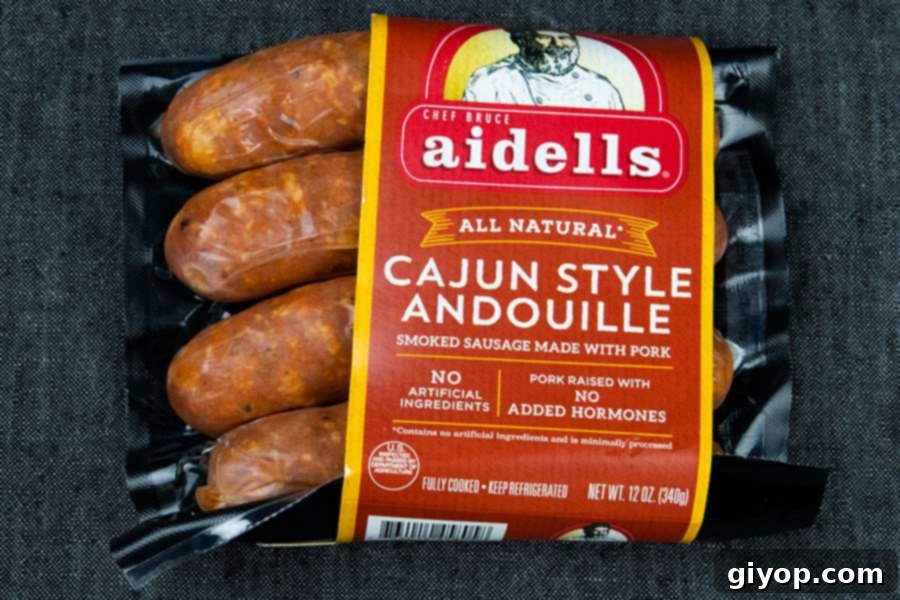
A crucial insight we gained during our recipe development was the immense impact of sausage choice on the overall flavor of the jambalaya. We experimented with various smoked sausages, different brands of andouille, and even specialty butcher shop sausages. It was astonishing to discover how drastically the flavor profile shifted with each variety. Therefore, if you have a favorite type of sausage, especially a good quality andouille, we encourage you to use it.
If you’re unsure where to start, we highly recommend looking for a good Cajun-style andouille sausage. While we’re not sponsored or affiliated in any way, we’re simply sharing what has worked best for us in achieving this recipe’s incredible depth of flavor. We’re confident there are many excellent options out there, but our testing led us to a few consistent winners. Using a quality smoked sausage wouldn’t be a bad alternative if andouille is hard to find, but for that authentic Cajun kick, andouille is king. The specific brand shown in the image below consistently delivered excellent results for us.
We genuinely hope you give this Cajun Jambalaya recipe a try. We are fairly confident that it will “blow your socks off” with its authentic taste and satisfying richness. As for us, with this incredible homemade recipe in our repertoire, we can now confidently order the gumbo when we visit our favorite restaurant, knowing our jambalaya is just as good, if not better!
Are you on Pinterest? Save this recipe to your board!
Pin this recipe!
Frequently Asked Questions
Storing Leftovers
To store leftover jambalaya, first allow it to cool completely to room temperature. Transfer it to an airtight container and refrigerate for up to 4 days. Reheat gently on the stovetop or in the microwave, adding a splash of chicken stock or water if it seems dry.
Can you freeze jambalaya?
Yes, you can freeze this Cajun jambalaya recipe, especially since it does not contain shrimp, which can sometimes alter texture upon freezing. However, be aware that rice can become a little mushier after freezing and reheating. To freeze, let the jambalaya cool completely to room temperature. Place it in a freezer-safe container or heavy-duty freezer bag, removing as much air as possible. It can be frozen for up to 2 months for best quality. When reheating, you may need to add a little extra chicken stock to restore its moisture and consistency. Thaw in the refrigerator overnight before reheating.
More Delicious Louisiana Recipes
If you loved this Cajun Jambalaya, be sure to explore more of our authentic Louisiana-inspired dishes:
- How to Make Cajun Dirty Rice
- One Pan Chicken and Dirty Rice
- Shrimp and Sausage Gumbo
- Creole Cornbread Recipe
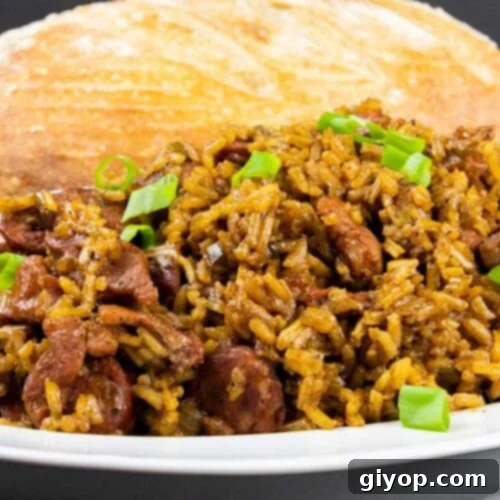
Cajun Jambalaya Recipe
This amazingly delicious Cajun jambalaya recipe delivers that New Orleans flavor that brings Bourbon Street to you!
Average Rating: 4.71 from 37 votes
Print Recipe |
Pin Recipe |
Rate this recipe
Course: Main, Side Dish
Cuisine: Cajun
Prep Time: 20 minutes
Cook Time: 40 minutes
Servings: 8
Calories: 594 kcal
Author: Brad Harris
Ingredients
The Holy Trinity – Equal parts Bell Pepper, Onion, and Celery (standard base for most cajun and creole cooking)
- 1 Bell Pepper, finely diced
- 1 Large Onion, finely diced
- 4 Celery stalks, finely diced
Proteins
- 1 lb Andouille sausage, sliced
- 1 lb Pork, diced into small pieces
Seasonings for pork
- 1/2 tsp Garlic powder
- 1/2 tsp Onion powder
- 1/2 tsp Kosher salt
- 1/2 tsp Black pepper
Spices and other ingredients needed
- 2 cups Long Grain White Rice
- 3.5 cups Chicken stock
- 2 tbsp Olive oil (or vegetable oil)
- 1 tbsp Kitchen Bouquet
- 1 tbsp Tomato paste
- 1 tbsp Seasoning salt
- 3 Garlic cloves, finely diced (approximately 2 tsp)
- 1/2 tsp Dried oregano
- 1/2 tsp Dried thyme
- 1/2 tsp Old Bay seasoning
Garnish (optional)
- 1/2 cup Green onions, chopped
- 1/4 cup Parsley, chopped
Unit Conversion: US Customary – Metric
Instructions
Prep
- Dice onions, celery, and bell pepper into small pieces. Set aside.
- Cut andouille into thin rounds. Set aside.
- Cut pork into very small pieces, removing fat and any connective tissue. Set aside.
- In a small bowl combine the garlic powder, onion powder, kosher salt, and black pepper for the pork seasoning.
Cook
- Heat 2 tbsp olive oil in a large pot or Dutch oven over medium-high heat.
- Sprinkle the pork seasoning over the pork meat and toss to coat evenly.
- Add the seasoned pork to the pot and brown for approximately 7 minutes, allowing it to caramelize. Remove and set aside.
- Add 1 lb andouille sausage to the pot and brown for approximately 5 minutes. Remove and set aside.
- Add 1 large onion, 4 celery stalks, and 1 bell pepper (the Holy Trinity) to the pot. Reduce heat to medium and cook for approximately 7 minutes, stirring occasionally and scraping the bottom of the pan to release the flavorful bits of pork and sausage.
- Add 3 finely diced garlic cloves and 1 tbsp tomato paste and cook for 2 minutes, stirring occasionally, until fragrant.
- Return the pork and sausage to the pot. Add 3.5 cups chicken stock, 1 tbsp Kitchen Bouquet, 1 tbsp seasoning salt, 1/2 tsp dried oregano, 1/2 tsp dried thyme, and 1/2 tsp Old Bay seasoning. Bring the mixture to a boil.
- Add 2 cups long grain white rice and return to a boil.
- Cover the pot, reduce the heat to a low simmer, and cook for 10 minutes.
- Remove the cover briefly and quickly turn/fluff the rice with a fork.
- Cover again and cook for an additional 15 to 20 minutes, or until the rice is tender and all the chicken stock has absorbed.
- Remove from the heat and serve immediately.
- Garnish with 1/2 cup chopped green onions or 1/4 cup chopped parsley (optional).
Recipe Notes
- Caramelizing the meat and vegetables is what truly develops deep flavor in this dish. Do not rush this process! Allow those browned bits to form.
- A heavy cast iron Dutch oven works best for even heat distribution and caramelization, but a large pot with a well-fitting lid will also work.
- Storing: Cool completely, place in an airtight container, and refrigerate for up to 4 days.
- Freezing: While rice can sometimes become mushy after freezing, you can freeze this dish in a freezer-safe container for up to 2 months for best quality. When reheating from frozen, you may want to add a little more chicken stock to improve consistency.
Nutrition
Calories: 594 kcal | Carbohydrates: 44g | Protein: 27g | Fat: 33g | Saturated Fat: 11g | Cholesterol: 92mg | Sodium: 1874mg | Potassium: 587mg | Fiber: 1g | Sugar: 3g | Vitamin A: 591IU | Vitamin C: 23mg | Calcium: 39mg | Iron: 2mg