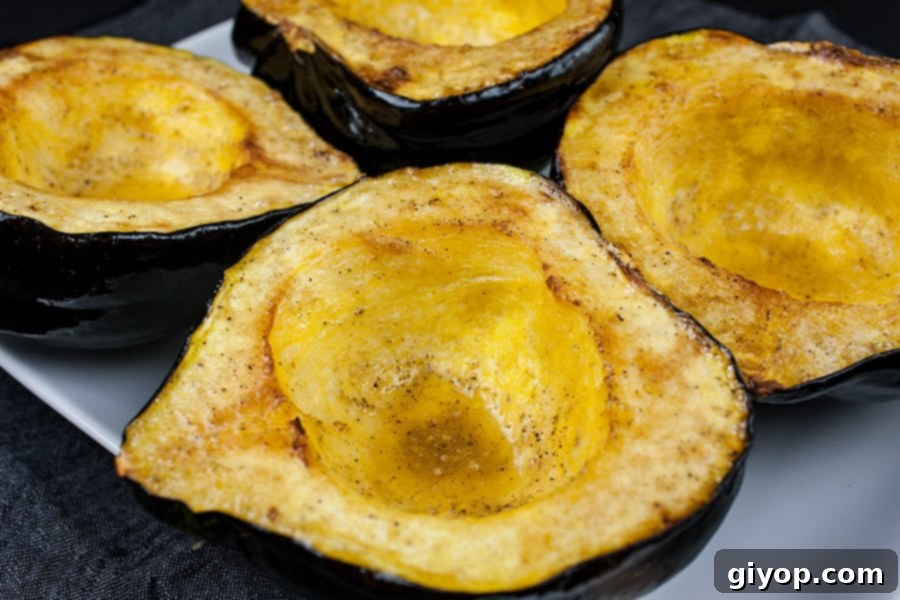
As the colder months draw in, there’s nothing quite as comforting and versatile as a perfectly roasted acorn squash. With its distinctive shape, slightly sweet, nutty flavor, and vibrant orange flesh, acorn squash emerges as a true star of autumn and winter cuisine. It’s a side dish that effortlessly complements a wide array of main courses, from succulent roasted meats to hearty vegetarian stews, making it an indispensable addition to your seasonal cooking repertoire.
This comprehensive guide will walk you through everything you need to know to prepare the most delicious roasted acorn squash halves. We’ll cover how to select the best squash, ensure safe and easy preparation, and provide simple, step-by-step instructions for roasting. You’ll also discover creative variations to customize your dish, along with valuable tips for serving, storing, and even freezing your squash. Get ready to elevate your mealtime with this incredibly flavorful and wholesome vegetable!
Why You’ll Love This Easy Roasted Acorn Squash Recipe
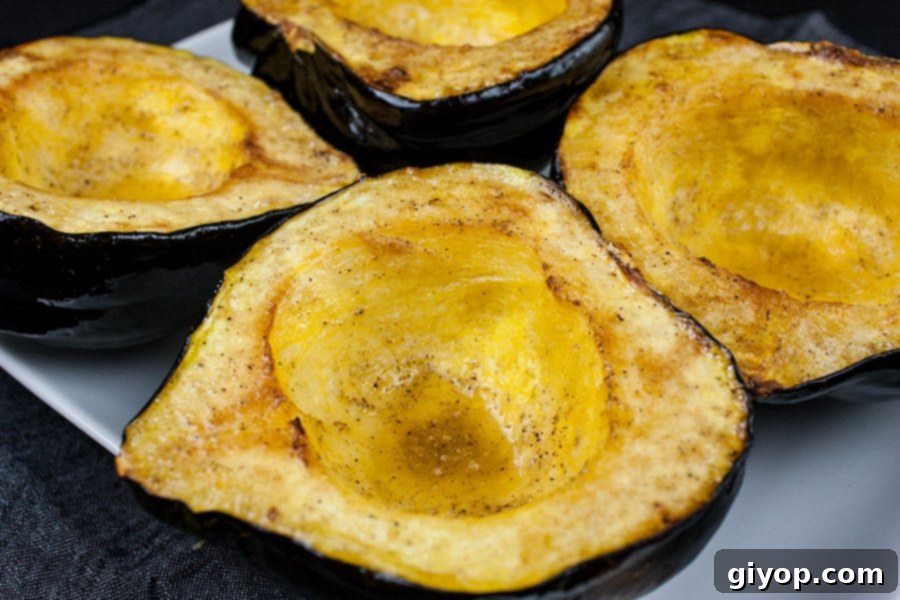
Roasted acorn squash isn’t just a side; it’s a culinary experience that brings warmth and flavor to any table. This recipe is designed to be incredibly simple yet delivers profoundly satisfying results, making it an absolute must-try for everyone, from novice cooks to seasoned chefs. Here are just a few compelling reasons why this buttery, sweet, and nutty acorn squash will become a seasonal favorite:
- Effortlessly Simple: With just four core ingredients and minimal hands-on time, this recipe is incredibly easy to follow. It’s perfect for busy weeknights when you crave something wholesome without a lengthy preparation process.
- Wholesome & Nutrient-Rich: Acorn squash is packed with essential vitamins, minerals, and antioxidants, making it a fantastic addition to a healthy diet. Roasting it enhances its natural goodness, offering a delicious way to boost your immunity and overall well-being during the colder months.
- Versatile Flavor Profile: The delicate, naturally sweet, and slightly nutty taste of acorn squash readily adapts to various flavor enhancements. Whether you prefer a touch more sweetness, a savory herb infusion, or a spicy kick, this recipe provides a perfect canvas for your culinary creativity.
- Perfect for Any Occasion: From a cozy family dinner to an elegant holiday feast like Thanksgiving or Christmas, roasted acorn squash seamlessly fits into any menu. Its impressive presentation and delectable taste make it a sophisticated yet comforting side dish that guests will adore.
- Hearty and Satisfying: Unlike some lighter vegetable sides, acorn squash offers a substantial texture that makes your meal feel more complete and satisfying. It’s a hearty option that can truly round out your main course without being overly heavy.
What is Acorn Squash? A Nutritional Powerhouse
Often recognized by its distinct, ribbed, dark green rind and pointed end, acorn squash indeed resembles a large acorn, hence its name. Scientifically known as Cucurbita pepo, it’s a member of the gourd family and is classified as a winter squash due to its hard exterior and longer storage life. However, it shares its species with many popular summer squashes like zucchini and yellow squash, distinguishing it from other winter varieties such as butternut or spaghetti squash.
Acorn squash is also known by other charming names like pepper squash or Des Moines squash. Inside its firm skin lies sweet, tender, yellow-orange flesh that becomes wonderfully creamy and flavorful when cooked. Beyond its delightful taste and texture, acorn squash is a nutritional powerhouse:
- Rich in Vitamins: It’s an excellent source of Vitamin C, which is crucial for immune health, and a good source of several B vitamins that support energy metabolism. It also provides Vitamin A, important for vision and skin health.
- Mineral-Packed: Acorn squash contains significant amounts of potassium, essential for blood pressure regulation, as well as magnesium, manganese, and iron.
- High in Antioxidants: The vibrant color of its flesh indicates a high concentration of antioxidants, including beta-carotene, which help protect the body’s cells from damage caused by free radicals.
- Excellent Source of Fiber: With a good amount of dietary fiber, acorn squash supports digestive health, helps regulate blood sugar levels, and contributes to feelings of fullness, aiding in weight management.
Incorporating acorn squash into your diet is a delicious way to enjoy seasonal flavors while reaping numerous health benefits, especially during the colder months when nutrient-rich foods are particularly valuable for boosting immunity.
How to Select and Prepare Acorn Squash
Choosing the right squash and preparing it safely are the first steps to culinary success. Here’s what to look for and how to handle this firm winter vegetable.
Selecting the Best Acorn Squash
When you’re at the grocery store or farmer’s market, keep these tips in mind to pick a prime acorn squash:
- Check the Color Balance: Look for a squash with a balanced mix of dark green and a small patch of orange or yellow. If it’s too uniformly green, it might be underripe and less sweet. If it’s overly orange, it could be overripe and potentially have more stringy fibers. A touch of orange or yellow on the bottom is a good sign of ripeness.
- Inspect the Skin: The skin should be smooth and dull, not shiny, and free from soft spots, deep cuts, or significant blemishes. Wrinkling or dull spots can indicate dehydration or that the squash is past its prime.
- Assess the Weight: Pick up the squash and feel its heft. A ripe acorn squash should feel heavy for its size, indicating dense, moist flesh inside. Lighter squash might be dry or underdeveloped.
- Firmness: Gently press on the skin. It should be firm and hard, with no give. Soft spots suggest spoilage.
How to Safely Cut Acorn Squash
Acorn squash can be quite firm, so safety is paramount when cutting it. Follow these steps for a smooth and secure preparation:
- Gather Your Tools: You’ll need a very sharp, sturdy chef’s knife and a non-slip cutting board. A damp cloth placed under your cutting board can prevent it from sliding. Some people also find a rubber mallet helpful, but it’s optional.
- Stabilize the Squash: Place the squash on one of its flatter sides on the cutting board. If it rocks too much, you can carefully trim a tiny slice off one side to create a stable base, ensuring it won’t roll while you’re cutting.
- The Initial Cut: With the squash stabilized, position your sharp knife at the stem end and carefully but firmly press down, cutting the squash in half lengthwise, following the natural indentations or ribs if present, all the way to the tip. This can be challenging due to its hardness. If you encounter resistance, you can gently tap the back of the knife blade with a rubber mallet (never your hand!) to help push it through. Exercise extreme caution at all times.
- Scoop Out Seeds and Pulp: Once the squash is split, use a sturdy spoon (an ice cream scoop works wonderfully) to scrape out all the seeds and stringy pulp from the inside of each half. Continue scraping until the cavities are clean.
- Optional Scoring: If you like, you can lightly score the flesh in a cross-hatch pattern with your knife. This isn’t strictly necessary for cooking but can help the butter and seasonings penetrate deeper into the flesh, enhancing flavor and making it even more tender.
With your acorn squash halves perfectly prepared, you’re now ready for the delicious roasting process!
Mastering the Perfect Roasted Acorn Squash: A Step-by-Step Guide
Roasting acorn squash is a delightfully simple process that yields incredibly flavorful results. The high heat of the oven caramelizes the natural sugars in the squash, creating a tender interior and a slightly browned, irresistibly sweet exterior. Follow these easy steps to achieve perfection every time.

Ingredients You’ll Need (Quick Look)
This recipe uses minimal ingredients to let the natural flavor of the acorn squash shine through:
- Acorn Squash (2 medium)
- Unsalted Butter (4 tablespoons, softened)
- Kosher Salt (1/2 teaspoon, or to taste)
- Freshly Ground Black Pepper (1/4 teaspoon, or to taste)
- Water (approx. 1/4-inch for the roasting pan)
Simple Roasting Instructions
- Preheat Your Oven: Begin by preheating your oven to 425°F (220°C). This high temperature is key to achieving a beautifully caramelized exterior and a soft, tender interior, bringing out the squash’s inherent sweetness. Give your oven ample time to reach and maintain this temperature for optimal results.
- Prepare the Squash: (If you haven’t already) Carefully cut your acorn squash in half lengthwise from stem to tip and scoop out all the seeds and stringy pulp. You can refer to our detailed “How to Safely Cut Acorn Squash” section for guidance.
- Season with Butter and Spices: Take 1 tablespoon of softened unsalted butter and generously rub it onto the inside flesh of each acorn squash half. Ensure an even coating across the entire cut surface. The butter not only adds richness and flavor but also aids in the caramelization process. Next, sprinkle each half with about 1/4 teaspoon of kosher salt and a good pinch of freshly ground black pepper. These basic seasonings enhance the squash’s natural flavors without overpowering them.
- Set Up for Roasting: Place the seasoned acorn squash halves cut-side up (flesh side facing upwards) in a large, sturdy roasting pan. Pour approximately 1/4 to 1/2 inch of water into the bottom of the roasting pan. This crucial step creates a steamy environment within the oven, which prevents the squash from drying out and scorching on the bottom. It helps the squash cook evenly, resulting in a perfectly moist and tender texture.
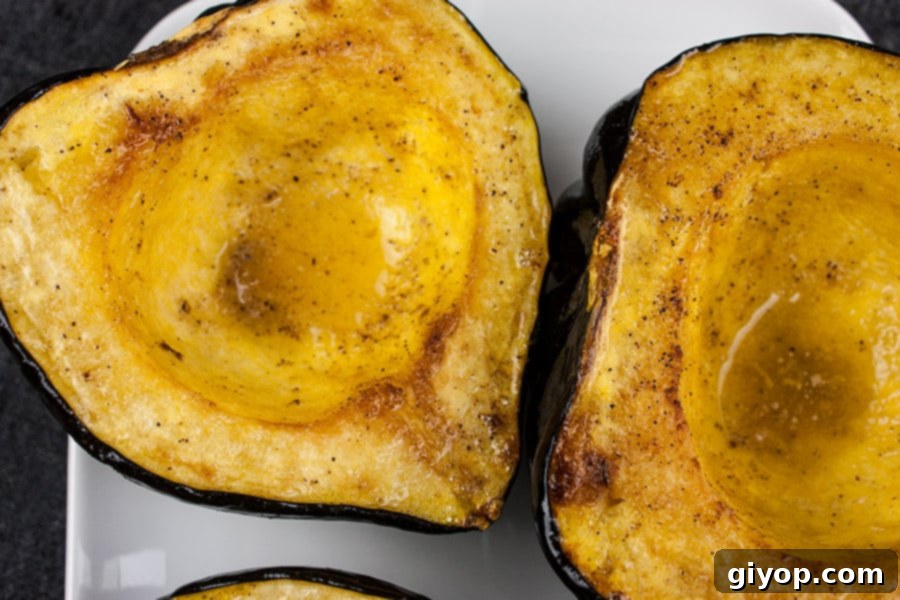
- Bake to Perfection: Transfer the roasting pan to your preheated oven and bake for about 1 hour to 1 hour and 15 minutes. The exact timing can vary based on the size of your squash and the calibration of your oven. You’ll know the squash is done when its flesh is wonderfully fork-tender and has developed a beautiful golden-brown, slightly caramelized crust on the edges. The aroma filling your kitchen will be another delightful indicator!
- Cool and Serve: Once roasted, carefully remove the pan from the oven. Allow the squash halves to cool for a few minutes before serving. This brief resting period helps them firm up slightly and makes them easier to handle. You have two elegant serving options: either scoop out the tender, flavorful flesh and serve it in a bowl, or present the squash halves directly in their naturally beautiful shells, perhaps with an extra pat of butter or a sprinkle of fresh herbs for garnish.
Enjoy your perfectly roasted acorn squash – a simple dish that’s big on flavor and comfort!

Delicious Serving Suggestions for Roasted Acorn Squash
The subtle sweetness and nutty notes of roasted acorn squash make it an incredibly versatile side dish that pairs wonderfully with a myriad of meals. Whether you’re planning a casual weeknight dinner or an elaborate holiday spread, here are some delicious ideas for serving your perfectly roasted squash:
- Classic Protein Pairings: Roasted acorn squash is a natural complement to a variety of meats. Serve it alongside:
- Pork: Especially pork tenderloin, pork chops, or a holiday ham.
- Poultry: Roasted chicken, turkey (perfect for Thanksgiving!), or duck.
- Beef: A succulent steak, pot roast, or even hearty meatloaf.
- Hearty Grain Bowls: For a nutritious and satisfying vegetarian or vegan meal, combine scooped-out acorn squash with a hearty grain like fluffy quinoa, chewy farro, or steamed wild rice. Add some roasted vegetables such as Brussels sprouts, broccoli, or sweet potatoes, and drizzle with a light vinaigrette for a complete and flavorful dish.
- Elevated Salads: Add roasted acorn squash chunks to your favorite winter salads. Its warm, tender texture and sweet flavor provide a lovely contrast to crisp greens, goat cheese, dried cranberries, and toasted nuts.
- Breakfast or Brunch Enhancer: Don’t limit acorn squash to dinner! Serve it mashed alongside scrambled eggs or mixed into a savory breakfast hash. You can also lightly sweeten it and dollop with Greek yogurt and granola for a unique breakfast parfait.
- Soups and Purees: The soft, roasted flesh can be easily pureed and incorporated into creamy soups or sauces, adding depth and sweetness.
- Stuffed Acorn Squash: For a truly impressive presentation, especially suitable for a main course, stuff the roasted halves with a savory mixture of grains, vegetables, herbs, and perhaps some sausage, mushrooms, or cheese.
No matter how you choose to serve it, roasted acorn squash is sure to be a delightful and comforting addition to your meal.
Pro Tips for the Best Roasted Acorn Squash
Achieving perfectly roasted acorn squash is simple, but a few expert tips can elevate your dish from good to absolutely outstanding. Keep these pointers in mind for consistently delicious results:
- Choose the Right Roasting Pan: While a sheet pan might seem convenient, for acorn squash, especially when adding water, a sturdy roasting pan with higher sides is highly recommended. The water at the bottom of the pan is crucial for creating a steamy environment, which prevents the squash from drying out and scorching on the bottom, ensuring it cooks evenly and becomes wonderfully tender. A sheet pan might allow the water to evaporate too quickly or spill.
- Don’t Overcrowd the Pan: Give your squash halves enough space in the roasting pan. If the pan is too crowded, the squash will steam instead of roast, leading to a less caramelized exterior. Use two pans if necessary to ensure proper air circulation around each piece.
- Season Generously: Don’t be shy with your seasoning. While butter, salt, and pepper are the basics, feel free to experiment with other spices or herbs (see “Variations” below) to complement the squash’s flavor profile. Taste and adjust as needed before and after roasting.
- Test for Doneness: The best way to tell if your acorn squash is perfectly roasted is by piercing the thickest part of the flesh with a fork. It should slide in with very little resistance, indicating a tender, cooked-through texture. The edges should also show signs of browning and caramelization.
- Consider Scoring the Flesh: Although optional, lightly scoring the squash flesh in a cross-hatch pattern before adding butter and seasonings can help these flavors penetrate deeper into the squash, resulting in a more flavorful bite throughout.
- Making it Ahead: Roasted acorn squash is excellent for meal prepping. You can roast it up to two days in advance, store it properly, and simply reheat when ready to serve. This makes holiday meal planning much smoother.
By following these simple tips, you’ll consistently create roasted acorn squash that is tender, flavorful, and a true highlight of your meal.
Creative Variations to Customize Your Roasted Acorn Squash
The beauty of roasted acorn squash lies in its adaptability. Its mild, sweet, and nutty base flavor makes it a fantastic canvas for both sweet and savory enhancements. Don’t hesitate to get creative and tailor this recipe to your palate or specific meal.
Sweet Variations
If you prefer your acorn squash to lean into its dessert-like potential, try these sweet additions:
- Brown Sugar & Maple Syrup Glaze: Instead of (or in addition to) salt and pepper, sprinkle a tablespoon of brown sugar over the buttered flesh of each squash half. For an extra touch of decadence, drizzle a little pure maple syrup (or honey) over them before roasting. The sugars will caramelize beautifully, creating a sticky-sweet crust.
- Spiced Warmth: A small sprinkle of warming spices like ground cinnamon, nutmeg, or a pumpkin pie spice blend helps to amplify the natural sweetness of the acorn squash, adding a delightful aroma and depth of flavor.
- Sweetened Butter: Mix a teaspoon of brown sugar or maple syrup into your softened butter before rubbing it onto the squash.
- Apple or Cranberry Stuffing: For a holiday-worthy side, fill the cavity of each roasted squash half with a mixture of diced apples, dried cranberries, chopped pecans, and a touch of brown sugar and cinnamon.
- Toasted Pecan or Walnut Topping: Roughly chop some pecans or walnuts and toss them with a tiny bit of melted butter and brown sugar. Sprinkle over the squash during the last 15-20 minutes of roasting for a delightful crunch and nutty finish.
Savory Variations
For a more savory profile that pairs wonderfully with main courses, consider these options:
- Aromatic Herbs: Infuse your squash with fresh or dried herbs. Rosemary, thyme, and sage are classic companions. Simply chop them finely and sprinkle over the buttered flesh before roasting, or tuck sprigs into the cavity.
- Garlic & Onion Infusion: Add a pinch of garlic powder, onion powder, or even finely minced fresh garlic to the butter mixture for a fragrant savory kick.
- Cheesy Goodness: For an even nuttier and richer flavor, sprinkle some freshly shredded Parmesan cheese over the squash during the last 15 minutes of baking. Other cheeses like crumbled feta or goat cheese can also add a delightful tang once the squash is roasted.
- Spicy Kick: If you enjoy a bit of heat, a pinch of red pepper flakes or a dash of cayenne pepper can add an exciting contrast to the squash’s sweetness.
- Olive Oil & Balsamic Glaze: For a lighter, Mediterranean-inspired twist, use olive oil instead of butter and drizzle with a balsamic glaze after roasting.
Beyond Halves: Other Uses for Acorn Squash
Roasted acorn squash isn’t just for serving in halves! The cooked flesh can be incredibly versatile:
- Casseroles: Mash or dice the roasted squash and incorporate it into savory casseroles.
- Chili: Stir roasted squash chunks into your favorite chili recipe for added sweetness, body, and nutrition.
- Salads: Cold or warm, roasted acorn squash cubes are a fantastic addition to grain salads or green salads.
- Soups: Puree the roasted flesh with vegetable broth and other seasonings for a creamy, comforting squash soup.
- Stuffed Acorn Squash: Re-stuff the cooked shells with a mixture of grains, herbs, vegetables, and protein for a complete meal.
Experiment with these variations to discover your favorite way to enjoy this delightful winter squash!
Frequently Asked Questions About Acorn Squash
Here are answers to some common questions about cooking and storing acorn squash, ensuring you can enjoy this versatile vegetable with confidence.
When choosing an acorn squash, look for one that has an even balance of dark green and a small patch of orange or yellow, indicating ripeness. Avoid squash that is too green, as it may be unripe, or too orange, which could mean it has an excess of stringy fibers. The skin should be smooth, firm, and hard to the touch, without any soft spots, deep blemishes, or wrinkling. Finally, pick a squash that feels heavy for its size, which is a good indicator of dense, moist flesh inside.
Yes, absolutely! When acorn squash is roasted, especially at the temperatures recommended in this recipe, its skin becomes wonderfully soft and tender. Many people enjoy eating the skin for its slightly chewy texture and added fiber. However, if the skin’s texture is not to your liking, it is perfectly fine to scoop out the flesh and leave the skin behind. It’s entirely a matter of personal preference.
Roasted acorn squash is an excellent candidate for making ahead, which can be a huge time-saver for holidays or meal prep. You can bake the squash halves up to 2 days in advance. Once they are fully cooked and have cooled completely to room temperature, wrap each piece tightly in aluminum foil. Store the wrapped squash in the refrigerator. To reheat, place the foil-wrapped squash in an oven preheated to 400°F (200°C) and bake until it is just heated through, typically about 15-20 minutes. This method helps retain moisture and flavor.
To store leftover roasted acorn squash, first ensure it has cooled completely to room temperature. Then, transfer the halves or the scooped-out flesh into an airtight container. Refrigerate for up to 4 days. When you’re ready to enjoy it again, you can reheat it in the oven (wrapped or covered in aluminum foil at 400°F / 200°C until heated through) or quickly in the microwave for a minute or two (without foil, of course).
Yes, acorn squash can be frozen, but how you prepare it for freezing makes a difference:
- Freezing Uncooked Acorn Squash: While possible, uncooked acorn squash generally does not freeze as well as cooked squash, as its texture can become somewhat watery upon thawing. If you choose to freeze it raw, you will need to first remove the skin, scoop out the seeds, and cut the flesh into smaller, uniform chunks. We recommend flash-freezing these pieces by spreading them in a single layer on a parchment-lined baking sheet until they are solid. Once hard, transfer the frozen chunks to a freezer-safe bag or container, removing as much air as possible, and freeze for up to 2 months.
- Freezing Cooked/Roasted Acorn Squash: For optimal results, freezing roasted acorn squash is preferred. You can either scoop the tender, roasted flesh out of its skin in chunks or mash it up. Place the cooked squash into a freezer-safe airtight container or a heavy-duty freezer bag. Again, remove as much air as possible to prevent freezer burn. Cooked acorn squash can be frozen for up to 6 months. To use, thaw it overnight in the refrigerator before reheating or incorporating into recipes.
Explore More Delicious Side Dish Recipes
Complement your meal with other incredible side dishes that are just as easy to prepare and equally satisfying. These recipes are perfect for rounding out any dinner, from simple weeknights to grand holiday feasts.

Classic Roasted Acorn Squash Recipe
Print
Pin
Rate
Ingredients
- 2 medium Acorn Squash, approx. 1.5-2 lbs each
- 4 tablespoons unsalted butter, softened (plus more for serving, if desired)
- 1/2 teaspoon kosher salt, or to taste
- 1/4 teaspoon freshly ground black pepper, or to taste
- 1/4 inch water for roasting pan (approx. 1-2 cups depending on pan size)
Instructions
- Preheat your oven to 425°F (220°C). This high heat helps caramelize the squash, bringing out its natural sweetness. Ensure your oven is fully preheated for consistent results.
- Prepare the acorn squash: Place each acorn squash on a stable cutting board. Using a very sharp, sturdy knife, carefully cut each squash in half lengthwise, from the stem to the tip. Be extremely cautious during this step as squash can be hard and may rock. Some find a rubber mallet helpful to gently tap the knife through the squash if it’s particularly tough.
- Scoop out the seeds and stringy pulp from the center of each squash half using a spoon. Discard the pulp, but you can save the seeds to roast separately for a healthy snack if desired. If you wish, you can lightly score the flesh in a cross-hatch pattern with your knife; this allows the butter and seasoning to penetrate deeper, though it is an optional step.
- Rub 1 tablespoon of softened unsalted butter on the inside flesh of each half. Distribute it evenly to coat the surface. Then, sprinkle each half with about 1/4 teaspoon of kosher salt and a generous pinch of freshly ground black pepper. Adjust seasoning to your preference.
- Place the seasoned acorn squash halves cut-side up (flesh side facing up) in a large roasting pan. Pour about 1/4 to 1/2 inch of water into the bottom of the roasting pan. This creates a steamy environment that prevents the squash from drying out and helps it cook evenly and become perfectly tender. The water also prevents the bottom of the squash from scorching.
- Bake for approximately 1 hour to 1 hour and 15 minutes, or until the flesh is incredibly tender when pierced with a fork and has developed a beautiful golden-brown, caramelized crust. The exact baking time may vary depending on the size of your squash and your oven. For extra caramelization, you can briefly increase the heat to 450°F (230°C) during the last 10-15 minutes, if desired, watching closely to prevent burning.
- Once baked, carefully remove the pan from the oven. Let the roasted acorn squash cool for a few minutes before serving. You can either scoop out the tender flesh and serve it, or present the squash halves in their natural, attractive shells. A dollop of extra butter or a sprinkle of fresh herbs can enhance the presentation and flavor.
Notes
To Make Ahead: You can bake the acorn squash up to 2 days in advance. Once cooled, wrap each roasted half tightly in aluminum foil and store in the refrigerator. To reheat, place the foil-wrapped squash in an oven preheated to 400°F (200°C) and bake until thoroughly heated through, usually about 15-20 minutes.
Storing Leftovers: Allow any leftover roasted acorn squash to cool completely to room temperature. Transfer the halves (or scooped-out flesh) into an airtight container and refrigerate for up to 4 days. Reheat in the oven or microwave.
Freezing Acorn Squash:
- Uncooked: While possible, uncooked acorn squash does not freeze as well as cooked. If freezing raw, peel the skin, remove seeds, and cut into uniform chunks. Flash-freeze the chunks on a parchment-lined baking sheet until solid, then transfer to a freezer-safe bag or container. Freeze for up to 2 months.
- Cooked/Roasted: For best results, freeze roasted acorn squash. You can either scoop the flesh out of the skin in chunks or mash it. Place it in a freezer-safe airtight container or heavy-duty freezer bag, ensuring as much air is removed as possible to prevent freezer burn. Freeze for up to 6 months. Thaw overnight in the refrigerator before reheating.
Nutrition Information (Estimated per serving)
Serving: 4g | Calories: 186kcal | Carbohydrates: 22g | Protein: 1g | Fat: 11g | Saturated Fat: 7g | Cholesterol: 30mg | Sodium: 298mg | Potassium: 747mg | Fiber: 3g | Vitamin A: 1140IU | Vitamin C: 23.7mg | Calcium: 74mg | Iron: 1.5mg