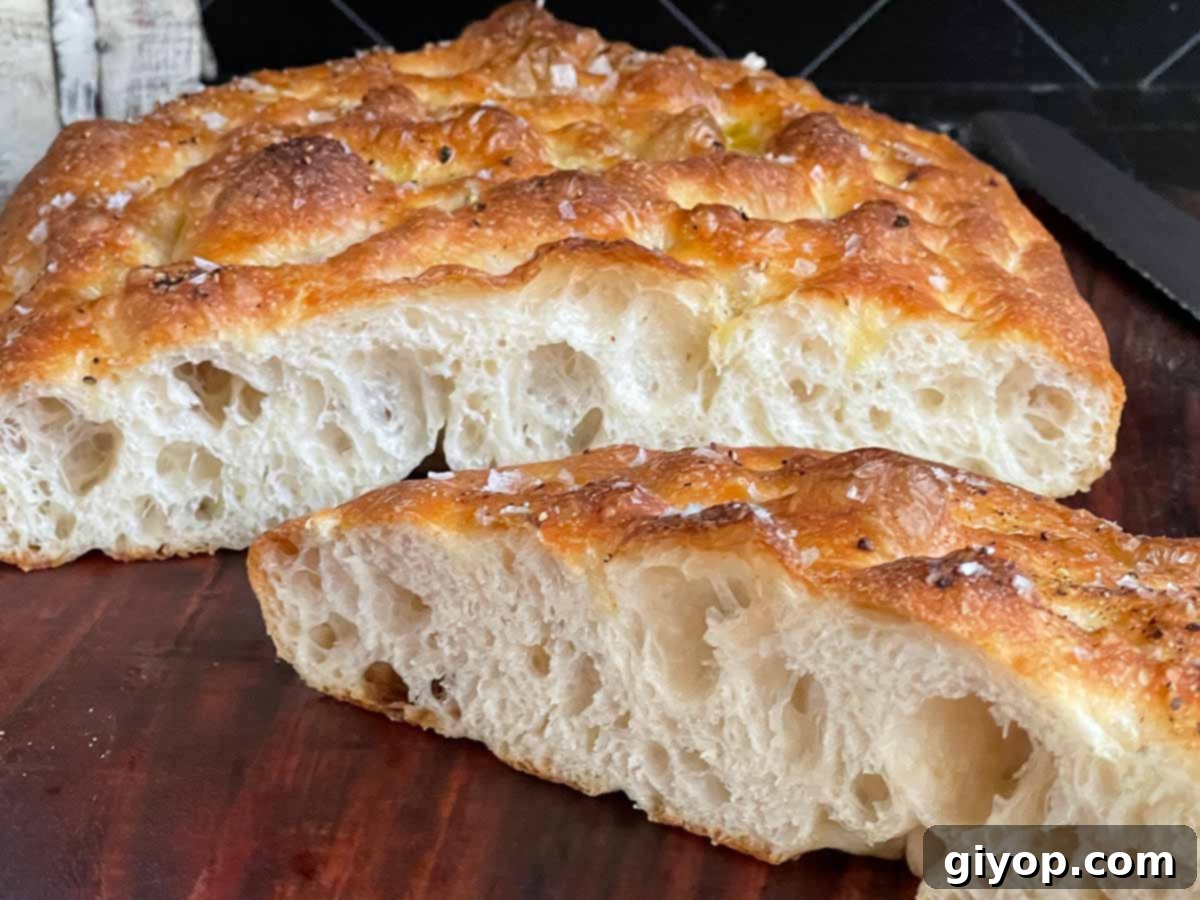
Welcome to the ultimate guide for crafting the most delectable No-Knead Overnight Focaccia Bread. This recipe stands out as remarkably easy to master, yet it yields a bread so exceptionally flavorful and texturally perfect that it often surprises even seasoned bakers. Forget complicated techniques, mixers, or endless kneading – this method prioritizes simplicity without compromising on a truly gourmet result. The irony lies in its effortlessness; despite requiring minimal hands-on time, the rich aroma, the golden-brown crispness, and the soft, airy interior of this focaccia will quickly establish it as a cherished staple in your home.
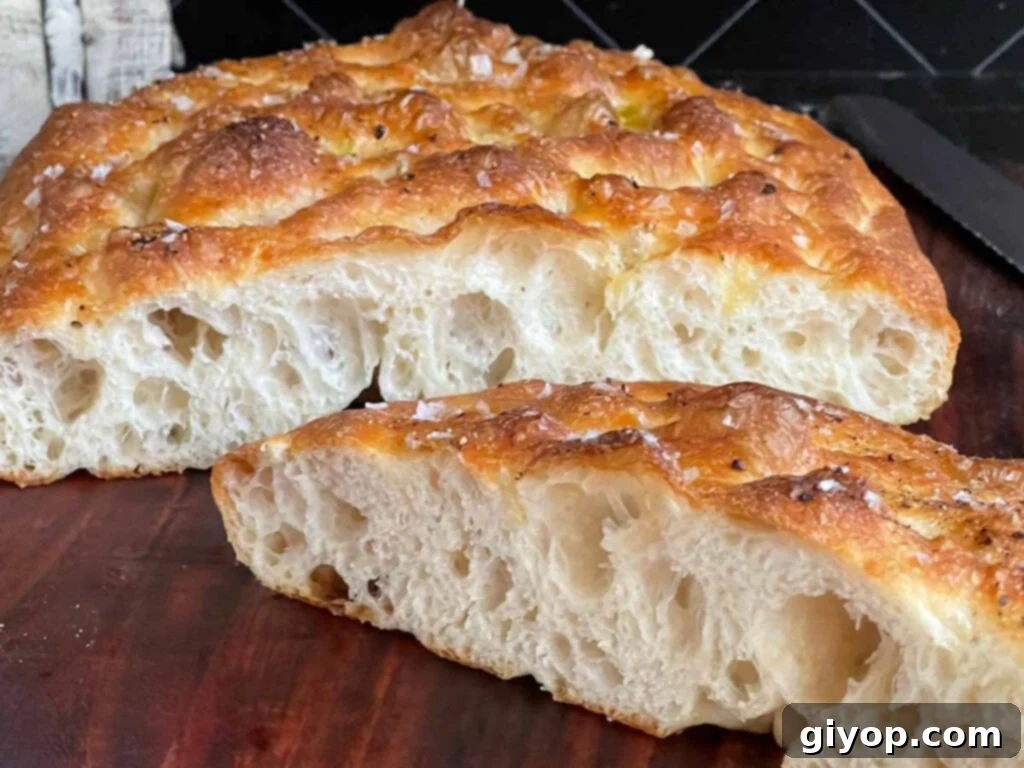
Why This No-Knead Focaccia Recipe Will Become Your Favorite
There’s an undeniable magic in creating something extraordinary from the simplest ingredients. This focaccia embodies that magic. We’ve been consistently astonished by how humble components can come together to produce a bread that far surpasses anything we’ve tasted in even the finest restaurants. While our beloved sourdough bread holds a special place in our hearts and is a weekly tradition, this no-knead focaccia is a serious contender, threatening to steal the top spot. Its deep flavor profile, born from an extended, slow fermentation, is simply unparalleled.
Our commitment to perfecting recipes means extensive testing, and this focaccia was no exception. We meticulously experimented with various proofing times – a quick one-day method, a more extended two-day rest, and countless topping combinations. The result of this dedication is the recipe you see before you: the most intensely flavorful version, perfectly balanced with a desirable crispy exterior and a wonderfully tender interior. This focaccia hits all the right notes, transforming basic elements into a symphony of textures and tastes.
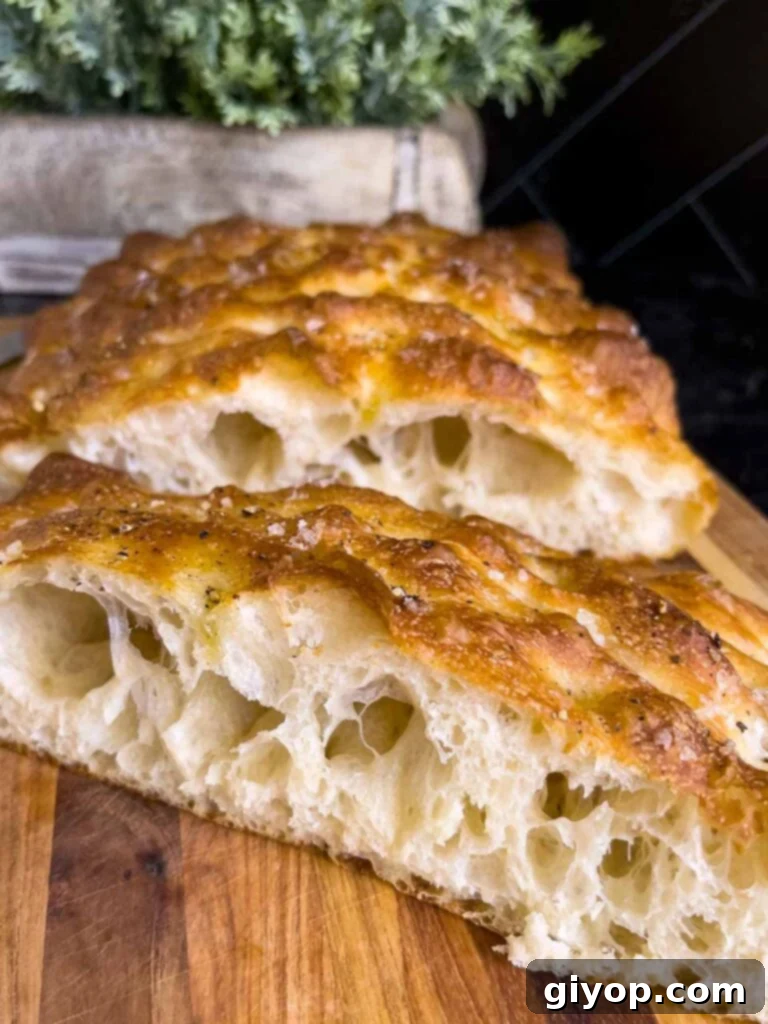
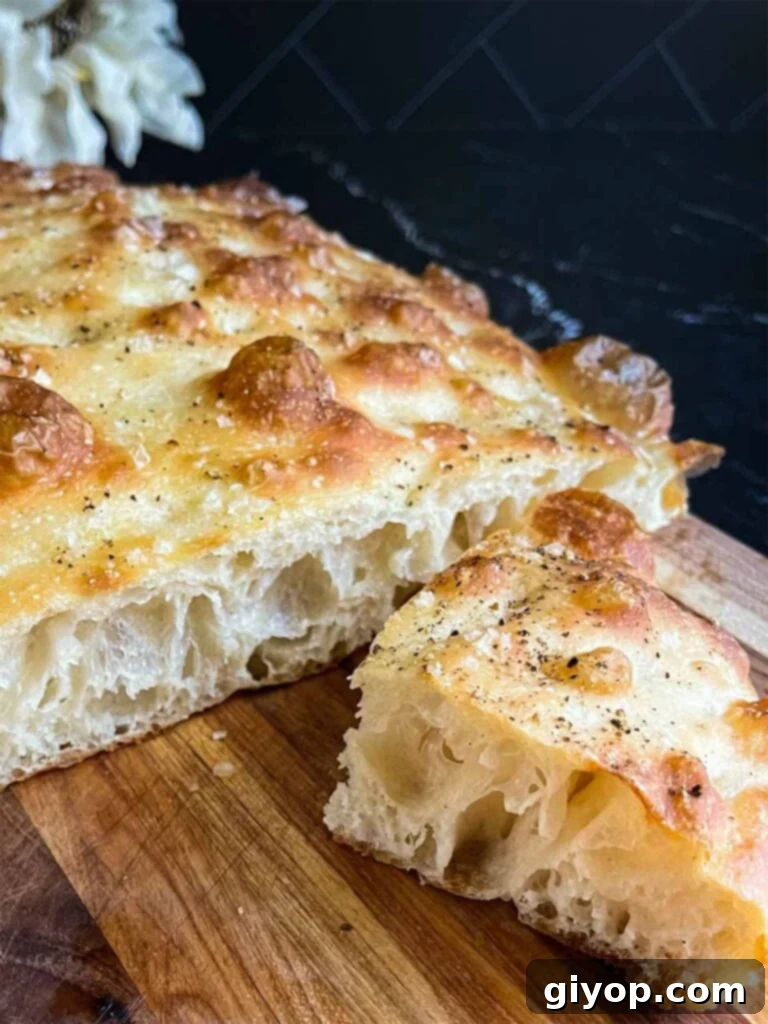
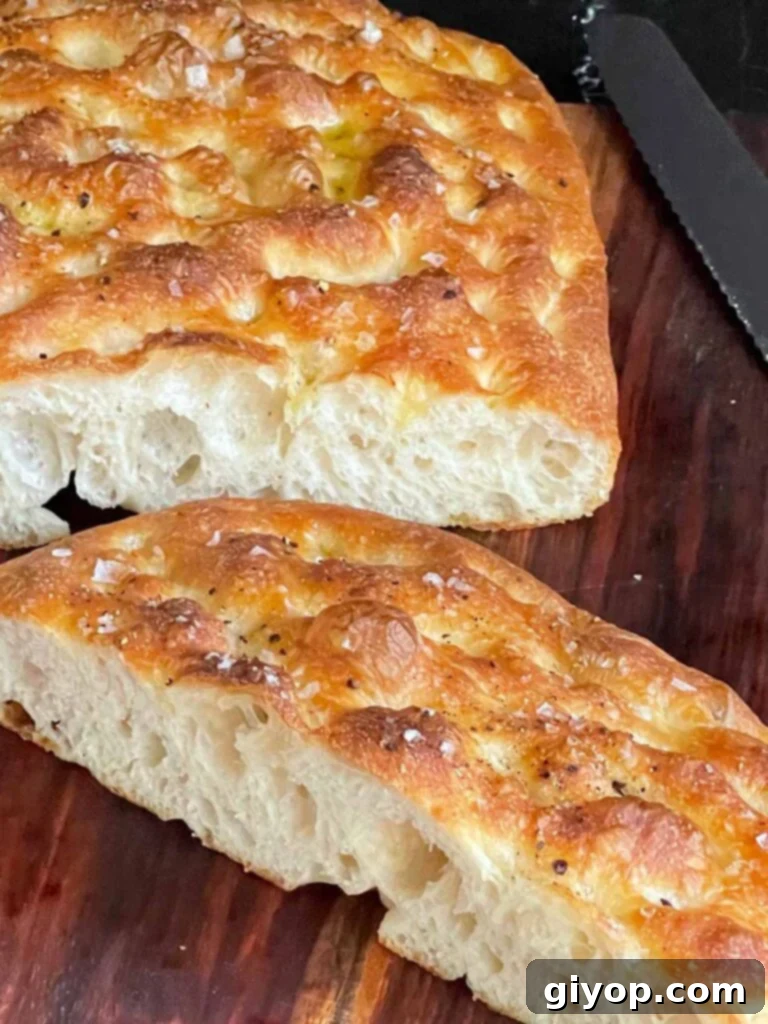
Imagine this: the subtle crunch of flaky sea salt, the sharp zest of freshly cracked black pepper, and glistening pools of rich olive oil nestled within the signature dimples, all resting upon a perfectly crisp, golden-brown bottom crust. Every single bite is a revelation. We confess, the temptation of this bread is almost impossible to resist. During our testing, two of us devoured three-quarters of a loaf in a single day, returning for “just one more bite” over and over again until very little remained. While we humorously warn against such indulgence, we truly aren’t sorry; it’s simply *that* good. In the world of baking, sometimes less truly is more, and this fabulous focaccia is a testament to that philosophy.
This recipe promises a golden-brown loaf, bursting with flavor, featuring a delightful crunch on both top and bottom crusts, and an incredibly airy, open crumb structure. It’s elegantly simple, topped with robust olive oil, generous flaky salt, and coarse cracked black pepper. Beyond its exquisite taste, its ease of preparation is a major draw. No stand mixer, no laborious kneading, no complex artisan techniques required. Just a few simple steps, patience for the overnight rise, and you’ll be rewarded with a truly unforgettable homemade bread.
Crafting Your No-Knead Overnight Focaccia Bread: A Detailed Guide
You’ll be amazed at how effortlessly this dough comes together, and even more so by the unparalleled taste of the finished product. Let’s walk through the steps to create this culinary masterpiece.
Day 1: Preparing the Dough
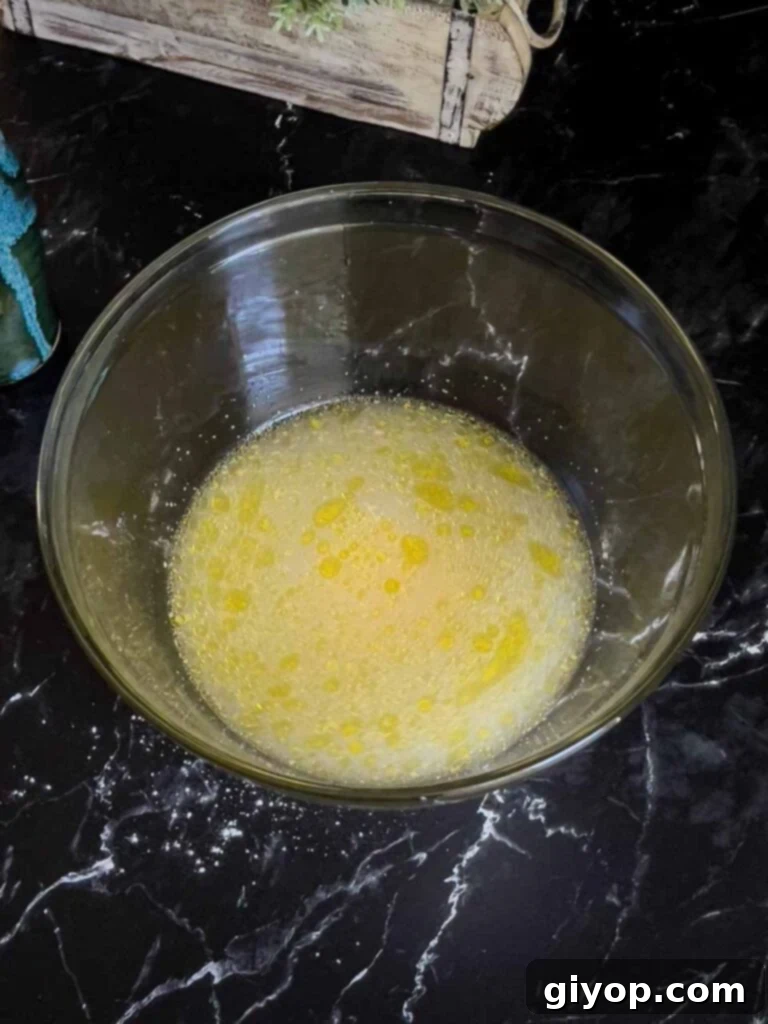
- Combine Wet Ingredients: In a generously sized mixing bowl, pour in the lukewarm water. Ensure the water is lukewarm, not hot, as excessively hot water can kill the yeast, while cold water will significantly slow down the activation process. Add the instant yeast, a good quality olive oil (the better the oil, the richer the flavor), and a touch of honey. Stir these ingredients gently until they are well combined. The honey provides a subtle sweetness and acts as a food source for the yeast, encouraging its activity.
- Mix Dry Ingredients: In a separate, medium-sized bowl, whisk together the bread flour and kosher salt. Using bread flour is recommended due to its higher protein content, which contributes to a stronger gluten structure and a chewier texture. However, all-purpose flour can also be used for a slightly softer crumb. Whisking ensures the salt is evenly distributed throughout the flour.
- Combine Wet and Dry: Gradually add the dry flour and salt mixture to the large bowl containing the water and yeast.
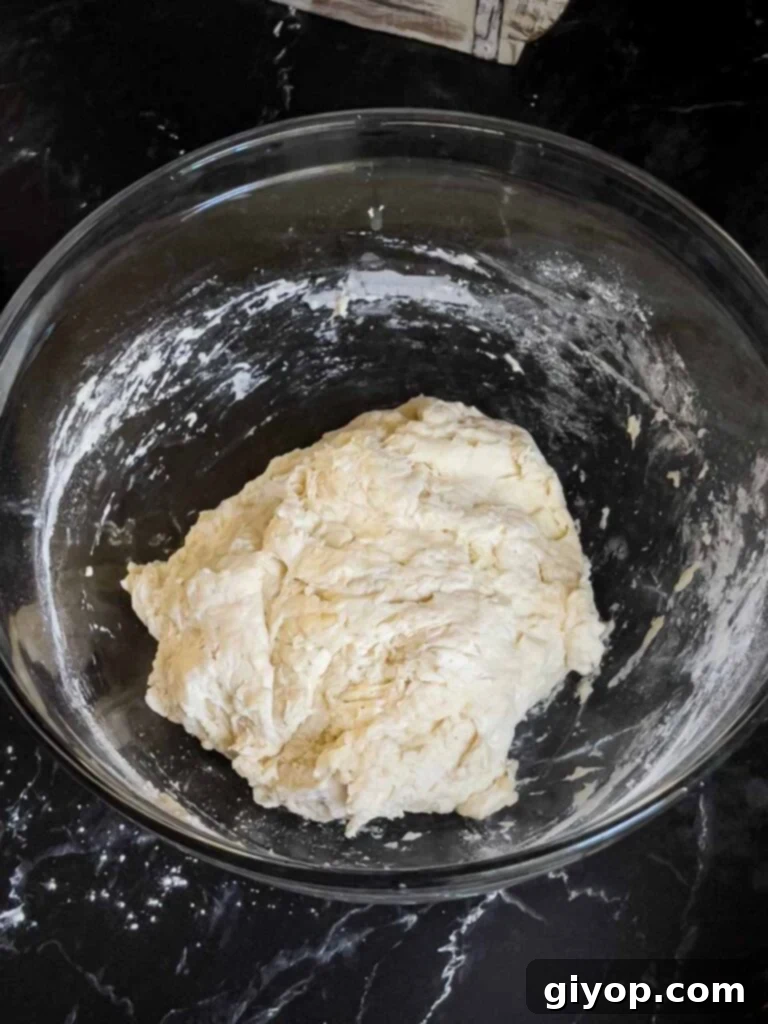
- Initial Mixing: Using a sturdy spatula or a large spoon, mix the ingredients until all the dry flour has been incorporated and a shaggy dough forms. It’s crucial not to overmix at this stage; just ensure there are no dry pockets remaining. The dough will be quite wet and sticky, which is perfectly normal for a no-knead recipe.
- First Rest: Cover the bowl with a clean kitchen towel or plastic wrap to prevent the dough from drying out. Let it rest undisturbed for 10 minutes. This short rest allows the flour to fully hydrate and the gluten development to begin naturally.
Developing Gluten with Stretch and Folds
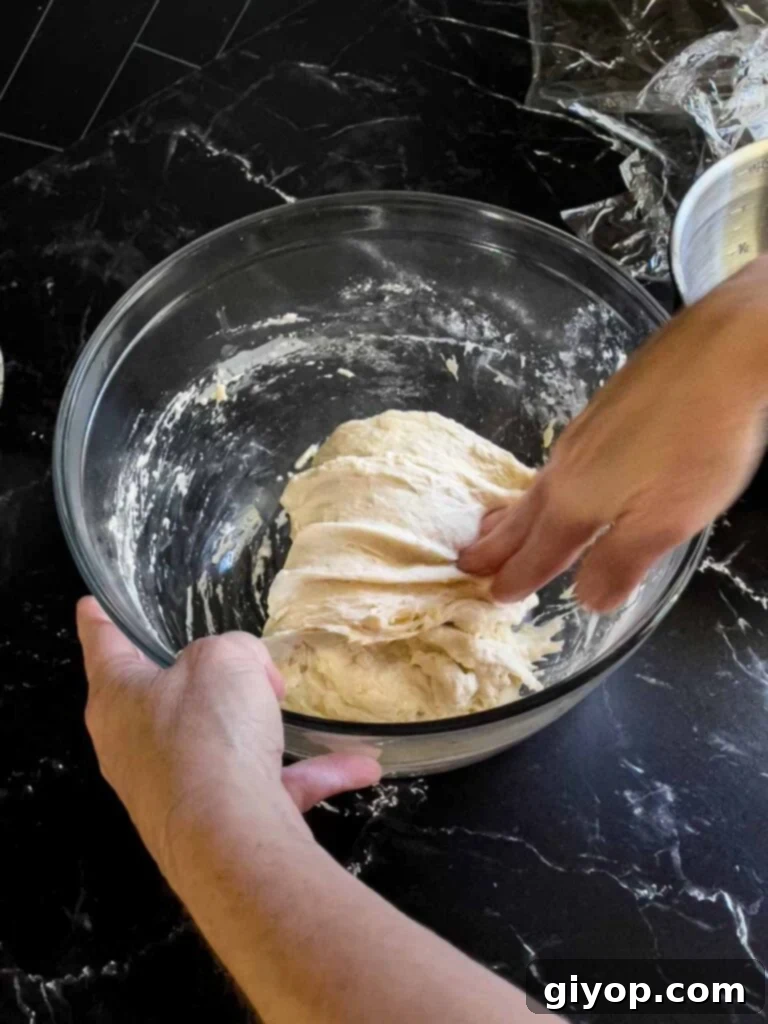
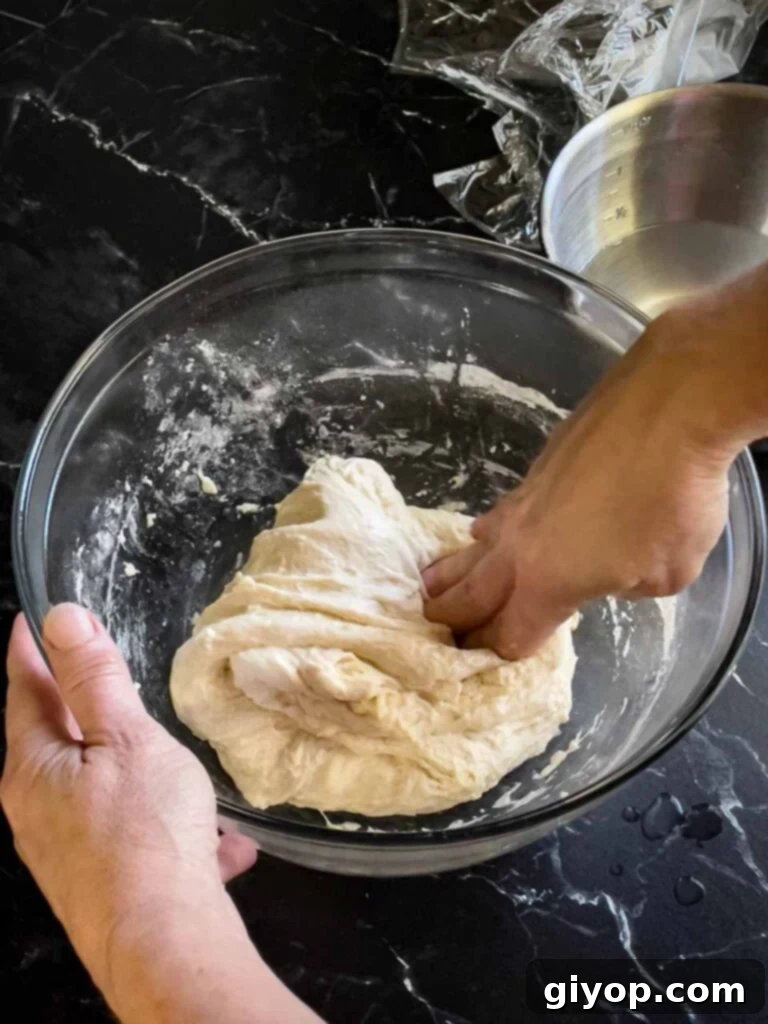
This “stretch and fold” technique replaces traditional kneading, creating a strong gluten network without the effort. It’s a fundamental part of no-knead bread making.
- First Stretch and Fold: After the 10-minute rest, uncover the dough. Lightly dampen your hands with water. Imagine the dough as a clock face. Grab the dough at the “12 o’clock” position, gently stretch it upwards, and then fold it over itself towards the “6 o’clock” position. Give the bowl a quarter turn (90 degrees clockwise) and repeat the stretch and fold. Continue this process, turning the bowl a quarter turn each time, until the dough becomes noticeably tighter and resists further stretching. This series of actions helps to build strength and elasticity in the dough.
- Second Rest: Cover the dough again and let it rest for another 10 minutes.
- Second Stretch and Fold: Repeat the entire stretch and fold process from step 6 one more time. You’ll notice the dough is even more elastic and resilient now. This second round of stretching and folding further enhances the gluten development, which is crucial for the focaccia’s signature open crumb.
Overnight Fermentation
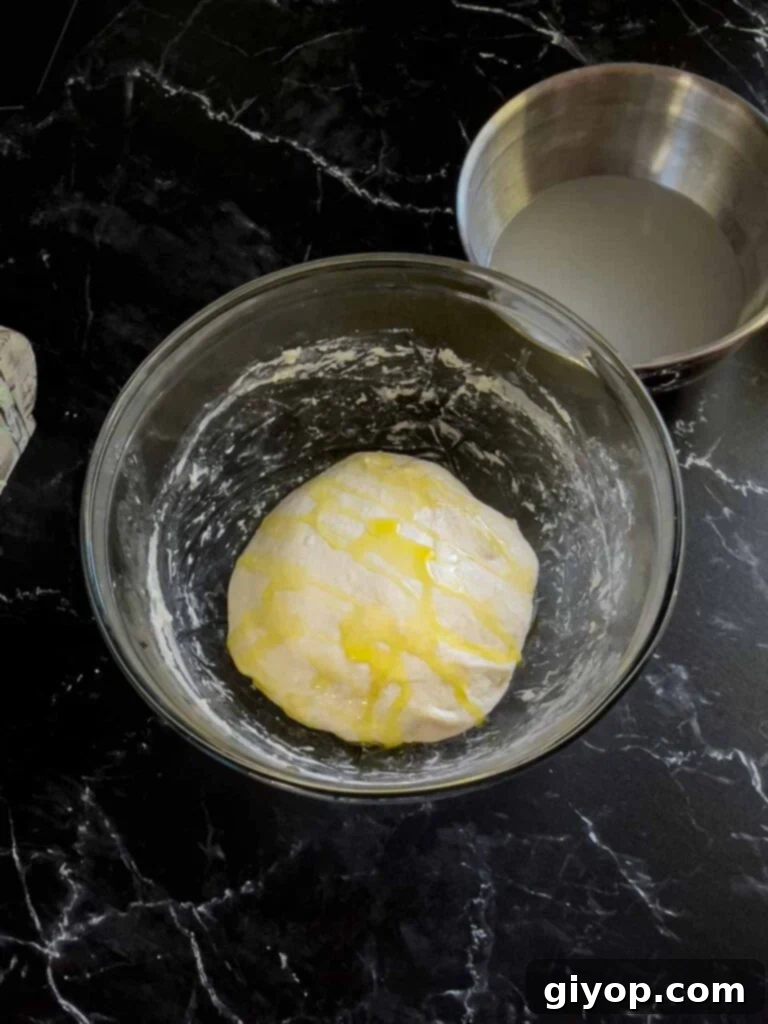
- Prepare for Overnight Proof: After the final stretch and fold, dampen your hands with a little olive oil or water. Gently turn the dough over in the bowl so that the seam side is facing down. Liberally coat the entire surface of the dough with olive oil. This not only adds flavor but also prevents a skin from forming during the long fermentation.
- Refrigerate: Cover the bowl tightly with plastic wrap, ensuring an airtight seal. Place the bowl in the refrigerator for a minimum of 24 hours. For an even more profound, complex flavor, you can extend this cold fermentation period up to 48 hours. This slow, cold rise is what develops the incredible depth of flavor and tender texture characteristic of this focaccia.
Day 2: Baking Your Focaccia
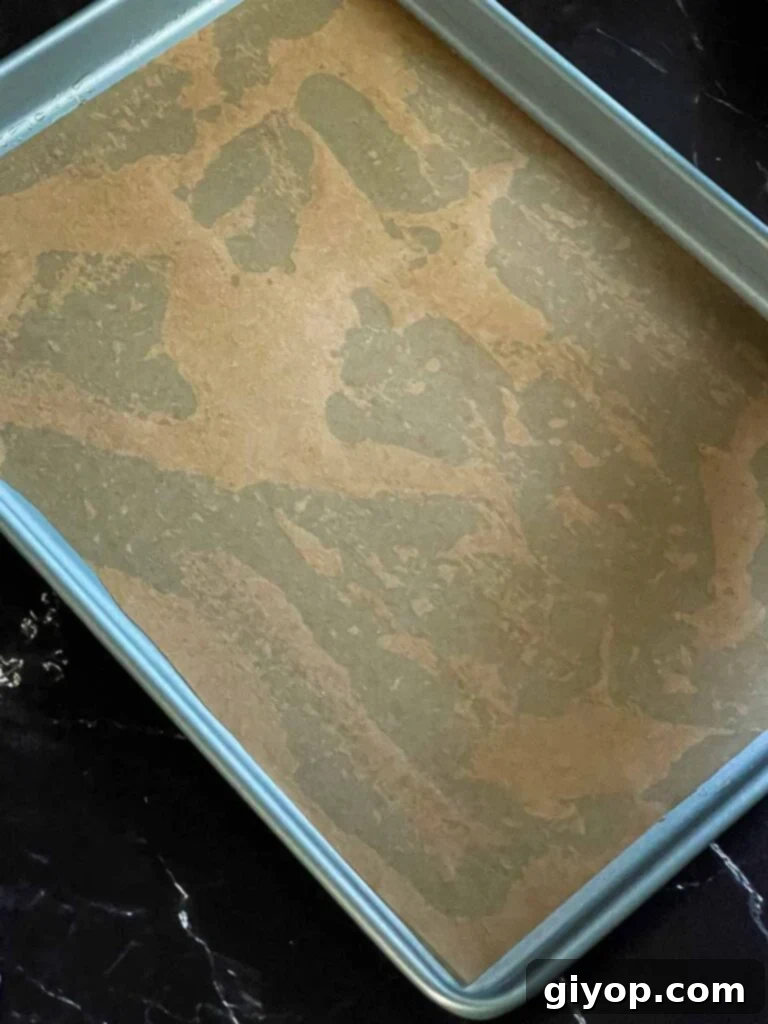
- Prepare Baking Sheet: The next day, retrieve your dough from the refrigerator. Drizzle a little olive oil into a 9×13-inch baking sheet and spread it evenly across the bottom. Place a sheet of parchment paper over the oiled baking sheet. This ensures easy removal and prevents sticking. Add an additional 3 tablespoons of olive oil on top of the parchment paper.
- Transfer and Coat Dough: Gently place the cold focaccia dough onto the prepared baking sheet. Flip the dough over once so that both sides are generously coated in olive oil.
- Initial Spread: Lightly oil your fingertips with olive oil. Using gentle pressure, carefully spread the dough across the baking sheet so it has a roughly even thickness and shape. Avoid tearing or forcing the dough; it should be pliable but still resist a bit.
- Second Rise (Proofing): Cover the baking sheet loosely with a clean kitchen towel (no plastic wrap needed, the oil will prevent drying). Allow the dough to rise in a warm spot for at least two hours, or even longer, until it has visibly doubled in size and appears light and airy. This final proof is crucial for developing the characteristic open texture.
- Oven Preheat: After the two-hour rise, gently give the baking sheet a shake or two. The dough should jiggle delightfully and feel soft and fluffy. At this point, preheat your oven to 430 degrees Fahrenheit (220 degrees Celsius).
Dimpling and Baking
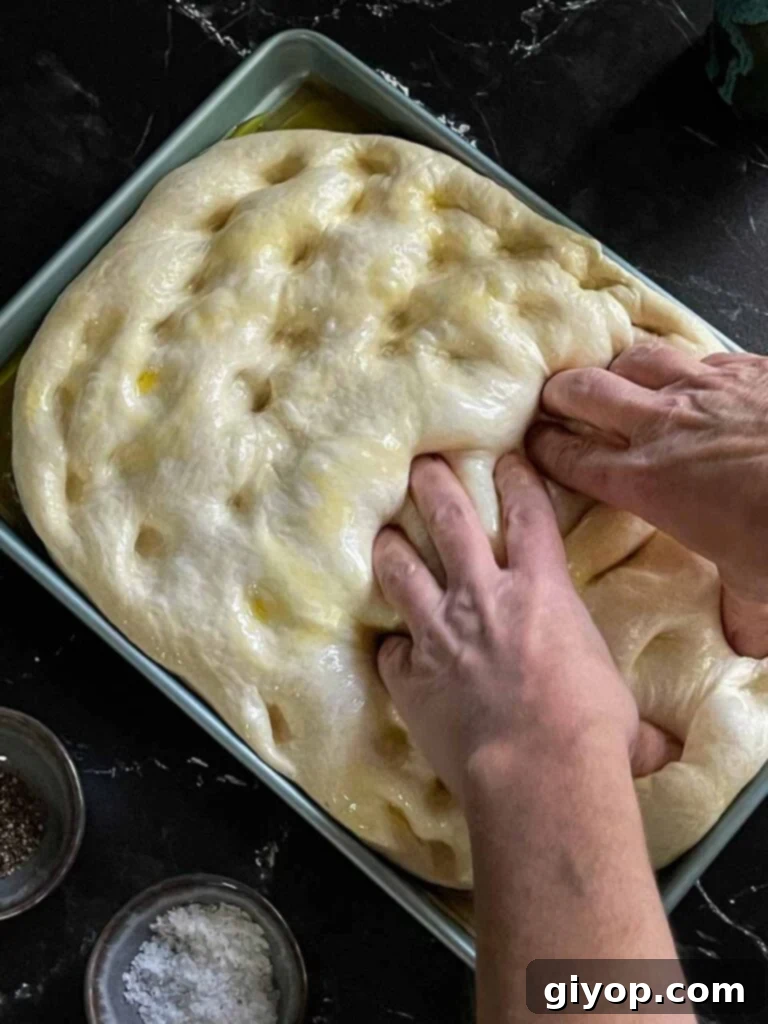
- Dimple the Dough: Oil your hands again. Press your fingers firmly but gently into the top of the risen dough, all the way down to the baking sheet, creating the classic focaccia dimples. While dimpling, gently push and stretch the dough to fully fill the corners of your baking sheet, ensuring an even thickness.
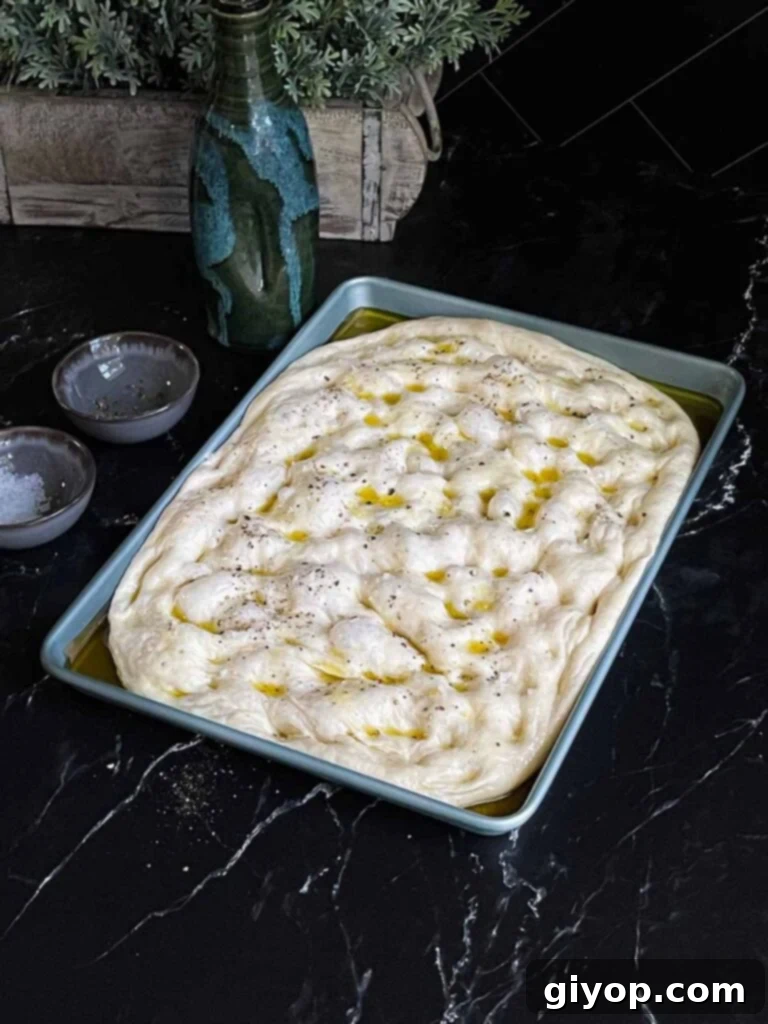
- Add Toppings: Drizzle additional olive oil liberally over the dimpled dough. This extra oil contributes to the wonderfully crispy crust. Generously sprinkle flaky sea salt (like Maldon) and freshly cracked black pepper over the entire surface. These simple toppings are perfect for highlighting the bread’s natural flavors. For variations, this is where you would add additional herbs or other desired toppings.
- Bake: Carefully transfer the baking sheet to your preheated oven. Bake for approximately 20 minutes, or until the top is beautifully golden brown and the edges are crisp. Keep an eye on it to prevent over-browning.
- Cooling: Once baked to perfection, remove the focaccia from the oven. Allow it to cool in the pan for 5 minutes. This brief rest helps the crust set.
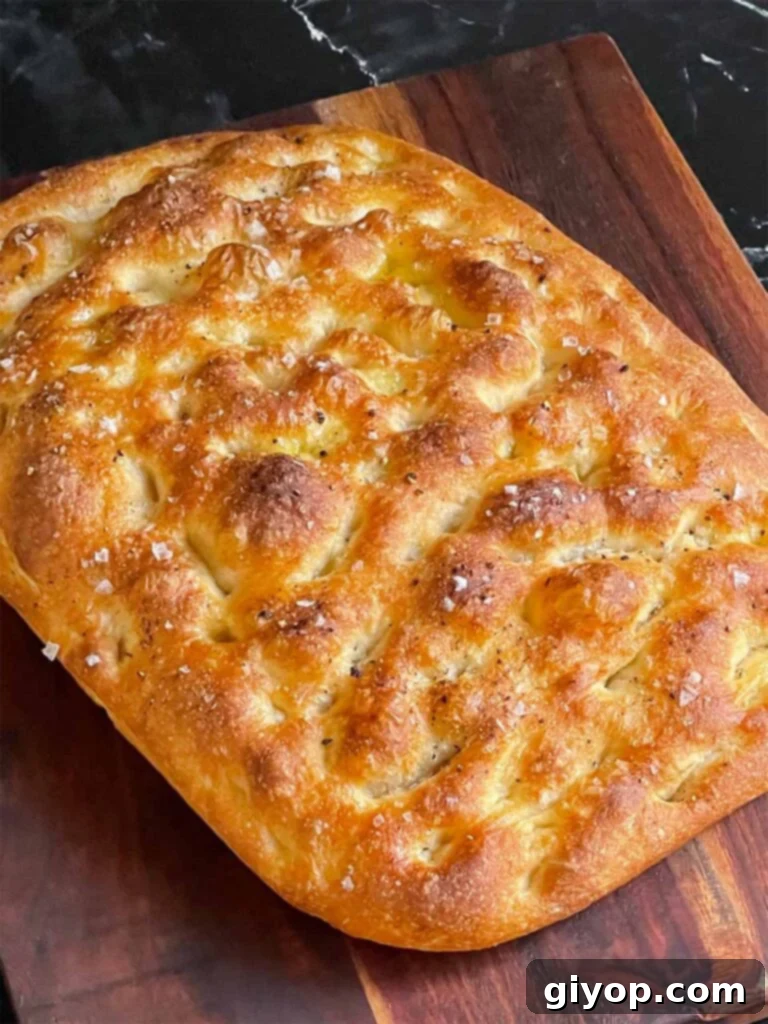
- Final Cool Down: Gently transfer the focaccia from the pan to a wire cooling rack. Allow it to cool for an additional 15 minutes before slicing and serving. This cooling time is important for the internal structure to fully set, resulting in the best texture.
Now, the best part: slice it up however you prefer! Whether in elegant strips, generous squares for sandwiches, or bite-sized portions for dipping, this focaccia is versatile. Our favorite way? Cut into small pieces, dip this incredible bread into a bowl of quality olive oil enhanced with red pepper flakes and fresh herbs, and enjoy it right over the kitchen counter. However you choose to serve it, you’ll be absolutely enchanted by the superb texture and rich deliciousness of this easy no-knead overnight focaccia bread.
Creative Variations and Serving Suggestions
While our recipe embraces the elegant simplicity of cracked black pepper and flaky Maldon sea salt, this incredibly flavorful bread serves as a magnificent canvas for a myriad of toppings. Our preferred way to enjoy its pure essence is to dip it into a high-quality olive oil infused with red pepper flakes, extra black pepper, and a medley of fresh herbs. However, don’t hesitate to unleash your creativity and customize this excellent bread to suit your personal tastes.
Top it Off: Inspiring Topping Ideas
- Herbaceous Focaccia: Elevate the aroma and flavor by adding an abundance of fresh herbs before baking. Think fragrant rosemary sprigs, earthy oregano, vibrant basil leaves, or a sophisticated mix of all three. A sprinkle of dried Italian herbs works well too.
- Cheesy Indulgence: Transform your focaccia with a generous layer of cheese. Grated Romano offers a sharp, salty kick, crumbled Feta adds a tangy creaminess, and Parmesan provides a nutty depth. For a truly decadent treat, combine several types of cheese!
- Savory Delights: For a more robust flavor, scatter sliced olives (Kalamata or green), thinly sliced red onions, or slow-roasted garlic cloves over the dough before baking. Sun-dried tomatoes or capers are also fantastic additions.
- Meat Lover’s Twist: Add a touch of charcuterie by sprinkling small pieces of hard salami, pepperoni, or spicy capicola. This makes for an incredibly satisfying savory bread. Even better, bake the plain focaccia and then pile it high with an assortment of Italian deli meats and cheeses for an epic sandwich.
- Sweet Focaccia (Unexpected but Delicious!): For a unique dessert or breakfast treat, try a sweet version. Drizzle with honey or maple syrup after baking, or add thinly sliced fruit like figs or grapes before baking, along with a sprinkle of sugar and a touch of cinnamon.
The possibilities are truly endless with this bread. We highly recommend making the basic olive oil, salt, and pepper version first to truly appreciate its magnificent inherent flavor. It’s absolutely fantastic and a perfect starting point for all your future focaccia adventures!
Frequently Asked Questions About Focaccia
Focaccia is a flat oven-baked Italian bread product, similar in style and texture to pizza dough. It’s often seasoned with olive oil, salt, and herbs, and can be topped with various ingredients. Its characteristic feature is its dimpled surface, which holds pools of olive oil and seasonings.
Unlike traditional bread recipes that require extensive kneading to develop gluten, this focaccia uses a “no-knead” method. This technique relies on a wet dough and long, slow fermentation (in this case, overnight in the refrigerator) combined with a few simple “stretch and fold” steps. The long fermentation and gentle folding naturally develop the gluten, resulting in a wonderfully airy and flavorful bread with minimal effort.
Plain focaccia, once baked, can be stored at room temperature for up to two days if well wrapped in plastic wrap or an airtight container. If your focaccia includes perishable toppings like meat or dairy, it’s best to store it in the refrigerator for up to four days to maintain freshness and safety.
Absolutely! Focaccia freezes beautifully. Once the bread has completely cooled to room temperature, wrap it tightly in plastic wrap, then aluminum foil, or place it in a freezer-safe container or zip-top bag. It can be frozen for up to 2 months. To enjoy, thaw it at room temperature and then reheat as desired.
Yes, reheating focaccia is simple and brings back its delicious texture. To reheat, allow the focaccia to come to room temperature if it was refrigerated or frozen. Then, place it in an oven preheated to 375 degrees F (190 degrees C) for 5-10 minutes, or until it’s warmed through and the crust has crisped up again. You can also quickly reheat individual slices in a toaster oven.
Other Amazing Bread Recipes to Explore
Sourdough Bread Recipe
Master the art of homemade sourdough with our comprehensive guide, yielding a perfectly tangy and crusty loaf every time.
Classic Italian Bread Recipe
Recreate the authentic taste of Italy with this simple, delicious Italian bread recipe – perfect for sandwiches or dipping.
Quick And Easy White Bread Recipe
For those days you need fresh bread fast, this quick and easy white bread recipe delivers soft, fluffy loaves in no time.
Easy No-Knead Overnight Focaccia Bread Recipe
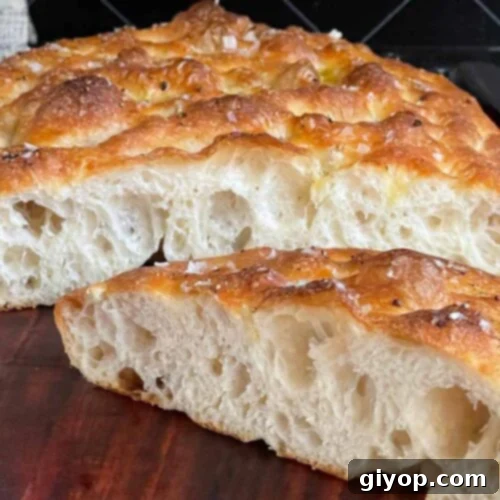
This no-knead overnight focaccia bread recipe boasts a perfect crumb, a crispy exterior, and the most amazing flavor. It’s incredibly easy and utterly delicious!
Pin Recipe
Ingredients
- 3 cup Bread flour plus 2 tbsp (423 grams)
- 1 1/2 cup Water lukewarm (344 grams)
- 1 tbsp Olive oil
- 2 tsp Kosher salt (10 grams)
- 1 tsp Instant yeast (4 grams)
- 1 tsp Honey (5 grams)
Instructions
- In a large bowl, mix the water, yeast, olive oil, and honey until combined.
- Whisk the flour and salt together in a separate bowl.
- Add the mixed flour and salt to the large bowl containing the water and yeast mixture.
- Mix with a large spoon or spatula until well combined and no dry flour remains.
- Cover with a cloth or plastic wrap and allow it to rest for 10 minutes.
- First Stretch And Fold: After 10 minutes, remove the covering from the bowl. Wet your hand and stretch and fold the dough over on itself. Turn the bowl 1/4 turn and stretch and fold again. Continue to turn the bowl a 1/4 turn and stretch and fold until the dough tightens up and will no longer stretch.
- Cover and let the dough rest for 10 minutes.
- Second Stretch And Fold: Repeat the stretch and fold steps. Continue until the dough tightens up and will not stretch anymore.
- Dampen your hands (with water or oil) and turn the dough seam side down. Coat liberally with olive oil.
- Cover the bowl tightly with plastic wrap and place in the refrigerator overnight to 48 hours. A longer rest period will increase the flavor.
- The Next Day: Pour a little olive oil down on a 9×13 baking sheet. Spread it around so it’s evenly coated.
- Add parchment paper to the baking sheet.
- Add an additional 3 tbsp of olive oil on top of the parchment paper.
- Place the focaccia dough onto the baking sheet. Flip the dough over so that each side of the dough is coated in oil.
- Oil your hands with olive oil and using your fingertips and spread the dough out a bit so it has a roughly even appearance.
- Cover the dough and allow it to rest for two hours in a warm place.
- When the dough is ready, it should be fluffy and jiggle when you shake the baking sheet.
- Preheat the oven to 430 degrees Fahrenheit.
- Oil your hands and press your fingers into the dough, down to the baking dish, creating dimples in the dough. While doing this, shape the dough to the shape of the baking sheet.
- Top the dough with a liberal amount of olive oil, cracked black pepper, and flaky salt (Maldon salt). Optionally, add additional toppings such as red pepper flakes, rosemary, olives, etc.
- Bake for approximately 20 minutes until golden brown on the top.
- Remove from the oven and allow the focaccia to cool in the pan for 5 minutes.
- Remove the focaccia from the pan to a cooling rack. Allow it to cool for approximately 15 minutes before serving.
Notes
- Flour: We prefer using bread flour for its superior chewiness, but you can also use all-purpose flour for a softer crumb.
- Measuring: For precise results, weighing your ingredients with a kitchen scale is highly recommended. If using measuring cups, remember to aerate your flour, spoon it into the cup, and then level it off gently.
- Dough Covering: There’s no need to cover the dough with plastic wrap while it’s rising in the pan on the second day. The generous amount of olive oil on its surface will prevent it from drying out. In fact, covering with plastic wrap can sometimes cause the dough to stick.
Nutrition
Calories: 128kcal | Carbohydrates: 24g | Protein: 4g | Fat: 2g | Saturated Fat: 0.2g | Polyunsaturated Fat: 0.4g | Monounsaturated Fat: 1g | Sodium: 390mg | Potassium: 41mg | Fiber: 1g | Sugar: 1g | Vitamin A: 1IU | Vitamin C: 0.01mg | Calcium: 6mg | Iron: 0.3mg