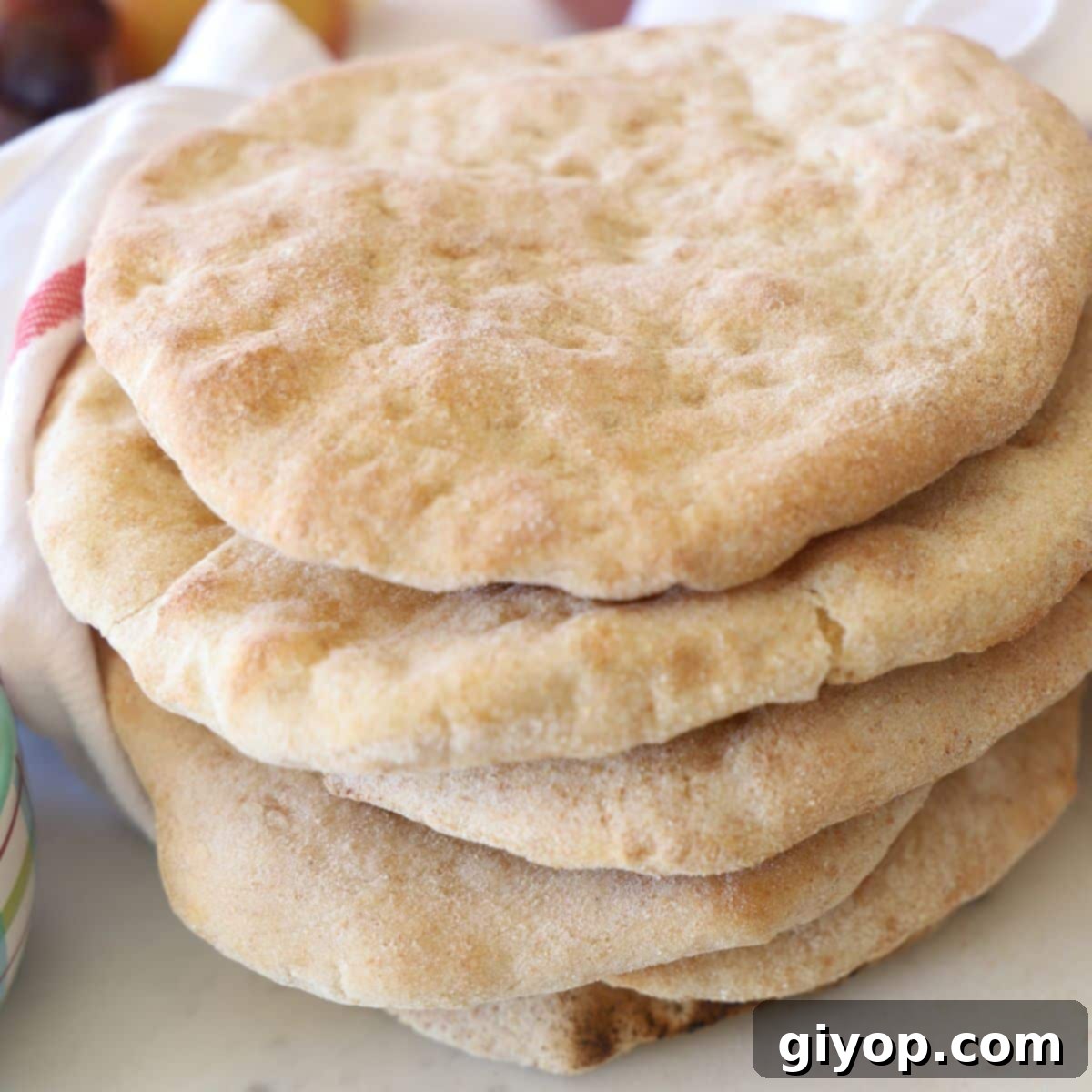
Discover the Art of Taboon Bread: An Authentic Palestinian Flatbread Recipe
Journey into the heart of Middle Eastern culinary traditions with Taboon bread, a celebrated Palestinian flatbread renowned for its rustic charm and exquisite flavor. Often referred to as the quintessential Musakhan bread, Taboon holds a special place in regional cuisine, embodying centuries of heritage. This simple yet profound bread is surprisingly easy to create in your home kitchen, bringing an authentic taste of Palestine right to your table. Its distinct texture and wholesome character are remarkably similar to the traditional Egyptian Aish Baladi, highlighting the shared culinary thread that weaves through the Levant.
The Ancient Art of Taboon Baking: From Earth Ovens to Your Home
To truly appreciate Taboon bread, one must understand its origins. Traditionally, this bread is baked in a “Taboon oven,” an ancient, dome-shaped underground oven meticulously crafted from mud, clay, straw, and smoothed stones or pebbles. Imagine the sensory experience of baking in such an oven: the deep, earthy aroma infused into every loaf, a subtle smokiness, and an unparalleled texture that only a traditional clay pot or earth oven can impart. This unique baking environment contributes significantly to Taboon bread’s authentic flavor profile, a quality deeply cherished in Palestinian culture.
While the allure of a genuine Taboon oven is undeniable, modern kitchens rarely accommodate such an elaborate setup. Fear not, for this recipe offers a brilliant adaptation that allows you to mimic the traditional baking environment using your conventional oven. By utilizing a simple baking sheet filled with large, clean pebbles – easily gathered from your backyard or purchased from a dollar store – you can replicate the radiant heat of an earth oven. The heated stones infuse the bread with a wonderful crust and chew, bringing you closer to the traditional experience without needing to dig an underground oven!
❤️ Why You’ll Adore This Homemade Taboon Bread
- **Accessible Baking:** This recipe brilliantly sidesteps the need for a specialized Taboon oven, making authentic Palestinian bread achievable in any standard home kitchen.
- **Effortless Dough:** The Taboon bread dough is remarkably forgiving and simple to prepare, making it a perfect project for home cooks of all skill levels, from beginners to seasoned bakers.
- **Pantry-Friendly Ingredients:** You’ll find all the necessary components for this wholesome bread readily available at your local grocery store, requiring just a handful of staple items.
- **Irresistibly Delicious:** Enjoy Taboon bread on its own, dipped in rich olive oil and fragrant za’atar spice, or as the traditional foundation for the iconic Musakhan dish. Its versatility is truly unmatched.
Taboon bread isn’t just a side dish; it’s a culinary canvas. Its slightly chewy texture and subtle flavor make it ideal for soaking up rich sauces, complementing hearty stews, or simply being enjoyed fresh from the oven. The joy of dipping a warm piece into vibrant green olive oil, sprinkled with aromatic za’atar, is a simple pleasure that epitomizes Middle Eastern hospitality and flavor. For many, it’s the only bread suitable for Musakhan, where its sturdy yet tender structure perfectly cradles sumac-spiced chicken and caramelized onions.
Crafting Your Own Taboon Oven at Home: The Pebble Method
Since building an underground mud oven isn’t practical for most, we’ve perfected a method to recreate the essence of Taboon baking in your conventional oven. This involves using a baking sheet laden with clean pebbles. The idea is to heat these rocks to an extremely high temperature, which then provides a burst of intense, radiant heat to the dough, mimicking the floor of a traditional Taboon oven. This high heat is crucial for achieving that characteristic puffy, slightly charred exterior and soft, airy interior. I personally sourced smooth river rocks from a dollar store, gave them a thorough wash with hot water, and they were perfectly ready to transform my kitchen into a makeshift Taboon bakery.
The science behind this method is simple yet effective: stones absorb and retain heat far better than a flat metal baking sheet. When the raw dough makes contact with the superheated pebbles, it undergoes a rapid expansion, creating air pockets and a beautifully rustic texture. This quick, intense cooking process also helps prevent the bread from drying out, locking in moisture and flavor. Be sure to select natural, non-porous stones that are free from any chemical coatings or waxes, as these could smoke or release harmful fumes in your oven. Safety and proper preparation are key to a successful pebble-baked Taboon.
📝 Essential Ingredients for Authentic Taboon Bread
Creating delicious Taboon bread requires only a few fundamental ingredients, typically found in any well-stocked pantry. The magic lies in their careful combination and the unique baking method.
Key Ingredients and Customization Tips
- **Flour Blend (All-Purpose and Whole Wheat):** The recommended combination of all-purpose (white) flour and whole wheat flour yields the ideal balance of softness and rustic texture. All-purpose flour contributes to the bread’s tender crumb, while whole wheat flour adds a delightful nutty flavor and a touch of wholesome chewiness. For those who prefer, you can certainly use solely whole wheat or all-purpose flour; however, be mindful that you will need to adjust the water quantity accordingly to achieve the desired dough consistency.
- **Yeast (Instant Yeast):** I typically opt for instant yeast due to its convenience and reliability. It doesn’t require proofing beforehand, saving time and simplifying the process. While traditional Taboon bakers often use fresh yeast for its deep, fermented flavor, commercial instant yeast is widely available and performs wonderfully for home baking.
- **Sugar:** A small amount of granulated sugar is essential, not just for a hint of sweetness, but primarily to activate the yeast. It provides the initial food source that kickstarts the fermentation process, ensuring a lively and active dough.
- **Salt:** Crucial for enhancing the overall flavor of the bread, salt balances the sweetness and provides depth. I often use pink salt, but any fine-grained salt will work perfectly.
- **Warm Water:** The hydration element, warm water helps activate the yeast and brings the dough together. The exact amount can vary slightly depending on your specific flour brand and ambient humidity, so always add it gradually.
At its core, Taboon bread, like many traditional breads, relies on these fundamental building blocks: flour, water, yeast, and salt. The inclusion of both all-purpose and whole wheat flours here is key to its distinctive character. As you mix, aim for a dough that is notably sticky – this stickiness is a hallmark of authentic Taboon dough and is vital for its texture. Each brand of flour can absorb water differently, so don’t hesitate to adjust the water content little by little until your dough feels just right, resembling the consistency shown in instructional images or videos. A sticky dough might seem challenging at first, but it’s what gives Taboon its beautiful internal structure and slight chewiness.
🥄 Step-by-Step Guide to Baking Perfect Taboon Bread
Baking Taboon bread at home is a rewarding experience. Follow these steps to create delicious, authentic flatbreads.
- **Combine Dry Ingredients:** In a spacious mixing bowl or the bowl of your stand mixer, thoroughly combine the all-purpose flour, whole wheat flour, instant yeast, granulated sugar, and salt. A good initial mix ensures even distribution of ingredients.
- **Form the Dough:** Gradually pour in the warm water, adding it little by little as you knead the dough. Continue to mix and knead until all the ingredients are fully incorporated, and the dough comes together. The goal is to achieve a sticky dough consistency that adheres to the bowl slightly but can still be worked with.
- **Achieve the Right Stickiness:** As noted, the dough should be distinctly sticky – refer to visual guides (like the provided images or any accompanying video) to ensure you have the correct texture. Adjust water or a tiny bit of flour if necessary, remembering that a sticky dough is crucial for the final bread’s texture.
- **First Rise:** Cover the bowl with plastic wrap or a clean kitchen towel and allow the dough to rest and rise in a warm spot for approximately one hour, or until it has visibly doubled in size. This crucial step allows the yeast to work its magic, developing flavor and creating a light, airy structure.
- **Divide the Dough:** Once risen, gently deflate the dough and turn it out onto a lightly floured surface (using whole wheat flour for dusting works well). Divide the dough into six equal portions. While I sometimes make three larger Taboons, smaller portions are often more manageable for home ovens and make for easier serving.
- **Roll Each Portion:** Take one dough ball and, using a rolling pin and a light dusting of whole wheat flour to prevent sticking, roll it into a thin circle, roughly 6 inches in diameter. Aim for an even thickness.
- **Create Dimples:** With your fingertips, gently press or tap indentations into the surface of the rolled dough. This traditional technique helps prevent the bread from puffing up too much in the center and creates a beautiful, rustic appearance.
- **Bake on Hot Pebbles:** Carefully transfer the rolled Taboon bread directly onto the preheated pebbles on your baking sheet. Bake for a short period, typically 2-3 minutes, watching closely for it to puff up and develop golden-brown spots. The high heat from the pebbles is key to this rapid cooking.
- **Finish with Broiler (Optional but Recommended):** For a slightly crispier finish and a beautiful golden color, you can briefly turn on your oven’s broiler for about 1 to 1.5 minutes, being extra vigilant to prevent burning.
- **Keep Warm and Soft:** As each Taboon bread finishes baking, immediately transfer it to a serving basket or plate and cover it with a clean kitchen towel. This helps trap the steam and keeps the bread soft and pliable, ready for enjoyment.
🥣 Recommended Equipment for Taboon Baking
While a traditional Taboon oven is impractical for most, you can achieve fantastic results with standard kitchen equipment and a few specific items:
- **River Rocks or Loose Stones/Pebbles:** These are central to replicating the traditional Taboon baking surface. Ensure they are clean, smooth, and wax-free.
- **Cast Iron Pan or Skillet:** A heavy cast iron pan is an excellent alternative if you prefer not to use pebbles or if you want to bake a single loaf at a time on the stovetop or in the oven.
- **Stand Mixer (Optional):** While you can knead the dough by hand, a stand mixer with a dough hook makes the process quicker and less strenuous, especially for sticky doughs.
- **Rolling Pin:** Essential for rolling out the dough balls into thin, uniform circles.
- **Baking Sheet:** A sturdy metal baking sheet is needed to hold the pebbles.
Don’t forget to check out my Amazon storefront for some of my favorite kitchen products that assist in making delicious Middle Eastern cuisine!
👍 Amira’s Expert Tips for Perfect Taboon Bread
Achieving perfectly baked Taboon bread is within reach with these key insights:
- **Select Safe Stones:** It is paramount to ensure that the stones or pebbles you use are natural and free from any wax coatings, artificial finishes, or chemical treatments. These substances can smoke, release unpleasant odors, or even trigger your smoke alarm when heated in the oven. Opt for clean, untreated river rocks or food-safe ceramic baking stones.
- **Preheat Thoroughly:** Always place your baking sheet filled with pebbles into the oven during the preheating phase. It’s crucial for the stones to reach a very high temperature before the dough is introduced, as this intense heat is what creates the characteristic puff and texture of Taboon bread. Allow at least 20-30 minutes for them to become piping hot after your oven reaches its target temperature.
- **Handle with Care:** When placing the delicate, rolled Taboon dough onto the scorching hot stones, exercise extreme caution. Use tongs or a pizza peel for safety, and avoid direct contact with the heated surface. The high temperature can cause burns.
- **Cast Iron Alternative:** If the pebble method feels too cumbersome or if you don’t have suitable stones, a preheated cast iron skillet makes an excellent substitute. Simply heat the skillet in the oven or on the stovetop until it’s very hot, then carefully place your rolled bread directly onto its surface to bake. This method still provides a good amount of direct heat for a nice crust.
- **Maintain Dough Stickiness:** Remember that Taboon dough is meant to be sticky. Resist the urge to add too much flour during kneading or rolling, as this can result in a tough, dry bread. A light dusting of whole wheat flour for handling is usually sufficient.
- **Don’t Overbake:** Taboon bread cooks very quickly due to the high heat. Keep a close eye on it, as overbaking will lead to dry and brittle bread instead of the desired soft and pliable texture.
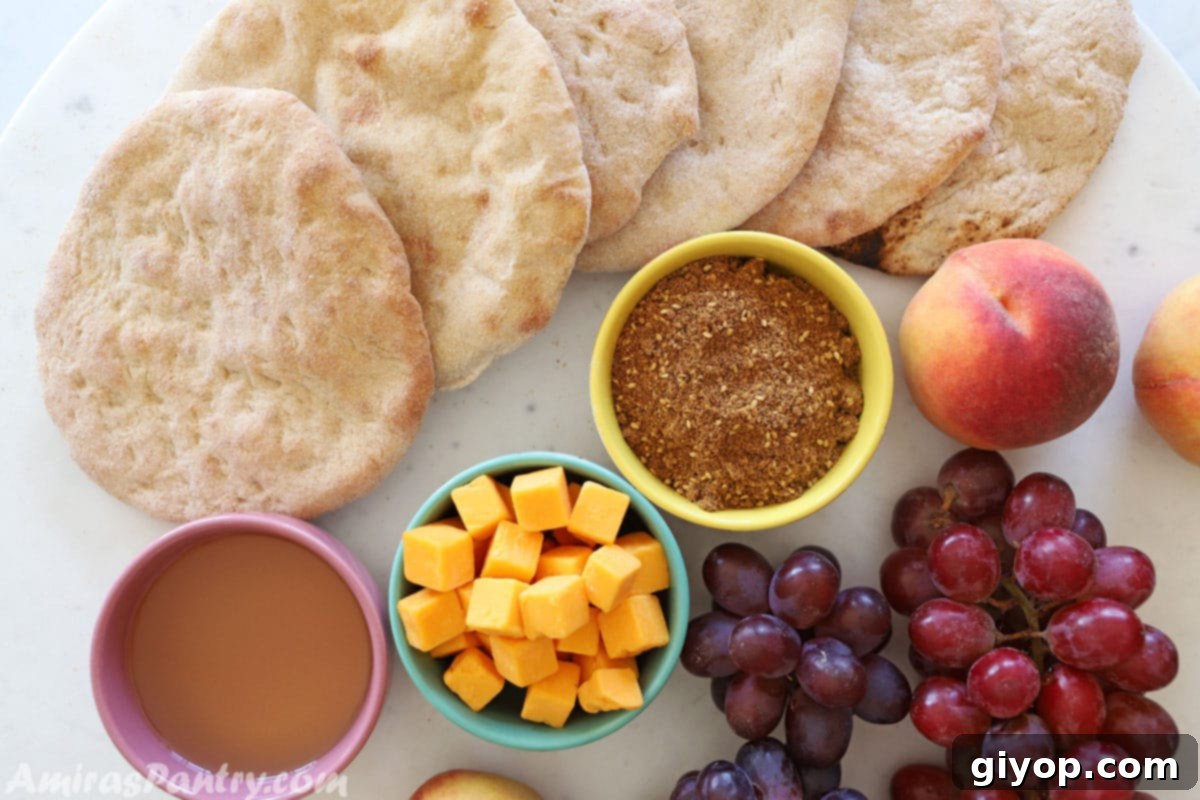
🍽️ Delicious Ways to Serve Your Taboon Bread
Taboon bread’s versatility makes it a perfect accompaniment to a wide array of Middle Eastern dishes and beyond. Its unique texture and mild flavor complement both savory and spicy fare.
- **The Musakhan Essential:** While this bread is famously known as the traditional bread for Musakhan, a beloved Palestinian chicken dish, its uses extend far beyond. It is the ideal base to soak up the flavorful chicken juices and sumac-infused onions.
- **Dipping Delight:** It’s an absolutely delicious bread to tear and dip into creamy Baba Ghanoush, a smoky eggplant dip, or classic Hummus. The soft interior and slightly crisp exterior are perfect for scooping up every last bit of these flavorful spreads.
- **Hearty Meal Companions:** Serve this Taboon bread alongside a fragrant Chicken Shawarma platter, allowing guests to tear off pieces to wrap around tender marinated chicken.
- **Perfect for Sandwiches:** Its pliable nature makes it excellent for creating Falafel Sandwiches, holding the crispy chickpea patties and fresh salad beautifully.
- **Breakfast Staple:** Enjoy it warm with olive oil, za’atar, labneh (strained yogurt), olives, and fresh vegetables for a traditional Middle Eastern breakfast spread.
- **With Soups and Stews:** Use Taboon bread to mop up rich, savory soups and stews, allowing its absorbent qualities to shine.
📣 Explore More Middle Eastern Bread Recipes
If you enjoyed making Taboon bread, you might be interested in trying other delicious flatbreads from the region:
- **Unleavened Flatbread:** This incredibly easy-to-make bread requires no yeast and only a handful of basic ingredients like flour, water, olive oil, and salt. It’s perfect for a quick bake when you’re short on time.
- **Turkish Simit:** A beloved traditional street bread, Turkish Simit is instantly recognizable by its unique sesame-crusted exterior and slightly chewy texture. Also known as the Turkish sesame bagel, it pairs wonderfully with a cup of tea or fresh feta cheese.
- **Lebanese Pita Bread:** Experience the true taste of the Middle East with this recipe for pillowy, fluffy pita bread. Far superior to any store-bought version, homemade pita offers an unmatched softness and flavor.
- **Whole Wheat Pita Bread:** For a nuttier and equally soft option, try this whole wheat pita bread. Made from a wholesome whole wheat flour mixture, it’s fantastic for creating healthy falafel pockets, dipping into creamy hummus, or using to soak up flavorful stews and soups.
If you love this recipe and bring the taste of Palestine into your home, please leave a ⭐⭐⭐⭐⭐ rating! Your feedback is greatly appreciated. Thank you.
Taboon Bread
Taboon is a traditional flatbread from Palestine, versatile enough for almost any meal. While famously known as the bread for Musakhan, it’s equally delightful on its own or as a substitute for pita bread.
Course: Baking, Breakfast
Cuisine: Arabic, Middle Eastern, Palestinian
Diet: Halal, Vegan, Vegetarian
Prep Time: 10 minutes
Cook Time: 15 minutes
Rise time: 1 hour
Total Time: 1 hour 25 minutes
Servings: 6 Taboons
Calories: 197.6 kcal
Author: Amira
Ingredients
- 2 cups (250g) all-purpose white flour
- ½ cup (65g) whole wheat flour, plus more for dusting
- 1 Tablespoon instant yeast
- ½ Tablespoon granulated sugar
- ½ teaspoon salt (I used pink salt)
- ½ to ¾ cup warm water (to achieve a sticky dough)
Instructions
- In a large bowl or your mixer bowl, combine the all-purpose flour, whole wheat flour, instant yeast, granulated sugar, and salt. Mix well.
- Begin adding warm water gradually, little by little, while kneading the dough. Continue until a very sticky dough forms that is difficult to remove from the bowl easily.
- Cover the bowl and let the dough rise in a warm place for approximately 1 hour, or until it has doubled in size.
- Preheat your oven to its maximum temperature (mine reaches 550°F / 290°C).
- Place a baking sheet covered with baking pebbles into the middle rack of your preheated oven to get really hot.
- Dust a clean working surface generously with whole wheat flour.
- Turn the risen dough onto the floured surface and divide it into 6 equal balls.
- Take one ball of dough, covering the remaining portions with plastic wrap to prevent them from drying out.
- Roll the dough ball into a 6-inch circular flatbread.
- Carefully remove the hot baking sheet with pebbles from the oven. Gently place the rolled dough directly onto the hot pebbles.
- Bake for about 2 minutes. Then, turn on your oven’s broiler for approximately 1 to 1½ minutes to achieve a beautiful golden brown color and slight char. Watch carefully to prevent burning.
- Remove the bread from the oven and immediately cover it with a clean kitchen towel to keep it soft and warm. Repeat with the remaining dough balls.
Video
Watch the full recipe video here:
Notes
- While some bakers prefer using a pizza stone or a clay oven, the hot stones method detailed in this recipe is highly effective for replicating authentic Taboon results.
- Please check our nutrition disclaimer policy for more information.
Nutrition
Calories: 197.6 kcal | Carbohydrates: 41.7g | Protein: 6.1g | Saturated Fat: 0.1g | Polyunsaturated Fat: 0.2g | Monounsaturated Fat: 0.1g | Sodium: 25.1mg | Potassium: 59.7mg | Fiber: 2.5g
Tried this Recipe? Pin it for Later! Mention @AmirasPantry or tag #AmirasPantry!