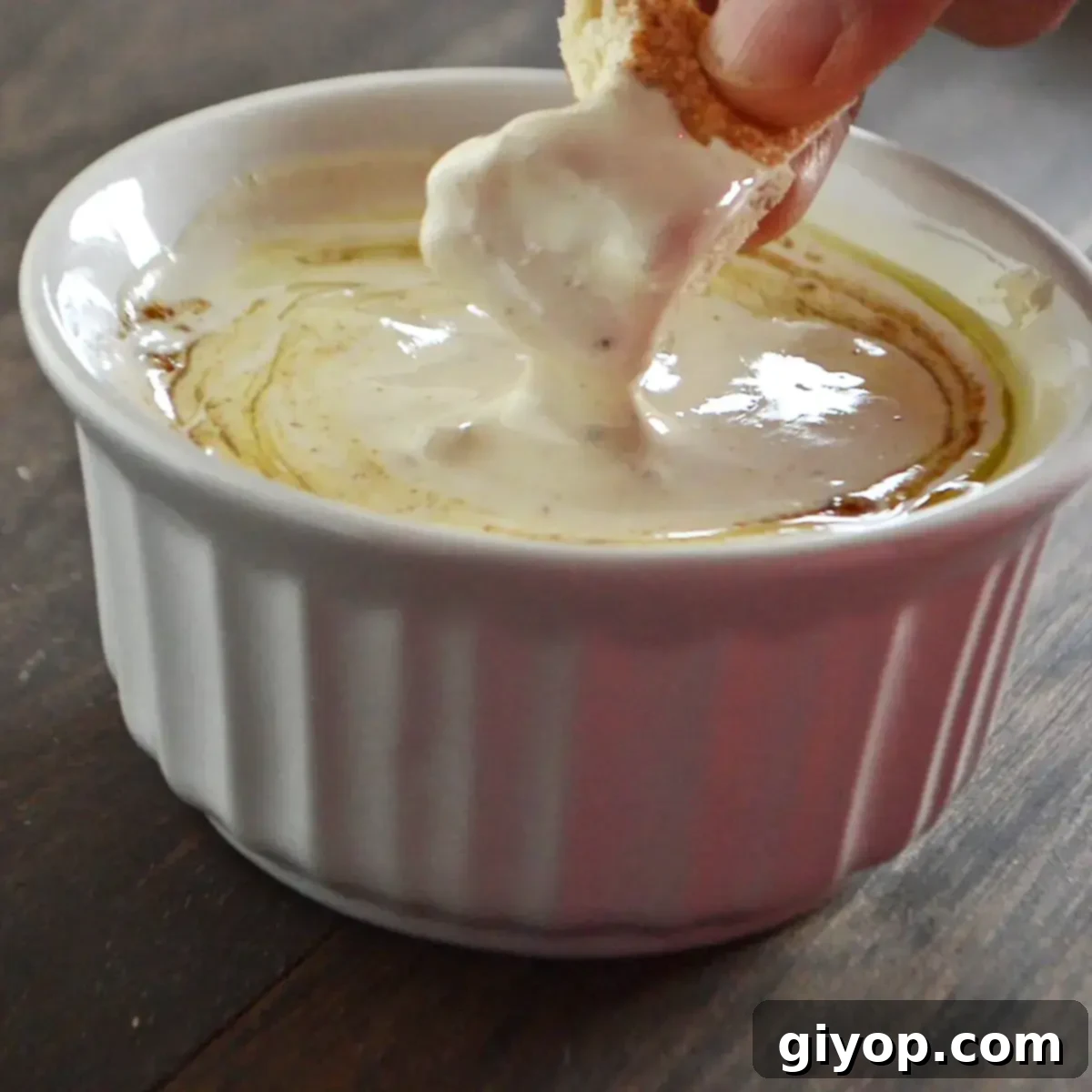
Authentic Middle Eastern Tahini Sauce: Your Ultimate 5-Minute Recipe for Creamy Perfection
Discover the secret to making an authentic, incredibly creamy, and perfectly salty tahini sauce or dip in just 5 minutes. This rich classic Middle Eastern staple is about to become your new favorite condiment, transforming simple meals into culinary delights with its irresistible flavor and silky smooth texture.
Tahini sauce, a cornerstone of Middle Eastern cuisine, is remarkably versatile. Its nutty, earthy flavor profile and smooth consistency make it an exceptional pairing for almost any dish. Forget processed mayonnaise; this creamy, rich, and utterly delicious tahini sauce serves as a healthier, more flavorful alternative in sandwiches, especially with iconic dishes like falafel, hearty foul, and savory shawarma. Beyond sandwiches, we frequently enjoy it alongside grilled meats and a variety of seafood dishes. It also shines as a refreshing dip for your favorite crisp veggie sticks, making it an indispensable component of today’s culinary landscape.
Why You’ll Love This Homemade Tahini Sauce
- Effortlessly Simple: This recipe requires only a handful of readily available ingredients and comes together in mere minutes, making it perfect for busy weeknights or impromptu gatherings.
- Luxuriously Smooth Consistency: Achieve a consistently velvety texture that coats your palate, making every bite a delight. Say goodbye to gritty or separated tahini.
- Irresistible Creaminess: Experience the ultimate creamy texture that elevates the flavor of any dish it accompanies, providing a satisfying mouthfeel that’s hard to resist.
- Incredibly Versatile: From dips and dressings to sandwich spreads and accompaniment for mains, this sauce adapts to countless culinary applications.
- Health-Conscious Choice: Packed with beneficial nutrients, it offers a wholesome alternative to many other condiments, supporting a balanced diet.
The History and Significance of Tahini
Tahini, a paste made from ground sesame seeds, boasts a rich history dating back thousands of years. Originating in the Middle East and parts of Asia, sesame seeds themselves are among the oldest cultivated oilseed crops in the world. Ancient texts from Mesopotamia refer to sesame wine and sesame cakes, indicating its early importance. Tahini, as we know it today, emerged as a staple in various cuisines, prized for its nutritional value, distinctive flavor, and ability to bind ingredients. It traveled along ancient trade routes, becoming an integral part of Mediterranean, North African, and Middle Eastern culinary traditions. Its enduring appeal lies in its simplicity and the profound depth of flavor it brings to both savory and sweet dishes, from hummus and baba ghanoush to halva and dressings. Today, tahini continues to gain popularity worldwide as a plant-based, nutrient-dense ingredient.
Choosing the Right Tahini Paste
The quality of your tahini sauce hinges significantly on the tahini paste itself. Look for tahini made from 100% hulled, roasted, and ground sesame seeds. High-quality tahini should have a smooth, pourable consistency, even when refrigerated, and a slightly shiny, pale beige color. Avoid brands that appear clumpy, overly dark, or have a bitter smell. A good tahini will separate into oil and solid paste in the jar; this is normal. Simply stir it thoroughly before use to recombine the components. Brands from Lebanon, Palestine, or other Middle Eastern countries are often highly regarded for their authentic flavor and quality.
Essential Ingredients for the Perfect Tahini Sauce
Crafting this delicious tahini sauce requires just a few simple ingredients. The full measurements and detailed instructions are provided in the recipe card at the bottom of this page, but here’s an overview of what you’ll need:
- Tahini Paste: The star of the show, providing the base and characteristic nutty flavor.
- Warm Water: Crucial for achieving the ideal creamy consistency and helping the tahini emulsify properly.
- White Vinegar: Adds a sharp tang that balances the richness of the tahini.
- Lime or Lemon Juice: Provides bright citrus notes, essential for authentic Middle Eastern flavor. Freshly squeezed is always best.
- Garlic Cloves: Minced fresh garlic infuses the sauce with a pungent, aromatic depth.
- Spices: A simple blend, typically including ground coriander, salt, and cumin, enhances the overall taste.
Step-by-Step Instructions: How to Make Tahini Sauce
Making this creamy tahini sauce is incredibly straightforward. Here’s a detailed overview of the process. Remember, precise measurements and timings can be found in the printable recipe card below.
- Combine Ingredients: In a small food processor or a mixing bowl, add the tahini paste, warm water, white vinegar, lime or lemon juice, ground coriander, salt, and cumin. If you’re using fresh garlic and optional chopped onion, hold off on adding them just yet for optimal flavor.
- Mix Until Smooth: If using a food processor, process on high until all ingredients are thoroughly mixed and the sauce achieves a uniform, smooth consistency. If mixing by hand, whisk vigorously until completely combined and creamy. The mixture might thicken initially before becoming smooth and lighter in color – this is normal.
- Add Aromatics and Adjust: Once the base is creamy, add your minced garlic (and optional coarsely chopped onion, if using). Mix again briefly to incorporate these fresh aromatics. Taste the sauce and adjust the seasoning to your liking. Add more salt, lemon juice, or vinegar if needed. For thickness, add a little more tahini paste; for a thinner consistency, slowly incorporate a teaspoon of warm water at a time until desired texture is reached.
- Serve and Garnish: Pour the finished tahini sauce into a serving bowl. Drizzle with a touch of good quality olive oil and garnish with a sprinkle of paprika, sumac, fresh parsley, or a dash of ground cumin or coriander for an appealing presentation and extra flavor.
Expert Tips for the Best Tahini Sauce
- Temperature Matters: Always use warm, not boiling, water. Warm water helps the tahini paste to emulsify more easily, resulting in a smoother, creamier sauce without seizing.
- Mixing Method: While a small food processor or immersion blender makes the process quicker and ensures ultimate smoothness, a simple bowl and whisk work perfectly fine. Just be prepared for a bit more arm work!
- Adjusting Consistency: If your tahini sauce is too thick, add a very small amount of warm water (half a teaspoon at a time) and mix well until it loosens. If it’s too runny, gently stir in a little more tahini paste until it reaches your desired thickness.
- Homemade vs. Store-Bought Tahini: You can easily buy a jar of quality tahini from most grocery stores or Middle Eastern markets. For an even fresher taste, consider making your own tahini paste from scratch at home.
- Freshness of Ingredients: Using fresh lemon or lime juice and freshly minced garlic will make a noticeable difference in the vibrancy and depth of your sauce’s flavor.
Delicious Variations to Personalize Your Tahini Sauce
While the classic tahini sauce is perfect as is, there are many ways to customize it to suit your preferences or specific dishes:
- Citrus vs. Vinegar: Some traditional recipes use only vinegar, while others exclusively use fresh lemon juice. We find that a combination of both offers the most balanced and vibrant flavor profile. Feel free to experiment with your preferred ratio.
- The Coriander Secret: While many people omit it, I believe that ground coriander is a key ingredient in my recipe. It imparts a very distinctive, aromatic flavor that truly elevates the sauce. Don’t skip it if you want to experience this unique depth.
- Garlic Preferences: For the most pungent and fresh taste, I always recommend using fresh minced garlic. However, if you’re in a pinch, garlic powder can be used (start with half the amount and taste test), though it won’t yield the same robust flavor.
- Spice It Up: For a refreshing twist, add a teaspoon of dried mint. If you prefer a bit of heat, a pinch of cayenne pepper or red pepper flakes can provide a delightful kick.
- Onion for Seafood: Adding a small amount of freshly diced onion to the tahini sauce is optional but highly recommended when serving it with seafood recipes. The subtle sharpness of the onion complements fish and shrimp beautifully.
- Garlic-Free Option: Interestingly, many people prefer not to add garlic when serving tahini with ful medammes, believing it distracts from the fava bean’s flavor. If you’re serving with ful, consider this traditional variation.
- Fresh Herbs: Stir in finely chopped fresh parsley or, more commonly in some regions, fresh dill for an herbaceous boost. These additions bring color and a refreshing aroma.
Storage Guidelines
Store any leftover tahini sauce in an airtight container in the refrigerator for up to two weeks, or even longer. Always check for any signs of spoilage before consuming. As the sauce chills, it will naturally thicken. To bring it back to your desired consistency, simply add a small amount of warm water and mix well before serving.
Serving Suggestions: What to Pair with Tahini Sauce
The versatility of tahini sauce means it can be served with an incredible array of dishes:
- As a Dip: Offer it as a refreshing dip with an assortment of fresh, crunchy vegetables like cucumber sticks, carrot sticks, bell pepper strips, and radishes.
- With Breads and Chips: Scoop it up with warm pita bread, pita chips, or your favorite flatbreads for a delightful snack.
- For Grain and Buddha Bowls: Drizzle generously over grain bowls or Buddha bowls, adding a creamy, flavorful element to vegetarian and vegan meals.
- Sandwich Spread: Use it as a healthier and tastier alternative to mayonnaise or other spreads in sandwiches, wraps, falafel, ful, and burgers.
- Seafood Accompaniment: Serve it on the side with grilled fish, baked salmon, or grilled shrimp skewers. The lemon-garlic notes complement seafood beautifully.
- Grilled Meats: It’s an ideal companion for various grilled meats such as beef kebabs, savory kofta, and succulent chicken kebabs.
- Salad Dressing: Thin it out slightly with a little extra water or lemon juice to create a fantastic, creamy salad dressing for green salads or vegetable salads.
Frequently Asked Questions About Tahini Sauce
What is tahini sauce made of?
Tahini sauce is primarily made from tahini paste (ground sesame seeds), combined with water, lemon juice (or lime juice), white vinegar, fresh garlic, and a blend of traditional Middle Eastern spices like ground coriander and cumin, seasoned with salt. This simple yet flavorful combination creates a rich, creamy, and tangy sauce that is a staple throughout Middle Eastern countries.
Is tahini sauce healthy?
Yes, tahini sauce is considered a very healthy condiment. Tahini paste, its main ingredient, is a nutritional powerhouse. It is rich in healthy fats, particularly omega-3 and omega-6 fatty acids, and is an excellent source of essential minerals such as copper, iron, magnesium, selenium, and zinc. These nutrients contribute to numerous health benefits, including promoting brain and heart health, strengthening bones, and providing a good source of plant-based protein and fiber. (Source: FoodFacts.Mercola.com)
What are common mistakes to avoid when making tahini sauce?
One common mistake is using cold water, which can cause the tahini to “seize” and become lumpy or overly thick. Always use warm water for a smooth emulsion. Another error is over-seasoning; start with smaller amounts of salt and lemon juice, then taste and adjust. Finally, not stirring your tahini paste thoroughly before use can lead to an inconsistent sauce.
Related Recipes You’ll Love
If you’re a fan of flavorful sauces and dips, you might also enjoy these:
- The copycat Big Mac Sauce recipe perfectly replicates the iconic McDonald’s flavor, elevating your homemade burgers to gourmet status.
- Learn how to make Alfredo Sauce Without Heavy Cream, a lighter, yet equally indulgent version for all your pasta dishes.
- Muhammara is a delectable Middle Eastern dip, crafted from roasted red bell peppers, walnuts, and aromatic spices, ideal for gatherings or as a sandwich spread.
- This Baked Falafel recipe, featuring a homemade falafel mix, offers a healthier twist on the classic fried version.
- Brighten your plate with this easy Beetroot Hummus recipe, boasting a vibrant color and earthy flavors perfect for healthy snacking.
More Tahini-Inspired Recipes to Explore
Delve deeper into the wonderful world of tahini with these creative and delicious recipes:
- This lemon herb tahini offers a refreshing blend of tangy lemon, fragrant fresh herbs, and nutty tahini, adding a burst of flavor to any meal.
- Tahini pasta is a quick, delicious vegan pasta recipe or side dish, featuring a creamy, lemony tahini sauce that makes a wonderful alternative to traditional tomato-based sauces.
- Discover the exquisite taste of Melitzanosalata with this simple recipe. This Greek eggplant dip is so addictive, you’ll want to spread it on everything.
- Obsessed with hummus? Forget store-bought and try this easy recipe for how to make hummus with tahini for your next party—everyone will rave about it!
- Have you tried making Baba Ghanouj at home? It’s incredibly delicious! Smoky roasted eggplants are blended with creamy tahini, lemon juice, garlic, and olive oil, perfect as a dip or sandwich spread.
If you enjoy this recipe, please don’t forget to give it a ⭐⭐⭐⭐⭐ star rating and share a photo of your finished dish! It’s always a pleasure to see your creations and unique takes on our recipes. Thank you!
What’s new? Check out Amira’s Pantry Store on Amazon where you’ll find all kinds of nostalgic goodness! Thanks so much for being a part of Amira’s Pantry!
Tahini Sauce & Dip
An easy homemade tahini sauce made with simple ingredients. This creamy sauce is a staple in all Middle Eastern cuisines, perfect as a dip or versatile condiment.
Print Recipe | Pin Recipe
Course: Appetizer, Condiment
Cuisine: Middle Eastern
Diet: Gluten Free, Halal, Vegan, Vegetarian
Prep Time: 5 minutes
Total Time: 5 minutes
Servings: 6 servings
Calories: 124 kcal
Author: Amira
Ingredients
- ½ cup tahini paste
- ¼ cup warm water (plus or minus depending on your preferred sauce thickness)
- 2 Tablespoons white vinegar
- 2 teaspoons lime juice
- 2 garlic cloves, minced
- ½ teaspoon ground coriander
- ¼ teaspoon salt (or to your taste)
- ¼ teaspoon cumin
Optional
- 1 Tablespoon coarsely chopped onion
- For garnishing: olive oil and any or all of coriander/cumin/red pepper flakes or fresh herbs
Instructions
- In your food processor or mixing bowl, add the tahini paste, warm water, white vinegar, lime juice, ground coriander, salt, and cumin. (Do not add garlic or onion yet).
- Mix well until everything is thoroughly combined and the sauce is smooth. Check the consistency and taste, then adjust seasoning as needed.
- Pour the contents into a serving bowl, then stir in the minced garlic and coarsely chopped onion (if using). Mix gently to combine.
- If serving in bowls, add a teaspoon of olive oil and garnish with your choice of spices (like coriander, cumin, red pepper flakes) or fresh herbs.
- Serving suggestions: enjoy as a dip with pita bread/chips, use as a healthier alternative to mayo in sandwiches (especially falafel and foul), or serve alongside seafood dishes, grilled meat, or chicken.
Video
You can find a video demonstration of this tahini sauce recipe on Amira’s Pantry YouTube channel or embedded within the original article.
Notes
- Using warm water, not boiling, makes mixing tahini paste easier and helps achieve a smooth consistency.
- A small food processor simplifies the mixing process considerably compared to the bowl and whisk method, but both work effectively.
- If the tahini sauce turns out too runny, mix in a little more tahini paste. If you prefer a thinner consistency, gradually add a bit more water.
- Storage: Keep leftovers in an airtight container and refrigerate for up to two weeks or even longer. Your sauce will thicken as it sets in the fridge; simply thin it out with a bit of water and mix well before serving again.
Nutrition
Calories: 124kcal | Carbohydrates: 5g | Protein: 4g | Fat: 11g | Saturated Fat: 2g | Polyunsaturated Fat: 5g | Monounsaturated Fat: 4g | Sodium: 105mg | Potassium: 103mg | Fiber: 1g | Sugar: 0.04g | Vitamin A: 16IU | Vitamin C: 2mg | Calcium: 33mg | Iron: 1mg
Tried this Recipe? Pin it for Later!
Mention @AmirasPantry or tag #AmirasPantry!
This article was first published in March 2016 and last updated in February 2023 with important tips, clear step-by-step instructions, and improved readability.
My Personal Touch: The Importance of Coriander
There are countless tahini recipes available, most of which include lime juice, garlic, and salt. However, I believe my recipe stands out because I find that ground coriander is a crucial ingredient that truly makes all the difference. It adds an earthy, slightly citrusy note that complements the sesame beautifully, elevating the sauce to another level of authentic Middle Eastern flavor.
Tahini sauce makes frequent appearances during the holy month of Ramadan. No festive banquet feels complete without it. I recall a humorous incident from when one of my children was in first grade. He had a project to write and draw about his favorite holiday. He chose Ramadan and vividly described the tahini sauce and pickled green olives we enjoyed. Unfamiliar with the formal names of the dishes, his teacher later asked me, “Is this some kind of holy food you eat during this month?” It was quite hilarious, and she burst into laughter when I explained what he meant. This anecdote highlights just how central and beloved tahini sauce is in our culture and family traditions. 😃