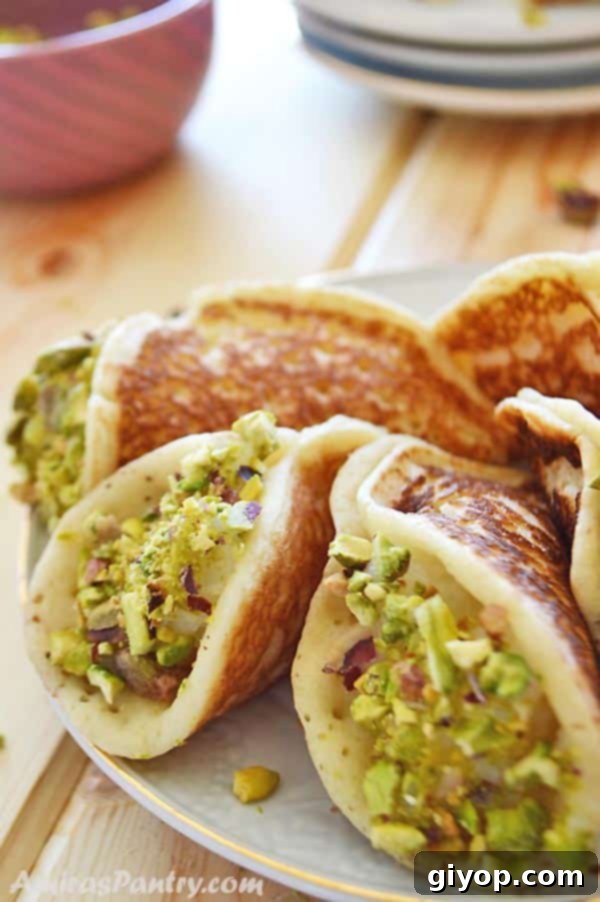
Welcome to the delightful world of Qatayef, a beloved Middle Eastern sweet pancake that graces tables, especially during the holy month of Ramadan. While many are familiar with the classic version—stuffed, fried, and bathed in sweet syrup—today, we’re embarking on a journey to explore a distinct and equally enchanting style: **Qatayef Asafiri**. This exquisite variation offers a lighter, fresher experience, featuring delicate, mini Arabic pancakes filled with luscious creamy Ashta, adorned with crushed nuts, and gently drizzled with honey or a touch of simple syrup. It’s a symphony of textures and flavors that promises to captivate your palate.
For anyone in the Middle East, the mere mention of Ramadan instantly conjures images of festive foods. Among these culinary treasures, Qatayef and Knafeh invariably top the list. These iconic desserts are not just food; they are a cherished part of cultural heritage and a symbol of gathering and celebration. Qatayef, in particular, with its versatile fillings and comforting sweetness, holds a special place in the hearts of many, often served to break the fast or enjoyed during evening family gatherings.
The Essence of Qatayef Asafiri: A No-Fry Delight
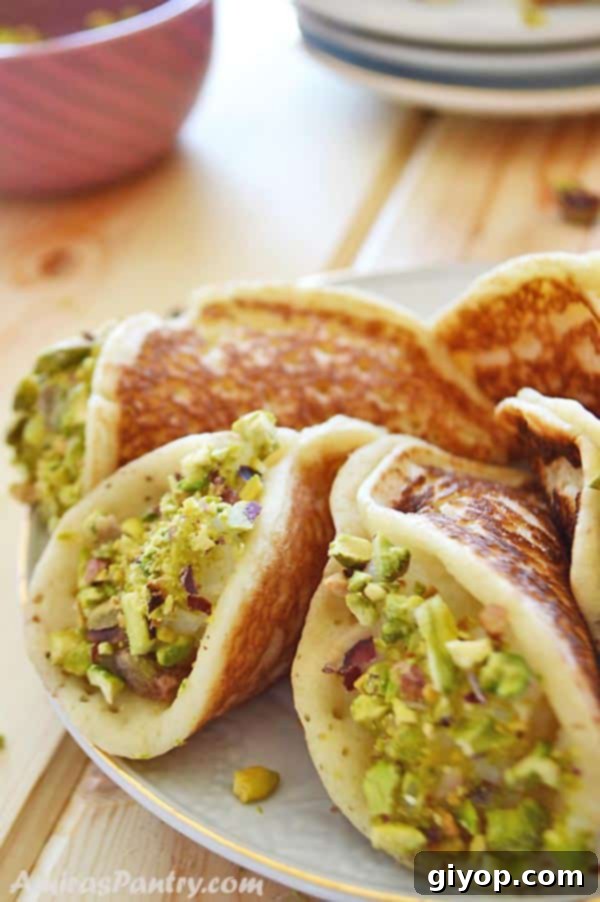
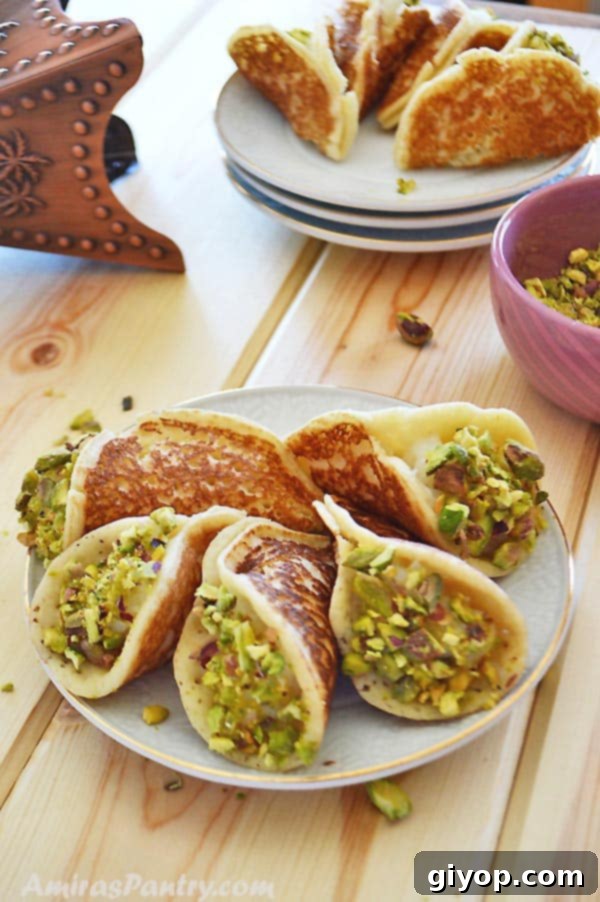
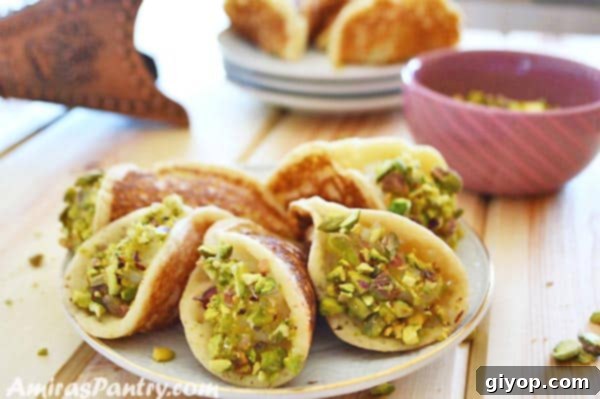
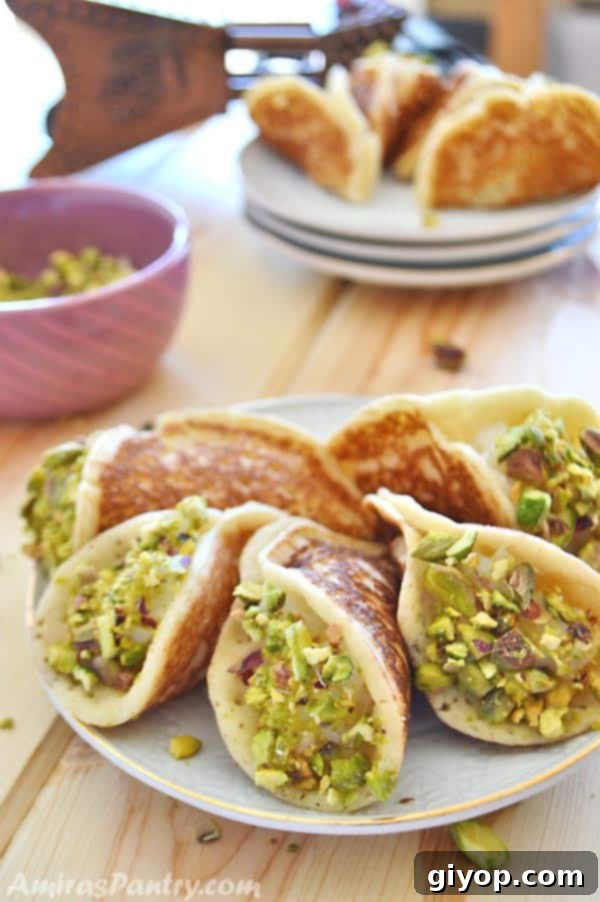
Unlike its more common fried counterpart, Qatayef Asafiri distinguishes itself by being served unfried. This makes it a wonderfully fresh and relatively lighter dessert, allowing the delicate flavor of the pancake and the rich, cool cream to truly shine. The term “Asafiri” translates to “little birds,” a name that perfectly suits these small, charming pancakes. They are typically folded only partially, leaving an open side to showcase the creamy Ashta filling, which is then elegantly dipped in a crunchy coating of nuts, most commonly pistachios. The contrast between the soft pancake, the silky cream, and the crisp nuts is simply irresistible.
While my mother, like many traditionalists, often fried even her Asafiri Qatayef to satisfy my late father’s preference for a crispy texture, the authentic Asafiri experience is truly in its unfried form. Frying does add a delightful crunch, transforming the texture into something more akin to a crispy fritter. However, for those who appreciate the subtle nuances of flavor and a softer bite, the unfried version is a revelation. It’s a versatile dessert that can be adapted to individual tastes, whether you prefer it crisp or tender, drenched in syrup or simply sweetened by the filling.
Mastering the Qatayef Dough: Simple & Flavorful
The foundation of any great Qatayef is its pancake-like dough. Achieving the perfect texture—light, airy, and slightly chewy—is key. This recipe simplifies the process, ensuring a perfect batch every time. The ingredients are readily available, making it an accessible treat to prepare at home, transforming everyday pantry staples into an extraordinary dessert.
Ingredients for Qatayef Pancakes:
- **All-purpose flour and fine semolina flour:** This combination gives Qatayef its unique texture – soft yet slightly granular.
- **Baking powder and instant yeast:** Essential leavening agents that create the signature bubbles on the surface and ensure a light, fluffy pancake.
- **Granulated sugar:** Not only for sweetness but also to activate the yeast, helping the dough rise beautifully.
- **Salt:** A pinch of salt balances the flavors.
- **Warm water:** The liquid component that brings all the ingredients together into a smooth batter.
For the Filling and Garnish:
- A generous batch of Ashta: A rich, clotted cream that is the heart of Qatayef Asafiri. Make sure it’s prepared and cooled.
- Ground pistachios: For an authentic garnish and delightful crunch.
- Optional: Simple syrup or honey for drizzling.
How to Make Qatayef Asafiri: Step-by-Step
Creating Qatayef Asafiri is an enjoyable process, and with these clear steps, you’ll be serving these delightful treats in no time. The key is to pay attention to the consistency of the batter and the cooking process, ensuring each pancake is perfectly cooked and ready for its creamy filling.
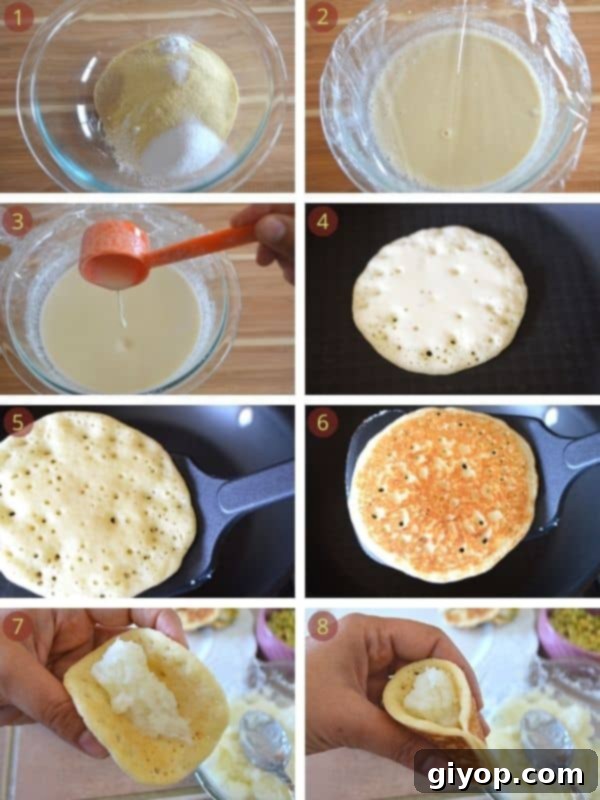
- **Prepare the Dry Ingredients:** In a large bowl, thoroughly combine the all-purpose flour, fine semolina, granulated sugar, baking powder, yeast, and salt. Whisk them together to ensure even distribution.
- **Form the Batter:** Gradually add the warm water to the dry ingredients, mixing continuously until everything is well incorporated and a smooth, runny batter forms. It should be thinner than typical pancake batter. You can achieve this easily using a blender for a lump-free mixture.
- **Rest the Batter:** Cover the bowl with a clean kitchen towel or plastic wrap and let the batter rest in a warm place for about 30 minutes. This resting period allows the yeast to activate and the semolina to hydrate, resulting in a lighter pancake.
- **Cook the Pancakes:** Heat a non-stick skillet or griddle over medium heat. Do not grease the pan. Once hot, pour approximately two tablespoons of batter onto the skillet for each pancake. The size should be small, roughly 3-4 inches in diameter, characteristic of Asafiri.
- **Observe for Bubbles:** Cook the pancakes on one side only. You’ll notice bubbles forming on the surface as they cook. The pancake is ready when the surface has no visible wet spots and the edges are lightly golden. Do not flip them.
- **Keep Covered:** As each Qatayef pancake finishes cooking, immediately transfer it to a clean kitchen towel, arranging them in a single layer. Crucially, cover them with another towel to keep them soft and pliable, preventing them from drying out. This is vital for easy sealing later.
- **Prepare the Ashta:** Ensure your creamy Ashta filling is ready and cooled. For optimal texture and ease of handling, prepare it in advance.
- **Stuff and Seal:** Once the Qatayef pancakes have cooled slightly but are still warm and flexible, scoop about a teaspoon of Ashta filling into the center of each pancake. Gently pinch the edges together, sealing approximately two-thirds of the way, leaving the top open to reveal the rich cream.
- **Garnish:** Dip the open, cream-filled side of each Qatayef Asafiri into ground pistachios, ensuring the nuts adhere beautifully to the Ashta.
- **Serve:** Arrange the finished Qatayef Asafiri on a serving dish. Cover them lightly until ready to serve to maintain freshness and moisture.
For an extra touch of sweetness, you can drizzle a little thick simple syrup or honey over the Qatayef Asafiri just before serving. However, as I often make my Ashta with a touch of sugar, I find them perfectly delightful without additional syrup, offering a balanced sweetness that isn’t overpowering.
Essential Tips for Qatayef Success
Making Qatayef is an art form, and a few key practices can elevate your results from good to truly exceptional. These insights will help you avoid common pitfalls and ensure your homemade Qatayef Asafiri are perfect every time.
- **Work Efficiently:** Qatayef pancakes dry out quickly once cooked. To prevent them from becoming brittle and difficult to seal, it’s crucial to work relatively fast. Keep your cooked pancakes covered with a clean kitchen towel at all times, both after cooking and while you are in the process of stuffing them. This retains their moisture and pliability.
- **Batter Consistency is Key:** The batter should be thin and runny, similar to crêpe batter, not thick like American pancakes. This ensures the delicate texture characteristic of Qatayef. If your batter seems too thick after resting, you can add a tablespoon of warm water at a time until you reach the desired consistency.
- **The “One-Sided” Cook:** Remember, Qatayef pancakes are cooked only on one side. The tell-tale sign of readiness is when the top surface completely dries out and is covered in small bubbles, indicating the steam has escaped and cooked the top.
- **Freshness Matters:** Qatayef Asafiri, especially when filled with fresh Ashta, is best consumed on the same day it’s made. The creamy filling does not hold its freshness well overnight. Plan to make and enjoy them within a few hours for the best taste and texture.
- **Customizing Sweetness:** While traditional Qatayef is often drenched in simple syrup, Qatayef Asafiri offers flexibility. If your Ashta is already sweetened, you might find additional syrup unnecessary, as I often do. This allows the subtle flavors of the cream and pancake to come through more clearly. Always taste and adjust to your preference.
- **Alternative Garnishes:** While pistachios are classic, don’t hesitate to experiment with other nuts like walnuts, almonds, or even shredded coconut for different flavor profiles and textures.
The Joy of Sharing and Personal Touches
Sharing homemade Qatayef Asafiri is a truly special experience. It’s a dessert that brings smiles and warms hearts, especially when enjoyed with loved ones. My own children adore this recipe, and even with a picky eater in the mix (one who, sadly, misses out on the incredible flavor of pistachios!), there’s always a way to customize it. For him, a simple drizzle of honey over the creamy Ashta is enough to earn me the coveted “you are the best mom” feedback. These moments, savoring a traditional treat tailored to individual tastes, are what make cooking so rewarding.
Whether you’re celebrating Ramadan, hosting a Middle Eastern-themed dinner, or simply craving a unique and satisfying sweet, Qatayef Asafiri is a perfect choice. Its elegant presentation and harmonious blend of flavors make it a show-stopping dessert that’s surprisingly easy to create. So gather your ingredients, follow these steps, and prepare to delight everyone with these charming and delicious Arabic pancakes.

Qatayef Asafiri
A delicious Ramadan treat, like mini pancakes stuffed with Ashta and drizzled with syrup.
Author: Amira
Ingredients
- 1 cup all-purpose flour
- 1 cup fine semolina
- 2 Tablespoons granulated sugar
- 1 teaspoon baking powder
- ½ teaspoon instant yeast
- ¼ teaspoon salt
- 2½ cups warm water
- ¼ cup ground pistachios
- Optional: simple syrup or honey for drizzling
- A batch of Ashta
Instructions
- In a bowl, combine the dry ingredients well.
- Add water and mix until everything is well incorporated, cover and let it rest for 30 minutes.
- In a skillet set over medium heat, pour 2 tablespoons batter for each pancake.
- Cook until the batter has no visible wet spots and you will notice bubbles forming on the surface. Do not flip.
- Complete cooking all the pancakes, keeping them covered immediately after cooking so they do not get dry.
- Prepare the Ashta as directed in the provided link.
- Scoop about a teaspoon of the Ashta filling in the middle of each Qatayef pancake.
- Pinch the edges together, sealing them two-thirds of the way. Dip the open side into ground pistachios.
- Arrange nicely in a serving dish and cover until time to serve.
- *You can also drizzle some thick simple syrup or honey over the Qatayef for extra sweetness.
Video
Video: QATAYEF ASAFIRI WITH ASHTA
If you ask any Middle Eastern person what food comes to his/her mind when he/she hears the word Ramadan, the answer is one of two Qatayef or Basbousa. Qatayef is sold everywhere in Egypt during Ramadan, it is like mini pancakes filled with all sorts of goodies. I usually serve it savory with soups on the Ramadan breakfast table and then sweet when it comes to dessert time. I am showing you a super easy Qatayef recipe with a handful of ingredients right from your pantry. An elegant recipe that is a feast by just looking at it… Qatayef Asafiri.
Notes
* I did not need the syrup step as I made my Ashta with sugar, balancing the overall sweetness.
Showcasing Your Creations!
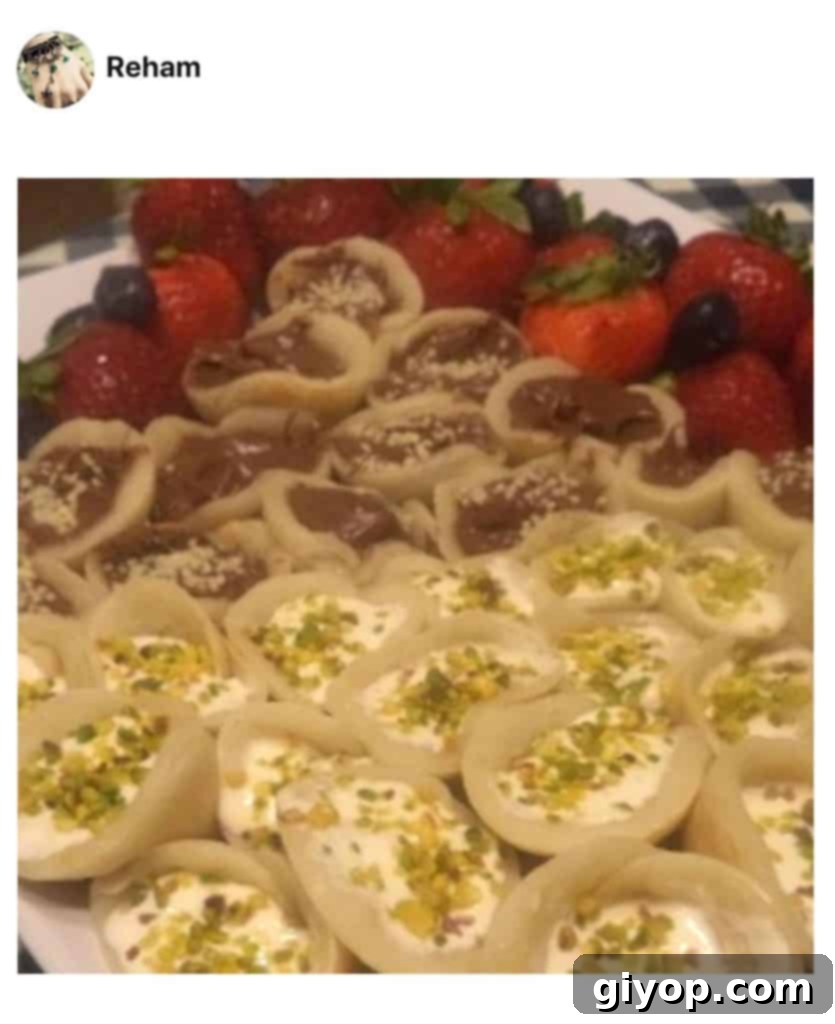
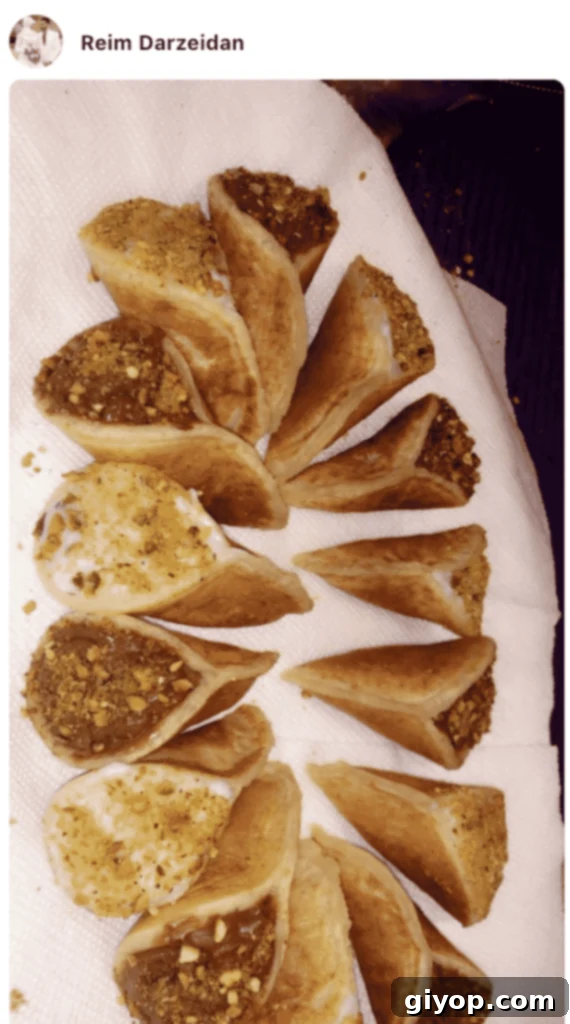
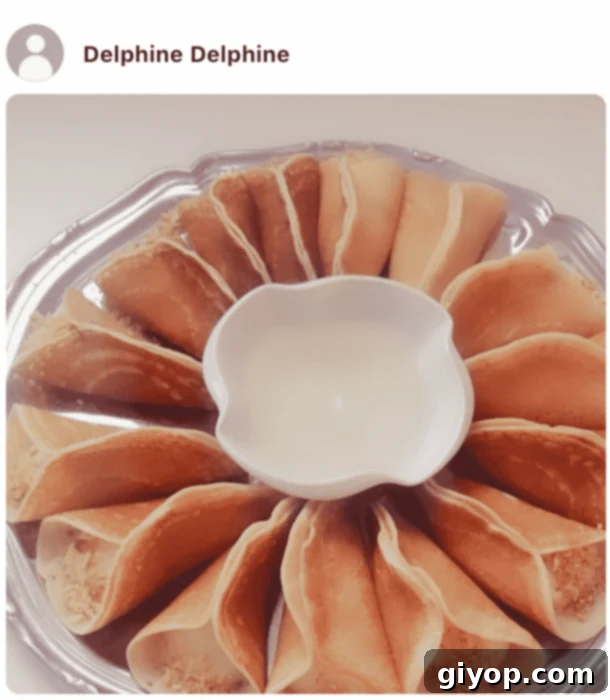
We absolutely love seeing your culinary achievements! Qatayef Asafiri, with its beautiful presentation, is a dish truly meant to be admired. Below, you’ll find a gallery of stunning Qatayef creations made by fellow enthusiasts. These images serve as a wonderful source of inspiration and a testament to the universal appeal of this delightful Middle Eastern dessert. Don’t hesitate to share your own masterpieces; we’re always thrilled to see how you bring these recipes to life in your kitchens!