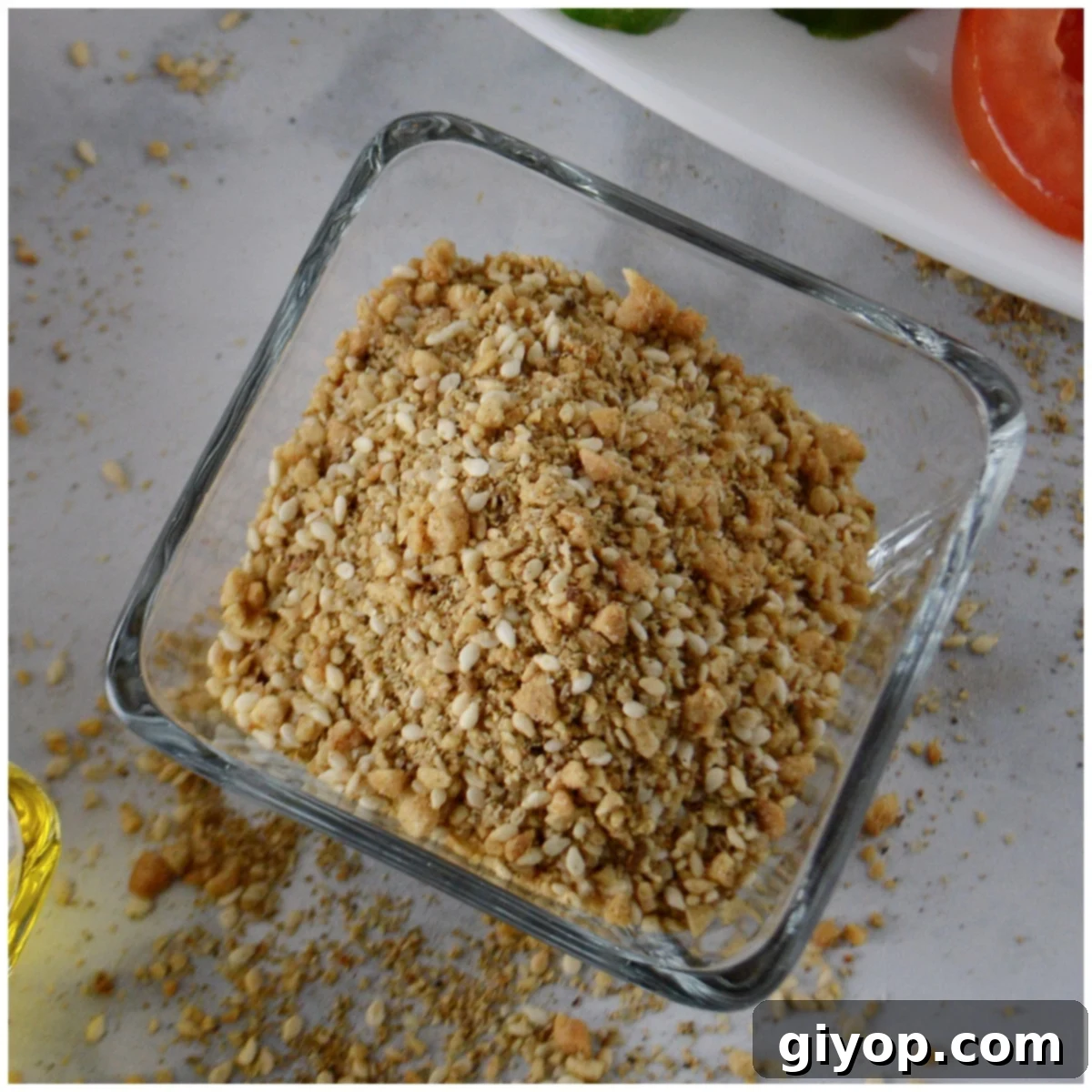
Unlock the vibrant flavors of Egypt with homemade Dukkah spice, an irresistible nut and spice blend that will revolutionize your culinary creations. This traditional Egyptian dukkah recipe guides you through crafting an authentic blend using simple, high-quality ingredients. The secret to its profound taste lies in roasting your raw ingredients, a step that elevates the aroma and depth of every single component. Whether you’re familiar with this street food staple from the bustling markets of Egypt or are discovering it for the first time, prepare to be captivated by its unique texture and exquisite taste. This recipe makes the process incredibly easy, requiring minimal time – about 10 minutes of active prep and cook time – to yield a truly extraordinary spice mix.
What is Dukkah? A Journey into Egyptian Flavor
Dukkah, pronounced “DOO-kah,” is a renowned Egyptian nut and spice blend, celebrated for its complex flavors and delightful texture. While popular across Egypt and parts of the Levant, the Egyptian version distinctly uses nuts, primarily peanuts, as its base, differentiating it from Levantine blends that often incorporate wheat berries or legumes. This versatile condiment is more than just a spice; it’s a cultural cornerstone, deeply ingrained in Egyptian culinary traditions. Its presence is especially notable during Easter, when street vendors commonly sell it alongside freshly baked simit (sesame bread rings) and hard-boiled eggs along the picturesque Nile river banks or near the historic gates of the Giza Zoo. The sight and aroma are a quintessential Egyptian experience, evoking cherished memories for many, including myself, recalling my mother’s careful selection of the finest blends.
While numerous dukkah recipes exist online, often encouraging creative variations with a medley of expensive nuts like almonds, pistachios, hazelnuts, and walnuts, the authentic Egyptian street food version embraces simplicity and accessibility. Due to the high cost of premium nuts, traditional Egyptian dukkah primarily features peanuts and sesame seeds, ingredients readily available and affordable within the local markets. This makes it a truly democratic delicacy, enjoyed by all. Furthermore, the practice of dipping bread in olive oil with dukkah, though popular in some regions, isn’t traditionally Egyptian. Olive oil, particularly extra virgin, can be quite expensive in Egypt, and its strong flavor can sometimes overpower the delicate nuances of the dukkah blend. Many Egyptians prefer using a milder-flavored oil or simply enjoying dukkah as a dry sprinkle, allowing the unique notes of the nuts and spices to shine through unadulterated. Experimenting with a neutral oil is often recommended to truly appreciate the intricate flavor profile of a well-made dukkah.
Essential Ingredients for Authentic Dukkah
Crafting authentic Egyptian dukkah relies on a few core ingredients, each playing a crucial role in developing its characteristic flavor and texture. The beauty of this recipe lies in its simplicity and the transformative power of fresh, toasted spices. Always aim for raw, whole ingredients when possible, as the toasting process unlocks their full aromatic potential.
Detailed Ingredient Notes
- Peanuts: These are the primary nut base and “carrier” for the spice blend in traditional Egyptian dukkah. They provide a robust, earthy flavor and satisfying crunch. While peanuts are the authentic choice, feel free to explore other options in the variations section if you prefer. Using unsalted, dry-roasted peanuts (or roasting raw ones yourself) is ideal to control the overall saltiness.
- Sesame Seeds: An indispensable component, sesame seeds add a distinct nutty depth and delicate crispness. Toasting them properly is key to bringing out their full flavor and aroma. Opt for white sesame seeds and toast them yourself for the best results.
- Cumin Seeds: When freshly toasted and ground, cumin seeds infuse the blend with a warm, earthy, and slightly pungent flavor that is central to dukkah’s profile. Buying whole seeds and grinding them just before use makes a significant difference.
- Coriander Seeds: Offering a bright, citrusy, and slightly floral note, coriander seeds perfectly balance the earthiness of cumin. Like cumin, toasting them whole before grinding ensures maximum freshness and aromatic intensity.
- Salt and Black Pepper: These seasonings are vital for enhancing and balancing all the other flavors. Freshly ground black pepper adds a subtle kick, while salt brings everything together. Adjust quantities to your personal taste.
Step-by-Step Instructions for Making Dukkah
Making your own dukkah at home is a surprisingly quick and rewarding process. The key to unlocking its rich, aromatic potential lies in the proper toasting of the whole spices and nuts. Follow these straightforward steps to create a delicious batch of Egyptian dukkah in just minutes.
- Toast the Seeds: Begin by heating a large, dry skillet over medium heat. Add the coriander and cumin seeds. Toast them, stirring continuously, for 1-2 minutes until they become fragrant and begin to slightly pop. Be careful not to burn them, as this will result in a bitter taste. Once toasted, immediately remove them from the pan and set them aside to cool completely. In the same skillet, lightly toast the sesame seeds for 2-3 minutes until they turn a light golden color and are fragrant. Again, stir constantly to ensure even toasting and prevent burning. Transfer them to a separate bowl to cool.
- Toast the Peanuts: If you’re using raw peanuts, toast them in the dry skillet over medium heat until golden brown and aromatic, about 5-7 minutes, stirring frequently. If you’re using already dry-roasted peanuts, you can skip this step or give them a quick toast for added crispness. Allow them to cool.
- Grind the Spices: Once the cumin and coriander seeds have cooled, transfer them to a coffee grinder or a dedicated spice grinder. Grind them finely until they form a coarse powder. The finer the grind, the more intense the spice flavor will be throughout the blend.
- Process the Nuts and Sesame: In a food processor, combine the cooled toasted peanuts and about ¾ of the toasted sesame seeds. Pulse briefly and roughly process them until they reach a coarse, crumbly texture. You want some discernible pieces of nuts and seeds for that characteristic dukkah crunch, not a fine powder or paste.
- Combine All Ingredients: In a deep mixing bowl, combine the freshly ground cumin and coriander, the processed nut and sesame mixture, the remaining ¼ of whole sesame seeds, freshly ground black pepper, and salt. Mix all the ingredients thoroughly until well combined and evenly distributed. This ensures every bite delivers the full spectrum of dukkah flavors.
- Store and Serve: Transfer your freshly made dukkah to an airtight container. It’s now ready to enjoy! Serve it with a drizzle of your favorite oil, crusty bread for dipping, or as a flavorful sprinkle over hard-boiled eggs.
Recommended Equipment
Making dukkah requires only a few basic kitchen tools, but having the right equipment can make the process even easier and more efficient. These tools help ensure your ingredients are perfectly toasted and ground for optimal flavor and texture.
- Coffee/Spice Grinder: Essential for finely grinding the toasted cumin and coriander seeds. A dedicated spice grinder prevents your dukkah from tasting like coffee!
- Mini Food Processor: Perfect for roughly processing the peanuts and sesame seeds, giving your dukkah that signature textured crunch without turning it into a paste.
- Large Dry Skillet: A heavy-bottomed skillet is ideal for evenly toasting all your nuts and spices without burning them.
- Mason Jars or Airtight Containers: For proper storage to maintain the freshness and aroma of your homemade dukkah.
- Mixing Bowl and Spoons: For combining and stirring the ingredients.
Explore more kitchen essentials and my personal favorites on my Amazon storefront!
Expert Tips for Crafting Perfect Dukkah
Achieving the perfect balance of flavor and texture in your homemade dukkah is simple with these expert tips. These insights, gleaned from years of making and enjoying this Egyptian staple, will help you create a blend that truly shines.
- Prioritize Whole Spices: I cannot overstate the importance of buying raw, whole spices, especially cumin and coriander seeds. While pre-ground spices are convenient, their flavor diminishes rapidly. Toasting and grinding whole spices just before use unlocks an unparalleled depth of aroma and taste that store-bought ground spices simply cannot match. If whole spices are hard to find, always opt for trusted, high-quality brands of ground spices.
- Monitor Toasting Closely: I prefer toasting spices and nuts in a dry skillet over the oven. This method allows for greater control, letting you constantly monitor the color and aroma. It’s crucial to toast everything over medium heat, stirring frequently, to ensure even browning and prevent burning. Burnt spices will impart a bitter, unpleasant taste to your entire blend.
- Toast Sesame Seeds Separately: For the best flavor and texture, purchase raw white sesame seeds and toast them yourself. They toast quickly, so keep a close eye on them until they are lightly golden and fragrant. This step significantly enhances their nutty flavor.
- Unsalted Peanuts are Best: Whenever possible, use raw, unsalted peanuts. If raw peanuts are unavailable, dry-roasted and unsalted peanuts are an excellent alternative. Toasting them yourself gives you control over their crispness and ensures no unwanted saltiness is introduced to the blend.
- Avoid Over-Roasting Cumin and Coriander: These spices are delicate. Toast them just until fragrant and they begin to ‘pop’ slightly, usually 1-2 minutes. Over-roasting will lead to bitterness. Immediately transfer them from the hot pan to a cool plate to stop the cooking process.
- Control the Texture: I love my dukkah with a rustic, slightly coarse texture, which is why I don’t add all the sesame seeds to the food processor. Reserving some whole sesame seeds to mix in at the end adds an extra layer of crunch and visual appeal. However, if you prefer a finer, more uniform blend, you can certainly grind everything together. It’s all a matter of personal preference.
- Cool Before Grinding/Processing: Ensure all toasted ingredients are completely cool before grinding the spices and processing the nuts. This prevents moisture buildup and helps achieve the desired crumbly texture.
Delightful Ways to Serve Dukkah
Dukkah’s incredible versatility means it can elevate almost any dish with its unique nutty, earthy, and aromatic profile. Beyond the traditional Egyptian pairing, there are countless ways to incorporate this magnificent spice blend into your daily meals and special occasions.
- Classic Dip: The most traditional and perhaps most satisfying way to enjoy dukkah is as a dip. Pour some good quality olive oil (or a mildly flavored oil) into a shallow dish, and place a mound of dukkah next to it. Dip crusty bread first into the oil, then into the dukkah. The combination of oil, bread, and the crunchy, spiced blend is simply divine.
- Boiled Eggs’ Best Friend: Sprinkle dukkah generously over sliced or halved hard-boiled eggs. The rich flavors of the spice blend perfectly complement the creamy yolk, making for a fantastic breakfast or snack.
- Salad Enhancer: Transform a simple green salad into something extraordinary by sprinkling dukkah over it. It adds texture, depth, and an unexpected burst of flavor.
- Meat, Fish, and Poultry Rub: Use dukkah as a dry rub or part of a marinade for grilled chicken, roasted lamb, or baked fish. Its aromatic qualities infuse the protein with an incredible Middle Eastern flair.
- Hummus and Guacamole Garnish: Take your homemade hummus or guacamole to the next level by garnishing it with a generous sprinkle of dukkah before serving. It adds both visual appeal and a delightful crunch.
- Cheese Pairing: One of my absolute favorite ways to enjoy dukkah is by mixing it with creamy feta cheese, a drizzle of olive oil, and perhaps some chopped fresh herbs. Serve it with crackers or pita bread for an amazing appetizer.
- Yogurt Bowl Topping: For a savory breakfast or snack, sprinkle dukkah over a bowl of plain Greek yogurt, perhaps with some chopped cucumber and a drizzle of olive oil.
- Vegetable Roasting: Toss root vegetables like carrots, parsnips, or potatoes with a little olive oil and dukkah before roasting for a fragrant and flavorful side dish.
- Avocado Toast Upgrade: Elevate your avocado toast by sprinkling a pinch of dukkah on top for an extra layer of flavor and texture.
Frequently Asked Questions About Dukkah
Discover answers to common questions about this unique Egyptian spice blend.
No, Dukkah and Za’atar are distinct Middle Eastern spice blends with different flavor profiles and primary ingredients. Za’atar is typically a blend of dried herbs like thyme, oregano, marjoram, sumac, and sesame seeds, often with salt. It’s very herbaceous and tangy. Dukkah, on the other hand, is characterized by its nutty base (peanuts being traditional in Egypt), combined with various toasted and ground spices such as cumin and coriander. While both contain sesame seeds, the overall composition and taste are quite different.
Yes, absolutely! Traditional dukkah, made from nuts and spices, is naturally vegan, gluten-free, and generally fits a ketogenic diet. It’s a fantastic option for those with dietary restrictions or specific lifestyle choices, offering a burst of flavor without common allergens or animal products. Always double-check ingredient labels if buying pre-made blends to ensure no hidden additives, but homemade dukkah is always a safe bet.
While there’s no single “best” way, the most classic and widely loved method is as a dip. Serve it with good quality olive oil and fresh, crusty bread. Dip a piece of bread into the oil first, then into the dukkah. Beyond that, it’s incredibly versatile: sprinkle it over eggs, salads, roasted vegetables, hummus, or even use it as a rub for meats and fish. Its crunchy texture and savory depth enhance a wide variety of dishes.
While authentic Egyptian dukkah relies on peanuts, you can create a nut-free version by replacing the peanuts with a combination of seeds like sunflower seeds, pumpkin seeds, and additional sesame seeds. The texture will be slightly different, but you can still achieve a wonderfully flavorful and crunchy blend. Ensure all equipment is thoroughly cleaned to avoid cross-contamination if severe nut allergies are a concern.
With crusty bread and hard-boiled eggs at the ready, prepare to dive into a truly addictive and delightful treat. Dukkah isn’t just a seasoning; it’s an experience. Moreover, a batch of homemade dukkah makes for a thoughtful and unique gift, perfect for any occasion or season. Share the joy of this authentic Egyptian flavor!
Storage Best Practices for Dukkah
Proper storage is essential to maintain the freshness, aroma, and flavor of your homemade dukkah. Since it contains toasted nuts and spices, protecting it from air, light, and moisture will ensure it stays delicious for longer.
- Shelf Storage: Store dukkah in an airtight glass jar or container with a tight-fitting lid in a cool, dark pantry or cupboard. Away from direct sunlight and heat, it will retain its quality for up to 2-3 weeks.
- Refrigeration: For extended freshness, you can refrigerate dukkah in an airtight container for up to 2 months. The cooler temperature helps preserve the delicate oils in the nuts and spices, preventing them from going rancid.
- Freezing: For even longer storage, portion dukkah into small, freezer-safe jars or heavy-duty freezer bags. It can be frozen for up to 6 months without affecting its quality. The best part is that it doesn’t require thawing; you can use it directly from the freezer, as its granular texture prevents it from clumping significantly.
- Tips for Longevity: Always ensure your dukkah is completely cool before storing to prevent condensation. Avoid introducing moisture with wet spoons. For optimal flavor, toast small batches more frequently rather than making one very large batch that might lose its potency over time.
Creative Variations for Your Dukkah Blend
While the traditional Egyptian dukkah recipe is a masterpiece in itself, there’s always room to explore and customize it to your palate. Experimenting with different nuts, seeds, and spices can open up a world of exciting new flavors and textures, allowing you to personalize your blend.
- Nut Alternatives: Instead of or in addition to peanuts, consider using a blend of other nuts such as almonds, hazelnuts, pistachios, or even cashews. Each will lend its own unique flavor profile to the blend. For a richer, more luxurious dukkah, a mix of two or three different nuts can be truly exceptional. Ensure they are all raw and toasted properly.
- Seed Enhancements: Beyond sesame, incorporate other seeds for added nutritional value and distinct flavors. Sunflower seeds, pumpkin seeds, or even flax seeds can be wonderful additions. Toast them lightly before grinding or processing to bring out their nutty essence.
- Herbaceous Twists: While not strictly traditional, infusing your dukkah with dried herbs can introduce intriguing notes. I’ve found that a pinch of dried mint, lightly crushed, adds a fabulous freshness and brightness to the blend. Dried oregano or marjoram could also offer interesting variations.
- A Kick of Heat: For those who enjoy a bit of warmth, add a pinch or two of cayenne pepper or a dash of red chili flakes. This fiery addition will give your dukkah a subtle but delightful spicy kick.
- Uncommon Spice Additions: Though not authentic to Egyptian dukkah, fennel seeds are commonly found in commercial dukkah blends sold in the United States and can add a lovely anise-like sweetness. Other less common but flavorful additions could include nigella seeds (black caraway) for an oniony, nutty flavor, or a touch of smoked paprika for a hint of smokiness.
- Citrus Zest: For an unexpected burst of brightness, you could lightly toast and add a small amount of dried citrus zest (orange or lemon) to the blend. This should be used sparingly to avoid overpowering the other flavors.
Discover More Middle Eastern Delicacies
If you’ve enjoyed making and savoring this authentic Egyptian Dukkah, you’ll love exploring other rich and flavorful recipes from the Middle East. These dishes offer a deeper dive into the region’s diverse culinary landscape.
- Egyptian Phyllo Meat Pie: Try this delicious Egyptian phyllo meat pie recipe this week. It’s perfect for a hearty family meal or as an impressive appetizer, with its layers of flaky phyllo pastry and savory ground meat filling.
- Gluten-Free Rice Meatballs: For a comforting and wholesome dinner, make these Egyptian rice meatballs (Koftet Roz). Made with fresh herbs, aromatic spices, and rice flour, they are naturally dairy-free, egg-free, and gluten-free. Fried until golden then simmered in a rich tomato sauce, they are a beloved Egyptian staple.
- Authentic Tahini Recipe: Master the art of homemade tahini with this simple two-ingredient Tahini Recipe. Once you’ve tasted the silky-smooth, non-bitter paste, you’ll never go back to store-bought. It’s a fundamental ingredient in many Middle Eastern dishes, including hummus.
Explore Other Aromatic Spice Blends
Expand your spice repertoire with these other essential Middle Eastern spice blends, each offering a unique way to enhance your cooking.
- 7 Spice (Baharat) Mix: A foundational 7 Spice mix is a versatile Arabic spice blend that imparts a rich, warm, and complex flavor to any dish. Learn how to create this staple at home and explore its many variations to suit your taste.
- Hawaij Spice: Discover Hawaij Spice, a traditional Yemeni blend used widely in Middle Eastern cooking. Typically featuring a mix of black pepper, cardamom, cumin, turmeric, and coriander, it adds a distinctive earthy and floral note to soups, stews, and roasted dishes.
If you loved this recipe, please take a moment to leave a ⭐⭐⭐⭐⭐ rating! Your feedback is greatly appreciated.
Dukkah (Egyptian Spice Blend)
Dukkah spice is an Egyptian nut and spice blend that will knock your socks off. This is a traditional Egyptian dukkah recipe with authentic ingredients.
Rating: 5 out of 5 stars (based on 13 votes)
Print Recipe |
Pin Recipe |
Rate This Recipe
Prep Time: 5 minutes
Cook Time: 5 minutes
Total Time: 10 minutes
Servings: 24 Tablespoons
Calories: 52 kcal
Author: Amira
Ingredients
- ⅔ cup sesame seeds
- ⅔ cup dry roasted peanuts (or raw, then toasted)
- 2 Tablespoons cumin seeds
- 2 Tablespoons coriander seeds
- 1 ½ teaspoons freshly ground black pepper
- 1 teaspoon salt
Instructions
- In a large, dry skillet over medium heat, toast sesame seeds, stirring constantly for about 2-3 minutes until golden and fragrant. Remove and set aside to cool.
- In the same skillet, add coriander and cumin seeds. Toast, stirring frequently, for 1-2 minutes until they become fragrant and begin to pop. Be careful not to overcook, as they can turn bitter. Remove and set aside to cool.
- Once cooled, transfer the toasted cumin and coriander seeds to a spice grinder and grind finely into a powder.
- In a food processor, combine the toasted peanuts and approximately ¾ of the toasted sesame seeds. Pulse briefly to roughly process them until a coarse, crumbly texture is achieved. Avoid over-processing into a paste.
- In a deep bowl, combine the ground spices (cumin and coriander), the processed nut and sesame mixture, the remaining whole sesame seeds, black pepper, and salt. Mix all ingredients thoroughly to ensure an even distribution of flavors.
- Serve your homemade dukkah with a drizzle of oil, crusty bread, and hard-boiled eggs, or sprinkle over your favorite dishes.
Video
For a visual guide, watch how to make this authentic Dukkah spice blend.
Notes
For the best flavor, always use fresh, whole spices and toast them yourself. Adjust salt and pepper to your preference.
Nutrition Information (per serving, 1 Tablespoon)
Calories: 52kcal | Carbohydrates: 2g | Protein: 2g | Fat: 4g | Saturated Fat: 1g | Polyunsaturated Fat: 1g | Monounsaturated Fat: 2g | Sodium: 116mg | Potassium: 62mg | Fiber: 1g | Sugar: 0.2g | Vitamin A: 7IU | Vitamin C: 0.1mg | Calcium: 52mg | Iron: 1mg
Tried this Recipe? Pin it for Later! Mention @AmirasPantry or tag #AmirasPantry!