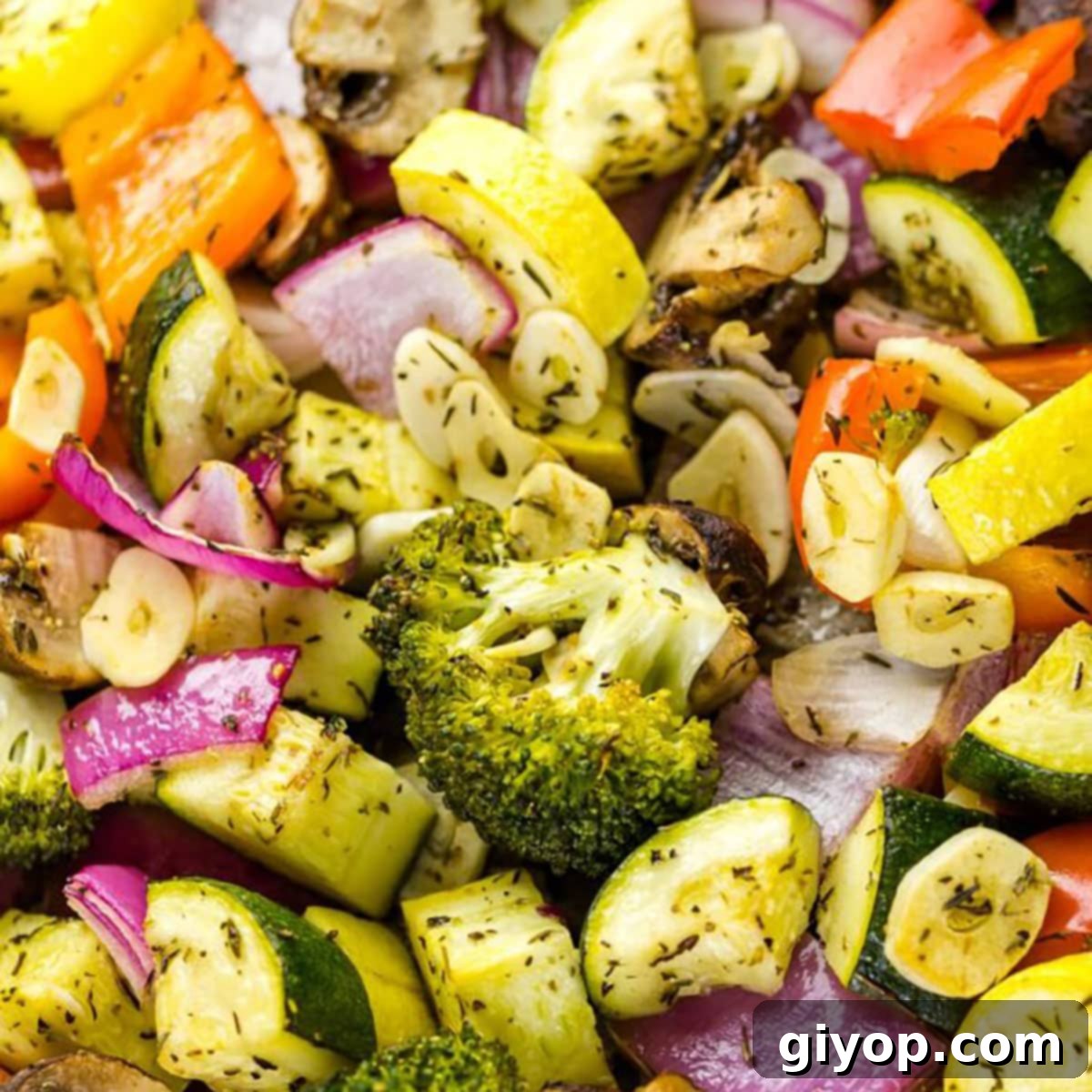
The Ultimate Guide to Freezing Roasted Vegetables: Easy Meals, Less Waste, More Flavor
Imagine having a delicious, nutritious side dish ready in minutes, anytime you need it. Freezing roasted vegetables makes this a reality, transforming your meal prep and significantly reducing food waste. This ingenious method allows you to lock in the peak flavor and vital nutrients of your favorite vegetables, making healthy eating both convenient and economical. Whether you’re aiming to save time on busy weeknights or simply want to ensure you always have wholesome ingredients at your fingertips, mastering the art of freezing roasted vegetables is a culinary game-changer.
Beyond the convenience, freezing roasted vegetables is a smart way to manage your food budget and contribute to a more sustainable kitchen. By preserving your excess produce, you prevent spoilage and ensure that every delicious bite finds its way to your plate. Say goodbye to wilted greens and forgotten root vegetables in the back of the fridge. With this guide, you’ll unlock a world of flavorful possibilities, ensuring you always have vibrant, perfectly roasted vegetables ready to enhance any meal.
Don’t forget to save this valuable resource! Click the ❤️ heart icon on the right-hand side of your screen or in the recipe card to bookmark it for future reference.
Why You’ll Love Freezing Roasted Vegetables
Embracing the habit of freezing roasted vegetables offers a plethora of benefits that extend far beyond simple food preservation. It’s a strategy that streamlines your cooking, enhances your diet, and saves you money. Here’s why this method will quickly become a cornerstone of your kitchen routine:
- Effortless Meal Prep and Reduced Food Waste: Freezing roasted vegetables is arguably one of the most effective ways to simplify meal preparation for the week ahead. By dedicating a bit of time to roasting a large batch, you create a versatile component that can be added to countless meals. This proactive approach also drastically cuts down on food waste, ensuring that precious produce doesn’t spoil before it can be enjoyed.
- Preserve Peak Flavor and Nutritional Value: Roasting fresh, seasonal vegetables like colorful bell peppers, tender Brussels sprouts, earthy sweet potatoes, and hearty root vegetables captures their flavors at their peak. Freezing them after roasting locks in these vibrant tastes and essential nutrients, allowing you to enjoy summer’s bounty in the dead of winter or a taste of autumn any time of year. You’re not just preserving food; you’re preserving quality.
- A Lifeline for Healthy Eating: Life gets busy, and sometimes a trip to the grocery store isn’t feasible. Having a freezer stocked with ready-to-use roasted vegetables means you always have healthy, delicious ingredients on hand. This ensures that even on your most hectic days, you can whip up a nutritious meal without resorting to less healthy convenience options. It empowers you to maintain a wholesome diet with minimal effort.
- Cost-Effective Culinary Strategy: Buying vegetables in season often means getting them at their freshest and most affordable. By purchasing larger quantities when prices are low and then roasting and freezing them, you extend their usability and stretch your food budget further. This smart planning translates into significant savings over time.
- Unmatched Versatility: Frozen roasted vegetables are incredibly adaptable. They can be transformed into quick side dishes, tossed into salads, mixed into pasta, or incorporated into soups and stews. Their pre-cooked state makes them a fantastic shortcut for adding depth and nutrition to almost any dish.
The Art of Roasting Vegetables for Optimal Freezing
Achieving perfectly roasted vegetables is the foundation of successful freezing. Roasting brings out a depth of flavor that steaming or boiling simply cannot match, creating a delicious caramelized exterior and a tender interior. While the process is straightforward, a few key techniques ensure the best results for freezing.
Choosing Your Vegetables Wisely
Almost any vegetable can be roasted, but some perform better than others when it comes to freezing. Root vegetables (carrots, parsnips, potatoes, sweet potatoes), cruciferous vegetables (broccoli, cauliflower, Brussels sprouts), bell peppers, onions, and zucchini are excellent choices. Delicate greens like spinach are generally not ideal for roasting and freezing in this manner, as they tend to become too watery upon reheating.
Preparation is Key
- Preheat Your Oven: Start by preheating your oven to a robust 400 degrees Fahrenheit (200°C). A hot oven is crucial for achieving that desirable crisp exterior and caramelized flavor, rather than simply steaming the vegetables.
- Wash, Dry, and Chop: Thoroughly wash your chosen vegetables. Crucially, ensure they are completely dry before tossing with oil; excess moisture will steam the vegetables instead of roasting them, leading to a less desirable texture. Chop your vegetables into evenly sized pieces. Uniformity ensures even cooking, preventing some pieces from being raw while others are overcooked.
- Season Generously: Toss the chopped vegetables with a good quality olive oil or avocado oil, ensuring every piece is lightly coated. Then, season generously with salt, freshly ground black pepper, and any additional herbs or spices you desire. Popular choices include garlic powder, onion powder, smoked paprika, dried rosemary, thyme, or oregano. Don’t be shy with seasonings; they elevate the final flavor.
- Group by Roasting Time: A common pitfall in roasting is mixing vegetables with vastly different cooking times. Root vegetables like potatoes and carrots take longer to soften than more tender vegetables such as bell peppers or zucchini. For best results, group vegetables with similar cooking times on separate baking sheets or introduce them to the oven at different intervals. For instance, roast dense root vegetables for 10-15 minutes before adding quicker-cooking veggies to the same pan.
- Avoid Overcrowding: This is perhaps the most critical tip for perfect roasting. Spread the seasoned vegetables out on a large baking sheet in a single layer, ensuring there’s plenty of space between each piece. Overcrowding traps steam, leading to soggy, steamed vegetables instead of beautifully roasted ones. If necessary, use multiple baking sheets.
- Roast to Perfection: Roast for about 20-30 minutes, or until the vegetables are tender when pierced with a fork and have achieved a beautiful golden-brown, slightly caramelized exterior. Stir them once or twice halfway through cooking to ensure even browning.
- Cool Completely: This step cannot be stressed enough for freezing. Once roasted, immediately transfer the vegetables from the hot baking sheet to a clean tray or plate to cool down completely to room temperature. Spreading them out helps them cool faster and prevents residual heat from continuing to cook them or creating condensation that can lead to ice crystals.
How To Store Frozen Roasted Vegetables for Longevity
Proper storage is essential to prevent freezer burn and maintain the quality of your roasted vegetables for months. Once your delicious roasted vegetables have cooled completely to room temperature, they are ready for their journey to the freezer.
The Flash Freezing Method: Your Best Bet
Before transferring them to their final storage containers, I highly recommend flash freezing them. This critical step prevents the vegetables from clumping together into one solid block, making it incredibly easy to grab just the portion you need later on.
- Spread on a Sheet Pan: Once cooled, spread the roasted vegetables in a single layer on a parchment-lined baking sheet or a large plate.
- Freeze Until Solid: Place the sheet pan into the freezer for 1 to 2 hours, or until the individual vegetable pieces are completely frozen solid.
Packaging for Long-Term Storage
After flash freezing, you can transfer the solid pieces to your chosen freezer-safe container.
- Freezer-Safe Bags: Heavy-duty freezer bags are an excellent choice. Place the flash-frozen vegetables into the bags, and crucially, remove as much air as possible before sealing. You can do this by pressing the air out manually, using a straw to suck out the remaining air just before sealing, or by using a vacuum sealer.
- Airtight Containers: If you prefer using rigid containers, opt for those specifically designed for freezer use. Fill them with the flash-frozen vegetables, leaving a small amount of headspace to allow for slight expansion. Ensure the lid forms a tight, airtight seal.
- Vacuum Sealing for Superior Protection: For the absolute best results and longest freezer life, a vacuum sealer is an invaluable tool. It removes nearly all oxygen, which is the primary cause of freezer burn and quality degradation. Vacuum-sealed roasted vegetables can last significantly longer, maintaining their texture and flavor almost perfectly. While not essential, it’s a worthwhile investment if you frequently freeze food.
Regardless of your chosen method, the goal is always to minimize air exposure, which is the enemy of frozen food quality. Less air means less freezer burn, preserving the vegetables’ texture and nutritional value.
Essential Tips for Successful Freezing
To ensure your frozen roasted vegetables are a delightful and convenient addition to your quick meals, keep these expert tips in mind:
- Single Layer Flash Freezing is Paramount: As detailed above, always flash freeze your roasted vegetables on a baking sheet before transferring them to their final storage. This simple step prevents them from clumping together in a large, unmanageable block, allowing you to easily separate and portion out exactly what you need without thawing the entire batch.
- Combat Freezer Burn with Airtight Sealing: Freezer burn occurs when food is exposed to air, leading to dehydration and changes in texture and flavor. To avoid this, ensure your freezer bags are as air-free as possible, and your containers are truly airtight. Vacuum sealing offers the ultimate protection against freezer burn, significantly extending the shelf life and quality of your vegetables.
- Smart Portioning for Effortless Meal Prep: Before freezing, consider how you’ll use the vegetables. Portion them into individual serving sizes or amounts suitable for your family’s needs. For example, a single cup of vegetables per person is a good starting point. This way, you can grab just the right amount for a quick and healthy meal without wasting any. This thoughtful preparation saves time and reduces waste later on.
- Label Everything Clearly: A well-organized freezer is a happy freezer! Always use a permanent marker to label your freezer bags or containers with the contents (e.g., “Roasted Mixed Veggies”) and, most importantly, the date they were frozen. This helps you track their freshness and ensures you use older items first, preventing anything from getting lost or forgotten in the depths of your freezer.
- Don’t Overcook During Roasting: When roasting vegetables specifically for freezing, it’s often a good idea to cook them until they are just tender-crisp, slightly undercooked compared to how you might eat them immediately. They will soften further during the reheating process, helping to maintain a pleasant texture.
- Cooling is Non-Negotiable: Never freeze warm or hot vegetables. The steam they release can lead to excessive ice crystal formation, which damages cell structure and results in soggy vegetables upon reheating. Always let them cool completely to room temperature before freezing.
Should I Thaw Frozen Roasted Vegetables Before Reheating?
A common question often arises: should you thaw your frozen roasted vegetables before reheating them? The answer, in most cases, is a resounding no. In fact, thawing them beforehand can often lead to a less desirable, soggy texture. By reheating them directly from their frozen state, especially using high-heat methods, you can achieve perfectly cooked, flavorful vegetables in no time, often with some of their original crispness restored.
How to Reheat Frozen Roasted Vegetables
Reheating frozen roasted vegetables is straightforward, but the method you choose significantly impacts the final texture. To avoid soggy vegetables and achieve the best possible results, generally, high-heat methods are preferred. Here are the most effective ways to bring your frozen veggies back to life:
Oven: For Crispness and Best Texture
The oven is arguably the best method for restoring much of the roasted vegetables’ original crispness and flavor. It provides even heat and allows moisture to evaporate.
- Preparation: Preheat your oven to a high temperature, around 425°F (220°C). Arrange the frozen roasted vegetables in a single layer on a parchment-lined baking sheet or a baking sheet lightly sprayed with nonstick cooking spray. Do not overcrowd the pan.
- Cooking Time: Bake for approximately 10-15 minutes, or until they are heated through, slightly re-crisped, and the edges are lightly caramelized again. Stir them once halfway through for even heating.
Air Fryer: Speed and Superior Crispness
For an even quicker and crispier result, the air fryer is an excellent choice, especially for smaller batches.
- Preparation: Preheat your air fryer to 375°F (190°C). Place the frozen vegetables in the air fryer basket in a single layer if possible, or avoid severely overcrowding.
- Cooking Time: Cook for about 5-8 minutes, shaking the basket vigorously halfway through to ensure even cooking and browning. Continue cooking for an additional minute or two if desired for extra crispness.
Stovetop: Quick Reheating for Mix-Ins
The stovetop is ideal when you’re adding the vegetables to another dish or if you don’t mind a softer texture.
- Preparation: Heat a small amount of olive oil or butter in a skillet over medium-high heat. Add the frozen vegetables directly to the hot pan.
- Cooking Time: Cook for 5-8 minutes, stirring occasionally, until heated through and any excess moisture has evaporated. They won’t get as crispy as in the oven or air fryer, but they’ll be perfectly tender.
Microwave: Fastest, But Less Crisp
While the quickest method, the microwave will result in the softest texture and should be used when crispness isn’t a priority, such as when adding to soups or stews.
- Preparation: Place the frozen vegetables in a microwave-safe dish. Add a tablespoon or two of water (this helps create steam for even heating) and cover the dish with a microwave-safe lid or plastic wrap, venting a corner.
- Cooking Time: Microwave on high for 2-4 minutes, stirring occasionally, until thoroughly heated.
Creative Ways To Use Your Frozen Roasted Vegetables
The beauty of having a stash of frozen roasted vegetables is their incredible versatility. They can elevate countless dishes with minimal effort, adding flavor, texture, and a powerful nutritional boost. Here are some of our favorite ways to incorporate them into your meals:
- Instant Side Dish: The most straightforward use! Simply reheat your chosen portion using your preferred method (oven or air fryer for crispiness is recommended) and serve alongside any main course. It’s the ultimate quick and healthy accompaniment to grilled chicken, baked fish, or a hearty steak. For example, they pair wonderfully with a savory ground beef pasta bake.
- Vibrant Additions to Salads: Transform a simple green salad into a hearty and satisfying meal by tossing in warm or even slightly chilled roasted vegetables. They add wonderful depth of flavor and texture that raw vegetables can’t provide. Think roasted sweet potatoes and Brussels sprouts in a warm grain bowl or mixed bell peppers in a Mediterranean-inspired salad.
- Enhance Pasta Dishes and Grain Bowls: Stir your reheated roasted vegetables directly into pasta dishes, risotto, or couscous for a quick, nutritious, and flavorful upgrade. They’re also perfect for building vibrant grain bowls alongside your favorite whole grains (quinoa, farro, brown rice), protein, and a drizzle of dressing.
- Boost Soups and Stews: Add a layer of rich, roasted flavor to your favorite soups, stews, and chili. Simply toss the frozen vegetables directly into the pot during the last 10-15 minutes of simmering. They’ll absorb the broth’s flavors and contribute their own deliciousness without needing any extra cooking beforehand.
- Scrambles, Omelets, and Frittatas: Start your day with a burst of flavor and nutrients! Fold reheated roasted vegetables into scrambled eggs, omelets, or frittatas for a quick, wholesome breakfast, brunch, or even a light dinner.
- Savory Pizza and Flatbread Toppings: Top your homemade or store-bought pizza crusts and flatbreads with a colorful array of roasted vegetables. They add a gourmet touch and make for a more substantial and healthy meal.
- Healthy Sandwich and Wrap Fillings: Layer reheated roasted vegetables into your sandwiches, wraps, or pita pockets. They offer a delightful alternative to raw veggies and pair beautifully with various cheeses, hummus, or protein fillings.
- Delicious Casserole Mix-Ins: Incorporate them into your favorite casseroles for added texture, flavor, and nutrition. They’re excellent in vegetarian bakes or as an extra layer in meaty casseroles.
- Blended into Sauces and Dips: For an extra dose of nutrients and flavor, blend softer roasted vegetables (like bell peppers or zucchini) into creamy sauces, hummus, or dips. Think roasted red pepper sauce for pasta or a smoky roasted vegetable dip.
Ultimately, one of the best things about freezing roasted vegetables is the sheer time savings and reduction of food waste. It’s a minimal effort strategy that yields enormous returns, providing you with a constant supply of nutritious, delicious options for those days when you’re short on time or energy to cook from scratch.
Frequently Asked Questions About Freezing Roasted Vegetables
Q: Can I freeze raw vegetables instead of roasting them first?
A: Yes, you can freeze many raw vegetables, but the method and results are different. For most raw vegetables (like broccoli, cauliflower, carrots, green beans), blanching them briefly in boiling water before freezing is recommended to preserve color, texture, and nutrients. However, for this article, we specifically focus on *roasted* vegetables. Roasting them first offers a pre-cooked, flavorful base that is ready to be quickly reheated and used in various dishes, whereas raw frozen vegetables typically need to be fully cooked after thawing.
Q: How long do frozen roasted vegetables last in the freezer?
A: When properly stored in airtight containers or freezer bags (and especially if vacuum-sealed), frozen roasted vegetables can maintain their best quality for 6 to 8 months. They will remain safe to eat beyond this timeframe, but their texture, flavor, and nutritional value might gradually decline. Always label with the date of freezing to keep track.
Q: What if my frozen roasted vegetables get freezer burn? Are they still safe to eat?
A: Yes, vegetables with freezer burn are still safe to eat. Freezer burn is primarily a quality issue, not a safety one. It occurs when food comes into contact with air, causing dehydration and ice crystals to form, which can lead to dry spots, discoloration, and a less desirable texture or flavor. While safe, the quality might be compromised. To prevent it, ensure your vegetables are stored in truly airtight packaging, and remove as much air as possible before freezing.
Q: Can I freeze different types of roasted vegetables together?
A: Absolutely! Freezing different types of roasted vegetables together is a fantastic way to create convenient mixed vegetable blends. The key is to roast them together only if they have similar cooking times, or to roast them separately and then combine them once cooled before flash freezing. This ensures all vegetables are perfectly cooked. Mixed roasted vegetables are incredibly versatile for stir-fries, side dishes, or adding to soups.
Q: How do I prevent my reheated frozen roasted vegetables from being soggy?
A: The best way to prevent sogginess is to reheat them directly from frozen using high-heat methods. The oven (400-425°F / 200-220°C) and air fryer (375°F / 190°C) are excellent for this, as they allow moisture to evaporate and help restore some crispness. Ensure the vegetables are spread in a single layer and not overcrowded on the baking sheet or in the air fryer basket. Avoid thawing them before reheating, as this often leads to more moisture and a mushier texture.
You Might Also Like These Essential Food Preservation Tips
- Maximizing the freshness and flavor of your produce is key to reducing waste. Discover my comprehensive guide on the secrets to How to Store Fresh Tomatoes to minimize spoilage and enjoy their vibrant taste for longer. These tips are especially invaluable during peak tomato season!
- Are you tired of finding wilted, sad parsley at the bottom of your fridge? Don’t let those precious herbs go to waste! Here are some practical and effective tips on How to Store Parsley to keep it fresh, green, and crisp for an extended period, ensuring you always have a touch of freshness for your culinary creations.