Feteer Meshaltet: A Culinary Journey Through Egypt’s Flaky Pastry Tradition
Delve into the rich tapestry of Egyptian culinary history with Feteer Meshaltet, an exquisite layered pastry that tells a story spanning millennia. Often dubbed “Egyptian layered bread” or “Egyptian puff pastry,” this beloved dish boasts an ancient lineage, with its origins tracing back to the pharaohs. Legend has it that in ancient Egypt, a precursor to Feteer Meshaltet, known as “Feteer Maltoot,” was offered to the gods, symbolizing reverence and sustenance. As the centuries unfolded, this divine offering transformed into a cherished staple, deeply embedded in the daily lives and festive celebrations of the Egyptian people.
The culinary journey of Feteer Meshaltet didn’t stop at Egypt’s borders. During the opulent Mamluk era, renowned for its lavish desserts and sophisticated cuisine, this versatile pastry began its venture into Europe. It’s widely believed that the distinct crescent shape it adopted during this period inspired the creation of the now globally famous croissant, solidifying Feteer Meshaltet’s historical impact on international patisserie. Today, it stands not just as a dish, but as a symbol of Egyptian hospitality, generosity, and a testament to enduring culinary artistry.
What is Feteer Meshaltet? The Quintessential Egyptian Layered Pastry
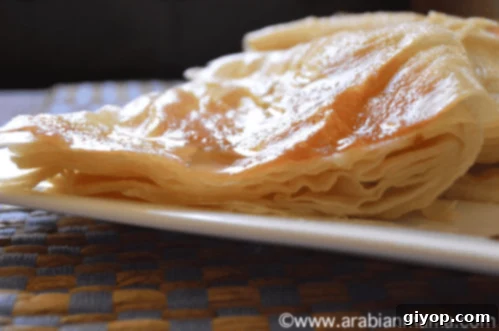
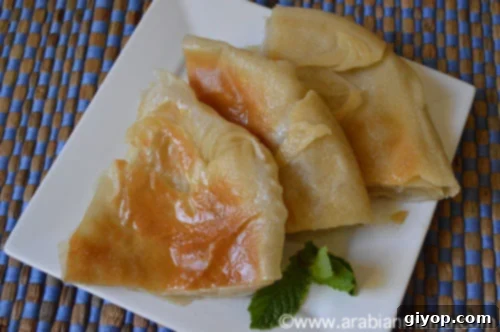
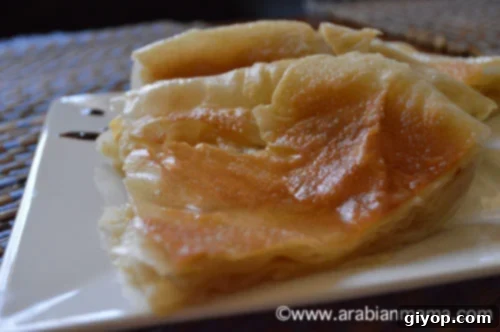
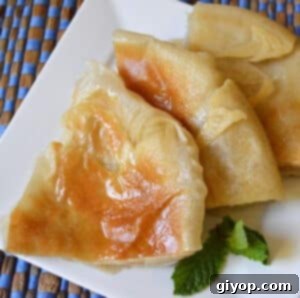
Feteer Meshaltet is a masterpiece of pastry making, characterized by its numerous, impossibly thin layers of dough, generously brushed with melted ghee or butter. The name “Meshaltet” itself hints at its flaky, shattered texture, a hallmark of expertly prepared feteer. This beloved Egyptian pastry is celebrated for its incredible versatility, equally delightful whether served sweet or savory. It is a dish that evokes feelings of warmth, family, and tradition, making it a cornerstone of Egyptian gatherings and a source of national pride.
Its esteemed status is evident in its reputation as a delicacy fit for dignitaries; visiting kings and presidents to Egypt are often treated to this culinary gem. While readily available in countless restaurants and bakeries across Egypt, the truly authentic and most revered Feteer Meshaltet is said to originate from the serene countryside, lovingly prepared by farmers’ wives using age-old techniques and fresh, local ingredients. Their hands-on approach and traditional methods yield a feteer that is unparalleled in its flakiness, richness, and melt-in-your-mouth texture.
Beyond its rich flavor, Feteer Meshaltet embodies the spirit of Egyptian generosity and affection. Sharing a freshly baked feteer with family and guests is a deeply ingrained cultural practice, symbolizing blessings and communal joy. Whether enjoyed as a decadent breakfast, a satisfying lunch, or a delightful dessert, its versatility makes it a perfect accompaniment to almost any meal or occasion.
Essential Ingredients for Authentic Feteer Meshaltet
Creating Feteer Meshaltet, despite its intricate appearance, relies on a surprisingly simple list of ingredients that are common in most kitchens. The magic truly lies in the technique and the quality of these basic components. Here’s what you’ll need to embark on your Feteer Meshaltet journey:
- All-Purpose Flour: You’ll need about 4 cups, or approximately 540 grams. It’s crucial to use all-purpose (or plain) flour to achieve the desired elasticity and delicate texture. Whole wheat flour or other specialty flours will not yield the characteristic flakiness of traditional feteer.
- Water: Plain tap water is perfectly fine. You’ll typically need between 1 to 1 and a half cups, but the exact amount can vary based on your flour’s absorption and ambient humidity. The key is to add it gradually until you achieve the perfect dough consistency.
- Salt: Just a quarter teaspoon of salt is enough to balance the flavors and enhance the dough’s structure.
- Butter/Ghee or Oil: This is where the magic happens! You’ll need about 1 cup of melted unsalted butter, possibly combined with ¼ cup of oil. Many traditional recipes favor pure ghee (clarified butter) for its distinct flavor and superior flakiness. A common practice is to use a blend, for instance, half a cup of butter and the remainder oil, or to use ghee entirely. The fat content is critical for separating the layers and creating that signature “meshaltet” texture.
These humble ingredients, when combined with careful technique and a touch of patience, transform into a truly extraordinary pastry.
Crafting Feteer Meshaltet: A Step-by-Step Guide
The art of making Feteer Meshaltet lies in carefully stretching and layering the dough to achieve its signature flakiness. Follow these detailed steps to create your own authentic Egyptian pastry:
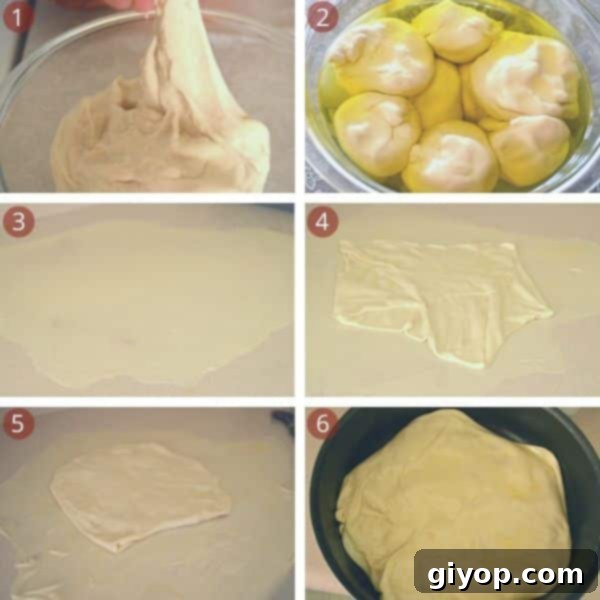
- Prepare the Dough: In a large mixing bowl, combine the flour and salt. Gradually pour in one cup of water, mixing until a rough dough forms. Begin kneading the dough vigorously. If it feels too dry or doesn’t come together, add the remaining water gradually, a tablespoon at a time, until the dough is incredibly elastic. You should be able to pull a piece of dough thinly without it tearing easily. Kneading for at least 10-15 minutes is crucial for developing gluten, which contributes to the dough’s stretchiness and the pastry’s structure.
- First Rest & Portioning: Cover the dough and let it rest for a minimum of 10 minutes. This initial rest helps the gluten relax, making the dough easier to handle. After resting, divide the dough into 6 to 8 equal-sized balls, depending on your desired feteer size. For two medium-sized feteers, 3-4 balls per feteer works well.
- Fat Preparation & Second Rest: Gently warm your butter, ghee, or oil mixture until it’s fully melted but not hot. Pour this warm fat into a deep bowl. Submerge each dough ball in the warm fat, ensuring they are thoroughly coated. Cover the bowl and let the dough balls rest for an additional 15 to 20 minutes. This step is vital as the fat penetrates the dough, contributing to its malleability and ultimate flakiness.
- Preheat Oven: While the dough is resting, preheat your oven to a high temperature, ideally 550°F (285°C). A hot oven is key to achieving that signature puff and golden crust.
- First Dough Ball Rolling: Take one dough ball, place it on a clean, lightly greased countertop, and begin to stretch it with your hands. The goal is to stretch the dough into an extremely thin, almost transparent sheet – so thin that you can practically see your countertop through it. Work gently but firmly, pulling from the center outwards.
- Folding the First Layer: Once stretched, brush the entire surface of the thin dough with more of your melted butter/ghee mixture. Fold the dough over itself to form a square or rectangle, brushing generously with fat between each fold. Set this folded square aside.
- Layering the Subsequent Balls (Building the Feteer): Take a second dough ball and stretch it as thinly as you did the first. Place the previously folded square (seam-side down) onto the center of this new, thin sheet of dough. Brush the new sheet with fat, then fold its edges over the central square, brushing with more fat as you fold to create another square.
- Continue Layering: Repeat this process for the third and, if desired, a fourth dough ball. Each time, stretch a new dough ball, place the previously folded feteer in the center, brush with fat, and fold the new dough over. This meticulous layering is what creates the hundreds of flaky leaves within the feteer.
- Baking Preparation: Once you have built one feteer (using 3 or 4 dough balls), gently transfer it, seam-side down, into a 10-inch baking or pie dish. Lightly press the feteer with your hands to spread it evenly within the dish, ensuring it’s not too thick. Brush the top with a final layer of butter/ghee. Repeat the entire layering process for the remaining dough balls to create a second feteer.
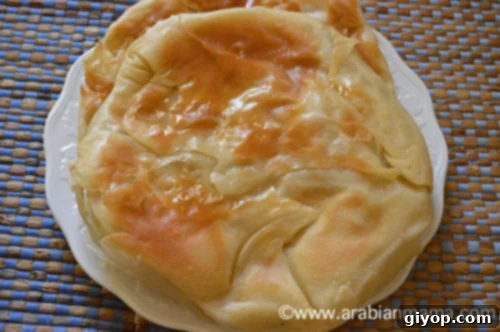
- Baking: Place the baking dish (or dishes) into your preheated 550°F (285°C) oven. Bake for approximately 10 minutes. Watch closely: once the feteer starts to puff up and turn golden, switch on the broiler for a minute or two to achieve a beautiful deep golden-brown crust. Keep a very close eye on it under the broiler to prevent burning.
- Post-Baking Care: As soon as the feteer is removed from the oven, brush its top with a tiny bit more butter and immediately cover it with a clean cloth or foil. This step is essential to keep the feteer soft and moist, preventing it from drying out and becoming brittle.
Following these steps will result in two magnificent, approximately 10-inch rounded feteers, each bursting with flaky, buttery layers. The effort is truly worth the reward!
Serving Feteer Meshaltet: A Symphony of Flavors
One of the most appealing aspects of Feteer Meshaltet is its incredible adaptability to both sweet and savory accompaniments. It provides a neutral yet rich canvas, allowing for a delightful exploration of flavors.
Traditionally, Feteer Meshaltet is served with a classic trio of honey, molasses (often date or blackstrap molasses), and “Mesh,” a distinctive, very salty aged Egyptian cheese that offers a sharp contrast to the pastry’s richness. These traditional pairings highlight the pastry’s versatility and its role in authentic Egyptian meals.
However, the choices are truly endless. For those with a sweet tooth, powdered sugar, chocolate syrup, fruit jams, or even a dollop of clotted cream (eshta) transform feteer into a decadent dessert. On the savory side, it pairs wonderfully with various cheese varieties, spicy harissa, creamy hummus, or a range of other dips and spreads. Some adventurous eaters even enjoy it stuffed with savory fillings like minced meat or vegetables, turning it into a hearty meal.
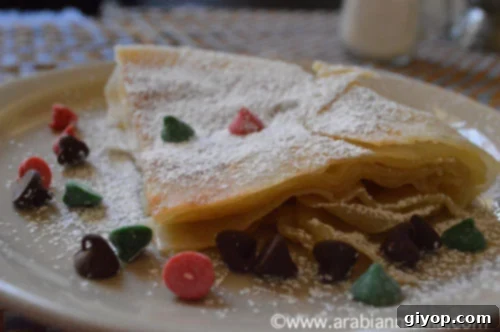
Whether you prefer it plain, sweet, or savory, Feteer Meshaltet promises a truly satisfying and memorable culinary experience. Its unique texture and ability to complement a wide array of flavors ensure there’s a perfect pairing for every palate.
Tips for the Perfect Feteer Meshaltet
Achieving that iconic flakiness and rich flavor of Feteer Meshaltet requires a few key considerations:
- Dough Elasticity is Key: Don’t rush the kneading process. A well-kneaded, highly elastic dough is fundamental for stretching it paper-thin without tearing, which is essential for creating the many delicate layers.
- Resting is Non-Negotiable: Allow the dough to rest sufficiently at both stages. Resting relaxes the gluten, making the dough easier to stretch and preventing it from shrinking back.
- Generous Fat Application: Don’t be shy with the butter or ghee. The fat is what separates the layers and imbues the feteer with its rich flavor and flaky texture. Ensure every layer is brushed adequately.
- Work on a Large, Greased Surface: A spacious, lightly greased countertop provides the ideal surface for stretching the dough. This prevents sticking and allows you to achieve the necessary thinness.
- High Heat Oven: A very hot oven (550°F / 285°C) is crucial. It causes the moisture in the dough to rapidly turn to steam, puffing up the layers and creating that irresistible airy texture.
- Broiler for Golden Finish: Use the broiler briefly at the end to achieve a beautiful, deep golden-brown crust, but watch it constantly as it can burn quickly.
- Cover Immediately After Baking: Brushing with a little extra butter and covering the feteer right out of the oven helps trap steam, keeping the pastry soft and preventing it from becoming dry or brittle.
- Sugar for Browning: For an even more golden crust, some bakers like to add about 1 tablespoon of granulated sugar to the dough mixture. This helps with caramelization during baking.
Feteer Meshaltet Variations and Enjoyment
While the classic Feteer Meshaltet is a delight on its own, its simple base allows for numerous creative variations:
- Sweet Feteer: Beyond honey and molasses, try filling or topping your feteer with Nutella, a sweet cream cheese mixture, fresh fruits, chopped nuts, or even a sprinkle of cinnamon sugar.
- Savory Feteer: Transform your feteer into a hearty meal by adding savory fillings. Popular options include seasoned minced meat, various types of cheese (like feta or Akkawi), mixed vegetables, or even eggs. These can be folded into the layers before the final bake.
- Pizza Feteer: A popular modern twist involves turning feteer into a thin-crust pizza. After the final stretch, top the feteer with tomato sauce, cheese, olives, peppers, and your favorite pizza toppings before baking.
No matter how you choose to enjoy it, Feteer Meshaltet offers a delicious journey into the heart of Egyptian culinary traditions. It’s a versatile dish that can be a simple pleasure, a lavish spread, or a creative canvas for new flavors.
Feteer Meshaltet Recipe
Course: Baking
Cuisine: Egyptian, Mediterranean, Middle East
Prep Time: 50 minutes
Cook Time: 20 minutes
Total Time: 1 hour 10 minutes
Servings: 8
Calories: 463.1 kcal
Author: Amira
Ingredients
- 4 cups (540g) all-purpose flour
- 1-1 ½ cups tap water
- ¼ teaspoon salt
- 1 cup unsalted butter (melted)
- ¼ cup oil
Instructions
- Mix the flour and salt, then pour one cup of water and start kneading.
- If the dough is still not coming together or is too dry, gradually add the remaining water until you get a dough that is very elastic and can be pulled without tearing.
- Let the dough rest for 10 minutes, then divide it into 6-8 balls depending on your desired feteer size.
- Warm up the butter/ghee or oil you are using and pour into a deep bowl.
- Immerse the dough balls into the warm butter mixture. Let them rest for 15 to 20 minutes.
- Preheat your oven to 550°F (285°C).
- Stretch the first dough ball with your hands on a clean, lightly greased countertop. Stretch it as thin as you can, aiming to see your countertop through the dough.
- Fold the dough over itself to form a square, brushing in between folds with the butter mixture.
- Set aside the folded square and begin stretching the next dough ball.
- Stretch the second dough ball as thinly as the first.
- Place the previous folded square (seam-side down) onto the middle of the second stretched dough. Fold the outer dough over, brushing with more butter mixture as you fold. Set aside.
- Keep repeating this process for the third and fourth dough balls to build one feteer. Place the completed feteer (seam-side down) on a 10-inch baking/pie dish and brush the top with more butter.
- Repeat the entire layering process for the remaining dough balls to make a second feteer. With your hands, lightly press the folded feteer to spread it evenly on the baking dish.
- Place in the preheated oven for 10 minutes. When the feteer starts puffing up, turn on the broiler to brown the top.
- Once done, add a little butter on top and cover immediately so it won’t get dry.
Notes
- Some people also add 1 tablespoon of granulated sugar to the dough to help it brown nicely.
- Serve with: Feteer Meshaltet is traditionally served with honey, molasses, cheese varieties, chocolate syrup, hummus, harissa, and various dips. Honey, molasses, and “Mesh” (a very salty kind of Egyptian cheese) are among the most popular traditional accompaniments.
Nutrition
Calories: 463.1kcal | Carbohydrates: 44g | Protein: 6.2g | Saturated Fat: 15.2g | Polyunsaturated Fat: 1.4g | Monounsaturated Fat: 11.6g | Cholesterol: 62.1mg | Sodium: 12.1mg | Potassium: 87.4mg | Fiber: 2g | Vitamin A: 17.4IU | Calcium: 0.7mg | Iron: 12.4mg
Percent Daily Values are based on a 2,000 calorie diet. Your daily values may be higher or lower depending on your calorie needs.
Time to Showcase Your Creations!
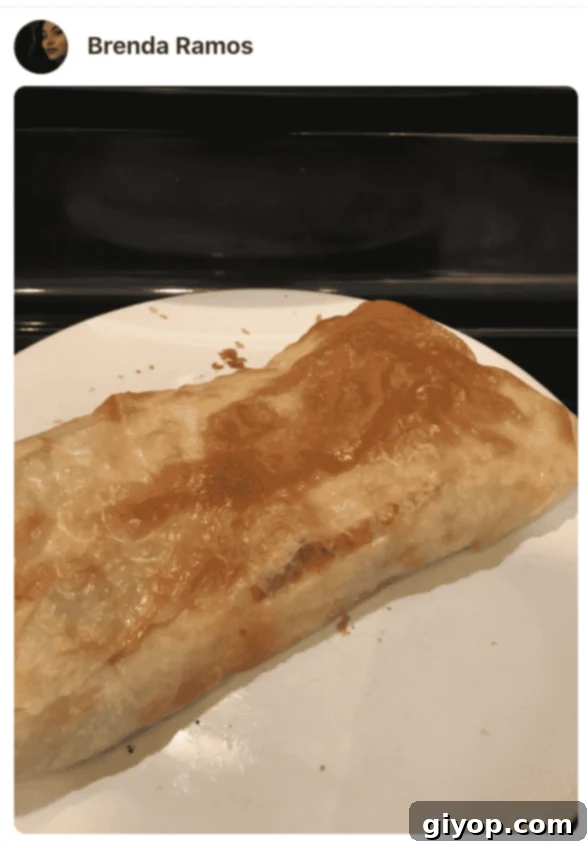
We absolutely love seeing your culinary triumphs! After trying this Feteer Meshaltet recipe, don’t forget to share your finished dish. Give it a ⭐⭐⭐⭐⭐ star rating and attach a photo. It’s always a pleasure to see your photos and how you’ve made the recipe your own. Thank you for being a part of our culinary community!

Share your delicious Feteer Meshaltet creations with us!