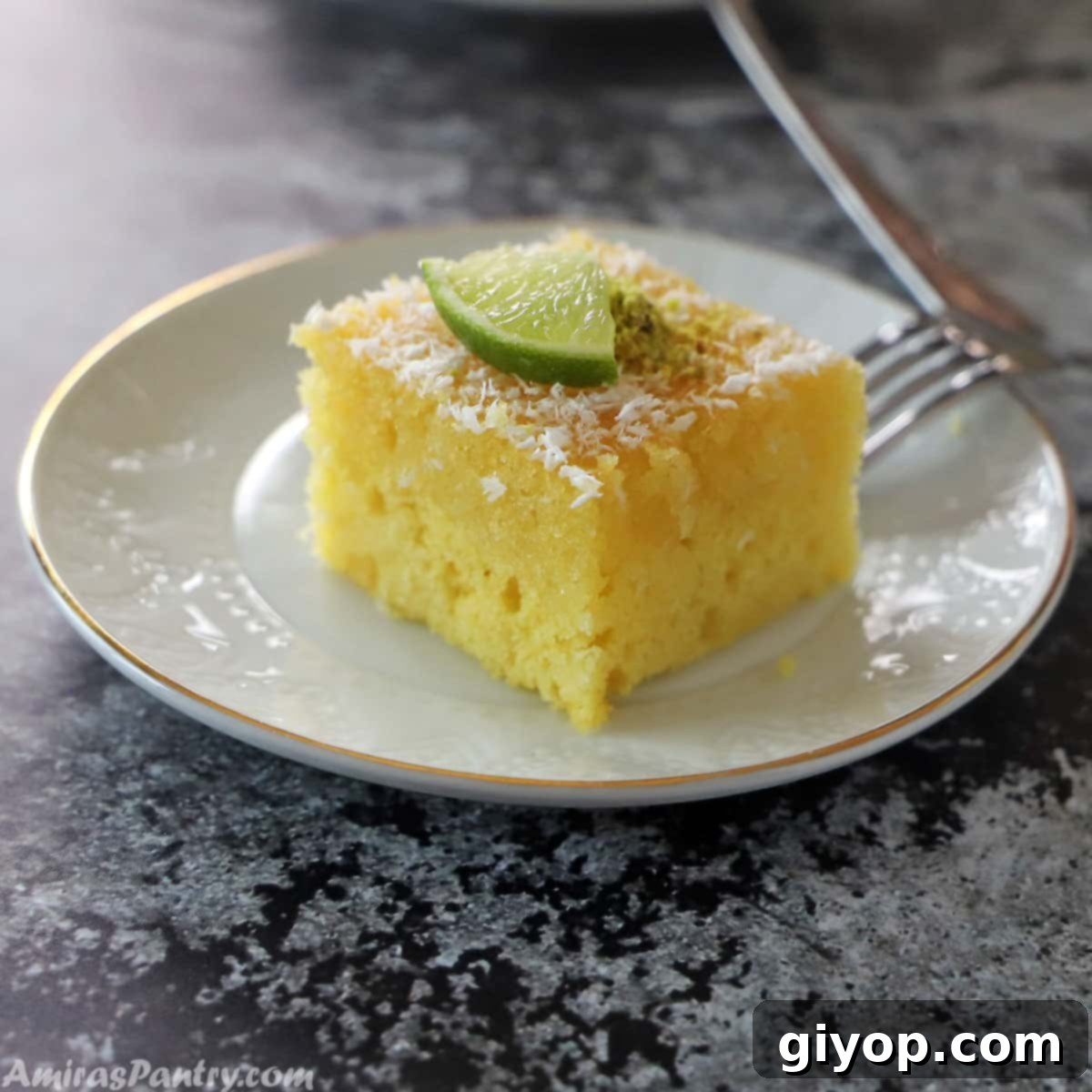
Revani Cake: A Classic Mediterranean Semolina Delight
Embark on a culinary journey to the sun-drenched shores of the Mediterranean and Middle East with Revani, a truly delightful semolina cake. Known by various names such as Ravani or Rawani, this iconic dessert stands as a testament to the region’s rich baking traditions. Imagine a light, airy sponge cake, but with a unique, satisfying texture imparted by semolina, generously soaked in a fragrant, simple syrup. It’s a versatile dessert, effortlessly infused with a medley of flavors, making it a beloved treat for any occasion.
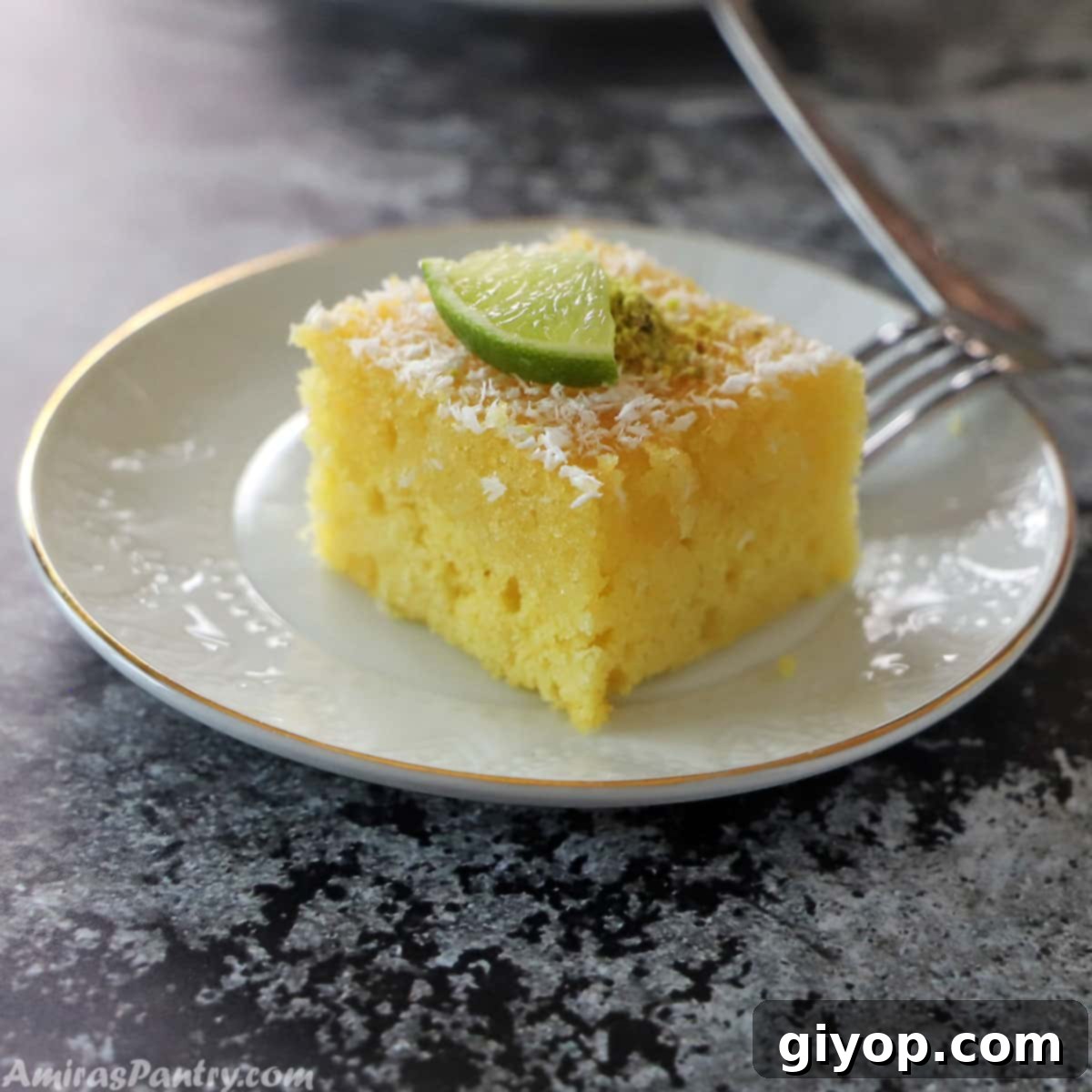
Revani is more than just a cake; it’s a cultural staple, deeply woven into the fabric of daily life and celebrations across Greece, Turkey, Egypt, and many other countries in the region. Its enchanting aroma and perfectly balanced sweetness make it an irresistible offering, whether enjoyed with morning coffee or as an elegant end to an evening meal. Despite its widespread popularity and similar appearance to some semolina-based sweets, Revani holds a distinct identity, particularly when compared to its close cousin, Basbousa. While both are divine semolina cakes, Revani typically incorporates eggs and flour into its batter, elements that are notably absent from traditional Basbousa recipes. This key difference contributes to Revani’s signature texture and makes it a unique experience for your palate.
The Distinctive Allure of Semolina Cake
The magic of Revani lies in its star ingredient: semolina. This coarsely ground durum wheat flour lends the cake an extraordinary texture that sets it apart from conventional flour-based desserts. It’s a texture that is simultaneously grainy and tender, offering a delightful chewiness without being crumbly or overly dense. This unique characteristic is what makes Revani such an unforgettable dessert.
- **Unrivaled Texture:** The semolina granules create a fascinating mouthfeel, ensuring each bite is distinct yet melts in your mouth, a textural experience unlike any other cake.
- **Effortless Elegance:** As one of the easiest syrupy desserts to prepare, Revani is a go-to for many Middle Eastern households, perfect for both novice and experienced bakers seeking a quick yet impressive treat.
- **Cultural Significance:** From festive gatherings to everyday indulgence, Revani embodies the warmth and hospitality of Mediterranean and Middle Eastern cultures.
Historically, semolina cakes have been a part of regional cuisines for centuries, likely evolving from ancient grain-based sweet preparations. The practice of soaking cakes in syrup is a hallmark of many desserts from this part of the world, serving not only as a sweetener but also as a preservative and a way to infuse deep, aromatic flavors. Revani’s widespread presence, from bustling Egyptian pastry shops to charming Greek tavernas, speaks volumes about its enduring appeal and adaptability across diverse culinary traditions.
Essential Ingredients for Authentic Revani Cake
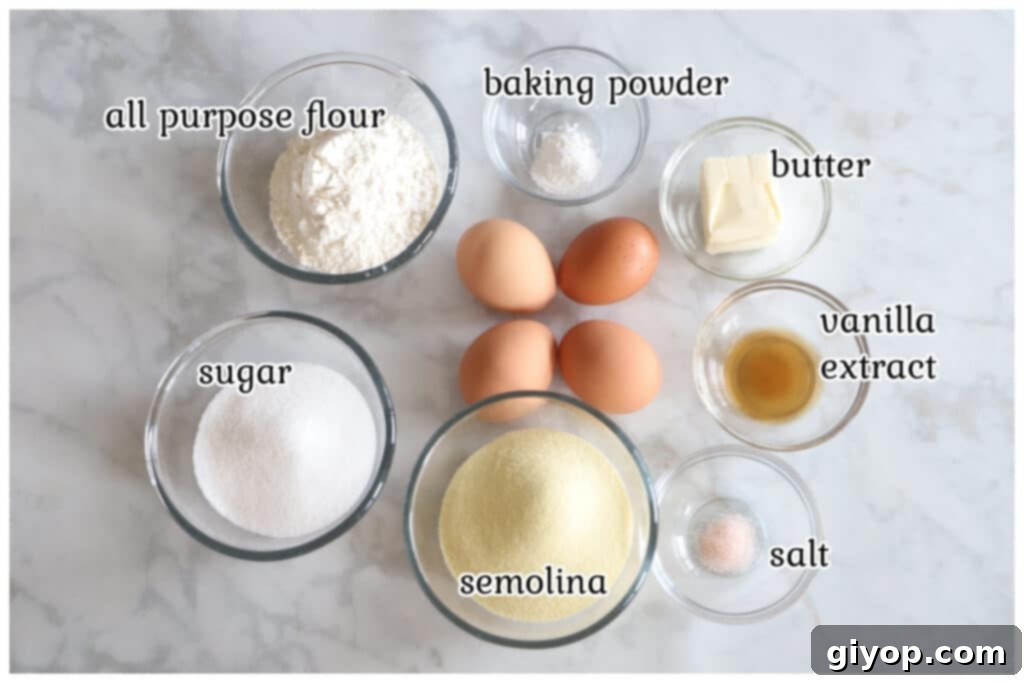
Crafting the perfect Revani begins with selecting quality ingredients. While the recipe is relatively simple, each component plays a crucial role in achieving the cake’s beloved flavor and texture. Here’s an overview of what you’ll need to bring this Mediterranean classic to life.
Ingredients for the Aromatic Syrup:
- **Granulated Sugar:** Forms the sweet base of our syrup.
- **Water:** Essential for dissolving the sugar and creating the liquid base.
- **Vanilla Extract:** Adds a classic, comforting fragrance to the syrup.
- **Lime Juice:** A touch of citrus helps balance the sweetness and prevents crystallization, adding a subtle tang.
- **Honey:** Contributes a lovely depth of flavor and a slightly richer consistency to the syrup.
- **Flavor Infusions (Optional):** Consider adding orange peel, rose water, orange blossom water, or a cinnamon stick during the simmering process for an extra layer of aromatic complexity.
Ingredients for the Moist Semolina Cake:
- **Large Eggs (Room Temperature):** Provide structure and richness, contributing to the cake’s fluffy texture. Room temperature eggs whip up better, creating more volume.
- **Granulated Sugar:** While the cake itself isn’t overly sweet (as it will be soaked in syrup), sugar helps achieve a golden crust and tender crumb.
- **Unsalted Butter (Melted):** Adds moisture and a rich, buttery flavor. You can substitute with a neutral-flavored oil if preferred, though butter enhances the overall taste.
- **Vanilla Extract:** Essential for flavoring the cake batter, complementing the syrup’s aroma. You can also experiment with almond extract or citrus zests.
- **Fine Semolina Flour:** The star ingredient! This provides Revani’s signature grainy yet soft texture. Some prefer coarse semolina (farina) for a different chewiness; for a deeper understanding of the differences, refer to a Basbousa recipe which often highlights this distinction.
- **All-Purpose Flour:** A small amount of all-purpose flour works in conjunction with the semolina to give the cake structure and lightness, differentiating it from purely semolina-based desserts like Basbousa.
- **Baking Powder:** Our leavening agent, ensuring the cake rises beautifully and achieves its spongy consistency.
- **Salt:** A pinch of salt enhances all the other flavors in the cake.
Ingredients for Garnish (Optional but Recommended):
- **Shredded Sweetened Coconut:** Adds a tropical flavor and appealing texture, often sprinkled on top for a beautiful finish.
- **Ground Pistachios:** Provides a vibrant green color and a delicate nutty crunch, elevating the cake’s presentation and taste.
Revani Cake
A classic Mediterranean semolina cake drenched in lemon-infused simple syrup and topped with coconut flakes. A light and easy everyday cake.
Rating: 4.66 from 87 votes
Course: Dessert | Cuisine: Mediterranean, Middle East | Diet: Halal
Prep Time: 15 minutes | Cook Time: 25 minutes | Total Time: 40 minutes
Servings: 16 Servings | Calories: 234kcal | Author: Amira
Ingredients
For the syrup:
- 1 cup granulated sugar
- 1 ½ cup water
- 1 teaspoon vanilla extract
- Juice of one lime
- ½ cup honey
For the cake:
- 4 large eggs at room temperature
- ½ cup (100g) granulated sugar
- ¼ cup (55g) butter, melted
- 1 teaspoon vanilla extract (Note 1)
- ¾ cup (125g) fine semolina flour (Note 2)
- ¾ cup (100g) all-purpose flour
- 1 teaspoon baking powder
- ¼ teaspoon salt
For garnish:
- ½ cup shredded sweetened coconut
- ½ cup ground pistachios
Instructions
Make the syrup:
- In a medium saucepan, combine the sugar, water, vanilla extract, lime juice, and honey. Bring the mixture to a boil, then reduce heat and simmer gently for 5 minutes.
- Remove the syrup from heat and set it aside to cool completely. This step is crucial for the cake to absorb the syrup properly.
Make the cake:
- Preheat your oven to 350°F (175°C). Lightly grease and flour a 9-inch baking pan, or line it with parchment paper.
- In the bowl of a standing mixer (or using a hand mixer), combine the eggs and granulated sugar. Whip on high speed for 4-5 minutes until the mixture triples in volume, becoming pale yellow, thick, and fluffy. This aeration is key to a light cake.
- Gently fold in the melted butter and vanilla extract into the egg mixture until just combined. Be careful not to deflate the airy egg mixture.
- In a separate bowl, whisk together the all-purpose flour, fine semolina flour, baking powder, and salt.
- Gradually add the dry ingredients to the wet ingredients in three batches. Use a spatula to gently fold them in until just combined. Overmixing will result in a tough cake.
- Pour the cake batter into the prepared 9-inch pan and spread evenly. Bake for 25-30 minutes, or until a toothpick inserted into the center comes out clean and the top is golden brown.
- Immediately upon removing the hot cake from the oven, use a toothpick or a skewer to poke holes all over its surface. Evenly pour the completely cooled syrup over the hot cake, allowing it to soak in thoroughly.
- Let the cake cool down and rest in the pan for 1-2 hours, or until completely cool, before inverting it onto a serving platter. This allows the syrup to fully absorb and distribute. Decorate the top with shredded coconut flakes and ground pistachios, if desired.
Notes
- Note 1: Flavor Enhancements: Feel free to customize the cake’s flavor. You can add a teaspoon of almond extract, or finely grated lemon zest or orange zest to the batter for a brighter, more aromatic cake.
- Note 2: Semolina Type: While this recipe calls for fine semolina, some bakers prefer using coarse semolina, also known as farina, for a more pronounced grainy texture. For a detailed comparison and how different semolina types affect baked goods, you might find insights in a Basbousa recipe.
- Please check the nutrition disclaimer policy for more information.
Nutrition
Calories: 234kcal | Carbohydrates: 41g | Protein: 4g | Fat: 7g | Saturated Fat: 3g | Polyunsaturated Fat: 1g | Monounsaturated Fat: 2g | Trans Fat: 0.1g | Cholesterol: 49mg | Sodium: 111mg | Potassium: 94mg | Fiber: 1g | Sugar: 29g | Vitamin A: 165IU | Vitamin C: 0.3mg | Calcium: 30mg | Iron: 1mg
Tried this Recipe? Pin it for Later! Mention @AmirasPantry or tag #AmirasPantry!
Crafting Your Revani: Step-by-Step Instructions
Making Revani cake is a rewarding experience that culminates in a truly satisfying dessert. Follow these steps carefully to ensure a perfect balance of fluffy cake and sweet, absorbed syrup. The detailed instructions are provided in the comprehensive recipe card above, but here’s a quick overview of the essential process.
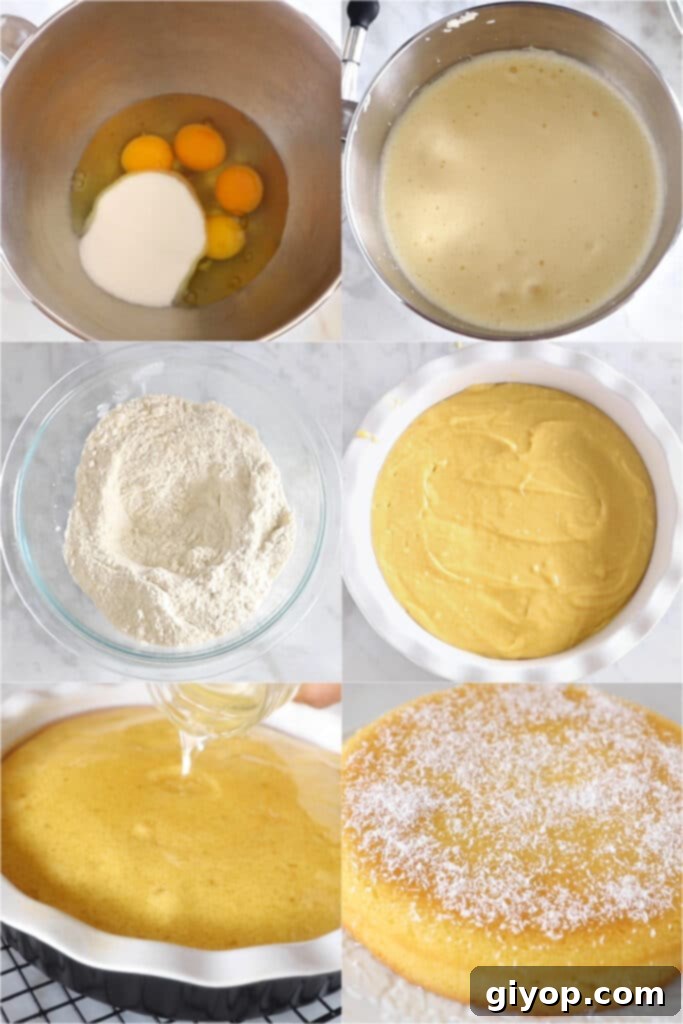
- **Prepare the Syrup:** Start by combining all syrup ingredients in a saucepan, bringing them to a boil, then simmering briefly before setting aside to cool completely. A cold syrup on a hot cake is essential for proper absorption.
- **Whip Eggs and Sugar:** In a large mixing bowl, beat the room temperature eggs with sugar on high speed. This step is critical for incorporating air, which gives Revani its characteristic light and fluffy texture. Continue until the mixture is pale, thick, and significantly increased in volume.
- **Add Wet Ingredients:** Gently fold in the melted butter and vanilla extract into the egg mixture. Be mindful not to deflate the precious air you’ve whipped into the eggs.
- **Combine Dry Ingredients:** In a separate bowl, whisk together the all-purpose flour, fine semolina, baking powder, and salt. This ensures even distribution of the leavening agent and spices.
- **Fold in Dry to Wet:** Gradually add the dry ingredient mixture to the wet mixture in small batches, gently folding with a spatula. Overmixing will develop the gluten in the flour too much, leading to a dense cake.
- **Bake to Perfection:** Pour the smooth batter into a prepared 9-inch baking pan and bake in a preheated oven (350°F or 175°C) for 25-30 minutes, or until golden brown and a toothpick comes out clean.
- **Soak in Syrup:** As soon as the cake emerges from the oven, poke numerous holes across its surface with a toothpick. Immediately and evenly pour the entirely cooled simple syrup over the hot cake. The contrast in temperature allows the cake to absorb the syrup beautifully, ensuring a moist and flavorful result.
- **Cool and Serve:** Allow the cake to cool down and rest in its pan for at least 1-2 hours before carefully inverting it onto your serving platter. This crucial resting period allows the syrup to fully penetrate and settle throughout the cake. Garnish with shredded coconut flakes, ground pistachios, or your preferred toppings before slicing and serving.
Adaptable Revani: Creative Variations to Explore
One of the joys of making Revani is its adaptability. While the classic recipe is divine on its own, it also serves as an excellent canvas for creative variations. Feel free to experiment with different flavor profiles to suit your taste or occasion:
- **Citrus Burst:** Elevate the vibrant flavors by incorporating finely grated orange zest or lemon zest directly into the cake batter. This adds a bright, aromatic punch that beautifully complements the sweet syrup.
- **Coconut Dream:** For an extra layer of tropical indulgence, mix a handful of unsweetened or sweetened coconut flakes directly into the cake batter before baking. This infuses the cake with a delightful coconut flavor and subtle texture.
- **Nutty Indulgence:** After the cake has absorbed its syrup, sprinkle a generous layer of finely chopped nuts over the top. Almonds, walnuts, or pistachios add a wonderful crunch and a rich, earthy flavor that pairs perfectly with the sweet, moist cake. You can also toast the nuts lightly for enhanced aroma.
- **Spice Infusion:** For a warmer, more exotic flavor, consider adding a pinch of ground cardamom or cinnamon to the dry ingredients. These spices are commonly used in Middle Eastern desserts and will add a fragrant depth to your Revani.
- **Floral Notes:** Infuse your syrup with a delicate floral essence by adding a few drops of rose water or orange blossom water after it has cooled. This creates an elegant and uniquely perfumed dessert.
Expert Tips for Revani Success
Achieving a perfectly moist and flavorful Revani is straightforward with a few key considerations. These tips will help you master this delightful dessert:
- **Syrup Temperature is Paramount:** Always ensure your syrup is completely cold before pouring it over the hot cake. This temperature difference is vital for the cake to absorb the syrup efficiently without becoming soggy. If you forget to make it ahead, placing the hot syrup saucepan in a larger bowl filled with ice water will cool it down quickly.
- **Avoid Over-Thickening the Syrup:** Simmer the syrup just long enough for the sugar to dissolve and the flavors to meld, typically around 5 minutes after boiling. Over-simmering will result in a syrup that is too thick and won’t penetrate the cake effectively, potentially leaving it dry.
- **Embrace Flavor Customization:** While vanilla is a traditional flavor for Revani in many regions, especially Egypt, don’t hesitate to experiment. A teaspoon of almond extract, or the zest of a lemon or orange, can significantly enhance the cake’s aromatic profile.
- **Semolina Type Matters:** The type of semolina you use will influence the final texture. Fine semolina results in a more delicate crumb, while coarse semolina (farina) will yield a chewier, more granular cake. If you’re curious about the textural differences, exploring a Basbousa recipe can provide further insights, as Basbousa often highlights these variations.
- **Don’t Overmix the Batter:** After adding the dry ingredients to the wet, fold them gently until just combined. Overmixing develops the gluten in the flour, which can lead to a tough and dense cake, losing its desired lightness.
- **Resting is Key:** Allow the cake to rest for at least 1-2 hours after syrupping. This crucial resting time gives the cake ample opportunity to fully absorb the syrup, resulting in a uniformly moist and succulent texture throughout.
Frequently Asked Questions (FAQ) About Revani Cake
Several factors can contribute to a dry Revani, though it’s important to remember that Revani naturally has a unique, slightly grainy texture different from regular flour cakes. Common reasons for dryness include overbaking, which causes too much moisture to evaporate; insufficient syrup absorption, often due to the syrup not being completely cool when poured over the hot cake, or the syrup being too thick; or using too much flour or semolina in the batter, which can absorb excessive moisture.
While it is technically possible to substitute regular all-purpose flour for semolina, it is generally not recommended if you want to achieve an authentic Revani. Semolina is the defining ingredient that gives Revani its characteristic unique texture—a distinct grainy yet fluffy consistency. Replacing it entirely with regular flour would drastically alter the cake’s texture, making it more like a standard sponge cake, and would also require significant adjustments to the liquid ratios in the recipe. For the best result and true Revani experience, use semolina.
Traditional Revani cake contains both butter and eggs, making it non-vegan. While you can certainly substitute regular butter with vegan butter, adapting the recipe to be fully vegan would require careful experimentation with vegan egg substitutes. Various substitutes behave differently in baking, so finding the right one to replicate the structure and moisture provided by eggs in Revani would involve some trial and error.
A properly soaked Revani will feel noticeably heavier and denser than before it absorbed the syrup. The top surface will appear uniformly moist and glistening, and when you cut into it after it has fully cooled and rested, the entire cake should feel uniformly tender and juicy, not dry in the center or just on the edges.
Serving Suggestions: Perfect Pairings for Your Revani
Revani is a versatile dessert that shines in various serving scenarios. Its delicate sweetness and moist texture make it a perfect companion for many beverages and additional treats. Enjoy it for a sweet breakfast, an afternoon tea indulgence, or as a sophisticated after-dinner dessert. Here are some ideas to elevate your Revani experience:
- **Fresh Fruit Medley:** Serve a slice of Revani alongside a vibrant medley of fresh seasonal fruits like berries, orange segments, or melon. The fresh, tangy notes of the fruit provide a beautiful contrast to the cake’s sweetness.
- **Warm with Ice Cream:** For an extra decadent treat, serve Revani slightly warm, topped with a generous scoop of creamy Condensed Milk Ice Cream or a classic vanilla bean ice cream. The melting ice cream creates a delightful contrast in temperature and texture.
- **Coffee Companion:** Pair your Revani with a robust cup of Turkish Coffee or a strong espresso. The bitterness of the coffee beautifully cuts through the cake’s sweetness, creating a harmonious balance.
- **Tea Time Elegance:** Enjoy Revani with a comforting mug of Milk Tea, a fragrant herbal tea, or traditional black tea. The subtle flavors of tea complement the cake without overpowering it.
- **A Touch of Cream:** A dollop of unsweetened whipped cream or a spoonful of thick Greek yogurt can add a lovely creamy texture and a slight tang that balances the syrup.
Storing Your Delicious Revani Cake
Revani is a dessert that holds up well, and its flavors often deepen beautifully overnight. Proper storage ensures you can enjoy its deliciousness for days to come:
- **Refrigeration:** To maintain its freshness and moisture, store Revani in an airtight container in the refrigerator for up to one week. This prevents the cake from drying out and helps preserve its delicate flavor.
- **Freezing:** Revani freezes exceptionally well, making it a great make-ahead dessert. Wrap individual slices or the entire cake tightly in plastic wrap, then place it in a freezer-safe container or heavy-duty freezer bag. It can be frozen for up to two months. When ready to serve, thaw the cake in the refrigerator overnight or at room temperature for a few hours before enjoying. You can gently warm it in the oven for a freshly baked feel.
Explore More Mediterranean & Middle Eastern Desserts
If you’ve enjoyed the sweet journey with Revani, there’s a whole world of equally enchanting Mediterranean and Middle Eastern desserts waiting to be discovered. Each offers a unique blend of flavors, textures, and cultural stories:
- Turkish Delight (Lokum)
- Caramel Tres Leches (Trileçe); Turkish Style
- Pasta Flora (Greek Jam Tart)
- Galaktoboureko Recipe
So, what are you waiting for? Dive into the delightful world of Revani. Whether you’re a seasoned baker or just starting your journey into Mediterranean cuisine, this accessible and utterly delicious semolina cake is an excellent recipe to start experimenting with, promising sweet rewards with every bite.