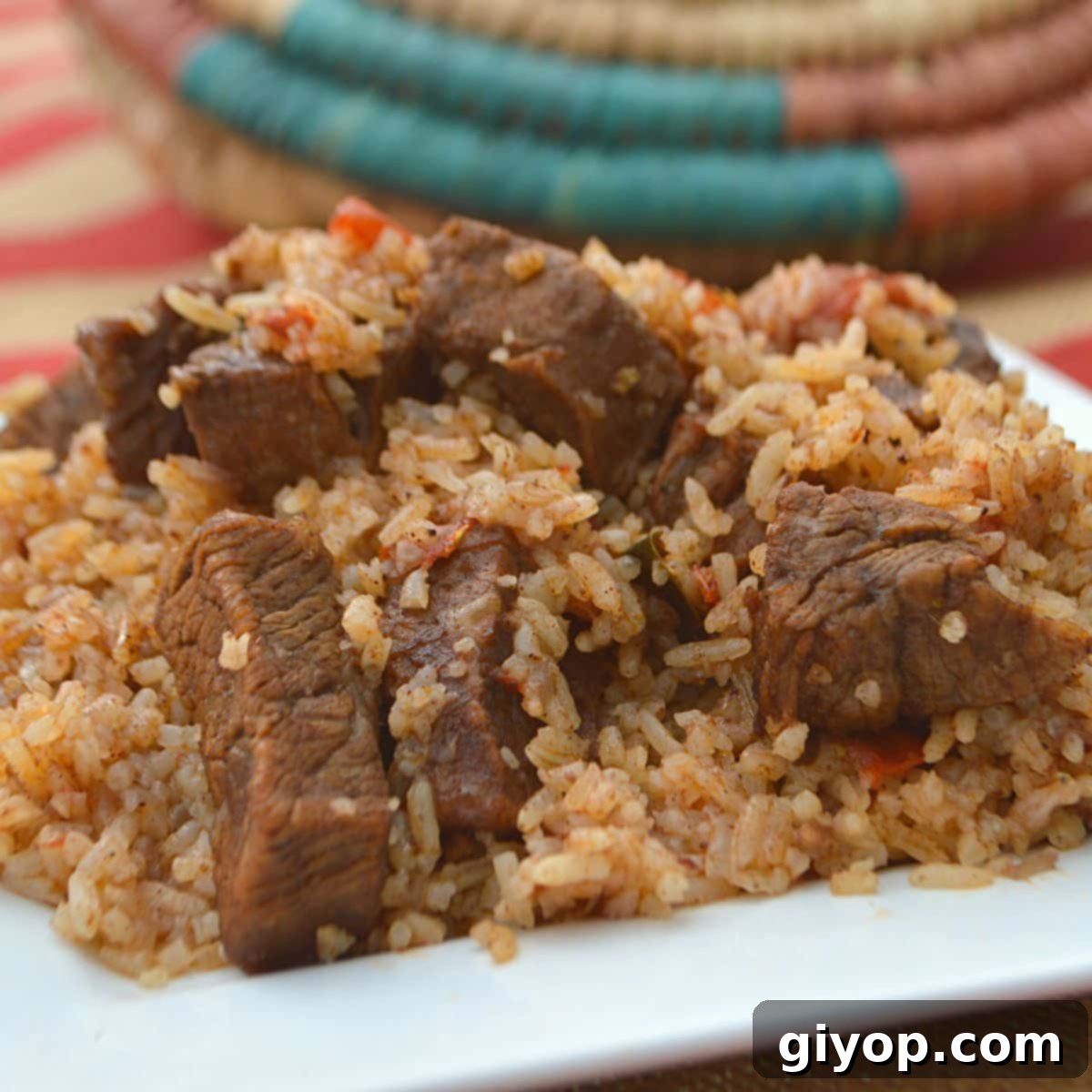
Prepare to embark on a culinary journey to the vibrant East African nation of Djibouti with Skoudehkaris, a deeply aromatic and utterly satisfying one-pot rice and meat dish. This traditional staple is more than just a meal; it’s a celebration of rich flavors, warm spices, and heartwarming comfort, perfect for sharing with family and friends.
Skoudehkaris stands out as a true culinary gem, masterfully blending tender chunks of meat with fluffy, fragrant rice, all infused with a symphony of exotic spices. Its simplicity in preparation belies the complexity and depth of flavor it delivers, making it an accessible yet impressive dish for any home cook. If you’re seeking a unique and flavorful experience that transports your taste buds, Skoudehkaris is an absolute must-try.
What is Skoudehkaris? A Culinary Journey to Djibouti
Skoudehkaris, often spelled as Isku-deh-karis or Skouda-Karisa, is the national dish of Djibouti, a small nation strategically located on the Horn of Africa. This flavorful one-pot meal is a testament to Djibouti’s diverse cultural influences, blending Arab, African, and even Indian culinary traditions. At its heart, Skoudehkaris combines tender pieces of meat (traditionally lamb or goat) with long-grain rice, simmered together in a rich, spiced tomato-based broth. The result is a harmonious dish where every grain of rice and every piece of meat is imbued with an incredible depth of flavor.
Beyond its delicious taste, Skoudehkaris plays a significant role in Djiboutian households, often served during gatherings, celebrations, and as a comforting everyday meal. It embodies the essence of communal dining, typically presented on a large platter from which everyone shares. The dish’s appeal lies not only in its robust flavors but also in its ability to bring people together, creating a sense of warmth and belonging around the dining table. Learning to prepare Skoudehkaris is an invitation to explore the culinary heritage of East Africa and experience a meal that is both exotic and deeply satisfying.
❤️ Why You’ll Absolutely Love This Skoudehkaris Recipe
There are countless reasons why Skoudehkaris deserves a spot in your weekly meal rotation. This recipe is designed to be both authentic and accessible, ensuring a delightful cooking and dining experience.
- A Symphony of Flavors: The dish features an exquisite blend of aromatic spices – cumin, cardamom, cayenne, cinnamon, and cloves – that create a complex yet incredibly balanced flavor profile. Each bite offers warmth, subtle heat, and earthy notes that are simply captivating. It’s a taste sensation unlike any other.
- The Ultimate Comfort Food: Skoudehkaris is the epitome of comfort food. The tender meat, fluffy rice, and rich, savory sauce make for a truly satisfying and hearty meal. It’s perfect for chilly evenings or when you need a dish that feels like a warm hug from the inside out. It’s a family-friendly favorite that appeals to all ages.
- Effortless One-Pot Preparation: Say goodbye to stacks of dirty dishes! This recipe is a true one-pot wonder, simplifying both the cooking process and cleanup. All the ingredients are cooked together in a single pot, allowing flavors to meld beautifully and saving you precious time in the kitchen.
- Incredibly Versatile and Adaptable: While traditionally made with lamb, Skoudehkaris is remarkably flexible. You can easily adapt it to use beef, goat, or even chicken, depending on your preference and what you have on hand. For a meatless option, hearty vegetables or legumes like chickpeas can be incorporated, making it suitable for various dietary needs without compromising on flavor.
📝 Essential Ingredients for Authentic Skoudehkaris
Crafting the perfect Skoudehkaris begins with selecting quality ingredients that bring out the best in this Djiboutian masterpiece. While the list might seem extensive, each component plays a crucial role in building the dish’s signature flavor and texture. Focusing on fresh aromatics and a robust spice blend will elevate your Skoudehkaris from good to unforgettable.
📋 Ingredient Breakdown & Smart Variations
Understanding each ingredient’s role allows for informed substitutions and personalized touches:
- Rice: The foundation of Skoudehkaris. While any long-grain rice will work, fragrant varieties like Basmati or Jasmine rice are highly recommended for their texture and aroma. Ensure you rinse the rice thoroughly before cooking to remove excess starch, which helps achieve fluffy, separate grains.
- Meat: Traditionally, Skoudehkaris is made with lamb chunks, often from the shoulder or leg, cut into 1-2 inch pieces. Lamb provides a rich, distinctive flavor that complements the spices beautifully. However, you can easily substitute with beef stewing chunks, goat, or even bone-in chicken pieces for a lighter version. For plant-based alternatives, consider using large chunks of potatoes, sweet potatoes, or a mix of lentils and chickpeas.
- Onions and Garlic: These are the essential aromatic building blocks of nearly every savory dish. Finely chopped onions create a sweet and savory base when sautéed, while minced garlic adds a pungent depth of flavor that is indispensable. Don’t rush the sautéing process for the onions; allowing them to caramelize slightly will add another layer of sweetness.
- Diced Tomatoes: A 14 oz can of diced tomatoes (undrained) provides the necessary acidity, moisture, and a subtle sweetness to the sauce, forming a key component of the broth. Using canned tomatoes is convenient, but you can certainly use fresh, ripe chopped tomatoes if they are in season and readily available.
- Olive Oil: Used for sautéing the aromatics and browning the meat. A good quality olive oil enhances the overall flavor of the dish, though any neutral cooking oil like vegetable or canola oil can also be used.
- The Spice Symphony: This is where Skoudehkaris truly shines. The blend includes:
- Cumin: Earthy and warm, a cornerstone of Middle Eastern and North African cuisine.
- Cardamom: Pungent, aromatic, and slightly sweet, adding an exotic floral note.
- Cayenne Pepper: Provides a gentle, balanced heat. Adjust the amount to your preference for spice.
- Cinnamon: Adds warmth and a touch of sweetness, balancing the savory elements.
- Cloves: Intense and highly aromatic, used sparingly to provide depth and a subtle spicy kick.
These spices, when bloomed in hot oil, release their full potential, creating the characteristic fragrant aroma and rich flavor of Skoudehkaris.
- Stock/Broth or Water: Chicken or beef stock adds an extra layer of savory depth to the cooking liquid, enhancing the overall flavor of the meat and rice. However, plain water works perfectly fine if you don’t have stock on hand.
- Salt & Pepper: Essential for seasoning to taste. Always adjust at the end of cooking for perfect balance.
🥄 Step-by-Step Instructions to Make Your Best Skoudehkaris
Creating this delicious Djiboutian dish is a straightforward process, largely thanks to its one-pot nature. Follow these detailed instructions to ensure a perfectly cooked and incredibly flavorful Skoudehkaris every time.
- Sauté Aromatics and Bloom Spices: In a large, heavy-bottomed pot or Dutch oven, heat 2 tablespoons of olive oil over medium heat. Add the chopped onions and sauté for 2-3 minutes, stirring occasionally, until they become soft and translucent. This initial step builds the flavor base. Then, add the ground cumin, cardamom, cayenne, cinnamon, and cloves. Cook for another minute or two, stirring continuously, allowing the spices to become fragrant and “bloom” in the hot oil. This process intensifies their flavors significantly.
- Add Garlic: Stir in the minced garlic and continue to cook for an additional 30 seconds. Be careful not to burn the garlic, as it can turn bitter. It should just become aromatic.
- Brown the Meat: Increase the heat slightly to medium-high. Add the lamb chunks (or your chosen meat) to the pot. Stir well to ensure the meat is coated with the aromatic spice mixture. Brown the meat thoroughly on all sides. This step is crucial for developing deep, rich flavors and sealing in the juices.
- Simmer the Meat: Pour in the 14 oz can of diced tomatoes (including their juices) and 1 cup of stock/broth or water. Bring the mixture to a gentle boil, then reduce the heat to low. Cover the pot tightly and let it simmer for 40-50 minutes, or until the meat is completely fork-tender. The exact cooking time may vary depending on the type and cut of meat you are using. This slow simmer ensures the meat is succulent and absorbs all the wonderful flavors.
- Introduce the Rice: Once the meat is tender, stir in the ½ cup of rinsed long-grain rice, along with salt and freshly ground black pepper to taste. Add enough additional water or stock to just cover the rice by about 1 inch. This ratio is key for perfectly cooked rice.
- Cook the Rice to Perfection: Bring the liquid back to a boil, then immediately reduce the heat to very low. Cover the pot tightly again and let it simmer for 15-20 minutes, or until all the liquid has been absorbed and the rice is fully cooked and fluffy. Resist the temptation to lift the lid during this time, as the trapped steam is essential for cooking the rice evenly.
- Rest and Serve: Once the rice is cooked, turn off the heat and let the Skoudehkaris rest, still covered, for another 5-10 minutes. This resting period allows the steam to redistribute, resulting in even fluffier rice and more fully developed flavors. Finally, gently fluff the rice and meat with a fork before serving warm.
💡 Expert Cooking Tips for Your Best Skoudehkaris
Achieving a truly exceptional Skoudehkaris involves a few key techniques and considerations. These tips will help you perfect your dish and impress your diners:
- Boost Color and Umami with Tomato Paste: For a more vibrant red hue and an added layer of rich umami flavor, stir in a tablespoon of tomato paste after sautéing your spices and before adding the canned diced tomatoes. This concentrates the tomato flavor and contributes to a beautiful depth of color.
- Fresh vs. Canned Tomatoes: While canned diced tomatoes offer convenience and consistent flavor, using fresh, ripe chopped tomatoes can impart a brighter, more seasonal taste. If using fresh tomatoes, you might need to add a splash more liquid during simmering as they contain less juice than canned varieties. Ensure they are finely chopped for even cooking.
- Adjusting the Heat Level: The original recipe calls for cayenne pepper, offering a moderate heat. If you prefer a spicier kick, consider adding a finely chopped fresh chili pepper (such as a jalapeño or serrano for medium heat, or a bird’s eye chili for intense heat) along with the other spices. Alternatively, a pinch of red pepper flakes can be used. Start with a small amount and taste as you go to find your perfect level.
- Achieving Perfect Rice Texture: Rinsing your rice thoroughly before cooking is crucial to remove excess starch, preventing the rice from becoming gummy. Additionally, for extra fluffy rice, consider soaking the rice in cold water for 20-30 minutes before cooking, then draining it well. This helps the grains cook more evenly and remain separate.
- Ensuring Tender Meat: If you’re using a tougher cut of lamb or beef, you may need to increase the initial simmering time for the meat (Step 4) to ensure it’s melt-in-your-mouth tender before adding the rice. Always check for tenderness with a fork. You can also marinate the meat for a few hours prior to cooking in a little olive oil and a pinch of salt and pepper to help tenderize it.
- Don’t Skimp on Resting Time: The final resting period after the rice is cooked (Step 7) is not optional. It allows the residual steam to finish cooking the rice, ensuring every grain is perfectly fluffy and separate, and prevents the bottom from getting sticky.
🧺 Storage and Reheating Skoudehkaris
Skoudehkaris is a fantastic dish for meal prepping, as its flavors often deepen and improve overnight. If you have leftovers, allow the dish to cool completely at room temperature before transferring it to an airtight container. Refrigerate promptly for up to 3 days. To reheat, gently warm portions on the stovetop over low heat, adding a splash of water or broth if the rice seems dry, to restore its moisture and texture. You can also reheat it in the microwave, stirring occasionally, until heated through.
🍽️ Serving Suggestions for a Complete Skoudehkaris Experience
This richly spiced dish benefits greatly from cooling and refreshing accompaniments that balance its robust flavors. Here are some excellent serving suggestions:
- Yogurt-Based Sides: The vibrant spices in Skoudehkaris pair wonderfully with creamy, tangy yogurt. A cucumber-yogurt dip like Tzatziki offers a refreshing contrast, or you might consider a savory, drinkable yogurt such as Ayran to complete the authentic experience. A simple bowl of plain yogurt with a drizzle of olive oil and a sprinkle of mint is also a perfect pairing.
- Fresh Salads: A crisp green salad with a light vinaigrette, or a chopped tomato and cucumber salad, provides a refreshing counterpoint to the hearty main dish. The freshness cuts through the richness and adds a welcome texture.
- Flatbread or Pita: Serve with warm flatbread or pita bread for scooping up every delicious bite of the rice and sauce.
- Pickled Vegetables: Tangy pickled vegetables, such as pickled turnips or carrots, can add a zesty crunch and a burst of acidity that complements the spiced meat and rice.
- Fresh Herbs: A final garnish of fresh chopped cilantro or parsley adds a touch of color and a fresh herbaceous aroma, enhancing the overall presentation and taste.
❓ Frequently Asked Questions (FAQ) About Skoudehkaris
Here are answers to some common questions about making and enjoying Skoudehkaris:
- What kind of rice is best for Skoudehkaris? Long-grain rice varieties like Basmati or Jasmine are highly recommended. Their separate, fluffy grains absorb the flavors beautifully without becoming mushy.
- Can I make Skoudehkaris vegetarian or vegan? Absolutely! Replace the lamb with hearty vegetables such as potatoes, carrots, or sweet potatoes, cut into similar-sized chunks. You can also add legumes like chickpeas or brown lentils for protein. Ensure to adjust cooking times accordingly, as vegetables will cook faster than meat.
- Is Skoudehkaris very spicy? The recipe uses cayenne pepper, which provides a mild to moderate heat. You can easily adjust the amount of cayenne to suit your spice preference. For a milder dish, reduce or omit it; for more heat, increase the quantity or add fresh chili peppers.
- Can I prepare any part of Skoudehkaris ahead of time? You can chop your onions and mince your garlic ahead of time. The spice blend can also be pre-mixed. The dish itself, being a one-pot meal, is best cooked fresh, but leftovers store well.
- How long does Skoudehkaris last in the refrigerator? When stored in an airtight container, leftover Skoudehkaris will keep well in the refrigerator for up to 3 days.
📣 Related One-Pot and Flavorful Rice Dishes
If you’ve enjoyed the rich flavors and comforting nature of Skoudehkaris, you might also appreciate these other delicious rice and meat dishes from across the Middle East and North Africa. Many share a similar one-pot cooking style and aromatic spice blends, offering diverse culinary adventures:
- Chicken Kabsa: The iconic national dish of Saudi Arabia and a favorite throughout the Gulf region. This flavorful meal features tender chicken cooked with aromatic Basmati rice and a special blend of Kabsa spices, resulting in a wonderfully fragrant and satisfying dish.
- Mansaf: Hailing from Jordan, Mansaf is a magnificent rice and lamb dish, distinctive for its use of Jameed, a fermented dried yogurt, which gives the sauce a unique tangy and savory flavor. It’s often served on a large platter as a sign of hospitality.
- Egyptian Meat Fattah: A celebratory dish, especially popular during Eid al-Adha. Fattah is a layered dish of crispy bread, fluffy rice, tender meat, all drenched in a rich tomato sauce and garlicky vinegar. It’s a symphony of textures and flavors.
- Fragrant Yellow Rice: This versatile yellow rice recipe is incredibly fragrant and made with everyday simple spices like turmeric and cumin. It serves as a beautiful and flavorful side dish for almost any meal.
- Chicken and Yellow Rice with Peas: An easy and tasty one-pot meal, combining the fragrant yellow rice with tender chicken and sweet peas. It’s a wholesome and satisfying option, great for a quick weeknight dinner.
- Creamy Baked Chicken and Rice (Roz Meammar): This rich and lightly seasoned dish falls into the beloved one-pot category. With super tender chicken baked with creamy rice, you’ll find yourself wanting to savor every last bite from the pot.
Skoudehkaris: The Detailed Recipe
Skoudehkaris (Flavorful Djiboutian Rice & Meat)
Skoudehkaris is a quintessential Djiboutian one-pot dish, celebrated for its deeply aromatic and comforting blend of tender meat and perfectly cooked rice. Infused with a rich symphony of spices like cumin, cinnamon, cayenne, cloves, and cardamom, this hearty meal offers a truly authentic taste of East African cuisine.
- Course: Main Course
- Cuisine: Djiboutian, North African
- Diet: Halal
- Prep Time: 10 minutes
- Cook Time: 50 minutes
- Total Time: 1 hour
- Servings: 4
- Calories: 432 kcal per serving (Estimated)
- Author: Amira
Ingredients
- 1 pound lamb chunks (or beef, chicken, goat, cut into 1-2 inch pieces)
- 2 Tablespoons olive oil (or preferred cooking oil)
- 1 large onion, finely chopped
- 1 large garlic clove, minced
- 1 teaspoon ground cumin
- ¼ teaspoon ground cloves
- 1 teaspoon ground cardamom
- ¼ teaspoon cayenne pepper (adjust to taste for desired heat)
- ½ teaspoon ground cinnamon
- 1 (14 oz) can diced tomatoes, undrained
- 1 cup chicken or beef stock/broth (or water)
- 1 ½ cups long-grain rice (e.g., Basmati or Jasmine), rinsed thoroughly
- Salt & freshly ground black pepper, to taste
Instructions
- In a large, heavy-bottomed pot or Dutch oven, heat the olive oil over medium heat. Add the chopped onions and sauté for 2-3 minutes until they become translucent and soft. Add the ground cumin, cardamom, cayenne, cinnamon, and cloves. Continue to cook for another minute, stirring constantly until the spices are fragrant.
- Stir in the minced garlic and cook for an additional 30 seconds, being careful not to burn it.
- Add the lamb chunks to the pot. Increase the heat slightly and brown the meat thoroughly on all sides, stirring occasionally. This step is crucial for developing deep flavor.
- Pour in the canned diced tomatoes (with their juices) and the stock or water. Bring the mixture to a gentle boil, then reduce the heat to low, cover the pot, and simmer for 40-50 minutes, or until the meat is fork-tender. Cooking time may vary depending on the type and cut of meat used.
- Once the meat is tender, stir in the rinsed rice, salt, and black pepper. Add enough additional water or stock to reach approximately 1 inch above the rice level. Bring to a boil, then reduce heat to very low.
- Cover the pot tightly and let it simmer for 15-20 minutes, or until all the liquid has been absorbed and the rice is cooked through and fluffy. Avoid lifting the lid during this time to allow the steam to properly cook the rice.
- Once cooked, turn off the heat and let the Skoudehkaris rest, covered, for another 5-10 minutes before fluffing with a fork and serving. This resting period allows the flavors to meld and the rice grains to separate beautifully.
Notes
- For a deeper, more vibrant red color and an extra layer of umami, stir in a tablespoon of tomato paste after sautéing the spices and before adding the diced tomatoes.
- While canned diced tomatoes are convenient, feel free to use 1 ½ cups of fresh, finely chopped tomatoes for a brighter, fresher flavor profile.
- If you enjoy more heat, consider adding a fresh chopped chili pepper (like a small bird’s eye chili or a pinch of red pepper flakes) along with the other spices.
- Storage: Place any leftover Skoudehkaris in an airtight container and refrigerate for up to 3 days. Reheat gently on the stovetop with a splash of water or broth to prevent drying out.
- Serve With: This dish is loaded with aromatic spices and pairs wonderfully with cooling, creamy accompaniments. A refreshing cucumber-yogurt dip like Tzatziki works great, and for a drinkable yogurt, you might consider serving with Ayran.
- Disclaimer: Please note that nutritional information is an estimate. For precise dietary data, refer to a professional nutritionist.
Nutrition Facts (Per Serving)
- Calories: 432kcal
- Carbohydrates: 10g
- Protein: 21g
- Fat: 34g
- Saturated Fat: 12g
- Polyunsaturated Fat: 4g
- Monounsaturated Fat: 15g
- Trans Fat: 0.03g
- Cholesterol: 83mg
- Sodium: 190mg
- Potassium: 434mg
- Fiber: 1g
- Sugar: 2g
- Vitamin A: 60IU
- Vitamin C: 3mg
- Calcium: 42mg
- Iron: 2mg
I genuinely hope you enjoy preparing and tasting this authentic Skoudehkaris recipe. If you make this dish, please don’t hesitate to snap a pic and hashtag it #amiraspantry – I absolutely love seeing your culinary creations on Instagram, Facebook, and Twitter!
To ensure you never miss out on a new recipe, sign up for the FREE Amira’s Pantry newsletter, delivered directly to your inbox with exclusive tips and surprises! You can also stay connected with me on Facebook, Twitter, Pinterest, and Instagram for all the latest updates and culinary inspiration.
If you’ve loved this recipe, please take a moment to give it a ⭐⭐⭐⭐⭐ star rating and share a photo of your finished dish. It brings me immense joy to see your photos and discover your unique take on my recipes. Your feedback and engagement are truly appreciated. Thank you!
What’s new? Be sure to check out Amira’s Pantry Store on Amazon, where you’ll find a curated selection of nostalgic goodness and kitchen essentials! Thanks so much for being a cherished part of the Amira’s Pantry community!
First published Sep 10, 2014. Last updated August 3, 2022 with important tips, clear step-by-step instructions, and improved readability.