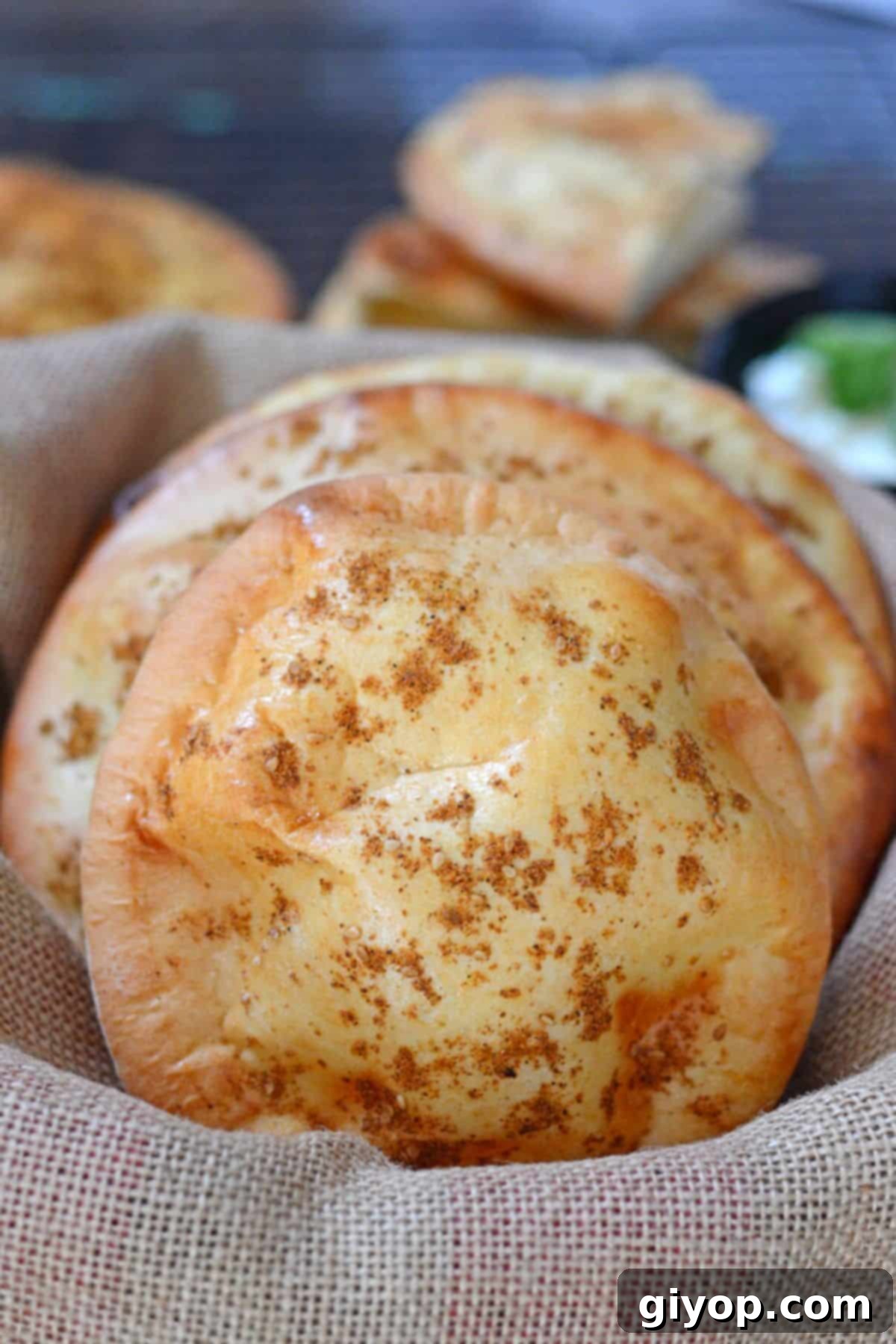
Step into the heart of Emirati culinary tradition with homemade Khameer, a truly exquisite and time-honored bread. This soft, enriched round bread, boasting a beautiful golden top, promises a delightful experience with every tender bite. It’s more than just a bread; it’s a journey to the rich heritage and warm hospitality of the United Arab Emirates.
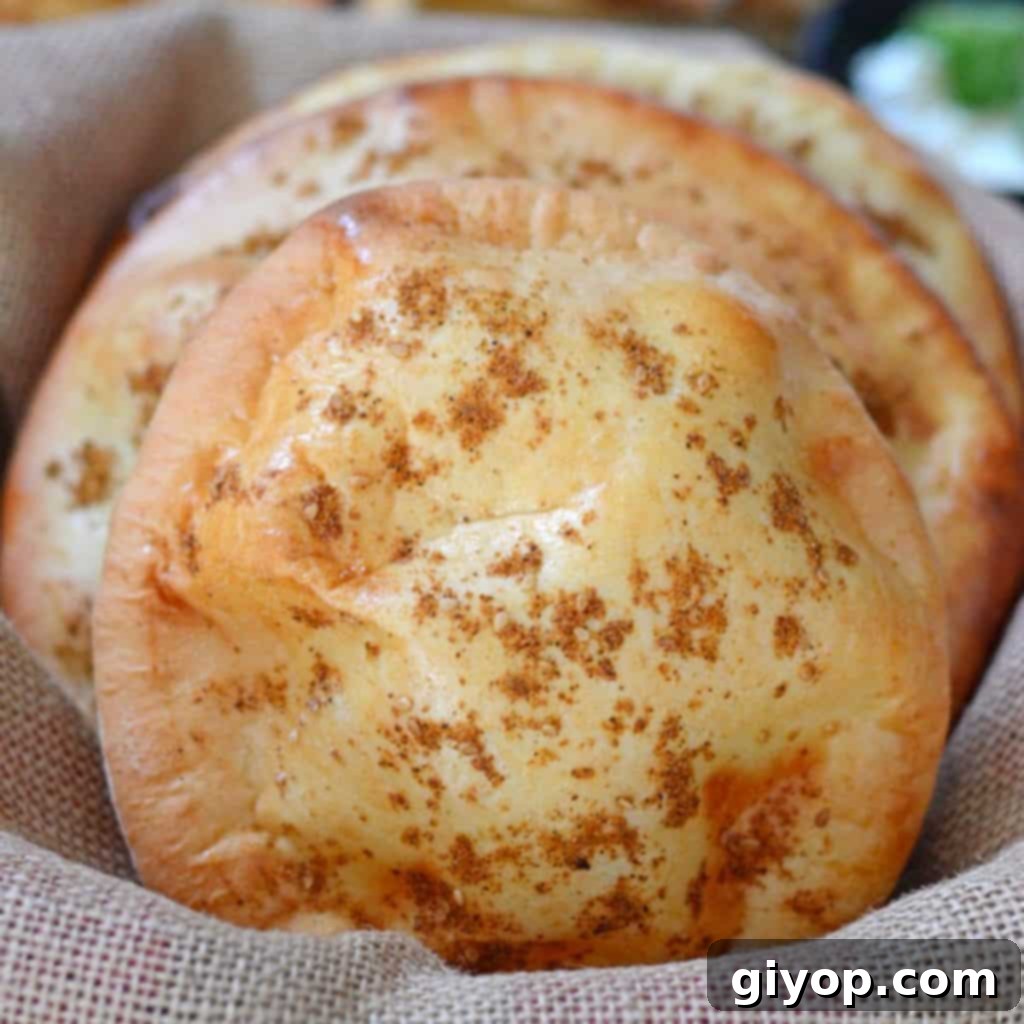
Khameer Bread: An Emirati Delicacy
Khameer bread holds a special place in the hearts of Emirati people, often evoking cherished memories of family gatherings and traditional meals. This iconic Middle Eastern flatbread, known for its unique texture and subtly sweet flavor, is a staple in Emirati households, particularly enjoyed during breakfast or alongside various savory dishes. While many online recipes might call for exotic ingredients like dates for sweetness or saffron and turmeric for vibrant color and aromatic depth, this particular version offers a simplified approach without compromising on authentic taste. It’s a recipe born from the wisdom of an Emirati friend, crafted to be accessible for busy home cooks who desire genuine flavor without the elaborate steps of soaking dates or infusing saffron threads.
The beauty of Khameer lies in its incredible versatility. Imagine tearing into a warm piece, the steam gently rising, ready to be dipped into a rich stew or filled with your favorite sweet or savory delights. This bread is not merely a side dish; it’s an experience, a connection to a culinary past that continues to thrive in modern kitchens. Its tender, slightly chewy interior and crisp, golden exterior make it an irresistible accompaniment to almost any meal. Whether you’re exploring Middle Eastern cuisine for the first time or looking to recreate beloved flavors at home, Khameer is a fantastic starting point.
A Glimpse into Khameer’s History and Traditional Preparation
Historically, Khameer bread was baked in traditional coal ovens, which imparted a distinctive smoky flavor and a perfectly crisp crust. These ancient ovens, while fascinating, are largely a thing of the past. Today, modern Emirati homes often feature small, specialized ovens designed specifically for baking such breads, ensuring convenience without sacrificing quality. For those of us in regions where such specialized equipment isn’t readily available, like the US, adapting traditional recipes to conventional home ovens is key. Rest assured, this recipe has been perfected for standard home ovens, yielding Khameer that is wonderfully chewy, satisfyingly thick, tender, and bursting with flavor.
The transition from traditional coal ovens to modern electric or gas ovens highlights the adaptability of this beloved bread. While the method may have evolved, the essence of Khameer remains—a comforting, wholesome bread that brings people together. Learning to bake it at home allows you to capture that authentic spirit and enjoy the incredible aroma that fills your kitchen. Forget the struggle of finding specialized equipment; with a little care and attention, your home oven can produce Khameer as delicious as any traditionally baked loaf.
Why You’ll Love Making Khameer at Home
Let me paint a picture to tempt you further. Perhaps you’ve just whipped up a batch of crispy falafel, or meticulously slow-cooked a traditional pot of foul medames for a classic Middle Eastern breakfast or brunch. What better companion for these flavorful dishes than a freshly baked, puffy flatbread? This isn’t just any bread; it’s the kind of bread that begs to be torn, revealing steamy pockets, perfect for dipping directly into your bowl of beans or scooping up savory sauces. Imagine the bliss of that moment, a culinary embrace that transports you to another world.
Beyond its delicious taste, making Khameer at home offers immense satisfaction. There’s a unique joy in crafting bread from scratch, controlling every ingredient, and witnessing the dough transform from simple components into a golden, aromatic masterpiece. It’s an engaging process that fills your home with an inviting aroma, making every bite feel like a true accomplishment. Plus, homemade Khameer is free from preservatives and artificial additives, offering a healthier and more wholesome alternative to store-bought options. This recipe is designed to be straightforward, making the journey into homemade bread baking an enjoyable and rewarding one for cooks of all skill levels.
How to Make Khameer: Your Guide to Homemade Emirati Bread
Welcome to the delightful world of homemade Khameer! Preparing this flavorful Emirati bread is a rewarding experience, and this simplified recipe ensures a delicious outcome every time. Follow these steps to bring the taste of the Middle East to your kitchen.
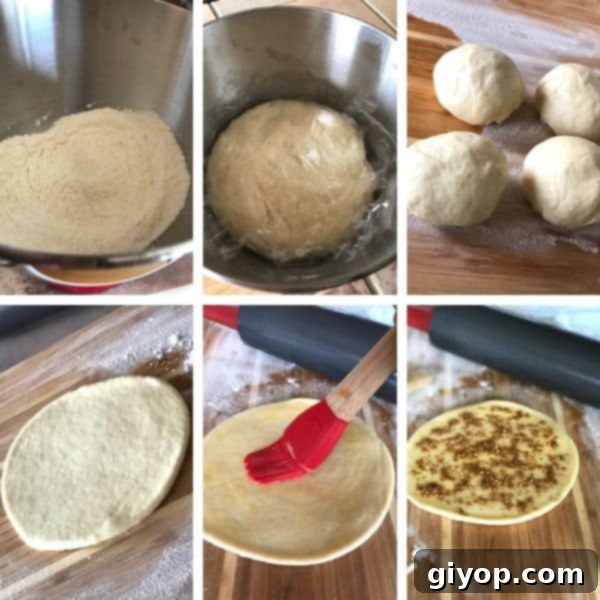
- Begin by combining the dry ingredients: flour, yeast, dry milk, salt, sugar, and baking powder in a spacious mixing bowl.
- Gradually add the oil and water, mixing thoroughly until a consistent, slightly sticky dough forms. Cover the bowl and allow the dough to rise until doubled in size.
- Once risen, gently divide the dough into four equal balls. Cover them and let them rest for an additional 10 minutes.
- Roll each dough ball into a thick, uniform circle, then brush the top generously with beaten egg.
- For a traditional touch, sprinkle the tops with Za’atar or sesame seeds before baking in a preheated, very hot oven until golden and puffed.
These summary steps provide a quick overview of the process. For detailed instructions and precise measurements, refer to the full recipe card below. Enjoy the journey of making this wonderful bread!
Creative Ways to Serve and Stuff Your Khameer
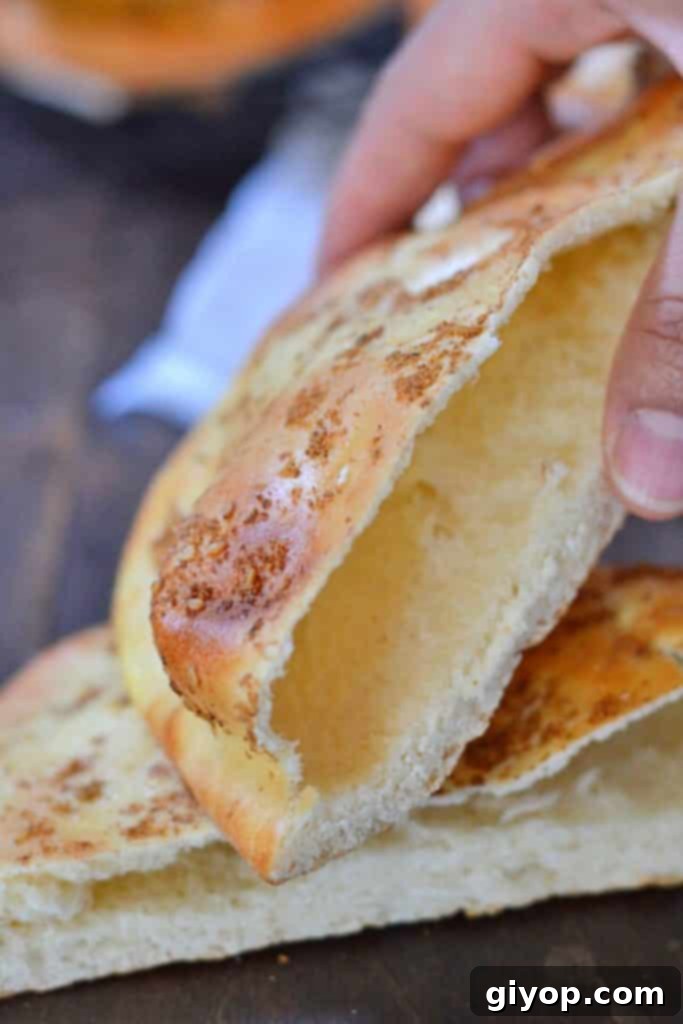
The true magic of Khameer bread lies in its versatility, making it a perfect canvas for both sweet and savory culinary creations. For those with a sweet tooth, Khameer can be stuffed with luscious cream, drizzled with golden honey, or filled with rich date paste and crunchy nuts. Consider combinations like cream cheese and honey, or a spiced date paste with walnuts or pistachios for an elevated dessert bread. A sprinkle of cinnamon or cardamom can further enhance these sweet variations.
If savory is more to your taste, Khameer transforms into an incredible pocket bread. Fill it with hearty falafel and a dollop of tahini sauce, or explore Mediterranean flavors with salty feta cheese, creamy labneh, fresh basil leaves, and briny black olives. Other savory options include grilled halloumi, scrambled eggs, a vibrant vegetable mix, or even spiced ground meat. The possibilities are truly endless, allowing you to tailor your Khameer to any meal or craving. A crucial tip: if you opt for sweet fillings, it’s best to omit the Za’atar topping, as its strong herbal and tangy notes are typically reserved for savory applications. Instead, consider a light brush of honey or a sprinkle of powdered sugar after baking for a harmonious sweet profile.
More Middle Eastern Bread Recipes and Pairings
If you’ve enjoyed making Khameer, you might be interested in exploring other delicious bread recipes from the region that complement a wide array of Middle Eastern dishes:
- **Unleavened Bread:** An incredibly easy flatbread that requires no yeast or special equipment. All you need are basic pantry staples like flour, water, olive oil, and salt to create a simple yet satisfying accompaniment.
- **Whole Wheat Pita Bread:** For a nuttier, heartier option, try this soft pita bread made from whole wheat flour. It’s fantastic for building robust falafel sandwiches, dipping into creamy hummus, or using to soak up flavorful stews and soups.
- **Manakish (Lebanese Za’atar Bread):** While not explicitly listed, this is a natural next step for fans of Khameer, featuring a similar dough topped with a rich Za’atar and olive oil mixture.
- **Aish Baladi (Egyptian Flatbread):** A rustic, slightly denser bread, often baked in traditional ovens, perfect for everyday meals.
- **Shrak Bread (Markook):** A paper-thin, large unleavened bread, often cooked on a domed saj or wok, excellent for wraps.
Each of these breads offers a unique texture and flavor profile, showcasing the incredible diversity and rich culinary heritage of the Middle East. They are perfect for expanding your baking repertoire and enhancing your enjoyment of various regional dishes.
Essential Tools for Perfect Khameer
Making bread at home is a joy, and having the right tools can make the process even smoother. While this recipe is designed to be adaptable to standard kitchen equipment, a few items can enhance your baking experience:
The following are affiliate links. As a participant in the Amazon Services LLC Associates Program, we earn fees by linking to Amazon.com and affiliated sites, at no extra cost to you.
For uniform baking and cooling, an oven-safe cooling rack is highly recommended. Look for models with heavy gauge, all-stainless steel wires to ensure durability and prevent warping under high heat. A sturdy rack allows for even air circulation around your Khameer as it cools, preventing sogginess and maintaining its perfect texture.
Share Your Culinary Creations!
We absolutely love seeing your culinary successes! If you give this Khameer bread recipe a try, please take a moment to leave a ⭐⭐⭐⭐⭐ star rating and share a photo of your finished dish. Your feedback and beautiful creations are a constant source of joy and inspiration for us. Seeing your unique take on our recipes is truly the greatest reward. Thank you for being a part of our baking community!
Don’t want to miss out on future recipes, tips, and surprises? Be sure to sign up for our FREE newsletter, delivered straight to your inbox. Stay connected and get the latest updates by following us on Facebook, Twitter, Pinterest, and Instagram. Share your photos using #amiraspantry!
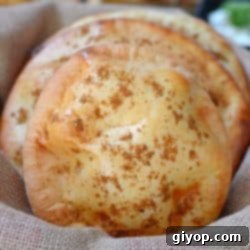
Khameer Bread
Print
Pin
Rate
Ingredients
- 2 cups bread flour.
- 2 Tablespoons dry milk.
- 2 Tablespoon sugar.
- ½ Tablespoon dry yeast.
- ½ Tablespoon baking powder.
- 1 teaspoon salt.
- 2 Tablespoons oil.
- ½ – ¾ cup warm water.
For the top: (optional)
- 1 egg.
- 2 Tablespoon Za’atar or sesame seeds.
Instructions
- Preheat your oven to 550F (290°C). Refer to Note 1 for optimal preheating.
- In a large mixer bowl, combine the bread flour, dry milk, sugar, dry yeast, baking powder, and salt. Mix these dry ingredients thoroughly with a fork.
- Add the oil to the dry mixture and begin mixing. Gradually pour in the warm water until you achieve a consistent, soft, and slightly sticky dough. Knead the dough for at least 10 minutes to develop its gluten.
- Lightly oil the mixing bowl and the dough ball. Cover the bowl tightly with plastic wrap and let it rest in a warm place until it has doubled in size. This typically takes around one hour, depending on your kitchen’s ambient temperature.
- Once risen, gently remove the dough from the bowl and divide it into 4 equal portions. Shape each portion into a smooth ball, cover them, and let them rest for another 10 minutes.
- On a lightly floured surface, roll each dough ball into a uniform circle, ensuring it is no more than ¼ inch (approximately 6mm) thick. Cover the rolled circles while you prepare the remaining ones.
- Carefully transfer a rolled Khameer circle onto an oven-safe cooling rack (or directly onto your oven rack, see Note 2). Ensure the side that was facing down on the counter is now facing upwards.
- Brush the top of the Khameer with beaten egg and generously sprinkle with sesame seeds or Za’atar, depending on your preference.
- Carefully open the oven door, keeping your face away from the intense heat. Gently pull out the middle oven rack slightly, place the cooling rack with the Khameer onto it, then push the oven rack back in and quickly close the oven door.
- Bake for approximately 2-3 minutes. The Khameer should puff up beautifully and the top should be lightly browned. Refer to Note 3 for browning tips.
- Remove the Khameer from the oven. Using a spatula, carefully transfer it off the cooling rack and allow it to cool completely before storing.
- Allow your oven 2-3 minutes to regain its high temperature between baking each Khameer loaf to ensure consistent results.
- Once the Khameer loaves are completely cooled, store them in an airtight zip-lock bag to maintain freshness.
Notes
Note 2: Baking Surface Options. If you do not have an oven-safe cooling rack, you can place the rolled Khameer directly onto your preheated oven rack. Alternatively, a preheated pizza stone or baking steel can also provide excellent results, promoting a crispy bottom.
Note 3: Achieving that Golden Top. After approximately 2 minutes, your Khameer should be beautifully puffed and ballooned. If you desire a deeper golden-brown top, you can turn on your broiler for a quick 20-30 seconds, watching it very closely to prevent burning. Alternatively, leave it in the oven for an additional minute for a natural browning.
Serving Suggestions: This versatile bread pairs wonderfully with a variety of dishes. Serve it alongside a hearty shakshuka for a delicious breakfast, or use it to scoop up the rich sauces from dishes like Moroccan meatballs. It’s also fantastic with hummus, labneh, or simply enjoyed on its own.
Please review our nutrition disclaimer policy for more information.
Nutrition
Carbohydrates: 58.6g |
Fat: 5.7g |
Saturated Fat: 1.5g |
Polyunsaturated Fat: 0.9g |
Monounsaturated Fat: 2.2g |
Cholesterol: 50.3mg |
Sodium: 798.5mg |
Potassium: 166.2mg |
Fiber: 1.9g |
Sugar: 8g