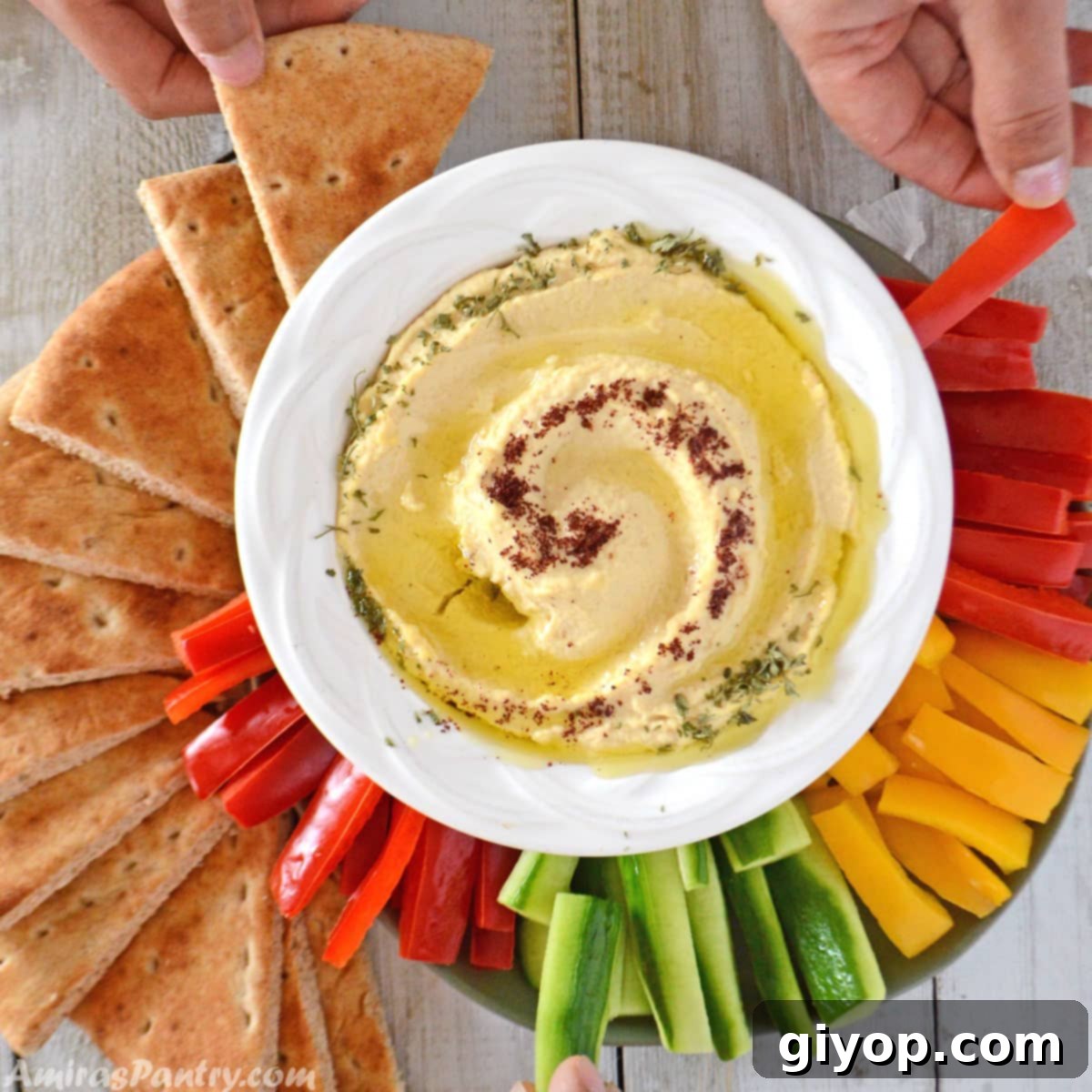
Authentic Homemade Hummus: The Ultimate Middle Eastern Recipe
Experience the rich, creamy delight of authentic homemade hummus. This classic Middle Eastern recipe is incredibly satisfying to make from scratch, offering a flavor and texture far superior to anything you’ll find in a store. Once you try this velvety smooth dip, brimming with fresh ingredients, you’ll never go back to pre-packaged varieties. While tahini is a cornerstone of this traditional recipe, we’ll also explore delicious variations to suit different dietary needs and preferences. Learn more about crafting your own tahini paste for the freshest results.
Understanding Hummus: More Than Just a Dip
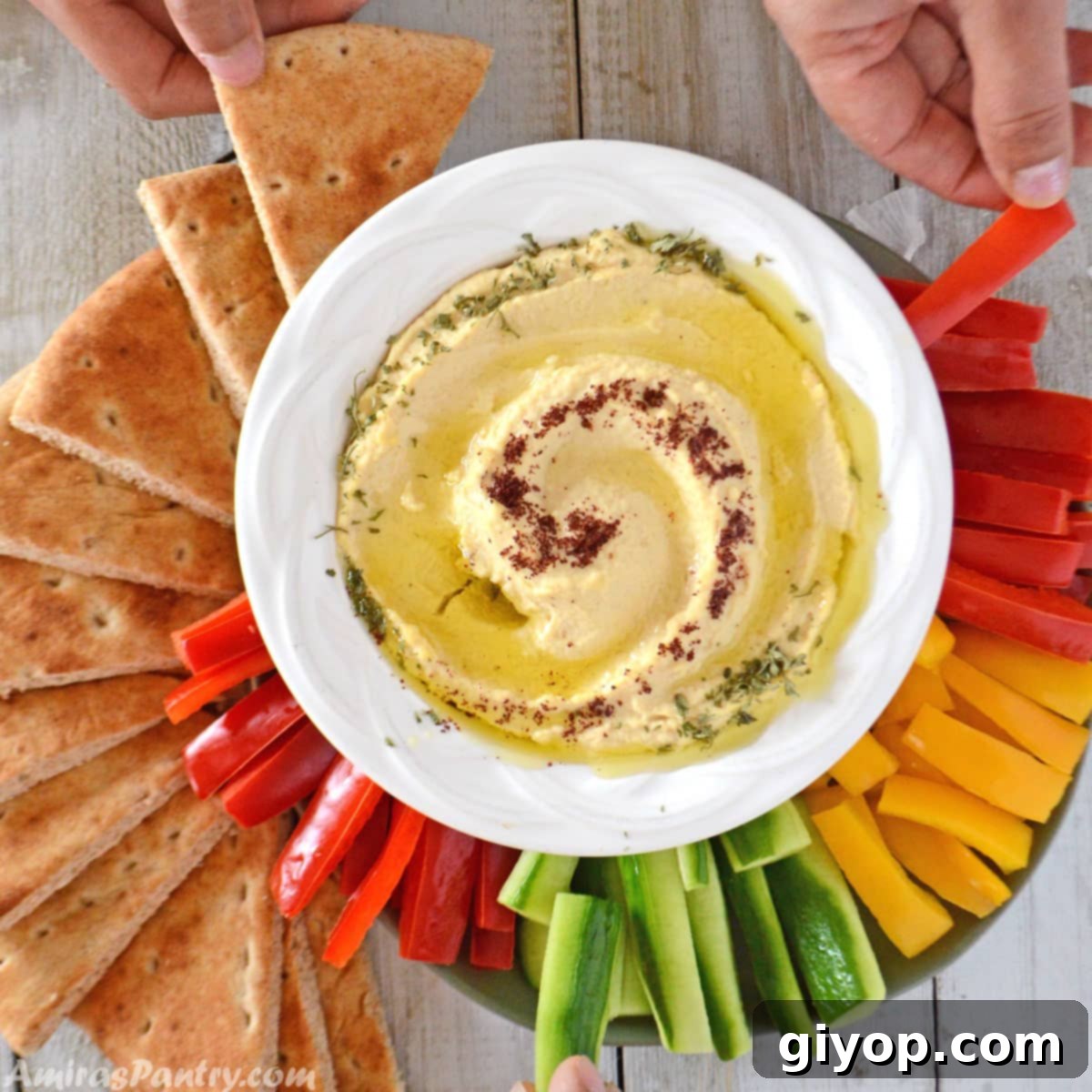
In the Middle East, hummus is often referred to as a “salad” – “salatet hummus” in Arabic – rather than simply a dip. This distinction highlights its integral role in meals, much like a substantial side dish. Hummus has gained immense popularity worldwide, becoming a staple in kitchens across the globe. For many, including myself, this specific recipe is the cherished, time-honored version passed down through generations, truly earning its reputation as the best homemade hummus recipe.
What Exactly Is Hummus?
The word “Hummus” itself means chickpeas in Arabic. When people in the Middle East refer to “Hummus salad,” they are typically talking about the creamy chickpea dip that is widely recognized. This Levantine dish is fundamentally made from mashed cooked chickpeas. The beauty of authentic Middle Eastern hummus lies in its surprising simplicity, requiring just a few core ingredients: chickpeas, tahini, olive oil, fresh garlic, and zesty lemon juice, all balanced with a touch of seasoning.
The Rich History of Hummus
The exact origins of this beloved dip are shrouded in history, with many regions laying claim to its invention. While definitive proof remains elusive, it is widely known that chickpeas, the primary ingredient, have been cultivated across the Mediterranean and Middle East for thousands of years. Historical records suggest a long culinary tradition involving chickpeas.
According to Wikipedia, a 13th-century cookbook discovered in Cairo, Egypt, described a dish strikingly similar to modern hummus. Interestingly, this ancient version omitted garlic and tahini, opting for vinegar instead of lemon juice. This historical tidbit illustrates the evolving nature of recipes and regional adaptations over centuries, leading to the diverse forms of hummus we appreciate today.
Essential Tips for Perfect Homemade Hummus
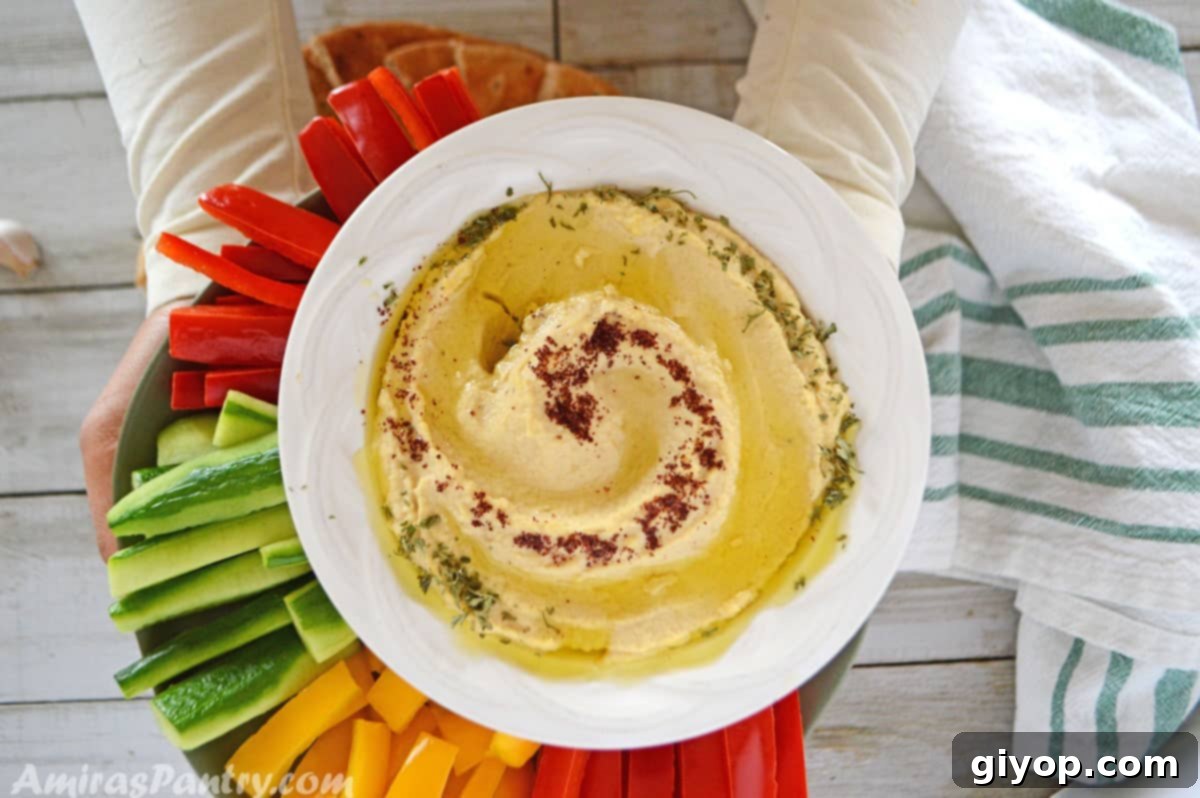
Crafting the perfect hummus involves a few key considerations that can elevate your homemade version from good to absolutely extraordinary. Here are some indispensable tips to guide you through the process:
- Dry vs. Canned Chickpeas: For the most authentic and flavorful hummus, I always recommend starting with dried chickpeas. This is the traditional method I grew up with, and the resulting depth of flavor is unparalleled. However, for those times when convenience is key, canned chickpeas are a perfectly acceptable alternative. If using canned, ensure they are thoroughly drained and rinsed, then boil them in a saucepan for about 15 minutes until they become exceptionally tender. This extra step significantly improves their texture for blending.
- The Magic of Aquafaba: Aquafaba, the liquid from cooking chickpeas (or found in canned chickpeas), is a remarkable ingredient. While some people express concerns about its gaseous properties or suitability during pregnancy, discarding it is not always necessary. In fact, aquafaba has an incredible ability to whip up much like egg whites, adding a delightful lightness and contributing to a brighter color and silkier texture in your hummus. Don’t be afraid to experiment with incorporating a little into your blend.
- To Peel or Not to Peel Chickpeas: The debate over peeling chickpeas is a passionate one! Frankly, who has the time? Historically, none of my ancestors bothered with this tedious task. However, some purists swear that peeling each chickpea yields an ultra-smooth, incredibly luxurious hummus. If you have the patience and dedication, starting with dry chickpeas and cooking them from scratch is the way to go for the smoothest possible outcome. Otherwise, a powerful food processor and proper cooking will get you close enough.
- Achieving a Whiter Hummus Color: If you’ve ever noticed that restaurant-style hummus in the Middle East often has a lighter, almost off-white hue compared to the darker beige versions found elsewhere, you’re not alone. Many strive to replicate this at home. Common techniques include blending in a tablespoon of plain yogurt, two tablespoons of buttermilk, or even a small amount of whipping cream or sour cream, sometimes with an ice cube. While I’ve experimented with these methods, I personally prefer the traditional flavor without these additions. Nevertheless, they are viable options if you desire a lighter-colored hummus.
- Tahini Substitutions for Allergies: I understand that dietary restrictions, especially allergies, can be challenging. If tahini or sesame seeds are an issue (as they are for one of my children), there are excellent alternatives. All-natural nut butters like peanut butter, almond butter, cashew butter, or even pine nut butter can be used. Ensure they are made solely from nuts with no added sugars or oils. Interestingly, some individuals allergic to sesame seeds can tolerate sesame oil; if this applies to you, it’s another option. If dealing with multiple allergies, omitting tahini altogether is also possible. While the result will lean more towards a chickpea spread, it will still be delicious and, most importantly, safe for everyone.
- My “Weird” Olive Oil Tip: Here’s a personal preference: I don’t incorporate olive oil into the hummus mixture during the initial blending process. Instead, I serve my hummus with a generous drizzle of high-quality extra virgin olive oil on top, mixing it in as I eat. There’s no scientific rationale behind this, it’s simply how I grew up enjoying hummus. Feel free to add olive oil directly into your food processor if that’s your preference; both methods yield delicious results.
Mastering Chickpea Preparation for Hummus
Perfectly cooked chickpeas are the foundation of exceptional hummus. While the process is straightforward, it does require a bit of foresight, primarily for soaking. Life can be busy, and sometimes overnight soaking slips our minds; thankfully, there’s an alternative for those spontaneous hummus cravings.
- Overnight Soak: Begin by soaking dried chickpeas overnight in cold water, ensuring they are covered by at least 2-3 inches. For every cup of dry chickpeas, stir in ¼ teaspoon of baking soda. This helps tenderize the chickpeas and reduces cooking time.
- Rinse Thoroughly: After soaking, drain and rinse the chickpeas thoroughly under cold running water to remove any residual baking soda and impurities.
- Initial Boil: Place the rinsed chickpeas in a large pot, cover them generously with cold water, and bring to a rolling boil.
- Gentle Simmer: Once boiling, reduce the heat to a gentle simmer. Cook the chickpeas for 60-90 minutes, stirring occasionally and checking for doneness. For hummus, aim for very, very tender chickpeas – they should practically melt between your fingers. Ensure the water level remains adequate throughout the cooking process, adding more hot water if necessary.
- Drain and Cool: Once tender, drain the chickpeas, reserving some of the cooking water (aquafaba) for later use. Allow them to cool completely before proceeding with your hummus recipe.
- Quick Soak Alternative: If you’re short on time and forgot to soak them overnight, you can quick-soak chickpeas for about an hour in hot water with baking soda. While not as ideal as an overnight soak, it’s a good compromise.
Make-Ahead and Storage Tips for Hummus and Chickpeas
Preparing hummus can be a multi-step process, but with a little planning, you can significantly streamline your cooking time. Here’s how to efficiently prepare and store your chickpeas and hummus:
- Freezing Cooked Chickpeas: Cooked chickpeas freeze exceptionally well. Once prepared, spread them out on a baking sheet lined with parchment paper in a single layer. Flash freeze them for about an hour until solid. Then, transfer the frozen chickpeas to a zip-top freezer bag. They can be stored in the freezer for up to a month. When you’re ready to use them, simply thaw them in the refrigerator overnight. If you plan to use them in another recipe where they will be cooked further, you can cook them slightly firmer before freezing.
- Preparing Hummus in Advance: The hummus sauce itself can also be prepared ahead of time. Store it in an airtight container in the refrigerator for up to 3-4 days. This makes it perfect for meal prepping or having a healthy snack readily available.
Homemade Hummus Recipe: Step-by-Step Guide
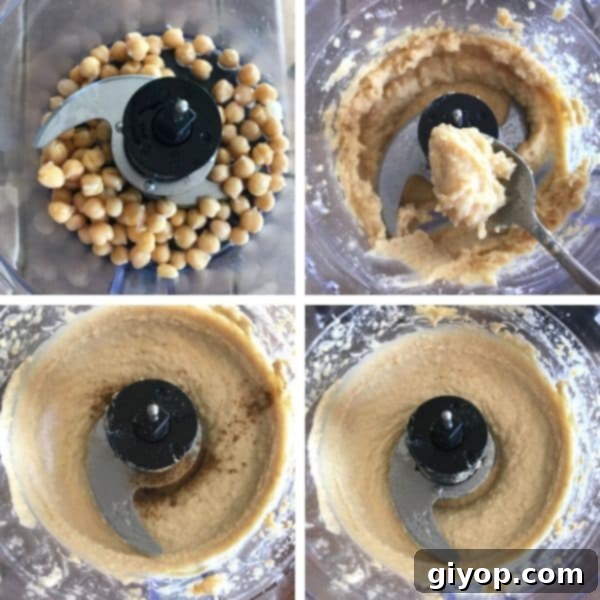
Creating this rich and creamy homemade hummus is simpler than you might think. Follow these steps for an irresistibly smooth dip:
- Initial Chickpea Blend: In your food processor, combine the perfectly cooked chickpeas with two tablespoons of the cooled cooking water (aquafaba). Pulse until the mixture begins to break down and become creamy. Stop occasionally to scrape down the sides and bottom of the bowl, ensuring all chickpeas are evenly processed for maximum smoothness.
- Add Flavor Essentials: Introduce the tahini, fresh lemon juice, and white vinegar to the food processor. Continue to process until all ingredients are thoroughly incorporated and the hummus reaches a wonderfully creamy consistency.
- Season and Refine: Add the minced garlic, cumin, and salt to taste. Blend again to fully integrate the seasonings.
- Adjust Consistency: If you prefer a thinner, silkier hummus, gradually add the remaining two tablespoons of reserved chickpea cooking water (or more, if needed) while the food processor is running, until your desired consistency is achieved.
- Final Taste Test: Taste the hummus and adjust salt or lemon juice as necessary to achieve a perfect balance of flavors.
- Serve and Enjoy: Transfer the creamy hummus to a serving bowl. Drizzle generously with a couple of tablespoons of high-quality extra virgin olive oil before serving. Enjoy immediately or chill for later!
Creative Ways to Enjoy Hummus: Serving Suggestions
The versatility of hummus knows no bounds! It’s a delightful addition to almost any meal. Beyond its traditional role as an appetizer or dip, here are numerous ways to savor this Middle Eastern delicacy:
- Classic Dip: Serve with warm pita bread, pita chips, or an array of fresh, crunchy vegetables like cucumber slices, carrot sticks, bell pepper strips, and celery.
- Sandwich Spread: Elevate your sandwiches and wraps by using hummus as a flavorful and nutritious spread. It’s particularly fantastic in falafel sandwiches or with hearty ‘foul’ (fava bean) sandwiches.
- Accompaniment to Grilled Meats: No Middle Eastern grilled meat or fish dish feels complete without a generous side of hummus. Its coolness and creaminess beautifully complement the richness of grilled kofta, beef kebab, or chicken kebabs.
- Breakfast Boost: Enjoy hummus as part of a savory breakfast. Spread it on toast, serve alongside eggs, or as a component of a Mediterranean breakfast platter.
- Salad Topping: Dollop hummus onto your favorite salads for an extra layer of flavor and protein. Thin it slightly with lemon juice and water for a creamy dressing.
- Grain Bowls: Incorporate hummus into vibrant grain bowls with roasted vegetables, lean protein, and fresh herbs for a satisfying and healthy meal.
- Stuffed Vegetables: Use hummus as a stuffing for bell peppers, zucchini, or even mushrooms before baking or grilling.
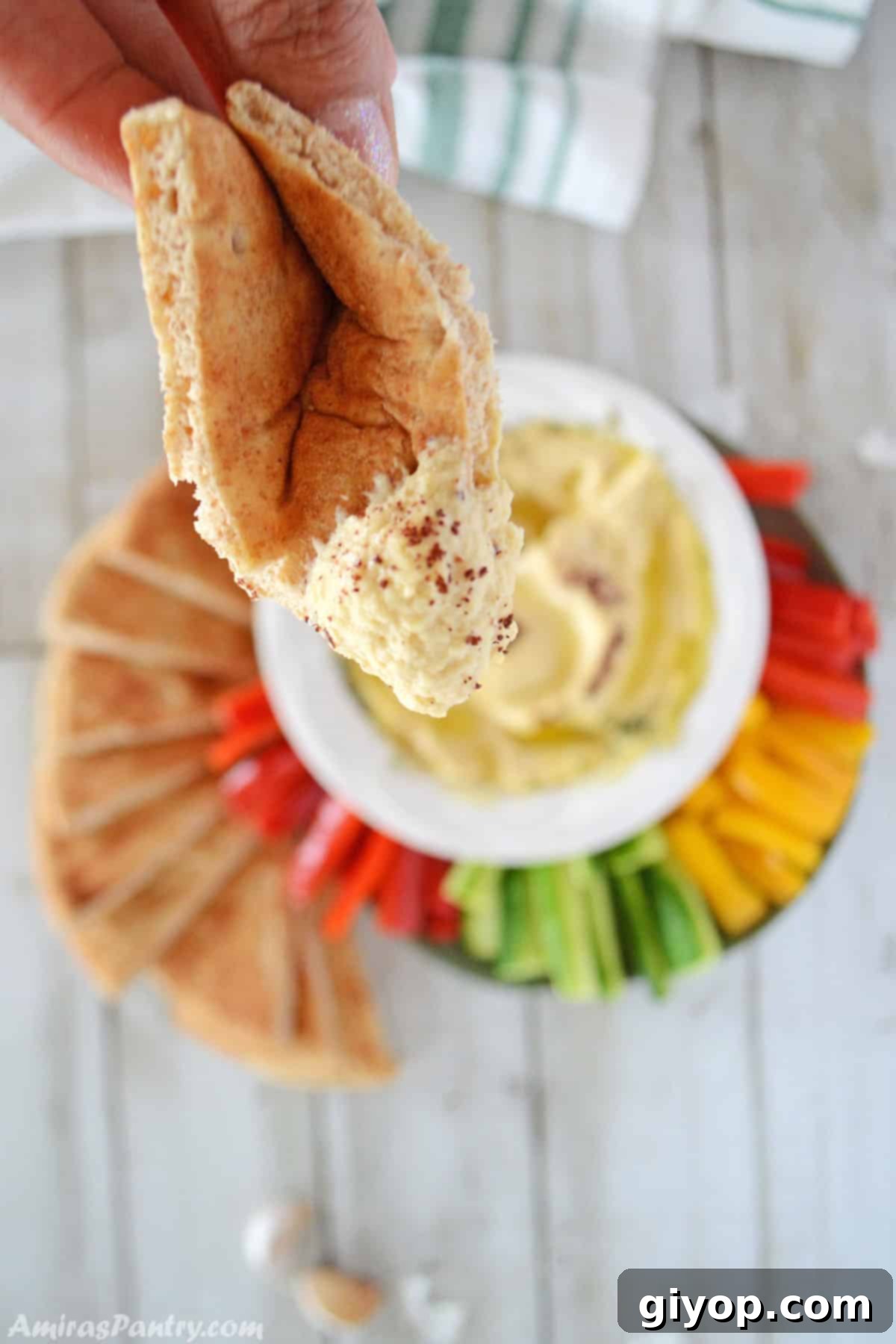
This homemade hummus is delicious and truly surpasses any store-bought variety. Personally, I find the traditional combination of fresh hummus with warm pita bread to be an unbeatable culinary experience.
Health Benefits of Hummus
Beyond its incredible flavor, hummus is also a nutritional powerhouse, offering a myriad of health benefits that make it an excellent addition to any diet:
- Rich in Protein: Chickpeas are a fantastic plant-based source of protein, essential for muscle repair and growth, making hummus a great option for vegetarians and vegans.
- High in Fiber: The high fiber content in chickpeas promotes digestive health, helps regulate blood sugar levels, and contributes to a feeling of fullness, aiding in weight management.
- Healthy Fats: Olive oil and tahini contribute healthy monounsaturated and polyunsaturated fats, which are beneficial for heart health and reducing bad cholesterol.
- Vitamins and Minerals: Hummus is packed with essential nutrients, including folate, iron, magnesium, phosphorus, zinc, and B vitamins, all crucial for overall bodily functions.
- Antioxidant Properties: Ingredients like garlic and olive oil contain powerful antioxidants that help protect the body against cell damage and inflammation.
Incorporating hummus into your diet is a delicious way to boost your intake of these vital nutrients and enjoy a wholesome, satisfying food.
Explore More Middle Eastern & Mediterranean Flavors
If you’ve fallen in love with homemade hummus, you’ll surely enjoy these other creamy, flavorful dips and spreads:
- Homemade Tahini Sauce: Craving something creamy and delicious? Try making homemade tahini sauce! With simple ingredients and just 5 minutes, you can create a healthy, perfect dip, spread, or salad dressing.
- Baba Ghanouj: Discover the smoky delight of Baba Ghanouj. Roasted eggplant mixed with tahini, lemon juice, garlic, and olive oil – perfect as a dip or spread.
- Melitzanosalata (Greek Eggplant Dip): Explore the deliciousness of Melitzanosalata with this simple recipe. This addictive Greek eggplant dip will have you spreading it on everything.
- Lemon Herb Tahini: A delightful twist on classic tahini sauce, this lemon herb tahini offers a perfect blend of tangy lemon, fresh herbs, and nutty tahini, adding a burst of flavor to any dish.
- Greek Yogurt Dill Sauce (Tzatziki): This is my go-to Greek yogurt dill sauce, perfect with gyros, stuffed grape leaves, and moussaka. Salty, garlicky, and incredibly easy to make.
- Szechuan Sauce: For a completely different flavor profile, try Szechuan Sauce, a spicy, savory, and sweet sauce originating from China, versatile as a dip, sauce, or marinade.
More Snack Recipes to Love
- Homemade Doritos: Bring the flavor of your favorite chips to your kitchen with this recipe for homemade Doritos. Snack time just got better!
- Beetroot Hummus: This Beetroot Hummus recipe is incredibly easy to make and ideal for healthy snacking, boasting a vibrant color and earthy flavors.
Authentic Hummus Recipe Card
Garbanzo bean hummus, one of the epic Middle Eastern recipes. Homemade hummus recipe from scratch always tastes better, you’ll never go back to the store bought tubs.
Rating: 5 out of 5 stars (based on 9 votes)
Course: Appetizer |
Cuisine: Mediterranean, Middle East |
Diet: Halal, Vegan
Prep Time: 10 minutes |
Cooking Chickpeas: 1 hour 30 minutes |
Total Time: 1 hour 40 minutes
Servings: 5 servings |
Author: Amira
Ingredients
For cooking the chickpeas:
- ⅔ cup dried chickpeas (or 1.5 cups of already cooked chickpeas. See Note 1)
- ¼ teaspoon baking soda
- Water to cook chickpeas
For the hummus mixture:
- ¼ cup cooking water (aquafaba), divided
- 3 Tablespoons lemon juice (See Note 2)
- 1 Tablespoon white vinegar (See Note 2)
- 3 Tablespoons tahini paste
- 2 small garlic cloves, minced
- 1 teaspoon cumin
- 2 Tablespoons extra virgin olive oil (See Note 3)
- Salt to taste
Instructions
Cook Chickpeas:
- Soak chickpeas overnight in cold water with baking soda.
- Drain chickpeas and rinse thoroughly under running cold water. Place them in a saucepan, cover with fresh cold water, and bring to a boil. Reduce heat to a simmer (if necessary, to prevent overflow) and continue to cook until very tender. This will likely take 60-90 minutes. Drain, remembering to reserve some of the cooking water (aquafaba). Set aside to cool completely.
Making the Hummus:
- In your food processor, add the cooled, cooked chickpeas and two tablespoons of the reserved cooking water. Process until creamy, stopping to scrape the sides and bottom of the bowl periodically to ensure even blending.
- Add the tahini, lemon juice, and vinegar. Pulse until well incorporated and the mixture is smooth and creamy.
- Add the minced garlic, cumin, and salt. Process again until thoroughly mixed.
- If the hummus mixture is too thick for your liking, mix in the remaining 2 tablespoons of reserved cooking water, or more, until the desired consistency is achieved.
- Taste the hummus and adjust the salt or lemon juice as needed for perfect flavor balance.
- Serve immediately, drizzled with 2 Tablespoons of extra virgin olive oil.
Video Overview
Watch this helpful video for a visual guide on making authentic hummus: Authentic recipe for hummus-new. This video demonstrates how to achieve that perfect creamy texture, ensuring you’ll never go back to store-bought tubs. It covers the entire process, from preparing garbanzo beans to the final blending, and includes tips on making your own tahini paste.
Notes
Note 1: For convenience, you can use a 15oz can of chickpeas. Drain and rinse them well, then boil for 15 minutes with a pinch of baking soda to soften them further.
Note 2: Some recipes use all vinegar, while others use all lemon juice. The proportions provided above offer a balanced taste that we find perfect.
Note 3: As mentioned in the tips section, I prefer not to add olive oil while blending. Instead, I drizzle it on top when serving and mix it in as I eat. This is a personal preference; feel free to add the oil to the hummus during the blending process if you wish.
Serve with:
Serve hummus as a refreshing dip with various fresh vegetables or with warm pita bread. For a delightful crunch, try it with Egyptian mahlab bread. Hummus also makes an excellent side dish for grilled meats such as kofta, beef kebab, or chicken kebabs.
Please check our nutrition disclaimer policy for more information.
Nutrition Information (per serving)
- Calories: 163kcal
- Carbohydrates: 13.8g
- Protein: 4g
- Fat: 11g
- Polyunsaturated Fat: 3.2g
- Monounsaturated Fat: 6g
- Sodium: 156mg
- Potassium: 133.9mg
- Fiber: 3g
- Sugar: 0.2g
- Vitamin A: 20IU
- Vitamin C: 6.1mg
- Calcium: 57mg
Tried this Recipe? Pin it for Later!
Mention @AmirasPantry or tag #AmirasPantry on social media!