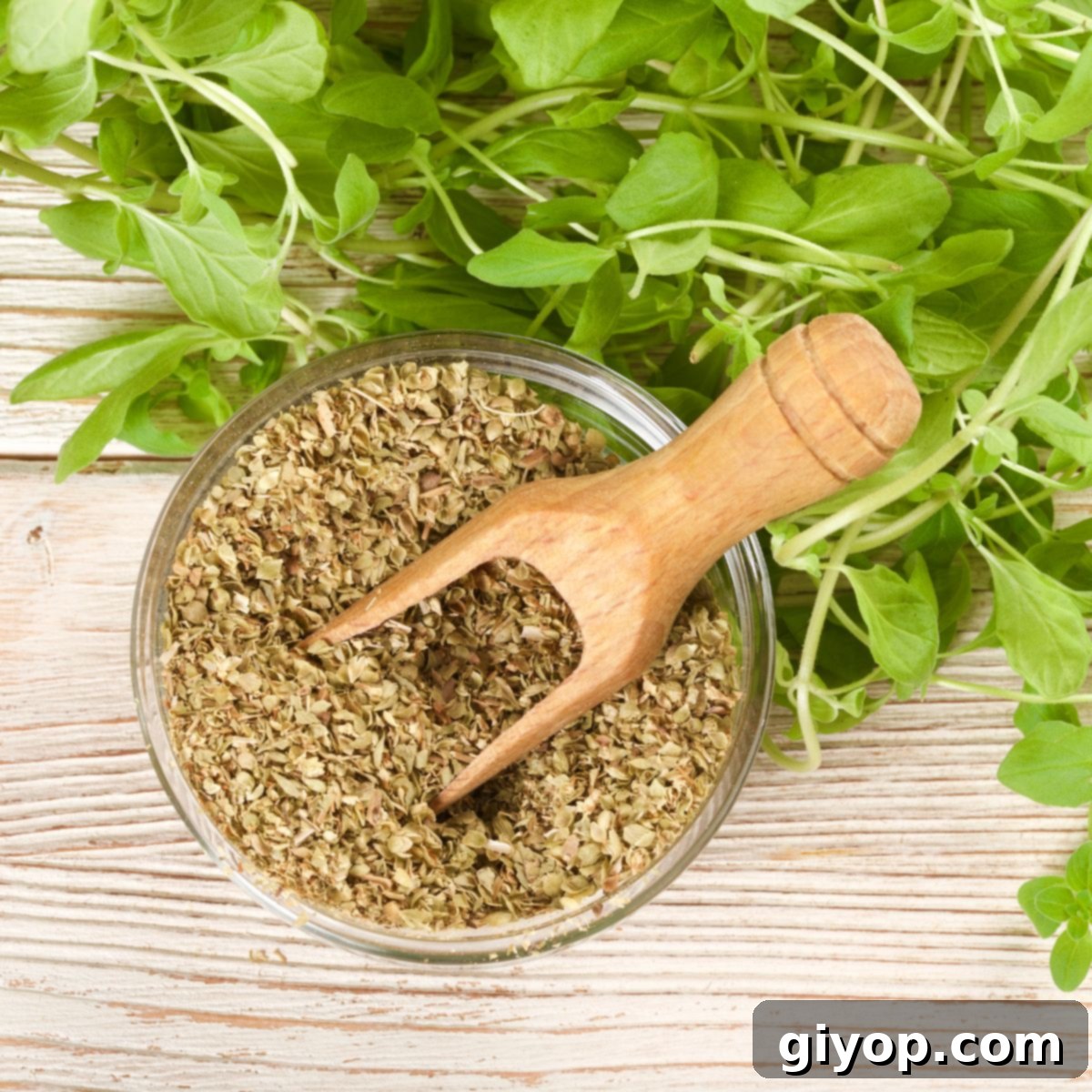
Navigating the culinary world can sometimes present a small challenge: you’re in the middle of preparing a delicious meal, and suddenly, you realize you’re out of a crucial ingredient like oregano. This aromatic herb, a cornerstone in countless global cuisines, particularly Mediterranean, Italian, and Greek dishes, is renowned for its robust, earthy, and slightly peppery flavor. It adds a depth that is hard to replicate. However, a missing ingredient doesn’t have to derail your cooking plans. Before you rush to the store, take a moment to explore your spice cabinet. You might be surprised to find several excellent oregano substitutes right at your fingertips, capable of delivering a similar flavor profile or a delightful twist that complements your dish beautifully.
Oregano’s distinctive taste is an essential component in everything from hearty pasta sauces and vibrant pizzas to savory grilled meats and fresh salads. Its versatility is part of what makes it so popular. When a recipe calls for oregano, it’s typically referring to the dried form, which concentrates its flavors. If you happen to have fresh oregano on hand, a good rule of thumb for substitution is to use three teaspoons of fresh oregano for every one teaspoon of dried oregano specified in the recipe. The fresh leaves offer a brighter, sometimes milder flavor, which intensifies as it cooks.
Although oregano possesses a very distinguishable and robust taste, contributing earthy and pungent notes to dishes, especially within Mediterranean cuisine, a variety of alternatives can step in when needed. Many of these herbs are closely related, belonging to the mint family (Lamiaceae), which means they share similar aromatic compounds and can often be swapped out, depending on the specific nuances of your recipe. The key is to understand the flavor profile of each potential substitute and how it might interact with the other ingredients in your dish. Don’t be afraid to experiment a little and taste as you go; cooking is, after all, an art of adjustment and personal preference.
Basil: The Sweet & Aromatic Cousin
As a close relative of oregano and a staple in Italian cooking, basil makes an excellent substitute due to its aromatic and slightly sweet profile. While oregano brings a more earthy and peppery punch, basil offers a fresh, vibrant, and subtly sweet flavor with hints of anise or mint, depending on the variety. It’s an indispensable herb in dishes featuring tomatoes, olive oil, and garlic, making it perfect for pasta sauces, pizzas, bruschetta, and Caprese salads. Don’t underestimate the impact of basil; its bright flavor can lift and enhance many tomato-based dishes, adding a layer of freshness that complements the richness of other ingredients. You can use fresh basil, tearing or chopping the leaves for maximum aroma, or its dried form. When substituting, start with an equal amount of dried basil for dried oregano, or triple the amount if using fresh basil leaves. Basil’s slightly softer, less aggressive character makes it a versatile choice for a harmonious blend of flavors.
Marjoram: Oregano’s Milder, Sweeter Sibling
Marjoram is perhaps the closest relative to oregano, often referred to as “sweet oregano” because of their similar appearance and flavor profiles. The fresh leaves of marjoram not only look strikingly similar to oregano but also share much of its aromatic essence, though with a distinct difference: marjoram is notably milder, sweeter, and more delicate. It lacks the strong, pungent notes sometimes found in oregano, offering a more subtle, slightly floral, and woodsy taste. This makes marjoram an excellent oregano substitution in many dishes where a less aggressive herbaceous flavor is desired. It performs wonderfully in marinades, delicate pasta sauces, poultry dishes, fish, and even roasted vegetables. Its gentle nature means it can often be used in an equal amount as oregano, or even slightly more if you desire a pronounced, yet soft, herbal presence. Marjoram integrates seamlessly, enhancing flavors without overpowering them, making it a favorite for those seeking a nuanced touch.
Thyme: The Earthy & Minty Alternative
Thyme is a light, floral herb that can effectively be used in place of oregano in a variety of culinary applications, particularly in dips, marinades, meat dishes, and stews. While it shares oregano’s earthy undertones, thyme introduces a distinct flavor profile that is often described as savory, minty, slightly citrusy, and woody. Its aroma is powerful and evocative, often associated with classic French and Mediterranean cooking. Because thyme has a strong flavor, it’s advisable to use it sparingly, especially when using the dried form. Start with half the amount of oregano called for in your recipe and gradually add more to achieve your desired taste. Both dried and fresh forms of thyme are excellent. Fresh thyme sprigs can be added to dishes during cooking and removed before serving, while dried thyme works well when incorporated into spice rubs or sauces that simmer for a longer duration. Thyme’s versatility makes it a fantastic stand-in, especially for dishes that benefit from its robust, yet refined, herbaceous character.
Rosemary: The Pungent & Piney Choice
Like oregano, rosemary boasts a robust, easily distinguished flavor that can powerfully impact a dish. However, its flavor profile is quite different, characterized by strong piney, woody, peppery, and often citrusy notes. Its potent aroma can transport you to the Mediterranean countryside. Rosemary excels as a substitute in hearty dishes where its intense flavor can stand up to other ingredients, such as roasted lamb, beef, potatoes, savory stews, and rich marinades. It’s particularly fantastic when paired with roasted root vegetables or incorporated into bread. Due to its intensity, rosemary should be used with caution, especially in its dried form, which concentrates its flavors. When substituting, start with a smaller quantity than you would use for oregano—perhaps half or even a third—and taste carefully before adding more. The strong, resinous quality of rosemary might not be suitable for every dish that calls for oregano, but for those robust preparations, it offers a distinct and memorable alternative that adds significant depth and character.
Italian Seasoning: The Convenient Blend
For many recipes, particularly those inspired by Italian cuisine, Italian seasoning is not just a good substitute for oregano—it’s often a perfect one. This blend typically combines oregano with several other essential Mediterranean herbs such as basil, thyme, rosemary, and sometimes marjoram or sage. This synergistic mixture offers a well-balanced combination of herbaceous flavors in a single jar, capturing the essence of Mediterranean cooking. When your recipe specifically calls for the strong, herbaceous notes that oregano provides, particularly in dishes like pasta sauces, pizzas, minestrone, or grilled chicken and vegetables, Italian seasoning delivers a comprehensive flavor profile. You can generally use an equal amount of Italian seasoning in your recipe instead of oregano, tasting as needed to ensure the balance is right for your palate. This blend offers the convenience of several herbs in a single, harmonious mixture, adding significant depth and complexity. Its adaptability makes Italian seasoning a popular choice for home cooks looking to infuse their food with a deep, well-rounded, and authentic Mediterranean flavor profile without needing to stock multiple individual herbs.
Sage: The Savory & Earthy Surprise
Sage might seem like an unconventional choice, but it can be a surprisingly good alternative to oregano due to its distinct savory, earthy, and slightly peppery flavor. Sage has a robust aroma with hints of pine, citrus, and even eucalyptus, offering a unique twist to dishes that typically call for oregano. It works exceptionally well with rich and hearty meals, making it a fantastic substitute in poultry stuffings, roasted chicken, pork, and other robust winter dishes. The warm, slightly bitter, and aromatic notes of sage can provide a profound depth and a comforting complexity to your recipes when oregano is unavailable. While its flavor profile is different from oregano, sage shares a similar ability to impart a strong, grounding herbaceous quality. When using sage as a substitute, especially dried ground sage, start with a smaller amount, perhaps half of what the recipe calls for oregano, and adjust to taste. Its unique character ensures your dish will still be flavorful and satisfying, even with an unexpected herbal swap.
Parsley: The Fresh & Bright Garnish
Parsley, with its fresh, clean, and subtly peppery flavor, is one of the most common herbs used in many dishes, often serving as both a flavor enhancer and a vibrant garnish. While it doesn’t possess the same robust, earthy, or pungent notes as oregano, it can still contribute a fresh, herbaceous quality that can somewhat fill the void left by missing oregano, particularly in dishes where you need a ‘green’ note. Parsley is excellent in fresh salads like tabouleh, incorporated into dressings, or added towards the end of cooking in soups, stews, and sauces to maintain its bright flavor and color. There are two main varieties: curly parsley, which is milder and primarily used for garnishing, and flat-leaf (Italian) parsley, which has a more pronounced, earthy flavor. You can use either fresh or dried parsley, though fresh parsley is far more impactful in terms of flavor and aroma. When using parsley as an oregano substitute, you might need to use a more generous amount, especially if using fresh, to achieve a noticeable herbal presence. Keep in mind that parsley won’t replicate oregano’s strong, dominant character, but it will provide a pleasant, fresh herbaceousness that can still elevate your dish.
💬 FAQs About Oregano and Its Substitutes
Oregano has a distinctive and robust flavor profile that is both earthy and pungent. Many describe it as having peppery, slightly bitter, and even a hint of minty notes. Its aroma is warm and aromatic. Because of its intensity, a little oregano can go a long way, adding tremendous depth of flavor to a wide range of dishes. It’s a key ingredient in many Mediterranean and Italian cuisines, lending its characteristic taste to savory meat dishes, vibrant salad dressings, flavorful tomato sauces, and classic garlic bread.
Marjoram is the herb with a distinctly milder and sweeter flavor profile that is closely related to oregano. Both marjoram and oregano belong to the Lamiaceae (mint) family of plants and share comparable aromatic compounds. However, marjoram is often described as tasting sweeter, more delicate, and slightly floral, while oregano is typically more potent, pungent, and aromatic. Because of its gentler flavor, marjoram makes a superb alternative to oregano when you want to infuse your food with a hint of herbaceous flavor without it being overpowering. It integrates beautifully into a variety of recipes, including stews, meat dishes, poultry, soups, and sauces, offering a subtle elegance that oregano’s boldness might overshadow.
While both mint and oregano are members of the same botanical family (Lamiaceae), they are distinct herbs with vastly different flavor profiles, making mint generally unsuitable as a direct substitute for oregano. The earthy, savory, and slightly bittersweet flavor of oregano is fundamentally different from the fresh, cool, invigorating, and often sweet taste of mint. Substituting mint for oregano would drastically alter the intended flavor of your meal, introducing a cooling sensation that rarely complements the savory and robust characteristics typically sought with oregano. It is strongly advised against using mint as an oregano substitute, as it would lead to a very different culinary outcome.
🌿 Recipes Featuring Oregano
- Discover a delightful weeknight meal with Oregano Chicken, featuring tender boneless chicken infused with lemon and a blend of delicious spices.
- These incredibly easy and kid-friendly Meatloaf Cupcakes are a fantastic dinner idea that also freeze exceptionally well for future meals!
- For another family-favorite chicken dish, try this simple and comforting Oven-Baked Chicken Cacciatore recipe.
- Whip up Garlic Bread in the Air Fryer – a quick and easy 5-minute appetizer or side dish that’s perfect for any meal or party.
📣 Related Culinary Guides
- If your recipe calls for nutmeg and you find yourself without, keep this comprehensive Nutmeg Substitute guide handy in your kitchen for perfect solutions.
- Learn my best advice on How to Store Eggplant to keep it fresh and ready for your culinary creations.
- A homemade Cream of Chicken Soup substitute offers an excellent and healthier alternative to the condensed, store-bought versions.
- Craving a crispy coating but out of breadcrumbs? Head over to our guide for creative Bread Crumb Substitutes, from nuts and seeds to crushed cereals. There’s a perfect alternative for any recipe!
Don’t let the absence of oregano halt your cooking adventure. With a well-stocked pantry and a little creativity, you can effortlessly find an alternative that will bring delicious depth and flavor to your dishes. Experiment with these substitutes to discover new favorite flavor combinations and expand your culinary repertoire!