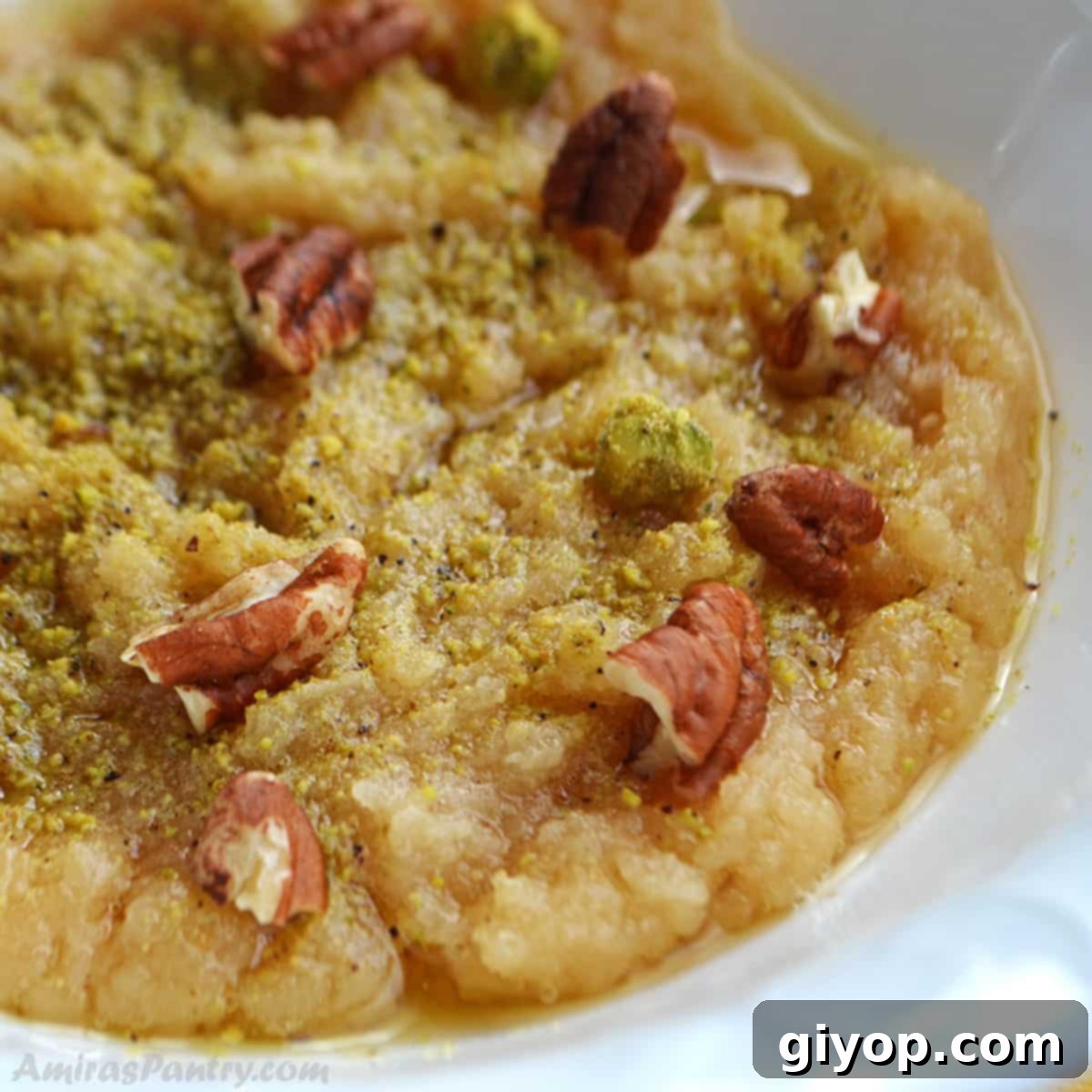
Welcome to the enchanting world of Middle Eastern sweets, where simple ingredients transform into extraordinary delights. Today, we invite you to discover a true culinary gem: Turkish Wheat Halva. Known affectionately in Egypt as “Sad El Hanak,” meaning “palate-pleaser,” this dessert is more than just a treat; it’s a centuries-old tradition, deeply woven into the fabric of regional culture and celebrations. Forget complex recipes and exotic components; this comforting halva stands out for its incredible simplicity, requiring just four basic ingredients you likely already have in your pantry.
Unlike its more widely recognized cousin, the tahini halva, which is dense and crumbly, wheat halva offers a uniquely creamy, smooth, and deeply satisfying texture. It’s a humble yet profoundly flavorful dish that has graced tables across the Middle East for generations, carrying with it the warmth of home and the echoes of ancient kitchens.
What is Turkish Wheat Halva? A Journey Through Flavor
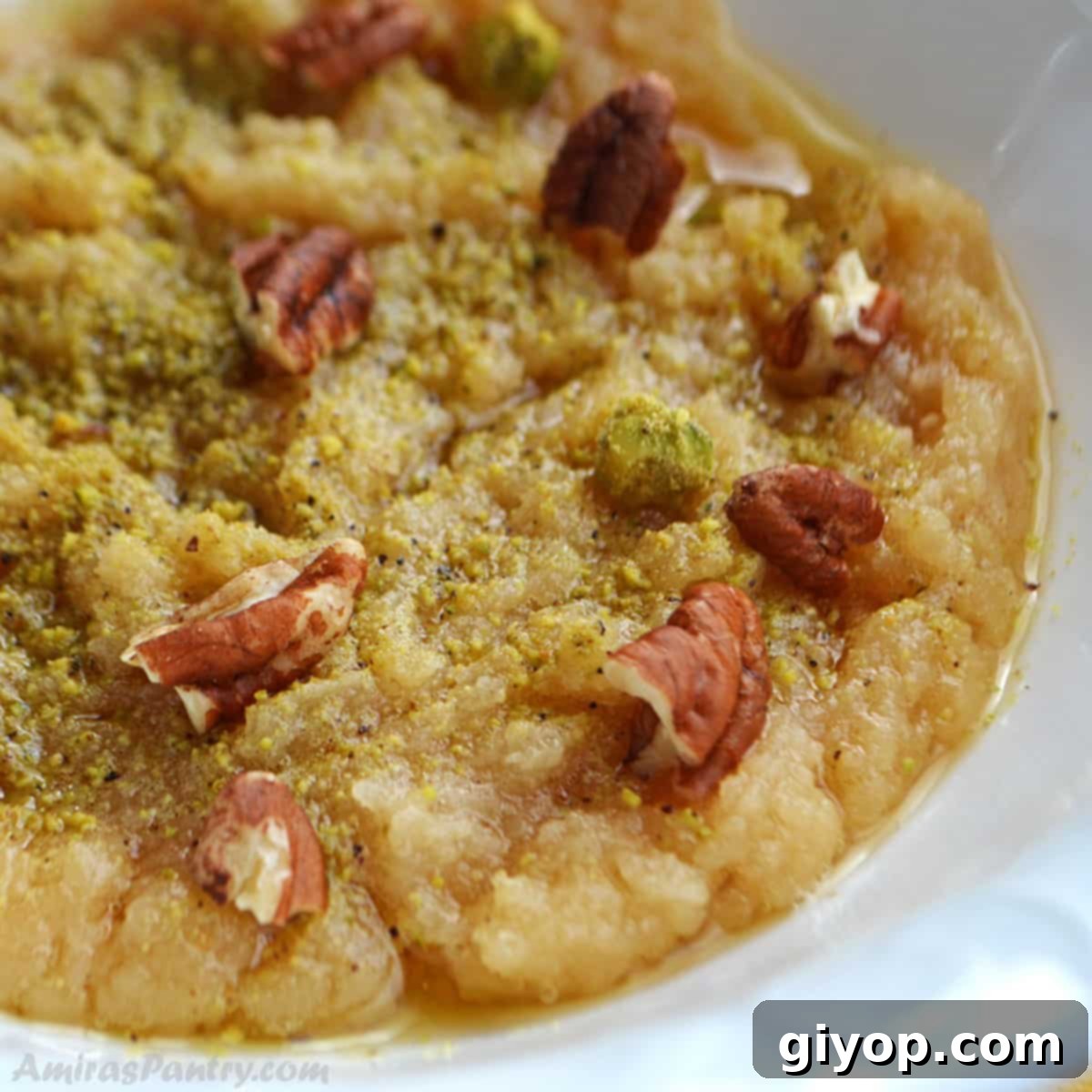
Turkish Wheat Halva, or un halvası as it’s known in Turkey, is a classic dessert that embodies comfort and tradition. At its core, it’s a simple preparation of flour toasted in butter or ghee, then slowly cooked with a sweet liquid until it thickens into a luxurious, melt-in-your-mouth paste. This isn’t just a dessert; it’s a cultural cornerstone, often served at funerals, celebrations, or simply as a heartwarming treat on a chilly evening. Its widespread popularity extends beyond Turkey, reaching countries like Egypt, where it holds a special place under the name “Sad El Hanak,” signifying its ability to bring immense joy with every spoonful.
The beauty of this halva lies in its rustic charm and profound flavor, which develops from the careful toasting of the flour. This process gives it a nutty, earthy depth that pairs perfectly with the sweetness, creating a balanced and addictive taste profile. It’s a stark contrast to other halva types, offering a unique textural experience that is both smooth and slightly chewy, incredibly rich yet surprisingly light on the palate.
A Glimpse into History: The Enduring Legacy of Halva
The history of halva is as rich and complex as its flavor. The word “halva” itself originates from the Arabic word “halwa,” meaning “sweet confection.” This term encompasses a broad category of dense, sweet desserts popular across the Middle East, Central Asia, South Asia, and the Balkans. While specific forms of halva may vary, the basic principle—a sweet, flour-based or nut-based confection—remains consistent.
Wheat halva, in particular, is believed to be one of the oldest forms of halva. Its simplicity in ingredients suggests an ancient origin, possibly predating more elaborate sweets. It’s the kind of recipe that has been passed down through generations, from great-grandmothers to grandmothers, representing a timeless connection to culinary heritage. The fact that many older generations remember it fondly speaks volumes about its enduring appeal and its role in family traditions. It’s a dessert that evokes nostalgia, reminding people of simpler times and the comforting flavors of childhood.
The Simple Magic: Key Ingredients for Authentic Wheat Halva
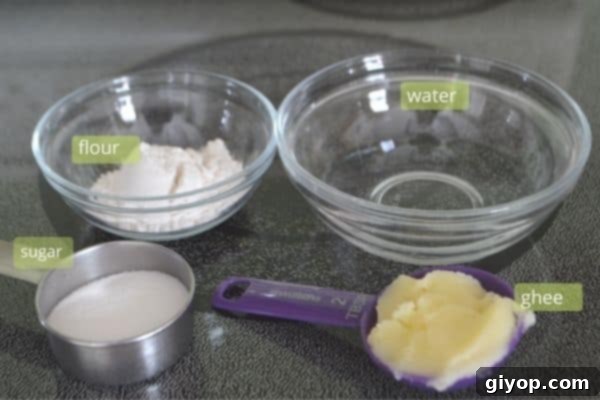
One of the most appealing aspects of Turkish Wheat Halva is its short and accessible ingredient list. You’ll only need four primary items to create this delightful treat, plus a few optional additions for an extra layer of flavor and texture. This makes it an ideal dessert for impromptu cravings or when you want something homemade without a trip to the specialty store.
Choosing Your Flour
The base of this halva is flour, and while all-purpose flour is the most common choice, there’s room for variation. All-purpose flour yields a smoother, lighter texture, which is preferred in many Egyptian versions of “Sad El Hanak.” However, some traditional recipes, particularly in other parts of Turkey and the Middle East, call for semolina or even whole wheat flour. Semolina will give the halva a slightly coarser, granular texture, adding a pleasant chewiness. Whole wheat flour, on the other hand, imparts a deeper, nuttier flavor and a denser consistency, making the halva more robust and rustic. Experimenting with different flours can help you discover your preferred texture and flavor profile.
The Role of Ghee: Flavor and Tradition
Ghee, or clarified butter, is a non-negotiable ingredient for truly authentic wheat halva. While you can certainly use regular butter, ghee offers a superior flavor and aroma that is deeply traditional to Middle Eastern and Egyptian kitchens. Ghee is pure butterfat, meaning it has a higher smoke point than butter, allowing the flour to toast beautifully without burning. More importantly, its rich, nutty, and slightly caramelized flavor permeates the halva, providing an unparalleled depth that regular butter simply cannot replicate. It’s the secret ingredient that transforms a simple flour and sugar mixture into a heavenly dessert.
Sweetness and Liquid Base
Sugar provides the essential sweetness, and its quantity can be adjusted to your personal preference. The liquid base—water or milk—plays a crucial role in dissolving the sugar and hydrating the toasted flour, creating the desired smooth and creamy consistency. Using milk will result in a richer, creamier halva, while water yields a slightly lighter, more traditional texture. For best results, warming the liquid gently before adding the sugar helps it dissolve quickly and ensures a smoother final product.
Optional Enhancements: Nuts and Aromatics
Toasted nuts, such as pistachios, walnuts, or almonds, or even sesame seeds, are wonderful optional additions. They provide a delightful crunch and an extra layer of flavor that complements the soft halva beautifully. They can be stirred into the halva mixture during cooking or used as a garnish. Furthermore, the liquid base can be infused with aromatic essences. A splash of cinnamon, a pinch of cardamom, or a few drops of orange blossom water or rose water can elevate the halva, adding a fragrant dimension that is characteristic of Middle Eastern sweets.
Step-by-Step Preparation: Crafting Your Own Turkish Wheat Halva
Making this halva is surprisingly straightforward, a testament to its ancient origins and enduring appeal. The key is patience during the flour-toasting stage, as this is where much of the flavor develops.
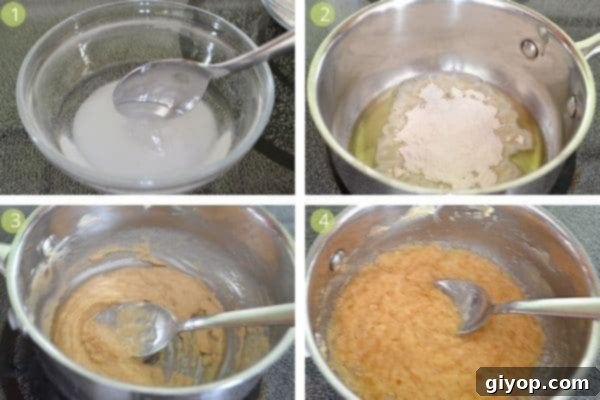
- Prepare the Sweet Liquid: In a bowl, combine your sugar with water or milk. Whisk thoroughly until the sugar is completely dissolved. If you’re using milk, gently warm it first to facilitate sugar dissolution. This is also the stage to add any desired flavorings like cinnamon, cardamom, orange blossom water, or rose water.
- Toast the Flour in Ghee: In a small saucepan, melt the ghee over medium heat. Once shimmering, add your choice of nuts or sesame seeds, if using, and toast them lightly for a minute or two until fragrant. Then, add the all-purpose flour (or semolina/whole wheat flour).
- Develop the Flavor: Stir the flour continuously with a whisk or wooden spoon. This is the most crucial step. You want the flour to cook evenly and turn a beautiful golden-brown color. This process, known as “browning the roux,” takes about 8-12 minutes and develops a rich, nutty flavor that defines the halva. Be careful not to burn it; a consistent, medium heat is essential.
- Combine and Thicken: Once the flour is perfectly golden, gradually pour the sugar mixture into the saucepan while continuously whisking. The mixture will initially look lumpy and might seize up, but keep whisking vigorously. The heat will cause the mixture to thicken and smooth out rapidly, forming a soft, cohesive paste. Continue whisking until the halva pulls away from the sides of the pan and reaches your desired smooth consistency.
- Serve and Garnish: Remove from heat. Scoop the warm halva into individual bowls, or press it into a mold to create a decorative shape. Garnish with additional crushed nuts or sesame seeds for an appealing presentation and added texture. Enjoy warm or at room temperature.
Essential Tips for Perfect Halva and Creative Variations
Achieving the perfect Turkish Wheat Halva is simple, but a few pointers can elevate your experience:
- Flour Choice Matters: As mentioned, Egyptians traditionally favor all-purpose flour for a smoother halva. Many other nationalities, however, opt for whole wheat flour for a denser, more wholesome texture or semolina for a slightly granular bite. Feel free to experiment to find your personal preference.
- Ghee for Authenticity: While butter can be used, ghee is truly transformative. Its clarified nature and rich, nutty flavor are foundational to the authentic taste of Middle Eastern wheat halva. It adds a depth that butter simply can’t match.
- Flavor Infusion: Don’t hesitate to personalize your halva with aromatics. Cinnamon and cardamom are warm, inviting spices. For a floral note, a few drops of orange blossom water or rose water stirred into the liquid can create an exquisite fragrance.
- Temperature of Liquid: Always dissolve sugar in slightly warmed water or milk. This prevents sugar from recrystallizing and ensures a smooth syrup that incorporates easily into the flour, avoiding a gritty texture.
- Low-Carb Alternatives: For those seeking a healthier or diet-friendly option, this recipe is surprisingly adaptable. Substitute all-purpose flour with almond flour for a gluten-free and lower-carb version. Use a sugar substitute instead of regular sugar, and opt for your preferred plant-based milk (almond, coconut, or soy milk) as the liquid base. The results are surprisingly delicious!
- Don’t Rush the Toasting: The browning of the flour is critical. It should be a slow, steady process over medium heat. Rushing it can lead to burnt spots or underdeveloped flavor. Aim for a rich, even golden-brown.
- Whisk Vigorously: When adding the liquid, whisk continuously and confidently. This prevents lumps and ensures a silky-smooth halva.
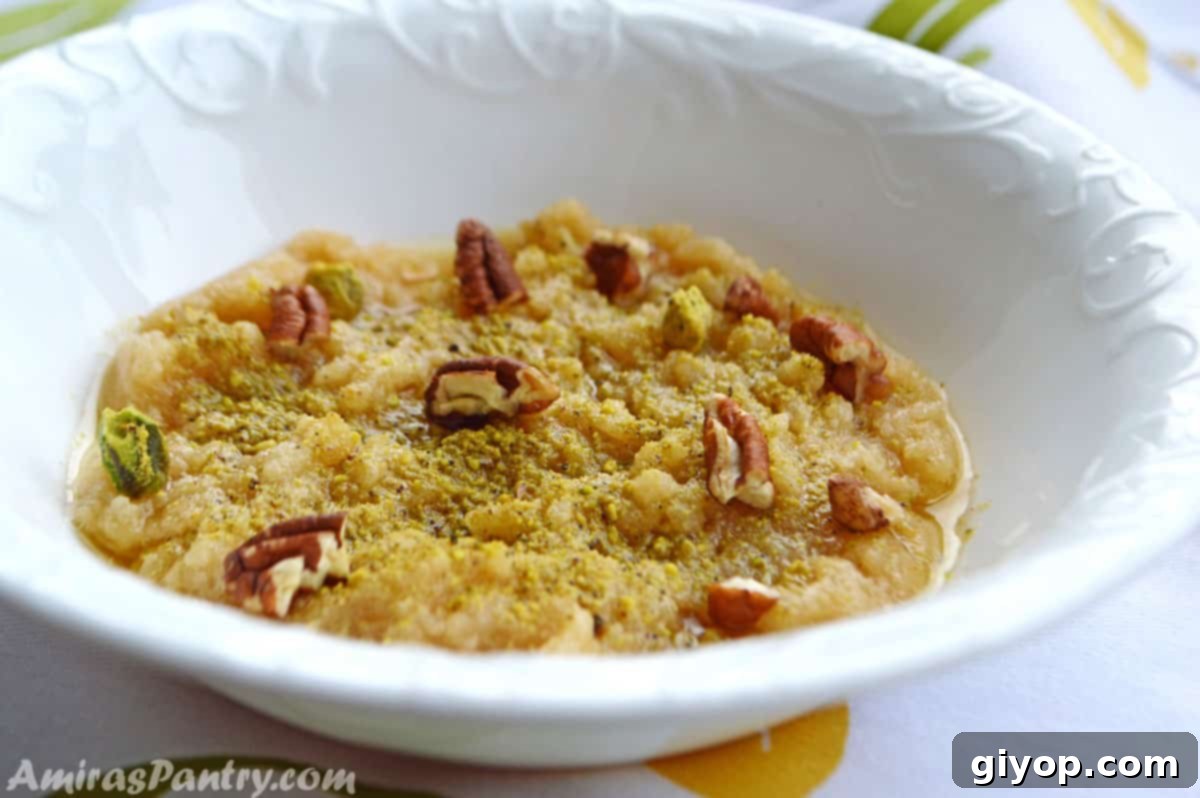
Why You’ll Fall in Love with This Easy Dessert
Imagine a dessert that comes together in minutes, using ingredients you already have, yet delivers an unbelievably rich, comforting, and buttery flavor. That’s the magic of Turkish Wheat Halva. The ghee lends a heavenly, smooth, and deeply satisfying taste, complemented by just the right amount of sweetness, adjustable to your preference. Its texture is pure comfort – soft, yielding, and meltingly smooth. This isn’t just a dessert; it’s an experience. It’s a perfect dish to introduce friends and family to the delights of Middle Eastern cuisine, or simply to indulge in a quick, homemade treat. It’s an ode to simplicity, proving that the most delicious things in life often require the fewest ingredients.
More Middle Eastern & Turkish Inspired Delights
The culinary traditions of Turkey and the broader Middle East are vast and incredibly diverse, offering a rich tapestry of flavors, textures, and aromas. If you’ve enjoyed the comforting simplicity of this wheat halva, you might also appreciate these other beloved dishes that showcase the region’s vibrant gastronomic heritage. From intricate sweets to savory main courses and refreshing beverages, there’s always something new and exciting to explore.
- Turkish Delight (Lokum)
- Chicken Shish Tawook (Taouk Skewers)
- Ayran (Turkish Yogurt Drink)
- Meatloaf Cupcakes
This dessert is a testament to the timeless appeal of traditional recipes. It’s the kind of dish that connects us to our heritage, reminding us of the culinary wisdom passed down through generations. My grandmother made it frequently, a tradition that speaks to its deep roots and cherished place in family meals. If you try this simple yet profound recipe, please consider rating it and sharing a photo of your creation. We love seeing your culinary adventures and unique interpretations!
Turkish Wheat Halva (Sad El Hanak)
A true comfort food that is very popular in Turkey and throughout the Middle East. Flour is cooked in nutty ghee then sweetened and softened with a mixture of sugar and milk, resulting in a wonderfully smooth and satisfying dessert.
Course: Dessert
Cuisine: Middle Eastern, Turkish
Servings: 2
Calories: 306 kcal
Author: Amira
Ingredients
- 2 Tablespoons ghee (Note 1)
- 4 Tablespoons sugar
- 6 Tablespoons all-purpose flour (Note 2)
- 4 Tablespoons water/milk (Note 3)
- Nuts of choice or sesame seeds (optional)
Instructions
- In a bowl, dissolve sugar in water or milk. (Note 4)
- In a small saucepan over medium heat, melt ghee. Add nuts or sesame seeds if using, and toast them lightly for a bit. Add flour.
- Stir flour until it is golden brown, usually for 8-12 minutes.
- Pour the sugar mixture over the toasted flour and keep whisking vigorously until a smooth paste forms and the halva pulls away from the sides of the pan.
- Scoop into bowls or form in any shape you like, garnish with some more nuts or sesame seeds. Serve warm or at room temperature.
Notes
Note 1: You can use butter, but ghee is more traditional to the Egyptian kitchen and provides a superior flavor and aroma.
Note 2: In some parts of the world, people also use semolina or whole wheat flour instead of all-purpose flour for a different texture.
Note 3: You might want to warm the milk or water slightly to make it easier to dissolve the sugar completely.
Note 4: You can flavor the liquid with a pinch of cinnamon, cardamom, or a few drops of orange blossom water or rose water if desired.
Please check the nutrition disclaimer policy.
Nutrition
Calories: 306kcal | Carbohydrates: 41g | Protein: 2g | Fat: 15g | Saturated Fat: 9g | Cholesterol: 38mg | Sodium: 2mg | Potassium: 24mg | Fiber: 1g | Sugar: 24g | Iron: 1mg