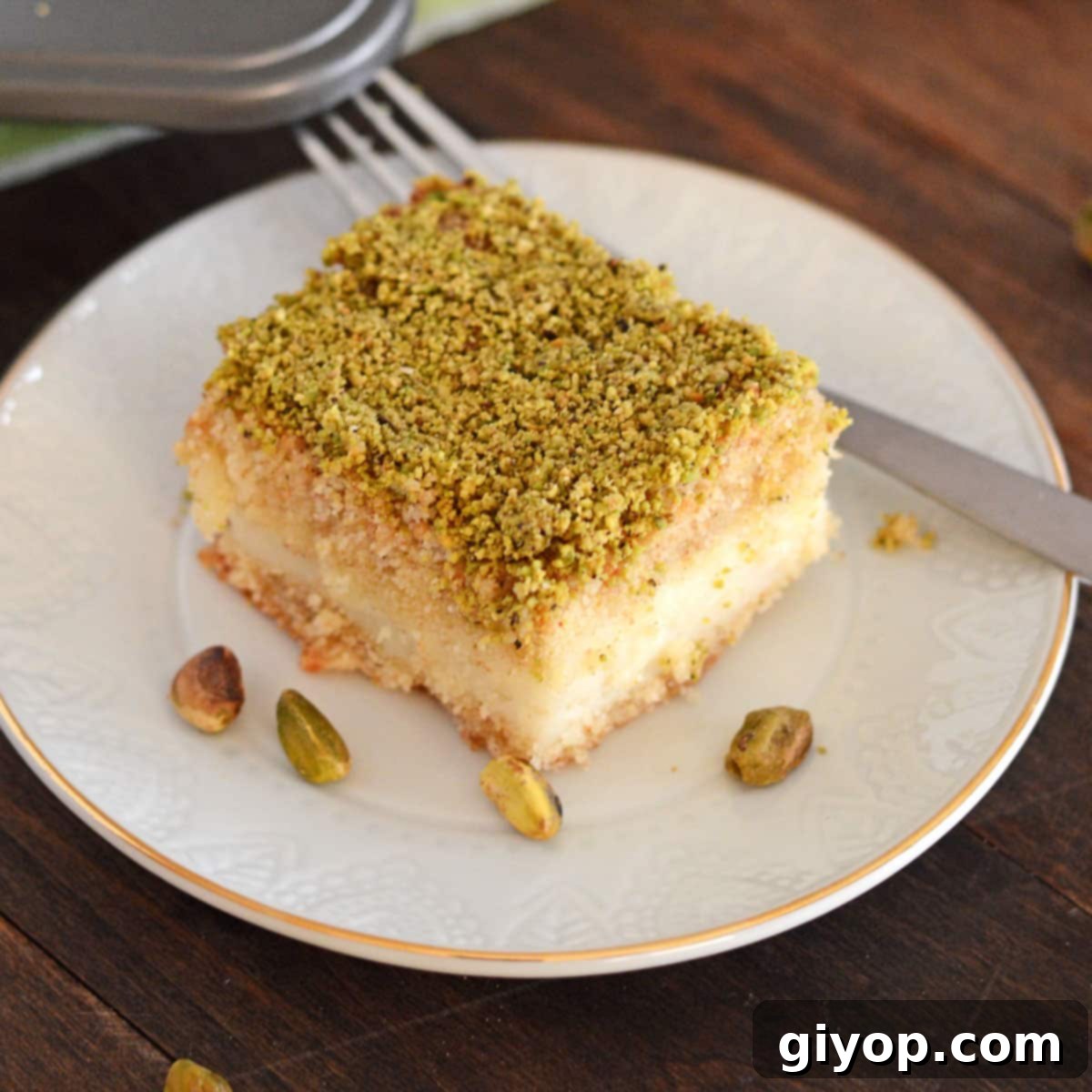
Indulge in the irresistible charm of Ma’mool Mad with Ashta, a truly exceptional Lebanese semolina dessert that captures the essence of Middle Eastern culinary artistry. These delightful semolina bars, generously filled with a rich, creamy Ashta (clotted cream) filling, offer a symphony of textures and flavors that will transport your taste buds to the heart of the Levant. Often hailed as one of the best semolina flour recipes, this traditional treat is elevated by a new, simplified Ashta recipe that promises both authenticity and ease.
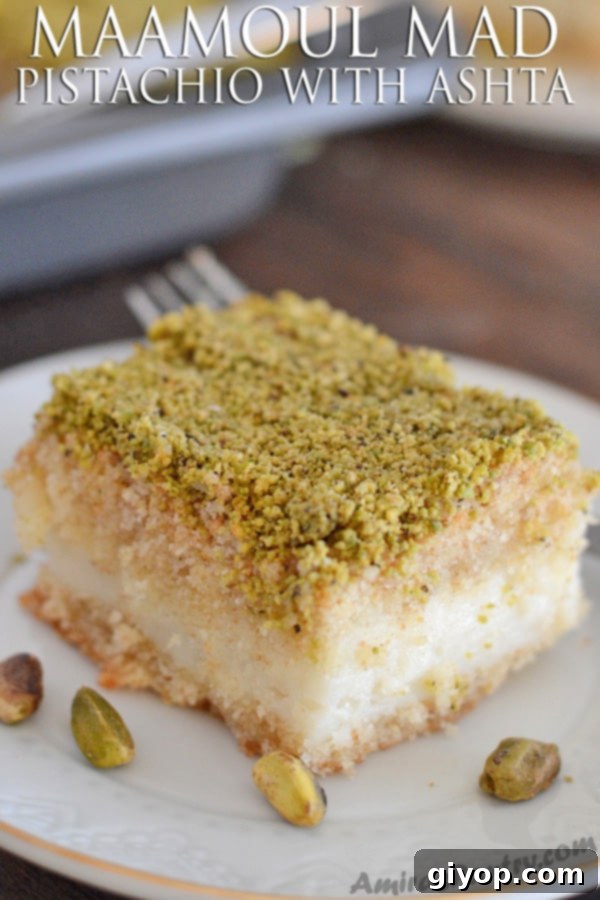
Ma’mool Mad is more than just a dessert; it’s a cherished culinary tradition, particularly prominent during the holy month of Ramadan across Lebanon and beyond. It embodies the spirit of hospitality and celebration, gracing tables during Iftar (the breaking of the fast) and Eid festivities. This dessert features an exquisite contrast: a delicate, creamy white filling nestled between two layers of buttery, slightly crunchy semolina dough. The distinct flavor profile, characterized by fragrant floral notes and a satisfying texture, makes it an unforgettable experience.
As we embark on the blessed month of Ramadan, the rhythm of life shifts, bringing with it moments of reflection, prayer, and, for many, the unique challenge of fasting. I recall vividly the initial days, often marked by the familiar pangs of caffeine withdrawal that would typically hit around 3 or 4 PM. Those hours between the late afternoon and the evening call to prayer, signaling Iftar around 8:15 PM, could often be spent in a state of quiet anticipation, perhaps even a brief repose on the couch. Though I’ve attempted to prepare for it with controlled caffeine intake in the days leading up to Ramadan, a headache often makes its presence known.
However, fear not, for this is a journey undertaken many times. The initial hurdles of fasting soon give way to a sense of calm and routine, and each day becomes progressively easier, transforming the experience into a period of profound spiritual connection and communal joy. These traditional desserts play a crucial role, offering comfort and sweetness after a day of fasting, reinforcing bonds with family and friends.
Life in our little home has been bustling lately, especially with the school year winding down. It’s been a whirlwind of activities and tests for the kids, from spirit week and fun days to field days and, of course, graduation season! My eldest, soon to be a freshman, has been immersed in a flurry of graduation events: the solemn ceremony, a festive party, an exciting day at Elitch Gardens, and so much more. There have been countless photos taken, heartfelt goodbyes with middle school friends, and even some tears from teachers—it’s truly an emotional time. I must confess, I never knew middle school graduations were such a grand affair!
Adding to the joyous chaos is the preparation for our eagerly anticipated summer trip to Egypt, making our household a hive of activity. With all this happy stress, compounded by the gentle challenge of caffeine deprivation during Ramadan, there’s an undeniable need for something sweet and comforting. In my humble opinion, Lebanese people, alongside their Syrian neighbors, are unparalleled masters of Middle Eastern desserts. I adore nearly everything they create, though I sometimes subtly reduce the rose water in recipes to better suit my family’s preferences. These Ma’mool Mad bars, or squares, are nothing short of heavenly. My entire family adores them, and the best part is how surprisingly simple they are to prepare. Allow me to guide you through the process, step by step, to create this exquisite treat in your own kitchen.
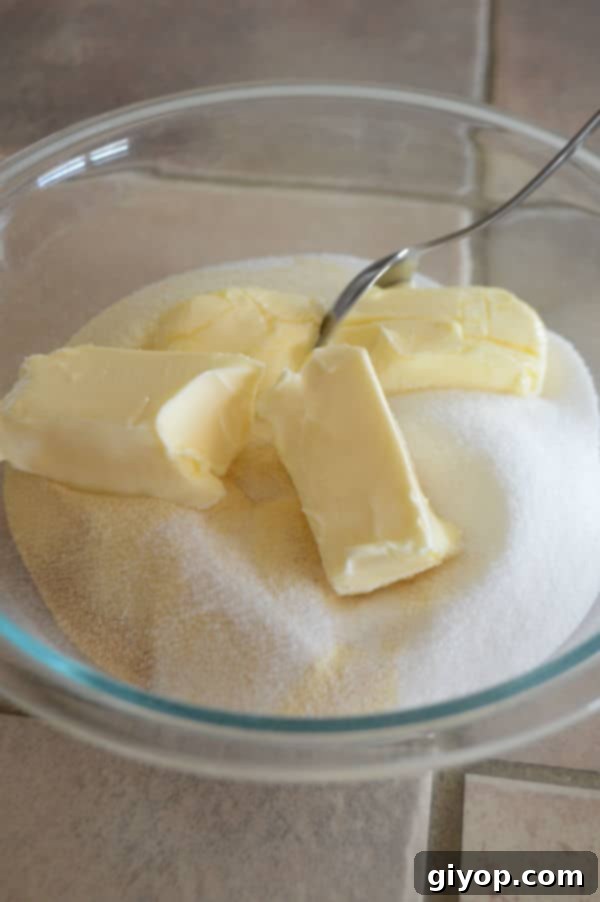
To begin crafting the delightful semolina base for our Ma’mool Mad, gather your ingredients. In a spacious, deep bowl, combine all the dry components: the fine semolina flour (farina), coarse semolina flour, granulated sugar, and dry yeast. Next, add the softened, room-temperature butter. These elements will form the foundation of our crumbly and flavorful dough, promising that signature texture Ma’mool is famous for.
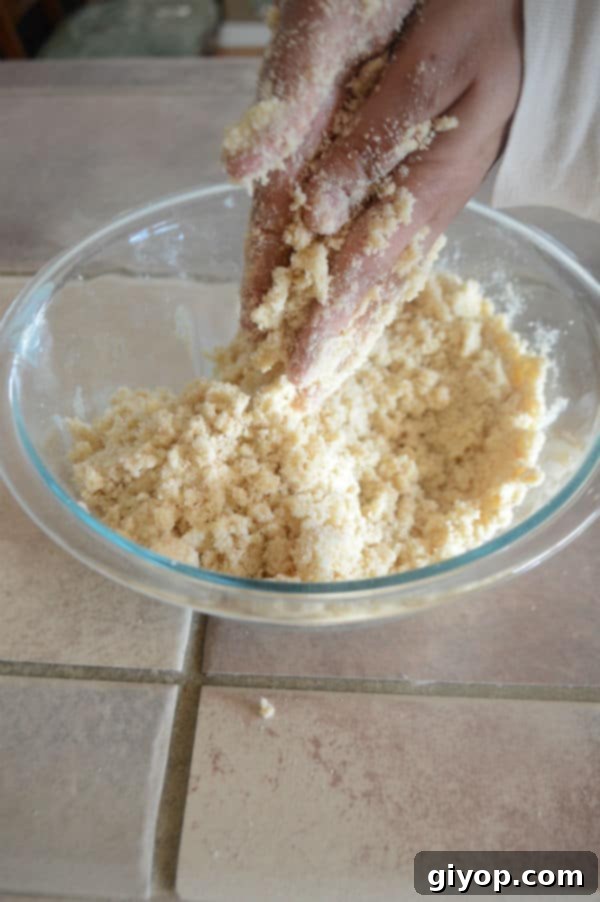
The initial mixing of the semolina dough is a critical step for achieving the perfect texture. Start by using a sturdy spoon to gently combine the flours, sugar, butter, and yeast. Once partially mixed, transition to using your hands. This is where the magic happens: rub the mixture between your palms and fingers, ensuring that every tiny granule of semolina and farina is thoroughly coated in butter. This process, often referred to as “bussing,” creates a texture resembling wet sand. It’s essential for developing the rich, buttery flavor and the characteristic crumbly yet tender consistency of the baked bars. This thorough coating prevents the dough from becoming too dense and promotes a beautiful golden-brown crust.
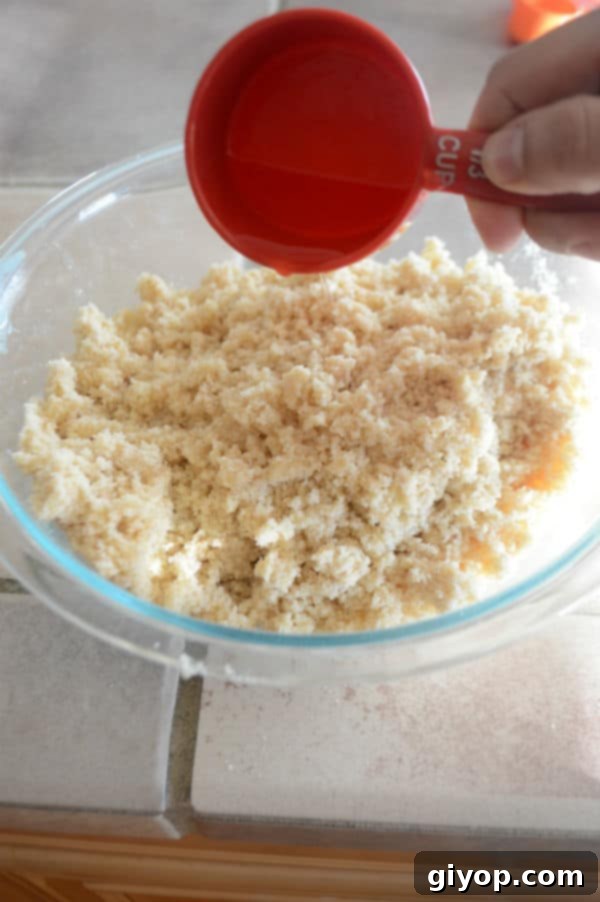
Once the semolina mixture has reached that sandy consistency, it’s time to infuse it with the fragrant essence of the Middle East. Carefully add the measured rose water and orange blossom water to the bowl. These floral waters are indispensable in authentic Lebanese desserts, lending a distinct, aromatic perfume that is both delicate and enchanting. Mix these liquids thoroughly into the semolina mixture until well incorporated. Do not overmix; simply ensure the liquids are evenly distributed. Once mixed, cover the bowl with plastic wrap or a clean kitchen towel and set it aside to rest for at least one hour. This resting period allows the semolina grains to fully absorb the liquids and butter, softening them and preparing the dough for a beautifully tender final product.
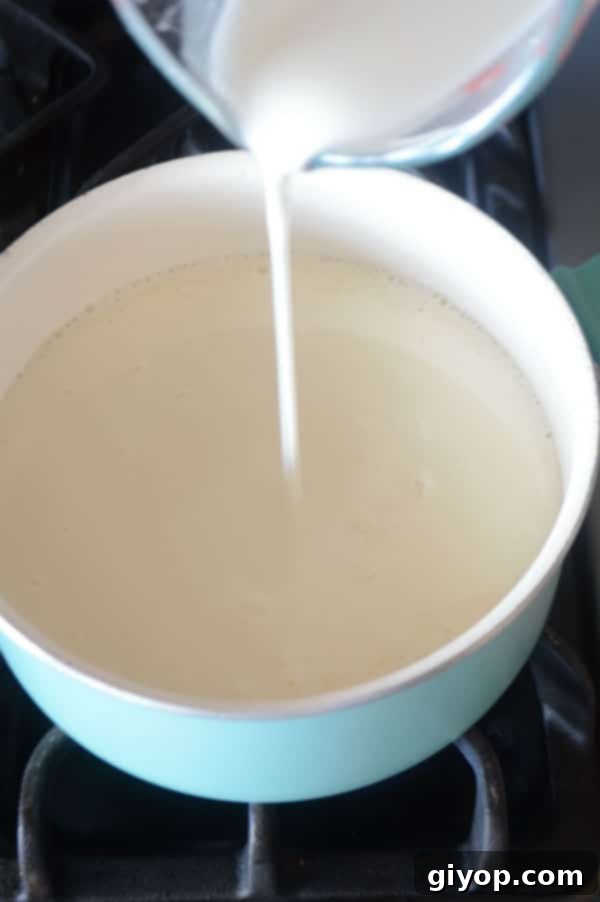
While our semolina dough rests and develops its exquisite flavors, we can turn our attention to preparing the luscious Ashta filling. This creamy core is what truly sets Ma’mool Mad apart. In a medium-sized saucepan, combine all the ingredients for the Ashta: water, sweetened condensed milk, and corn starch. This combination, particularly the sweetened condensed milk, provides a wonderfully rich and sweet base, eliminating the need for additional sugar in the filling itself. The corn starch acts as a thickening agent, giving the Ashta its signature smooth and custardy consistency. Whisk these ingredients together until thoroughly combined and smooth, ensuring no lumps remain before heating.
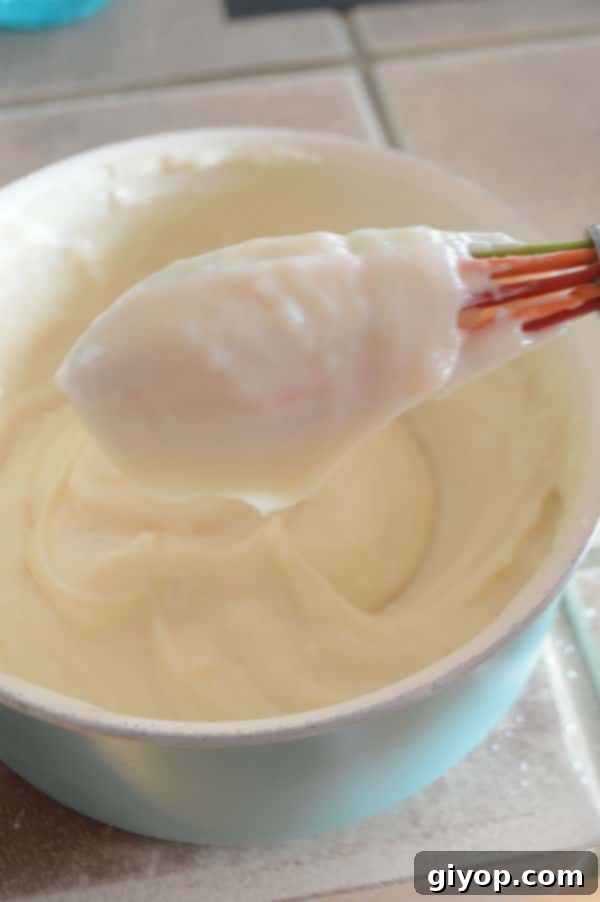
Place the saucepan over medium heat, continuing to stir constantly with a whisk or wooden spoon. This consistent stirring is crucial to prevent the mixture from sticking to the bottom of the pan and forming lumps. As the mixture heats, you will notice it gradually beginning to thicken. The corn starch will activate, transforming the liquid into a rich, creamy pudding-like consistency. Keep stirring until the Ashta becomes very thick, resembling a firm custard that holds its shape. This process usually takes only a few minutes, so stay attentive! Once it reaches the desired thickness, remove the pan from the heat immediately. Stir in the final touch of orange blossom water for an added layer of delicate fragrance. Transfer the warm Ashta to a separate bowl and allow it to cool down to room temperature. It will continue to thicken as it cools, achieving the perfect spreadable consistency for our Ma’mool Mad filling.
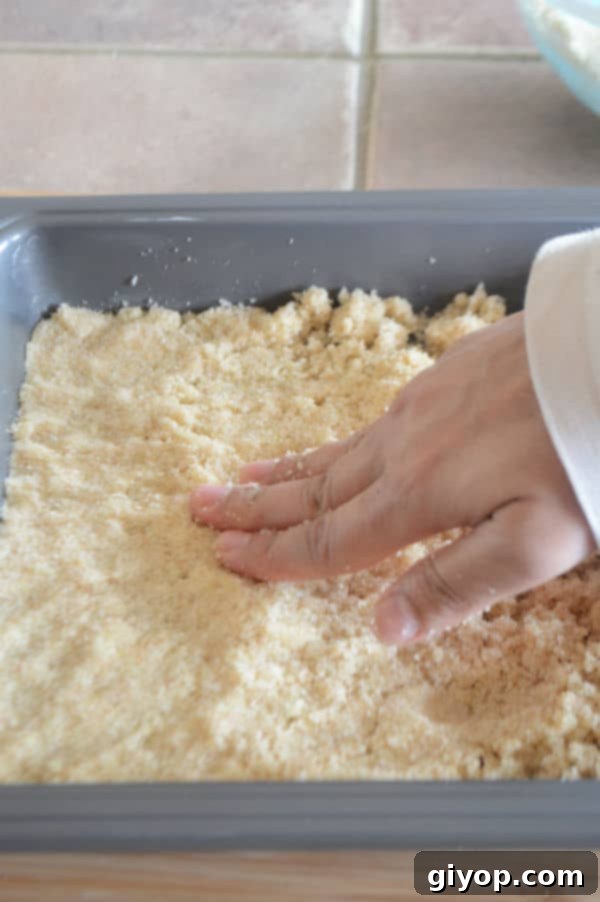
With both the semolina dough rested and the Ashta filling cooled, we are ready for assembly. First, take approximately half of the prepared semolina mixture and carefully press it evenly into the bottom of your prepared oven dish. Use the back of a spoon or your fingertips to ensure a uniform and compact layer. This forms the essential base of our Ma’mool Mad, providing that satisfying buttery crunch in every bite.
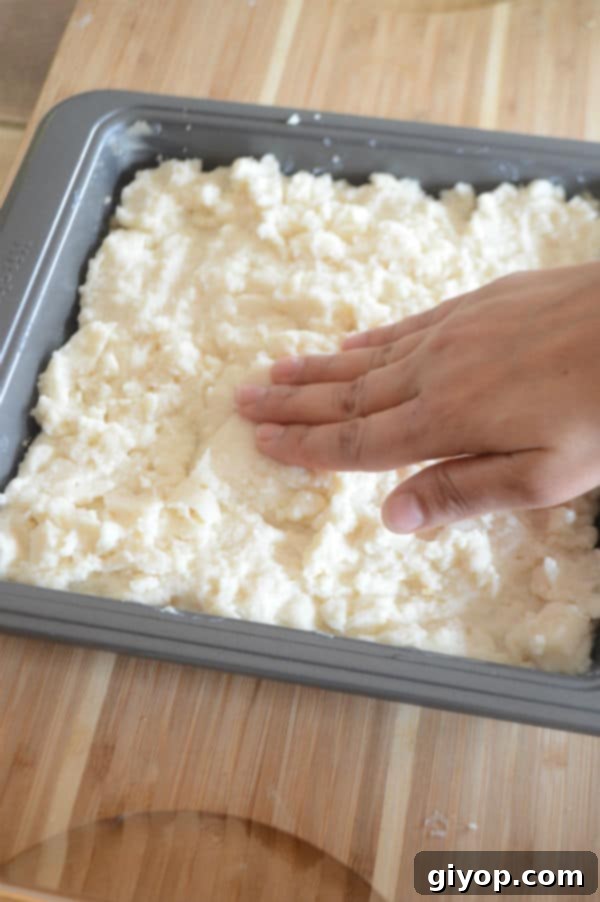
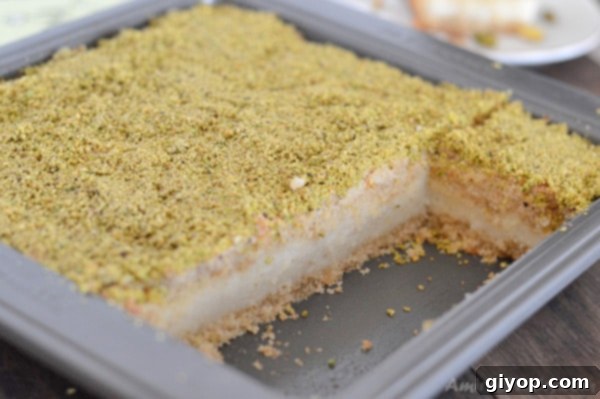
Once the semolina base is firmly in place, it’s time to add the star of our Ma’mool Mad: the creamy Ashta filling. Gently pour or spoon the cooled Ashta over the pressed semolina layer. Carefully spread it out, using an offset spatula or the back of a spoon, to create a smooth, even layer that reaches almost to the edges of the pan. This generous layer of rich, aromatic Ashta will become beautifully soft and tender during baking, perfectly complementing the semolina crusts.
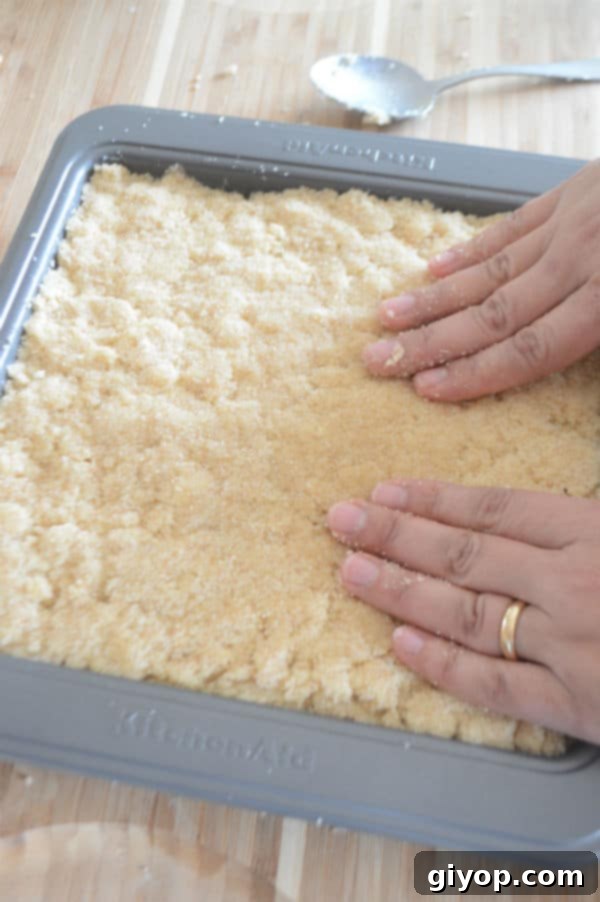
Now for the final layer. Take the remaining half of the semolina mixture and crumble it gently over the Ashta filling. Then, delicately press this top layer down. To make this process easier and prevent the dough from sticking to your hands, you can lightly moisten your fingertips with cold water. The goal is to create an even, protective layer that seals in the creamy filling without compressing it too much. Once assembled, your Ma’mool Mad is ready to be baked in a preheated oven until it achieves a beautiful golden-brown color and the edges are perfectly crisp.
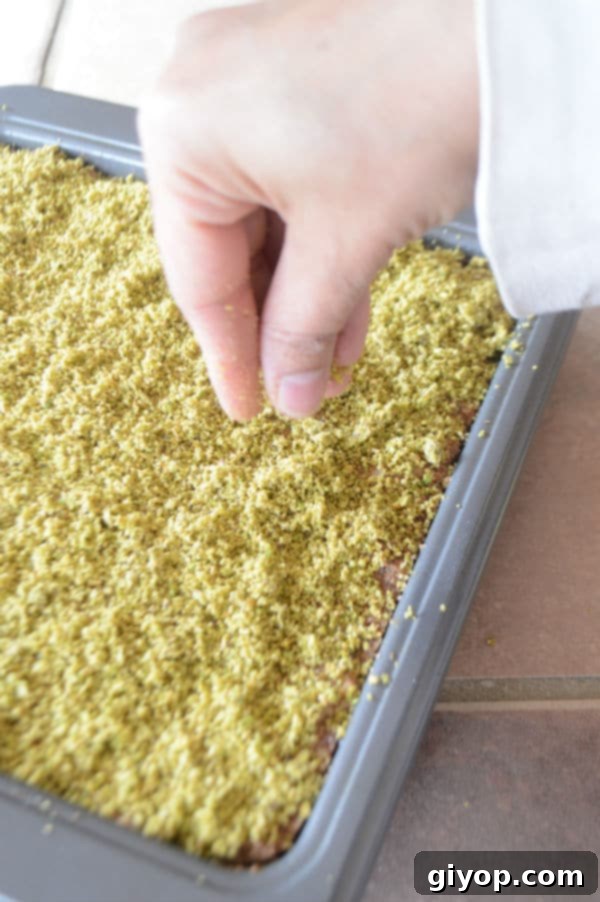
Traditionally, many Middle Eastern semolina desserts are drenched in a simple sugar syrup after baking. However, for this particular Ma’mool Mad with Ashta, I’ve found that it genuinely doesn’t require the extra sweetness. The semolina dough itself contains a sufficient amount of sugar, and the creamy Ashta filling is made with sweetened condensed milk, contributing a lovely sweetness that is perfectly balanced. Adding more syrup might make the dessert overly sweet for many palates. Of course, personal preference varies, and if you have a particularly sweet tooth, a light drizzle of simple syrup can be served on the side, allowing each person to customize their serving.
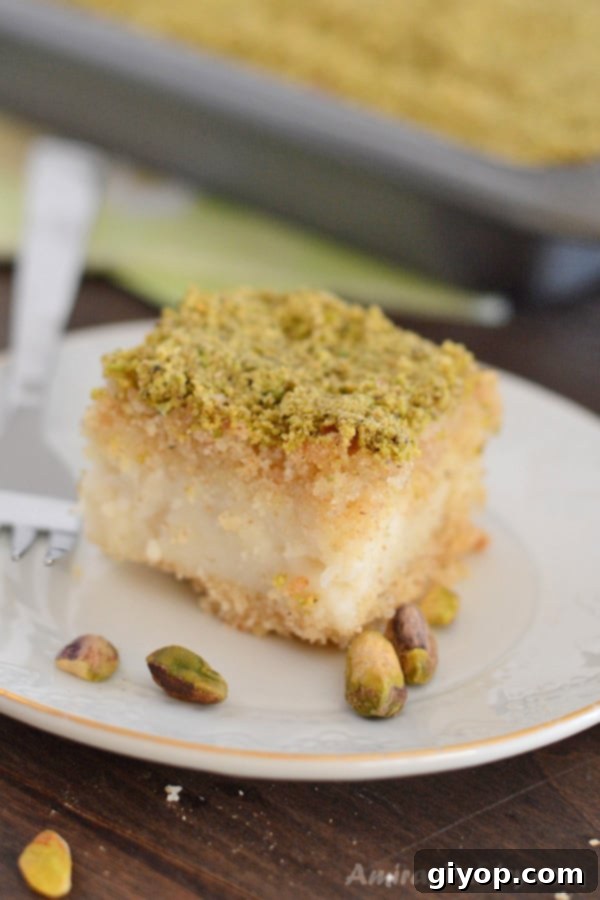
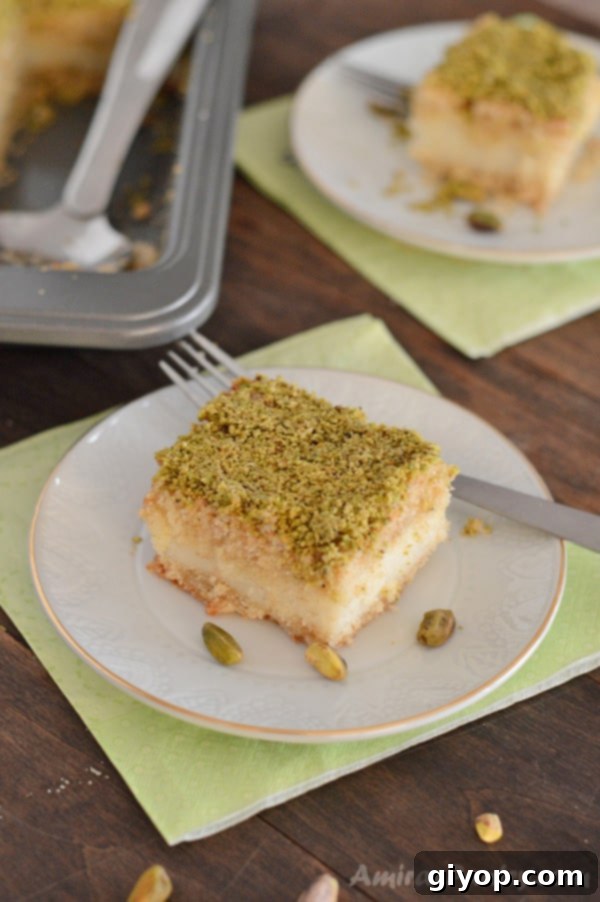
To finish these delectable semolina bars, I garnished mine with finely ground pistachios, which is by far the most common and aesthetically pleasing way to serve Ma’mool Mad. The vibrant green of the pistachios offers a striking visual contrast to the golden semolina and white Ashta, while also adding a delightful nutty crunch and an extra layer of flavor. However, the choice of garnish is entirely yours. I’ve also seen variations of Ma’mool Mad filled with a rich date paste (agwa) for a chewier, naturally sweet interior, or a special pistachio filling made from coarsely ground pistachios mixed with condensed milk, rose water, and orange blossom water, creating an even more intensified pistachio experience. Feel free to experiment with these traditional alternatives to discover your favorite rendition of this classic Lebanese dessert.
I truly hope you’ll enjoy preparing and savoring this incredible Ma’mool Mad with Ashta recipe. If you do make it, please capture a moment and share your creation on social media! Tag us and use the hashtag #amiraspantry — I absolutely love seeing your culinary masterpieces on Instagram, Facebook, and Twitter!
Don’t want to miss out on any delicious recipes, handy tips, or exciting surprises? Be sure to sign up for the FREE Amira’s Pantry newsletter, delivered directly to your inbox. And for all the latest updates, remember to stay connected with us on Facebook, Twitter, Pinterest, and Instagram! Your culinary journey is just beginning.
Ma’mool Mad with Ashta: Lebanese Semolina Bars
Print
Pin
Rate
SaveSaved!
Ingredients
- 2 cups fine semolina (farina)
- 1 cup coarse semolina
- 1 teaspoon dry yeast
- ½ cup granulated sugar
- 1 cup unsalted butter , softened to room temperature
- 3 Tablespoons rose water
- 3 Tablespoons orange blossom water
- For the Ashta filling:
- 3 cups water
- 1 can sweetened condensed milk
- ¾ cup corn starch
- 2 teaspoons orange blossom water
- For garnishing: ground pistachios , about 1 cup
- For serving (optional): ½ cup Simple Syrup
Instructions
- In a large, deep bowl, combine the fine semolina (farina), coarse semolina, dry yeast, sugar, and softened butter. Using your hands, mix these ingredients thoroughly. The key is to rub the mixture between your palms, ensuring that every granule of flour is coated with butter. This process should result in a texture resembling wet sand.
- Once the semolina mixture is well-coated, add the rose water and orange blossom water. Mix gently until just combined. Cover the bowl with plastic wrap or a clean kitchen towel and allow the dough to rest at room temperature for at least one hour. This resting period is crucial for the semolina to absorb the liquids and butter, leading to a tender and flavorful crust.
- Meanwhile, prepare the creamy Ashta filling. In a deep pot or saucepan, combine 2 ½ cups of water and the entire can of sweetened condensed milk. Place the pot over medium heat and bring the mixture to a gentle boil, stirring occasionally to ensure the condensed milk dissolves completely.
- In a separate medium-sized bowl, add the corn starch to the remaining ½ cup of cold water. Whisk vigorously until the corn starch is fully dissolved and there are no lumps. This creates a smooth slurry that will thicken our Ashta.
- Once the milk and water mixture is gently boiling, slowly pour the corn starch slurry into the pot while continuously whisking. Stir constantly and vigorously to prevent lumps from forming.
- Continue to stir for another 2-3 minutes. The mixture will thicken quite rapidly, transforming into a rich, smooth, and creamy Ashta. Be attentive, as it can go from thin to thick very quickly.
- Once the Ashta has reached a thick, pudding-like consistency, remove the pot from the heat. Stir in the 2 teaspoons of orange blossom water for added fragrance. Set the Ashta aside to cool down slightly while you prepare the baking dish. It will continue to thicken as it cools.
- Preheat your oven. If using dark or non-stick pans, set the temperature to 325°F (160°C). If using glass or shiny metal pans, preheat to 350°F (175°C).
- Prepare a 9×9 inch (23×23 cm) oven-safe baking pan by lightly brushing the bottom and sides with a thin layer of butter. This prevents sticking and helps achieve a beautiful golden crust.
- Take approximately half of the rested semolina mixture and press it firmly and evenly into the bottom of the prepared baking pan. Use your fingers or the back of a spoon to create a uniform, thick layer that covers the entire base.
- Carefully pour the cooled Ashta filling over the semolina base. Using an offset spatula or the back of a spoon, gently spread the Ashta to create an even, smooth layer, extending almost to the edges of the pan. *
- Distribute the remaining semolina mixture evenly over the Ashta layer. Gently press down with your hands to form the top crust. You can slightly moisten your hands with cold water to make this process easier and prevent the dough from sticking.
- Bake the Ma’mool Mad in the preheated oven for 30-40 minutes, or until the top and edges turn a beautiful golden brown color. The exact baking time may vary depending on your oven.
- Once baked, remove the pan from the oven. While still warm, generously sprinkle some ground pistachios over the entire surface. The warmth will help the pistachios adhere to the top.
- Allow the Ma’mool Mad to cool down completely to room temperature before attempting to cut and serve. This allows the Ashta filling to set properly, ensuring clean, beautiful slices.
- Serve and enjoy this delightful Lebanese semolina treat!
Video
Notes
** Garnishing with ground pistachios is optional but highly desirable. Not only does it add a beautiful vibrant color, but it also provides a delightful textural contrast and nutty flavor that complements the sweetness of the Ma’mool Mad perfectly. It truly elevates the presentation and taste.
*** For serving, some people prefer to drizzle simple syrup over this dish. Personally, I find this recipe achieves the ideal level of sweetness on its own, with the sugar in the semolina dough and the sweetened condensed milk in the Ashta providing plenty of flavor without being cloyingly sweet. However, you may serve a small bowl of simple syrup on the side for those who prefer an extra touch of sweetness.