
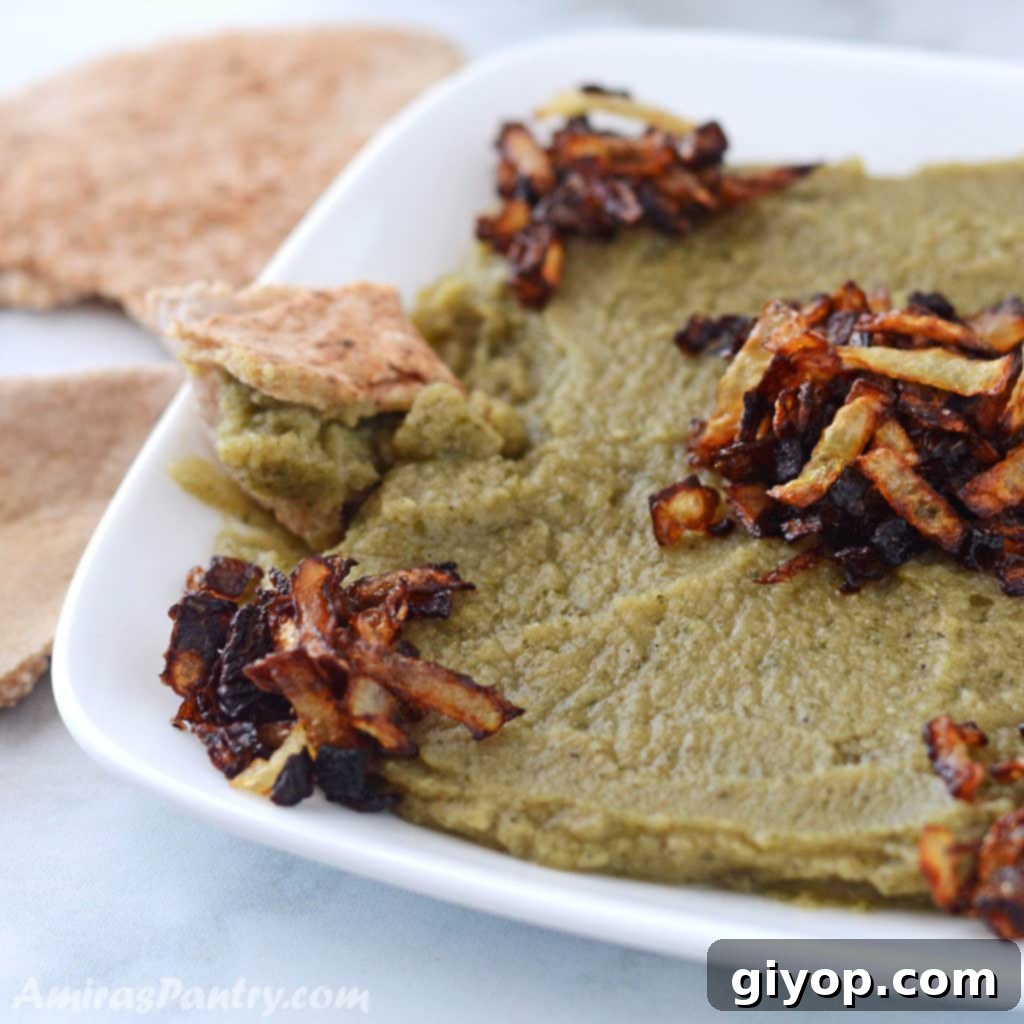
Delve into the heart of Egyptian culinary tradition with Bissara, a remarkably versatile and wholesome fava bean dip. Often celebrated as a “frugal recipe,” this plant-based delight is not only budget-friendly but also packed with essential nutrients, making it a perfect addition to any healthy diet. Its creamy texture and rich, earthy flavors are sure to captivate your palate, especially if you appreciate the robust taste of Middle Eastern staples like falafel.
First Published: August 2013
Last Updated: January 2020
Egyptian Bissara: The Ultimate Fava Bean Dip (Vegan & Healthy)
Bissara, also known as Besara or Bessara, is an iconic dish that holds a special place in Egyptian and North African cuisine. It exemplifies how simple, humble ingredients can be transformed into a profoundly flavorful, nutritious, and incredibly satisfying meal. This vibrant green dip, made primarily from fava beans, garlic, and fresh herbs, is a testament to the resourcefulness and rich culinary heritage of the region. For those who enjoy the savory depth of falafel, Bissara offers a similar flavor profile in a smooth, spreadable form, perfect for dipping or as a hearty component of any meal.
What is Bissara? A Taste of Authentic Egypt
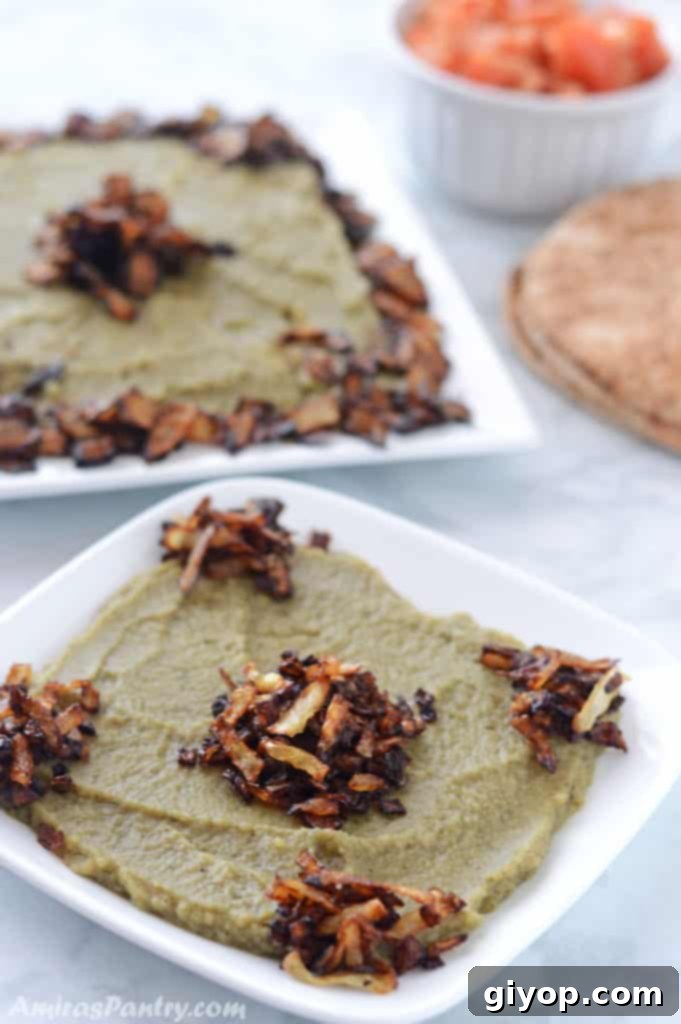
At its core, Bissara is a thick, velvety dip crafted from dried, peeled, and split fava beans (ful medames), blended with a generous mix of fresh green herbs like parsley, cilantro, and dill, along with pungent garlic and onion. The result is a distinctively green, aromatic, and savory paste that is both comforting and invigorating. Its texture is often compared to a “falafel pudding” due to the shared star ingredient and aromatic spices, but Bissara offers a creamier, more refined experience.
My own journey with Bissara started with a childhood reluctance, as it did with many foods during my formative years. However, much like a fine wine, some tastes develop with age. The first time I tried guacamole in the United States, I was struck by its vibrant green hue and creamy texture, instantly drawing a parallel to the Egyptian Bissara I knew. This comparison highlights Bissara’s universal appeal as a rich, plant-based dip that can stand proudly alongside international favorites.
A Journey Through Time: The Rich History and Cultural Significance of Bissara
Bissara is more than just a recipe; it’s a culinary legacy deeply woven into the fabric of Egyptian culture and beyond. Fava beans, the primary ingredient, have been a dietary cornerstone in Egypt since ancient Pharaonic times, providing sustenance for millennia. This dip embodies the spirit of “frugal cooking,” a testament to how simple, readily available ingredients can be transformed into a profoundly satisfying and nourishing meal. Historically, Bissara has been a beloved dish, particularly among working-class families and during colder months when a warm, hearty meal is most comforting.
The term “frugal recipe” perfectly encapsulates Bissara’s essence. It emerged from a need for economical yet nutritious meals, making it accessible to all segments of society. It’s a prime example of traditional dishes that sustained communities for generations, providing energy and essential nutrients when other food sources might have been scarce or expensive. Its plant-based nature also makes it a popular choice during religious fasting periods, such as Coptic Christian Lent, offering a delicious and filling vegan option that adheres to dietary restrictions without sacrificing flavor or substance.
This deep historical and cultural resonance means that every spoonful of Bissara connects you to centuries of Egyptian heritage. It’s a dish that evokes memories of family gatherings, simple home-cooked meals, and the enduring flavors of the Middle East. Preparing Bissara is not just cooking; it’s participating in a timeless tradition that continues to nourish and delight.
The Nutritional Powerhouse: Why Bissara is Good for You
Beyond its delightful taste and affordability, Egyptian Bissara is a nutritional powerhouse, making it an excellent choice for a healthy lifestyle. Fava beans are an exceptional source of plant-based protein, crucial for muscle repair, growth, and overall bodily functions. This high protein content helps keep you feeling full and energized, making Bissara an ideal component of a balanced diet.
They are also remarkably rich in dietary fiber, which aids digestion, promotes satiety, and helps regulate blood sugar levels. A single serving of Bissara can contribute significantly to your daily fiber intake, supporting gut health and preventing common digestive issues. The presence of both soluble and insoluble fiber contributes to a healthy digestive system, which is vital for nutrient absorption and overall well-being.
Furthermore, fava beans are packed with essential vitamins and minerals, including iron, folate, manganese, and copper. Iron is vital for oxygen transport in the blood, making Bissara a beneficial dish for those prone to iron deficiency, especially vegetarians and vegans. Folate (Vitamin B9) is crucial for cell growth and function, particularly important during periods of rapid growth like pregnancy. The fresh herbs—parsley, cilantro, and dill—add a burst of flavor and a wealth of antioxidants, vitamins A, C, and K, further boosting the dish’s nutritional value and contributing to overall wellness. This combination of ingredients makes Bissara an ideal choice for a wholesome, plant-forward meal that nourishes the body from the inside out, supporting everything from immune function to bone health.
How to Make Authentic Egyptian Bissara: A Step-by-Step Guide
Crafting your own delicious Bissara at home is simpler than you might imagine. This recipe prioritizes ease without compromising on authentic flavor. Here’s how you can prepare this creamy, savory fava bean dip, bringing a taste of Egypt to your kitchen:
Preparing the Fava Beans and Aromatics
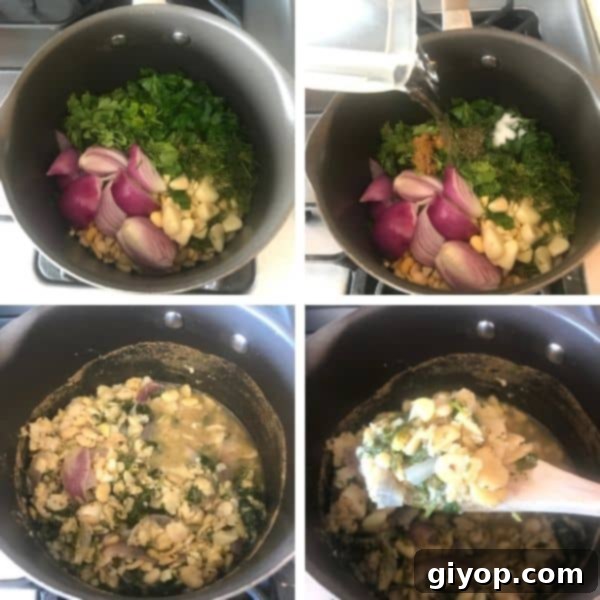
- Begin by soaking your peeled and split fava beans in water for at least one hour. Soaking is a crucial step that helps reduce cooking time and makes the beans more digestible, leading to a smoother final product. After soaking, drain the beans thoroughly.
- In a deep pot, combine the soaked and drained fava beans with coarsely chopped fresh parsley, cilantro, and dill. These fresh herbs are vital for Bissara’s distinctive green color and vibrant aromatic flavor. Add one quartered small onion and several garlic cloves to the pot, which will soften and impart their savory essence into the dip.
- Season the mixture generously with ground cumin and dried mint. Cumin adds a warm, earthy note, a cornerstone of Middle Eastern cuisine, while dried mint provides a subtle cooling freshness that beautifully balances the richness of the beans and other aromatics. Add an initial teaspoon of salt to the pot.
- Pour enough water into the pot to fully cover all the ingredients. The amount can vary slightly depending on your pot size, but typically 2-3 cups will suffice to start. Ensure the beans are well submerged to cook evenly.
Cooking and Blending for Creamy Perfection
- Bring the contents of the pot to a vigorous boil over medium-high heat. Once boiling, reduce the heat to a gentle simmer. Stir occasionally to prevent any ingredients from sticking to the bottom of the pot and to ensure even cooking. If the mixture starts to dry out or absorb all the water before the beans are tender, don’t hesitate to add more water gradually, about half a cup at a time, until the beans are fully cooked.
- Continue simmering until the fava beans are exceptionally tender. They should be easily mashed with a spoon, indicating they are fully cooked and ready for blending. This crucial cooking phase can take anywhere from 30 minutes to an hour, depending on the beans’ age and how effectively they were soaked.
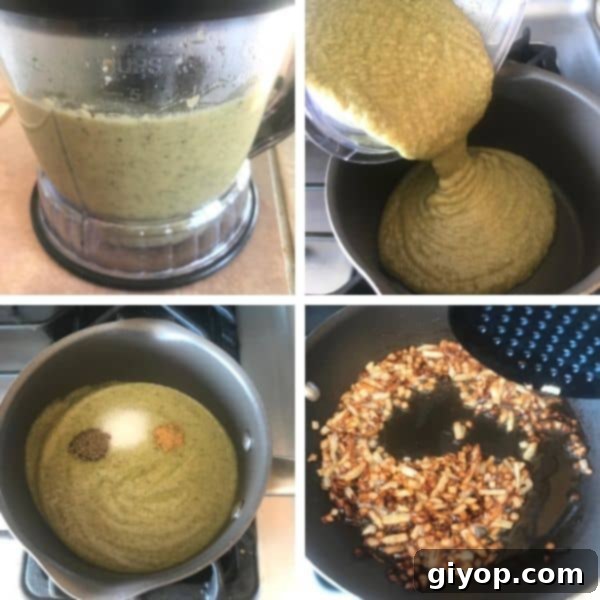
- Once the beans are tender, remove the pot from the heat. For a truly smooth consistency, use an immersion blender directly in the pot. Alternatively, carefully transfer the hot mixture to an ordinary blender (working in batches if necessary, and being mindful of hot liquids). Blend all the ingredients together until they form a very smooth, creamy consistency, ensuring there are no large lumps remaining.
- Pour the smooth Bissara mixture back into the pot. Return it to the stovetop and bring it to a gentle boil again over low heat. This step helps to further thicken the dip and allows the myriad of flavors to meld even more harmoniously.
- Taste the Bissara and adjust the seasonings as needed. This is your chance to fine-tune the flavor profile by adding more salt, cumin, or a touch of black pepper to achieve your desired taste balance. Proper seasoning is key to elevating the entire dish from good to extraordinary.
The Signature Garnish: Fried Onions
- While the Bissara is simmering for its final round, prepare the iconic garnish that makes this dish truly special. In a separate non-stick skillet, heat a quarter cup of olive oil over medium heat. Add one medium chopped onion and sauté, stirring occasionally, until it turns beautifully golden brown and caramelized. These fried onions add a delightful crunch and a savory sweetness that provides a perfect textural and flavor contrast to the creamy dip.
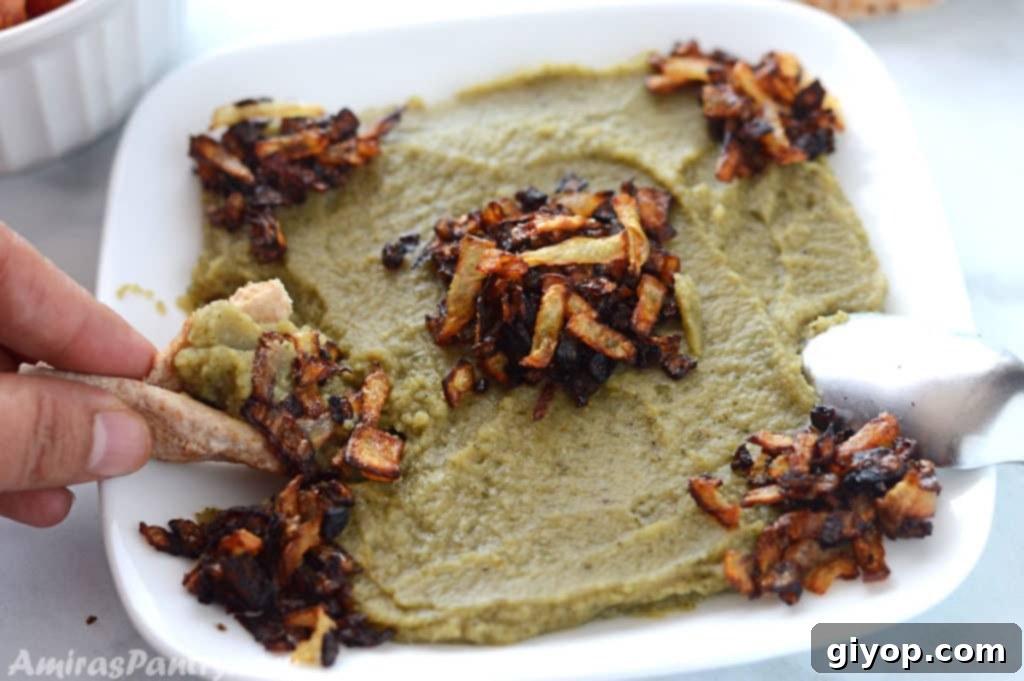
- To serve, ladle the warm or cool Bissara mixture into individual serving plates or a large communal dish. Generously garnish with the crispy browned onions. For an added touch of richness and flavor, drizzle with a little extra virgin olive oil just before serving. Bissara can be enjoyed either hot, warm, or cold, offering flexibility for any meal.
How to Eat Bissara: Versatile Serving Suggestions
Bissara is incredibly versatile and can be enjoyed in various ways, whether hot or cold, making it suitable for any mealtime. Its creamy texture and rich flavor ensure it’s always a satisfying dish:
- Classic Dip: The most traditional and perhaps most beloved way to savor Bissara is by scooping it up with warm pita bread or any crusty bread. Its thick consistency makes it ideal for dipping, providing a fulfilling and satisfying experience that highlights its earthy flavors.
- Wholesome Meatless Meal: Bissara makes an excellent main dish for a vegetarian or vegan lunch or dinner. Its high protein and fiber content ensure it’s incredibly filling. Pair it with a simple side salad of fresh vegetables for a complete and balanced meal.
- Tomato-Garlic Relish: Enhance your Bissara experience with a classic Egyptian accompaniment. Prepare a vibrant relish by mixing some finely diced fresh tomatoes with one crushed garlic clove, a pinch of salt, and a dash of cumin. This refreshing, tangy topping adds an extra layer of flavor that beautifully complements the earthy dip.
- Mezze Platter: Incorporate Bissara into a larger Middle Eastern mezze spread. It pairs wonderfully alongside other popular dips like Muhammara (a delicious roasted red pepper and walnut dip), creamy hummus, tangy olives, and an assortment of pickled vegetables.
- Breakfast Staple: In Egypt, Bissara is also enjoyed as a hearty and nutritious breakfast, providing a great start to the day with its sustained energy release from high protein and fiber.
- Garnish Variations: Beyond the essential fried onions, consider a sprinkle of fresh chopped cilantro or parsley, a dash of paprika or chili flakes for a slight kick of heat, or a generous swirl of high-quality extra virgin olive oil just before serving.
However you choose to enjoy it, Bissara promises a flavorful, wholesome, and culturally rich culinary journey that is both comforting and delicious.
Bissara Variations Across the Region
While this recipe focuses on the classic Egyptian style, it’s worth noting that variations of Bissara are cherished across North Africa and parts of the Middle East, each reflecting local culinary traditions. In Morocco, for instance, Bissara often incorporates dried broad beans (fava beans) and sometimes green peas, resulting in a slightly different flavor and texture. Moroccan Bissara is commonly served as a thick, comforting soup or a hearty dip, typically topped with a generous drizzle of argan or olive oil, a sprinkle of cumin, and occasionally a dash of hot paprika or chili powder, especially during colder months.
Algerian and Tunisian versions also exist, each with subtle differences in herb and spice combinations, sometimes favoring different types of legumes or methods of preparation. These regional interpretations highlight the dish’s fundamental appeal as a nourishing, plant-based meal made from simple, staple ingredients, demonstrating its adaptability and widespread appreciation throughout the Maghreb and Levant. Exploring these variations offers a fascinating glimpse into the diverse culinary landscape of the Mediterranean.
Final Thoughts on This Egyptian Delicacy
Bissara stands as a testament to the enduring appeal of simple, wholesome ingredients transformed into a dish rich in flavor and cultural heritage. Easy to prepare, economical, and brimming with nutrients, it offers a delightful journey into authentic Egyptian cuisine. Whether you’re a seasoned chef or a curious home cook looking to explore plant-based options, trying this traditional fava bean dip promises a rewarding culinary experience. Don’t hesitate to experiment with the seasonings to match your preference and make it your own; a pinch of chili for heat or a squeeze of lemon for brightness can personalize your Bissara beautifully.
If you enjoyed making this recipe, we’d love for you to share your experience! Consider leaving a ⭐⭐⭐⭐⭐ star rating and sharing a photo of your finished dish. It’s always a joy to see your creations and unique interpretations of our recipes. Your feedback and photos inspire others to try this wonderful dish. Thank you for being a part of our culinary community!
Bissara: Traditional Egyptian Fava Bean Dip Recipe
A traditional Egyptian vegan fava bean dip that can be served as an appetizer or scooped up with some pita bread for a wholesome lunch or meatless dinner.
Course: Appetizer
Cuisine: Egyptian, Mediterranean, Middle East
Prep Time: 1 hour (includes soaking)
Cook Time: 30 minutes
Total Time: 1 hour 30 minutes
Servings: 5 servings
Author: Amira
Ingredients
- 1 cup (180g) peeled and split fava beans, soaked in water for 1 hour.
- ½ cup (15g) fresh parsley, coarsely chopped.
- ½ cup (15g) fresh cilantro, coarsely chopped.
- ¼ cup (4g) fresh dill, coarsely chopped.
- 1 (90g) small onion, quartered.
- 3 (14g) garlic cloves.
- 1 teaspoon ground cumin.
- 1 teaspoon dry mint.
- 1 teaspoon salt or to your liking.
- 2-3 cups water.
- 1 medium onion, chopped (for garnish).
- ¼ cup Oil for frying onion.
- More cumin, salt and black pepper to taste for final seasoning.
Instructions
- In a deep pot over medium-high heat, add the soaked and drained fava beans, quartered onion, garlic cloves, and fresh herbs (parsley, cilantro, dill).
- Add the cumin, dry mint, and initial teaspoon of salt. Pour in enough water to completely cover all the ingredients.
- Bring everything to a boil, then reduce the heat and simmer gently, stirring occasionally. If the water level drops too much, feel free to add more, half a cup at a time, to ensure the beans remain submerged and cook evenly.
- Continue cooking until the fava beans are very tender and easily mashed. This typically takes about 30 minutes to 1 hour after boiling begins.
- Remove the pot from the heat. Using an immersion blender directly in the pot, or by carefully transferring the mixture to a standard blender, blend all the ingredients until the mixture is completely smooth and creamy.
- Pour the blended Bissara back into the pot. Return to low heat and bring to a gentle boil once more to allow the flavors to deepen and the dip to achieve its final consistency.
- Taste the Bissara and adjust the seasonings. Add more salt, cumin, and black pepper to your personal preference until the flavor is perfectly balanced.
- In a separate non-stick skillet, heat ¼ cup of oil (such as olive oil) over medium heat. Add the chopped medium onion and fry until golden brown and caramelized. These browned onions will be used as a garnish.
- Ladle the warm or cold Bissara mixture into serving plates. Garnish generously with the crispy browned onions. Drizzle with a little fresh olive oil if desired. Serve immediately with pita bread or as part of a meal.
Notes
- I use pink salt, and the nutrition of this recipe is calculated for 1.5 teaspoons of salt.
- Please check the nutrition disclaimer policy.
Nutrition Information (per serving)
- Calories: 241.9 kcal
- Carbohydrates: 26.5 g
- Protein: 13.5 g
- Fat: 11.7 g
- Saturated Fat: 1.7 g
- Polyunsaturated Fat: 0.9 g
- Monounsaturated Fat: 8 g
- Sodium: 97.7 mg
- Potassium: 86.3 mg
- Fiber: 12.9 g
- Sugar: 4.8 g
- Vitamin A: 6.3 IU
- Vitamin C: 13.4 mg
- Iron: 18.2 mg
Tried this Recipe? Pin it for Later! Mention @AmirasPantry or tag #AmirasPantry!